

Reports of unheeded Oct. 7 warnings may be tenuous, but still are dangerous for Netanyahu
Much about claims around Gulf leaders alerting PM before attack leaves room for doubt, but that does not mean voters will dismiss serious questions about Netanyahu’s handling of the Hamas threat

 Add ToI as a Preferred Source on Google
Lazar Berman is The Times of Israel's diplomatic reporter
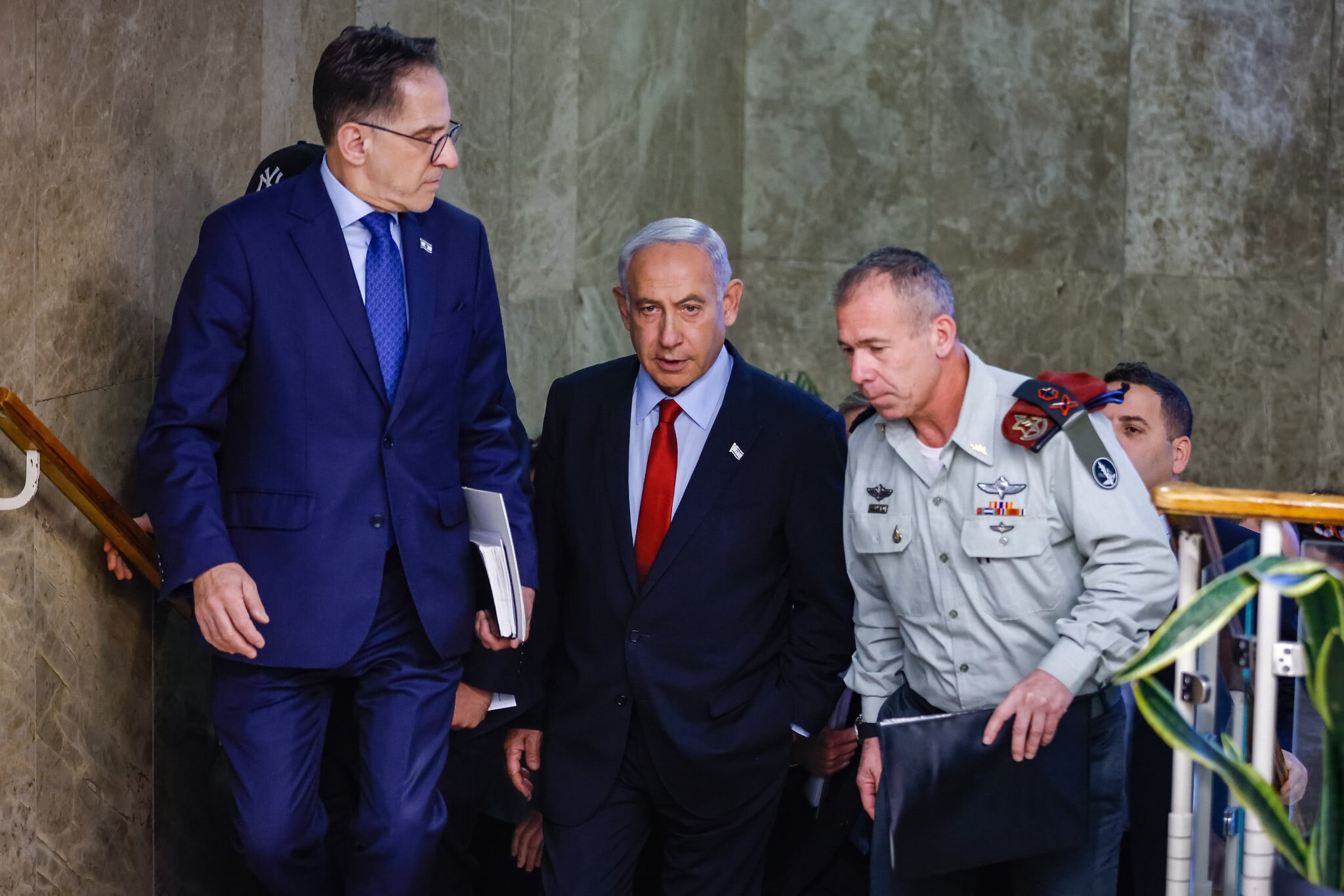
As the first Israeli election since the 2023 Hamas attack looms, a topic of great significance has been thrust back into the limelight — the question of Prime Minister Benjamin Netanyahu’s responsibility for the October 7 disaster.
The issue has been a central animating force in Israeli politics since Hamas terrorists poured into southern Israel three years ago. In recent weeks, however, claims regarding the leadership’s negligence have been supercharged by a string of reports in Israeli and foreign outlets making a startling allegation — that Netanyahu ignored multiple warnings from Arab governments about an impending Hamas attack.
Netanyahu has claimed that key intelligence was withheld from him in the lead-up to the attacks, preventing him from taking the necessary countermeasures to prevent it. If the reports about foreign warnings are true, however, they would mean that he is the one who had all the necessary information, and failed to pass it on to the relevant security officials.
It would also raise disturbing questions about Netanyahu’s motivation for doing so.
At the same time, there are reasons — beyond their timing just ahead of the October 27 election — to treat the reports with caution.
Whether they are accurate or not, the allegations have the potential to swing what is shaping up to be a close-run election campaign against the prime minister.
When Kamel flies
Allegations that Netanyahu had ignored warnings about the Hamas attack surfaced while Gaza terrorists were still inside of Israel.
On October 9, two days after the attack, an Egyptian intelligence official said that Jerusalem had dismissed repeated warnings that the Gaza-based terror group was planning “something big” — which included an apparent direct notice from Cairo’s intelligence minister to the prime minister.
“We have warned them an explosion of the situation is coming, and very soon, and it would be big. But they underestimated such warnings,” the official told The Associated Press.
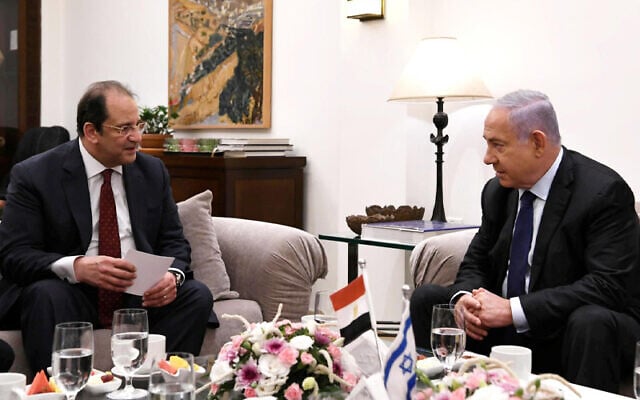
In one of the ostensible warnings, Egypt’s Intelligence Minister General Abbas Kamel personally called Netanyahu just 10 days prior to the massive attack, alerting him that Gazans were likely to do “something unusual, a terrible operation,” according to a 2023 report from the Ynet news site.
Unnamed Egyptian officials told the site they were shocked by Netanyahu’s indifference to the news and said the premier told the minister the military was “submerged” in dealing with West Bank troubles.
Netanyahu’s office firmly denied the report. “No early message came from Egypt and the prime minister did not speak or meet with the intelligence chief since the establishment of the government — not indirectly or directly,” his office said.

Late last month — with the election drawing closer — the Egyptian angle returned to headlines as The Wall Street Journal and The Atlantic published major stories on the ostensible warning.
According to those reports, Kamel’s call to Netanyahu days before the attack followed two earlier Egyptian warnings. The second was delivered in person by Kamel, who met with officials in Israel in late September 2023.
Kamel reportedly urged Israel to give Hamas further economic concessions to avoid armed conflict.
Netanyahu firmly denied those alleged warnings as well.
“In the months leading up to October 7, Prime Minister Netanyahu did not meet or speak with Abbas Kamel, who was then head of Egypt’s General Intelligence Service, and no Israeli intelligence official conveyed an Egyptian warning to the prime minister,” he wrote on X.
Netanyahu said he would be filing a libel lawsuit, but did not specify against whom.
He also tried to pin the blame on former Shin Bet chief Ronen Bar, whom he accused of knowing about the threat of a Hamas attack on the night of October 7, 2023, but choosing not to inform the prime minister.
What bin Zayed said
An even more serious allegation has been made by Shlomi Eldar and Ruth Yuval in Haaretz.
Last month, they reported that 10 days before October 7, Netanyahu was personally warned by the leader of the United Arab Emirates that Hamas was planning a major offensive move against Israel, but did not update Israeli security leaders and did nothing with the information.
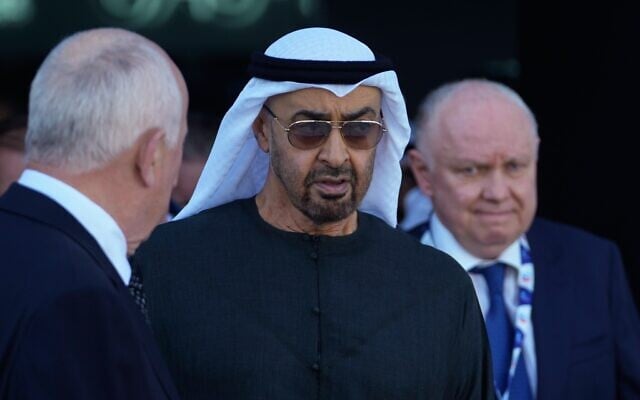
They said three senior foreign officials were updated on the contents of the 45-minute phone call at the end of September 2023. The report cited a Palestinian adviser to Emirati President Mohammed bin Zayed who emigrated from Gaza to the UAE and had direct knowledge of the conversation.
According to Haaretz, the Emirati leader warned Netanyahu that Hamas head Yahya Sinwar was planning major action against Israel that would lead to bloodshed, unsettle the region and potentially harm the Abraham Accords.
According to Channel 12, the call was prompted by a call from the Emirati intelligence service to the Shin Bet warning that Hamas could carry out a violent action by the end of the month.

The Haaretz report said bin Zayed’s awareness of a Hamas threat had come from Sinwar himself, who in mid-2023 was frustrated by the lack of progress in negotiations for a Palestinian prisoner release deal with Israel, and sent a warning to Israel through the UAE in an effort to push Jerusalem into accepting his terms.
The contacts for a potential agreement began in 2023. A senior Fatah interlocutor referred to as “Coal Eyes” would exchange messages with Sinwar representative Ghazi Hamad, a Hamas politburo member fluent in Hebrew, Haaretz said.
Shortly after the reports came out, former PA minister for prisoner affairs Sufian Abu Zaida said he was “Coal Eyes,” the Palestinian intermediary who conveyed Sinwar’s warning to Israel as well as the United Arab Emirates.

In a TV interview, he displayed what he said was a handwritten note dictated to him, “word for word,” by Sinwar at a meeting on September 14, 2023, which reads: “Before the end of September, we will put the cards on the table. There will be an earthquake regarding the negotiations, and they [the Israelis] should prepare to empty the prisons.”
Netanyahu’s office, in an English statement, denied the UAE story as well. “The press reports are false. No warning was given to the Prime Minister from the United Arab Emirates before October 7th,” the PMO says in a statement. “If there was any relevant information, it was passed through intelligence channels between the two countries.”
Fact and friction
At first glance, the accounts seem to constitute a rock-solid indictment of the prime minister, corroborated by multiple sources. But the more one pulls on them, the more tenuous they become.
The ostensible Egyptian warning — besides not being specific — centered around the premise that Sinwar’s primary goal was the release of hundreds of Palestinian prisoners, as well as economic concessions from Israel, including work permits, easing the Israeli blockade, and alleviating Gaza’s water and electricity crises.
There are two major problems with that account. First, we know now that Sinwar didn’t spend years preparing the October 7 attack just for a limited release of prisoners or to improve Gaza’s economy.
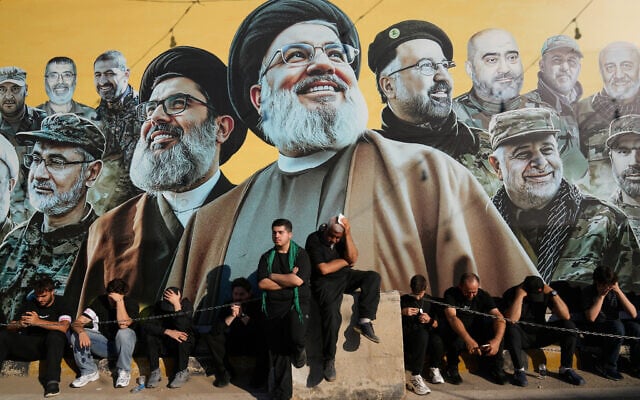
The October 7 mastermind wrote to Hezbollah leader Hassan Nasrallah in 2022 to outline a joint campaign against Israel with “the aim of bringing down the occupying state and eliminating it.”
Notes written by Sinwar and later recovered by the IDF call the upcoming “decisive” campaign a “life and death battle,” and meetings between senior Hamas officials discussed how to create a multifront campaign against Israel.
The reported warnings from Egypt would have been further evidence that Israel’s existing concept was accurate — that any violence from Hamas was merely a negotiating tactic to get a better economic and hostage deal.
Moreover, the alleged warnings are being reported as indications that Netanyahu should have understood that Israel’s core understanding of Hamas as a rational political actor intent on solidifying its rule was fundamentally flawed. He should have understood, they posit, that the terror group was going to do something far beyond what Israel was expecting.
But the reported warnings from Egypt would have been further evidence that Israel’s existing concept was accurate — that any threatened violence from Hamas was merely a negotiating tactic to get a better economic and hostage deal.

If such a warning was issued by Egypt, it would have been just the latest attempt by Cairo over the previous 15 years to broker a temporary truce between Israel and Hamas based on economic concessions — and thus nothing out of the ordinary.
The reports of the Emirati warning also run against what we know about Sinwar’s concerns before October 7.
Though his plan to destroy Israel depended on Iran and Hezbollah joining in, he declined to share key details of his attack with them, afraid that Israeli intelligence would pick up on his plans. The Hamas fighters themselves only found out about the attack hours before they carried it out.
Yet the whole premise of the UAE angle rests on the idea that Sinwar told the Israelis — through bin Zayed — that he was about to carry out a major attack in the near future if they didn’t accept his demands.

Comments by Avi Gil, Netanyahu’s military secretary on October 7, 2023, in a bombshell interview aired by Channel 12 last week, make the reports of the warnings even less likely.
Gil, who decided to speak out publicly against his former boss and clearly is not out to protect him, said he didn’t know about either the Egyptian or the Emirati warnings.
His excuse for not knowing about the UAE warning was that he wasn’t at Netanyahu’s office when bin Zayed allegedly called the prime minister with the news that Hamas was going to attack — as if the prime minister’s own top military aide is only aware of the conversations with regional leaders that take place when he is physically present.
He also said “I don’t know of” any warning from Egyptian intelligence chief Abbas Kamel.
The buck stops where
Even if the warnings are largely fictional, or just overexaggerated, that doesn’t absolve Netanyahu from responsibility for the October 7 disaster. He was in office for almost all of the period in which Hamas was building up its military forces, and in which Sinwar was planning his invasion.
Flawed understandings of Hamas’s intentions may have been shared by military and security bodies before October 7, but the buck stops with Netanyahu. He fought hard in multiple election campaigns to be in that position, with all it entails.
There are a range of measures he could have ordered that could have prevented the attack or reduced its catastrophic impact, including assassinations and more robust defenses. He could have also insisted that security brass and the political leadership, himself included, more vigorously investigate the assumptions underpinning the flawed conceptual view of Hamas as primarily interested in economic relief and cementing its rule.
Challenging those assumptions may have reduced reliance on an idea that made it easy to dismiss warnings of the type he allegedly received. Instead, the country was left wholly unprepared for the Hamas invasion.
Israeli voters will have to decide whether the dereliction of that responsibility means that Netanyahu must step aside, or whether his performance in the post-October 7 wars, and his ability to guide the country in the coming years, overrides any culpability.








The Times of Israel Community.