

PM’s ex-military secretary: Netanyahu prioritized political survival when he could have saved hostages’ lives
In bombshell interview, Avi Gil, who was in post on Oct. 7, alleges PM’s chief of staff falsified his phone records from that day; PM issues denial; opposition leaders call for criminal probe
 Add ToI as a Preferred Source on Google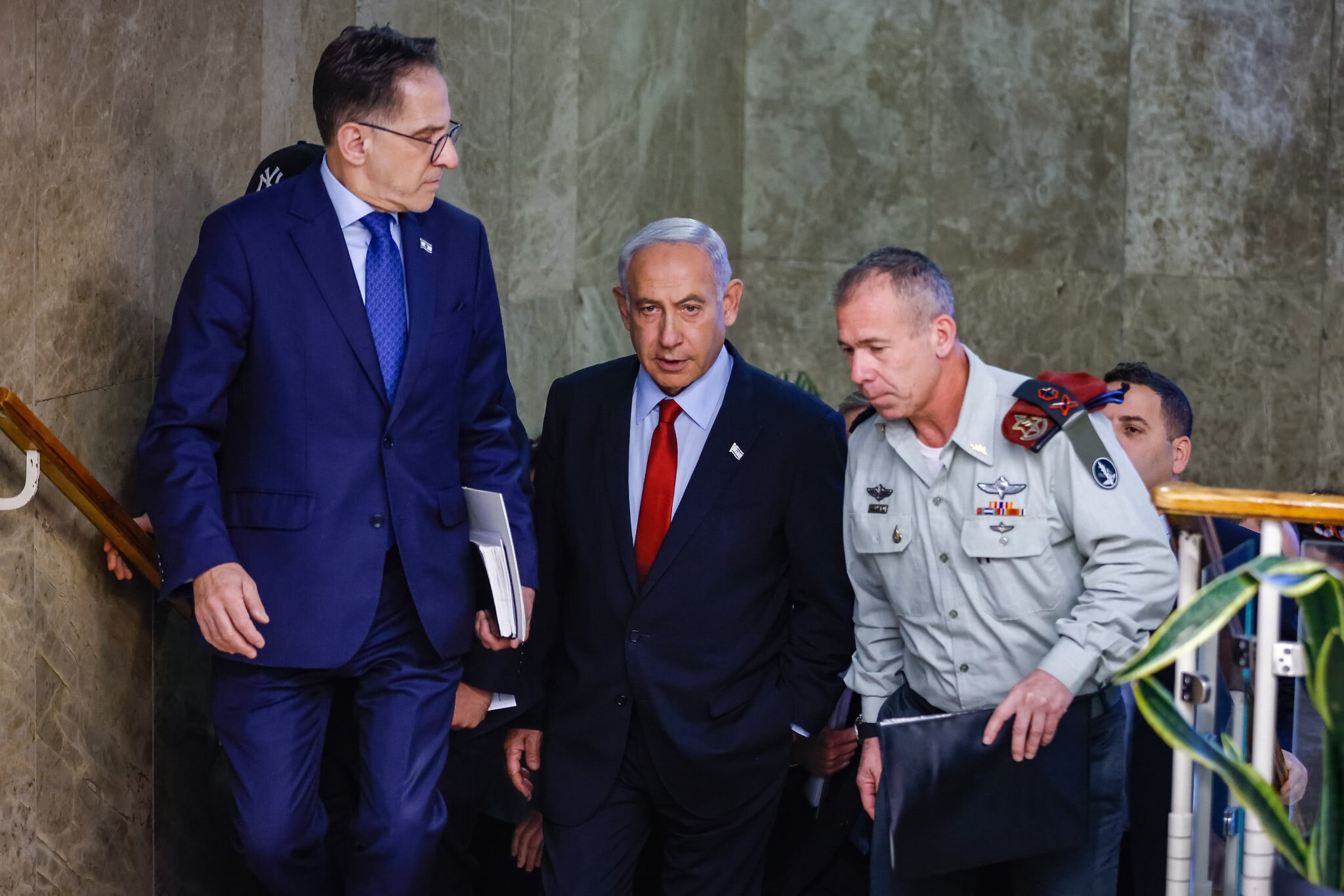
In a bombshell interview, the man who served as Benjamin Netanyahu’s military secretary on October 7, 2023, charged that the prime minister passed up clear-cut opportunities to bring more hostages home from Gaza alive because doing so would have risked his political career.
Discussing cabinet meetings during the war, Avi Gil told Channel 12 on Thursday evening that there were times when Netanyahu opted to preserve his government rather than agree to a deal that would have brought hostages back to Israel, some of whom later died in captivity, but that could have toppled his coalition.
Gil acknowledged that leadership requires looking at the full picture, and that “political considerations are also part of the matter.”
Then, he added: “Did I think at the time that it was a mistake? Did I think it was right to prioritize the return of hostages? The answer is yes.”
In the lengthy interview, Gil made a series of explosive allegations, many of which touched on the critical questions of what Netanyahu knew before October 7, how he acted during the Hamas-led onslaught, and how he made decisions in the months that followed.
The ex-military aide, who served in the position from July 2021 to May 2024, also alleged that Netanyahu’s chief of staff tampered with his phone records from October 7. He claimed that the story Netanyahu has told of the lead-up to the devastating attack, including in a formal submission to a state comptroller’s investigation, leaves out crucial details. And he said that in the weeks and months before the attack, Netanyahu was warned repeatedly by all his security chiefs of an impending war.
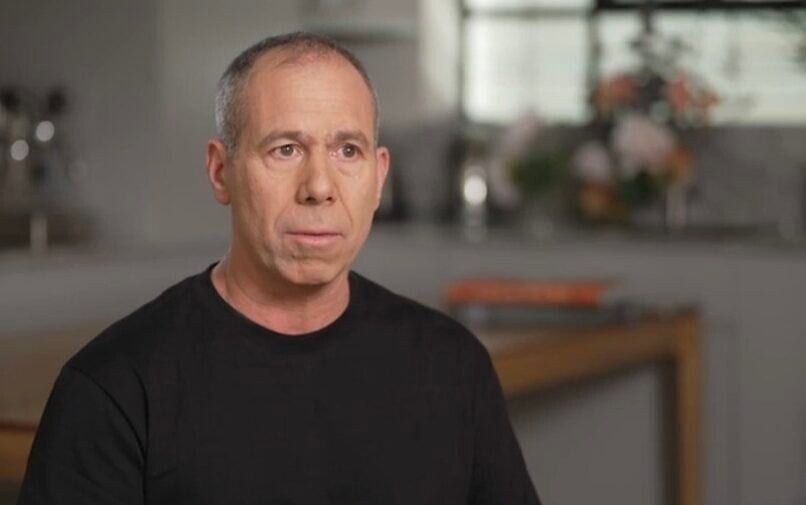
The damning claims, coming 19 days before Netanyahu stands in the first election since October 7, 2023, met a furious denial from the prime minister, who relayed blame for that day’s missteps back onto Gil. Netanyahu’s conduct surrounding October 7 has been at the center of the political campaign, and he has sought to blame the country’s security chiefs for failing to prevent the bloodiest day in Israel’s history.
Gil’s remarks to the media were “an attempt to obscure the simple and painful truth about his failure,” Netanyahu said in response to the interview.
Gil’s claims also prompted outrage of a different kind from Netanyahu’s political rivals: Gadi Eisenkot, the election’s frontrunner, called for a criminal probe into the premier’s alleged lies. Avigdor Liberman, chair of the hawkish Yisrael Beytenu party, accused Netanyahu of treason.
“While other brothers and sisters in the border region were slaughtered by Hamas, Netanyahu worked on changing protocols instead of saving them,” Eisenkot wrote on X. “Nothing will save him from the state commission of inquiry we’ll establish after the election.”
‘They could have come back before’
Forty-six of the 251 hostages who were taken in the October 7 attack were abducted alive and died in captivity. When asked on Thursday whether some of them could have been brought back alive, and whether some of those who survived could have been returned earlier, Gil replied simply, “We could have.”
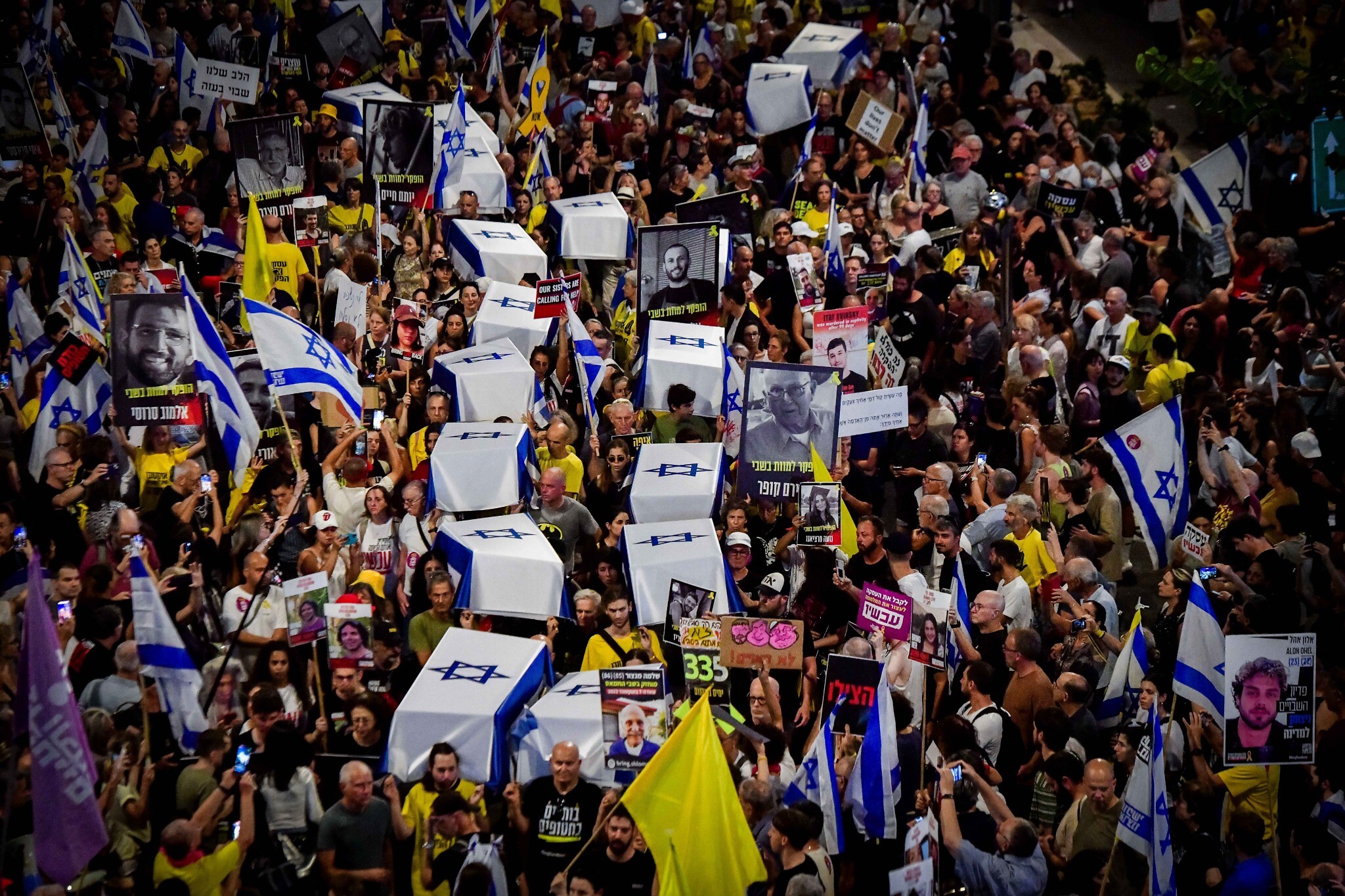
Gil indicated that Netanyahu caved to pressure from far-right ministers in his coalition who wanted intensified war against Hamas in Gaza and opposed hostage deals and ceasefires. One of those ministers, Itamar Ben Gvir, bragged about quashing hostage deals during the war.
Gil was asked whether there were times when Netanyahu had made a decision, only for far-right ministers to then say, “There is no deal,” and for Netanyahu to change course. “Yes,” he said.
“Over time, gaps developed between the recommendations of the defense authorities and maybe even the prime minister’s own wishes,” on the one hand, “and the decisions or recommendations of his ministers,” said Gil.
He was then asked whether, for political reasons, hostages were murdered or died in captivity when it was possible to bring them home alive.
“That is accurate,” he said. “They could have come back before.”
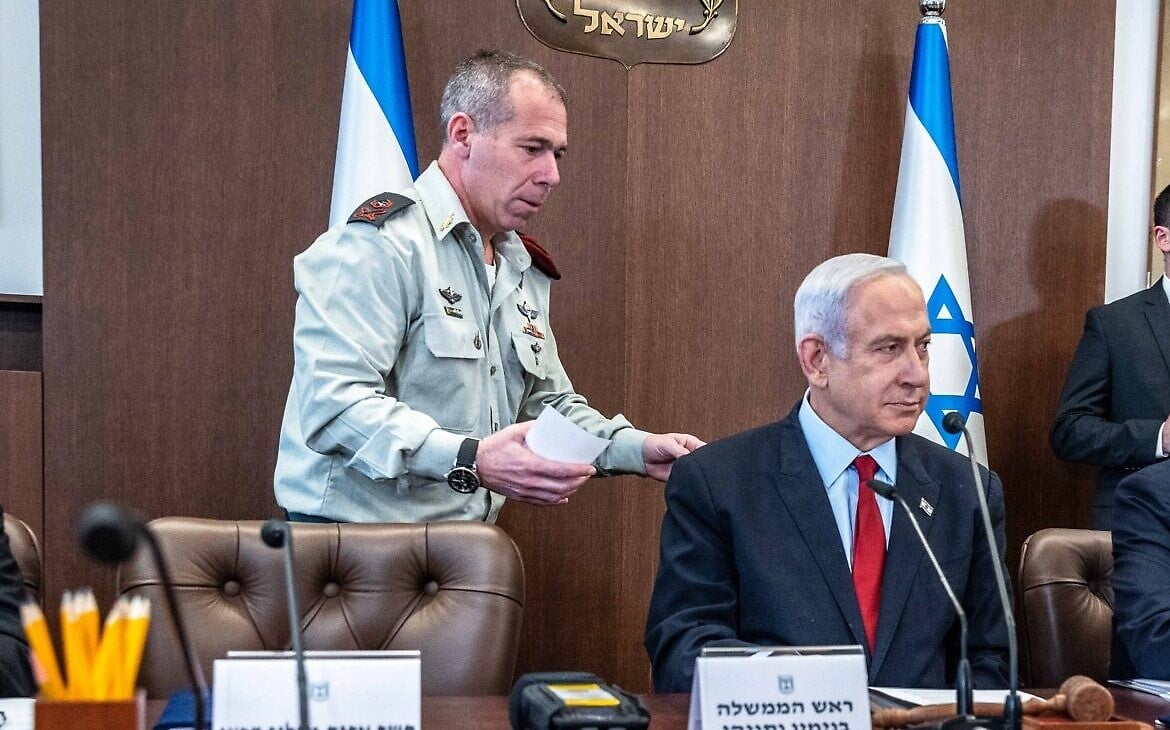
Pressed further as to whether he was present at a meeting where the prime minister decided in favor of “the government and politics, in other words for his own personal political survival,” over the lives of hostages in Gaza, Gil eventually replied, “Factually, that is exactly what happened.”
When asked whether he was prevented from bringing a certain document into a cabinet meeting, causing a hostage deal to fail, he said nothing. The question appeared to reference an allegation, reported last year in The New York Times, that a document with the bullet points of a hostage deal was brought into an Israeli cabinet meeting but was rendered moot when far-right Finance Minister Bezalel Smotrich threatened to bring down the government.
Accuses chief of staff of tampering with Oct. 7 phone records
Gil also accused Netanyahu’s Chief of Staff Tzachi Braverman of tampering with phone records from the morning of October 7 in an apparent bid to rehabilitate Netanyahu’s image.
The gathering of meeting minutes from the morning of October 7, 2023, began two or three weeks into the war, Gil told Channel 12.
At the end of that month, he said, several individuals approached him to inform him that there was an “unusual” minutes-gathering effort. “This gathering of minutes was done against the regulations,” he said.
He recalled turning to the attorney general and asking her to officially make the rules clear in order to stop the practice, which she did.
Then a stenographer at the Prime Minister’s Office told Gil in person in January 2024 that she was asked to retrieve the record of the phone call he had with Netanyahu on their secure line at 6:40 a.m. on October 7, and that Braverman told her to falsely change the documented time of that first secure call between Gil and Netanyahu to 6:29 a.m.
“She came into my office, closed the door and told me everything,” he said.
“She understood it was a departure from accepted practice,” he said. “A document had been sent out two months earlier explaining what is and is not permitted… She told me, it is forbidden for me to change it.”
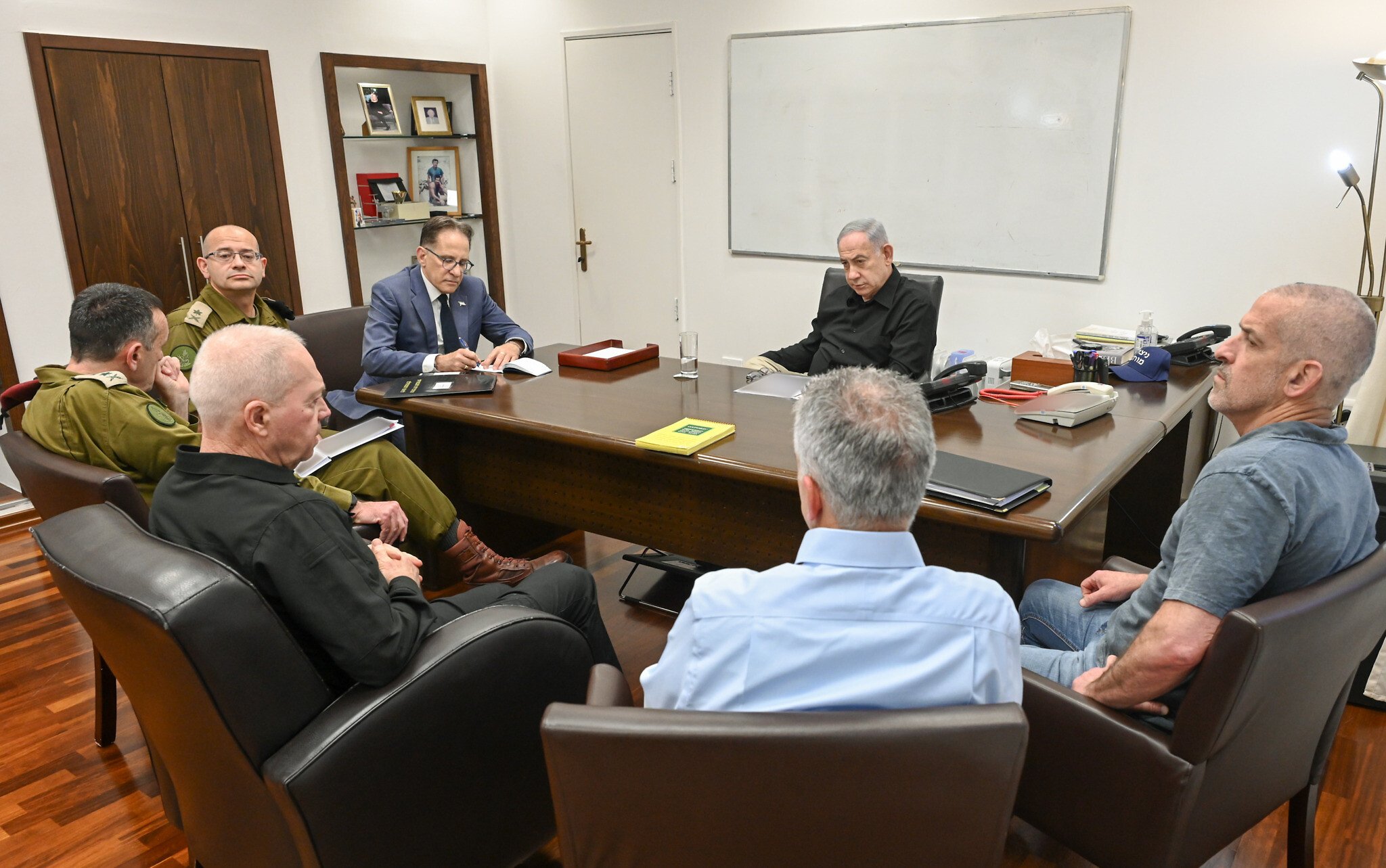
She noted that the call had been recorded, and was marked 06:40 to 06:44.
“If I remember correctly, the change [to the minutes] was carried out by the chief of staff,” he said. “Those are the facts. They cannot be disputed.”
“The first thing I remember was wondering why, in January 2024, they were busying themselves with the stenogram of a four-minute phone call on the morning of October 7?” he continued. “To whom is it important? What was in the conversation that made it so important to deal with it?”
Asked if such a change was unusual, Gil marveled: “It’s changing a stenogram. It’s changing the truth. Is that unusual? I hope so.”
This is not the first time Braverman has been accused of criminal wrongdoing. He faces an indictment for obstruction of justice, fraud and breach of trust in connection with a scandal over the leak of classified documents. Due to those allegations, he has been unable to take up the post of Israel’s next ambassador to the United Kingdom, for which he was designated.
‘Demand the original recordings’
Gil said that upon learning of the attempted tampering, he immediately wrote a handwritten note to the attorney general to update her. “It was important for me to write this down” to counter any subsequent false claims, he said. “This is forgery.”
Asked whether there may have been other such falsifications, he answered, “It is a fact that they ordered the time of a call to be changed. Were there other such changes? I don’t know.”
He added, “I saw a change to a protocol.”
He offered a recommendation for whoever eventually investigates the attack: “Don’t rely solely on the written transcripts of things. Demand the original recordings… Listen to what was said.”
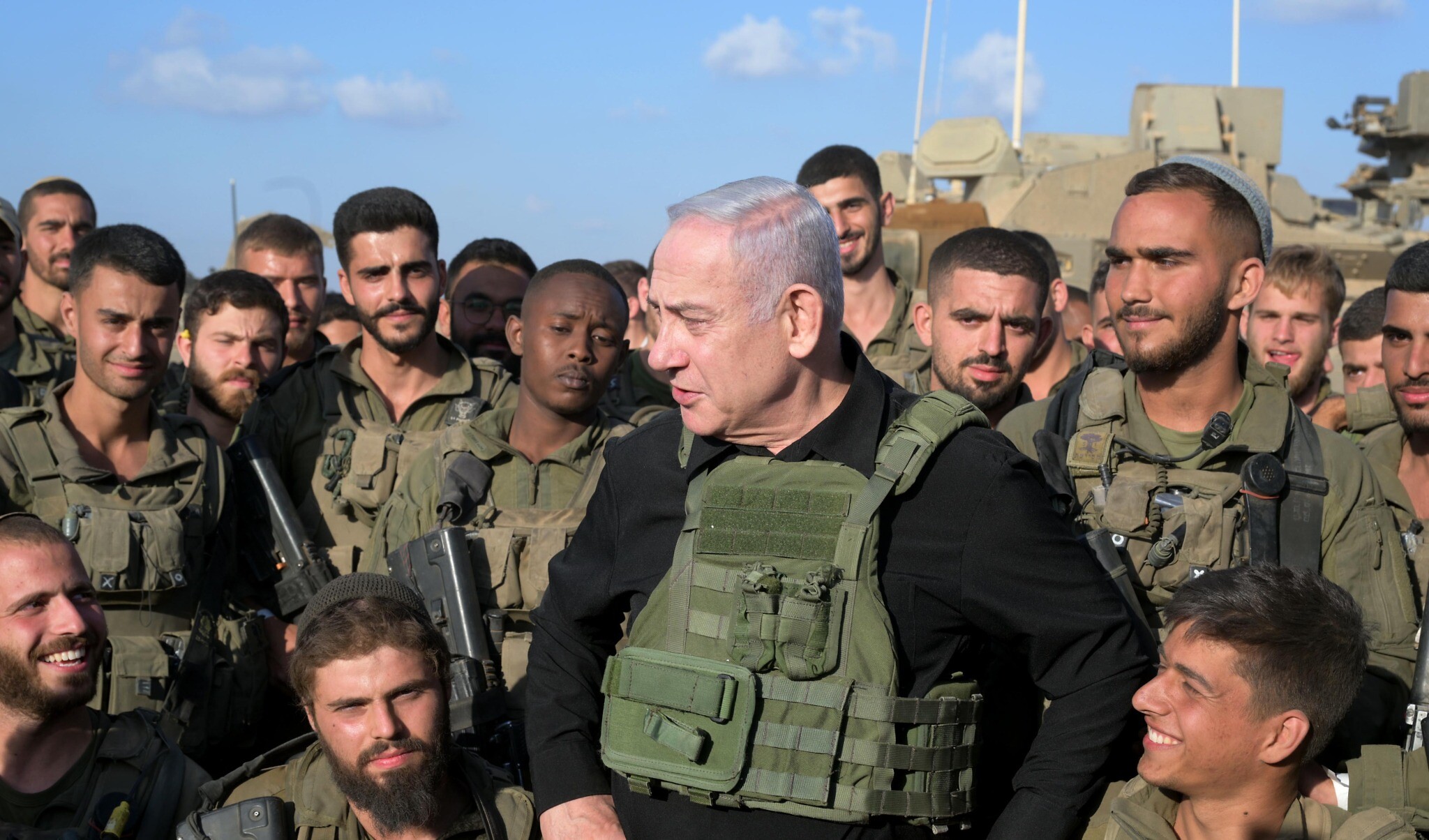
Gil surmised that “it is possible” that the change in the time of the conversation was meant to set the stage for insinuations from Netanyahu’s circle that senior officials knew about the attack ahead of time and, in an act of betrayal, intentionally kept it from the prime minister until the attack was underway.
You are describing criminal behavior, Gil was told by his interviewers, that harms the state and its security. So why, he was asked, are indictments not being issued by law enforcement authorities? “Ask them,” he replied.
“I know the facts,” he said. “And the facts are not disputed. The time of the call was changed. [Or rather], there was an effort to change it, because we caught it. That’s a grave incident, and the fact is, they’re not denying it.”
Gil: Security chiefs said war was imminent before Oct. 7
A large portion of the interview dealt with what Netanyahu knew about a potential attack, and when he knew it. There have been numerous reports in recent weeks that warnings came from leaders across the region of an imminent Hamas attack, but Netanyahu has flatly denied those allegations and insisted that his security chiefs assured him war was not in the offing.
Gil told Channel 12 that there were repeated warnings from top security officials about an impending war in the weeks and months before the invasion and massacre, though none about the specific scenario that unfolded on October 7, 2023.
“For weeks, documents were submitted,” he said. “The security establishment described a reality in which our enemies identify the fissure [in society], identify weakening, and damage to our deterrence.”
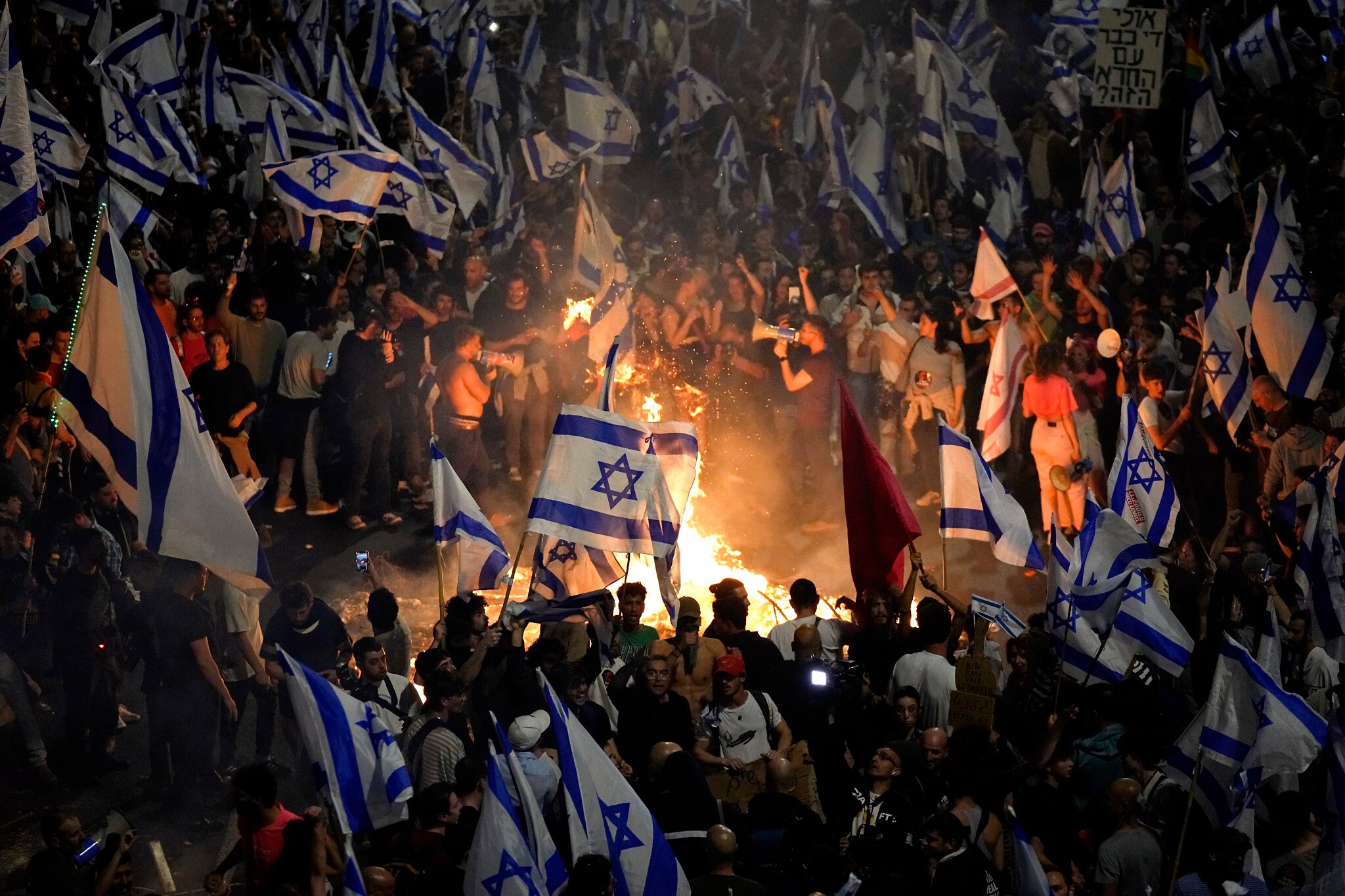
The warnings took place over a bitter public fight around the government’s proposed overhaul of Israel’s judicial system.
“Was there a specific, focused warning about a scenario like an attack like this from Gaza? The answer is unequivocally no,” he said.
“Did we start to recognize in the security establishment damage to our deterrence, our enemies looking differently at Israel? The answer is unequivocally yes,” he added. “And it was presented at all echelons.”
Gil recalls personally delivering a warning to the PM
He said he personally facilitated a call to Netanyahu about an impending war from Shin Bet Director Ronen Bar in July 2023, in which Bar formally stated that he was “conveying a warning of war,” as the coalition pushed through the first major piece of legislation in Netanyahu’s judicial overhaul package.
“I went to the prime minister in the hospital,” Gil said, referring to a weekend in July 2023 when the premier was hospitalized for purported dehydration, “in order to give him three things – the weekend’s intelligence report, a personal letter from the IDF chief of staff that he asked be delivered to him on the eve of the legislation, and [to arrange] a classified phone call with the Shin Bet director that I connected.”
He refused to reveal the content of the letter or the call.
“The former Shin Bet director spoke accurately,” he said, when asked if Bar’s subsequent account about warning Netanyahu that war was coming was correct. He said Bar was expecting that Netanyahu would quickly summon him for further discussion, but that did not happen.
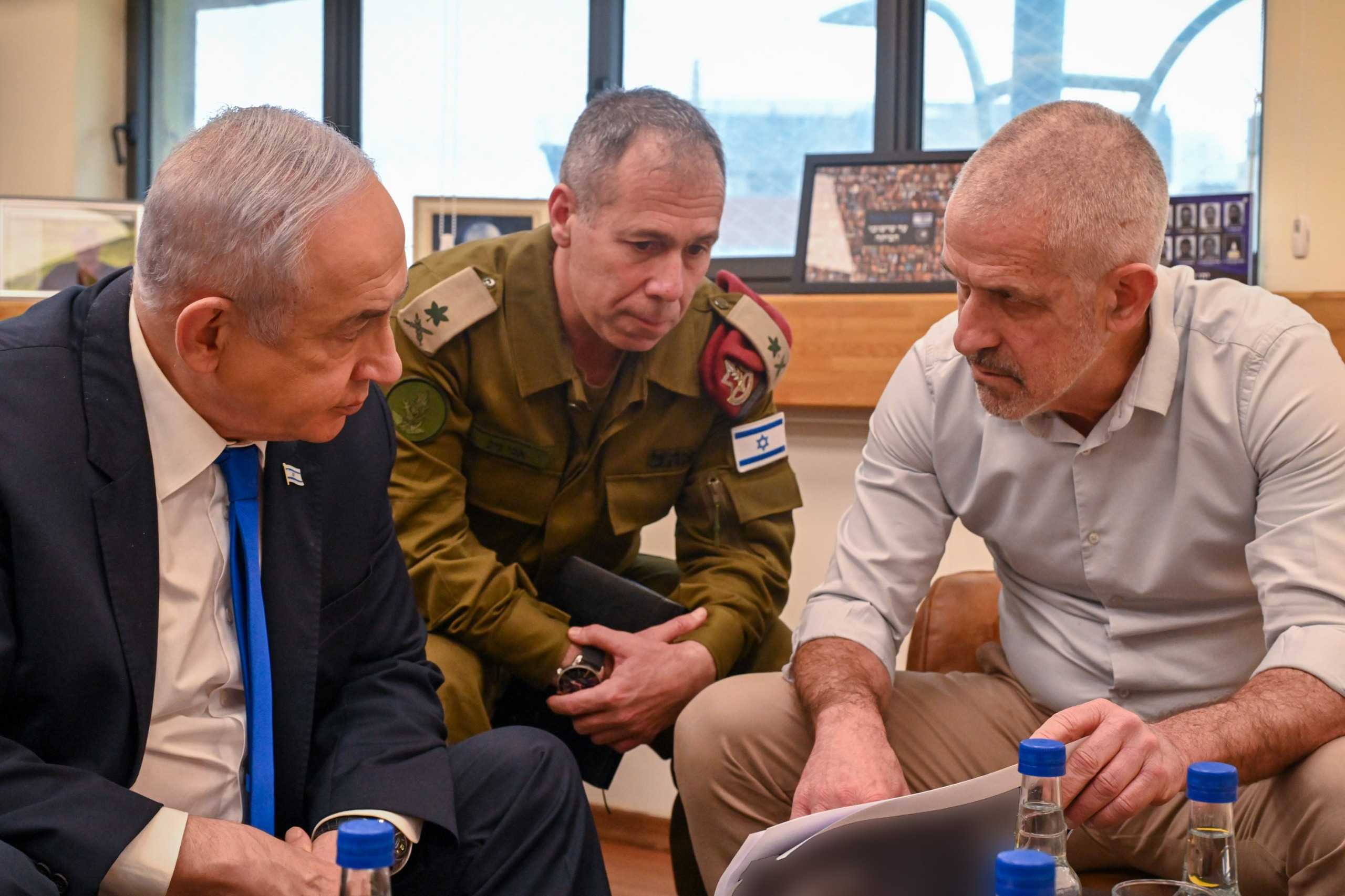
He noted that the IDF chief and defense minister sent two very senior officers to speak to legislators about the warning signs, and that they were not given a hearing.
“At least listen to them,” he said. “You don’t have to accept their stances.”
When asked how it could be that the defense establishment was not ready in light of all of that it was warning about, he replied, “There is no disputing the colossal failure of all hierarchies, and first and foremost, the defense authorities.”
But he added, “Everything that the security establishment knew was said [to Netanyahu].”
He confirmed the accuracy of a published document with his signature, stating that Bar urged that Israel carry out assassinations of Hamas leaders in Gaza in this period, and that this did not happen.
When asked whether Netanyahu declined multiple requests for Hamas leader Yahya Sinwar, the architect of the October 7 attack, to be targeted, he said, “There were recommendations for targeted strikes in Gaza, and they were not approved.”
Gil denies knowing of warnings from UAE, Egypt
But Gil did not confirm reports that Netanyahu received warnings of the attack from Egypt and the United Arab Emirates.
Gil claimed he wasn’t at Netanyahu’s office when Emirati President Mohammed Bin Zayed allegedly warned the prime minister that Hamas was going to attack. Gil also didn’t respond to the follow-up question about whether it is possible that he wouldn’t know about such a conversation.
Gil offered that “not everything that happens in the Prime Minister’s Office appears in the official schedule.”
“I don’t know of” any warning from Egyptian intelligence chief Abbas Kamel, added Gil. Based on publicly available information regarding a private plane that landed at Ben Gurion Airport for an hour about 11 days before the Hamas-led massacre , Gil assessed that “someone, it seems, met someone who arrived from Egypt.”
That person in the know should step forward, he said. “I imagine it wasn’t to give a holiday present.”
What happened on the morning of October 7?
One of Netanyahu’s key claims is that his security chiefs deliberately did not wake him in time to prevent the attack, which began at 6:29 a.m., even though “all the signs were there,” and that he could have stopped it had he been up earlier.
In the interview, Gil gave a detailed account of the intelligence received in the hours before the Hamas attack and of when he decided to wake the premier.
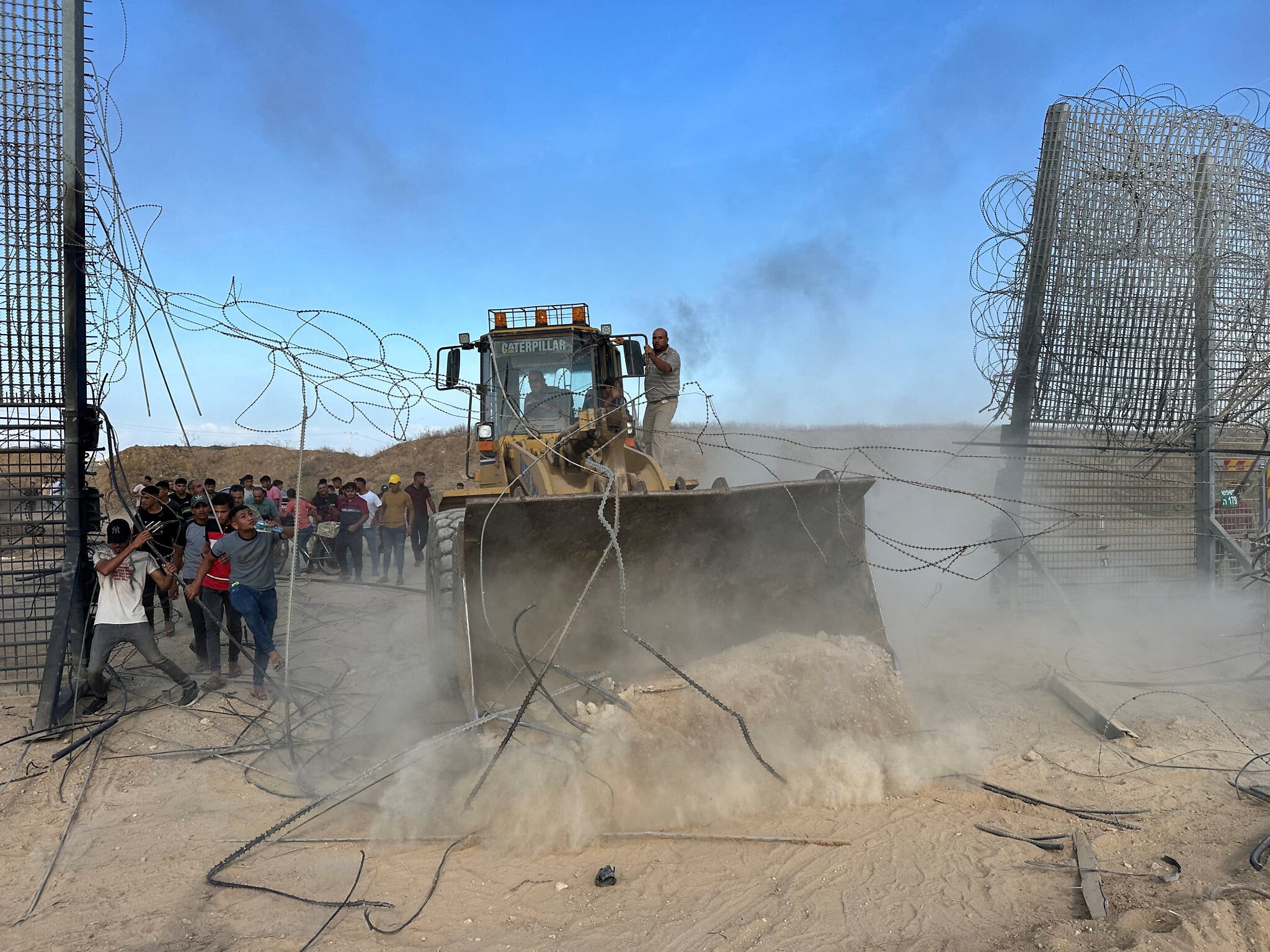
Overnight leading into October 7, intelligence indicating a possible attack “flowed through the systems” as it was supposed to, he said. “The information reached the intelligence computers in the office of the head of the Military Intelligence Research Division, the head of Military Intelligence, the prime minister’s military secretary, and the intelligence office of the military secretary.”
“The intelligence flowed there all night,” said Gil, describing “suspicious signs [from Gaza], along with signs that explain why they are routine, without any urgency in terms of time.”
Gil explained that thousands of documents reach the offices in a day, including overnight.
At 3:55 a.m. on October 7, Gil says, his intelligence officer received information on what Israeli intelligence was seeing in Gaza, along with a phone call from the intelligence personnel who had sent the information to verify that the officer had seen it.
The intelligence message contained the terms “routine” and “not unusual” multiple times, Gil noted. The document also said that further assessments would take place later in the day, adding to the impression that there was no emergency at hand.
“Therefore, [the officer] made the professional, considered decision” not to wake Gil, which in turn meant that the prime minister didn’t see the material right away, said Gil of his intelligence aide, “because in his eyes, there is no urgency.”
He said there were “certainly” other cases when he, Gil, was not woken up because the material was not deemed sufficiently urgent.
The IDF chief of staff and Shin Bet chief “do not call the prime minister directly,” Gil stressed in response to a question about why they didn’t phone Netanyahu. The way for them to arrange a conversation with the prime minister, he said, is through the military secretary.
When did he wake up Netanyahu?
Gil said he himself was woken by a phone call at 6:12 a.m. from Shin Bet director Ronen Bar’s chief of staff. Bar’s chief of staff told him that they had to speak on the secure phone about “the south.”
They held that conversation at 6:17 a.m., he says.
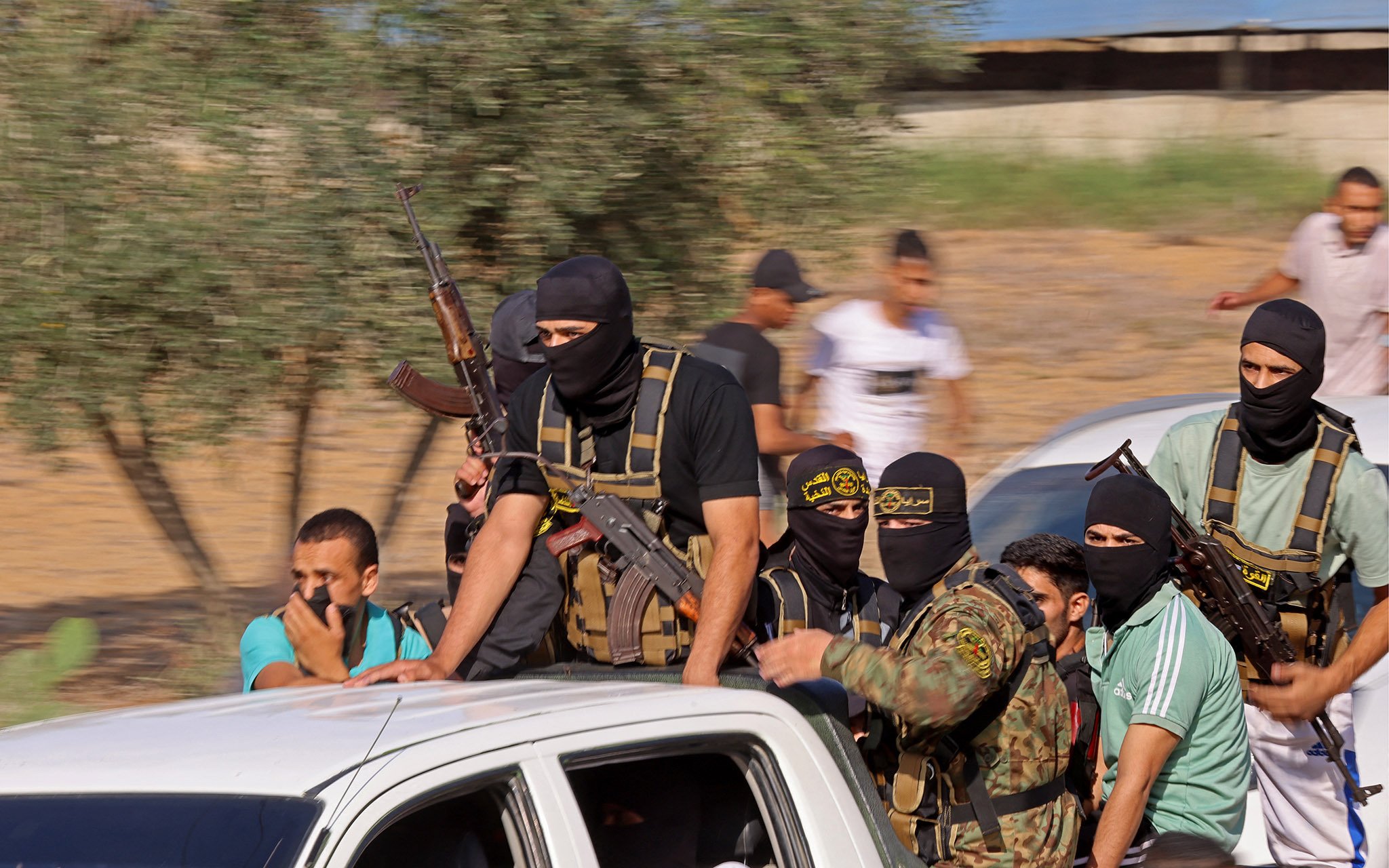
The Shin Bet official told him that there were suspicious signs from Gaza, including Hamas leaders going underground and the activation of Israeli SIM cards (suggesting that the people with those phones were intending to enter Israel), but that there were also reasons to believe that nothing out of the ordinary was about to happen.
He also told Gil that it was not urgent, and there would be situational assessments later that day.
The Shin Bet official also said that an elite Shin Bet force was being sent toward Gaza just in case.
“Before I update the prime minister, I have to speak to at least one other body, the IDF, which is responsible for Gaza,” Gil said. He therefore called IDF chief Herzi Halevi’s chief of staff at 6:22 or 6:23 for four or five minutes, “and while we were talking, after a few minutes, my telephone starts to vibrate with multiple alerts of rocket fire in the south. This, he confirmed, was “at 6:29 a.m.”
That was when he called Netanyahu on WhatsApp to wake him up.
“Prime minister, Hamas has begun very significant rocket fire,” Gil said he told Netanyahu. They subsequently spoke on a secure line at 6:40 a.m., he said.
“I told the prime minister, we are at war,” said Gil.
When Gil was asked about Netanyahu accusing Israel’s defense chiefs, including Shin Bet head Bar, of deliberately choosing not to wake him in the hours before the invasion, suggesting a betrayal, Gil made clear those claims are false.
“Let’s talk facts,” he urged. Of course “there was a failure,” he went on, and “the interpretation” of what was unfolding in Gaza was “absolutely” wrong.
But, based on what he knows, the idea that someone deliberately withheld information “is a lie,” he said.
PM didn’t ask to speak with security chiefs morning of Oct. 7 — Gil
Once he knew what was happening, Netanyahu did not hold conversations with senior security officials in the first two hours of the Hamas attacks, Gil said.
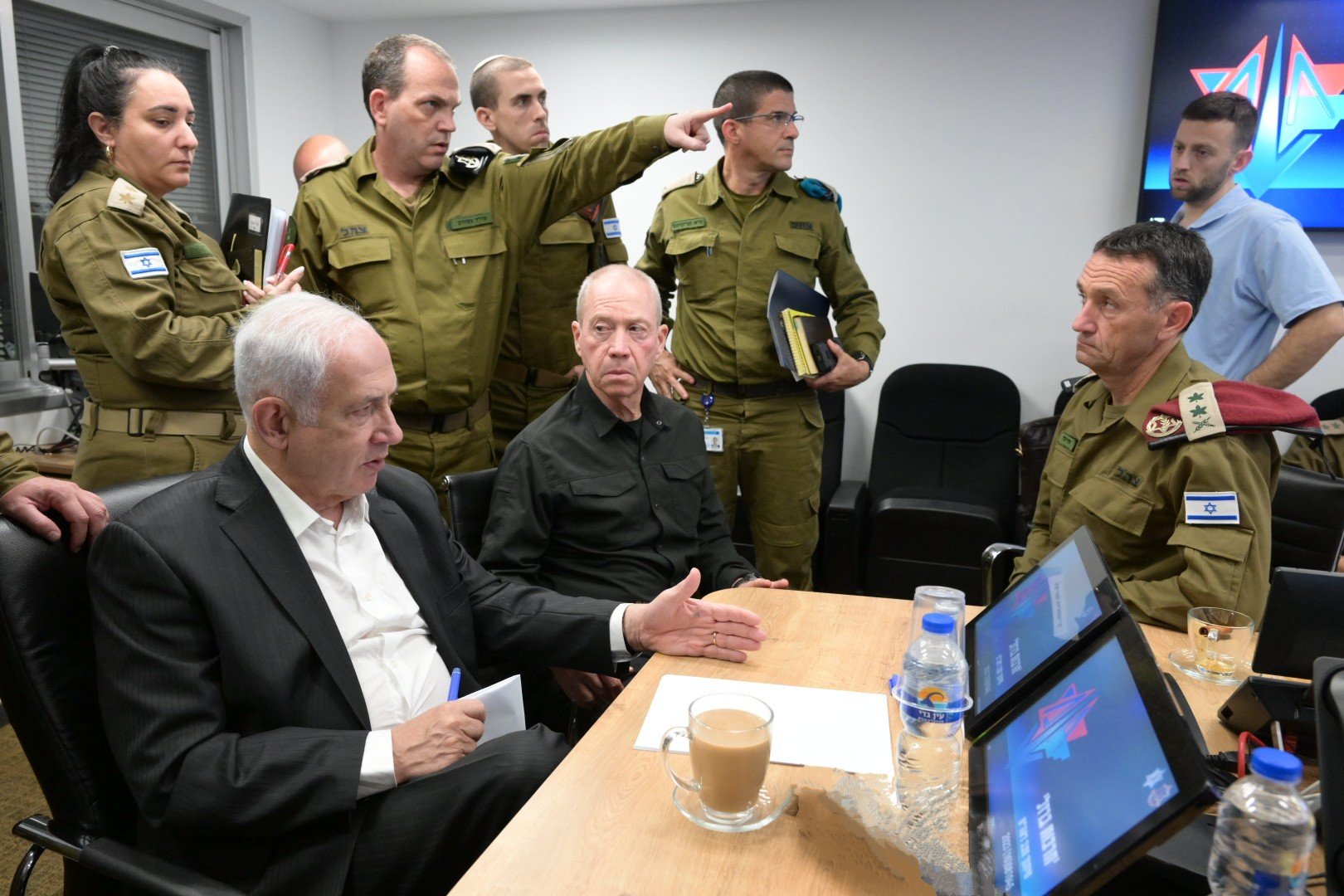
Netanyahu arrived at the Kirya defense headquarters in Tel Aviv between 8:30 and 8:45 a.m. on October 7, two hours after Gil woke him, he said.
In the two hours after the Hamas attack began, Gil added, Netanyahu did not ask him to get any security officials on the line.
Netanyahu met with Jonathan Urich and Eli Feldstein — two senior aides who are accused of taking money from Qatar — in the Kirya in the first days of the war, Gil recounted, even though they didn’t have security clearances.
Gil said he made sure they didn’t gain access to classified meetings.
He also recalled an unexplained interest in alleged Egyptian violations of the peace treaty by introducing unauthorized forces into the Sinai Peninsula, though he didn’t know whether that was part of a Qatari influence campaign, as some have claimed.
Gil: ‘Many gaps’ in PM’s accounting of lead-up to attack
There is “undoubtedly” a gap between what happened in the lead-up to the October 7, 2023 Hamas attack, and what the public is being told, said Gil.
“There are many gaps,” Gil said in the lengthy interview.
Over the last three years, he added, “a gap has opened up between the facts, the truth, between what happened, between what was said, and what is being presented to the public today.”
Gil said the 55-page document Netanyahu gave to the state comptroller as part of the ombudsman’s investigation in February and released to the public “does not reflect what I saw, what I heard, and the deliberations in which I participated.”
“It reflects some of it,” said Gil, when pressed as to whether the material was false and thus potentially criminal. “It does not faithfully reflect everything said in discussions. It doesn’t even reflect half the picture,” he added.
Gil said he filled 16 notebooks with handwritten notes on what he saw and heard during his tenure.
Netanyahu insists Gil ‘chose not to wake PM up in time’
In response to the interview, Netanyahu claimed Gil knew “like others” about the impending onslaught “and chose not to wake the prime minister up in time.”
Gil’s remarks to the media were “an attempt to obscure the simple and painful truth about his failure,” Netanyahu added.
The premier later shared on X a two-minute segment from the pro-government Channel 14 that purported to counter the lengthy Channel 12 interview.
The Channel 14 segment recycled earlier reports about the information Gil received in the hours before he woke Netanyahu up at the start of the attack, including that scores of Hamas fighters had activated Israeli SIM cards to communicate during the attack and that leaders of the terror group had gone underground into its tunnel networks.
Eisenkot urges criminal inquiry; Liberman: Treason
Former IDF chief Gadi Eisenkot’s Yashar party said in response to the interview that it appealed to Attorney General Gali Baharav-Miara to probe whether Netanyahu lied to the state comptroller about the lead-up to the October 7 attack, based on Gil’s claims that the premier presented a misleading account.
Eisenkot also took Netanyahu to task over Gil’s allegation that Braverman tried to falsify phone records.
“While other brothers and sisters in the border region were slaughtered by Hamas, Netanyahu worked on changing protocols instead of saving them,” Eisenkot says on X. “Nothing will save him from the state commission of inquiry we’ll establish after the election.”
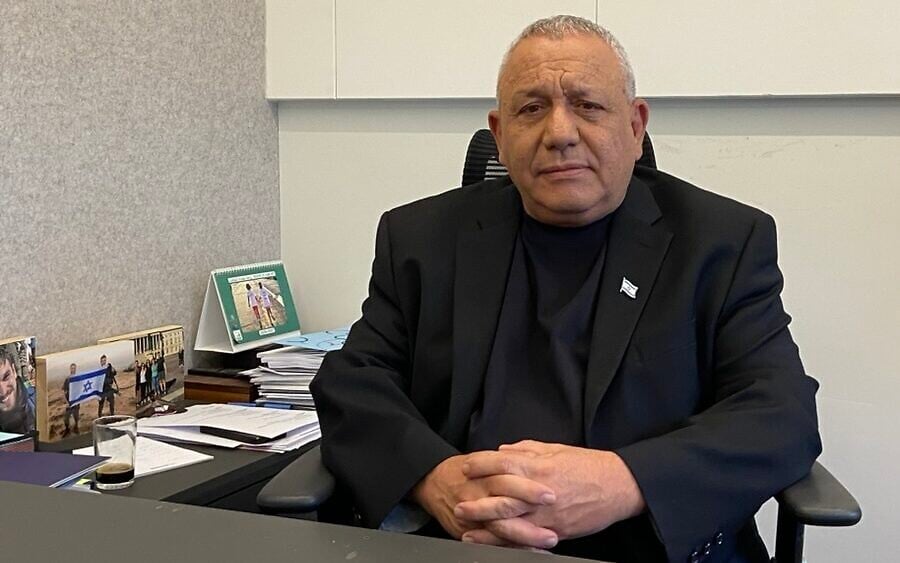
Liberman said in a video statement that Baharav-Miara should “order the immediate opening of an investigation against the prime minister and his people on charges of treason and conspiracy.”
Liberman also called on IDF Chief of Staff Lt. Gen. Eyal Zamir to “prevent any attempt to use the IDF for political purposes solely to change the public agenda a moment before the election” on October 27.
Gil: I ask ‘every day’ how this happened to us
When he meets with the families of hostages who died in Gaza, or with former hostages who spent longer in captivity than might have been avoided, Gil was asked, what does he say to them?
“That they are right,” he responded. He said he sits with “people who came back from that hell, and yes, you know that some of them could have come back earlier.”
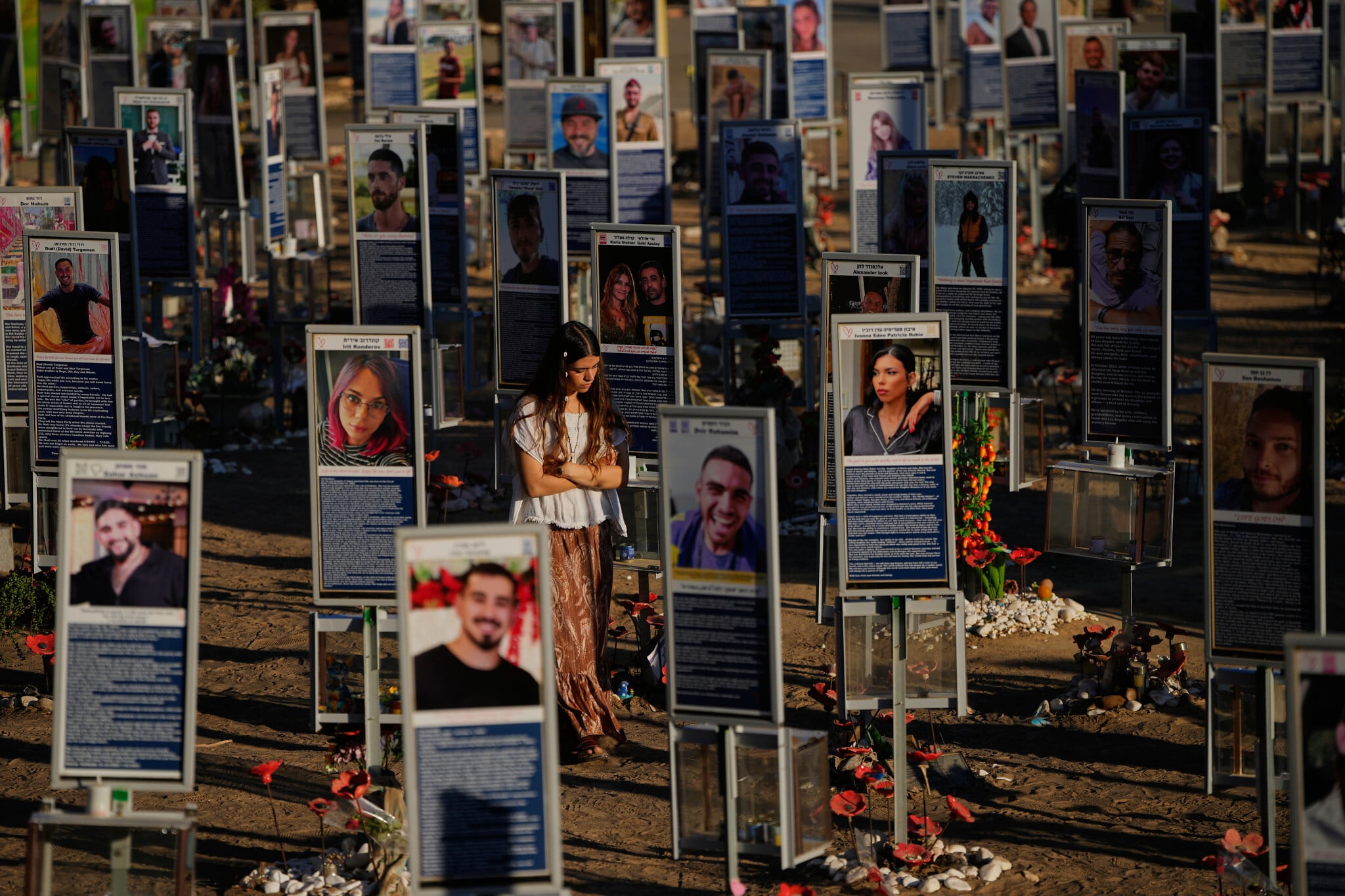
Asked, in retrospect, what he could have done differently, Gil noted that he was a uniformed soldier in the State of Israel for 35 years, “all my adult life,” and served in a senior role as the prime minister’s military secretary.
“That cannot be taken away. I carry that with me. I see the holes. I meet the people who returned from Hamas captivity. And that is with me. It is inside of me,” he said.
Asked whether the prime minister is “responsible” for the failures surrounding October 7, Gil said “yes,” and added: “I don’t understand in what world you can disconnect the concept of leadership from the concept of responsibility.” As commander of the elite IDF Duvdevan undercover unit, he said, “I was responsible” whether an operation he ordered succeeded or failed, and that “there is no leadership without responsibility.”
Gil did not respond when asked how history would judge Netanyahu. But regarding how history will judge him, he said, “I don’t know. I hope that I base myself on true facts, and on that they will judge me.”
Gil was asked whether he sometimes asks himself “how it happened to us, to the great IDF?”
“Sometimes?” he retorted, bitterly. “Every day.”




The Times of Israel Community.