

Crop of Knesset newcomers bring October 7 traumas, battle scars into halls of power
Among 46 first-time lawmakers in parties across the political spectrum are bereaved relatives, hostage advocates and reservists deeply affected by the Hamas attack and its aftermath

 Add ToI as a Preferred Source on Google
Stav Levaton is a military reporter for The Times of Israel
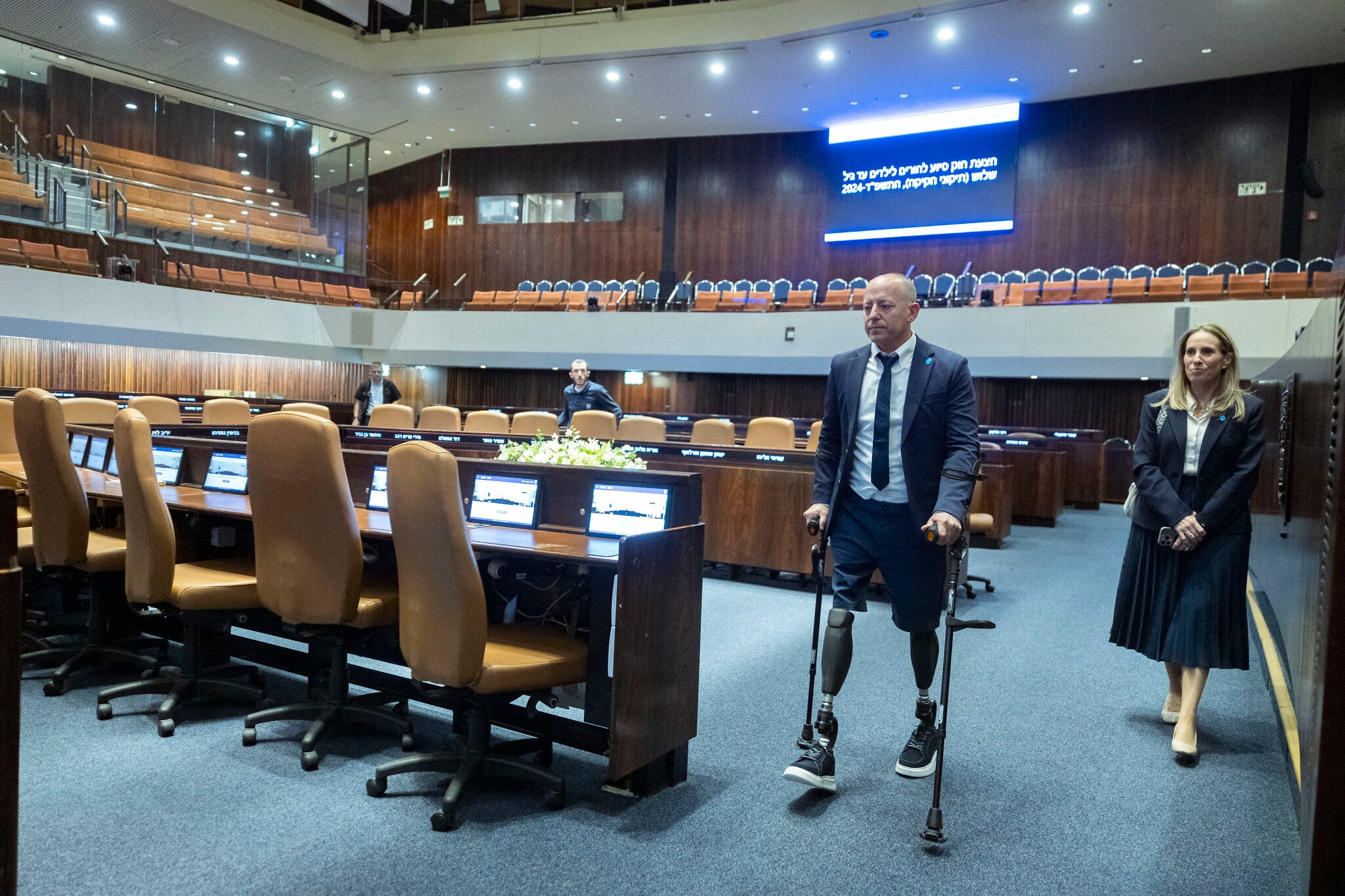
When the new Knesset is sworn in Tuesday, 46 of its 120 members will take their seats as first-time lawmakers. The incoming class cuts across party lines, from former defense officials to political commentators. But a striking number also have a personal connection to Hamas’s October 7, 2023, onslaught and the war that followed.
Among them are bereaved parents and siblings, reservists, hostage advocates, and a former general who raced to rescue his family from terrorists near the Gaza border.
Their presence gives the new parliament an unusually direct link to the attack and its aftermath: relatives of those killed or taken hostage will sit alongside lawmakers who were in office when their loved ones were abducted or killed.
Their entry into politics follows years of activism by many of those directly affected by October 7, who emerged as prominent voices in the aftermath of the attack, lobbying for the release of hostages or pressing for policies and reforms they say could prevent another such catastrophe. Now in the Knesset, they will have an opportunity to pursue change from the inside.
Though shaped by the same national trauma, these newcomers have joined parties across the political spectrum, bringing a wide range of views with them.
The 46 freshmen are double the 23 first-time lawmakers elected in 2022, though the total remains below the 2019 record of 49.
Yashar
Fifteen of Yashar’s 21 incoming lawmakers are Knesset newcomers, though most were not personally bereaved or directly caught up in the October 7 attack.
They include No. 2 Yoram Cohen, who headed the Shin Bet security agency from 2011 to 2016; No. 4 Adi Altschuler, an educator and social entrepreneur who founded the Krembo Wings youth movement for children with and without disabilities; and No. 13 Maj. Gen. (res.) Kamil Abu Rukun, a Druze former head of the IDF’s Coordinator of Government Activities in the Territories.
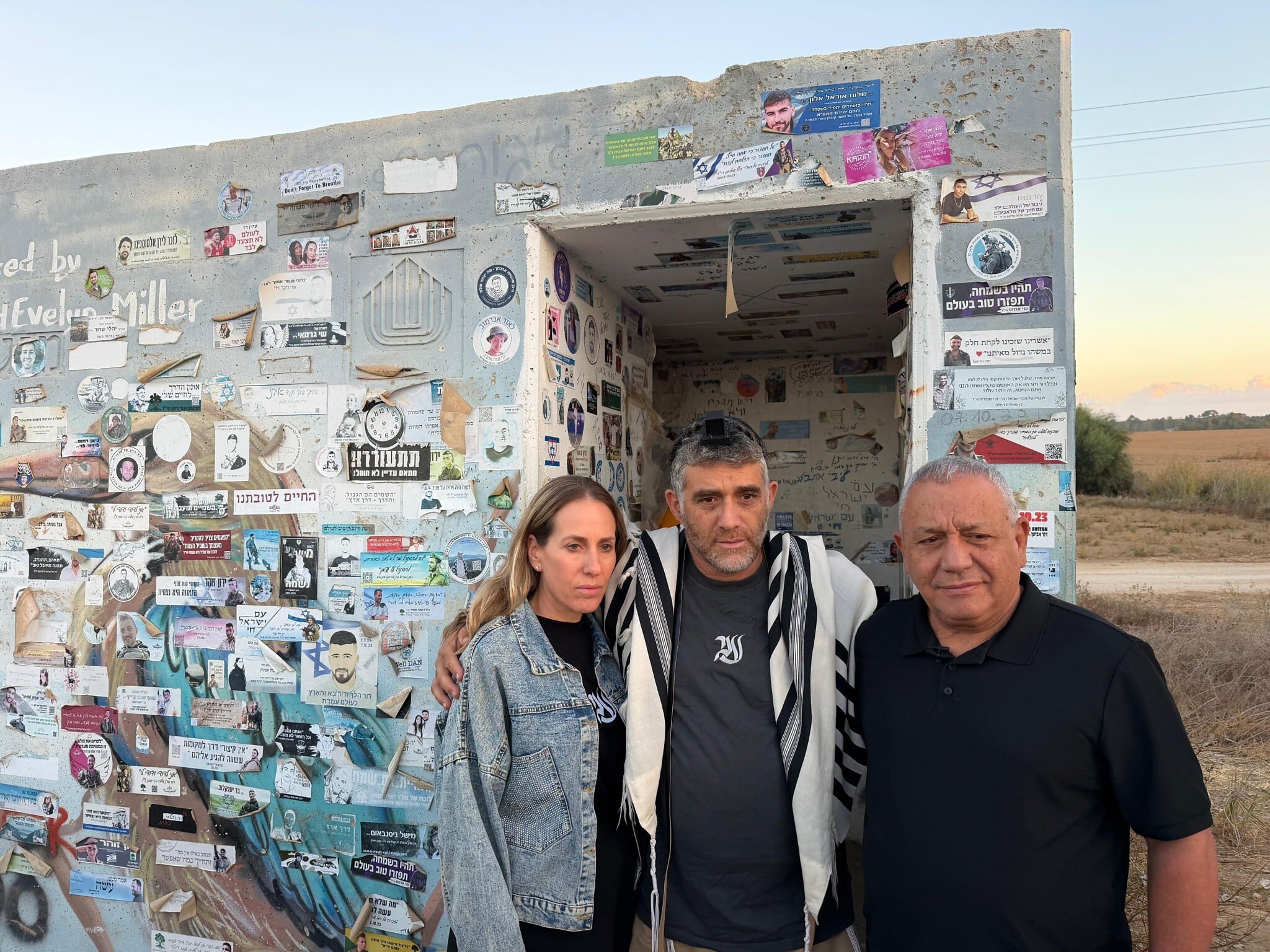
One of the slate’s most personal stories is that of Shira Shapiro, who is 10th on the list. She is the mother of Aner Shapiro, a 22-year-old unarmed soldier who was off duty when he was killed defending people hiding from Hamas gunmen in a bomb shelter near the Nova music festival. Standing at the entrance, he repeatedly threw grenades back outside; the eighth killed him. His actions helped save several of those inside.
An urban planner and former deputy director general at the Heritage Ministry, Shapiro first joined Chili Tropper’s Zionist Home party, which later merged into Yashar.
“I have been in public service for more than two decades. I held positions with national significance and led initiatives that were important for the entire State of Israel. That is what I have done all my life,” she told Israel Hayom in July. “But something different happened after October 7: the worst possible thing happened to me personally, and the worst possible thing also happened to us as a country. I gradually came to understand that I must do everything possible to make things better here.”
Shapiro has said she entered politics to help bring about a change in leadership and form a broad Zionist government that would unite Israelis, restore public trust, and work on behalf of all citizens — a message echoed by her fellow party members.
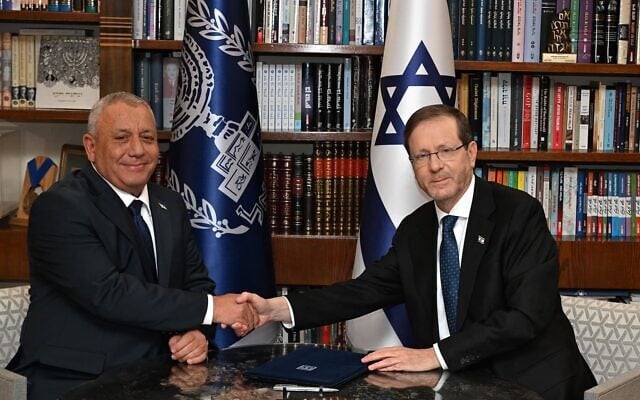
The war also brought profound personal loss to Yashar leader Gadi Eisenkot: his son Gal and two nephews were killed in battle.
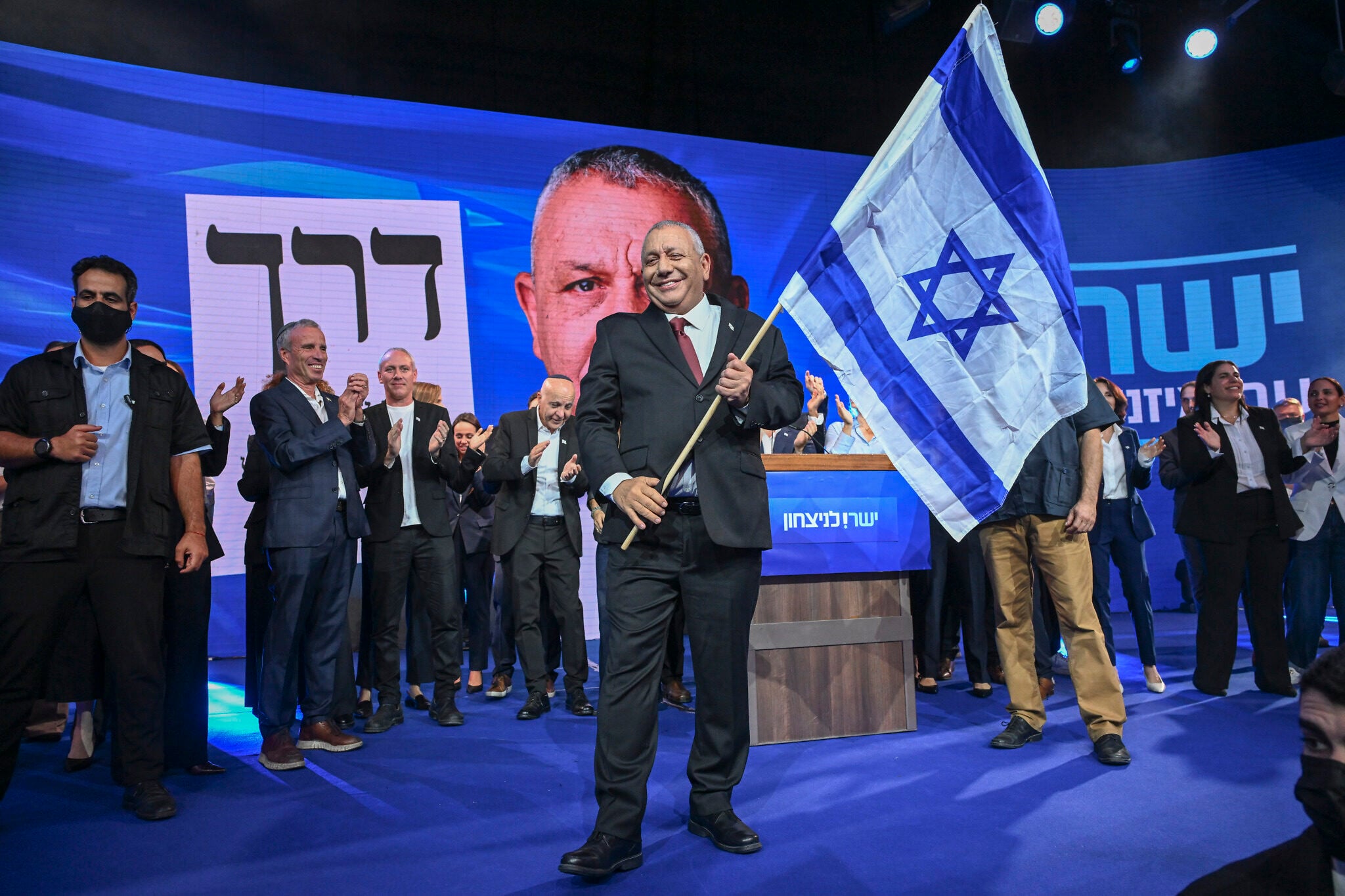
Eisenkot is not a Knesset newcomer, but his time in politics was brief, as compared with his long military career. He entered politics in 2022 and won a seat in the 25th Knesset. After October 7, he joined Prime Minister Benjamin Netanyahu’s emergency government as an observer in the now-dissolved war cabinet. He resigned alongside Blue and White chairman Benny Gantz in June 2024, saying “outside considerations and politics” had blocked crucial wartime decisions.
On the campaign trail, he largely kept his family’s losses out of the spotlight, generally speaking about their impact in broad terms. At his party’s official launch event in June, he framed bereavement — and the commitment to fight on — as a national condition.
“This is the people of Israel that you and I, and so many around us, know so well: on the battlefield, in the hospitals, in the embrace of those who have been wounded forever,” he said.
Later, he added, “The pain of the war will never be erased, but I am convinced that we contain the strength to blossom and rebuild.”
Likud
Likud is bringing five fresh faces into the Knesset, though some already had high profiles in political circles.
Jacob Bardugo, at No. 11, is a longtime Netanyahu associate and Channel 14 political commentator. David Peter, at No. 16, is a lawyer who has represented Netanyahu, the government and ministers in High Court cases. Netanyahu personally selected both for reserved slots, as he did bereaved mother Talik Gvili, who holds the party’s No. 9 spot, and disabled reservist Elisha Madan at No. 15.
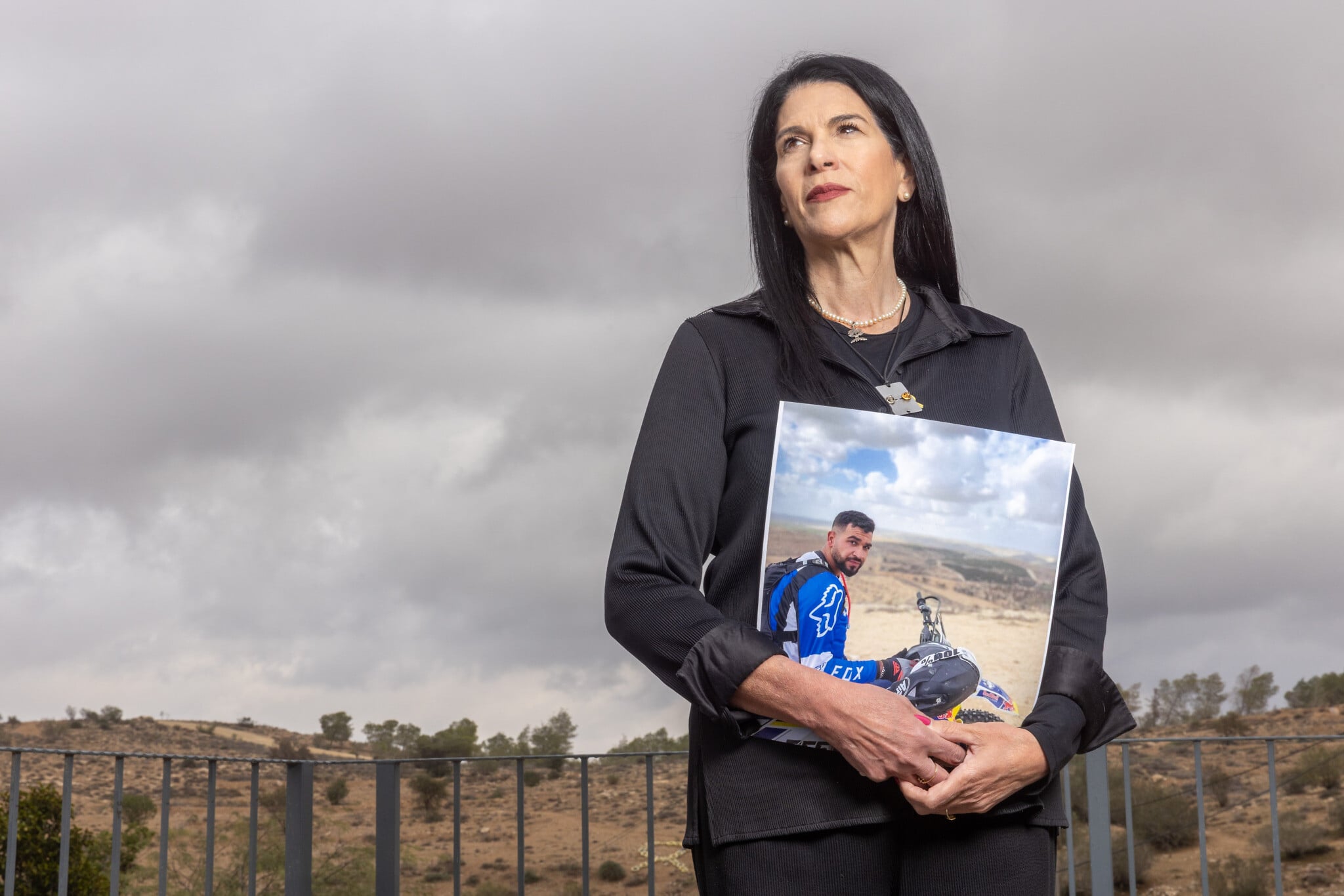
Gvili is the mother of Ran Gvili, a police officer in the Yasam counterterror unit who was killed fighting Hamas attackers on October 7. His body was taken to Gaza and held there for more than 800 days before he became the last Israeli hostage to be returned.
By aligning herself with Netanyahu’s government, Gvili is breaking with most other bereaved relatives entering politics, who have largely criticized those in power on October 7 as responsible for the failures that allowed the attack to happen.
A lifelong Likud supporter, she has credited Netanyahu with safeguarding her son’s return.
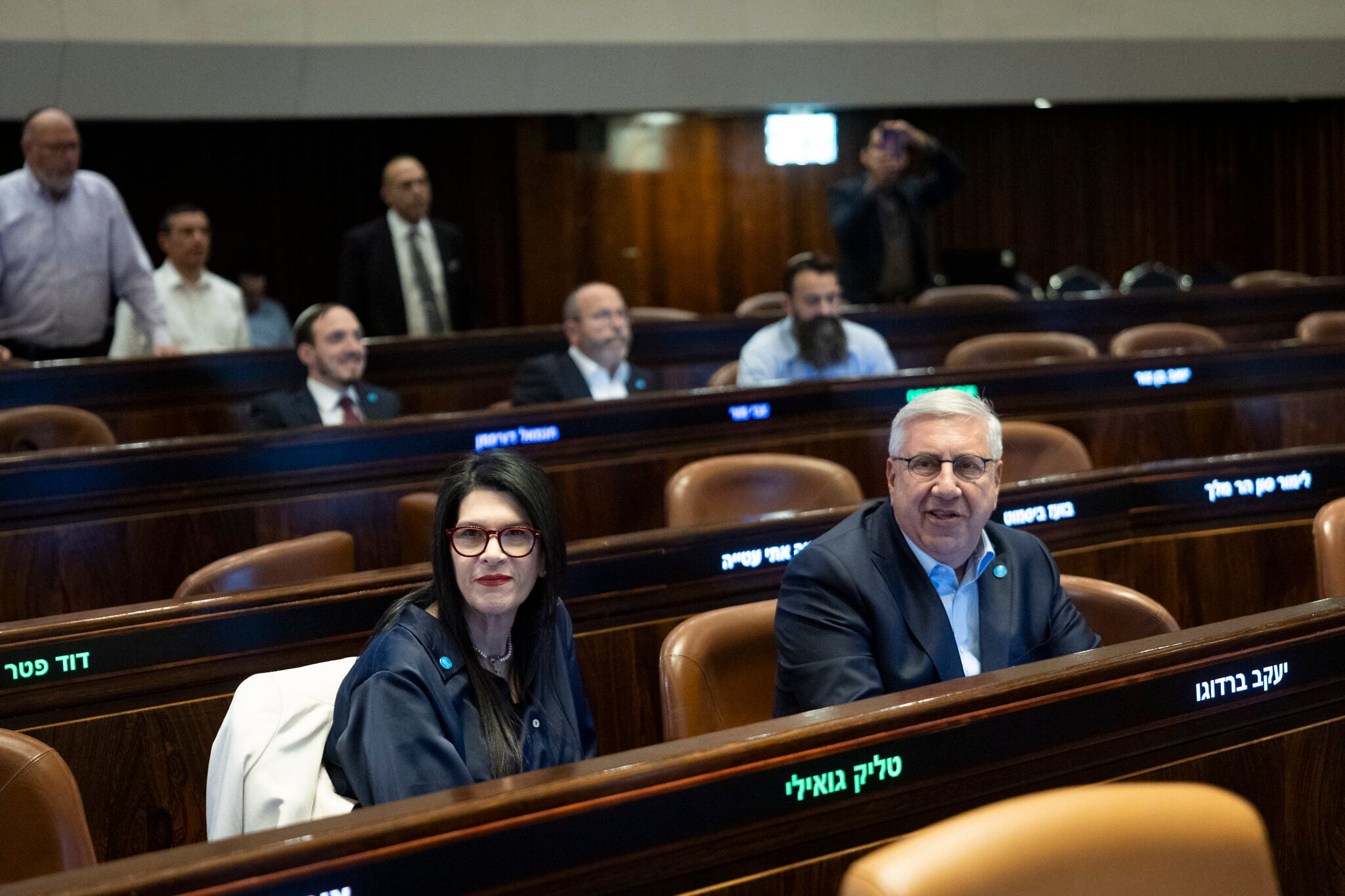
“In honor of the Knesset and the government of Israel — led by Benjamin Netanyahu — which did not give up until the last hostage was returned. You promised, and you delivered!” Gvili said upon the return of her son’s body.
Since joining Likud’s Knesset faction, Gvili has urged politicians to restore the unity she says marked the start of the war. She made the appeal during the party’s consultation with President Isaac Herzog last week.
Madan, a reservist who lost both legs in a 2024 blast from a booby-trapped tunnel shaft next to a mosque in the Beit Hanoun area in Gaza, which killed four soldiers, also helped found the West Bank settlement of Avigail in the South Hebron Hills.
“I didn’t think I would find myself in politics,” he said in an interview with Makor Rishon. In the same interview, he praised Israel’s military action since October 7, particularly in Gaza.
“All the hostages, down to the last one, are here. We control 60 percent of the territory in the Strip, up to a yellow line that, God willing, we will not retreat from,” Madan said. “Our achievements — in Gaza, in Lebanon, in Syria — are inconceivable to me.”
B’Yachad
B’Yachad has six new incoming MKs, three of whom were personally affected by October 7 and the war that followed: Noam Tibon, at No. 6; Michal Hirsch Negri, at No. 7; and Yonatan Shalev, at No. 10.
Tibon, a retired major general, is well-known in Israel for mounting a mission during the Hamas-led October 7 attack to rescue his son, Haaretz journalist Amir Tibon, his daughter-in-law, and their two young children from their home in Kibbutz Nahal Oz while it was under attack. He has said that his experiences on October 7 made him see a need for a change in Israeli leadership.
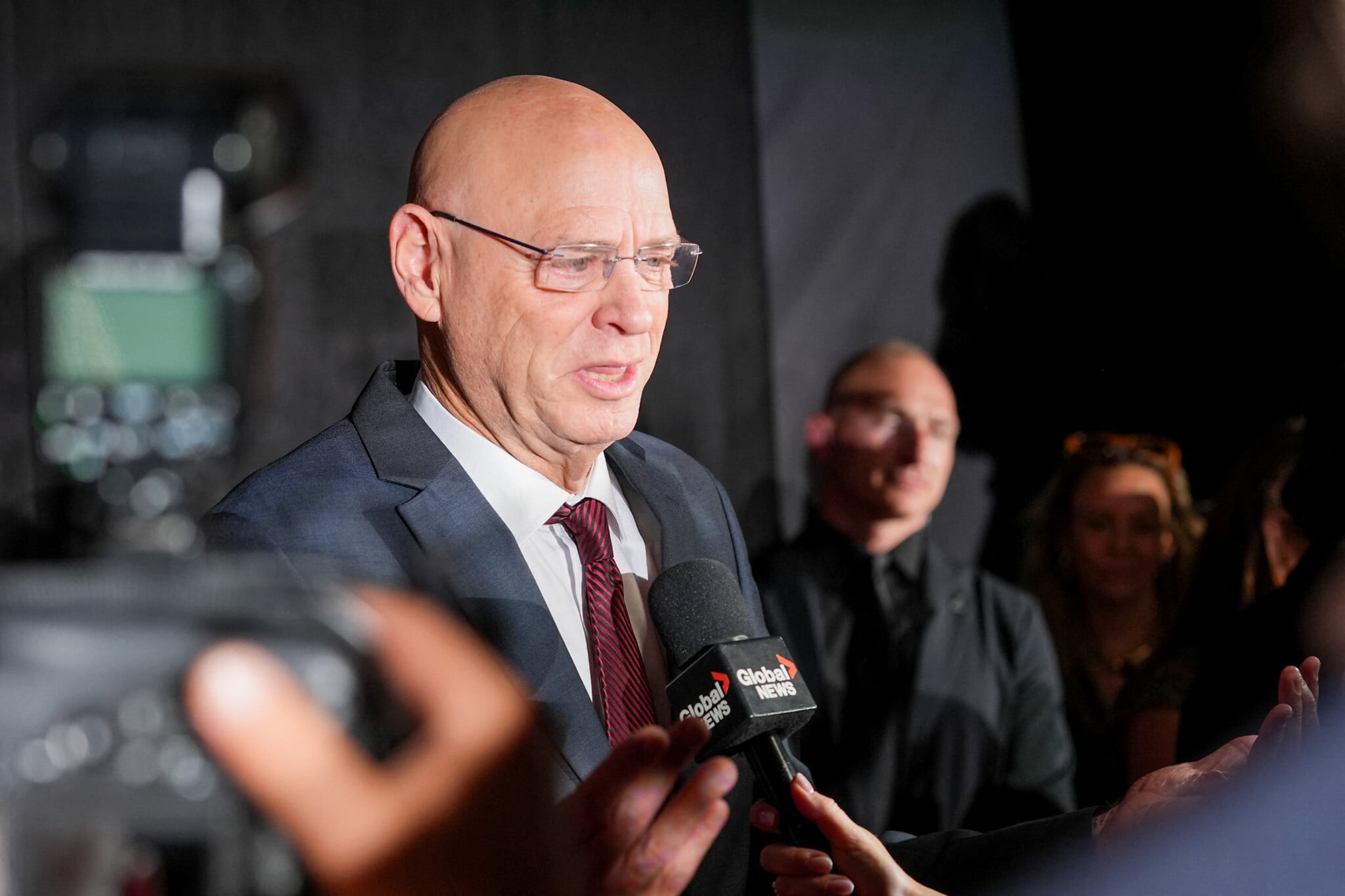
“On October 7, I saw the failure with my own eyes,” Tibon said at a press conference last year. “I drove along roads strewn with bodies. I fought terrorists carrying RPGs and AKs, alongside soldiers who scrambled from their homes without vests. Since that awful day, I’ve been saying: Everyone responsible for the failure must go home.”
He first joined outgoing Opposition Leader Yair Lapid’s Yesh Atid party, which later merged with former prime minister Naftali Bennett’s party to form B’Yachad. He has become an outspoken advocate for legislation to draft ultra-Orthodox men into the military and for a state commission of inquiry into the failures surrounding October 7.
Netanyahu’s government has moved to codify some of the exemptions for the Haredi population, and has insisted on setting up its own inquiry into October 7, rather than allowing a state commission, which is more powerful and independent of the political echelon.
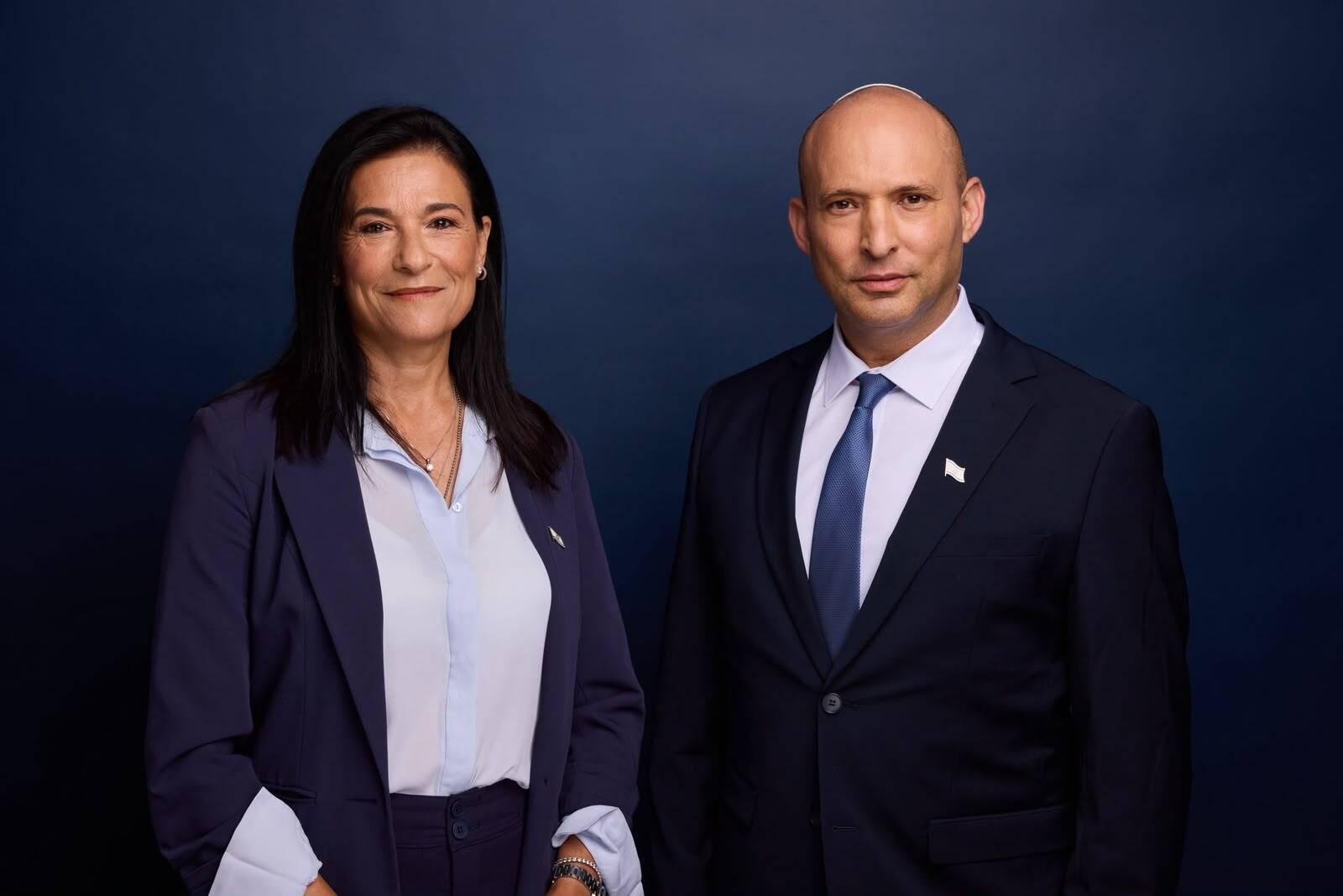
Hirsch Negri, a former Ra’anana city manager, lost her son Roee, a reserve officer who was killed fighting Hamas at Kibbutz Be’eri on October 7.
In a June Facebook post, she wrote that she chose to join Bennett out of a sense of “deep trust” in his “ability to lead with responsibility, clear values, and a heart that is in the right place.”
“Over the years, I have held many senior positions in educational and municipal systems,” and “today, I choose to take all the experience and knowledge I have accumulated to the place where the decisions that shape our lives are made,” she added.
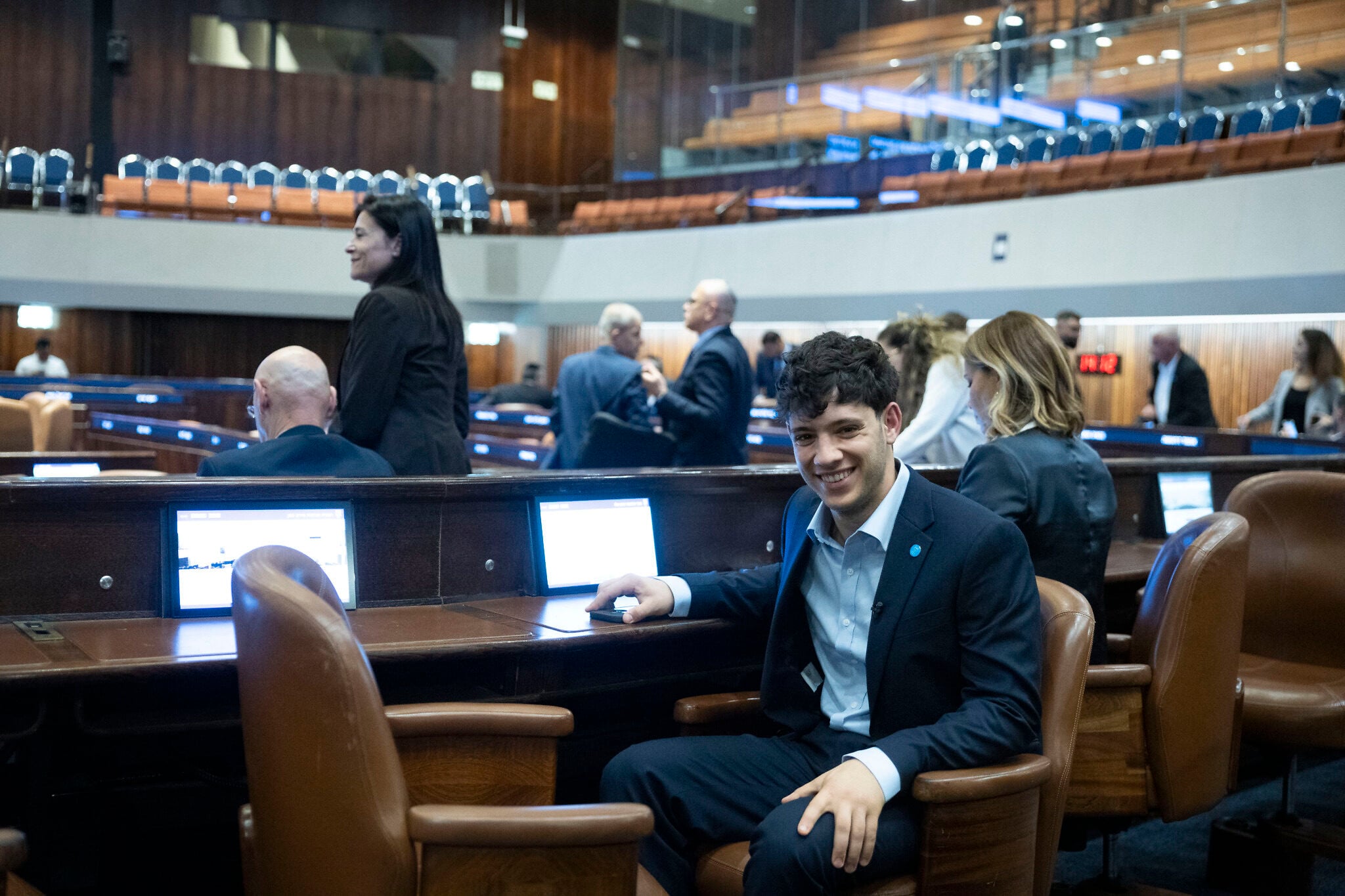
Shalev, a 23-year-old reservist set to become Israel’s youngest-ever MK, co-founded the Shoulder to Shoulder movement, a reservists’ group campaigning against military-service exemptions. He has said the death of a close friend in battle inspired him to start the organization.
Shalev said he joined Bennett “in the name of our generation and the friends we lost in battle,” calling him the leader who could rebuild the country and give young Israelis a better future. Since joining the party, Shalev has become one of its most visible new figures, frequently appearing alongside Bennett on the campaign trail.
Yisrael Beytenu
Two of the three newcomer MKs in Avigdor Liberman’s seven-seat party were personally affected by October 7.
Rafi Ben Shitrit, the party’s No. 2, is a former Beit She’an mayor and ex-Likud member. He also helped found the October Council, an organization of October 7 survivors, former hostages, and bereaved families critical of the government.

His son, Staff Sgt. Shimon Alroy Ben Shitrit, was killed defending the Nahal Oz army base on October 7.
Ben Shitrit has accused Netanyahu’s government of evading responsibility for the Hamas attack even after military officials accepted blame, and has called for a state commission of inquiry into October 7.
At No. 6 is Sharon Sharabi, who became a prominent advocate for the hostages’ release after his two brothers were abducted from Kibbutz Be’eri. One brother, Eli, was eventually released, while his other brother Yossi was killed in captivity.

Explaining why he joined Yisrael Beytenu, Sharabi said he felt a “deep responsibility” toward Israeli society and argued that the party reflected the security-focused, right-wing politics he had once associated with Likud.
The Democrats
Yair Golan’s Democrats, an eight-seat party, have two first-time MKs. Golan himself won widespread praise for driving to the Nova music festival site on the morning of October 7 and rescuing multiple people.
Golan had initially sought to bring in Einav Zangauker, mother of former Hamas captive Matan Zangauker and one of the most outspoken critics of the government’s handling of the hostage crisis, but later opted not to reserve spots for preferred candidates on the party slate, leaving Zangauker out.
Both of the party’s freshman MKs spent significant time in reserve duty following the October 7 attack.
Yair “Yaya” Fink, at No. 5, is a social activist and reservist who has served more than 210 days since the war began. He campaigned against the judicial reform pushed by Netanyahu’s government in 2023 and for an end to military-service exemptions for the ultra-Orthodox.
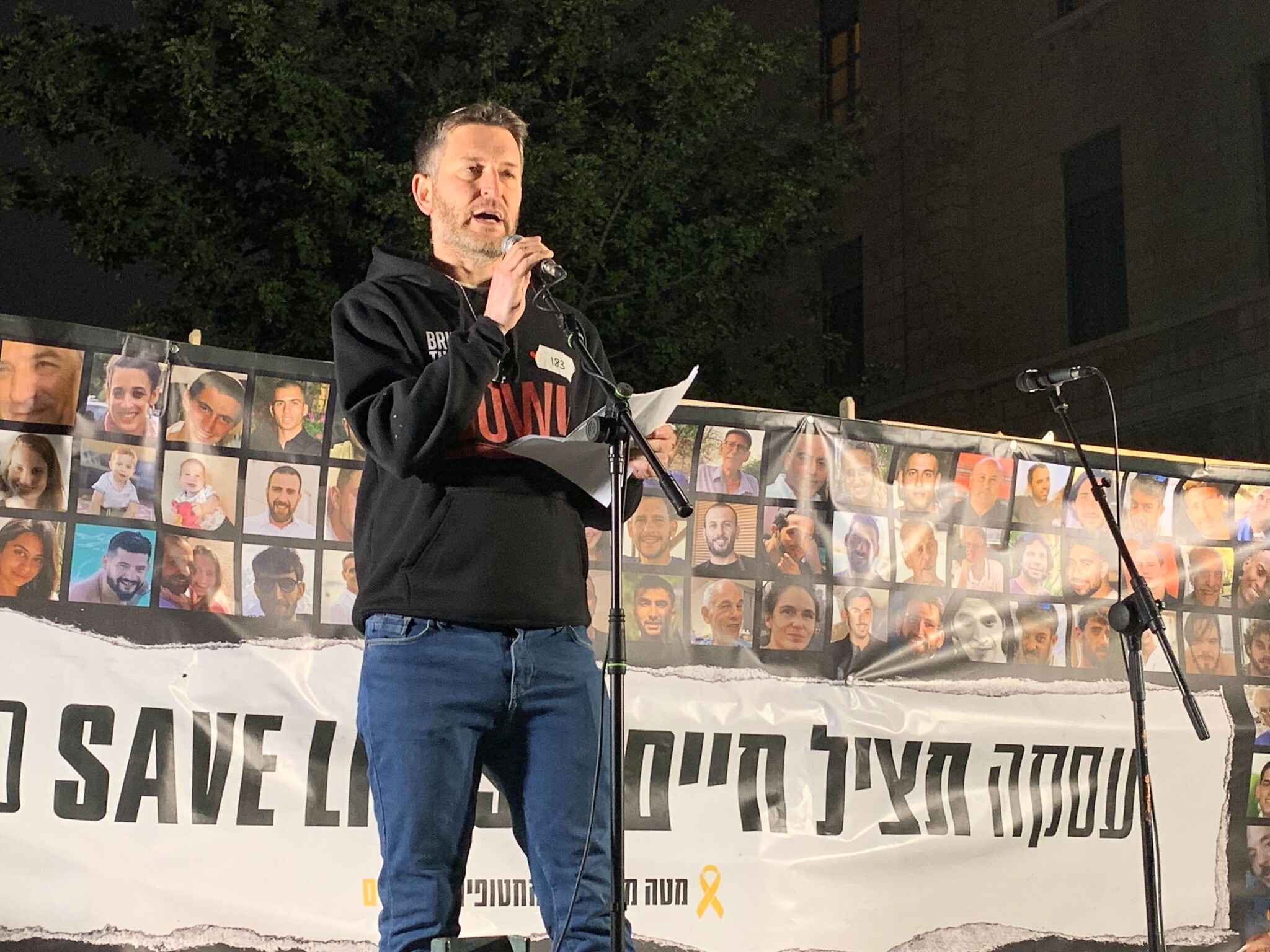
The party’s No. 7, Omri Ronen, is a reservist who has served more than 350 days since October 7 and a prominent member of the Brothers and Sisters in Arms anti-government protest movement. He was also active in nationwide anti-government protests in recent years.
Religious Zionism
Tzvika Mor, one of two Knesset newcomers in the party, is fifth on Bezalel Smotrich’s six-seat Religious Zionism-Zehut slate. He is a member of the Religious Zionist community and lives in Kiryat Arba, a West Bank settlement near Hebron.
His son, former hostage Eitan Mor, was a security guard at the Nova music festival, where he was kidnapped by Hamas terrorists. Eitan was held hostage in Gaza for 738 days and returned as part of a hostage-release deal.

Mor led the Tikva Forum, a small group of hostage families who — unlike members of the larger Hostages and Missing Families Forum — consistently opposed partial hostage-release agreements with Hamas that involved the release of Palestinian security prisoners and temporary ceasefires in Gaza.
He has also backed a probe by the state comptroller to examine the failings surrounding the October 7 Hamas invasion, which critics fear will act as a largely toothless substitute for a more substantial state commission of inquiry into the massacre.
Other newcomers
Most other parties also have newcomers, though without direct connections to October 7 or the ensuing wars.
With seven freshman lawmakers occupying its 11 seats, the Joint List has the second highest ratio of new MKs, after Yashar.
United Torah Judaism will bring another three new lawmakers into the Knesset, while Ra’am will add two. Otzma Yehudit will have a single new Knesset member and Shas will have no first-time lawmakers, after newcomer Dror Amos withdrew from the slate.





The Times of Israel Community.