

Holocaust survivor returns to Berlin home where he witnessed Kristallnacht at age 6
George Shefi, now 94 and living in Jerusalem, back in Germany to pass on life’s lessons: ‘If you don’t know the history of the Holocaust, you can’t prevent it anymore’
 Add ToI as a Preferred Source on Google
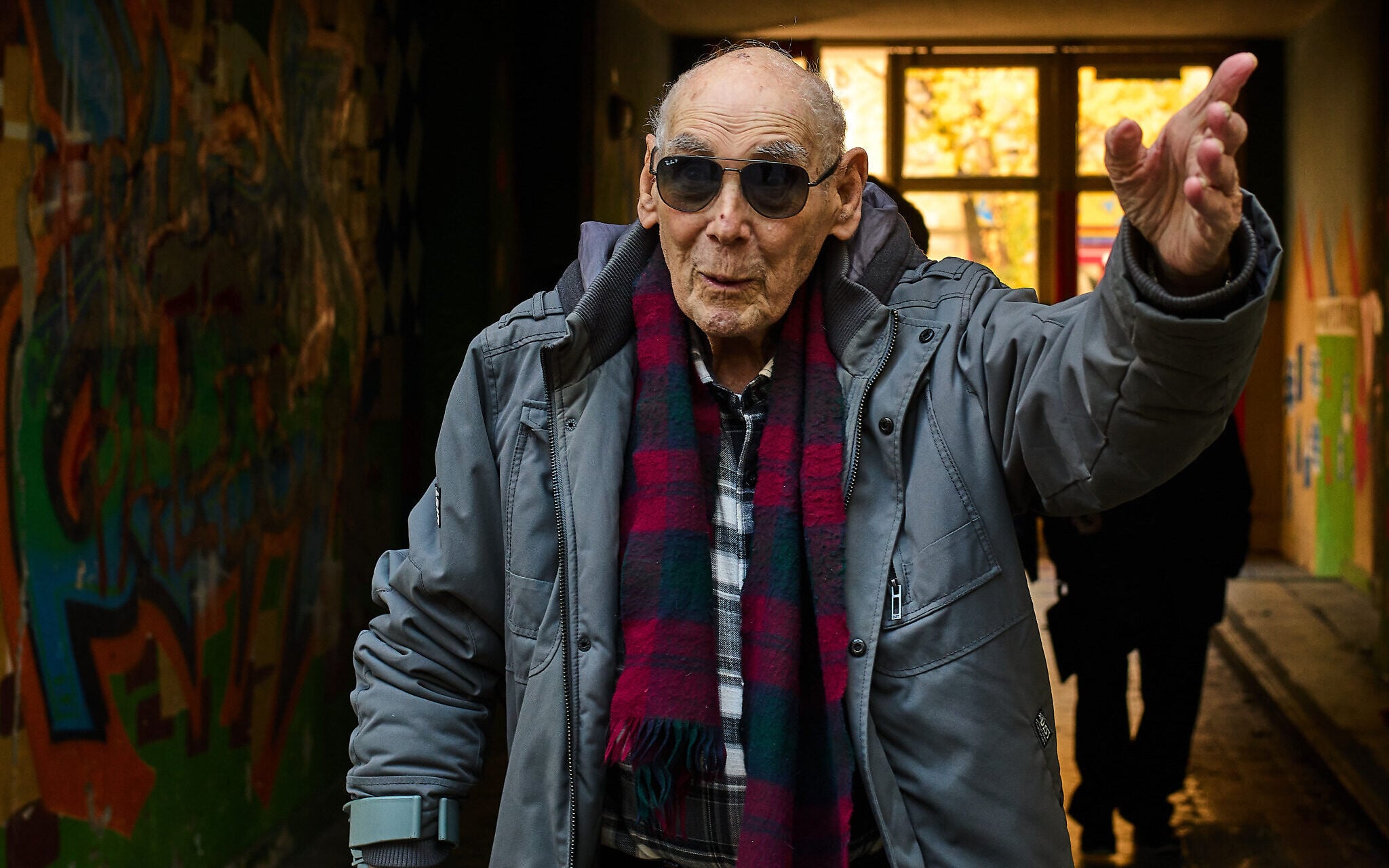
BERLIN (AP) — George Shefi was just 6 years old on November 9, 1938, when his mother kept him home for three days.
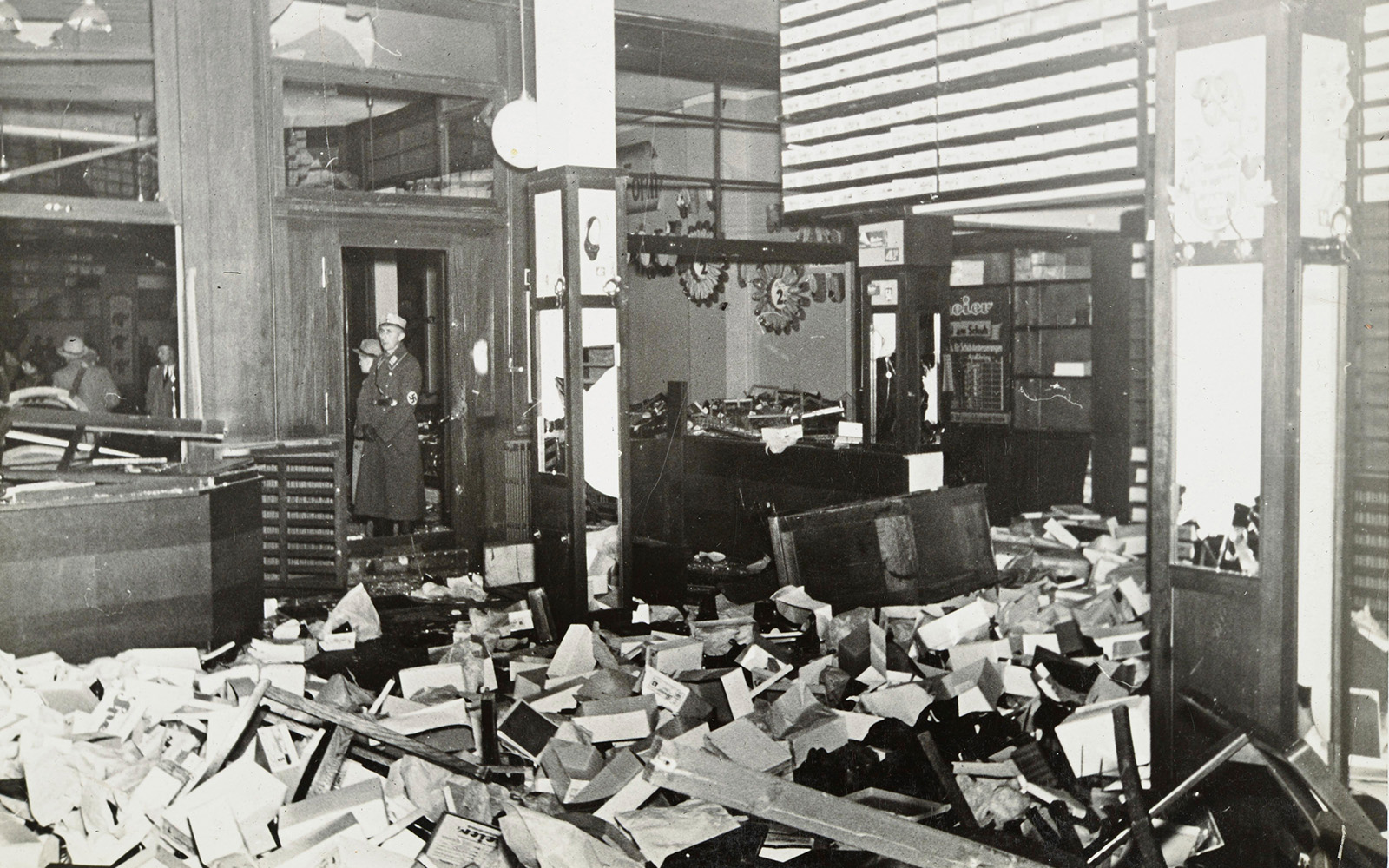
When he was finally allowed to go out again, his Jewish school inside a Berlin synagogue had been burned down, the Jewish hat store opposite his home had been looted, and the windows of the stationery shop next door had been smashed.
The Jewish shop owner “was trying to clean this thing up, and there were, I don’t know, a lot of people, 30, 40, 50, or something, jeering and yelling and saying nasty things,” Shefi recalled during a recent visit to his childhood home in Berlin’s Schoeneberg district.
Shefi, now 94 and a resident of Jerusalem, was describing Kristallnacht — the “Night of Broken Glass” — when Nazis, among them many ordinary Germans, terrorized Jews throughout Germany and Austria.
At least 91 people died and 7,500 Jewish businesses were vandalized. More than 1,400 synagogues were targeted by arsonists, according to Israel’s Yad Vashem Holocaust memorial.
Shefi returned to the German capital 88 years later as one of the last living witnesses of Kristallnacht to share his memories at a time when antisemitism is on the rise again, not only in Germany but in many other countries around the globe.
Sitting on a bench in a nearby park where he was barred from sitting as a Jewish child, Shefi said he keeps those painful memories alive to help prevent such persecution from happening again.
“I used to be like a regular Holocaust survivor, I hated the Germans and so forth, but about 10 years ago I came to the conclusion how those kids that I speak to, how can they be to blame for what happened 80 years ago,” he said.
He now speaks to school groups and other Germans about the lessons of his life.
“You have to learn and study it because you aren’t responsible for what was, but you’ll be responsible in five, 10 years of what’s going to happen,” Shefi said. “And for that, if you don’t know the history of the Holocaust, you can’t prevent it anymore.”
A turning point in Nazi persecution
Kristallnacht marked a major escalation in the Nazi persecution of Jews. Years later, the Nazis formally adopted their “Final Solution,” as boycotts, antisemitic legislation and expulsions gave way to systematic mass murder. Six million European Jews were killed in the Holocaust.
For Shefi, Kristallnacht also marked the beginning of the end of his sheltered childhood in Germany.
In July 1939, when he was seven, his mother, Marie Spiegelglas, put him on a Kindertransport to England with 300 other Jewish children to save him from Nazi persecution. He never saw her again. She was deported to Auschwitz and murdered in 1943.
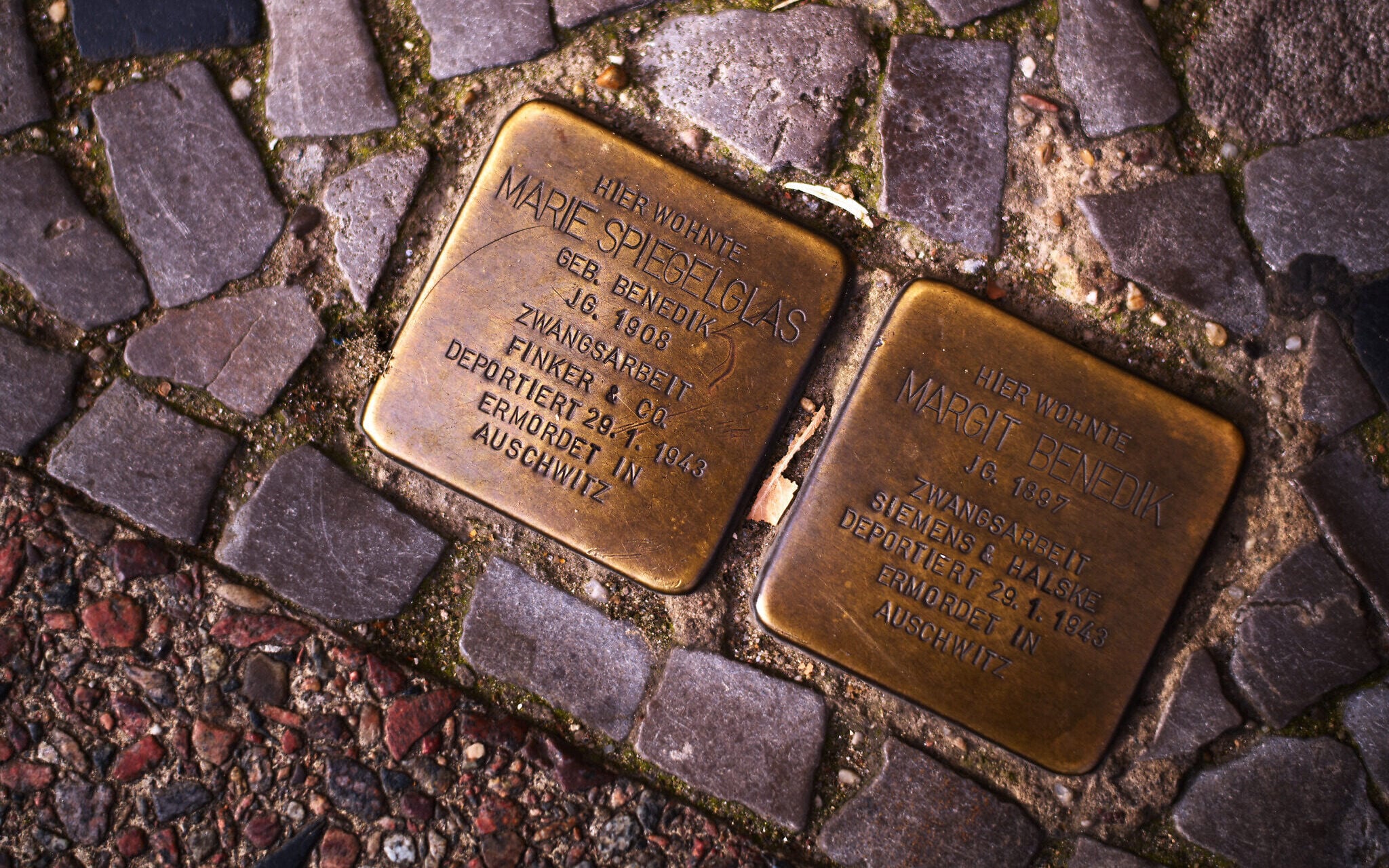
Shefi lived with several foster families and survived the German bombing of London during World War II. He later immigrated to the United States before moving to Israel and settling in Jerusalem.
There, he raised a family, ran a tool shop and served as a volunteer police officer.
Remembering the anti-Jewish pogroms
As Germany prepared to mark the 88th anniversary on Monday of the anti-Jewish pogroms, Shefi shared his story with police officers visiting Berlin to deepen their understanding of the Holocaust and their responsibility to protect Jewish communities.
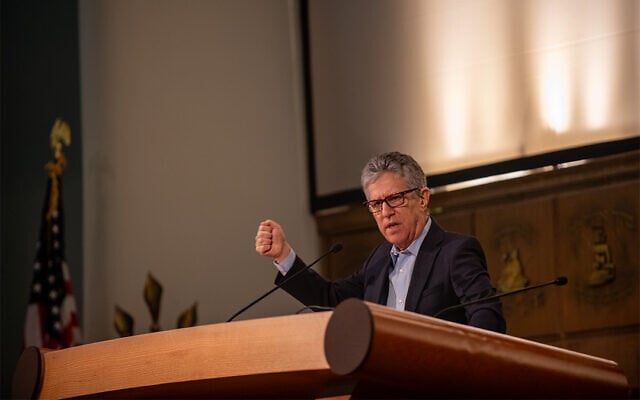
He joined Jochen Kopelke, chairman of the German Police Union, who has made educating officers about Jewish life in Germany a priority.
“We have noticed with many police officers in Germany that they do not know anything about Jewish life,” Kopelke told The Associated Press.
Officers protect synagogues, he said, but also need to understand contemporary Jewish life and the police’s role during the Third Reich.
“The police in the Nazi era actively took part in the Shoah, participated, guarded concentration camps, deported people,” he said. “All policemen have to know the history of the police. And that’s why today you have to bring policemen to the real world in addition to the historical process.”

Holocaust education is essential to combating rising antisemitism, said Phyllis Greenberg Heideman, president of the International March of the Living. The group organizes an annual remembrance event at Auschwitz and supports efforts to combat hatred of Jews.
“It’s daunting, it’s difficult, and it’s the most important act any one of us can do,” she said, “to fight and to combat antisemitism as well as all forms of hatred facing the world today.”
For Shefi, speaking about his childhood in Nazi Germany has become increasingly urgent.
“My generation is the last generation that can tell what happened without anybody saying that’s not true.”









The Times of Israel Community.