

Exhibit tackles role of design in cutting waste, protecting planet
Design Museum in central Holon encourages visitors to feel part of Earth, consider their consumer choices
 Add ToI as a Preferred Source on Google
Sue Surkes is The Times of Israel's environment reporter
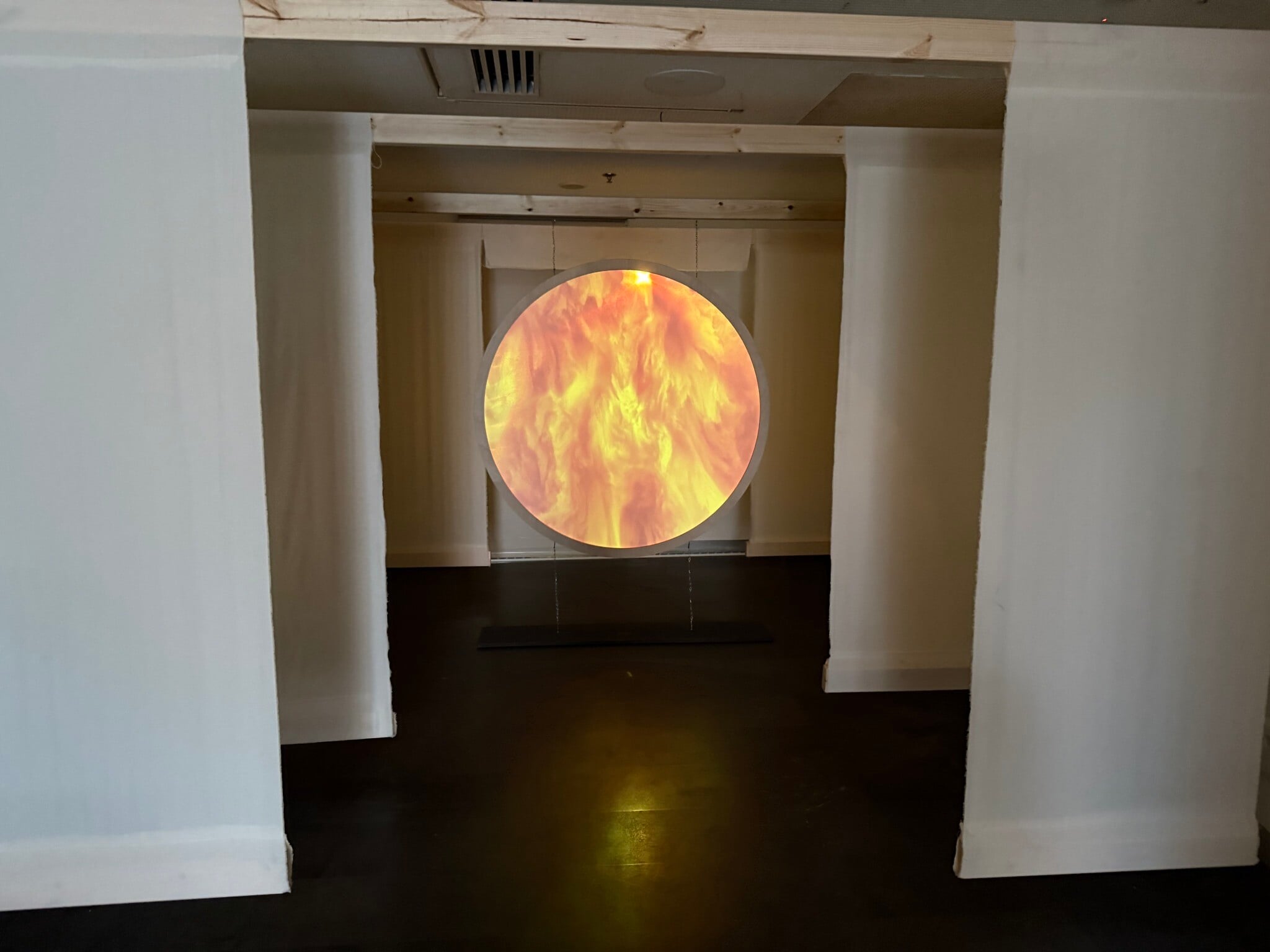
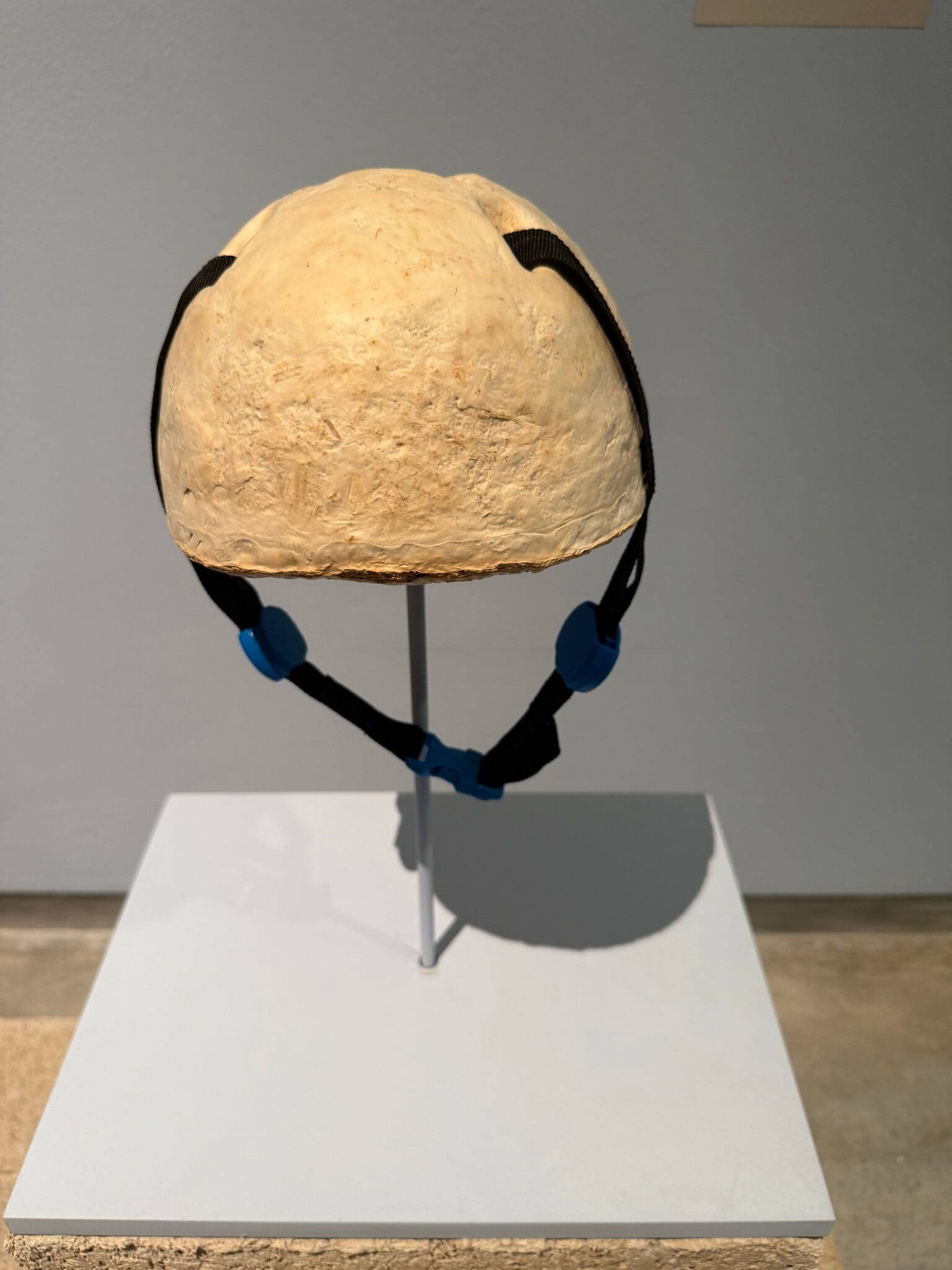
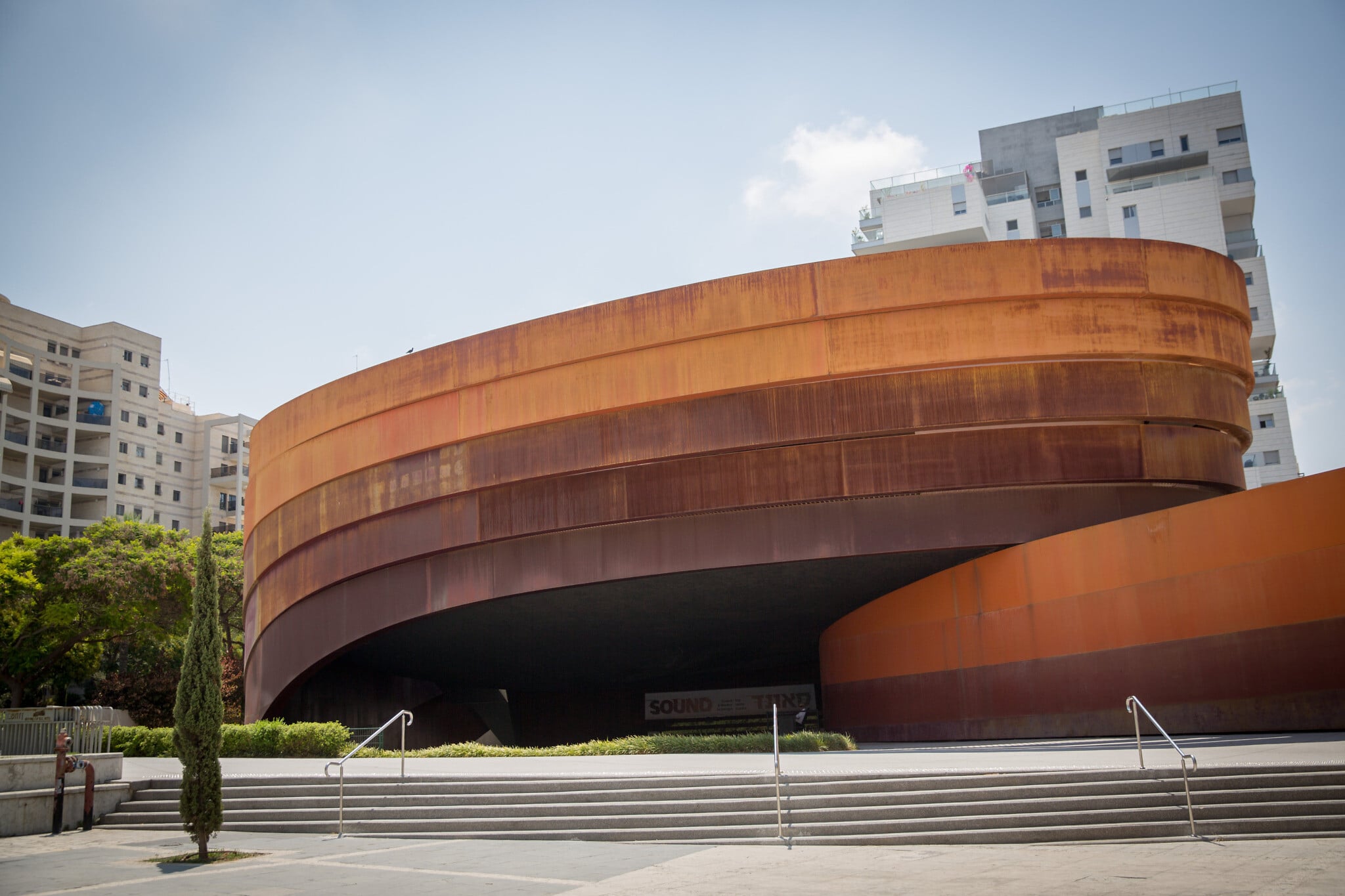
As politics and global war push interest in nature, climate, and the environment to the back burner, Israel’s only design museum, in central Holon, has opened a new exhibition on circular living and responsible design.
A circular lifestyle takes its cue from nature, where nothing is wasted. Resources are continuously reused, repaired, and regenerated in a circular loop.
The Circle starts with a wow factor to inspire awe of nature and its capabilities, offers an interactive experience to connect the visitor’s heartbeat with the planet’s “pulse,” and explores what a circular life might look like in an urban context.
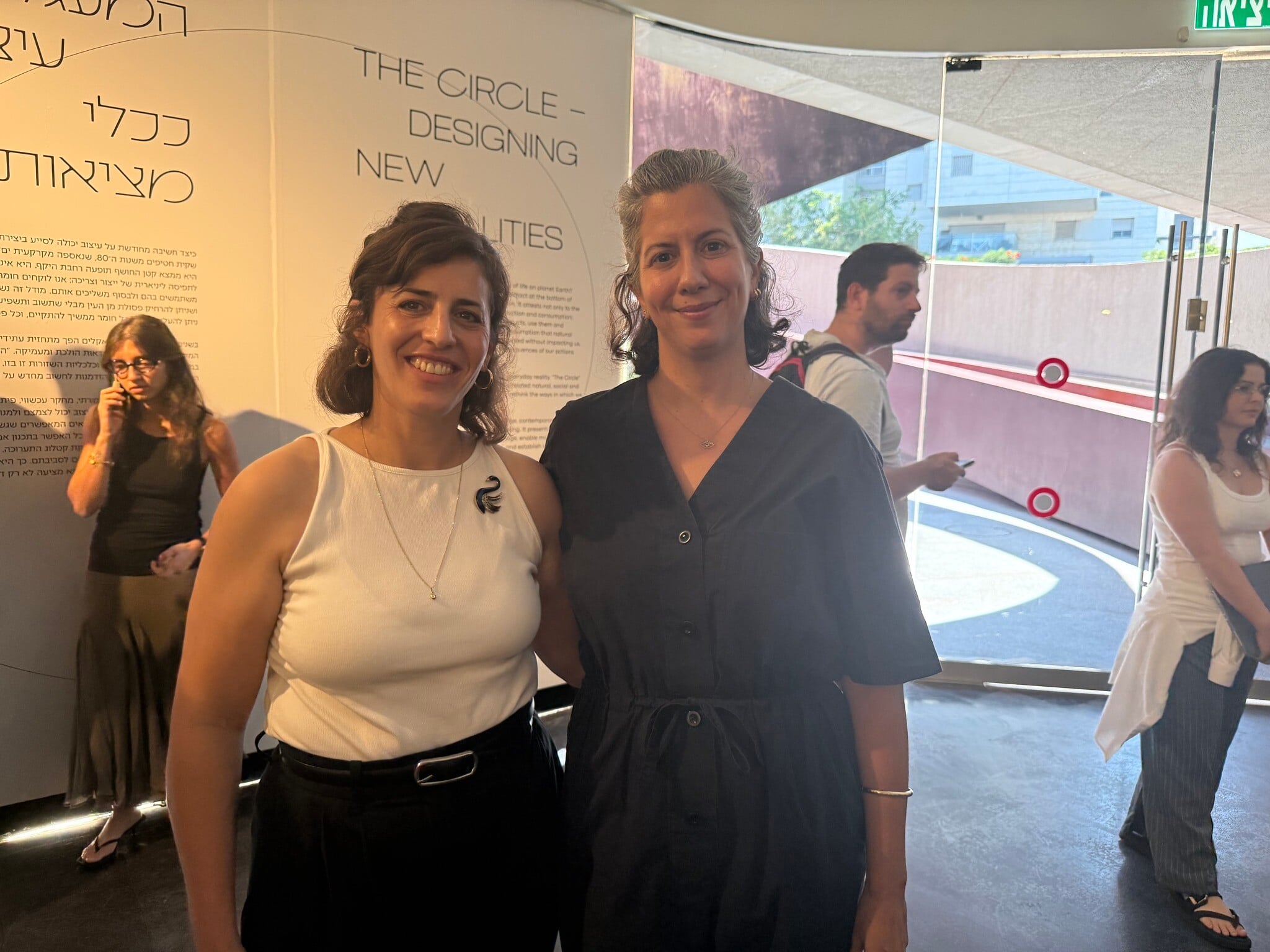
“Designers can no longer just talk about appearance and function,” said co-curator Lior Hermoni. “There’s a design failure in an object that becomes waste. We’re talking about design that is also responsible.”
Her curator partner Talia Janover added, “Because the climate crisis creates anxiety, a sense of helplessness, and sometimes even paralysis, the exhibition tries to approach solutions and to encourage visitors to imagine a different way forward. We are all part of one system — nature —and things (waste) we don’t see don’t disappear.”
The exhibition took two and a half years to produce, with around 100 professionals from different disciplines participating.
Many overseas designers initially wanted to take part, Hermoni told The Times of Israel, but were discouraged by colleagues from any contact with Israel.
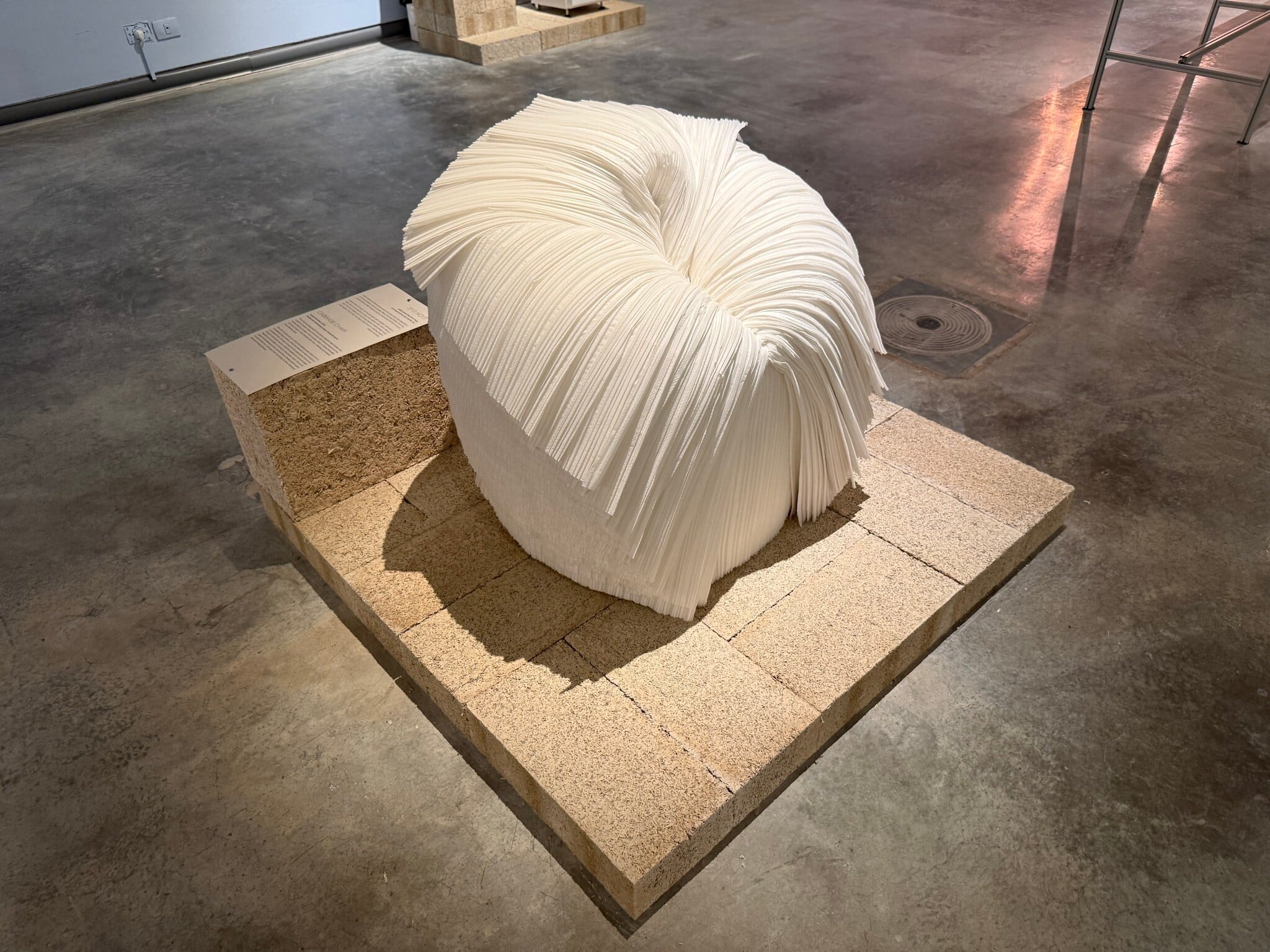
This focused efforts on developing new Israeli exhibits, such as the striking Bustan (orchard), which marks the exhibition’s start. Made from 3-D printed earth bricks surrounding a tree, it creates spaces in which different species can coexist.
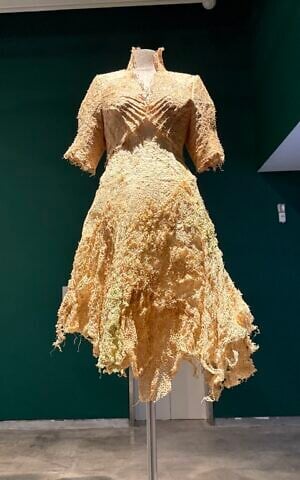
The first gallery, on the museum’s lower floor, presents aspects of nature’s miracles, from slime mould’s ability to help plan transportation and other systems to wheatgrass sprouts matted together in a dressmaking pattern to create a no-waste, biodegradable dress.
The upper gallery explores how we might live more circular lives, starting with a movie envisioning Israel’s central coast planned according to Solarpunk principles, where technology, nature, and society coexist in harmony.
This gallery explores the many decisions we make daily, such as how we get to work and school, what we eat for breakfast, what we wear, and which deodorant and toothbrush we buy.
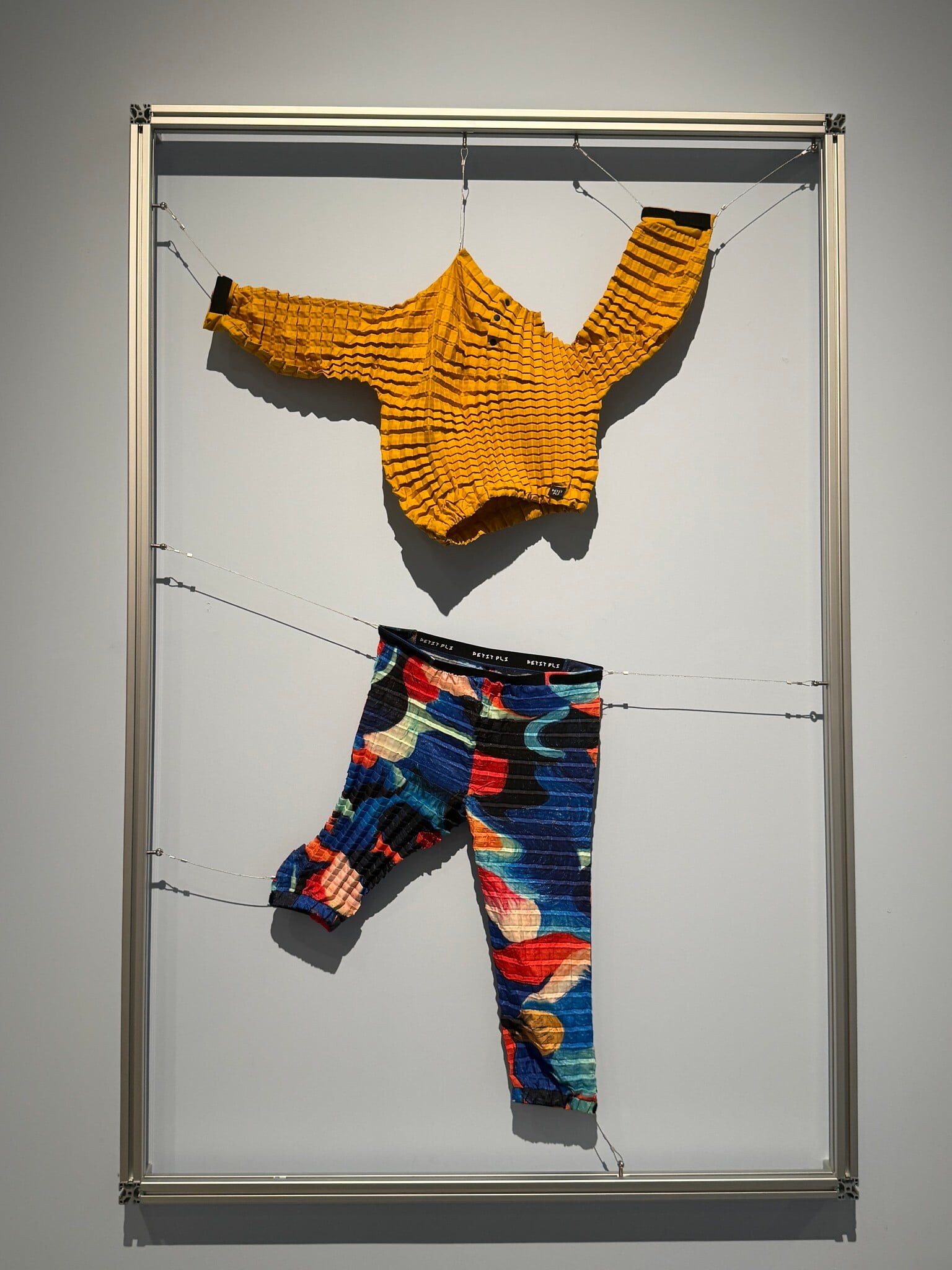
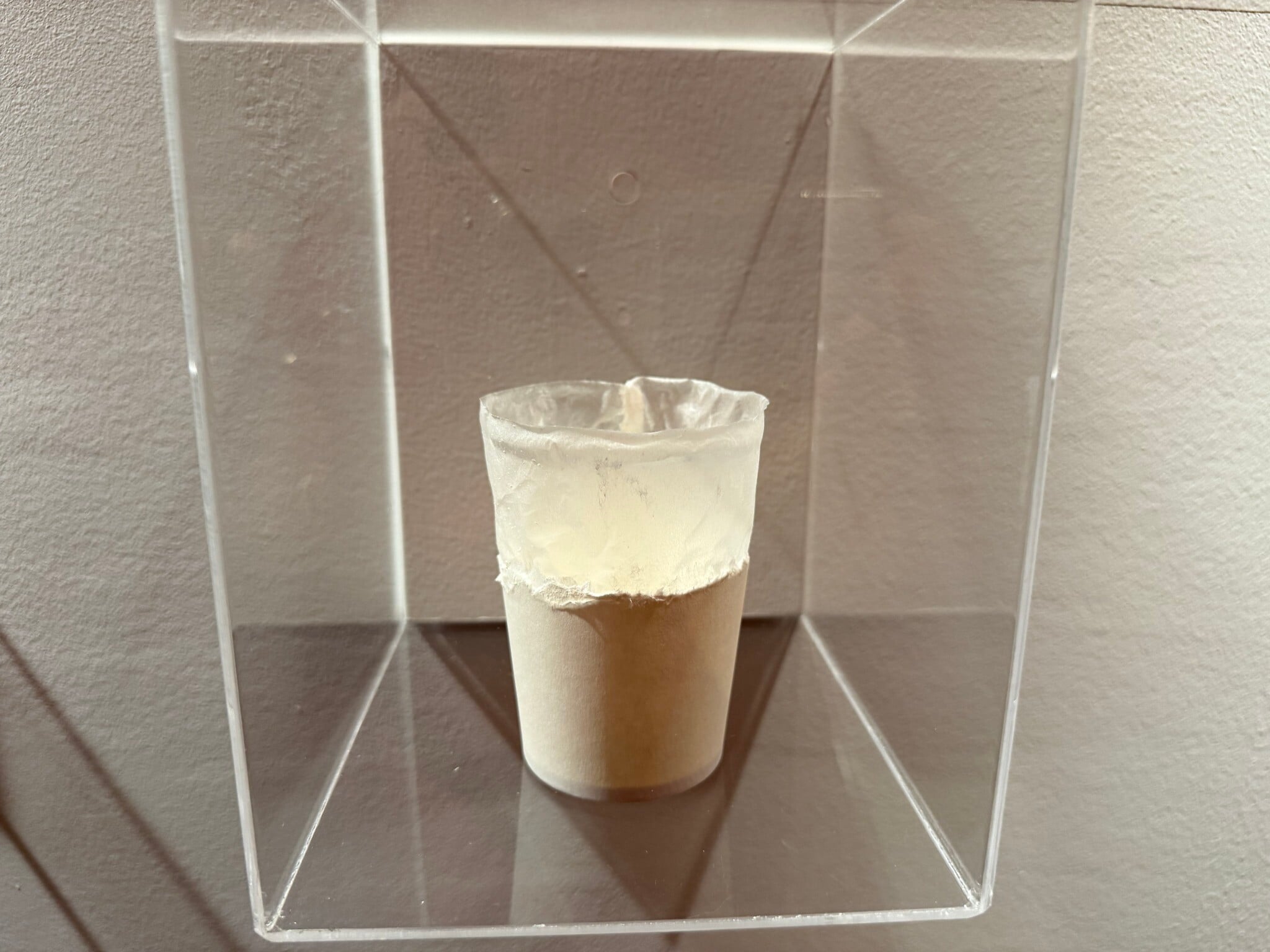
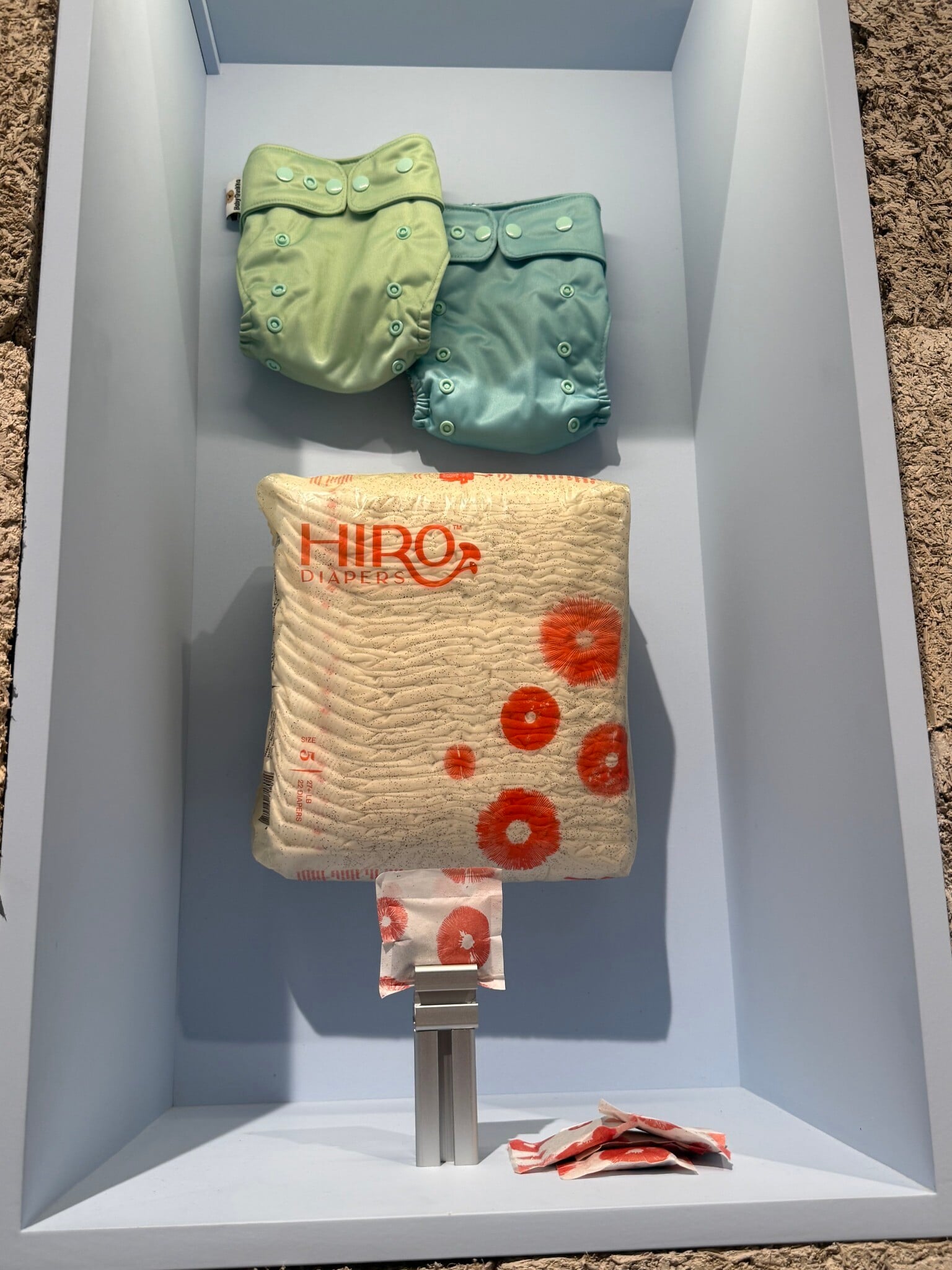
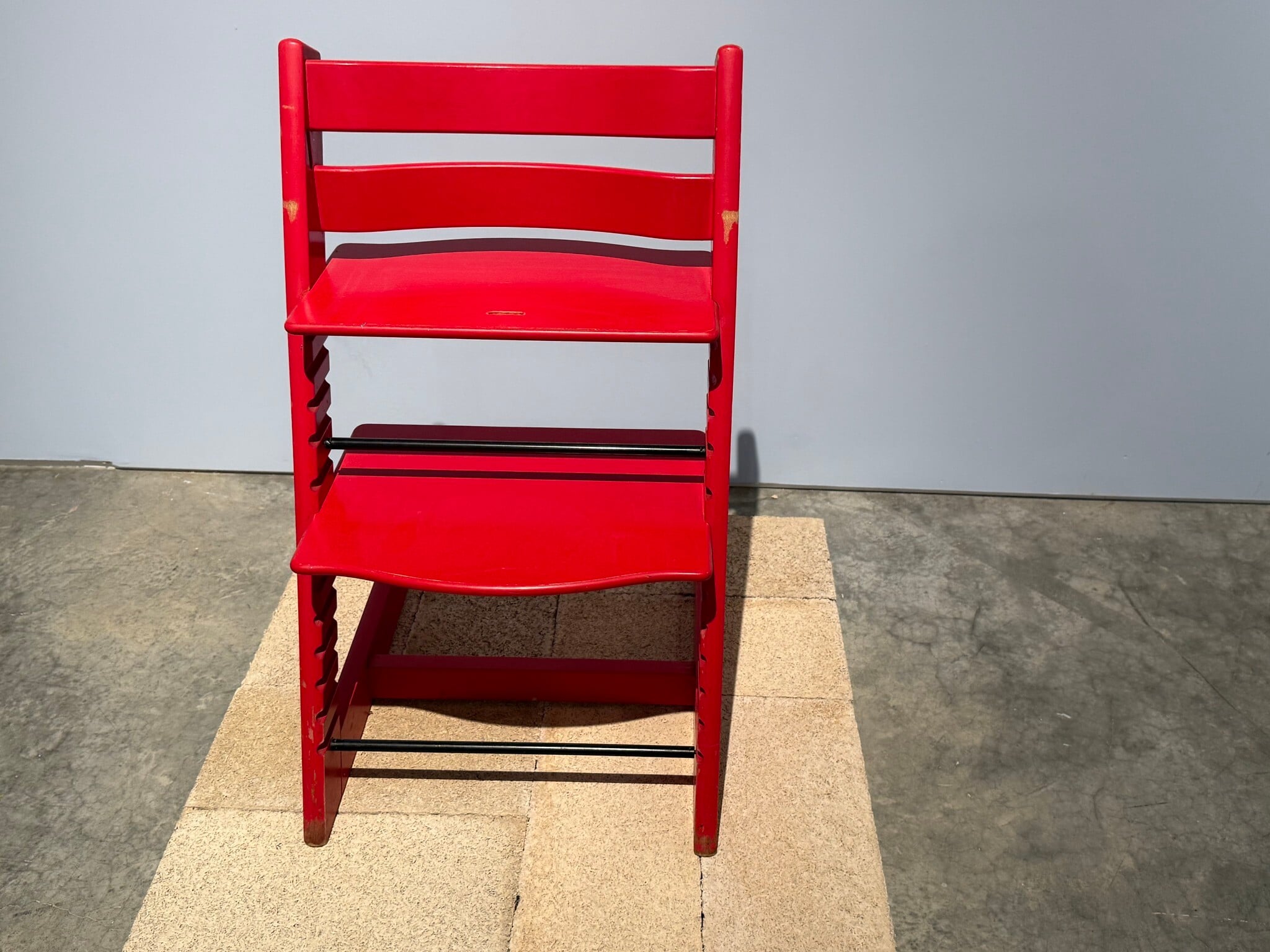
The gallery explores questions about single-use objects through different products, from single-use ‘paper’ cups lined with plastic to new inventions, such as a T-shirt designed to last 100 years, and recyclable pleated clothes made from PET from plastic bottles that expand as a child grows.
Highlights include a tiny Israeli-made car that can ‘shrink’ to take up a quarter of a conventional parking space, and a smartphone that users can easily upgrade.










The Times of Israel Community.