

Report: IDF chief says no operational need for strike on Iran before Israeli election
According to Channel 13, Zamir says ‘no indications’ of need for military action, but army would act if necessary; tensions rise as Tehran reports fresh tanker attacks in Hormuz
 Add ToI as a Preferred Source on Google
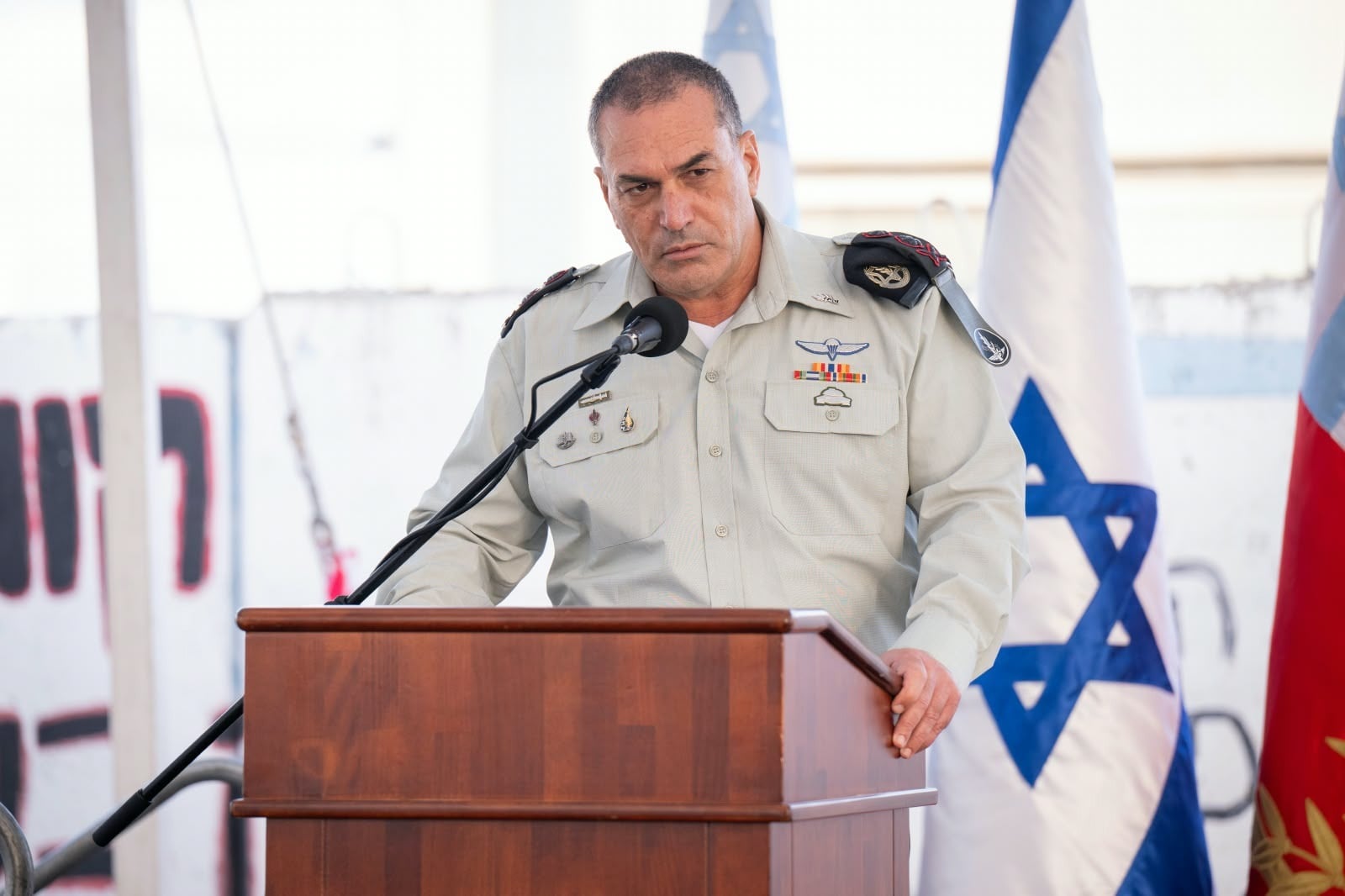
IDF Chief of Staff Lt. Gen. Eyal Zamir said during a recent private meeting that he does not currently see an operational need to strike Iran before next week’s Knesset election, Channel 13 reported on Thursday.
Prime Minister Benjamin Netanyahu has been accused by critics of pushing for a renewal of the war against Iran to influence or delay the October 27 vote — a charge he has denied.
“We do not see any indications of a need to strike Iran before the election. If we determine that a strike on Iran is necessary, we will carry it out,” Zamir was quoted as saying.
Netanyahu’s main rival, Yashar chief Gadi Eisenkot, offered a similar message publicly earlier Thursday, telling Channel 13: “There is no direct, immediate threat from Iran that necessitates a war prior to the election.”
Shipping attacks add to tensions
The comments came as tensions continued to build in the region.
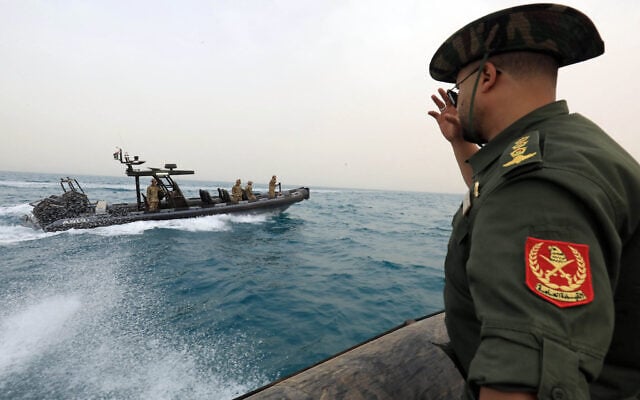
Seven oil tankers caught fire or were damaged in the Strait of Hormuz overnight after being hit by Iran or striking naval mines, Tehran said Thursday, a markedly high number as tensions rise over concerns about a return to all-out war.
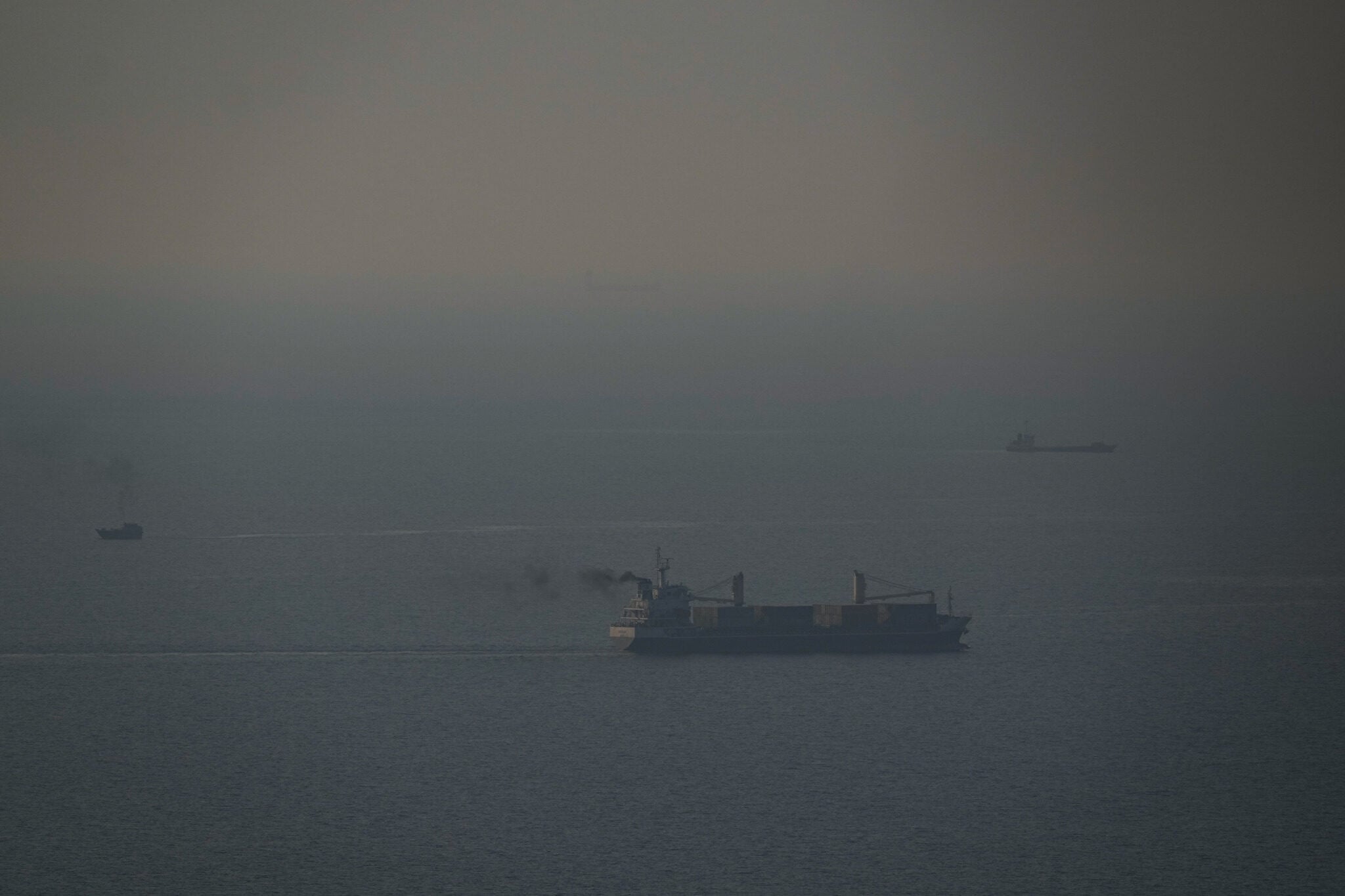
Iranian state television reported the claims about the latest attacks on ships, which the Associated Press said it couldn’t independently confirm. The report cited the Revolutionary Guard Corps navy, which again threatened to strike US military bases in the region if the US keeps helping guide commercial ships through the strait.
The report didn’t mention casualties. Iran still asserts control over the waterway, a central point of leverage in any talks with the US over the war.
October has had the most reported attacks on commercial shipping since March, during the war’s opening weeks, according to a British military monitor, the United Kingdom Maritime Trade Operations. UKMTO didn’t report the latest attacks, but it has noted new reluctance by some shippers to report incidents.
Oil producers have found ways to keep crude flowing, experts say, but at a mounting cost.
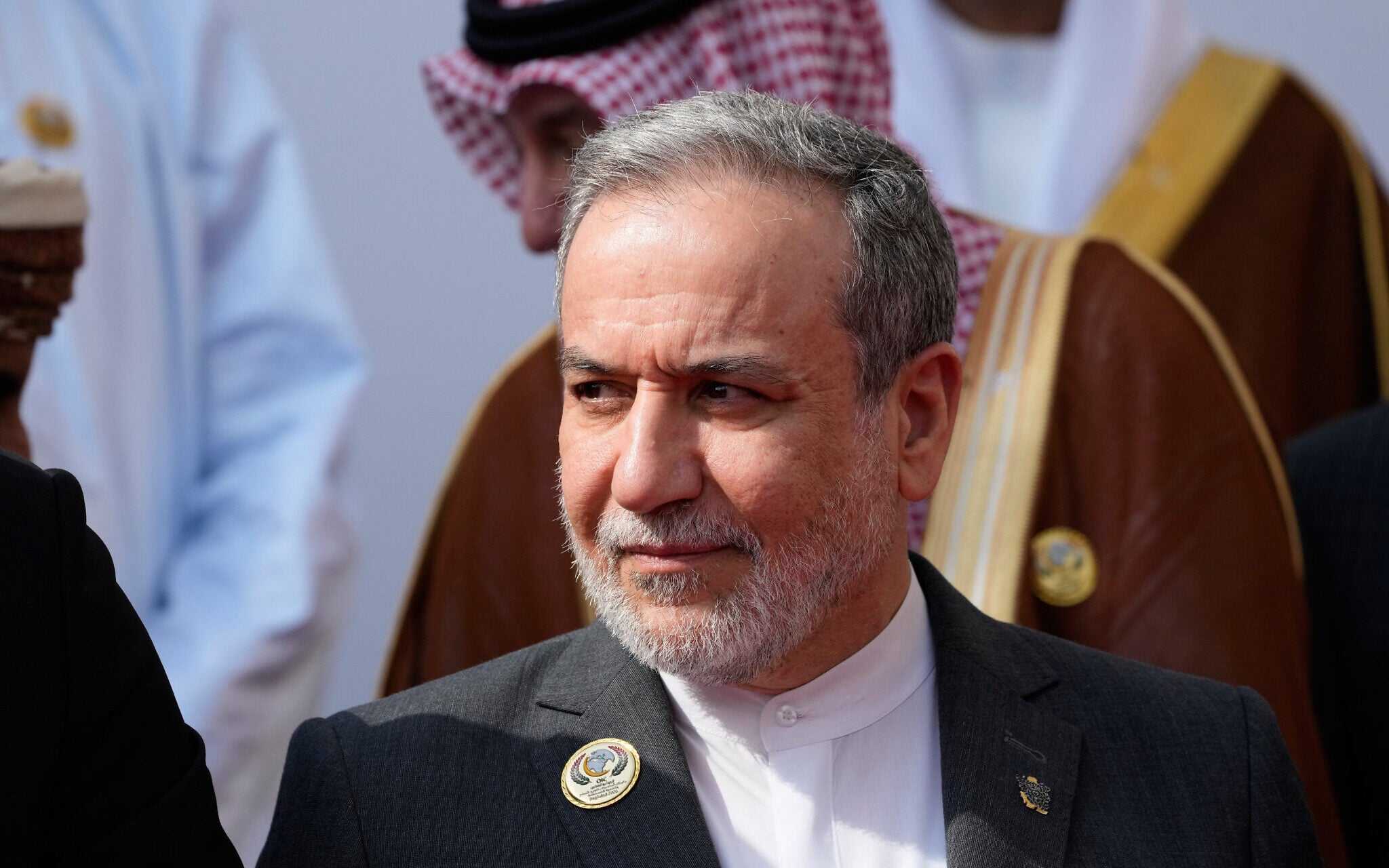
Iranian Foreign Minister Abbas Araghchi on Wednesday said that a wary Tehran remains open to diplomacy, but is ready to defend itself.
Iran has warned that it has learned important military lessons from the war that began with US and Israeli attacks on February 28. In recent days, Tehran has indicated that it could expand targets to include infrastructure such as undersea cables and data centers.
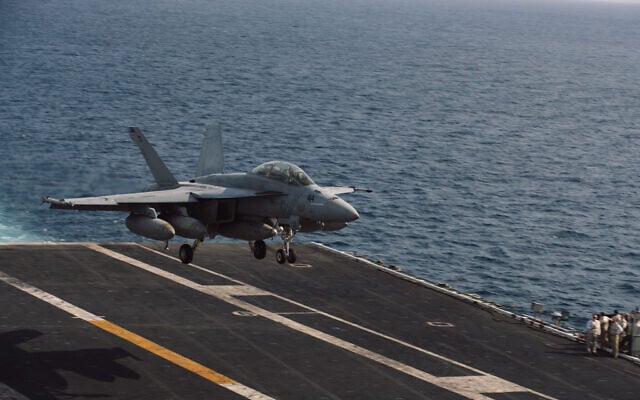
The United States, for its part, is sending more military assets to the region, including a third aircraft carrier and thousands of troops, to join the largest force of American warships and aircraft in the Middle East in decades.
Mediators have continued trying to bring Washington and Tehran back to formal negotiations. Iran has promoted a proposal that would end the war and fully reopen the Strait of Hormuz within a week if the United States accepts several conditions, including ending its blockade of Iranian ports, easing restrictions on Iranian oil exports, releasing frozen assets and ending hostilities on all fronts.
A similar agreement signed in June collapsed within days. Trump rejected Tehran’s latest seven-day proposal in late September, though both sides have acknowledged that indirect discussions have continued.
Reports of plans for strikes after midterms
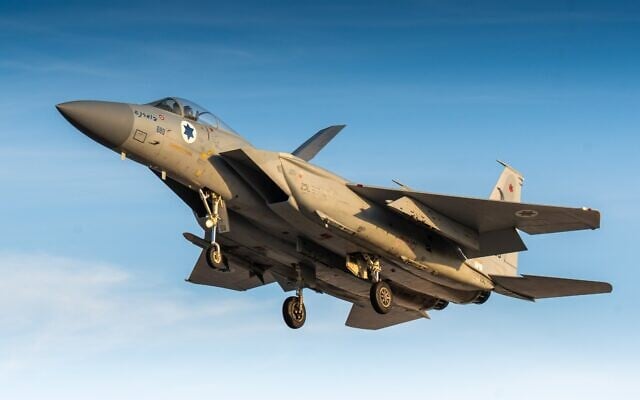
The United States and Israel have drawn up plans for renewed military strikes on Iran following the November 3 US midterm elections, The New York Times reported Wednesday, citing US officials and others briefed on the matter. The report said the two countries had stepped up military exercises ahead of a possible “short but intensive operation,” including Israeli flyovers near Iran intended to simulate strike maneuvers. Potential targets were said to include Iranian nuclear facilities, energy infrastructure and missile and drone arsenals.
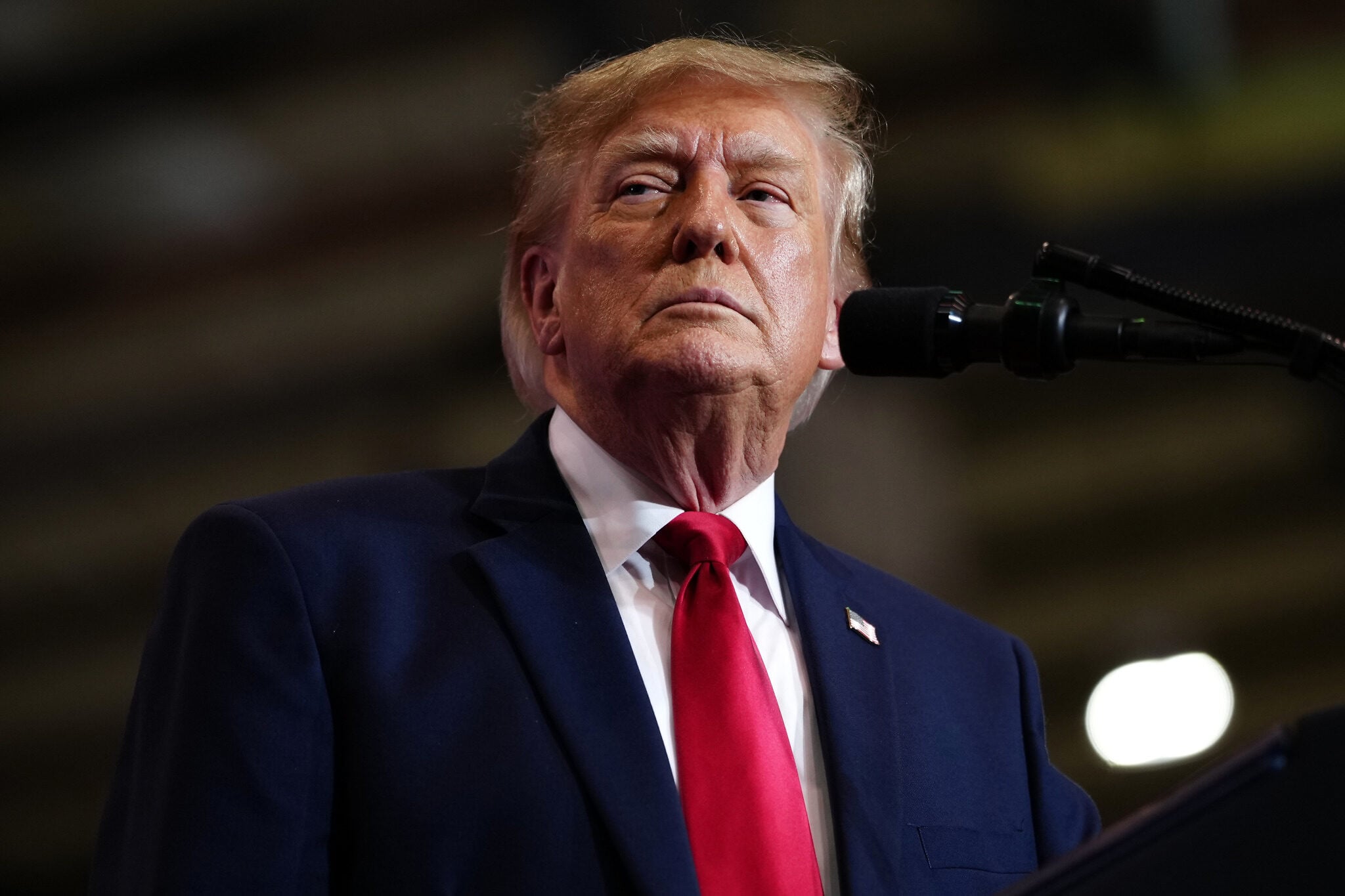
Recent reports have said Netanyahu is eager to renew strikes on Iran but has been restrained by Trump, who has signaled that he prefers to wait until after the midterms.
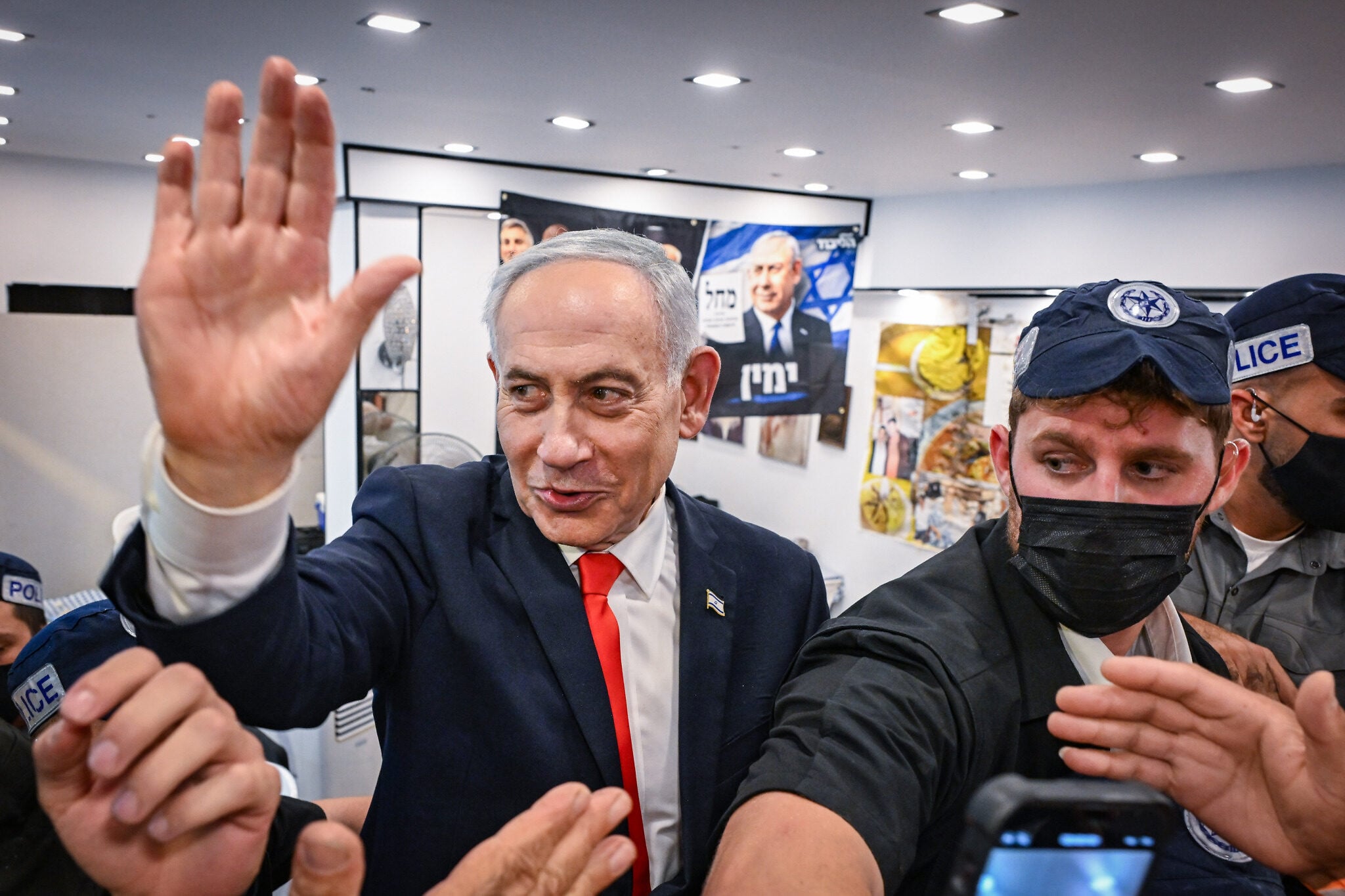
Netanyahu on Thursday denied reports about such discussions as “incorrect” and declined to detail his conversations with Trump. On October 9, Trump said Washington would not strike Iran before the US vote, while a separate report said Zamir had warned American generals that an attack in the coming weeks could force Israel’s October 27 election to be postponed because Iran would likely respond with massive missile fire at Israel.







The Times of Israel Community.