

US, Israel said to draft plans for resumed strikes on Iran after midterm elections
Military drills ramped up ahead of potential short, intensive round of attacks that could hit energy sites, nuclear facilities, and arsenals of missiles and drones, sources tell NY Times
 Add ToI as a Preferred Source on Google
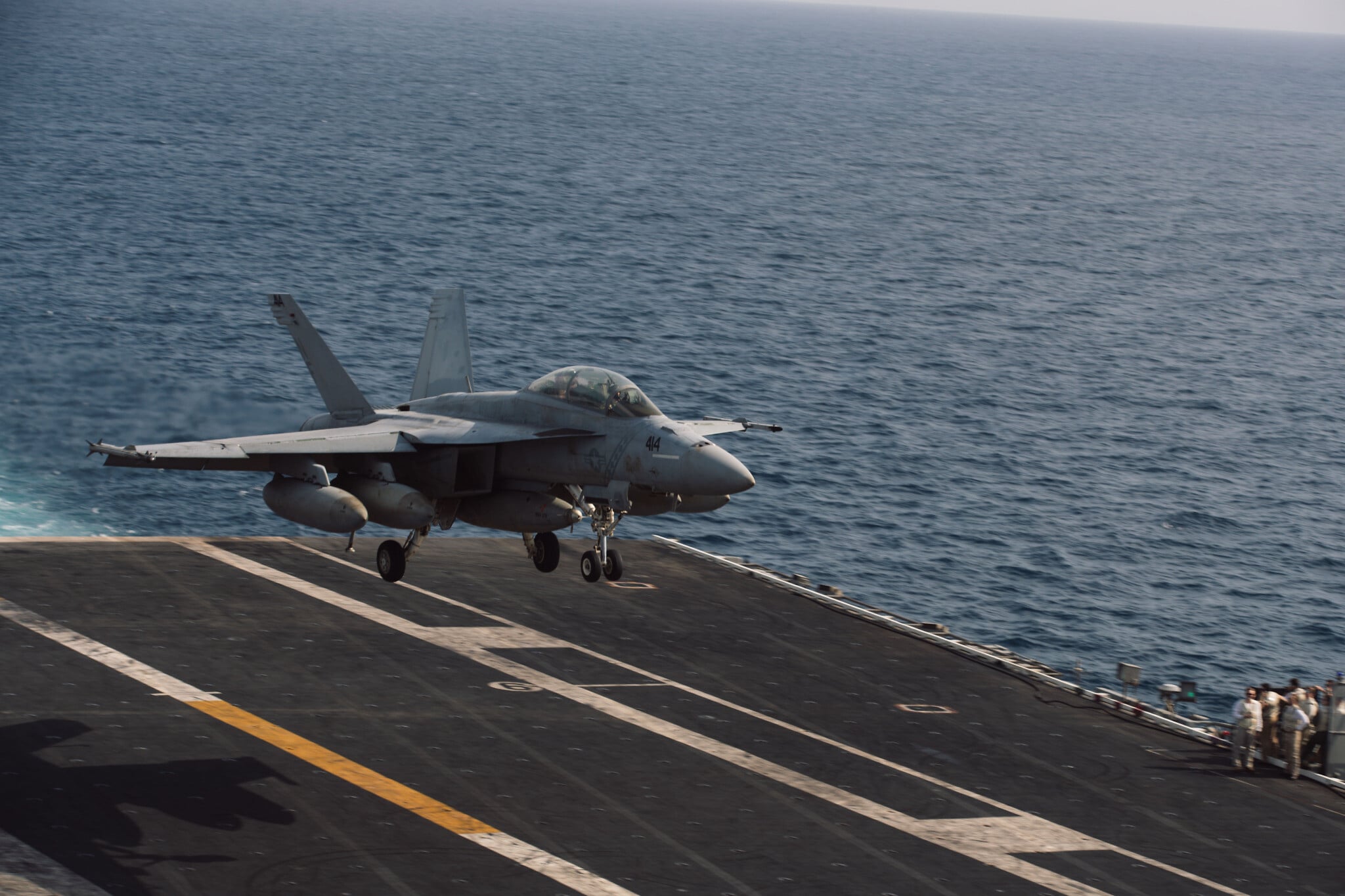
The United States and Israel have drawn up plans for renewed military strikes on Iran following the American midterm elections on November 3, according to a Wednesday report.
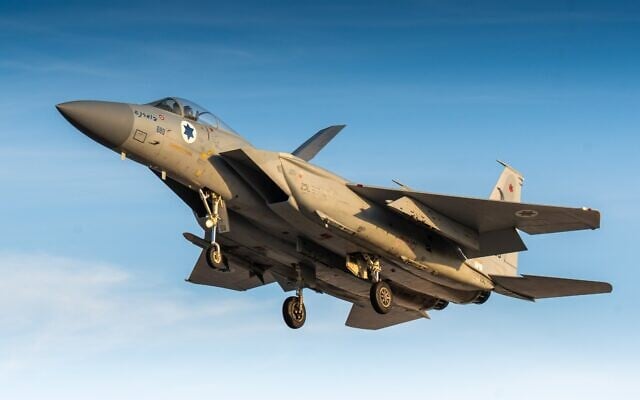
Citing US officials and others briefed on the matter, The New York Times reported that the US and Israel have ramped up military drills ahead of what it said would be “a short but intensive operation,” including flyovers of Iran’s western neighbor Iraq to simulate strike maneuvers.
Possible targets are Iranian energy sites, nuclear facilities, and arsenals of missiles and drones, the report said. Officials quoted by the newspaper claimed another major round of strikes could crater the Islamic Republic’s economy and, in doing so, force Tehran into diplomatic concessions.
Recent reports have claimed that Prime Minister Benjamin Netanyahu is keen to launch strikes on Iran, but has been held back by US President Donald Trump, who wants to wait until after his country’s midterms early next month.
Some officials told the Times that Trump would steer strikes away from Iran’s oil infrastructure to prevent gas prices from rising even further than they have since the start of the war in February. People with knowledge of the plans said that among the targets could be the Pickaxe Mountain nuclear site.
The report also said there is a small chance Trump could go ahead with the strikes already this month, while also noting he could ultimately decide not to authorize any military action at all against Iran, recalling that he has repeatedly called off a return to fighting over the past months.
Trump’s flip-flopping on strikes is causing “day-to-day whiplash” among military planners, according to one source.
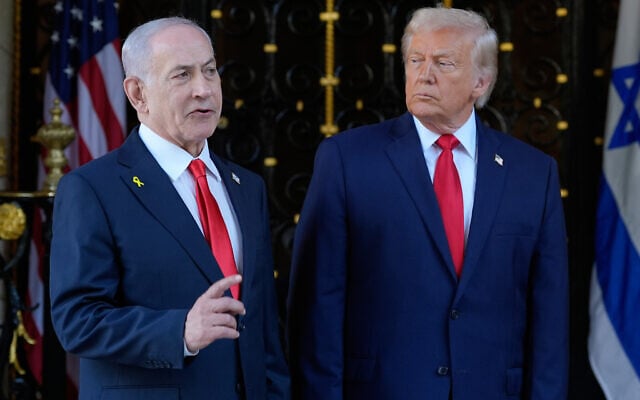
The report noted that the US is building up its arsenal in the region, which is expected to be ready for action in early November. The threat of renewed fighting is being used as leverage in negotiations with Iran on its nuclear program and on control of the vital Strait of Hormuz.
Earlier this week, US Defense Secretary Pete Hegseth made a secret visit to Israel and met with Netanyahu to discuss “threats in the region.”
Netanyahu is facing a tough reelection battle, and should he lose in the coming October 27 election, it would be difficult for him to order strikes as a caretaker prime minister, according to cited experts. However, Netanyahu could also use looming US-Israel strikes to draw opposition parties into a unity government, as he did after the October 7, 2023, Hamas-led terror onslaught on southern Israel.
A White House official declined to comment to the Times, saying that all options are on the table to prevent Iran from obtaining nuclear weapons.
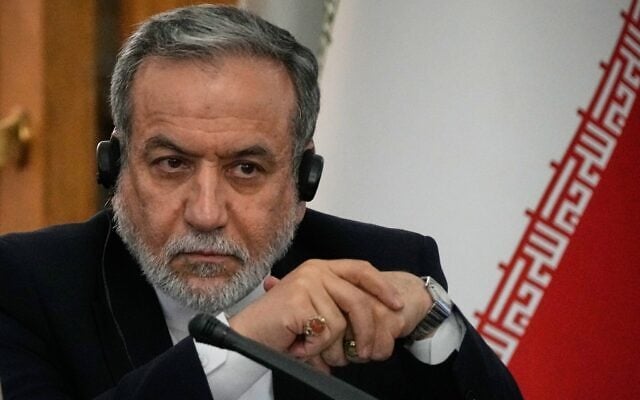
Iranian officials, meanwhile, have threatened that they would respond to strikes by broadening their range of targets from commercial ships and energy infrastructure to also include data centers and undersea internet cables.
On October 9, Trump, whose approval ratings are low, said Washington would not attack Iran before the midterms. Days earlier, a report said IDF Chief of Staff Lt. Gen. Eyal Zamir had told his American counterparts that such an attack could cause the Israeli election, slated for next week, to be postponed. Jerusalem reportedly assesses that Iran would respond to an American strike with massive missile fire at Israel.
The ongoing conflict began when Israel and the US launched a campaign against Iran on February 28 to degrade the Iranian regime’s military capabilities, distance threats posed by Tehran — including its nuclear and ballistic missile programs — and “create the conditions” for the Iranian people to topple the regime, the military and other Israeli leaders have said.
Iran responded with missile attacks on US allies across the Middle East, including Israel, while also blockading the Strait of Hormuz, through which a fifth of the world’s oil transited before the war. The US has blockaded Iranian ports and claims it is successfully shepherding ships through the strait despite repeated Iranian strikes on vessels.
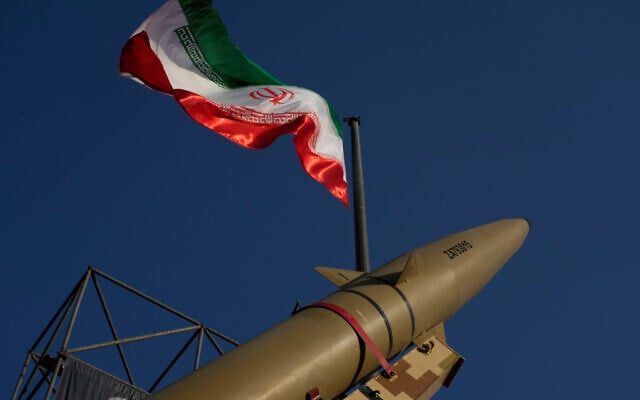
Negotiations between the US and Iran to end the standoff have largely stalled in recent months. At their heart is a dispute over the future of Iran’s nuclear program. Iran maintains that the program is peaceful but has enriched uranium far beyond any civilian use, blocked inspectors and built a ballistic missile program.
The US seeks the nuclear program’s dismantlement. US Vice President JD Vance said earlier this month that Iran must make a “meaningful” reduction in its uranium enrichment capacity to satisfy US demands.
Iran has so far rebuffed those demands.
Agencies contributed to this report.








The Times of Israel Community.