

Global industry professionals spurn major Israeli music showcase amid cultural boycott
Upcoming festival seeks to bring local talent to the attention of international scouts, but funding cuts and hostile attitudes to Jewish state have it starting on a sour note
 Add ToI as a Preferred Source on Google
Jessica Steinberg, The Times of Israel's culture and lifestyles editor, covers the Sabra scene from south to north and back to the center
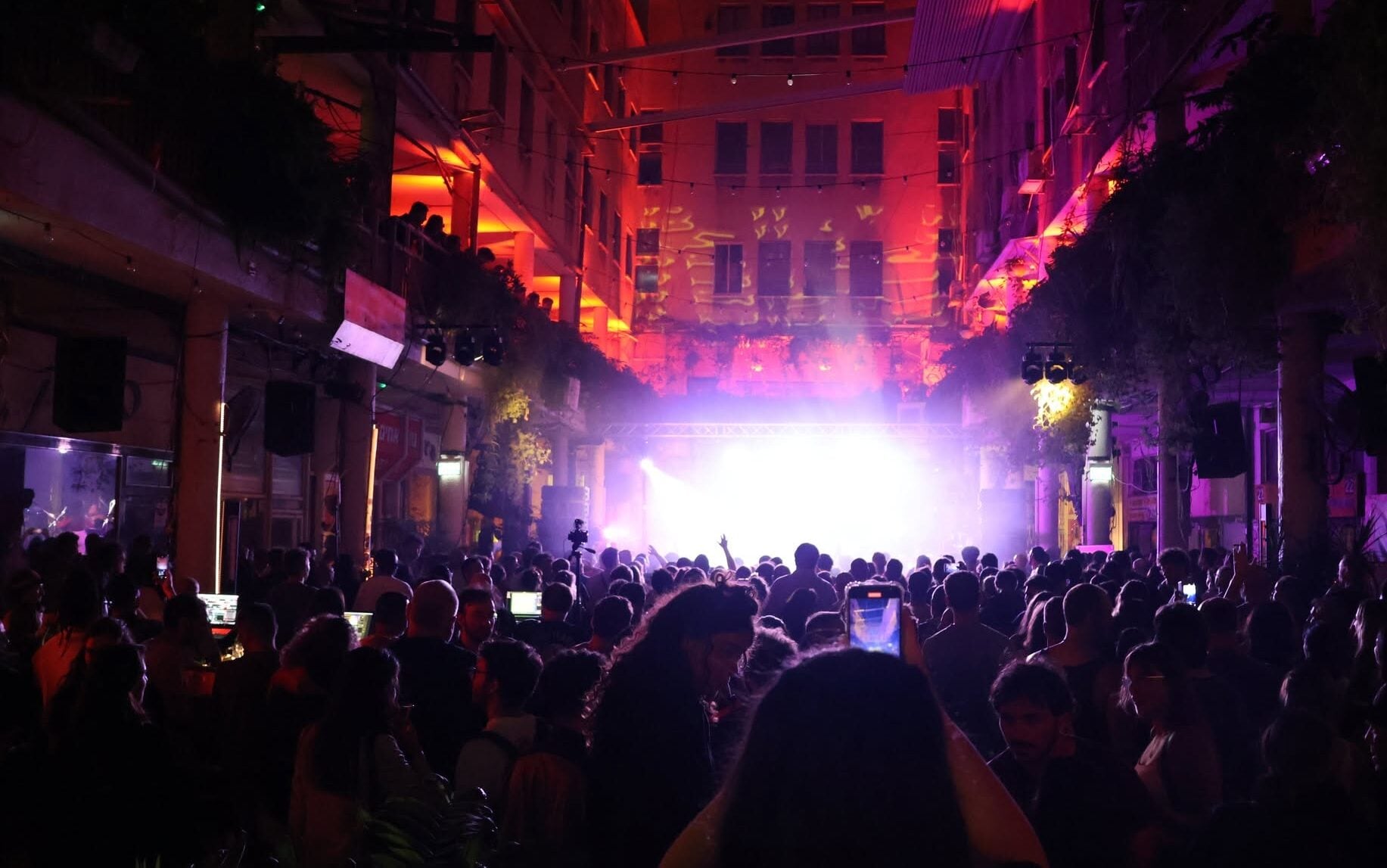
This year’s Israel Music Showcase Festival, an annual event held in Jerusalem and Tel Aviv that introduces Israeli artists to international music executives, producers and festival directors, will have fewer foreign guests than ever — a sign, organizers say, of the growing cultural boycott against Israel.
“It’s getting worse,” said Atcha Bar, founder and longtime CEO of Jerusalem’s Yellow Submarine music center and a director of the showcase. “If last year there was some understanding of our situation, now it’s all over. We have no more credit.”
The event, now in its 17th year, offers industry professionals a chance to experience Israel’s varied musical landscape. This year’s showcase is set to run from November 17-22.
Performers will include Mark Eliyahu, Yael Deckelbaum, Haze’evot, Maya Belsitzman and Matan Ephrat, the Kadosh Brothers, BĘÃTFÓØT, Allan Tune, Daniel Zamir and Zohar Fresco, Portman-T (Ester Rada, Daniel Zamir and Michael Mital), Yisgav Dotan, Shaman Shaman, Boogie Balagan, Masok, Shalosh and others.
The showcase is produced by the Yellow Submarine in partnership with the Cultural Diplomacy Division of the Foreign Ministry, the Eden Company, the Jerusalem Municipality’s Youth Authority, the Jerusalem Foundation, the Culture Ministry and the Jerusalem Municipality.
The event has helped pave the way for hundreds of artists, including Noga Erez, Lola Marsh, and Tatran.
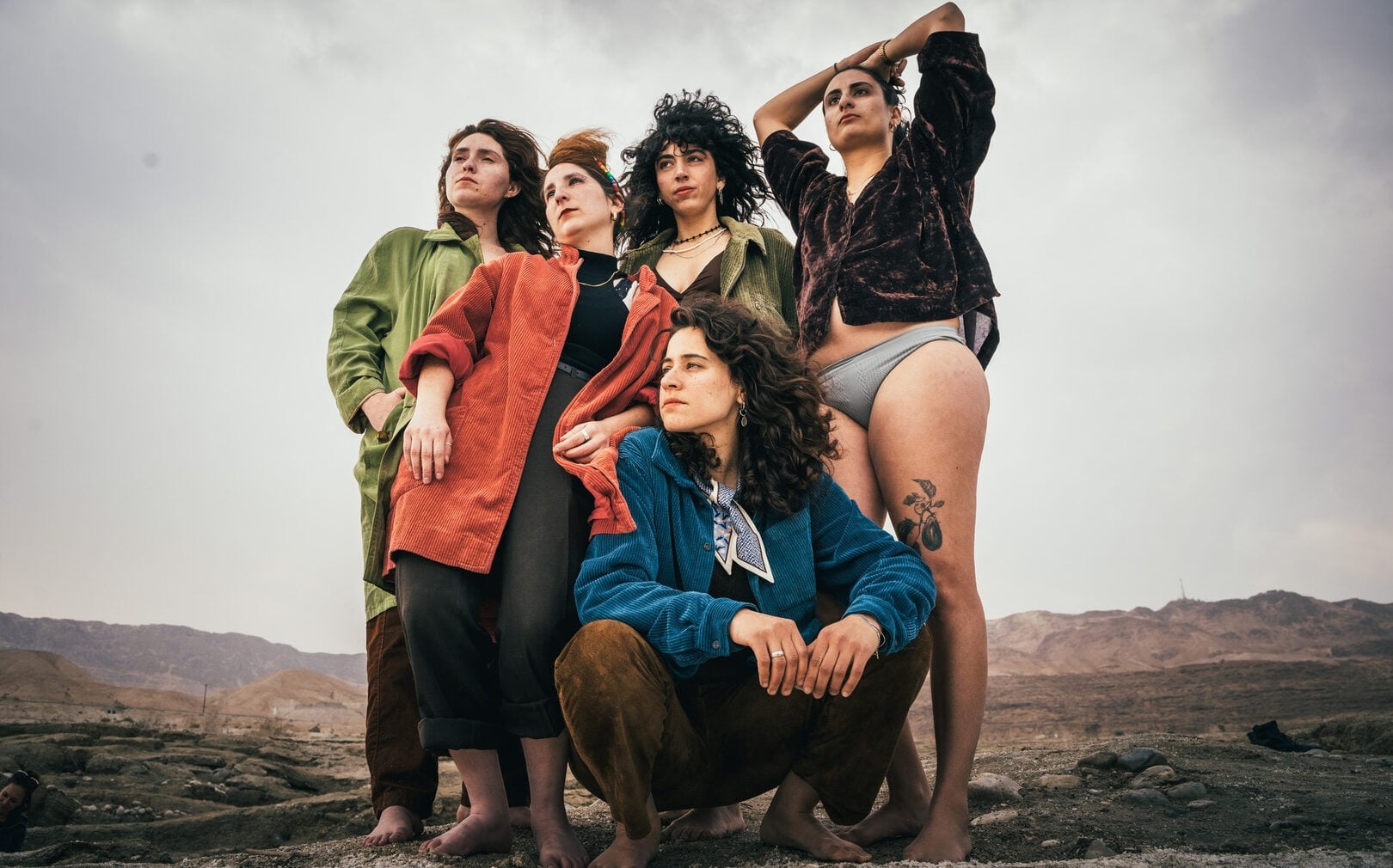
Last year, 60 guests came from abroad; this year, only half that number will attend, said Hadas Vanunu, the event’s artistic director.
“It’s been harder this year, and that’s both surprising and not surprising,” said Vanunu.
As organizers invited guests for last year’s showcase, the war in Gaza was still ongoing, and Gazan terror groups were still holding 20 living hostages kidnapped during the bloody October 7, 2023, Hamas-led invasion of southern Israel. The hostages were freed just three weeks before the start of the event.

“This year, people won’t even talk to me; they don’t even want to have the conversation,” said Vanunu. “It’s a trend that’s become a norm.”
Budget constraints compounded the problem, beginning last year when the Foreign Ministry cut funding for much of its cultural programming.
“We have a certain number of people we can invite given our budget, and when it gets cut, the capacity goes down,” said Vanunu.
Showcase guests used to pay for their own flights, said Bar, but with airfare to Israel rising over the last three years, the festival organizers realized they needed to help defray that cost.
In the past, the showcase focused on bringing industry professionals from Europe. Now, like last year, it is turning to Asia and North America, countries that have been friendlier to visiting Israeli artists.
Yet when North American contacts want the Israeli musicians for Jewish festivals and events, Vanunu and Bar are less interested.
“We want to bring good music to the world; it’s international music, it’s jazz and world music and music in Hebrew and English, and that’s what we sell,” said Bar. “Even with all the difficulties, people come here for the showcase, and it’s an amazing festival, and the artists make connections, and they end up performing abroad, and not just at Jewish events.”
The event isn’t a public relations tour of Israel, added Vanunu, although visitors do come and spend an intensive week in the country, often experiencing a side of it that outsiders don’t see in the news.
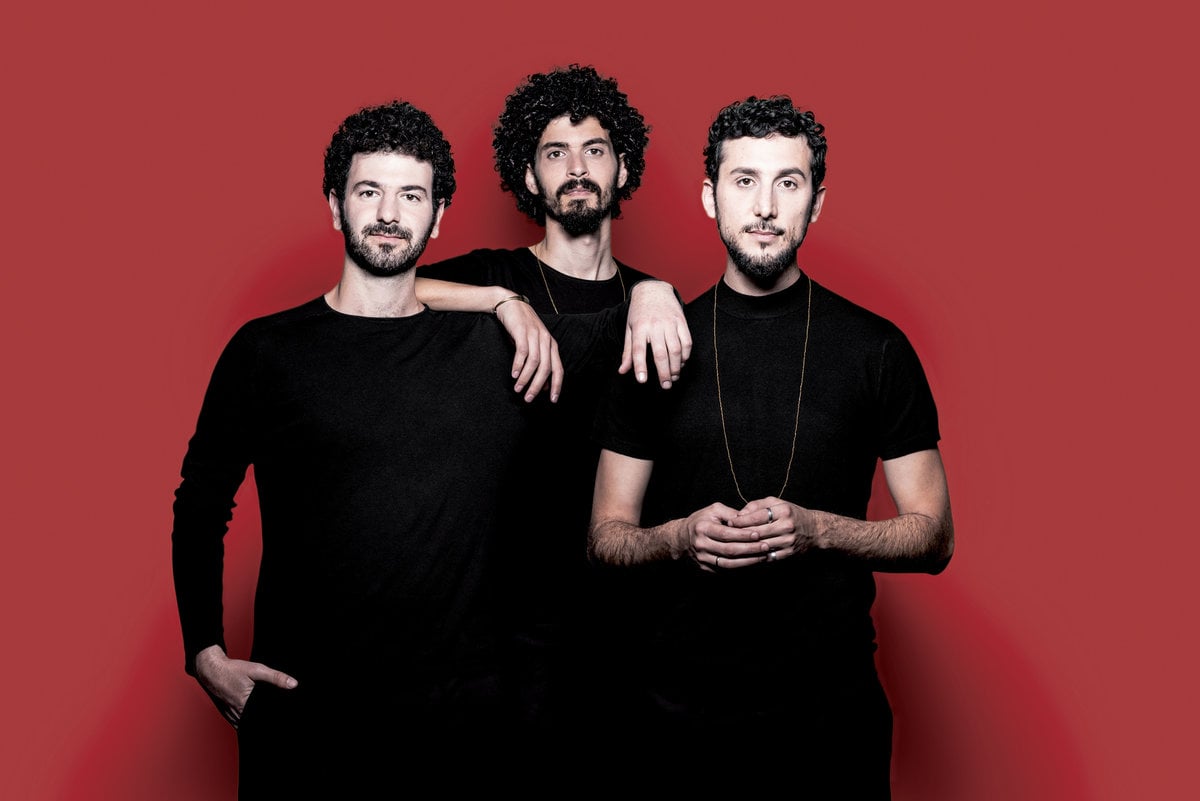
The showcase is an opportunity to meet people who are fine working with Israelis, “and that’s a rare commodity,” said musician Gadi Stern, part of instrumental piano trio Shalosh.
Shalosh is the rare Israeli band that still performs regularly abroad. The trio has performed about 30 times a year abroad over the last three years, about half as many shows as it once booked.
“When we’re abroad, we’re not representing Israel,” said Stern. “We’re three musicians from Israel, but we don’t represent the country. I can only do what I can, which is to make the best music I can and to try and build bridges, and that’s harder when places don’t want that bridge.”
He noted that in the trio’s 12 years of performing abroad, mostly in Europe, they’ve faced the most antipathy in Scandinavia, Spain, and England, except in London.
Stern was interviewed as he set out for a European tour, although he plans a quick four-hour trip back to Israel on October 27 to vote in the election.
The election, seen as a referendum on Prime Minister Benjamin Netanyahu’s leadership, is also part of this music event’s equation, Vanunu said.
“We have a lot of conversations with the guests, and we speak with many Jews in the US music industry,” she said. “They don’t really know Israeli musicians, but they want to help, and they also say that what will happen in our elections will affect all of it.”




The Times of Israel Community.