

Academic conferences draw Israeli expats home just days before election
Organizers seek to capitalize on arrival of overseas researchers coming to cast their ballots, as study indicates returning voters likely to favor opposition parties
 Add ToI as a Preferred Source on Google
Stav Levaton is a military reporter for The Times of Israel
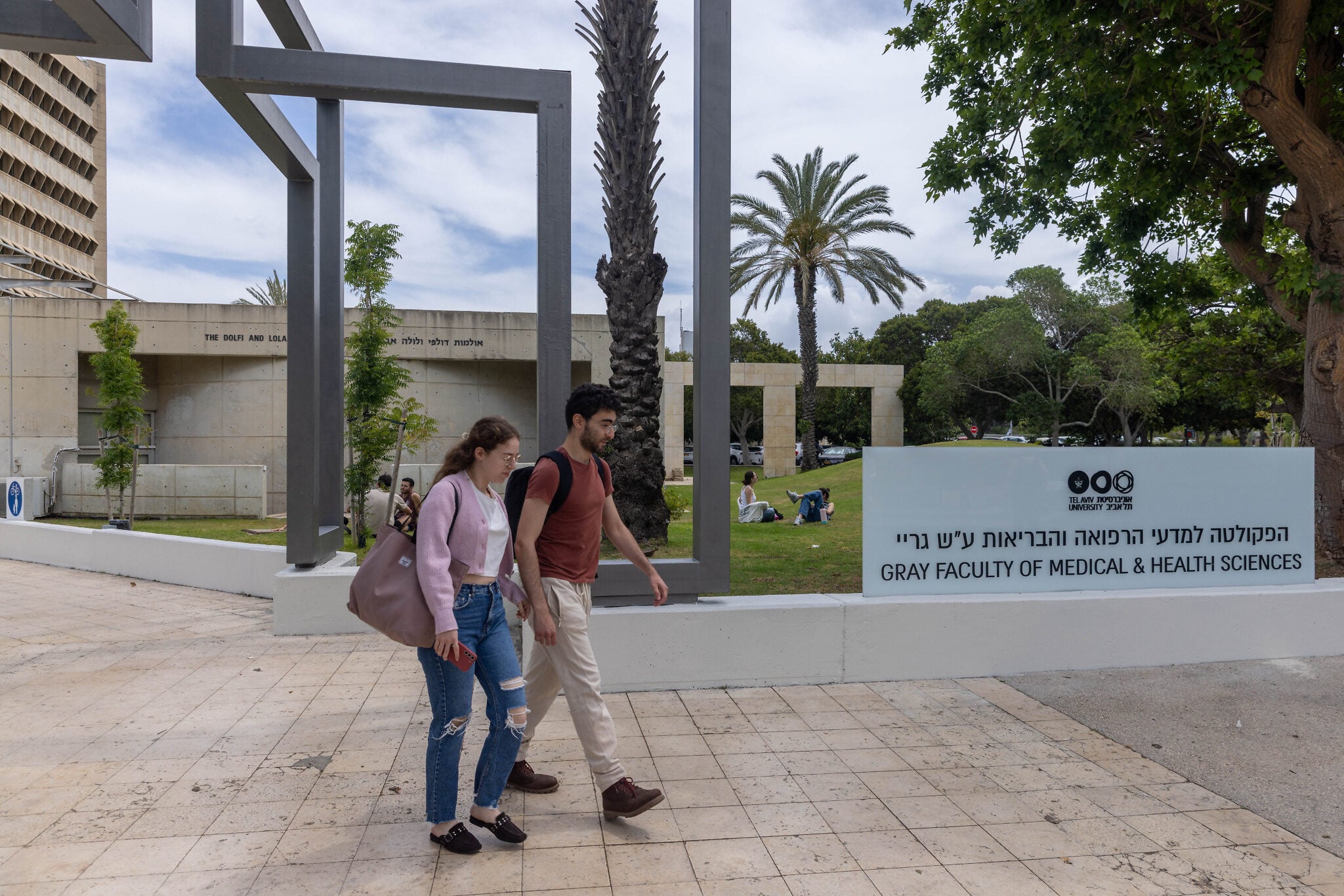
Tens of thousands of Israeli expatriates are expected to return to the country ahead of the October 27 election, drawn not only by the chance to cast their ballots but also by dozens of academic conferences scheduled just days before the vote.
While academics span the political spectrum, research indicates that the preponderance of scholars flying in are likely to vote for parties opposing Prime Minister Benjamin Netanyahu.
That means the conferences’ timing could provide a boost to the opposition. But the cause-and-effect may be reversed, with the conferences scheduled for next week precisely because so many academics are already coming to Israel to vote.
The conferences are being held as part of Israeli Science and Academia Week, organized by the Mind-IL initiative, which aims to “strengthen ties between Israeli researchers and research institutions, both in Israel and abroad,” in collaboration with the Israel Young Academy, which promotes scientific research and closer ties between academia, policymakers and society.
Mind-IL listed 59 conferences on its website in the run-up to the election, most scheduled for October 25 and 26, just one or two days before Israelis head to the polls. Some are independently organized rather than directly run by the initiative.
The events span disciplines ranging from mathematics and the natural sciences to law and the humanities.
Some academics traveling to Israel for the conferences are having their travel expenses covered by private institutions, raising questions about the legality of such arrangements given their proximity to Election Day. Israeli election law prohibits offering financial incentives or other benefits to influence voter participation.
However, Assaf Shapira, head of the Israel Democracy Institute’s Political Reform Program, told The Times of Israel that the legality of funding expatriate academics’ travel to conferences just before the election depends on the circumstances and intent behind the funding.

Mind-IL has said the program “seeks to leverage the arrival of thousands of Israeli researchers from abroad to Israel during October to create professional meetings, encourage research collaborations, reveal new academic opportunities and strengthen the international status of Israeli academia.”
“They are not convincing people to come to vote,” Shapira noted. “They are taking advantage of the fact that they are coming to vote.”
According to Shapira, without explicit evidence of attempted voter influence, it would be nearly impossible to “prove beyond any doubt that this was arranged only for the elections.”
Jeremy Sarnat, a researcher studying the health effects of air pollution at Emory University who immigrated to Israel in 1993 before returning to the United States to pursue his PhD, is traveling to Israel this week for an academic meeting, but said he deliberately timed his visit to coincide with the election.

“This had been something that I had to postpone multiple times last year,” he explained, adding that he rescheduled the meeting for October to “take advantage of participating in the elections.”
Asked what motivated him to return to Israel to vote, Sarnat said, “Like all Jews who care about Israel around the world, I view these particular elections as being particularly pivotal.”
“I think many people, myself included, view that the outcomes of the election will have reverberations and potential impact for Jews, both living in Israel and outside of Israel,” he added.
Israel does not allow absentee voting, with the exception of diplomats and emissaries posted around the world, meaning most expatriates must return to the country to cast their ballots.
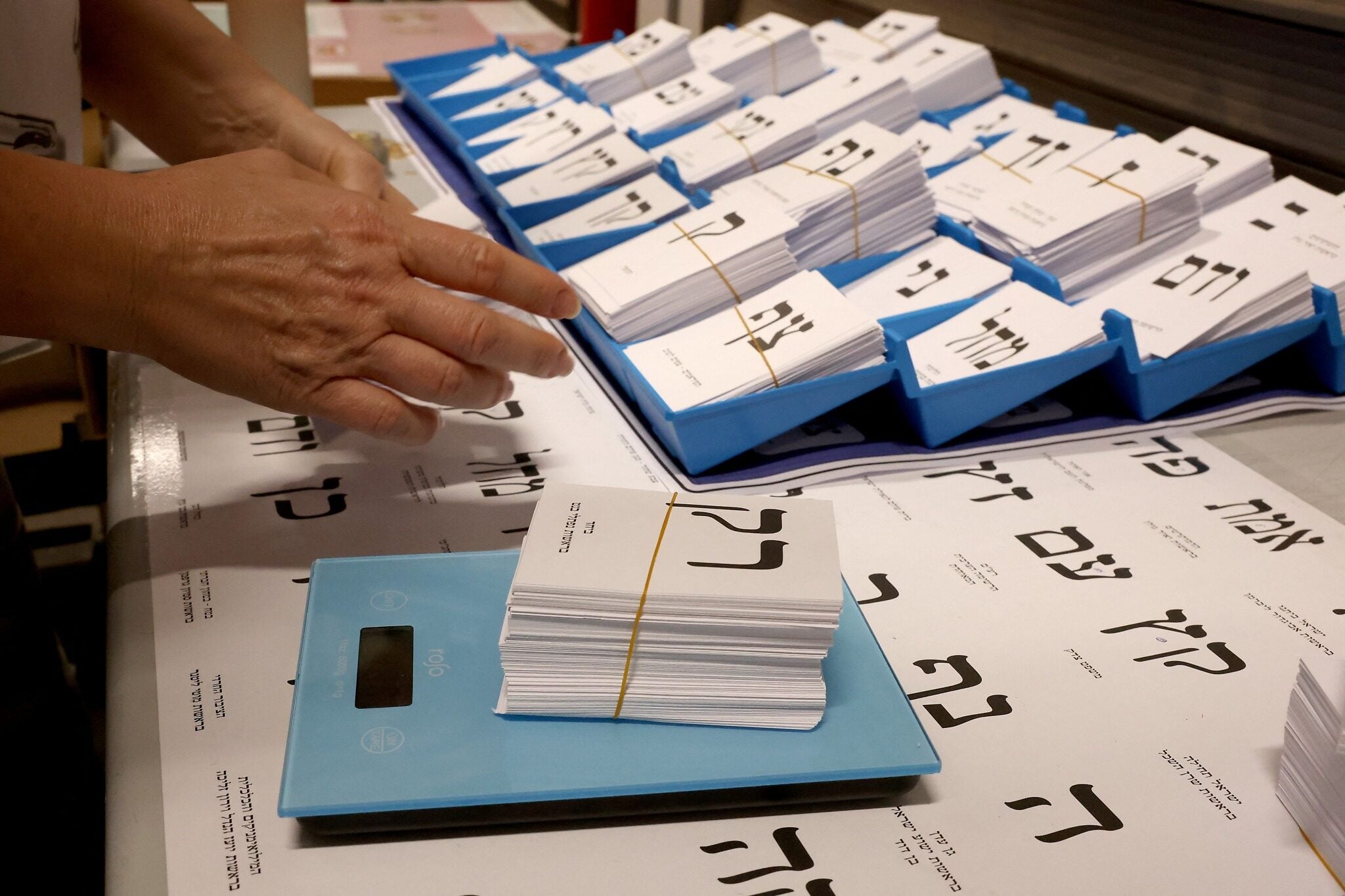
According to the AID Coalition, a US-based organization that advocates for Israeli democracy, more than 53,000 Israelis are expected to travel home to vote, a number that could shift the outcome of the closely fought campaign. It is unclear if that figure factors in the expatriates traveling for academic conferences.
Prime Minister Benjamin Netanyahu’s Likud party recently filed a suit against the coalition’s Fly&Vote initiative, which aims to facilitate flights for Israeli expatriates in time for Election Day. Likud later withdrew the suit under a compromise brokered by Justice Noam Sohlberg, the chair of the Central Elections Committee.
Likud has fought against efforts to bring in expatriate voters ahead of the October 27 election, presumably based on the assumption that most will support opposition parties.
A 2023 Hebrew University of Jerusalem study found that support for right-wing parties declines as education levels, income and median age rise.
Shapira expressed skepticism about the AID Coalition’s projected number of returning voters, suggesting that their estimate may be inflated. Nevertheless, he said that, based on Israel’s “demographic, social and economic development and trends,” most expatriate voters would likely support opposition parties.
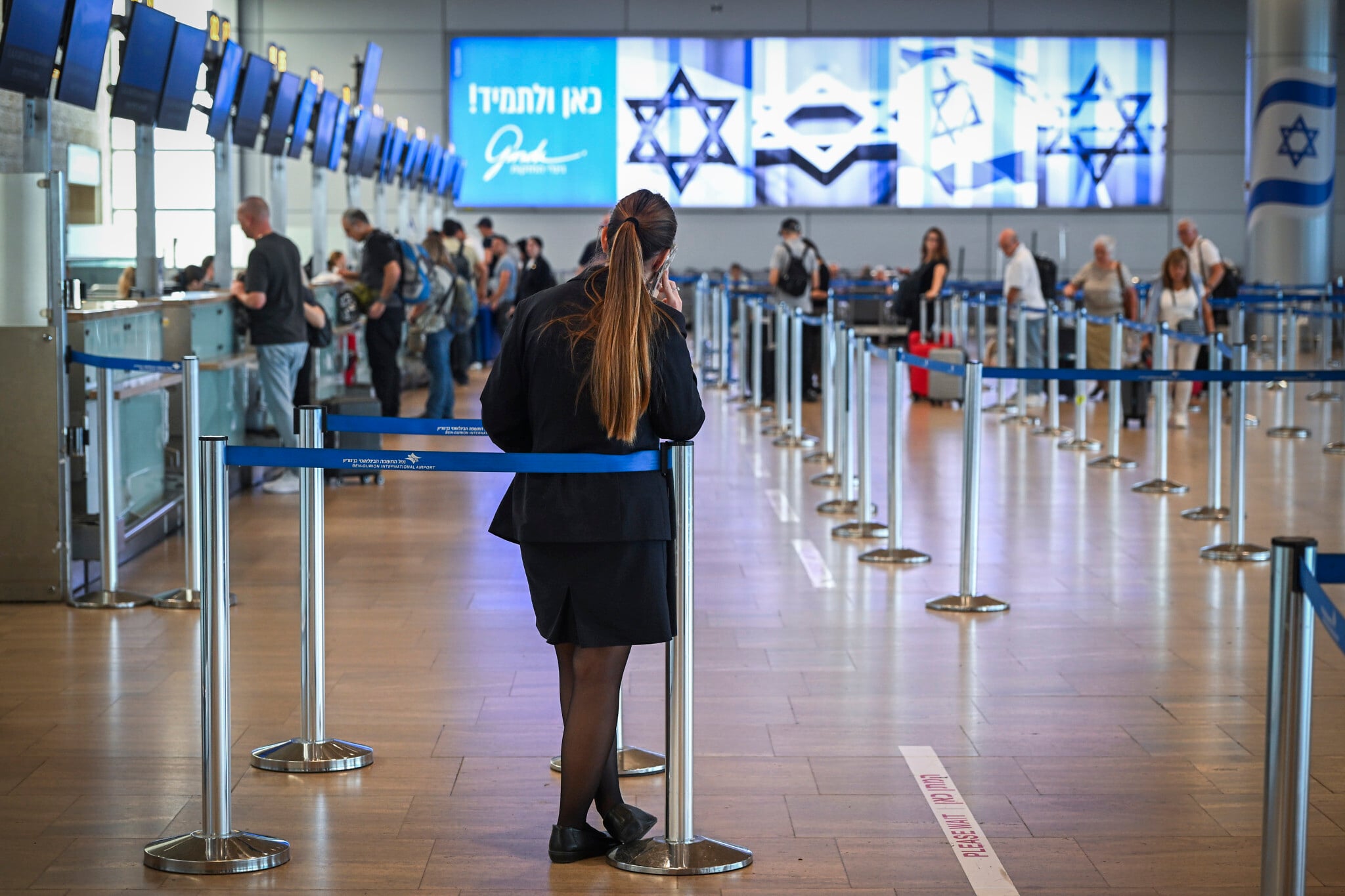
According to a Tel Aviv University study based on Central Bureau of Statistics data, nearly 270,000 Israeli citizens left the country for at least three consecutive months between 2023 and 2025. Many of those leaving are highly educated professionals, who tend to lean towards the political center-left.
A study published earlier this year by the Israel Tax Authority’s Planning and Economics Division, which examined incomes of Israeli emigrants over the past decade, found the rate at which affluent Israelis left the country increased sharply in 2023 and 2024 to record highs, and was almost double what it was until 2019. The research found that doctors, engineers and other highly educated, high-earning workers in the prime of their careers were disproportionately represented among recent emigrants.
The accelerating departure of highly educated professionals has fueled fears of a worsening Israeli “brain drain,” with lawmakers warning of long-term consequences for the country’s economy and society.
“This is a severe and dangerous phenomenon. The state has abandoned its responsibility toward its citizens,” left-wing Democrats MK Naama Lazimi warned during a June hearing of the Knesset’s Immigration, Absorption and Diaspora Affairs Committee.










The Times of Israel Community.