

Everything you need to know: ToI’s guide to the 37 parties that Israelis can (finally) choose from
After four years of unlikely government stability despite protests, upheaval, tragedy and war, voters will once again have their say at the ballot box. From frontrunners Yashar and Likud to the one-man Shema and the perennial also-ran Pirates, these are the factions vying for the Knesset’s 120 seats on October 27


 Add ToI as a Preferred Source on Google
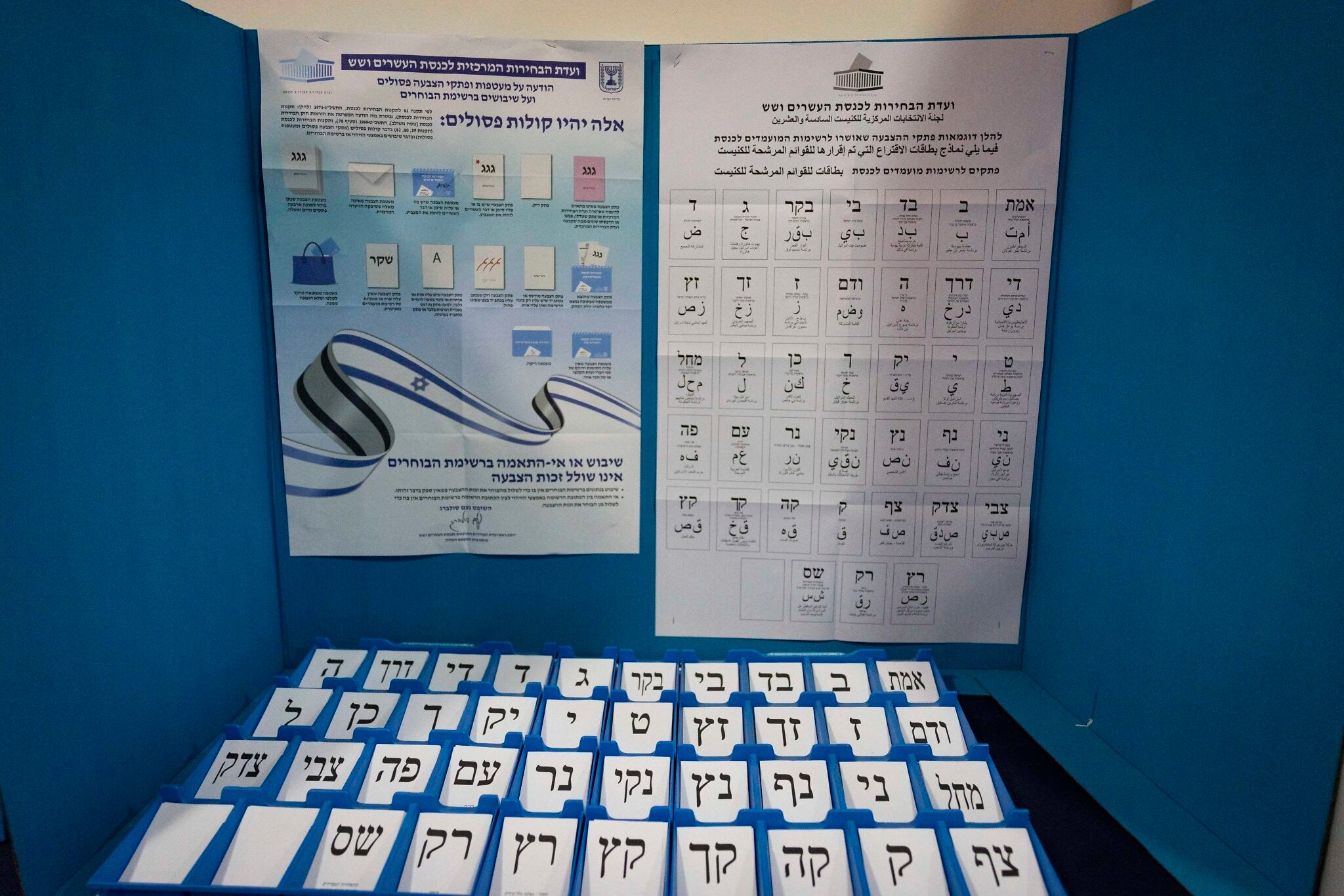
Nearly three years after the deadliest attack in Israel’s history plunged the country into a devastating multi-front war, Israelis are preparing to vote in an election widely seen as one of the most consequential in the country’s history, with the stakes extending far beyond the political future of Prime Minister Benjamin Netanyahu or his opponents.
The October 27 vote, the first since the Hamas-led massacre of October 7, 2023, comes amid profound divisions on issues including accountability for the failures that allowed the attack, the burden of military service, the independence of Israel’s democratic institutions and judiciary, and whether the country can preserve its economic prosperity and international alliances amid deepening domestic polarization and global isolation.
For critics of Netanyahu’s far-right and ultra-Orthodox coalition, the election represents a last chance to halt what they see as Israel’s transformation from a Western-oriented liberal democracy into an increasingly authoritarian, religiously dominated and internationally isolated state, in which democratic checks and balances, judicial independence and the rule of law are steadily eroded. Netanyahu and his allies, meanwhile, defend their record and argue that their policies are necessary to protect Israel’s security, strengthen its Jewish character and restore power to elected representatives.
The prime minister has managed to keep his coalition intact for a full four-year term – a feat no Israeli government has accomplished in decades – despite the catastrophic security failures on his watch, a prolonged multi-front war, his ongoing corruption trial, massive protests over the government’s campaign against the judiciary and repeated political crises.
Not for the first time, he faces a formidable challenger. Former IDF chief of staff Gadi Eisenkot, whose newly formed Yashar party has overtaken Likud in numerous polls, has emerged as the opposition’s leading contender for the premiership. Recent head-to-head surveys have also placed Eisenkot ahead of Netanyahu as voters’ preferred prime minister, in some cases by nearly 10 percentage points.
Unlike in 2022, when Netanyahu’s right-wing and religious allies were able to reach a governing majority, the parties opposed to his continued rule now command a substantial parliamentary advantage in most polls.
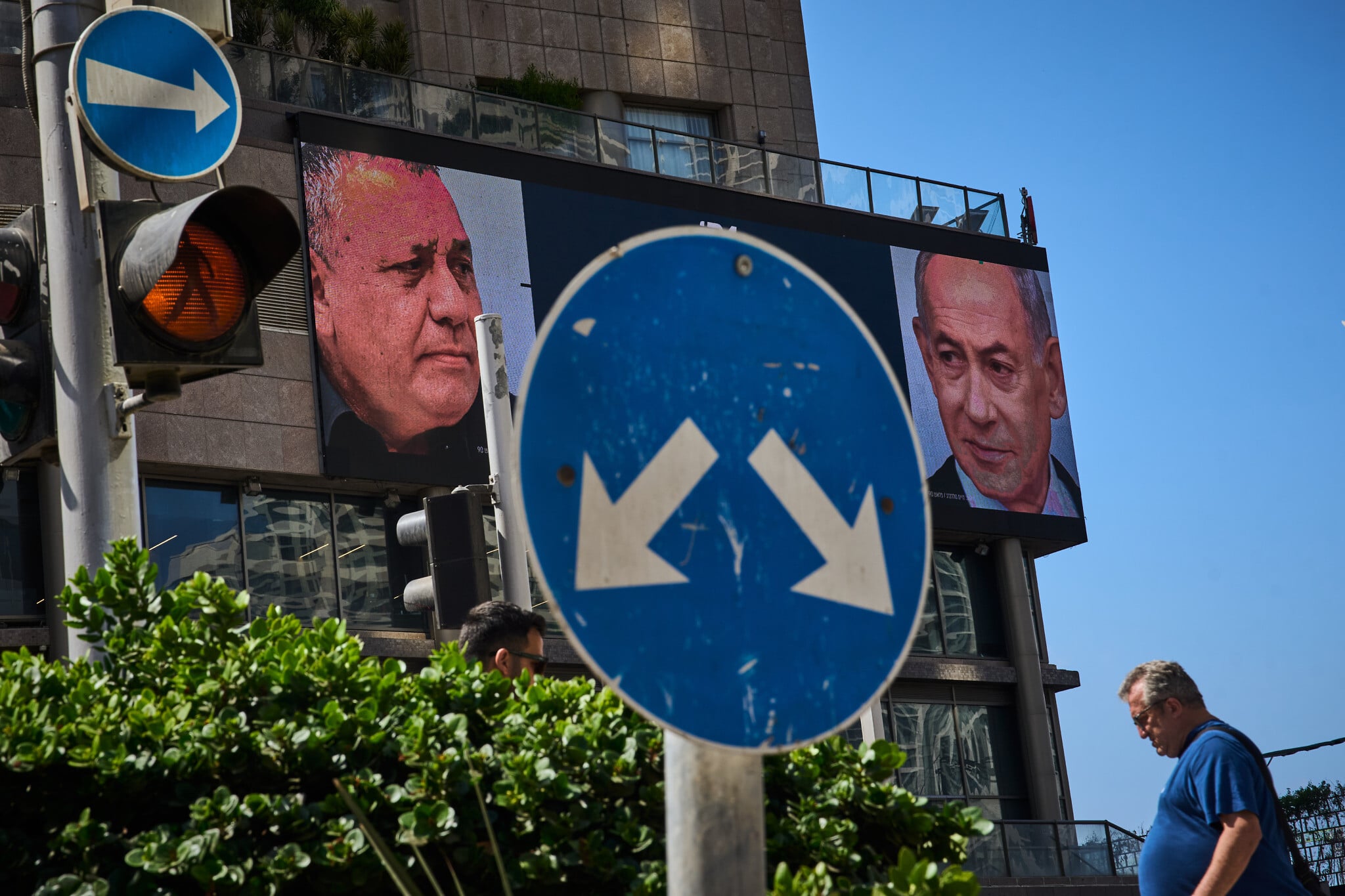
Even the four main Zionist opposition parties — Eisenkot’s Yashar, Naftali Bennett’s B’Yachad, Avigdor Liberman’s Yisrael Beytenu and Yair Golan’s Democrats — collectively, albeit closely, outpoll Netanyahu’s bloc. But their ability to form a governing majority may depend on including Arab parties, which most of the Zionist opposition has ruled out bringing into government.
As a result, neither side is projected to win the 61 seats needed for a majority government on its own, and Israel’s complicated electoral math means Netanyahu could remain in office even if his opponents win considerably more seats.
The fate of several smaller parties could prove decisive. Former IDF general Ofer Winter’s right-wing People of Israel party, which has pledged to support Netanyahu, and Yoaz Hendel’s Reservists party, which has been noncommittal about its coalition preferences, have hovered around or below the 3.25 percent electoral threshold. Whether they enter the Knesset could shift the balance between the blocs, while their failure to cross the threshold could also boost their rivals.
The stakes
Unlike previous elections that were largely referendums on Netanyahu, and despite a campaign dominated by coalition arithmetic and polling, this election is about considerably more than who gets to form the next government.
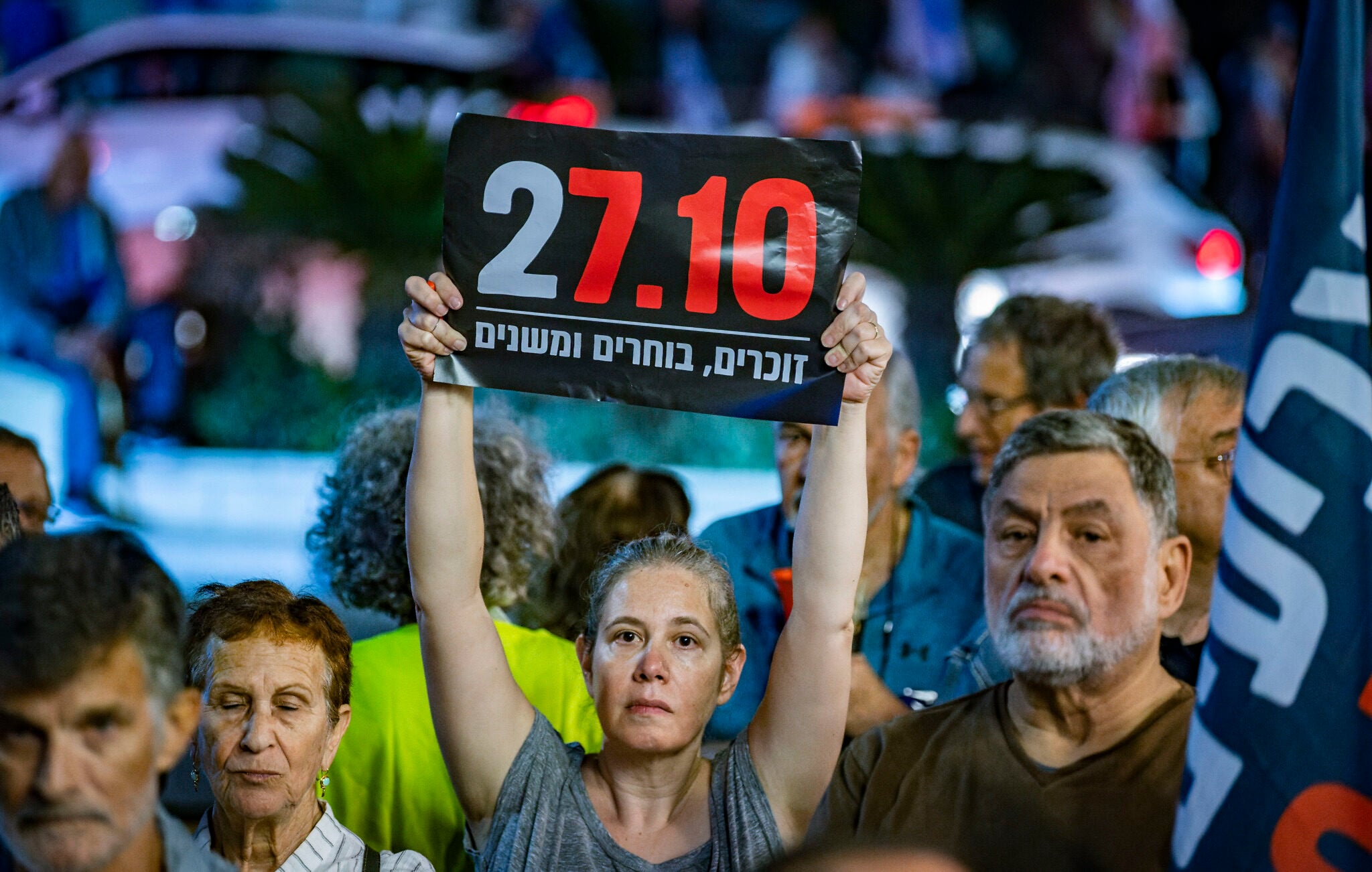
Accountability for October 7 is a central issue in the election, nearly three years after the Hamas-led massacre exposed catastrophic failures in Israel’s security and political leadership. Opposition parties have made establishing an independent state commission of inquiry a key campaign pledge, arguing that the public deserves answers about how the attack was allowed to happen and who bears responsibility. Netanyahu’s government has resisted establishing such a commission — saying a politically appointed commission should be formed — while the prime minister has declined to accept personal responsibility for the failures on his watch.
The war has also intensified longstanding tensions over ultra-Orthodox military conscription. Despite the IDF’s growing manpower shortage, Netanyahu’s dependence on Haredi parties, which fiercely oppose the draft, has helped preserve widespread exemptions. Opposition parties have pledged to end these exemptions, cut subsidies for yeshiva students who evade service, and reform an ultra-Orthodox education system in which many schools do not teach core subjects needed to enter the workforce.
At stake, too, is the future of Israel’s democratic institutions and, for many, Israel’s very identity as a democracy. Netanyahu’s coalition has pursued a sweeping judicial overhaul that critics warn is an effort to weaken judicial independence and the separation of powers, including by eroding the powers of the attorney general, undermining the High Court’s authority and attacking judges and other legal officials who challenge government policies.
It has also advanced measures targeting the independence of the media, particularly news outlets perceived as critical of the government. The overhaul’s supporters say it will curb an overly activist judiciary and allow the government to enact the will of its voters.
Opposition parties have pledged to reverse controversial changes, safeguard the independence of the judiciary and the free press, and pursue broader institutional reforms, including a constitution, prime ministerial term limits and restrictions on criminal defendants serving as prime minister.
On the security front, most of the parties arrayed against Netanyahu are no less hawkish and are widely expected to stay the course on opposing Iran and pursuing bellicose stances toward its proxy groups, from Hezbollah to Yemen’s Houthis, including stationing troops inside Gaza, Lebanon and Syria.
An Eisenkot-led government would by no means revive negotiations toward Palestinian statehood. Israel’s electorate has shifted considerably to the right, a trend that predates October 7 but has accelerated since the attacks, and the next Knesset will retain a substantial right-wing majority regardless of who governs.
Yet Israel’s attitude toward the Palestinians could still change significantly, and a change in tenor could have a modest effect on efforts to restore Israel’s international standing. Members of Netanyahu’s coalition have openly advocated resettling Gaza, facilitating the removal of its population and annexing the West Bank, while unchecked settler violence against Palestinians has reached unprecedented levels, at best dismissed, and in many cases supported and financed by government ministries.
A government shorn of far-right parties like Religious Zionism and Otzma Yehudit would likely increase efforts to curb settler violence and could also check wildcat settlement expansion in the West Bank, and offer a renewed focus on implementing US President Donald Trump’s plan for Gaza’s reconstruction, which Netanyahu accepted, rather than pursuing its conquest and resettlement.
Netanyahu and his allies argue that a government run by the opposition bloc will bring relatively thin experience in managing international affairs, especially vis-a-vis Trump, and be susceptible to caving on security matters when faced with foreign pressure.
The vote is only the start
Election day will determine only the composition of the next Knesset, not necessarily who will lead the next government.
After the votes are tallied, President Isaac Herzog will consult the elected parties before tasking the lawmaker he believes has the best chance of forming a government, which does not necessarily need to be the leader of the largest party or bloc. That candidate will have 28 days, with a possible 14-day extension. If those efforts fail, a second party leader may be given 28 days of their own (without an extension) to try to cobble something together, and if that falls short, a majority of 61 MKs can request that the president assign the task to a particular lawmaker within a further 21-day period.
A government must ultimately win the Knesset’s confidence to take office, though a minority government can take office with fewer than 61 supporters if abstentions leave it with more votes in favor than against. If all attempts fail, Israel faces another election, with Netanyahu remaining caretaker prime minister until a new government is formed.
Herzog has indicated that he is keen to avoid a repeat of 2019-2020, when persistent deadlocks sent the nation to the ballot box three times in 11 months, encouraging leaders to consider a unity or rotation government involving Netanyahu and Eisenkot should neither manage to form a bloc on his own.
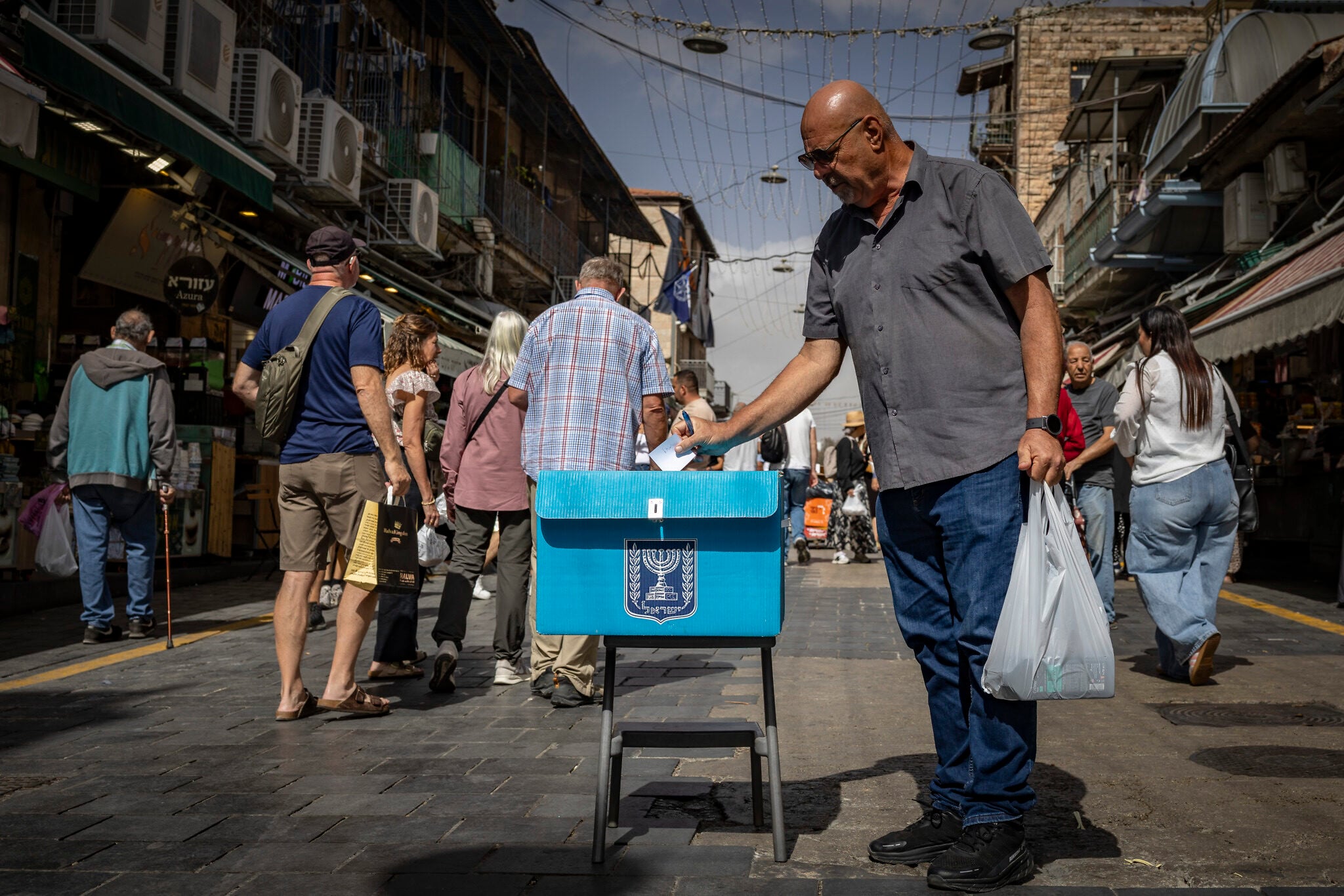
But before any of that can happen, it will be up to Israel’s 7,331,981 voters to decide how it all shakes out for all 37 parties running in the October 27 election.
As voters re-enter the voting booth for the first time in four years, they’ll be faced with a gamut of parties to choose from, some of them familiar, with heavy baggage, some brand new or at least branded as such, some destined to be forgotten by October 28, and some with hopes of being surprise juggernauts and unlikely kingmakers.
Below is The Times of Israel’s guide to all of them, their leaders, policies and electoral prospects, with a focus on the parties expected to enter the Knesset and the smaller factions whose fortunes could prove decisive.
— Ariela Karmel
Click to learn about a party:
Likud
Yashar
B’Yachad
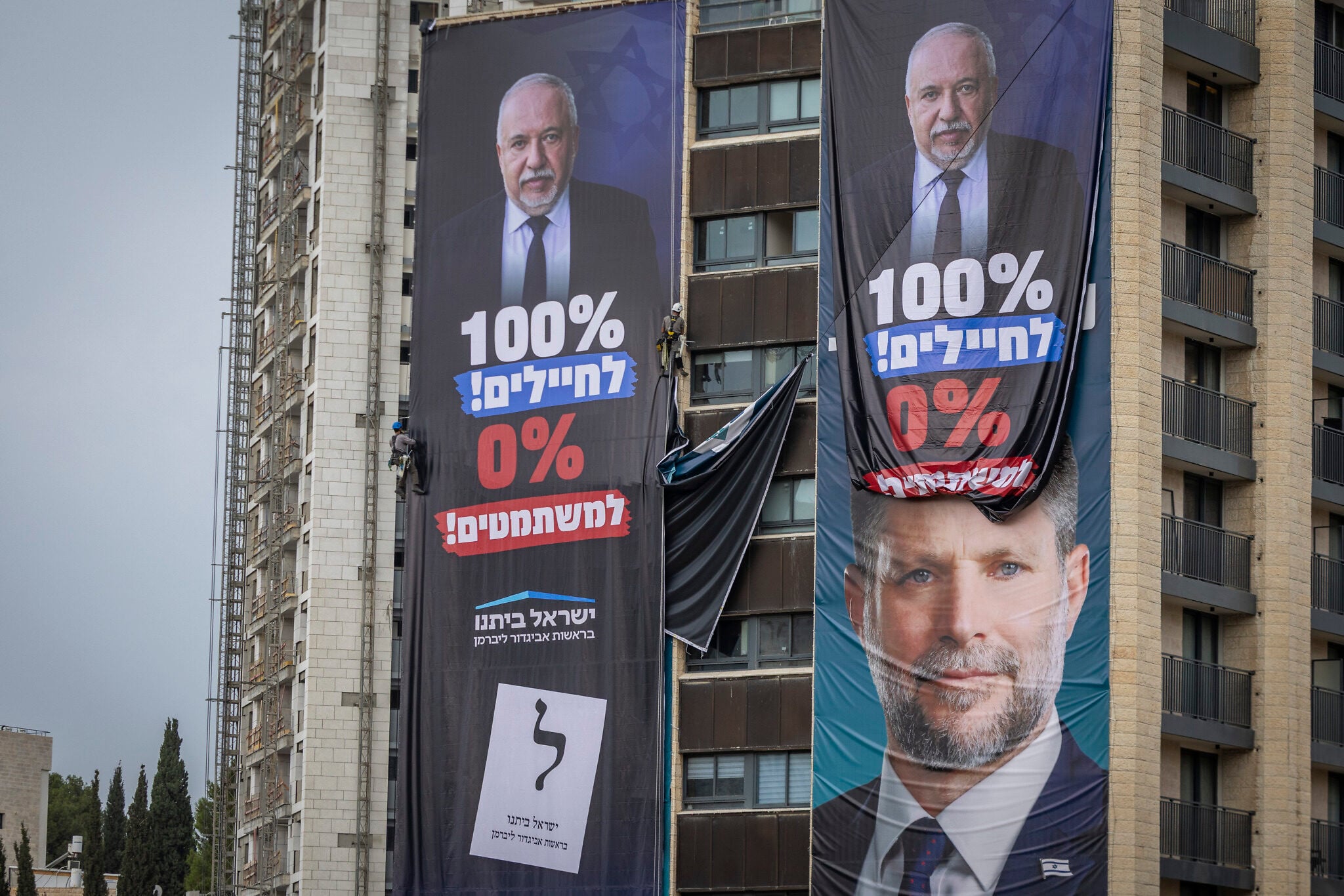
Yisrael Beytenu
Joint List
Shas
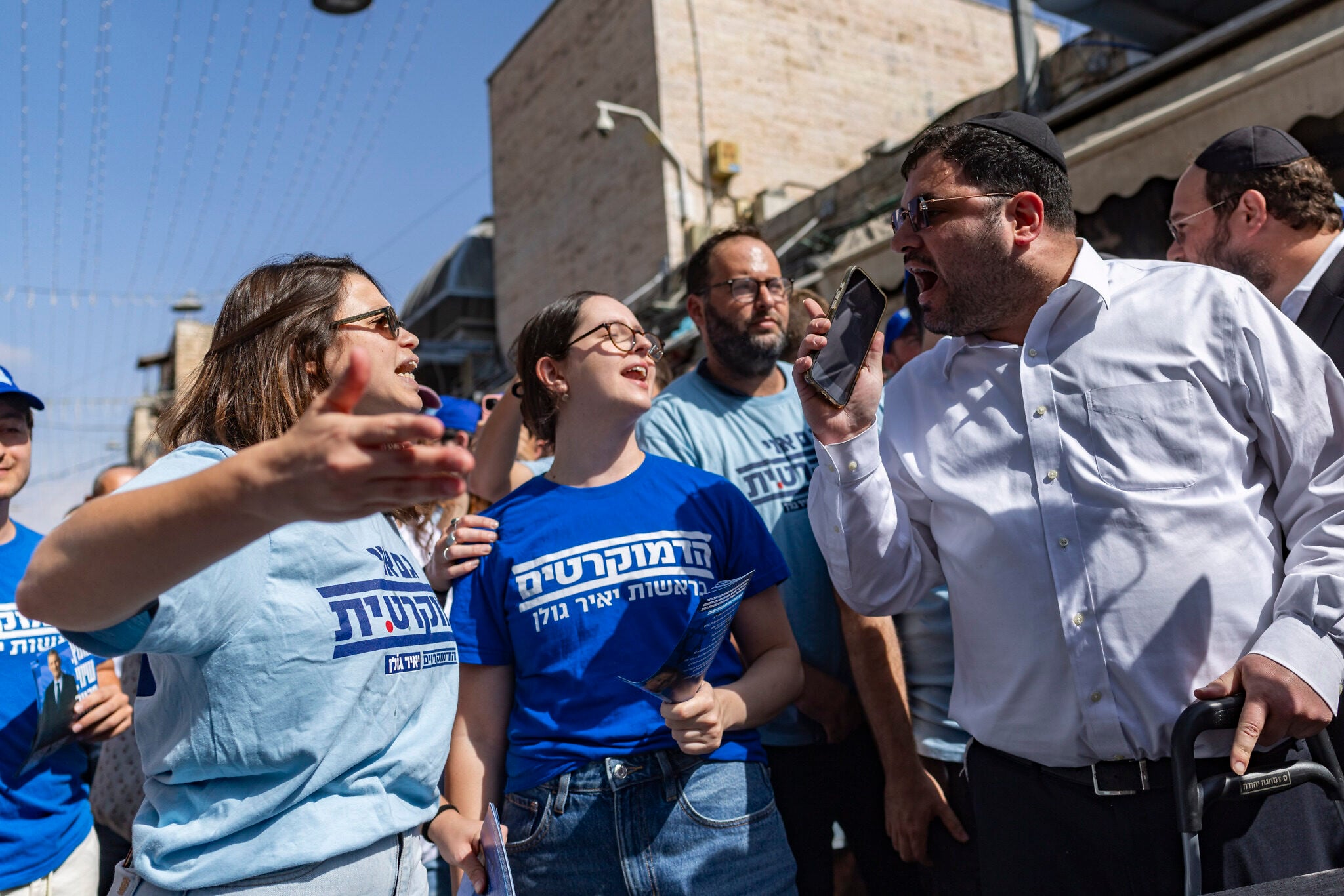
The Democrats
United Torah Judaism
Otzma Yehudit
Religious Zionism – Zehut
Ra’am
Reservists – Economic Party
People of Israel
* * *
Likud
Letters on ballot slip: מחל
What the party is pitching: In power since late 2022, and for nearly all of the past 17 years, the right-wing flagship led by Prime Minister Benjamin Netanyahu is running on its war record following the Hamas-led October 7, 2023, attack on its watch — arguing that the military achievements of the past three years in Gaza, the West Bank, Lebanon, Syria and Iran have put Israel in a historically strong position.
The party, whose slate and base are deeply loyal to Netanyahu, saw its political obituary written in the wake of the October 7 onslaught. Since then, however, the party — and its larger bloc of right-wing and religious factions — has regained its electoral footing.
Netanyahu blames Israel’s security establishment for the failures preceding October 7. He has pointed to the buffer zones the IDF holds in Syria, Lebanon and Gaza, as well as Israel’s accomplishments in its two rounds of conflict with Iran, as evidence that the country is only growing stronger.
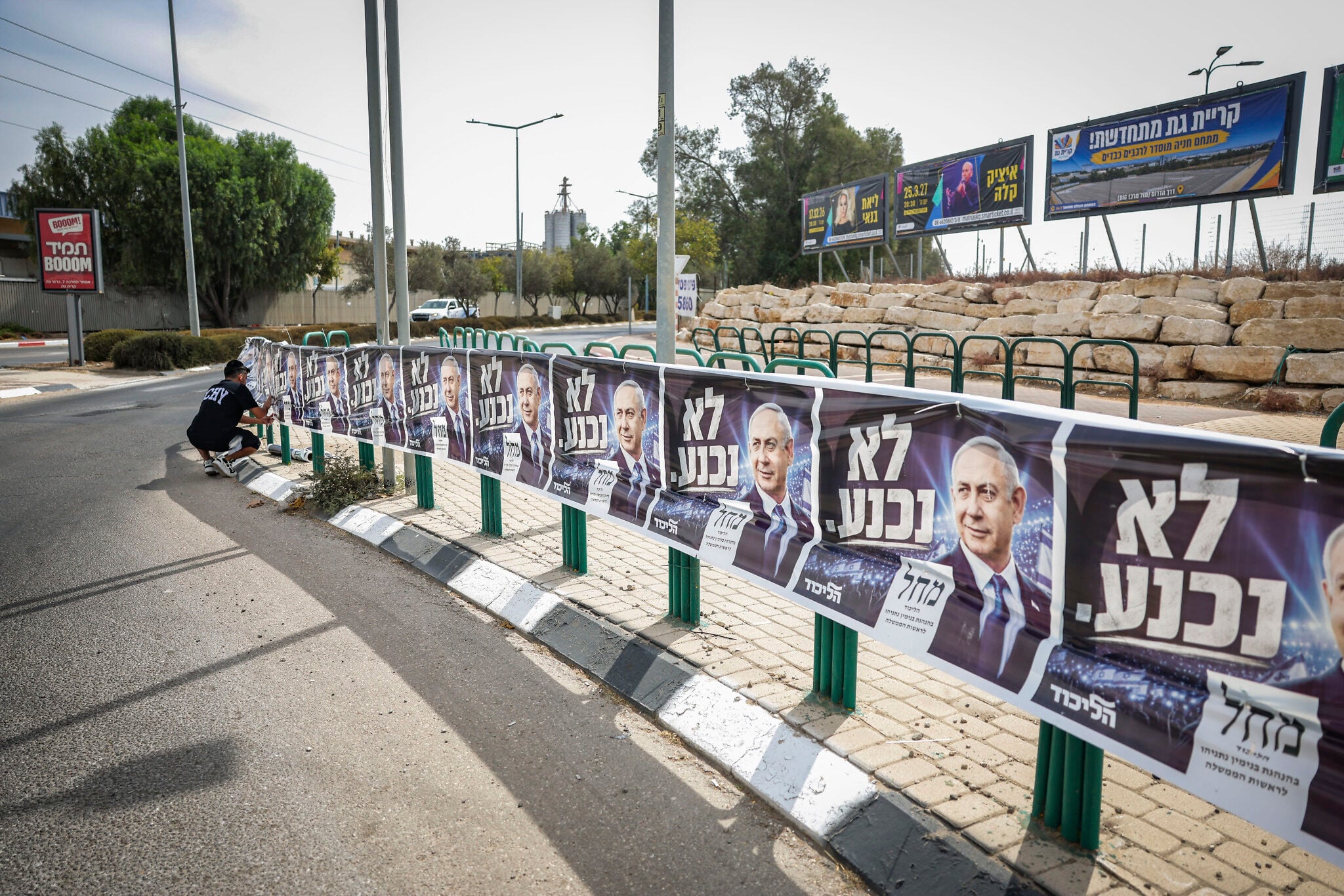
If Likud remains in power, it will also almost certainly try to advance its controversial judicial overhaul, aiming to sap the courts of their power. And it will likely continue to push legislation to enshrine military service exemptions for yeshiva students should it continue to partner with ultra-Orthodox parties. The party has not actually published a full platform.
The party also touts Netanyahu’s decades of diplomatic experience, including his mostly warm relationship with US President Donald Trump.
Likud’s campaign has centered on claims that if its opponents win, they will usher in a government dependent on Arab-led parties, which will pose an untenable security risk. Repeating a slogan that has worked for the party in the past, the premier has warned voters that “it’s us or them.”
At the same time, it has been less explicit about who “us” is than in the past. Conventional wisdom is that Netanyahu will seek to partner with the Haredi and far-right parties that make up his coalition now, given that nearly everyone else has vowed to boycott him.
In particular, he’s worked to shore up Religious Zionism’s numbers and tank People of Israel, a new right-wing party he views as a threat. He’s also sought to create some distance from his Haredi partners, though that may be a campaign tactic meant to tell voters he isn’t beholden to their demands.
Key figures: Netanyahu has maintained a kung-fu grip on Likud for years, and going into this election, his grasp got even tighter.
The longest-serving prime minister in Israeli history, Netanyahu first held the seat from 1996 to 1999, then returned in 2009 and stayed for 12 years, relying on religious Zionist, far-right and ultra-Orthodox parties, along with some centrist partners, to form right-wing governments.
He was briefly ousted in 2021, then reelected the following year. Now, at almost 77, he is Israel’s oldest prime minister ever.
In 2020, he was indicted on corruption charges. The first sitting prime minister to stand trial, he has denied the accusations and decried them as a “witch hunt.”
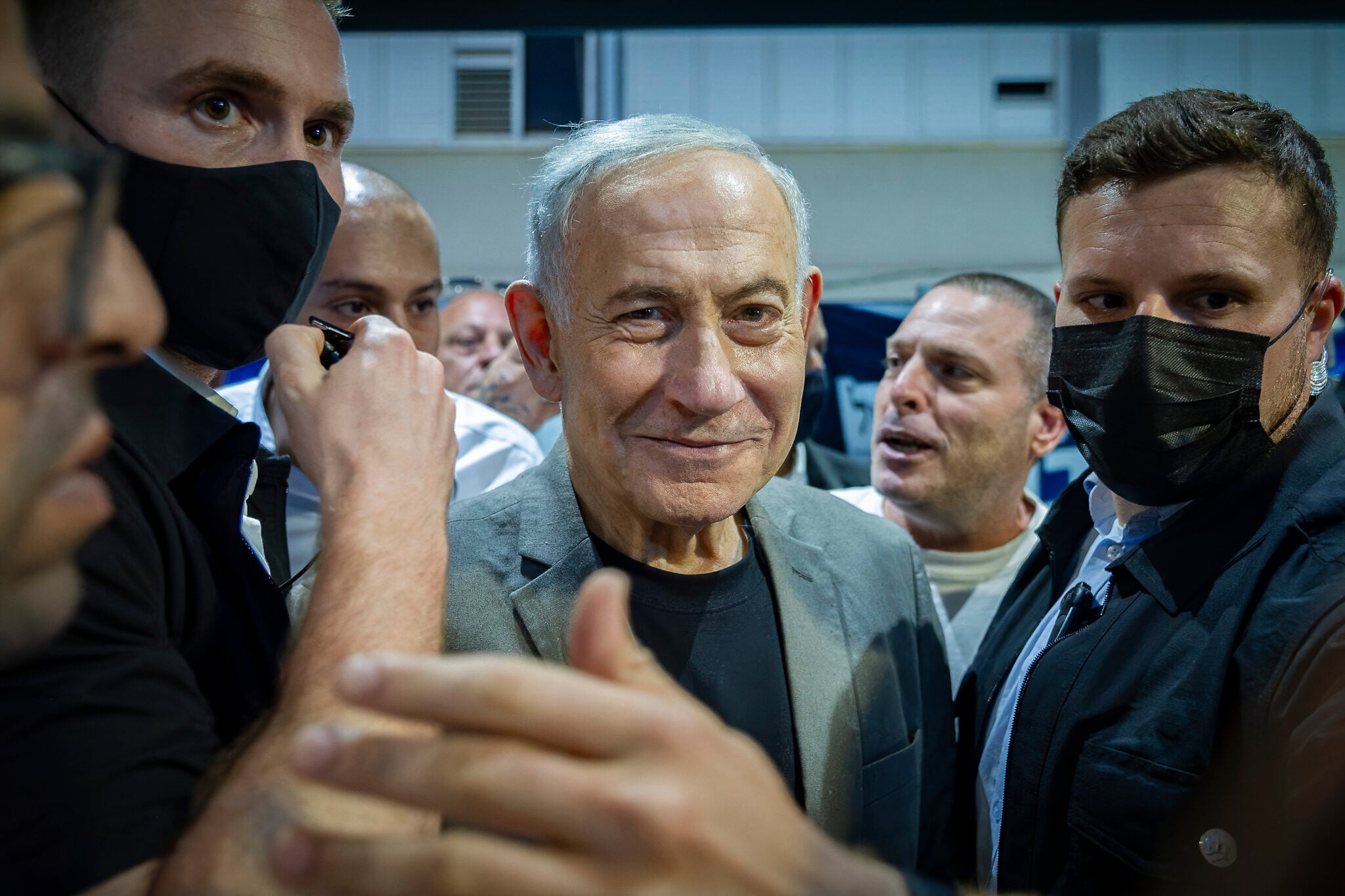
Along with being the party’s omnipresent face and its leader for a total of nearly three decades, Netanyahu this year was allowed to handpick 11 of the top 29 candidates on the party’s slate.
Almost all of the party’s candidates are Netanyahu loyalists. The overwhelmingly male slate, with just four women in the top 35, includes party stalwarts like Energy Minister Eli Cohen and Knesset Speaker Amir Ohana.
Justice Minister Yariv Levin, the architect of the judicial overhaul, comes next on the slate, followed by Miri Regev, the outspoken transportation minister who is now in hot water over the near-miss terror attack on flydubai Flight 1073.
The list also includes Foreign Minister Gideon Sa’ar, who once broke with Netanyahu to join the opposition, but who has now returned to his embrace.
Among the party’s newcomers are Talik Gvili, mother of Ran Gvili, the slain Hamas hostage whose body was the last to be returned from Gaza, and Jacob Bardugo, a leading commentator on the pro-government Channel 14 and Netanyahu confidant with outsized influence in backroom deal-making.
Polls: After trailing in surveys for months, Likud is now running virtually neck-and-neck with Eisenkot’s centrist opposition Yashar party, slated to win 20 to 23 seats, which would be a significant drop from its current 32. Polls show, however, that the bloc it presumably leads is far from winning a 61-seat majority in the 120-seat Knesset.
Something you may not have known: Netanyahu has addressed the US Congress four times — the most of any foreign leader, past or present.
* * *
Yashar
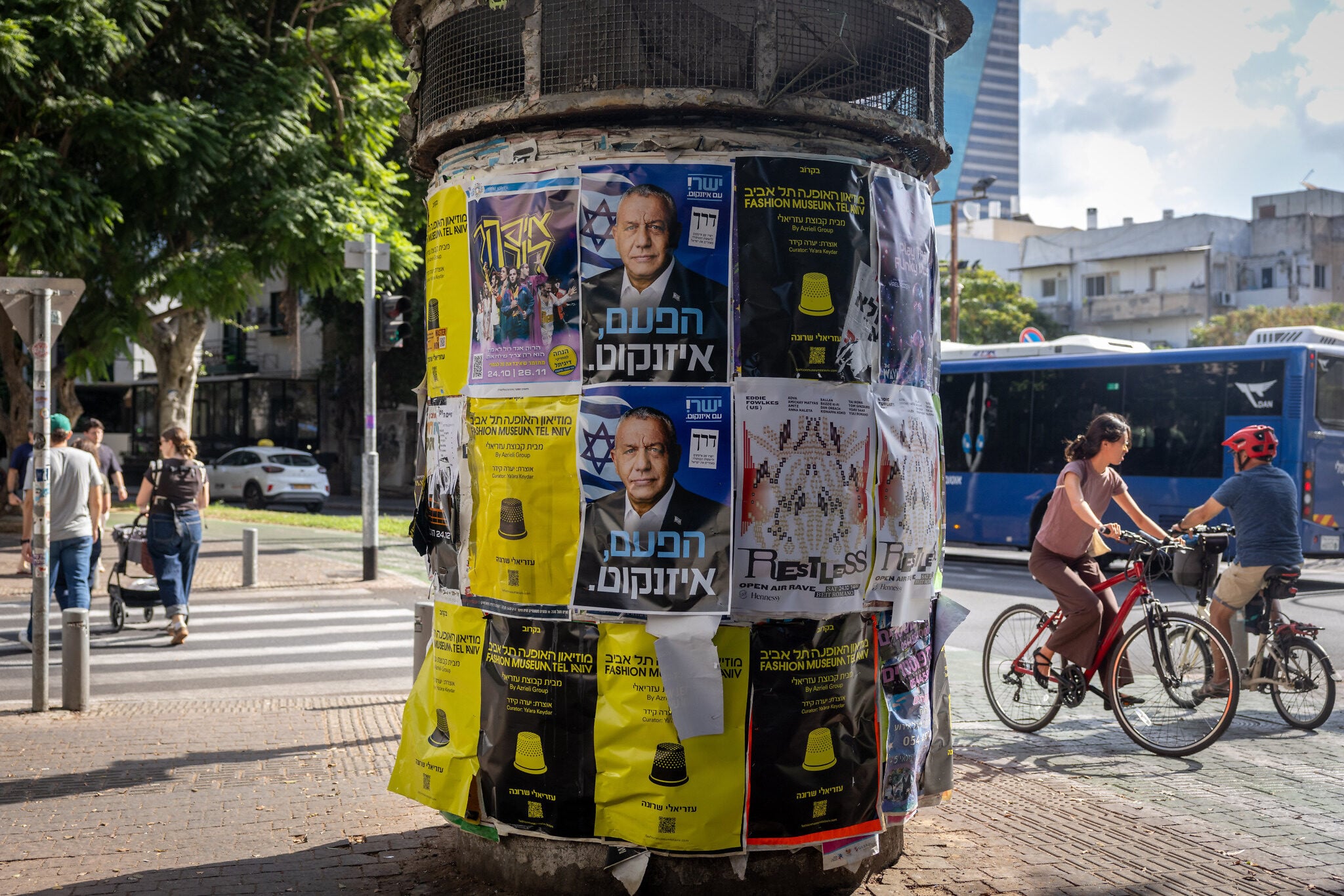
Letters on ballot slip: דרך
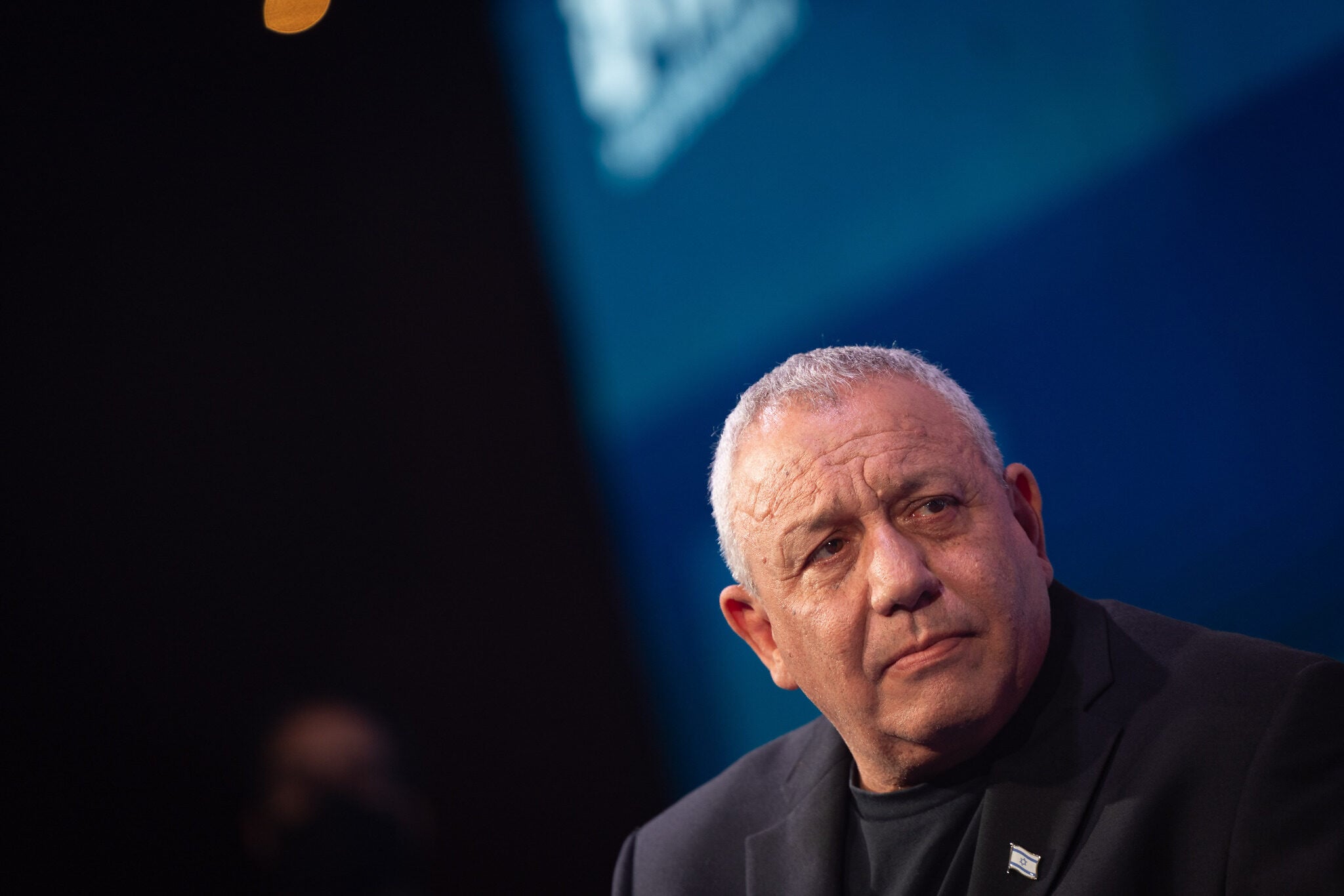
What the party is pitching: Yashar was established in 2025 by former IDF chief of staff Gadi Eisenkot, who entered politics in alliance with Benny Gantz’s National Unity before breaking away to form his own faction. As of this writing, he is seen as Netanyahu’s top challenger for the premiership.
Yashar means “straight” or “honest” and much of its appeal rests on Eisenkot’s reputation for being plain-spoken, direct and trustworthy, beyond his extensive security credentials.
Though lacking in extensive political experience, Eisenkot has connected with Israelis’ experiences of grief and sacrifice over the years of war that followed the Hamas attack of October 7: his fifth child, Gal, 25, was killed in December 2023 while fighting in Gaza as part of the elite Maglan commando unit. The personal tragedy has given many Israelis an added sense of identification and closeness to him.
The party presents itself as a broad, statesmanlike alternative to Prime Minister Benjamin Netanyahu, vowing to place sober governance above sectoral ideologies. Its platform (in Hebrew) calls for a state commission of inquiry into the failures surrounding October 7, universal military or national service, a written constitution based in part on the Declaration of Independence, a strong and independent judiciary, strengthened public education and a more professional civil service. It also promises a new national security doctrine, economic reforms aimed at lowering the cost of living, and efforts to rebuild communities badly hit during the war.
Yashar’s slate reflects Eisenkot’s effort to reach beyond the traditional center. Alongside former Blue and White politicians are former senior security officials, religious Zionists, economists and civil society figures.
The party has officially refused to rule out any potential partnerships, but has taken a hard line against Netanyahu’s continued leadership, while Eisenkot has said no Arab or ultra-Orthodox party currently meets his conditions for joining a government he heads. Those conditions include accepting Israel as Jewish and democratic, backing the Declaration of Independence, supporting universal military or civilian national service, and recognizing Hamas as a terrorist organization that must be destroyed.
Key figures: Eisenkot heads the list, followed by former Shin Bet chief Yoram Cohen. Former energy minister Orit Farkash-Hacohen is third, educator and social entrepreneur Adi Altschuler is fourth, former religious affairs minister Matan Kahana is fifth and former culture minister Chili Tropper hold the sixth slot. Former Finance Ministry budget chief Shaul Meridor is seventh.
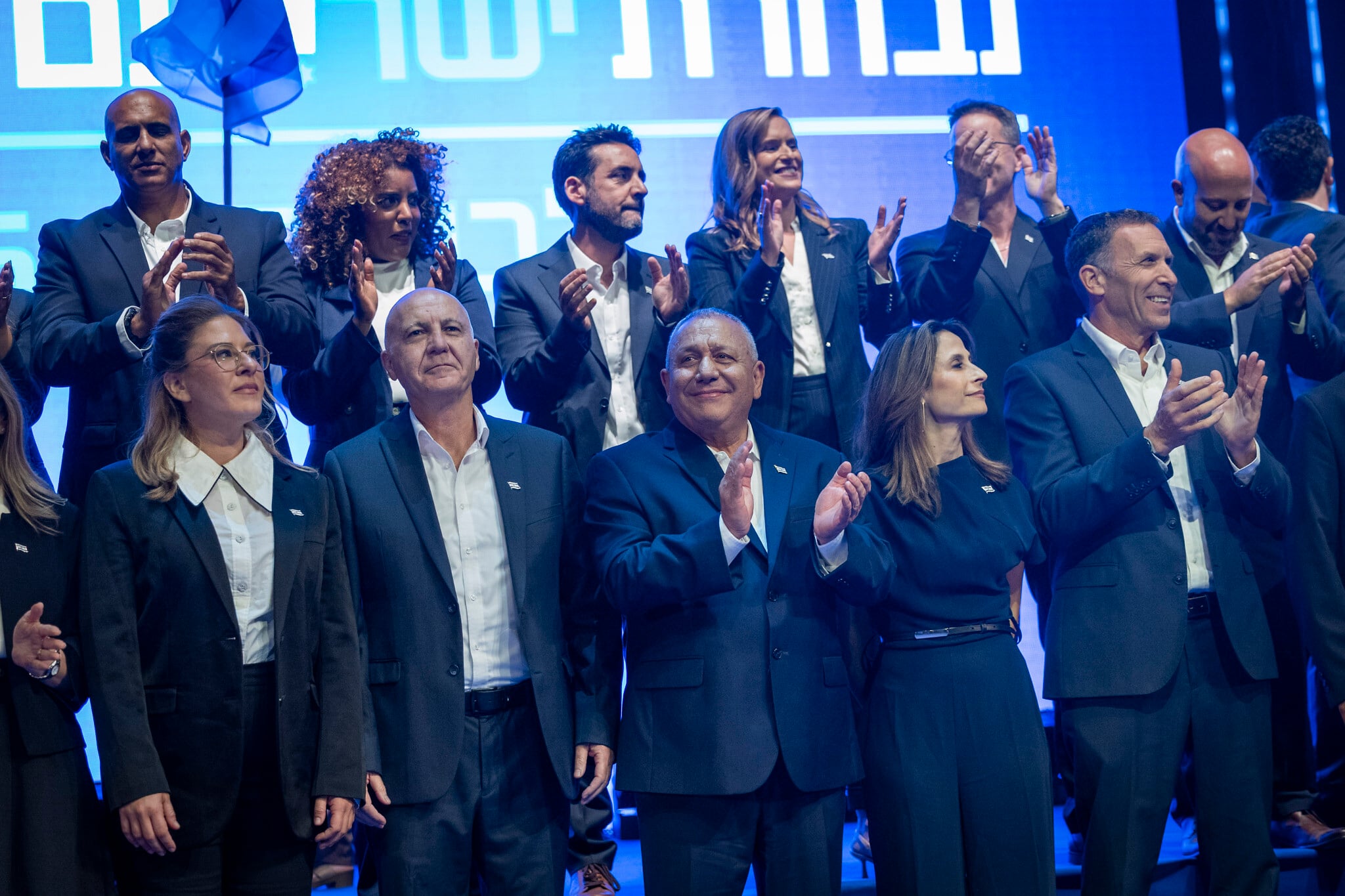
Although Yashar’s top ranks include candidates with significant public-service experience, if current polling translates into more than 20 seats, most of its incoming MKs would have little or no parliamentary or political experience. That would leave Eisenkot’s party entering the Knesset with a striking experience gap compared with rivals whose benches are packed with veteran lawmakers, former ministers and hardened political operators.
Polls: Yashar has emerged as one of the two largest parties in the race, with most projections showing it even with Likud or slightly ahead. A Times of Israel/Zman Yisrael poll published October 15 gave it 26, six ahead of Likud, while a Channel 13 survey released around the same time put it at 20.
Something you may not have known: The party is called Yashar, but its ballot slip reads “derech,” meaning “way” or “path.” The party says the letters were chosen to evoke a “straight path” of leadership, responsibility, service and national unity.
* * *
B’Yachad
Letters on ballot slip: רק
What the party is pitching: B’Yachad, a centrist alliance led by former prime minister Naftali Bennett and Opposition Leader Yair Lapid, has published a wide-ranging platform covering issues from the cost of living to national security.
At the party’s launch in April, Bennett, who has been out of politics since 2022, declared that “the era of division is over,” while Lapid called on the political center to rally behind Bennett, a former leader of the religious-nationalist right, to form the next government.
Its proposals include a state commission of inquiry into October 7; drafting ultra-Orthodox men into the IDF and integrating the Haredi community into Israeli society; reforming Israel’s security doctrine; making the rehabilitation of frontline communities a national priority; overhauling the housing market; breaking up monopolies to boost competition; and repairing Israel’s ties with world Jewry.

Though committed to the shared goal of ousting Likud, B’Yachad has refused to line up behind Eisenkot or commit to backing the largest party in the presumed anti-Netanyahu bloc in coalition talks. Like most other members of the erstwhile Bennett-Lapid government, B’Yachad has ruled out reprising its alliance with Arab parties, including Ra’am.
Key figures: The party is led by Bennett, who previously headed the now-defunct right-wing Jewish Home and Yamina parties. In 2021, he parlayed Yamina’s seven seats into a position as head of an unlikely broad-based government that spanned the political spectrum and included the Islamist Ra’am. He served as prime minister for a year before handing the office to Lapid, then the leader of centrist Yesh Atid, for the final months before elections as part of a rotation deal.
Bennett reported for reserve duty hours after Hamas’s October 7, 2023, attack on southern Israel and announced his return to politics in April 2025. Lapid, a former columnist and talk-show host, has been in politics since 2012, when he founded Yesh Atid. He served as finance minister under Netanyahu as a freshman politician and was foreign minister under Bennett. He has served as opposition leader since 2022.
Other figures on the slate include Keren Terner, former director general of the Finance and Transportation ministries; Yesh Atid MK and Opposition Whip Merav Ben Ari; and Liran Avisar Ben-Horin, a former director general of the Communications Ministry.
Polls: B’Yachad has consistently polled as Israel’s third-largest party, behind Gadi Eisenkot’s Yashar and Netanyahu’s Likud. Recent surveys project it to win 10 to 13 seats.
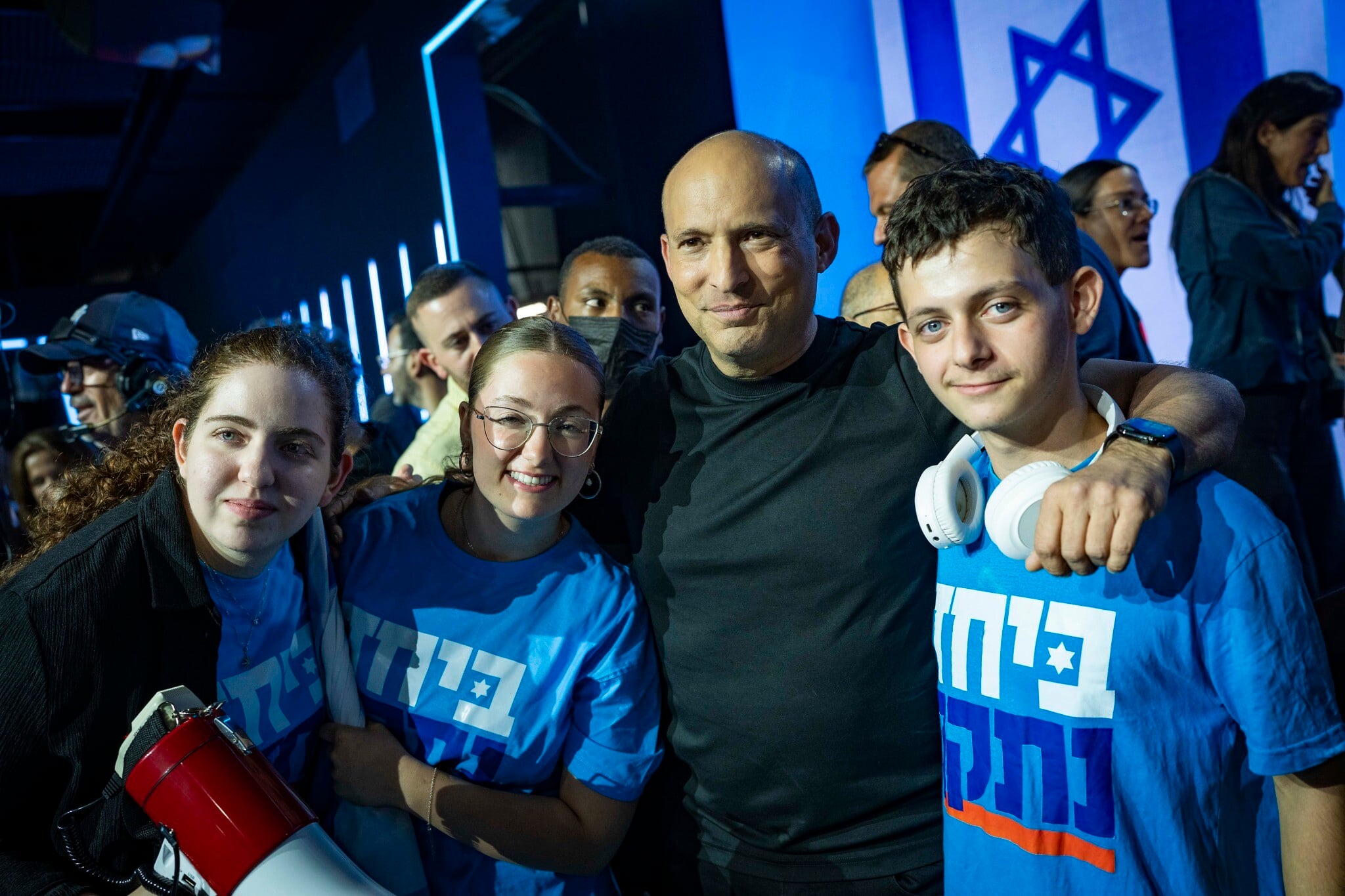
Something you may not have known: Yonatan Shalev, a 23-year-old military reservist activist placed in the 10th spot on B’Yachad’s slate, would become Israel’s youngest-ever lawmaker if elected.
* * *
Yisrael Beytenu
Letters on ballot slip: ל
What the party is pitching: Yisrael Beytenu is a secular, hawkish right-wing party founded in 1999 by Avigdor Liberman, who still leads it. Originally built around a strong base of immigrants from the former Soviet Union, the party has over the years broadened its appeal to secular right-wing voters and increasingly defined itself through opposition to ultra-Orthodox political power.
Its 2026 platform (in Hebrew and Russian) combines an aggressive security doctrine with a strongly secular domestic agenda. Yisrael Beytenu advocates universal military service, compulsory core studies in all publicly funded schools, civil marriage and divorce, and allowing local authorities to operate public transportation on Shabbat. It also calls for a state commission of inquiry into October 7, a constitution, reductions in regulation and government bureaucracy, increased competition in the economy and tougher measures against organized crime.
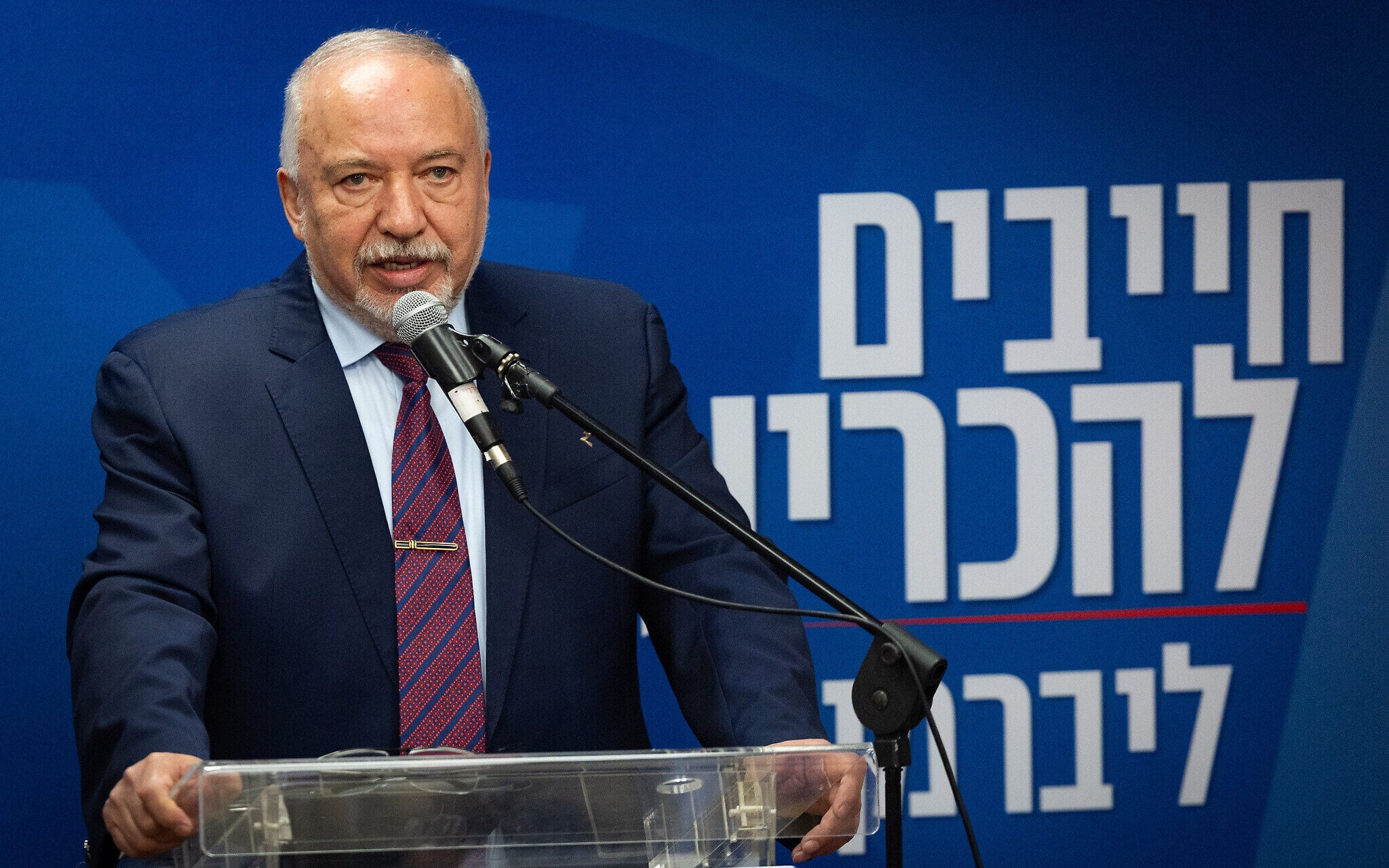
On security, the party advocates a doctrine centered on preemption and decisive military victory rather than containment.
Once one of Netanyahu’s closest political allies, Liberman has for years positioned himself as one of his most determined opponents. Ahead of the 2026 vote, he has ruled out joining a government led by Netanyahu and says he will also refuse to sit with Shas, United Torah Judaism, Ra’am or the Joint List, insisting instead on a coalition made up solely of what he calls Zionist parties. He has said a post-Netanyahu Likud could be a coalition partner.
Key figures: Liberman, who served as foreign minister and defense minister under Netanyahu in the past, remains the party’s dominant figure, though the slate for the 26th Knesset features more religious, traditional and Mizrahi candidates than in the past. Second on the 2026 slate is former Beit Shean mayor Rafi Ben Shitrit, whose son Elroi Ben Shitrit was killed defending the Nahal Oz base on October 7, 2023.
Colonel (res.) Talia Lankri, a former deputy head of the National Security Council, is third, followed by veteran MKs Oded Forer and Yulia Malinovsky. Sharon Sharabi, brother of released hostage Eli Sharabi and slain hostage Yossi Sharabi, is sixth on the slate.
Number 10 on the slate is Dan Illouz, a Canadian-born lawmaker who was the only Likud MK to join the opposition bloc.
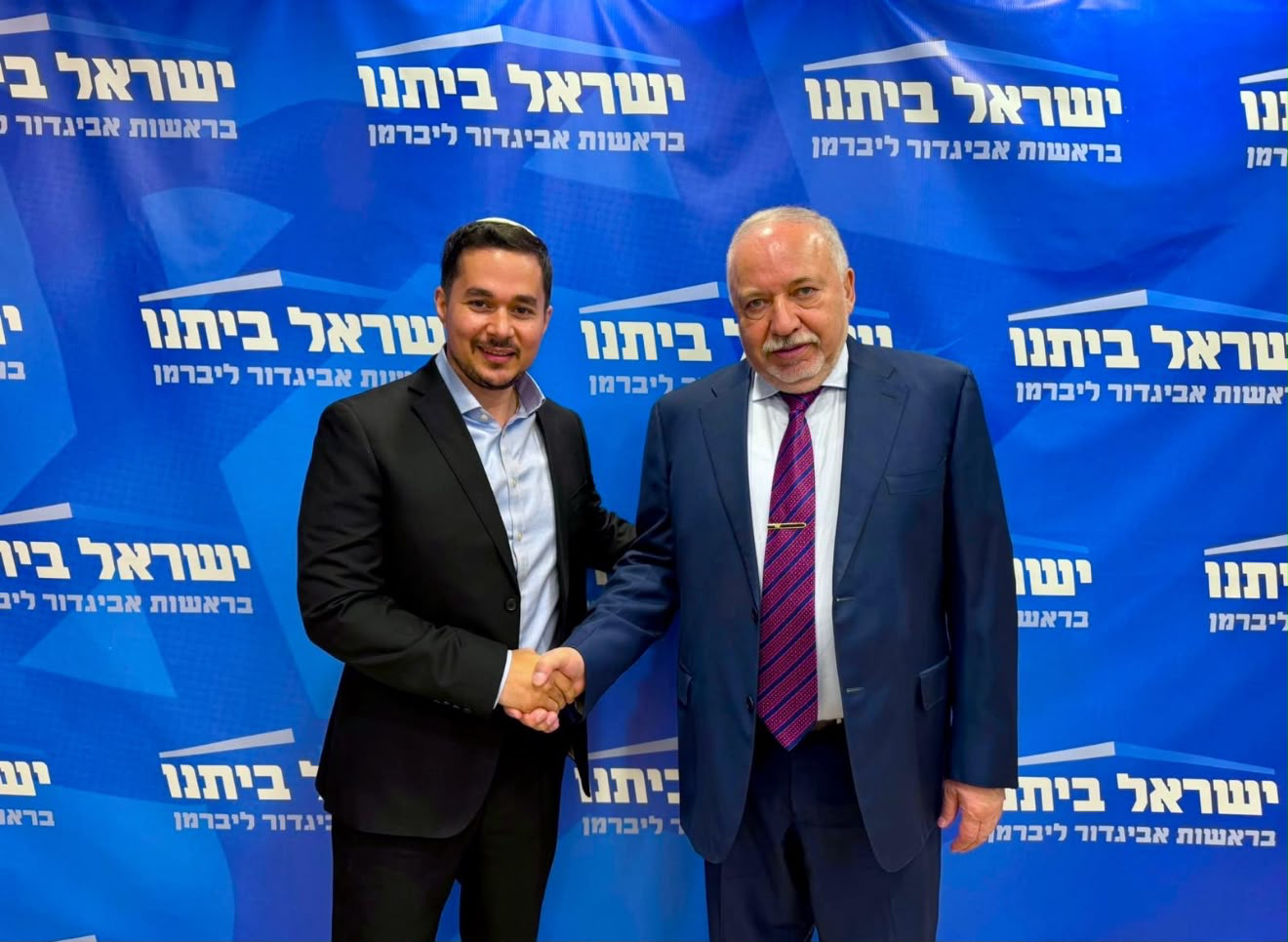
Polls: Yisrael Beytenu has been polling at roughly eight to 10 seats, an improvement on the six seats it won in 2022. Both major polls published in mid-October gave it nine seats.
Something you may not have known: Liberman resigned as defense minister in 2018 to protest Netanyahu’s Gaza policy, opposing both the Qatari cash transfers to Hamas and the broader policy of easing conditions in Gaza, one of the rare cases of a senior member of a Netanyahu-led cabinet giving up considerable political power over his policy toward Hamas.
* * *
Joint List
Letters on the ballot slip: ודם
Pitch: The Joint List is an alliance among three Arab led factions: Communist Hadash, secularist Ta’al and nationalist Balad, which differ widely on several issues but would each struggle to cross the election’s 3.25 percent threshold to enter the Knesset on their own.
The party is led by Hadash chief Yousef Jabareen, who has taken the reins with longtime leader Ayman Odeh retiring from politics.
Addressing the Central Elections Committee last month, Jabareen said the Joint List was “the only party that puts at the center of its political platform” the issues of social justice, “both civic and national” equality, and a “just peace” with a Palestinian state alongside Israel.
The party’s platform (in Arabic, Hebrew, English and Russian) calls for an end to all spending on settlements in the West Bank and military activity in Gaza, Syria and Lebanon; “free education from age 0 through university”; nearly doubling the minimum wage; nationalizing wide swaths of the economy; imposing retaliatory tariffs on the US and increased investment on welfare and employment as part of a “holistic struggle” against organized crime in Arab communities.
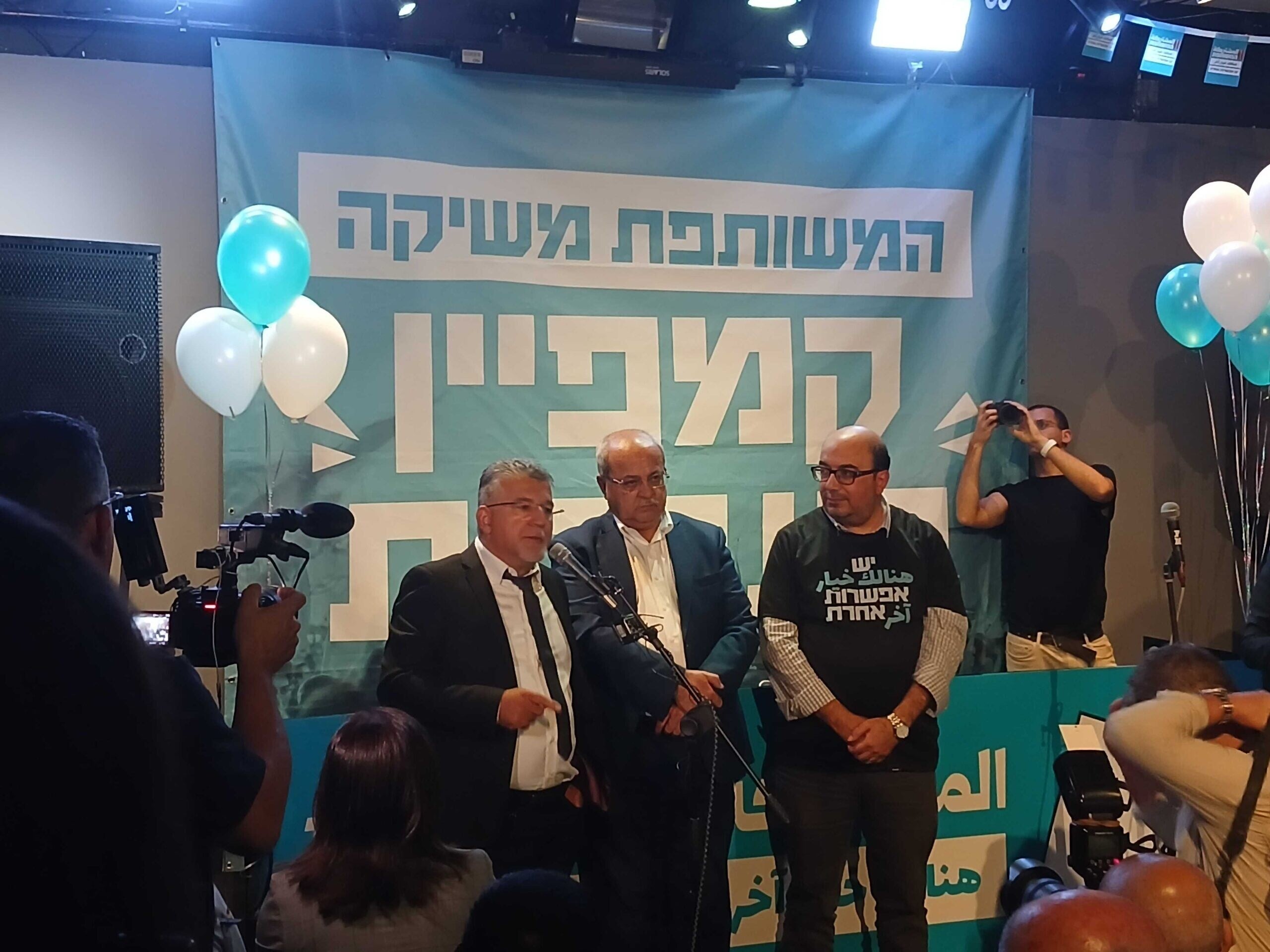
The party pulls most of its support from Israel’s Arab minority, which makes up about a fifth of the population, and its showing is largely determined by turnout levels in the Arab community. However, it includes Jews among its supporters and includes some Jewish candidates.
With most Zionist parties unwilling to rely on Arab support, and the Joint List itself opposed to joining a Zionist government on ideological grounds, the alliance does not seek a place in the next coalition.
However, Jabareen has vowed to provide a “safety net” to any coalition that replaces the current government, provided it agrees to invest more in Arab localities, end home demolitions in southern Bedouin communities and provide “a genuine political outlook for our Palestinian people.”
Key figures: Jabareen leads the Joint List as head of the largest of its three factions, Hadash — Israel’s Communist Party. An MK from 2016 to 2021, Jabareen is a Georgetown-trained human rights lawyer from Umm al-Fahm who is a professor at Haifa University.
Behind Jabareen on the Joint List is MK Ahmad Tibi, who dominates Ta’al — the Hebrew acronym for Arab Movement for Renewal. Tibi has served in the Knesset since 1999 and was previously an adviser to Palestine Liberation Organization chief Yasser Arafat.
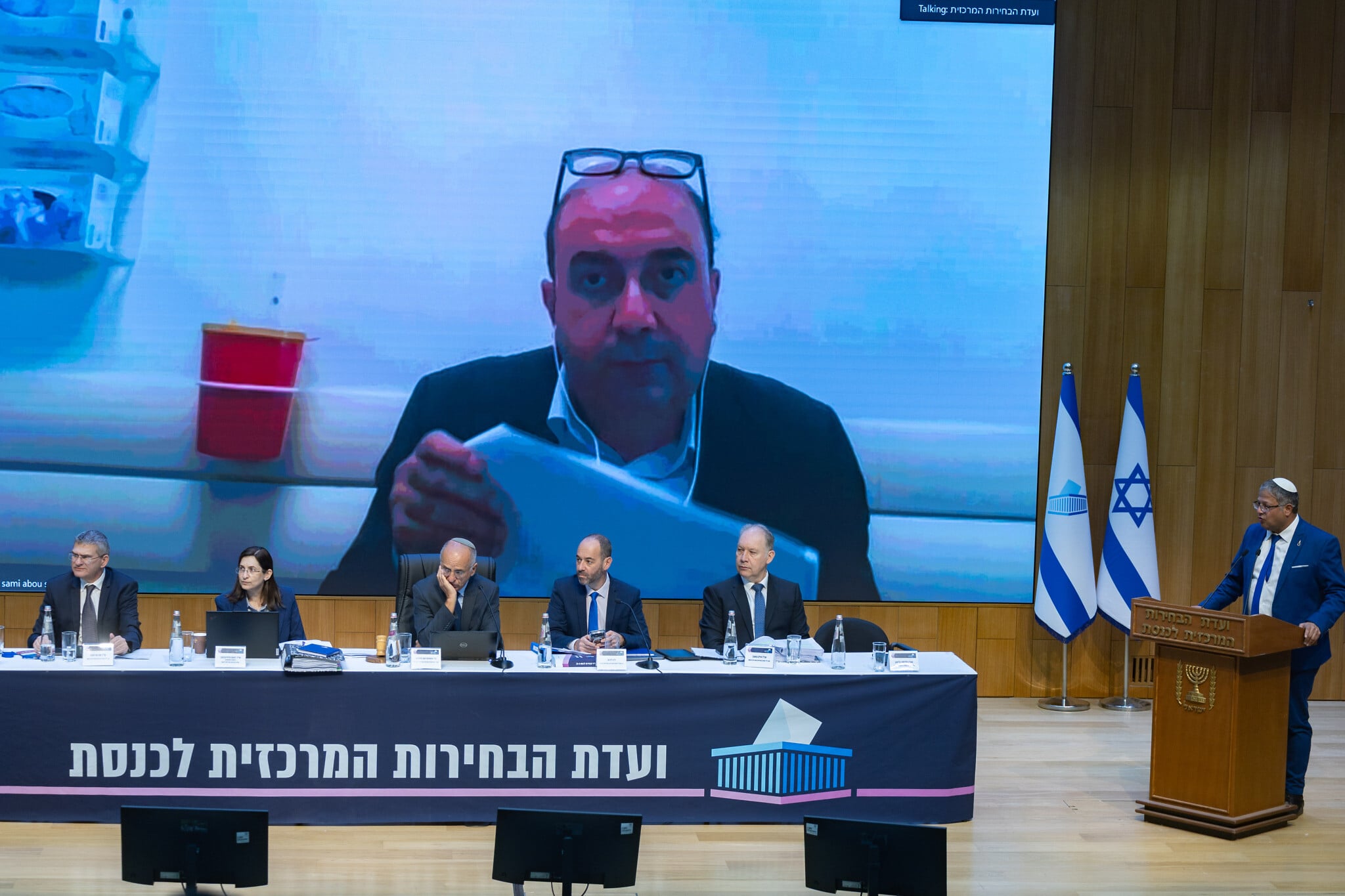
The third spot on the Joint List originally went to Sami Abou Shahadeh, who served in the Knesset from 2019 to 2022 and leads the hardline Balad faction.
However, he dropped out of the race this month after the Supreme Court indicated it would ratify the Central Elections Committee vote to disqualify him for purportedly supporting armed struggle against the state.
Polls: Most polls show the Joint List winning eight or nine Knesset seats. In the last election, Hadash and Ta’al mounted a joint run and won six seats, while Balad ran alone and fell short of the electoral threshold.
Something you may not have known: The first chairman of Hadash was Meir Vilner, who was the last living signatory of Israel’s 1948 Declaration of Independence before he died in 2003 at age 84.
* * *
Shas
Letters on ballot slip: שס
What the party is pitching: The Sephardi ultra-Orthodox party, a close ally of Prime Minister Benjamin Netanyahu’s Likud party, has always tried to find a middle ground in campaigns between its Haredi slate and its voters, many of whom come from traditional, but not Haredi, homes.
In this election, the party is trying to strike that balance by presenting a moderate image on the key question of whether Haredim should be drafted to the IDF along with all other Israeli Jews. In the Knesset, the party was a staunch opponent of efforts to mandate universal conscription, but the campaign ads and messaging aim to demonstrate respect for both military service and Torah study.
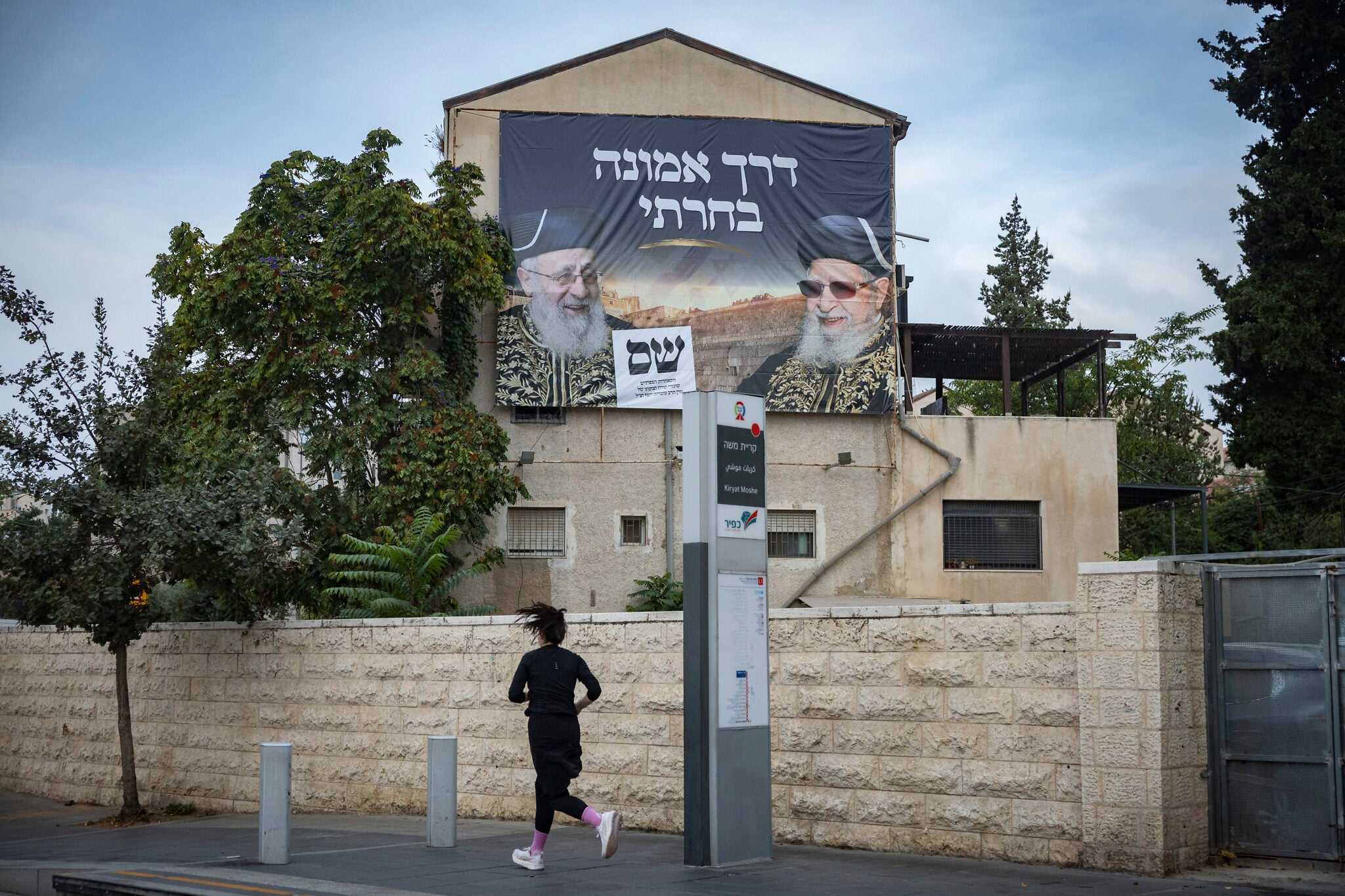
In addition, as in past campaigns, Shas is presenting itself as the guardian of traditional Jewish values, accusing the opposition of placing “Israel’s Jewish identity in danger.” The party firmly opposes civil marriage, LGBTQ rights and non-Orthodox Judaism. Like Likud, the party has not published a platform.
Shas has also long portrayed itself as an ally of poor and working-class voters, and has pushed cost-cutting policies and populist economic messages.
Key figures: Longtime party chairman Aryeh Deri is still leading Shas, though a conviction for tax offenses — which came decades after he was jailed for other crimes — meant that he was unable to serve as a minister in the outgoing government.
In addition, the party has two newcomers: One, Dror Amos, chairman of the Haifa Religious Council as well as an IDF reserve officer, is a symbol of the party’s openness to IDF service. Another new candidate is Yosef Elnatanov, who represents Israel’s Bukharan Jewish community.

Polls: Shas is polling between seven and 10 seats, a drop from its current 11. It is presumed to be part of Netanyahu’s bloc, but Eisenkot has expressed openness to partnering with it if it accepts his baseline principles.
Something you may not have known: The 2018 film “The Unorthodox” is based on the story of Shas’s founding in the 1980s, and stars Shuli Rand, who gained international fame in 2004’s “Ushpizin.”
* * *
The Democrats
Letters on ballot slip: אמת
What the party is pitching: The Democrats was formed in 2024 as a merger between the historic Labor party and left-wing Meretz, with former Meretz MK and one-time Israel Defense Forces deputy chief Yair Golan elected as party chairman.
The only major leftist party running in the October 27 election, it is offering voters an extensive platform (Hebrew) of progressive proposals. It calls for diplomatic initiatives to resolve regional conflicts and end cycles of fighting; enshrining civil and social rights in Basic Laws; shifting funding from sectoral budgets to social services; introducing civil marriage; reforming education; and combating crime in Arab society.
The Democrats are also the only one of the four Jewish-led parties in the anti-Netanyahu bloc whose leader has publicly backed including an Arab party, particularly Ra’am, in a future coalition.

Its platform calls for a diplomatic initiative with the Palestinians but does not explicitly endorse Palestinian statehood, a traditional hallmark of Israel’s left.
Key figures: Golan earned widespread praise after driving to the site of the Nova music festival massacre on the morning of October 7, 2023, and rescuing multiple people. His unfiltered criticisms have long made him a divisive figure among the Israeli public, and he was widely pilloried after accusing Israel of killing babies in Gaza “as a hobby,” a statement he later walked back.
Other prominent figures include veteran left-wing lawmaker Naama Lazimi, the party’s No. 2, who was a staple at anti-government protests for several years. Omri Ronen and Moshe Radman, political neophytes who led anti-government protests in recent years, are seventh and ninth on the slate respectively.
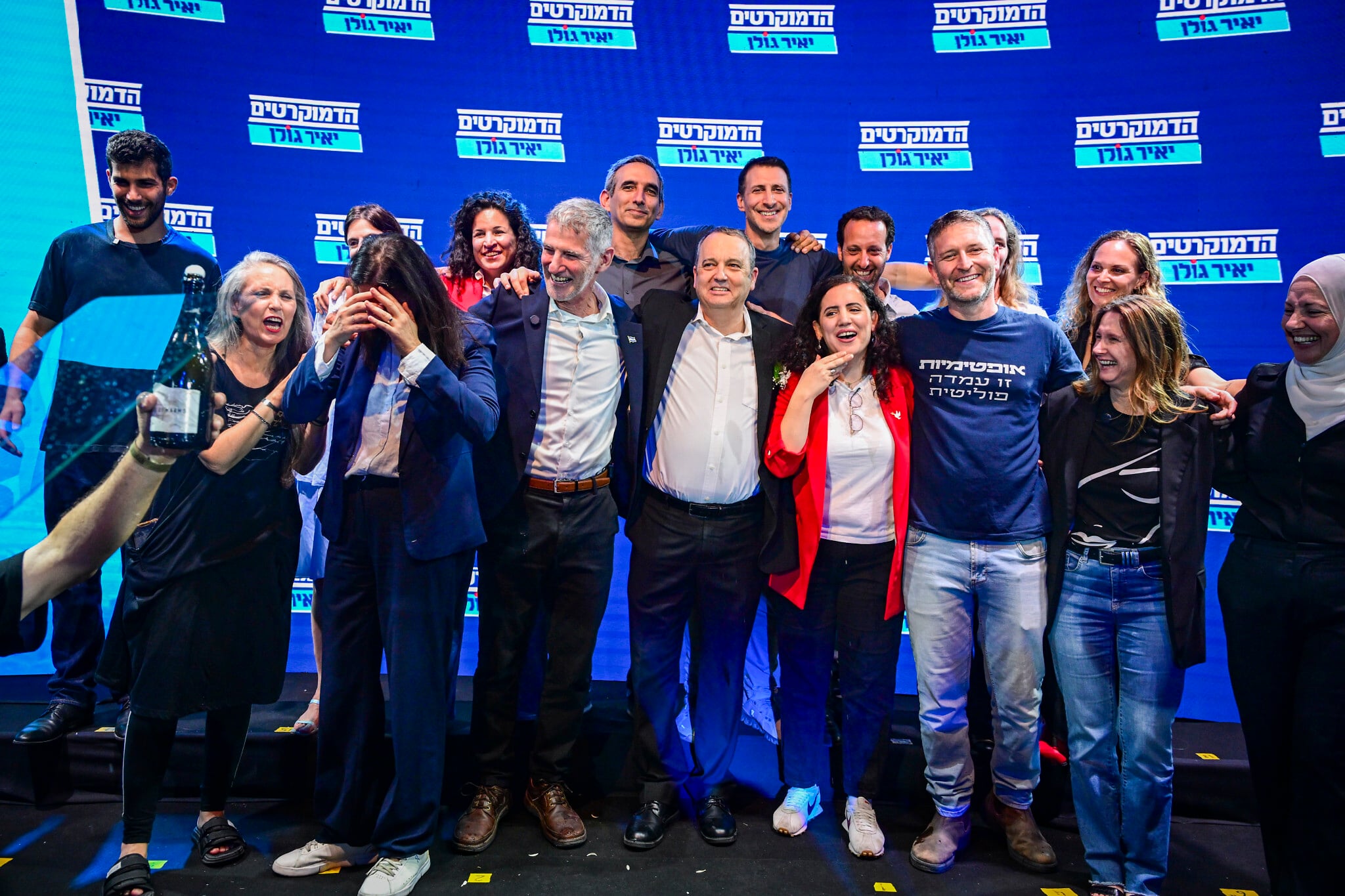
The list also includes MK Gilad Kariv, a Reform rabbi, at No. 3, followed by MK Efrat Rayten, liberal activist Yaya Fink and former Meretz MK Gaby Lasky. Muslim Arab coexistence advocate Somaya Bashir and former Air Force general Nimrod Sheffer are placed tenth and eleventh.
Polls: Recent polls have projected the party to win eight to 10 seats. Labor currently holds four seats while Meretz was shut out in the last vote.
Something you may not have known: Labor was the first major Israeli party to let all registered members vote on its Knesset slate through internal primaries. The Democrats has continued that practice and remains one of the only Israeli parties to do so.
* * *
United Torah Judaism
Letters on the ballot slip: ג
What the party is pitching: United Torah Judaism represents ultra-Orthodox Ashkenazi Jews and works to secure funding for the community under the direction of the rabbinical councils of Agudat Israel and Degel HaTorah, UTJ’s two constituent factions, representing distinct streams of Haredi Judaism.
The party’s main focus in this election is to codify the Haredi community’s de facto exemption from military service, after the High Court in June 2024 determined the decades-long practice has no legal basis. It has not published a platform.
UTJ was part of Prime Minister Benjamin Netanyahu’s government, but quit over its failure to codify the exemption and end all prosecution of Haredi men who fail to enlist.
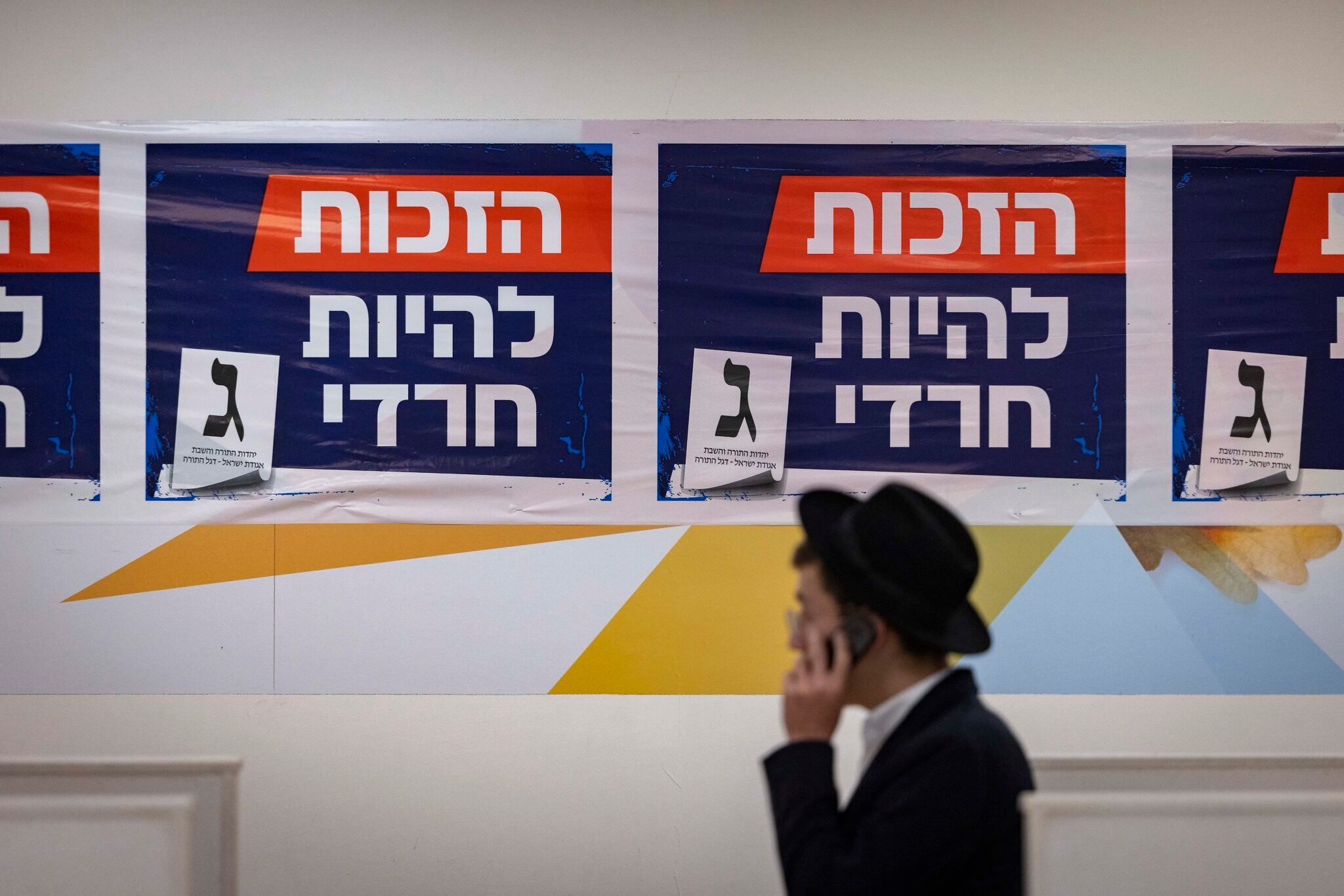
MK Ya’akov Asher, who was made UTJ leader ahead of the election, has said in interviews with Haredi media that the party would not back any government that doesn’t pass legislation to keep Haredi men out of the military.
UTJ also opposes public transportation and infrastructure work on Shabbat, and the introduction of secular subjects such as English in math in Haredi schools.
With Haredi society as its main focus, the party does not proffer definitive views on regional issues including the Israeli-Palestinian conflict, and is not considered Zionist. It does not have an official website or platform.
Key figures: Asher has served in the Knesset consecutively since 2016 and previously from 2013 to 2015. Before that, he was the mayor of Bnei Brak, the largest Haredi city in Israel.
He leads UTJ’s Degel HaTorah faction, which represents Lithuanian, or non-Hasidic, ultra-Orthodox Ashkenazi Jews.
Asher became Degel HaTorah chief this year after Rabbis Moshe Hillel Hirsch and Dov Lando, the faction’s spiritual leaders, ousted veteran MK Moshe Gafni, who had been accused of being too flexible on the draft issue.
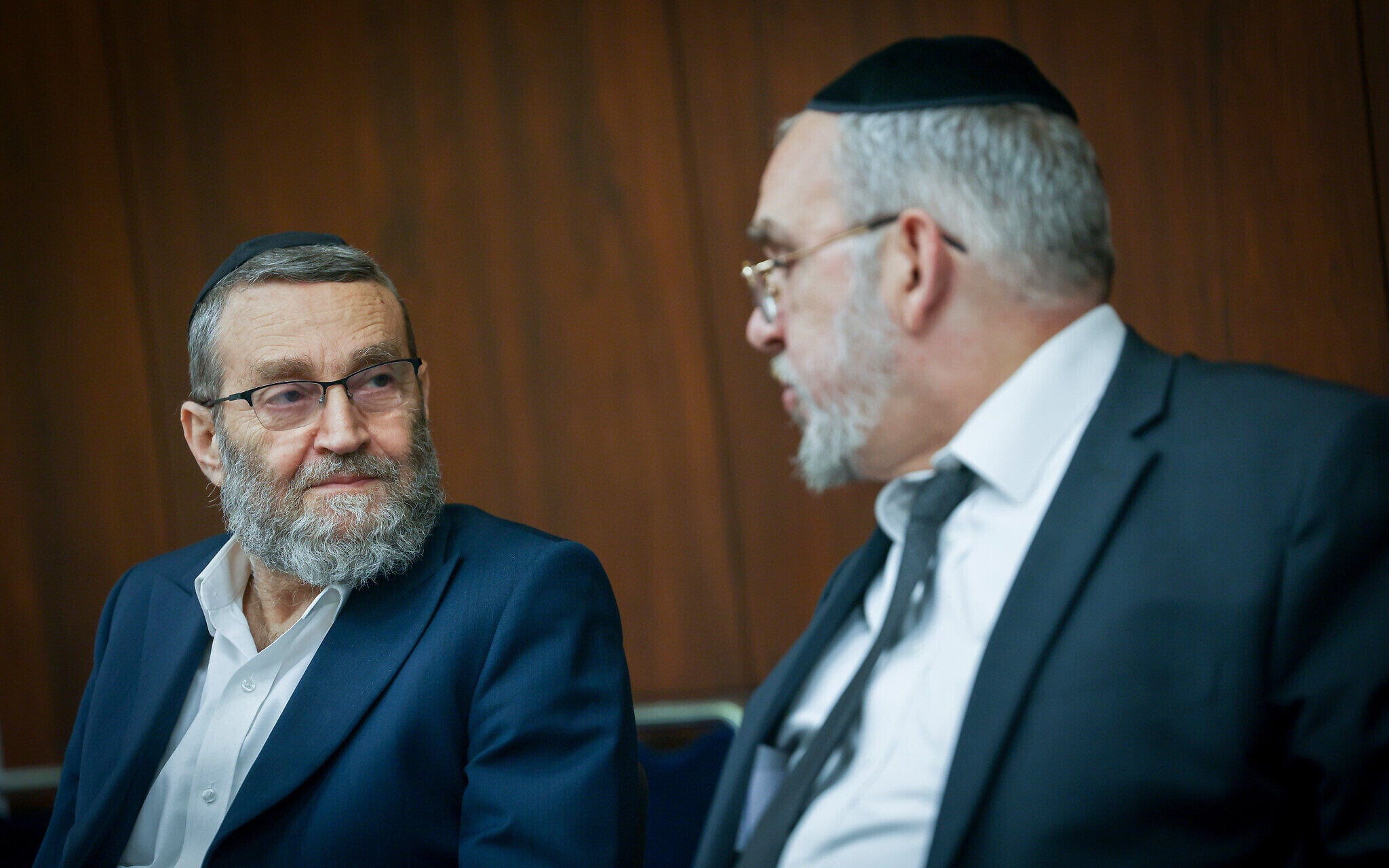
Second on UTJ’s candidate slate is MK Yitzhak Goldknopf, who previously led UTJ and resigned as housing minister over the draft issue. Goldknopf heads UTJ’s Hasidic faction, Agudat Israel, as emissary of Rabbi Yaakov Aryeh Alter, leader of the Ger Hasidic sect, Israel’s largest. Other Hasidic sects represented by UTJ in the outgoing Knesset are Vizhnitz and Sanz.
Polls: UTJ is expected to win about eight seats. It currently holds seven — four from Degel HaTorah, three from Agudat Israel.
Something you may not have known: Agudat Israel, founded in 1912 as a union of anti-assimilationist European rabbis, was represented in the Polish Sejm in the 1920s by Rabbi Yehuda Meir Shapiro of Lublin, father of the “Daf Yomi,” in which Jews worldwide complete the entire Talmud every seven-and-a-half years, one folio a day.
* * *
Otzma Yehudit
Letters on ballot slip: ב
What the party is pitching: Otzma Yehudit is a far-right party headed by National Security Minister Itamar Ben Gvir and has been a key part of the outgoing government, pushing hardline policies on the war against Hamas in Gaza, the government’s judicial overhaul agenda, and the treatment of Palestinian prisoners.
Ben Gvir himself has been a significant source of controversy during the term of the last government, due to his hardline position on the conflict in Gaza and the hostage negotiations, as well as over allegations of politicizing the police. The High Court of Justice twice ordered him not to interfere in operational police decisions, while the Jerusalem District Court twice ordered him to approve promotions of police officers he blocked, apparently due to political considerations.
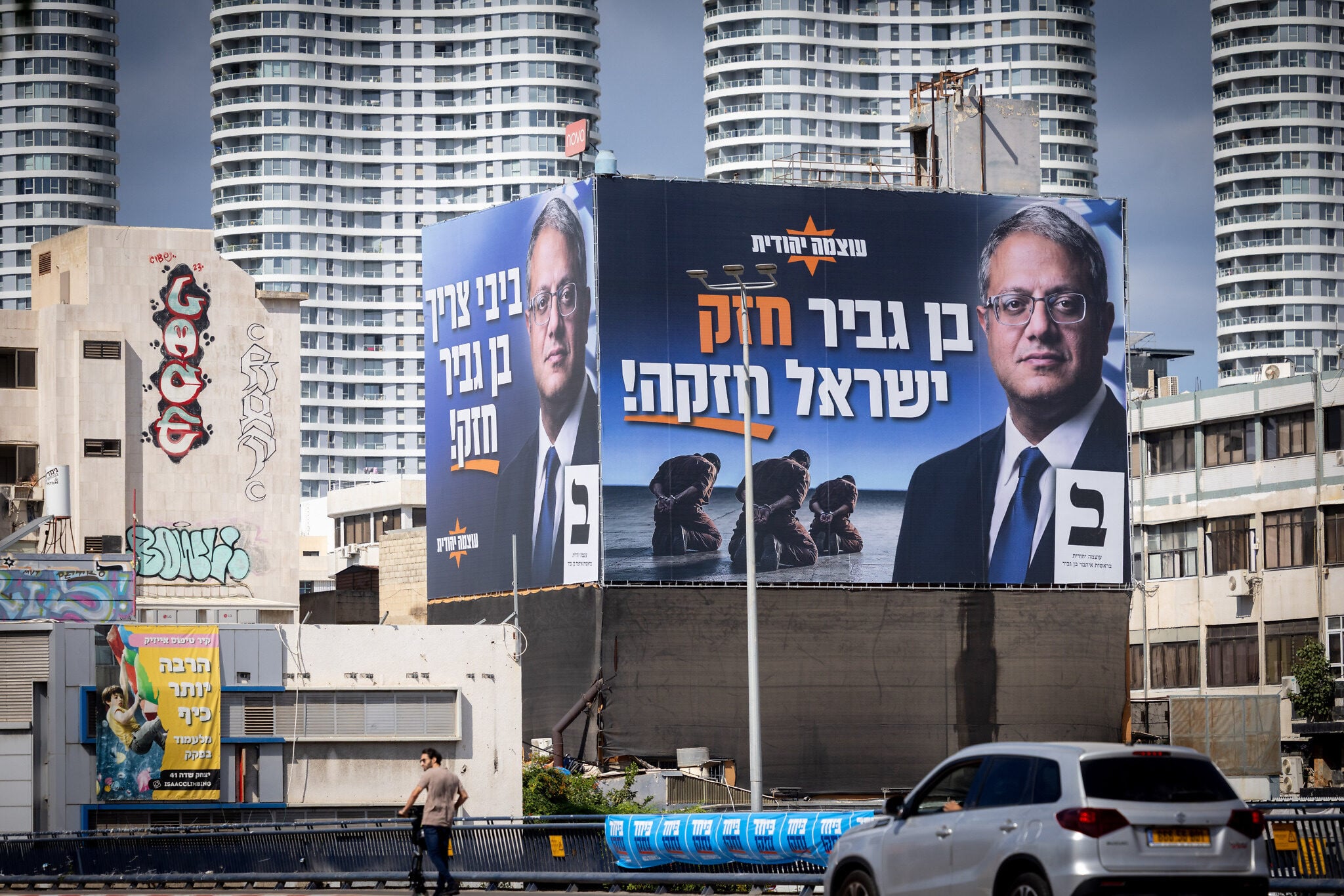
The pugnacious minister has shrugged off responsibility for spiking crime in the Arab community under his watch, while also claiming credit for a slowdown in murders in recent weeks.
In its current election campaign, Otzma Yehudit is underlining several of its accomplishments over the last four years, including legislation it pushed through Knesset mandating the death penalty for West Bank Palestinians convicted of carrying out deadly terror attacks; increasing the number of serving police officers; expanding Jewish prayer rights on the Temple Mount; massively increasing the number of Israelis licensed to carry a firearm; and making prison conditions for Palestinian prisoners much harsher.
Responding to questions from The Times of Israel on the question of ultra-Orthodox enlistment to the IDF, the party said that it prefers “encouraging participation, community integration, and working together” to increase the number of Haredi men doing military service “over [use of] sanctions or punitive coercion.”
While Otzma Yehudit has no official platform, the party has published several separate proposals, including its policy for dealing with the conflict in Gaza, which is to “encourage emigration” of Gazans from the territory and provide financial inducements to do so. It also wants to encourage Palestinian emigration from the West Bank.
Otzma Yehudit would also support a High Court override clause allowing the Knesset to reject a ruling by the High Court striking down unconstitutional legislation with a 61 MK majority.
The party is seen as a likely candidate to join a Likud-led coalition and be shunned by those outside the Netanyahu-led bloc due to its far-right stances.
Key figures: After Ben Gvir, the number two on Otzma Yehudit’s list is combative MK Tali Gotliv, who recently left Likud after making a name for herself through confrontational outbursts in Knesset committees and frequently haranguing High Court justices. Other notable party figures are Negev and Galilee Development Minister Yitzhak Wasserlauf and Heritage Minister Amichai Eliyahu.

Polling: Otzma Yehudit has been projected to garner between seven and nine seats in recent polls, an improvement over its current six Knesset seats.
Something you may not have known: Tzahi Eliyahu, no. 8 on Otzma Yehudit’s slate, reportedly has a tattoo on his arm showing the logo of Kach, the banned party started by Meir Kahane, which has been proscribed as a terror organization.
* * *
Religious Zionism – Zehut
Letters on ballot slip: ט
What the party is pitching: Religious Zionism, whose base is in Israel’s pro-settler religious nationalist community, has been a pillar of the far-right flank of the outgoing government, relenting to coalition pressures and dropping opposition to Gaza ceasefires and Haredi draft exemptions.
Led by Finance Minister Bezalel Smotrich, the party holds hawkish positions on Israel’s multi-front war and opposed halting the fighting in Gaza for hostage-release agreements.
While it ran on a joint slate with Otzma Yehudit in 2022, this time it has joined together with Zehut, led by conservative libertarian Moshe Feiglin.
Smotrich has called for Israel to annex Gaza, the vast majority of the West Bank, and southern Lebanon. He holds a ministerial position in the Defense Ministry, in charge of civilian affairs in the West Bank, and has spearheaded an unprecedented expansion of settlements there in recent years. He has repeatedly called for the Palestinian Authority, which governs Palestinian population centers in the West Bank, to be dismantled.
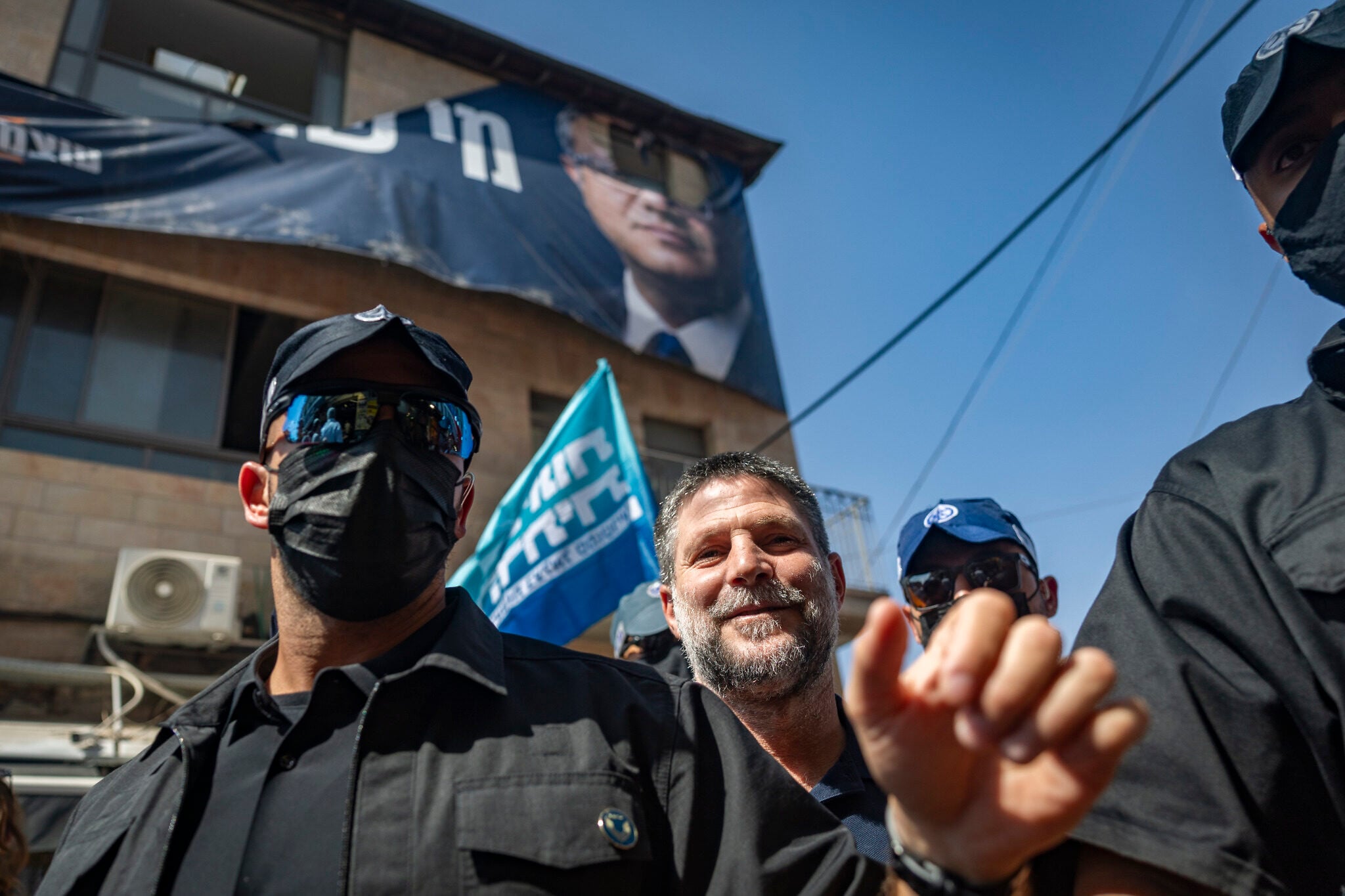
The party has also staked out the rightward edge of the judicial overhaul debate, proposing legislation that would allow the Knesset to override judicial review and limit injunctions as well as the right to petition the court, which it seeks to continue as part of its 2026 platform (in Hebrew).
The party is in an uncomfortable position on the question of ultra-Orthodox military service. It is a member of Netanyahu’s coalition, which has pushed legislation that would enshrine conscription exemptions for yeshiva students. But the party’s base is from the national-religious sector, which has a deep ethos of military service and which saw heavy losses across its communities during the Gaza war, fueling resentment toward the exemptions for the ultra-Orthodox.
Key figures: Smotrich has been in the Knesset for more than a decade, after a career as a far-right activist. In 2005, he was arrested, but not charged, for protesting against the Gaza disengagement plan and possessing 700 liters of gasoline. Since then, he has risen in the political ranks, holding to his far-right views while being seen as somewhat less radical than far-right National Security Minister Itamar Ben Gvir.
No. 2 on the slate is Feiglin, a far-right former Likud lawmaker who has made a number of inflammatory statements about Gaza, the West Bank and Israeli Arabs, including saying Gaza should be emptied and calling babies there the “enemy.” He has also advocated rebuilding the Third Temple on Jerusalem’s Temple Mount, where the Al-Aqsa Mosque and Dome of the Rock currently stand. He has won support in the past for his libertarian positions, specifically marijuana legalization.
Also on the list are Settlements Minister Orit Strock, MK Simcha Rothman, an architect of the judicial overhaul, and MK Zvi Sukkot, who was questioned by police for breaching an IDF base during a 2024 riot.
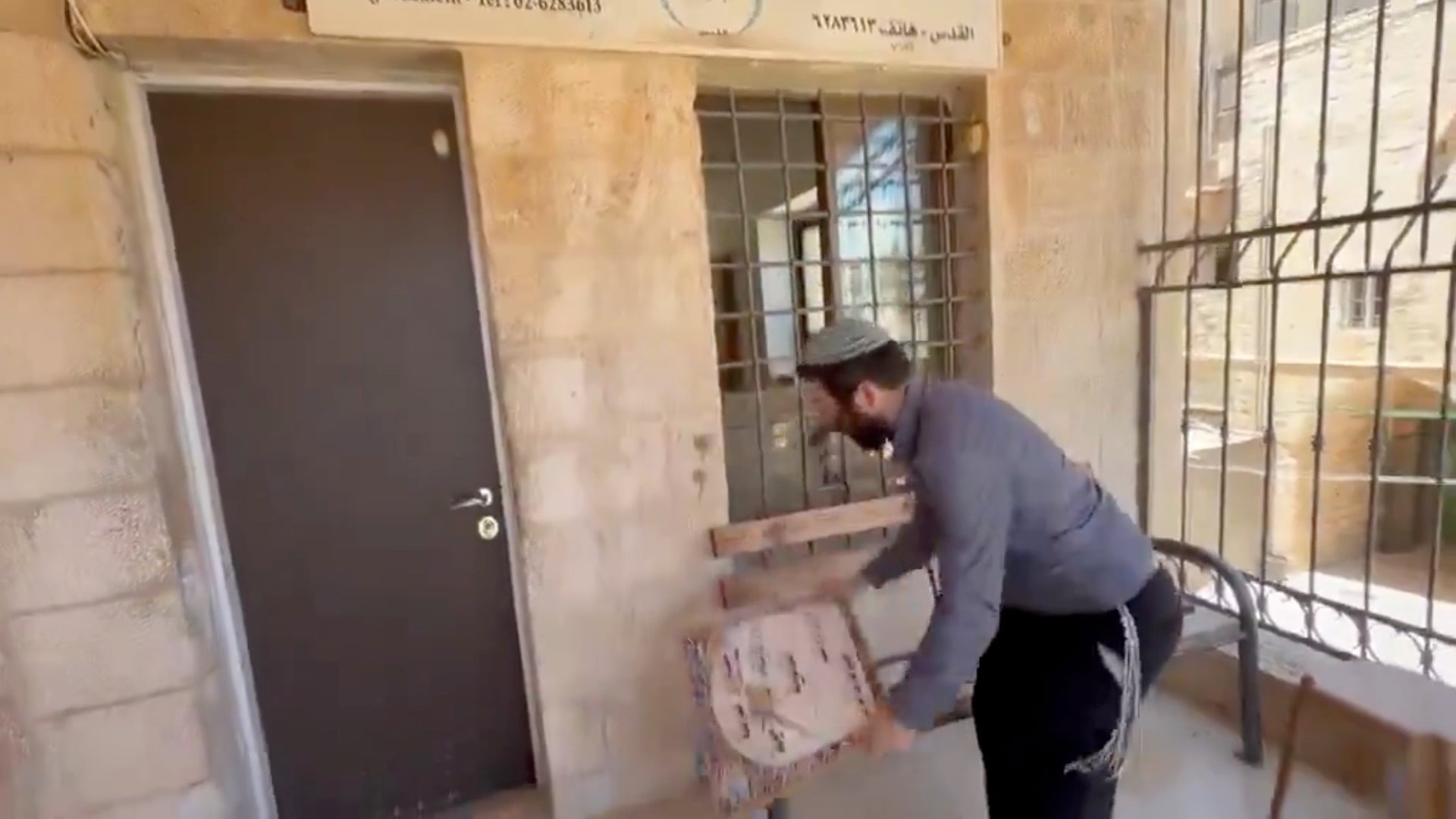
Polls: After struggling to attract enough support to remain in the Knesset, the party got a boost when it joined with Feiglin’s movement, and is now polling around six or seven seats. It currently holds seven.
Something you may not have known: In 2013, when he was a Likud lawmaker, Feiglin said that while he supports legalization, he doesn’t personally use marijuana because he advocates “leaving the vessel of God as it is.”
* * *
Ra’am — United Arab List
Letters on ballot slip: עם
What the party is pitching: Ra’am is a socially conservative Islamic party that has increasingly sought to position itself as a pragmatic, mainstream political force focused on improving the lives of Arab citizens. Its Hebrew acronym, meaning “thunder,” stands for United Arab List. Historically the political wing of the southern branch of Israel’s Islamic Movement, the party has recently sought to distance itself from its religious leadership and broaden its appeal beyond its traditional Muslim electorate.
Between 2015 and 2021, Ra’am ran alongside Hadash, Ta’al and Balad in various configurations of the Joint List, before breaking away ahead of the 2021 election. Unlike its former partners, Ra’am has made cooperation with Jewish parties and participation in governing coalitions central to its political strategy, arguing that Arab citizens can achieve more by wielding influence from within the government than by remaining in opposition.
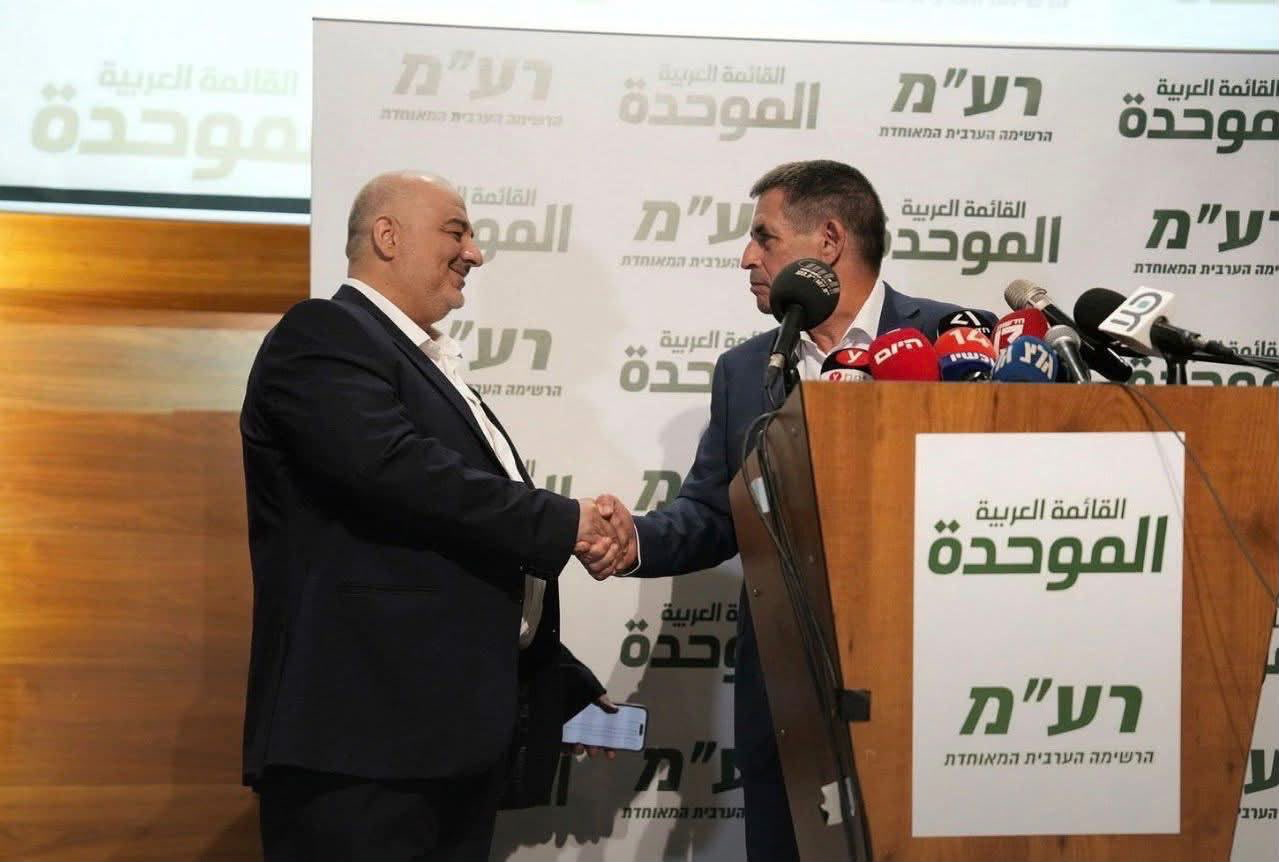
Led by longtime head Mansour Abbas, the party has doubled down on that ethos and attempted to carve out broader appeal, severing formal ties with the Islamic Movement’s Shura Council, which had previously exercised considerable influence over its decisions, and recruiting former Yesh Atid lawmaker Yoav Segalovitz, a Jewish Zionist and former senior police commander, to the second spot on its slate.
While Ra’am has not published an official platform, it did release a campaign brochure (in Arabic) in which the party identifies three central objectives: ousting the current government, helping establish an alternative government in which Ra’am has genuine influence and representation, and preventing the far right from returning to power for another four years.
On policy, the party is prioritizing combating violent crime and organized crime in Arab communities, expanding government investment in Arab municipalities, improving infrastructure and employment opportunities, and addressing longstanding housing and planning problems.
Its proposals include advancing a multibillion-shekel national plan to combat crime and violence, expanding economic development programs for Arab communities, increasing funding for Arab local authorities, easing planning and construction restrictions, and connecting more homes to the electricity grid. Ra’am also advocates for the recognition of unrecognized Bedouin villages in the Negev, where disputes over land ownership and home demolitions remain major political issues.
Ra’am also opposes the 2018 nation-state law, which enshrined Israel’s identity as the nation-state of the Jewish people, and the so-called Kaminitz Law, which increased penalties for illegal construction and has disproportionately affected Arab communities. Reflecting its religious roots, the party has traditionally maintained conservative positions on LGBTQ rights, including voting against legislation banning conversion therapy in 2020.
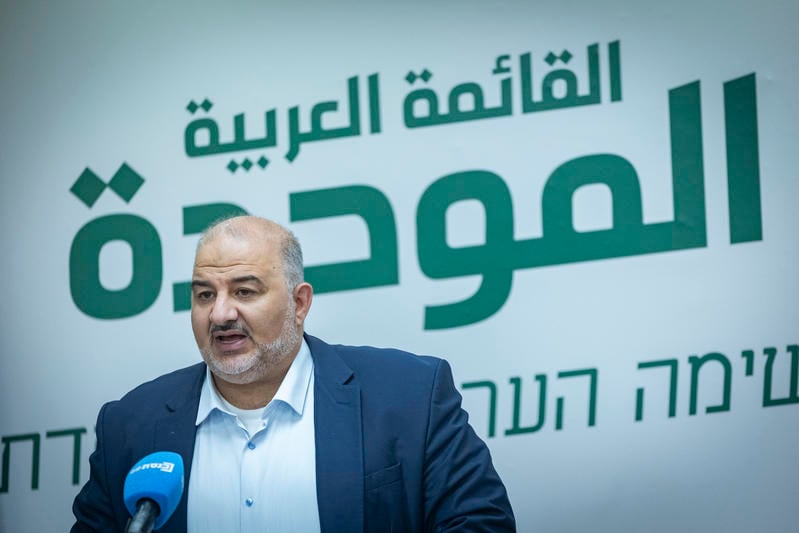
Ra’am’s willingness to cooperate with Zionist parties is what most sharply distinguishes it from its former Joint List partners. In 2021, it became the first independent Arab party in decades to join an Israeli governing coalition, entering the ideologically diverse government led by Naftali Bennett and Yair Lapid.
Nonetheless, most parties have vowed not to form a coalition with Ra’am this time, with some promising not to rely on its support from outside the coalition either, narrowing its path back into the government.
Key figures: Abbas, a dentist from the northern city of Maghar, entered the Knesset in 2019 and has since become one of the most prominent figures in Arab Israeli politics. Abbas has championed a pragmatic approach centered on securing government funding and policy changes for Arab communities.
The party’s most notable new addition is Segalovitz, who previously headed the Israel Police’s Investigations and Intelligence Division and established its Lahav 433 investigative unit.
During the Bennett-Lapid government, Segalovitz spearheaded a national initiative to combat organized crime in Arab communities, an issue that has become a defining concern for Ra’am voters.
Other prominent party figures include veteran MK Walid Taha, a former educator and outspoken advocate for Arab communities, and MK Iman Khatib-Yasin, who became the first hijab-wearing woman elected to the Knesset in 2020.
Polls: Despite efforts to broaden its appeal, Ra’am has generally polled between four and six seats ahead of the October 27 election, on par with the five seats it won in 2022.
Something you may not have known: Before joining the Bennett-Lapid government in 2021, Abbas held negotiations with Netanyahu over joining a Likud-led coalition, only for the effort to be derailed by opposition from Smotrich.
* * *
Reservists-Economic Party
Letters on ballot slip: די
What the party is pitching: Formed through a last-minute alliance between former communications minister and reserve battalion commander Yoaz Hendel’s center-right Reservists party and economist Yaron Zelekha’s New Economic Party, the joint slate is campaigning on universal national service, as well as economic reform and forming a broad Zionist government.
The partnership was forged just two days before the September 8 deadline for submitting lists, after Hendel’s short-lived alliance with former Blue and White MK Chili Tropper collapsed when the latter defected to Gadi Eisenkot’s Yashar party.
Part of the so-called “Third Bloc” of center-right parties seeking to bridge the divide between Netanyahu’s Likud and Zionist opposition parties, the party positions itself as a potential kingmaker, advocating a government without Haredi and Arab factions.
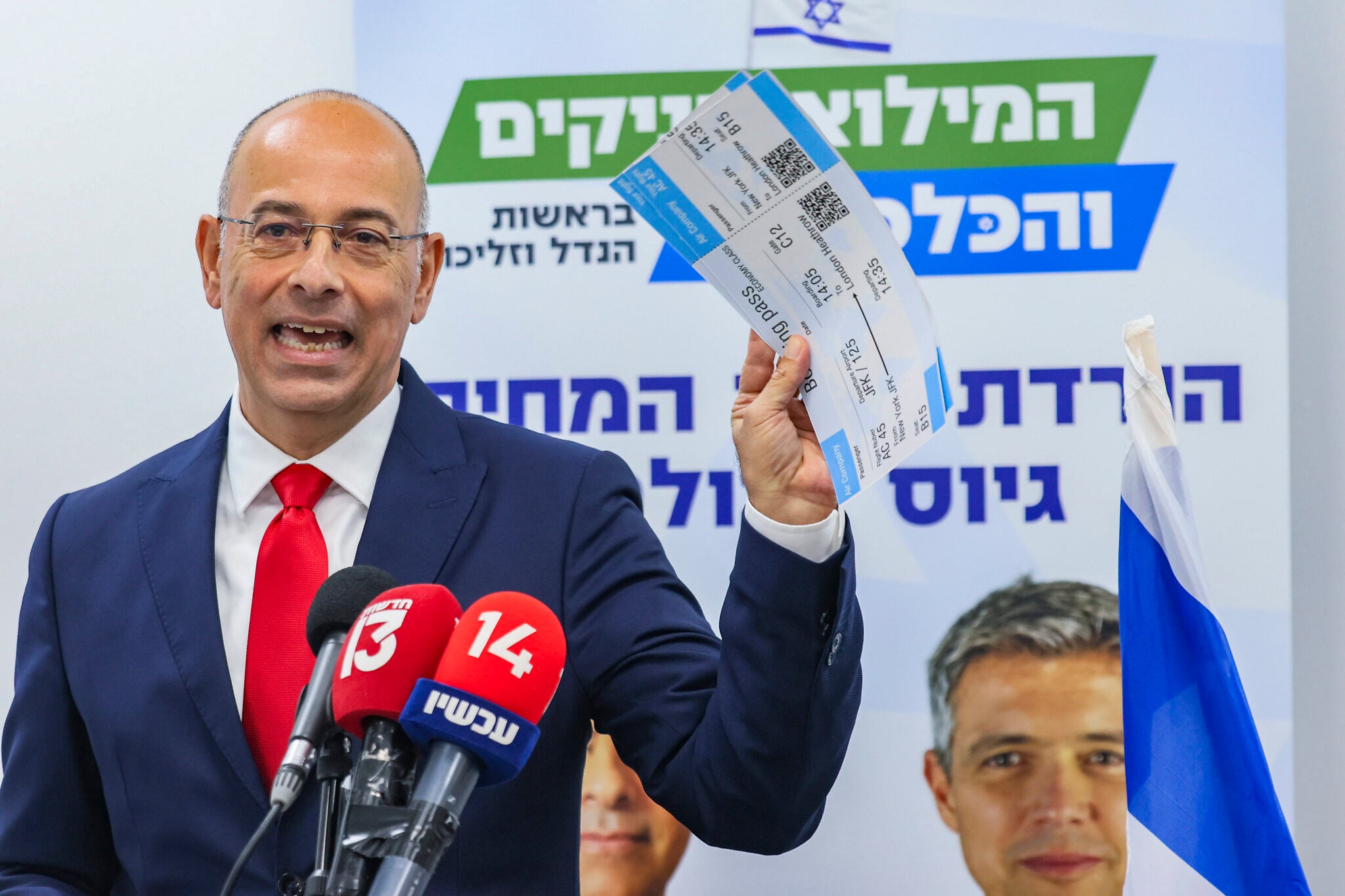
Hendel has not ruled out serving alongside Netanyahu, but insists he will not prop up a narrow Netanyahu-led coalition that would depend on Haredi parties, even if that means holding another election.
As its name indicates, the party is chiefly concerned with IDF reservists, their families, and civilian volunteers, demanding universal military or national service for Haredi and Arab citizens. Hendel has controversially proposed tying voting rights and eligibility for elected office to completion of military or national service.
Zelekha, a former Finance Ministry official, has in the past founded parties focused on economics — none of which made it into the Knesset — and vows to “fight tycoons and the cost of living.”
As part of its platform (in Hebrew), the party also advocates judicial reform through broad consensus rather than unilateral legislation.
Key figures: Hendel, a former IDF naval commando, Netanyahu aide and cabinet minister, heads the slate, followed by Zelekha, who served as the Finance Ministry’s accountant general from 2003 to 2007. Third is former Labor MK Einat Wilf, a prominent pro-Israel advocate and author who abandoned her own Oz party’s independent electoral bid to join the alliance one day before slate submissions.
Polls: The party is hovering around the 3.25% electoral threshold, and several recent polls have shown it squeaking into the Knesset. Zman Yisrael’s October 15 poll put it just above the threshold, with four seats, and an earlier poll gave it as many as five.
Something you may not have known: During the October 7 attack, Hendel, then 48, was told by his former naval commando unit, Shayetet 13, that he was too old to rejoin the fighting. He told his wife he had been called up anyway — a lie, he later admitted — and headed south. He subsequently commanded some 200 reservists and established the IDF’s Be’eri Battalion.
* * *
People of Israel
Letters on ballot slip: ך
What the party is pitching: Founded in August 2026 by former IDF general Ofer Winter, the right-wing People of Israel party is positioning itself as an alternative for conservative voters disillusioned with the political establishment in the wake of the October 7, 2023, Hamas-led attacks, promising a more aggressive security policy, greater accountability from political leaders and an end to military draft exemptions for ultra-Orthodox men.
Winter has pledged to pursue a decisive military victory over Israel’s enemies, encourage the “voluntary” emigration of Palestinians from the Gaza Strip, oppose the establishment of a Palestinian state and overhaul the justice system. The party’s platform also advocates for expanding military service among Haredim, integrating Arab Israelis who support the state and combating organized crime.
One of its central campaign promises is to refuse to join any government that does not pass legislation requiring all draft-age Israelis, including ultra-Orthodox men, to report for military service — a demand that puts it at odds with Netanyahu’s Haredi coalition partners.
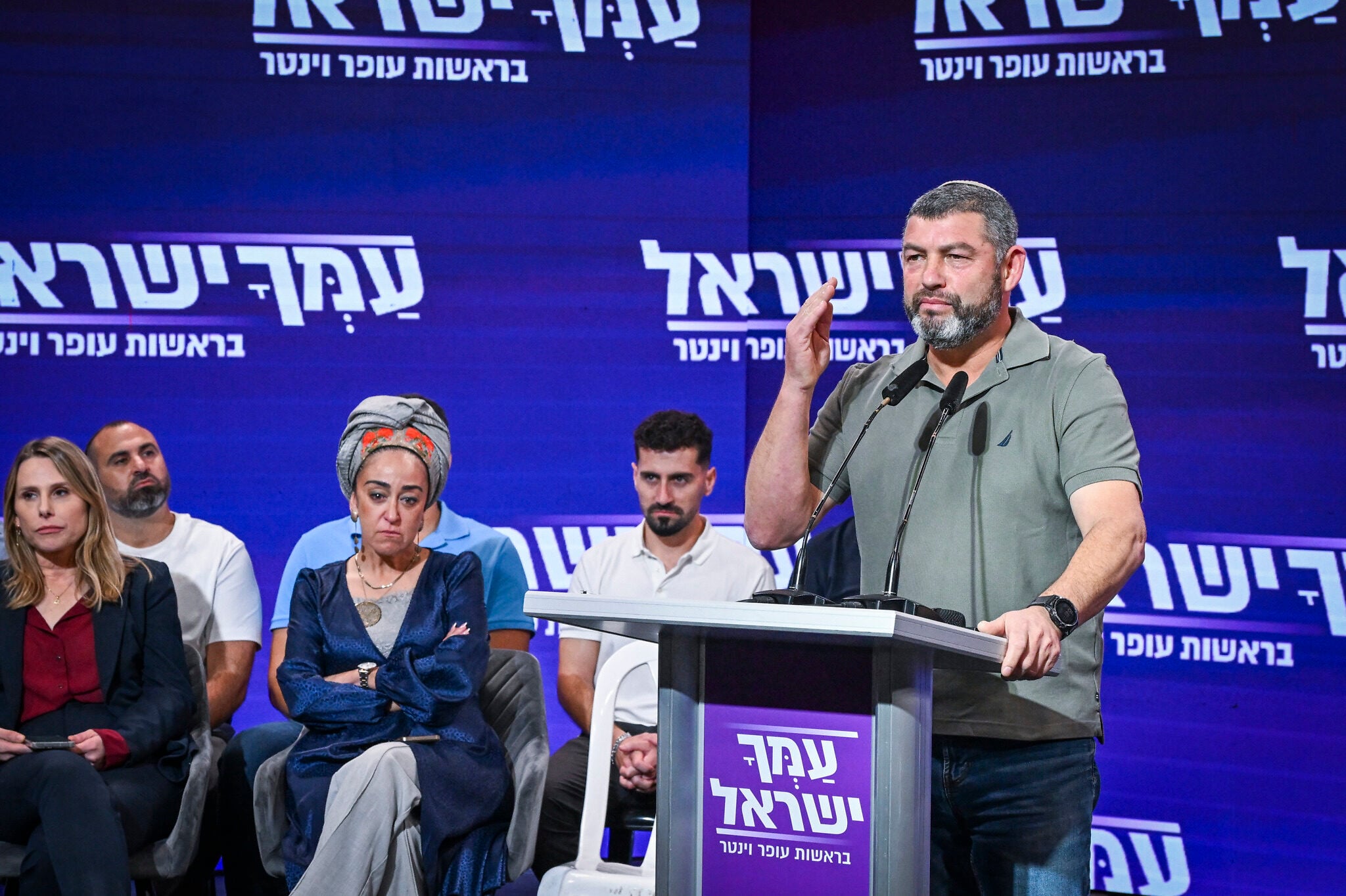
The party has proposed establishing a special commission to investigate the failures surrounding October 7, rather than a state commission, with its leadership selected by the Knesset and bereaved families and former hostages given a role in the process. Winter has blamed both the coalition and opposition for the disaster, arguing that Israel needs new leaders untainted by the failures that preceded the attacks.
Despite his sharp criticism of the current government, Winter has repeatedly insisted that he will only recommend Prime Minister Benjamin Netanyahu to form the next government and will not join an opposition-led coalition. The position reflects a central contradiction in the party’s campaign: it promises to replace the political establishment responsible for October 7 while supporting the continued premiership of the man who led the country when the attacks occurred.
Key figures: Party founder and chairman Ofer Winter is a former IDF brigadier general who commanded the Givati Brigade during the 2014 Gaza war. A religious nationalist known for his outspoken views, Winter was released from the military in 2024 after being repeatedly passed over for promotion. He attracted controversy during the 2014 war for describing the campaign against Hamas in religious terms in a letter to his officers.
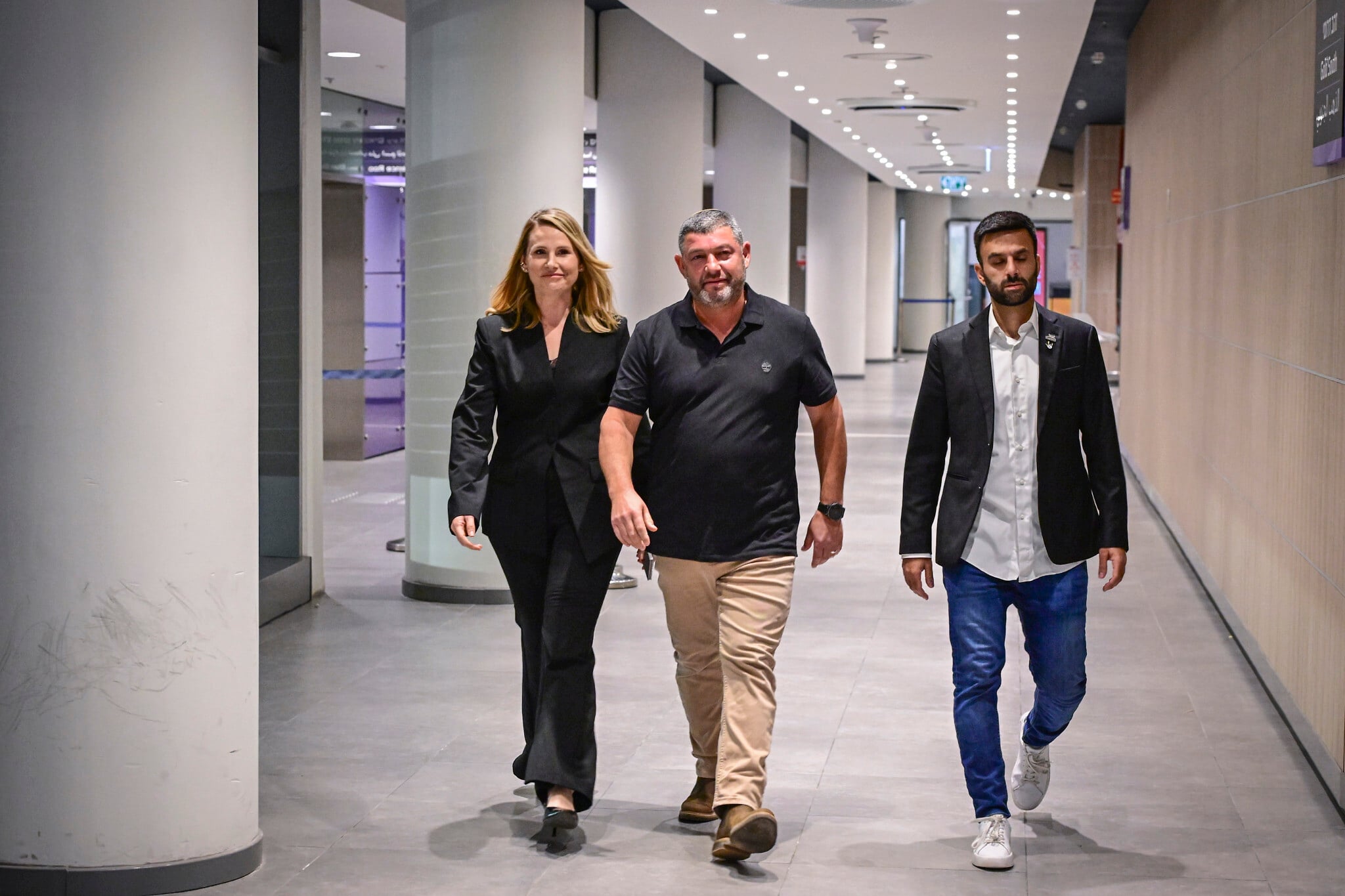
No. 2 on the party slate is Yoseph Haddad, a prominent Arab Christian pro-Israel activist who is the party’s candidate to lead Israel’s public diplomacy ministry — which the government shuttered weeks after October 7. Other candidates include former Channel 13 journalist Netali Shem Tov; Laly Derai, whose son, IDF soldier Saadia Derai, was killed fighting in Gaza and who has become a prominent advocate for universal military service; and former Jerusalem deputy mayor Fleur Hassan-Nahoum.
Polls: After initially polling at around six seats following its launch, People of Israel has steadily lost ground and is now hovering around or below the 3.25 percent electoral threshold, putting its chances of entering the Knesset in doubt.
The party’s declining support has come amid an aggressive campaign by Netanyahu’s Likud and its right-wing allies to pressure Winter to withdraw, amid fears that his party could siphon votes from established right-wing factions and, if it fails to cross the threshold, waste votes that could otherwise help the Netanyahu-led bloc secure a parliamentary majority.
Winter has rejected calls to quit the race, accusing Netanyahu and his allies of undermining the very right-wing camp they claim to be protecting.
Something you may not have known: From 2018 to 2020, Winter was military secretary to the defense minister, serving Avigdor Liberman, Benjamin Netanyahu, Naftali Bennett and Benny Gantz. His ties to Netanyahu reportedly continued after the October 7, 2023, Hamas-led attack, when the prime minister secretly sought his advice on the war in Gaza.
* * *
The long shots
The Charedi Public Party [זך] — Led by Moti Leitner, the deputy mayor of Beit Shemesh, the newly formed ultra-Orthodox party seeks to tackle poverty, introduce core secular subjects into Haredi schools, and integrate Haredim into the workforce. Unlike the established Haredi parties, which have fiercely resisted conscription, The Charedi Public advocates requiring those not studying full-time in yeshiva to undertake military or other forms of national service, while protecting exemptions for dedicated Torah scholars.
In a historic first for an ultra-Orthodox party, it has included two women among its top four candidates: Dr. Nechumi Yaffe, a former adviser on Haredi affairs to the National Security Council, and Ziva Glantz, a social entrepreneur and advocate for educational reform, in third and fourth places on the list.

Although polling well below the 3.25% electoral threshold, the party has attracted attention as a potential challenge to the Haredi establishment, and has faced opposition from Likud and its allies, amid concerns that the party could siphon votes from the ultra-Orthodox Shas and United Torah Judaism parties.
Yisrael Techila (Israel First) [י] — A new right-wing party formed by former Likud MK Sharren Haskel, joined by the veteran Ale Yarok (Green Leaf) party that champions legalization of cannabis and has never entered the Knesset. The party advocates a hawkish security policy that opposes territorial concessions and backs canceling the Oslo Accords. It calls for giving state benefits only to those who do military or civil service. It is very right-wing regarding the economy, supporting slashing taxes, reducing the number of government ministries, removing bureaucratic barriers and legalizing cannabis.
Noam Le’Yisrael (Serenity for Israel) [ני] — Noam Le’Yisrael was launched as Noam in 2019 by disciples of Rabbi Zvi Tau, dean of Jerusalem’s Har Hamor yeshiva, with the stated purpose of “protecting family values” against homosexuality, feminism and other manifestations of “the progressive madness.”
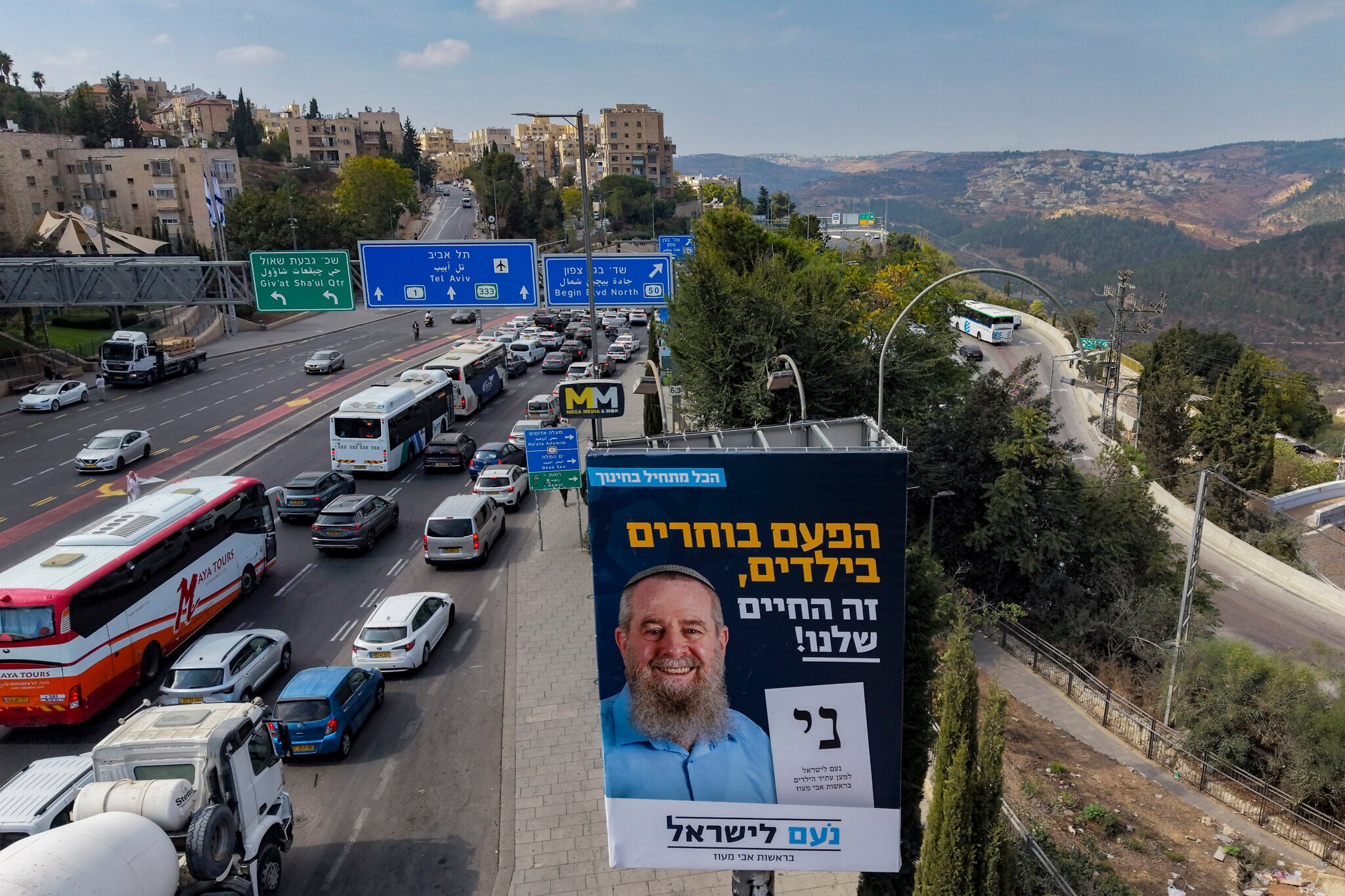
The openly homophobic and misogynistic party last ran in a slate with Religious Zionism and Otzma Yehudit that won 14 seats, including one for Noam chief Avi Maoz, who became deputy minister in the Prime Minister’s Office but quit the role in 2025, citing stalled progress on his planned National Jewish Identity Directorate.
Among the new faces on the party’s independent slate this year are former Kiryat Arba mayor Shlomo Libman, whose son Elyakim was killed at the Nova festival on October 7, and Yiska Haimov, a local administrator in the West Bank who is the sister of Shin Bet chief David Zini.
Hapiratim (The Pirates) [צף] — Headed by political activist and academic Ohad Yaakov Shem Tov, the party centers its platform (Hebrew) on individual freedom, access to information, government transparency and participatory democracy. It proposes free internet access, abolishing the electoral threshold, and a “Dynamocracy” system in which members can vote directly on government decisions or delegate their vote – and take that delegation back at any time. It also calls for reforming intellectual-property laws, protecting privacy and free expression, legalizing cannabis, and promoting environmental protection and peace.
Tzomet Beit Yisrael (Junction-House of Israel) [בי] — A merger of the longtime right-wing Tzomet party, which served in the Knesset in the 1980s and 1990s but has consistently failed to enter the Knesset since, and the new Beit Yisrael party formed by former Blue and White and later Likud MK Gadi Yevarkan, who heads the joint slate. The party presents itself as a social- and agricultural-minded right-wing home for residents of the socioeconomic periphery and Israelis of Ethiopian and Indian descent. Several Netanyahu allies had reportedly been in talks to join the party, but the effort fell apart after one of them, Amir Avivi, got a reserved spot on Likud’s slate.
Shema (Listen) [נף] — Founded by British-born Naftali Goldman, the party’s only candidate registered with the Central Election Committee, Shema has not published an updated party platform for 2026. Its most recent platform, published ahead of the March 2020 election, advocates for mandatory military service for all Jewish men and the creation of a “Spiritual Combat Unit” in which soldiers will be tasked with Torah study and praying for Israel’s unity and security. It vows to outlaw “political support for homosexuality” and punish people who cheat on their spouses.
HaKahal (The Public) [רץ] — An ultra-Orthodox party whose candidates were selected by the Haredi public, HaKahal promises to increase transparency and accountability among ultra-Orthodox lawmakers and ensure that representatives “work for the public instead of the public working for its representatives.” Bnei Brak councilman Shlomo Elbaum leads the party’s all-male Ashkenazi and Sephardi Knesset slate.
Ani VeAta (Me and You) [פה] — Founded in 2017 by Alon Giladi, Ani VeAta describes itself as a social-liberal, democratic, and Zionist party, and promises a transition away from neoliberalism to social liberalism. The party is running on a platform of “real social justice,” including introducing a social market economy, changing how privatization works, and fully protecting freedom of education and speech. The party may get an unexpected boost thanks to its adoption of ballot slip letters previously used by Yesh Atid.
Members of HaTikun (The Repair) [נקי] don blank white masks when campaigning to highlight their message that politics should be professional, not personal. The party manifesto pledges significant electoral reform, including establishing parliamentary constituencies and holding referendums on key national issues. It favors technocratic governance, in which the prime minister and cabinet ministers would be chosen based on qualifications and experience rather than party allegiances.
Tkuma (Revival) [ק] — Not to be confused with the similar-named party that has evolved into Religious Zionism, Tkuma is a new party formed by Elkana Federman, who was head of security at the Nova festival when it was attacked on October 7, 2023. Federman has said he wants to “prevent the next October 7” by dismantling the 1990s Oslo Accords with the Palestinian Authority, and also the PA itself. He has sued ex-Shin Bet Ronen Bar, claiming the latter failed to act on intelligence he received before the Hamas onslaught.
Kol HaNashim (All Women Unite) [קה] — The feminist party, led by Amir Israel Shadmi, describes itself (Hebrew) as a social movement for those who support equal rights for women, and seeks to represent all women in Israel regardless of religion, race or sexual orientation. Its goals include equal representation in government, public bodies and the private sector; stronger protections in fertility, pregnancy and motherhood; and equality in work, education, culture, health and the media. It also calls for safer public spaces, better public transportation, stronger action against violence and harassment, support for women’s economic independence, and every woman’s freedom to choose whether to practice religion.
Brit Olam LeGe’ulat Yisrael (Eternal Covenant for the Redemption of Israel) [זץ] is headed by Ofer Lifshitz and has an 11-candidate slate of Jewish and Arab hopefuls. Much of the party manifesto is based on the interpretation of Biblical passages, and it says it will abolish the Rabbinate and, in its place, create a constitution based on the Ten Commandments and the Torah. The party pledges to cancel privatization agreements and renationalize state institutions to ensure “an end to the subjugation of the majority by a wealthy few.” Brit Olam also advocates for Swiss-inspired direct democracy, affirmative action policies to benefit women and minority groups, and a state commission of inquiry into the October 7, 2023, attack.
Gahat – HaGush HaTanakhi (The Bible Bloc) [יק] — A Jewish-Christian list founded in 2019 by Avi Lipkin, Gahat describes itself as a “Judeo-Christian Western Civilization party.” It opposes a two-state solution and considers the Oslo Accords a “complete disaster.” The party, which hasn’t updated its official platform since 2022, focuses on the importance of Jewish and Christian immigration to Israel and says it would find a solution to allow Christian spouses and family members of Jews to immigrate to Israel under the Law of Return.
Betach – Bitahon Hevrati (Of Course – Social Security) [ז] has not updated its party platform since 2019, when it promised to focus on “socio-economic issues,” including lowering taxes, promoting competition, and reducing the cost of living. Party founder Semion Grafman, a convicted money launderer and internet celebrity, said in an interview in September that he was prioritizing the fight against addiction in Israel, which he says has worsened since October 7, particularly among soldiers and reservists.
Orot HaShachar (Dawn Light) [בקר] — Founded by two students at Reichman University in the wake of October 7, Orot HaShachar places itself to the right of Likud on the political map. Its security-forward platform promises a “gradual annulment” of the Oslo Accords, commits to retaking any land the government has ceded since the founding of the state, and to respond to all attacks by individuals against soldiers and civilians with “disproportionate force.” The party supports universal military conscription and promises to crack down on crime by imposing mandatory minimum prison sentences for a slew of crimes, including arson, bribery, and illegally blocking traffic during protests.
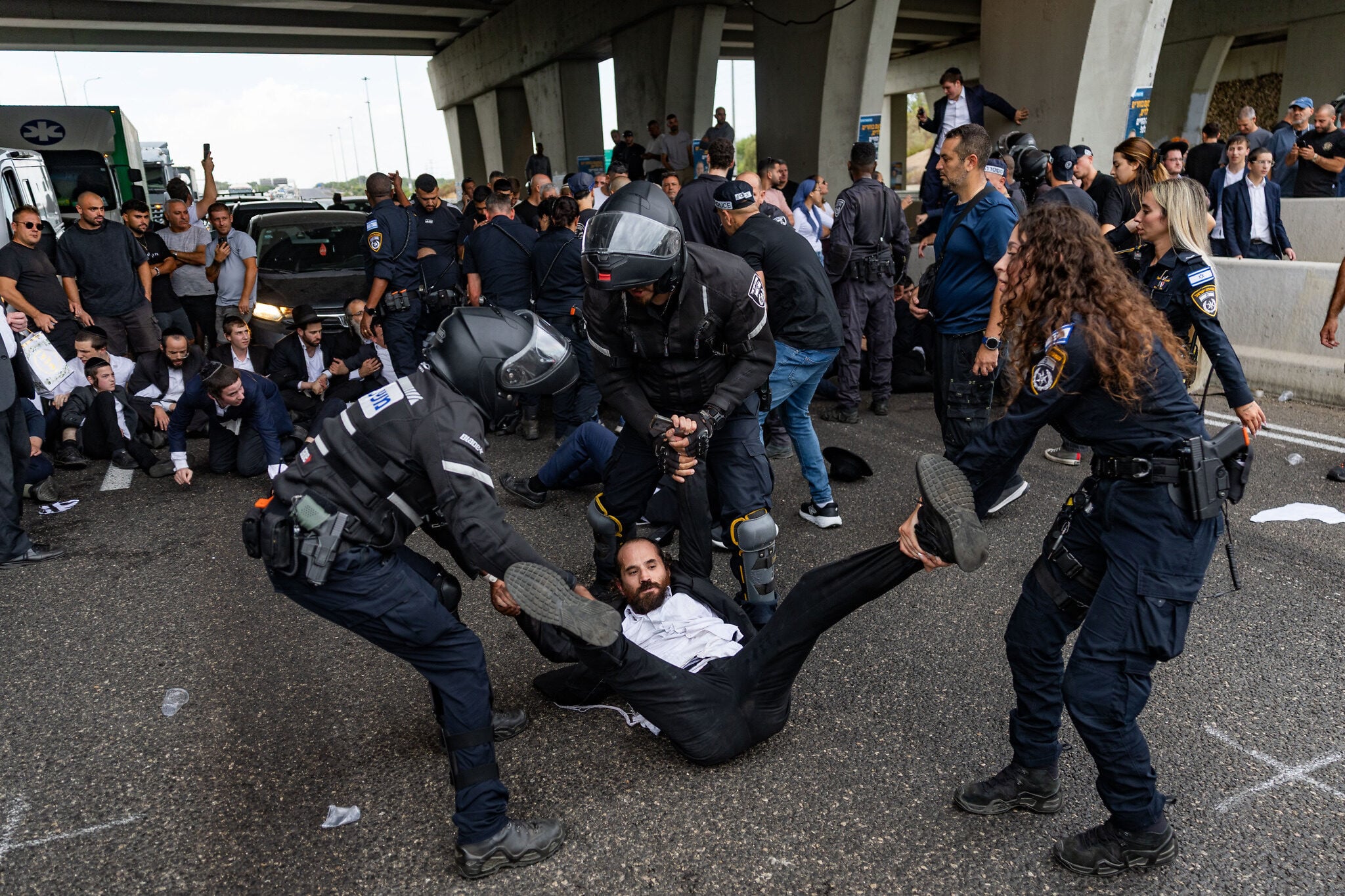
Tzeva Shachor – Magen Olam HaTorah (The Color Black – The Shield of the Torah World) [נר] is a single-issue ultra-Orthodox party opposed to any Haredi conscription to the IDF. In a September statement, the party said its sole goal was to “prevent religious persecution in the issue of draft orders.” It has said the only option it will settle for is a return to the status quo that prevailed until 2024, which granted ultra-Orthodox men blanket exemptions from conscription. The party’s list is made up of rabbis and Haredi educators from institutions that have been at the forefront of the fight against conscription.
Seder Hadash (New Order) [קך] advocates for an overhaul of Israel’s electoral system, including the creation of 12 parliamentary constituencies and the return of direct elections for the prime minister. It promises to strengthen the independence of the judicial system and to draft a constitution which the public will vote on in a referendum. The goal, the party says, “is to establish a shared and clear framework that can serve the country even when the government and political camps change.”
Bitahon Ishi (Personal Security) [נץ] is running a six-candidate slate headed by former Georgian-language journalist Michael Topchiashvili. The party has not published its platform online, but Topchiashvili told The Petek on October 3 that it is focused “exclusively” on personal security, fighting crime, and imposing harsher prison sentences on criminals, including mandatory minimum sentences for murderers, rapists, and other dangerous criminals. The party also supports maintaining the “status quo” on matters of religion and state, but would mandate military conscription for all Haredi men besides the “truly outstanding” yeshiva students.

HaShutafut LeKulam (Partnership for Everyone) [ד] — The predominantly Arab list headed by Rahat resident Talal al-Qrinawi (not to be confused with the mayor of the Bedouin city, who has a similar name), has not published a platform. It also does not have social media accounts, but Qrinawi has said in an interview that he wants to bring change to Arab society and put on trial “extremists” who have harmed Arabs and demolished homes in the community.
Mental health activist Eitan Shvili walked into the Knesset in a robe and crown to register Sharshar L’Ahava V’Achdut HaAm (A Chain of Love and Unity of the People [צדק] with the Central Election Committee. In press conferences and interviews, Shvili has outlined his party platform as one focused on people living with Post-Traumatic Stress Disorder, Holocaust survivors, and children. He says Sharshar L’Ahava will increase services and medications offered to Israelis with PTSD and injured veterans, and will provide equal opportunities for all children, including by tackling bullying in schools.
Beyachad Natzliach (Together We Will Succeed) [בד] — A new party promoting Jewish-Arab cooperation, headed by businessman Avi Shaked, an online betting mogul and longtime Labor Party member who unsuccessfully ran several times for its leadership and was one of the authors of the Geneva Initiative for peace with the Palestinians. All the other party candidates are Arab. The party advocates a two-state solution with the Palestinians, canceling the mandatory service law and making the IDF a “small, smart, professional army.” It calls for “economic justice,” fighting racism, and combating crime in the Arab community via “real enforcement, cooperation, and not fear.”
Gan Eden (Garden of Eden) [ה] — A new party headed by Yeshua Ben David that promises a “future of peace, justice and harmony.” It proposes a comprehensive debt relief program, free education from age 0 to age 18, canceling annual vehicle license fees, introducing basic income for citizens — without detailing the funding sources for that. It calls for a civilian oversight mechanism for government actions, a struggle against corruption in the public service, shortening court proceedings, a national “post-trauma” healing program, inter-religious dialogue, and a fight against terror while preserving morality in war and forming a ministry of peace and reconciliation.
Achi (My Brother) [צבי] — Achi was launched as a national party in June by disciples of the late Rabbi Yoram Abergel, from the southern city of Netivot, where it is the largest municipal faction, with seven of the local council’s 17 seats. Achi’s lead candidate is Yuval Elmelech, director of Abergel-affiliated schools in Netivot, and its spiritual leader is Abergel’s son Haim Yosef, head of the late rabbi’s yeshiva network, who was arrested in August last year on suspicion of sexual offenses against young girls. The younger Abergel had split with Sephardic ultra-Orthodox party Shas ahead of the last municipal election, in 2024, over his support for military service and secular studies.
Mishpat Tzedek (Fair Judgement) [קץ] — Led by Larissa Amir, the wife of Yitzhak Rabin’s murderer, Yigal Amir, Mishpat Tzedek’s platform demands significant changes to Israel’s justice system to combat the phenomenon of wrongful conviction for serious crimes. The party also opposes the establishment of a Palestinian state, advocates for settlement expansion, and says it will establish a commission of inquiry into the Oslo Accords. Yigal Amir’s mother, Geula Amir, is No. 2 on the party slate.
***Blue and White: On October 19, just eight days before the election, former defense minister and IDF chief of staff and Blue and White leader Benny Gantz announced that the party was withdrawing from the race after months of polls showed it failing to cross the electoral threshold. The centrist party campaigned on a platform of national unity, advocating a broad Zionist coalition spanning Israel’s political divisions. To the frustration of much of the opposition, Gantz refused to rule out joining a government led by Prime Minister Benjamin Netanyahu, with whom he had served in two previous unity governments. Once Netanyahu’s principal challenger, Gantz saw his political fortunes decline amid competition from his former deputy Gadi Eisenkot, whose new Yashar party attracted several prominent Blue and White defectors.
— Shira Silkoff, Michael Bachner, Ariela Karmel, Noam Lehmann and Stav Levaton contributed to this section





The Times of Israel Community.