

Meet the ‘Third Bloc’ of right-wing parties pushing for a ‘Zionist unity government’
Leaders of new crop of center-right factions believe they can replace the Haredim as kingmakers and broker peace between the competing blocs; the polls, for now, say otherwise

 Add ToI as a Preferred Source on Google
Sam Sokol is a former political correspondent at The Times of Israel. He was previously a reporter for the Jerusalem Post, Jewish Telegraphic Agency and Haaretz. He is the author of "Putin’s Hybrid War and the Jews"
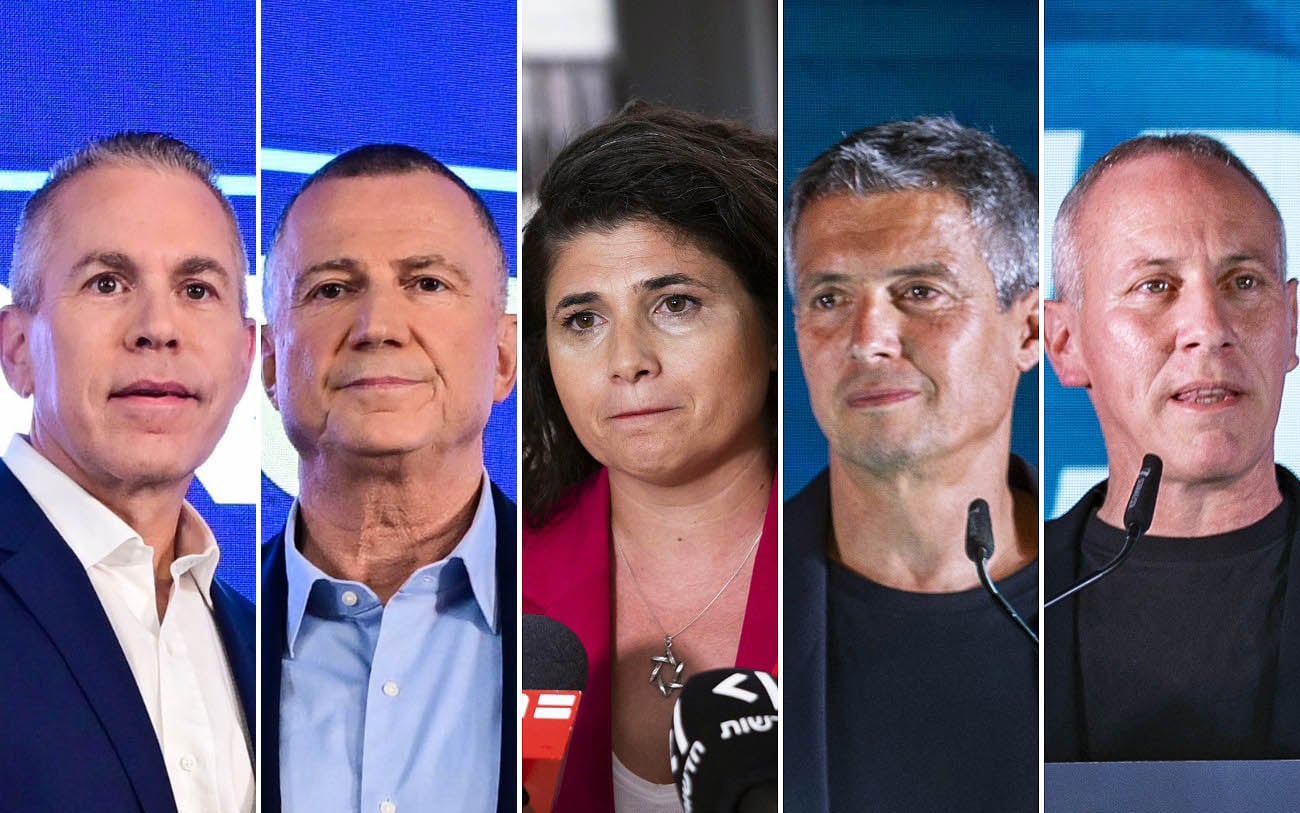
The last several weeks have seen a series of announcements by disaffected nationalist politicians establishing new parties aimed at drawing votes away from Prime Minister Benjamin Netanyahu’s ruling Likud and forcing a compromise with Zionist opposition parties to create what one described as a “broad Zionist unity government.”
Israeli politics has long been divided into two camps, that of Netanyahu’s Likud and its associated supporters in the far-right and ultra-Orthodox parties, and the so-called Change Bloc of Zionist opposition factions such as former prime minister Naftali Bennett’s B’Yachad and Gadi Eisenkot’s Yashar.
However, the leaders of the new “Third Bloc” aim to shift this dynamic, hoping to replace the ultra-Orthodox as the country’s electoral kingmakers and broker a deal which would allow them to “rein in the extremists,” conscript the Haredim and break the ongoing deadlock in which neither the pro- nor anti-Netanyahu has enough support to form a government following the October 27 election.
But who are the members of this “Third Bloc,” and how likely is it that they can actually accomplish their goal?
‘A Zionist, statesmanlike government’
Former center-right communications minister Yoaz Hendel and recently resigned Blue and White lawmaker Chili Tropper certainly believe so.
Addressing supporters in Jerusalem last Wednesday, the pair officially launched the campaign of their new joint party, dubbed Zionist Home-The Reservists, promising to “establish a Zionist, statesmanlike government.”
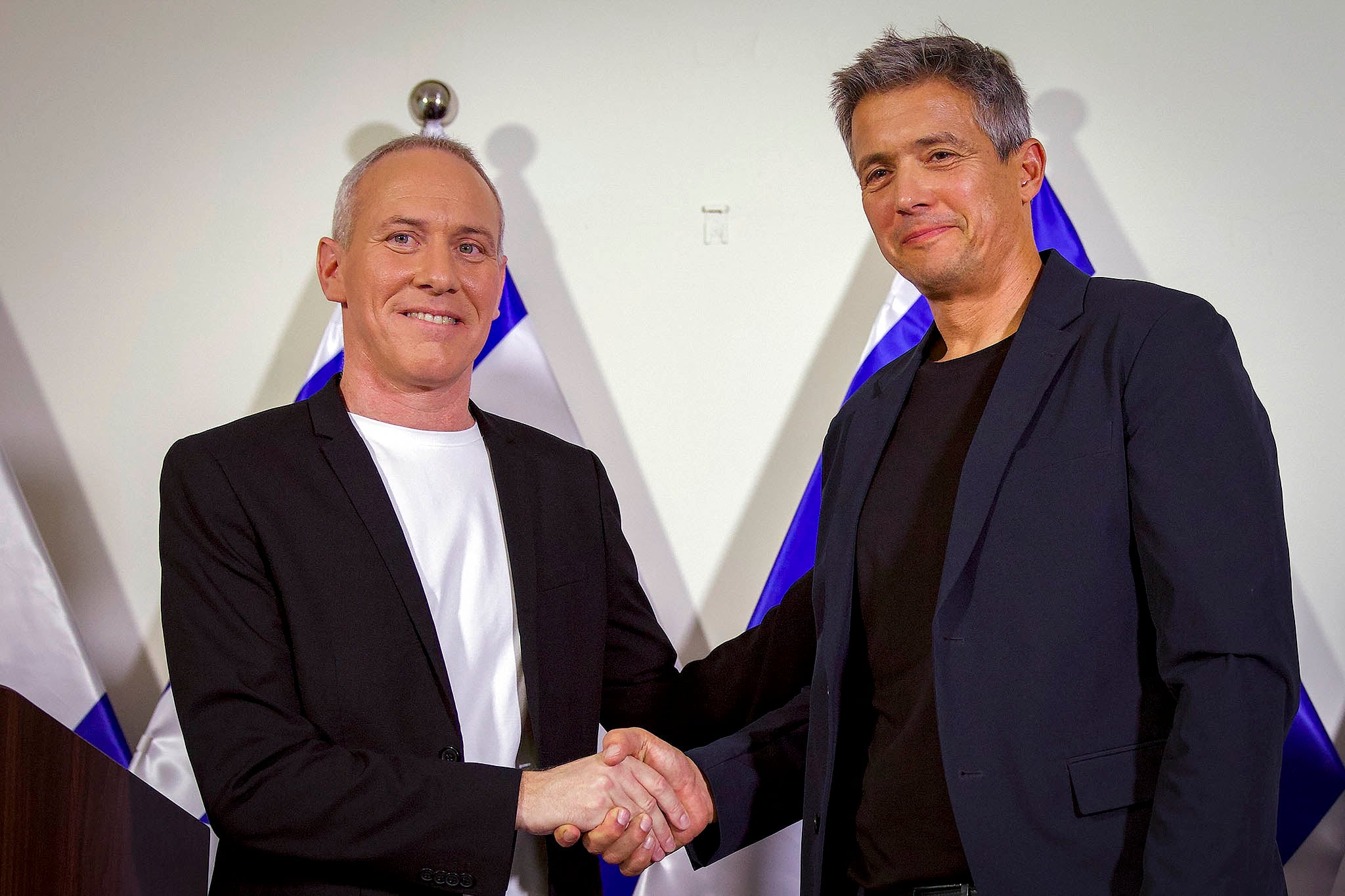
Hendel, a political scientist and former communications minister who was once an aide to Netanyahu, is one of several right-leaning figures who have denounced the government’s bid to codify the Haredi exemption from military service, but who have not explicitly ruled out being part of a coalition with the premier.
Tropper, who left Benny Gantz’s Blue and White this summer as part of a wave of defections as the center-right party hovered at or beneath the electoral threshold, and Hendel conditioned their participation in any coalition on “the establishment of a Zionist government and the passage of a conscription law” — while one party source told The Times of Israel that they want “to become the kingmaker and determine the makeup of the next government.”
Only a day after Hendel and Tropper launched their campaign, former Likud ministers Gilad Erdan and Yuli Edelstein formally rolled out their own new faction, Unity, at an event in Tel Aviv as part of an effort to capture Likud voters dissatisfied with the direction the party has gone under Netanyahu — bemoaning the current state of their former party and promising to only join a broad consensus government.
Erdan, 55, first entered the Knesset with Likud in 2003 and went on to serve as public security, communications and regional cooperation minister, and from 2020-2024 held the role of Israeli ambassador to the United Nations.
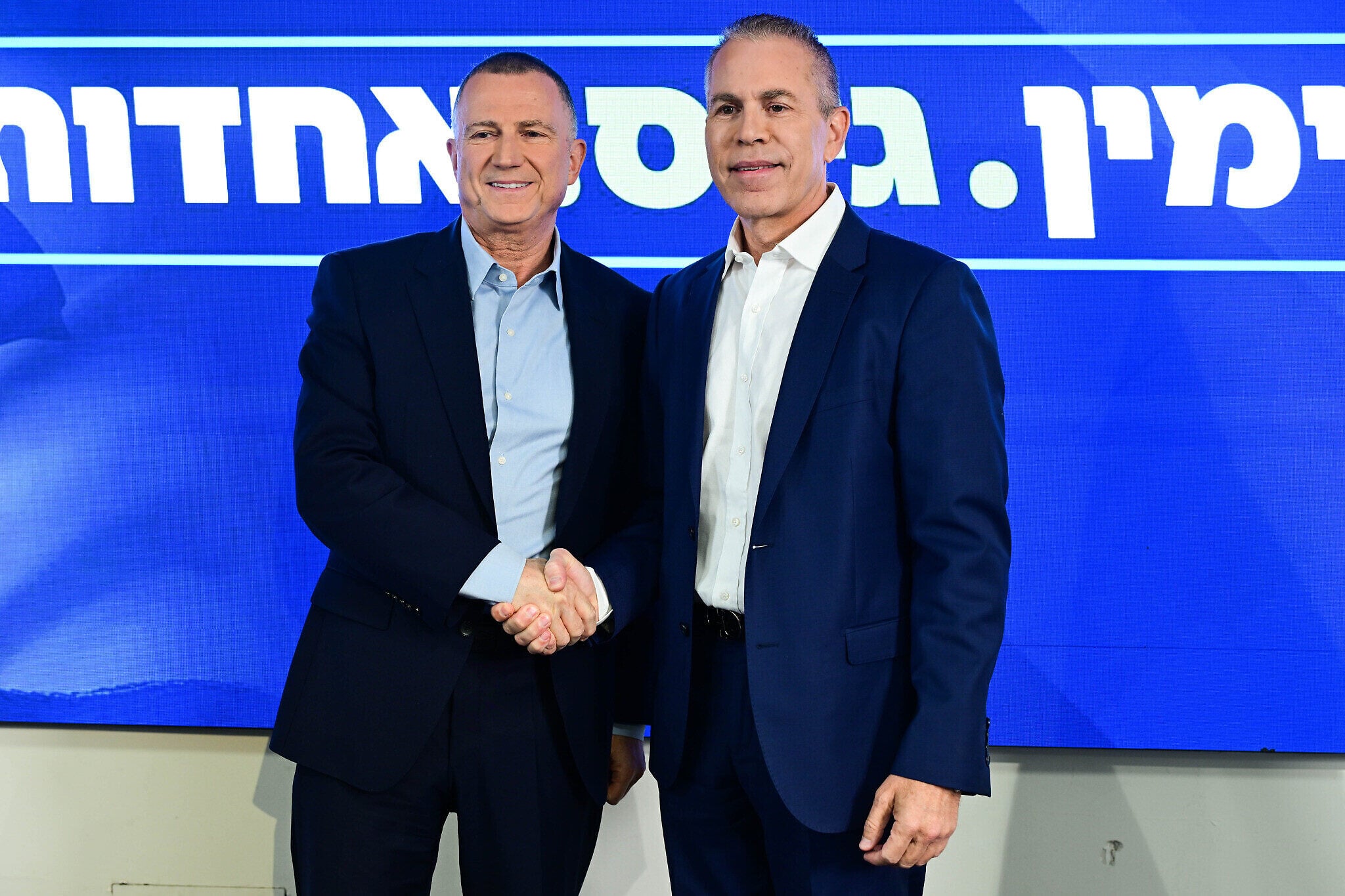
Edelstein — a former refusenik who moved to Israel from the Soviet Union in 1987 — first entered the Knesset with the Yisrael B’Aliyah party in 1996 before it merged with Likud in 2003. He has served as health minister, speaker of the Knesset, and chairman of the Knesset Foreign Affairs and Defense Committee.
He was ousted as FADC chairman by his own party last year after he insisted on tougher sanctions against Haredi draft dodgers, and last month he announced he was quitting Likud because he opposed its bid to legislate military draft exemptions for yeshiva students.
The pair did not, however, explicitly rule out sitting with Prime Minister Benjamin Netanyahu in a future government. In response to a question Thursday evening, Erdan said he would not deal with “disqualifications or personal boycotts,” adding that “as long as Netanyahu is elected by the people, it is his right and his duty to serve as prime minister.”
“We will of course respect any democratic decision by the people, yet we believe in a broad Zionist government that will not be dependent on Haredi or Arab parties,” Erdan said.
Despite this, the new party came under harsh criticism from Likud — which Erdan claimed had recently offered him a spot on its list — with a party spokesman accusing it of “working to steal votes and transfer them to the fraudulent government of the left bloc headed by Eisenkot with [Democrats leader] Yair Golan and the Muslim Brotherhood.”
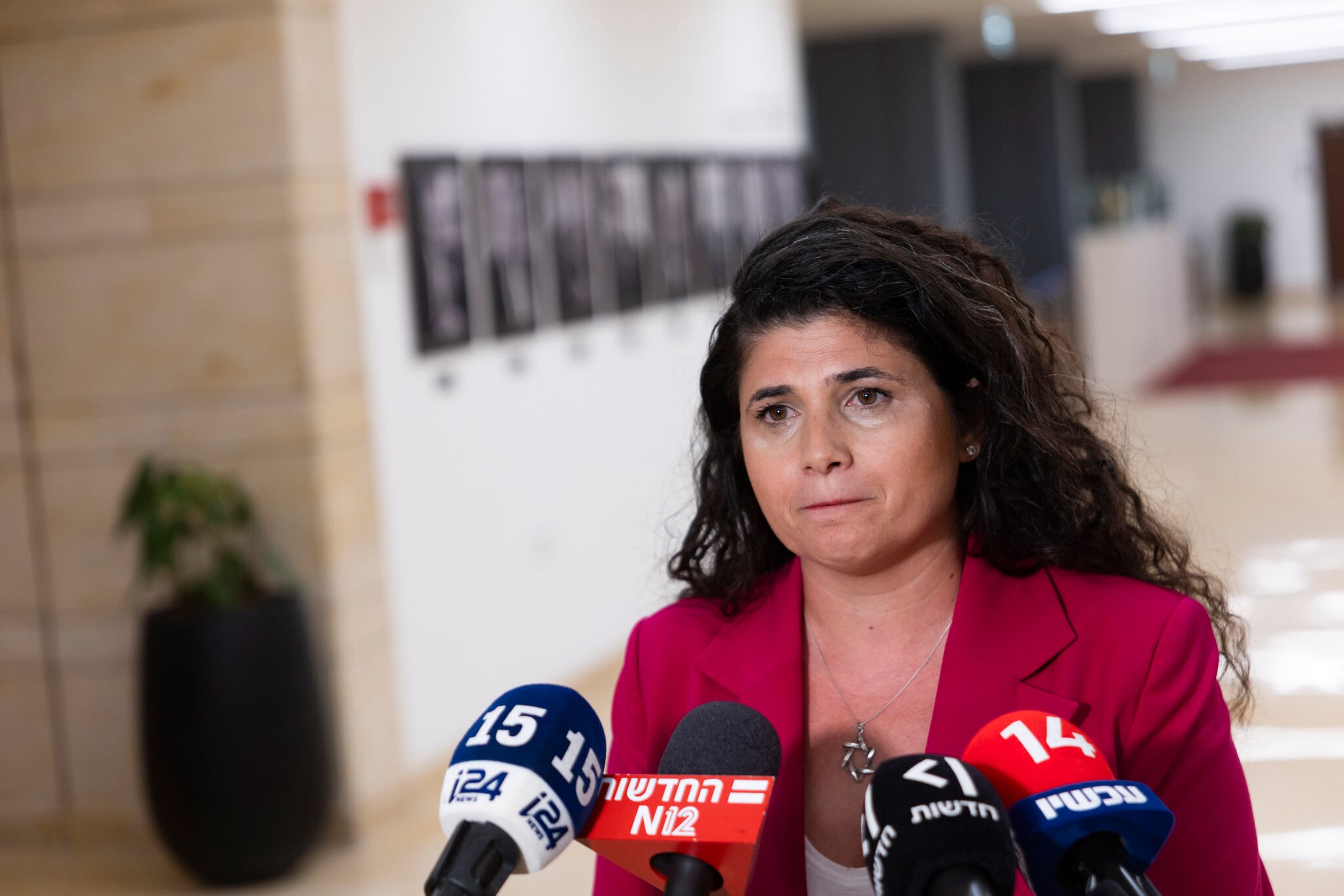
Despite being involved in discussions over the formation of Erdan and Edelstein’s party since the beginning, fellow former Likud MK Sharren Haskel was not included in the new faction, instead announcing the formation of her own Third Bloc party, dubbed Israel First.
Haskel entered the current Knesset as part of Foreign Minister Gideon Sa’ar’s New Hope, but opposed its March 2025 merger with Likud and has refused to run on the joint list. Last month, she resigned from her role as deputy foreign minister and left the government, after the Knesset passed a law she opposed banning the arrest and prosecution of Haredi draft dodgers.
She has since petitioned the High Court of Justice to order New Hope and Likud to formally complete their merger, arguing that they deliberately left the process unfinished to prevent her from splitting off as a one-member faction and taking with her the state funding attached to her Knesset seat.
So far, Haskel has not announced any other members of her party, which is widely expected to seek to merge with another faction ahead of the election.
An opposition rebel
And finally, there is Benny Gantz’s Blue and White.
While not one of the new right-wing or center-right parties established in the run-up to the election, Gantz’s severely weakened faction has certainly positioned itself as part of the so-called Third Bloc, which is seeking a unity government.
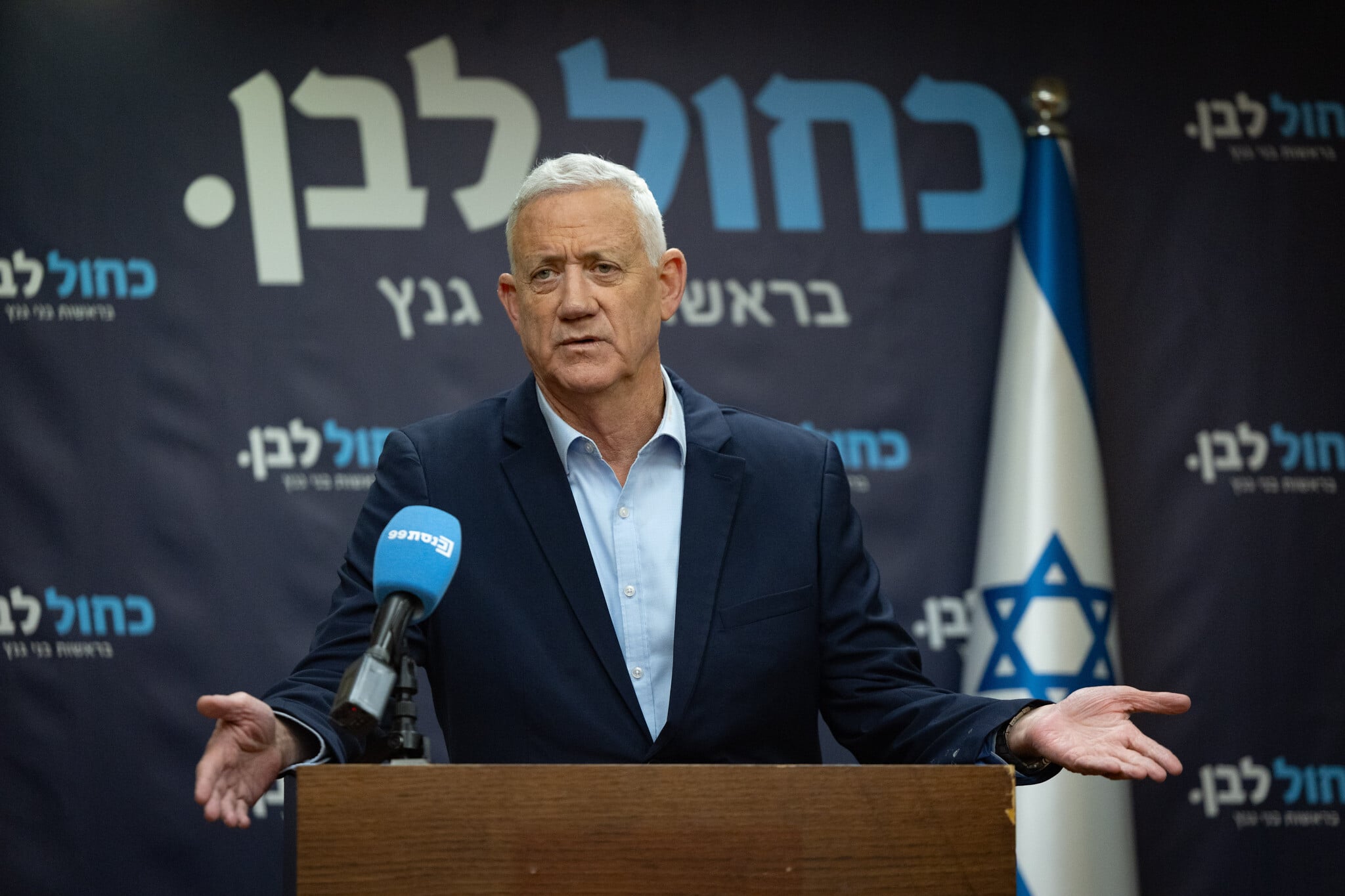
A former IDF chief of staff who served as defense minister under Bennett and twice joined Netanyahu governments, Gantz’s power and influence have been hit hard by a wave of defections over the past year sparked by former party number two and current Yashar chairman Gadi Eisenkot’s resignation.
Gantz has distanced himself from the rest of the so-called opposition “change bloc,” calling for a broad unity government and prompting fellow opposition party leaders to urge him to quit the race. The rump faction recently welcomed former Israeli Fire and Rescue Services Commissioner Dedy Simhi, who has a similar approach to Gantz, stating in June that Blue and White would be prepared to join a coalition with everyone except for the Arab parties.
Jockeying for position
Despite presenting themselves as the key to breaking the deadlock of Israeli politics, the members of this Third Bloc are divided over how to accomplish such a feat and, being small and fractured, have largely failed to rally the voting public — let alone gain enough support to potentially force an inter-bloc coalition.
A poll by the Kan public broadcaster on Sunday found that if elections were held today, neither Zionist Home nor Erdan and Edelstein’s Unity party would pass the electoral threshold, with Blue and White also falling far short of entering the Knesset. The electoral threshold is set at 3.25%, which means a party must receive four seats in order to enter the Knesset.
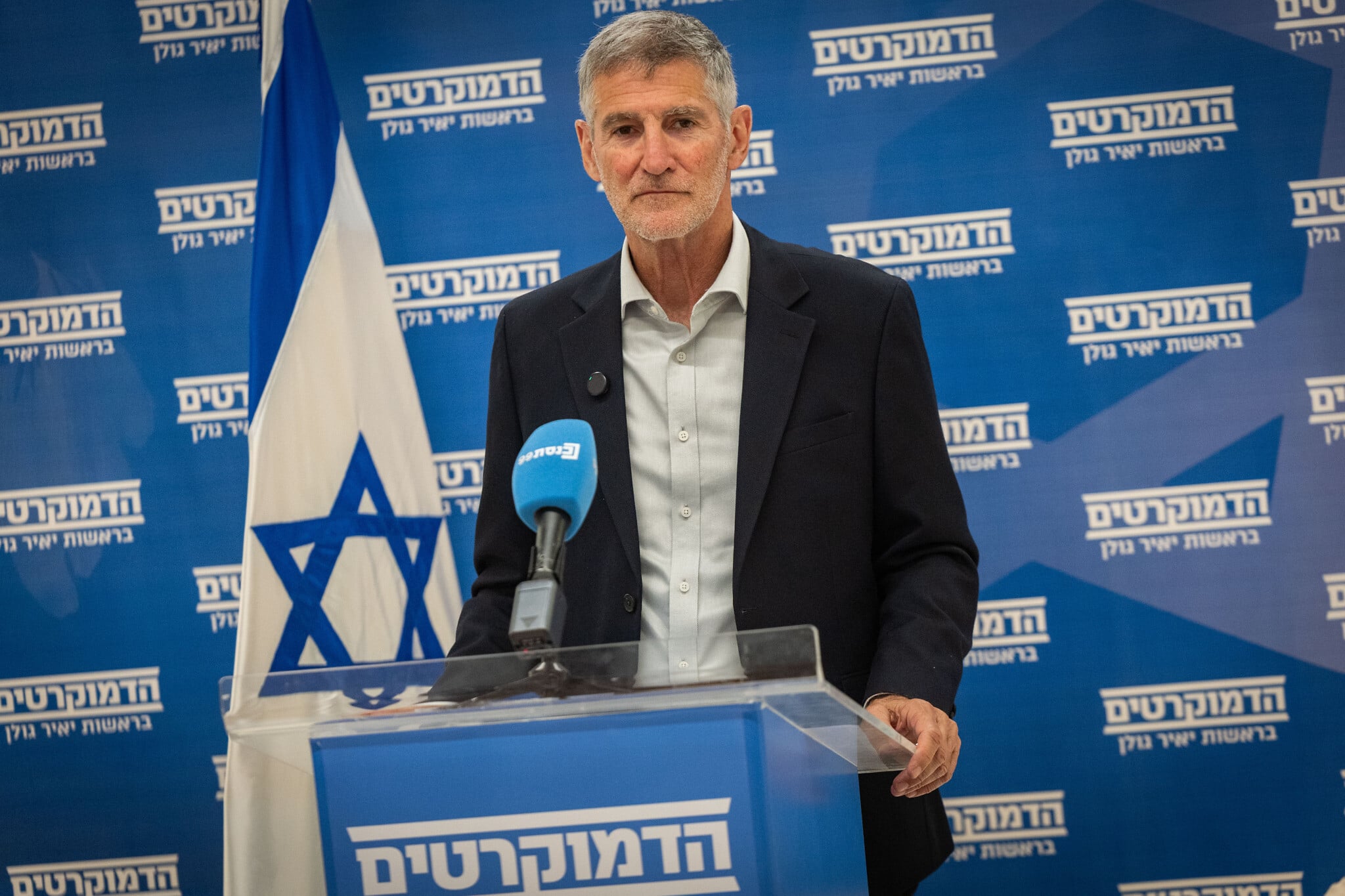
The poll also found that their entrance into the race had not affected the overall political picture, with neither the pro- nor anti-Netanyahu blocs gaining enough seats to form a government following the October 27 election.
Talks both between the various Third Bloc factions themselves and with the larger opposition parties are ongoing but have so far been complicated by a variety of issues, including their starkly diverging views on which political actors are kosher partners.
Speaking with the Ynet news site, Erdan indicated that talks with Tropper broke down over the issue of sitting in a narrow opposition-dominated government together with Yair Golan’s left-wing Democrats party.
Tropper “told me honestly that his intention is that if Gadi Eisenkot …has the option to complete a narrow government with Yair Golan, meaning that Yair Golan would be the factor determining the fate of that coalition, then he will complete it for him. And I am not willing to do such a thing,” he said, asserting that he would neither “join any narrow government” nor give Eisenkot the final mandates needed to reach 61 seats.
Gantz and Simhi have also reportedly held talks with Hendel and Tropper’s Zionist Home but failed to agree on a merger. The main sticking point in the negotiations, according to a source, was Gantz and Simhi’s willingness to sit in a government with the ultra-Orthodox parties.
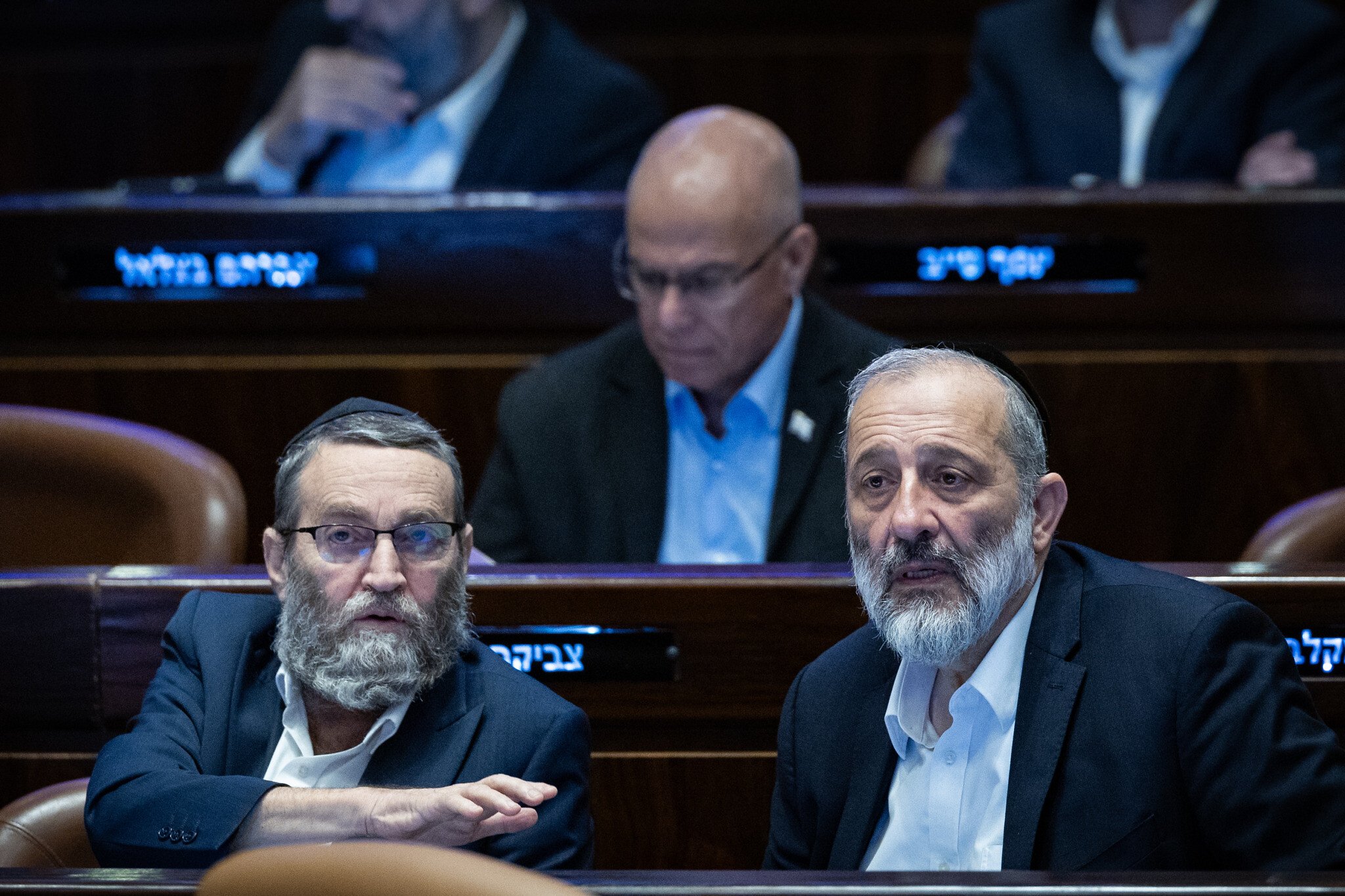
While not explicitly saying he won’t sit with Netanyahu, Hendel told Ynet the prime minister “needs to go home, and I will never agree to complete 61 seats for him” but that he would sit “a unity government, with 70–80 Zionist seats.”
“I reject the baseline assumption of many in the media who say I have to choose either a government with Haredi parties or a government with Arab parties,” he added.
A lack of leverage
However, it is extremely unlikely that even if the Third Bloc parties manage to merge, they will be able to garner enough leverage to convince the pro- and anti-Netanyahu blocs to give up partners such as Golan (for the opposition) or the Haredim (for Likud) in favor of a broad-based Zionist government.
Political observers and insiders have largely rejected their aspirations to be “kingmakers,” as one Third Bloc source put it, as posturing aimed at obtaining better terms for mergers or to secure spots on the lists of larger parties.
“They’re not really parties, they’re groups of people that are looking to improve their position in order to join up with one of the [larger] parties on the last day of the submission of the lists,” one veteran opposition source told The Times of Israel, referring to the September 9 deadline for parties to submit their candidate lists ahead of October 27’s election.
“None of them are running seriously. The only ones who might really be running seriously are Edelstein and Erdan, but that’s sort of like a collection of people that no one wants to take,” the source claimed, speculating that Haskel formed her own party purely to gain leverage with Erdan and Edelstein to eventually secure a higher place on their list.
According to Channel 13, B’Yachad chairman Naftali Bennett has been pushing Tropper to merge their lists in what the network described as “full unification.” However, it reported, Tropper was currently looking into a deal with Eisenkot’s Yashar party.

“The reality is that [the final coalition] is either going to have the Haredim or Yair Golan. That’s just the reality. When you have these parties saying ‘we’re going to force unity,’ that’s bullshit,” the source asserted, noting that the law allowing for a prime ministerial rotation had been taken off the books.
“I don’t see, after this whole big election, that Gadi or Naftali or anybody agrees to an agreement where Bibi maintains his premiership just so that they can go into government,” the source added.
A second senior opposition source agreed, stating that it is “massively too early” to know which parties will end up merging. “They are jockeying for position, but decisions always happen on the last day.”
Ariela Karmel contributed to this report.









The Times of Israel Community.