

King Charles III expresses ‘sorrow’ over slave trade at Commonwealth confab in Antigua
Charles stops short of apologizing outright, acknowledges slave trade ‘still casts a shadow’ on affected nations, as group of protesters gathers outside conference opening ceremony
 Add ToI as a Preferred Source on Google
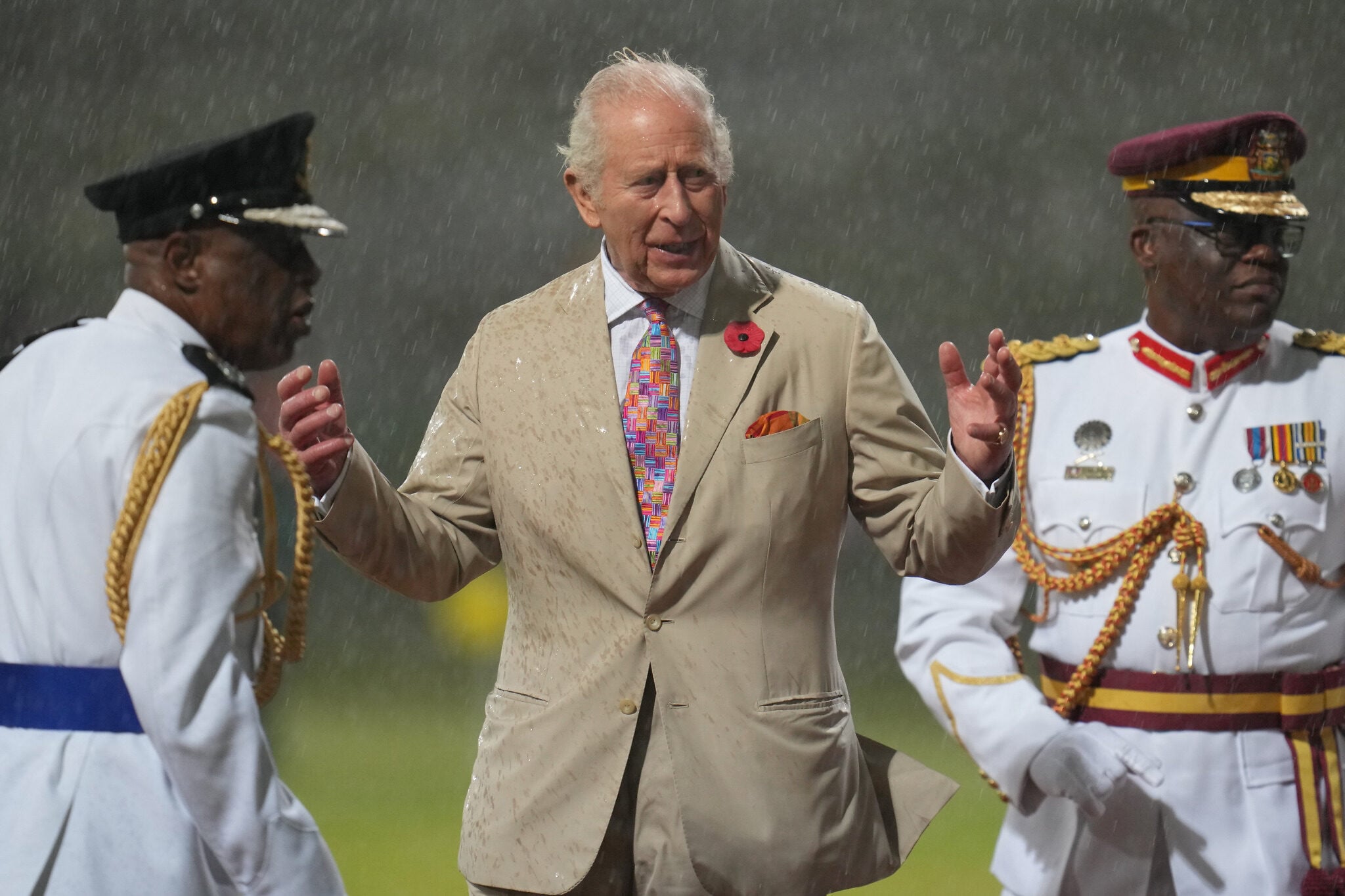
ST. JOHN’S, Antigua (AP) — King Charles III called the transatlantic slave trade a “shameful chapter of history” during a speech Tuesday at the official opening of the Commonwealth Heads of Government Meeting in Antigua.
Charles spoke just days after British Prime Minister Andy Burnham said he is open to making a formal apology and proposed leading a program of debt restructuring to help the Commonwealth’s poorest countries, although he has rejected calls for the UK to pay reparations.
Charles said that the transatlantic slave trade “still casts a shadow over these islands and other members of our Commonwealth” but did not apologize.
“That shameful chapter of history is one that fills my heart with horror and my soul with the most profound personal sorrow, and yet, history also teaches us that evil not need have the last word, but character and courage can combine to overcome the most monstrous injustice,” he said.
He noted that the Royal Navy played “a leading role” in ending the slave trade and that he is finding ways to address the wrongs through improving access to education, investing in jobs, encouraging intra-Commonwealth trade and pushing for climate change resilience measures.
“We cannot change the actions of those who came before us,” Charles said. “We can, however, learn from the past.”
Ahead of his speech, a small group of protesters gathered outside the meeting, holding up signs that read “Acknowledge the wrong. Commit to repair” and “You say you regret so apologize. Reparatory justice now!”
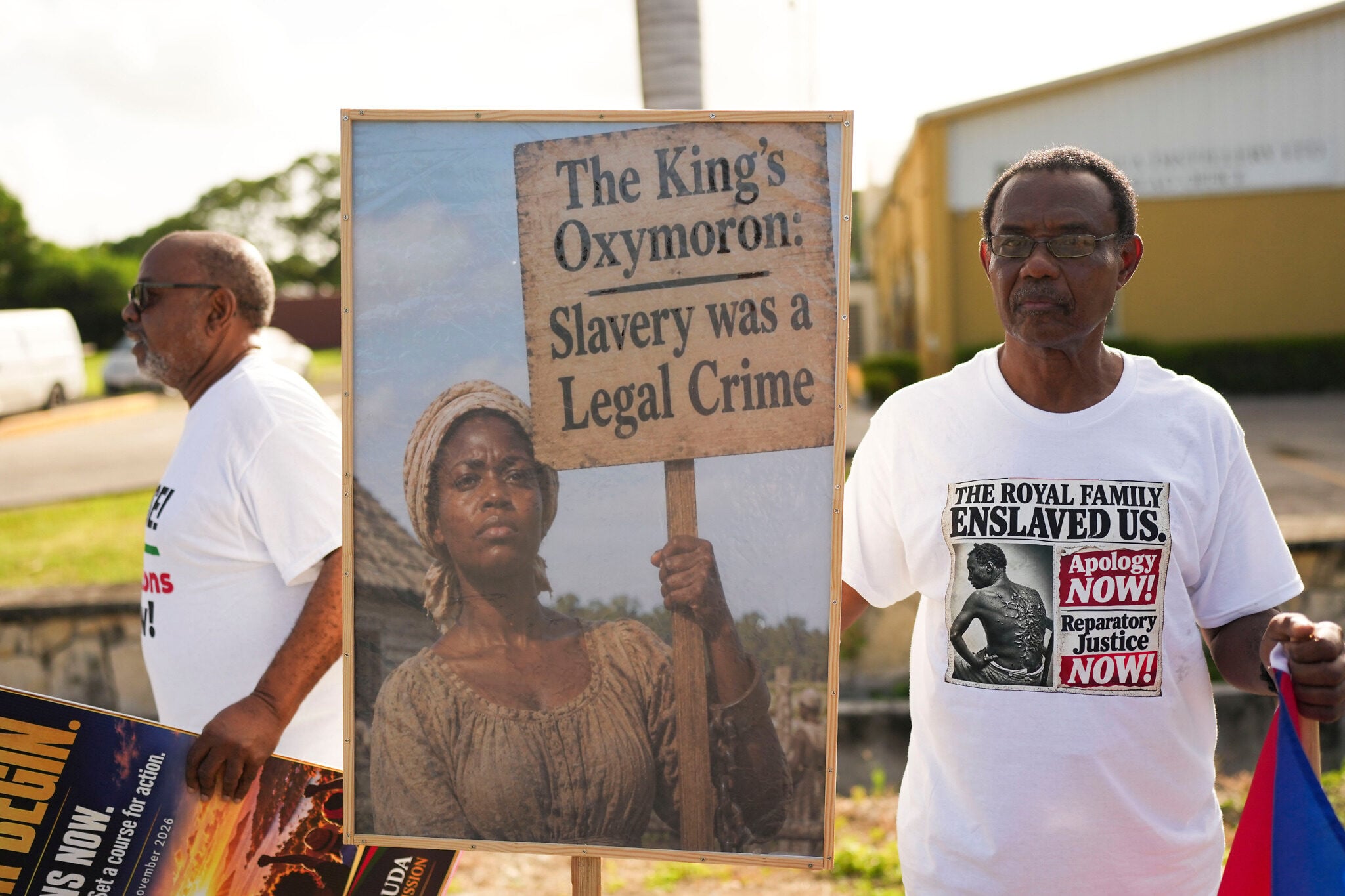
Among the protesters was Shana Michelle of Antigua.
“Technically, we’re free, but mentally a lot of us aren’t,” she said. “If you look at the way we speak about ourselves, our skin, our hair, how we describe ourselves, you can see we still have those vestiges of colonialism in our speech, and we have to get away from that.”
Michelle asserted that the British government knows what happened was wrong.
“They don’t want to acknowledge it because then it would open them up to accountability for their actions,” she said. “This is not just an apology. You have to apologize, yes. That is where we start with the repair.”
Britain’s royal family has a long association with the transportation and selling of enslaved people for profit. Elizabeth I backed the lucrative dealings of John Hawkins, one of Britain’s first slave traders, and Charles II encouraged the expansion of the enterprise. As the slavery abolitionists campaigned against the trade, they were opposed by the Duke of Clarence, George III’s son, who later became William IV.
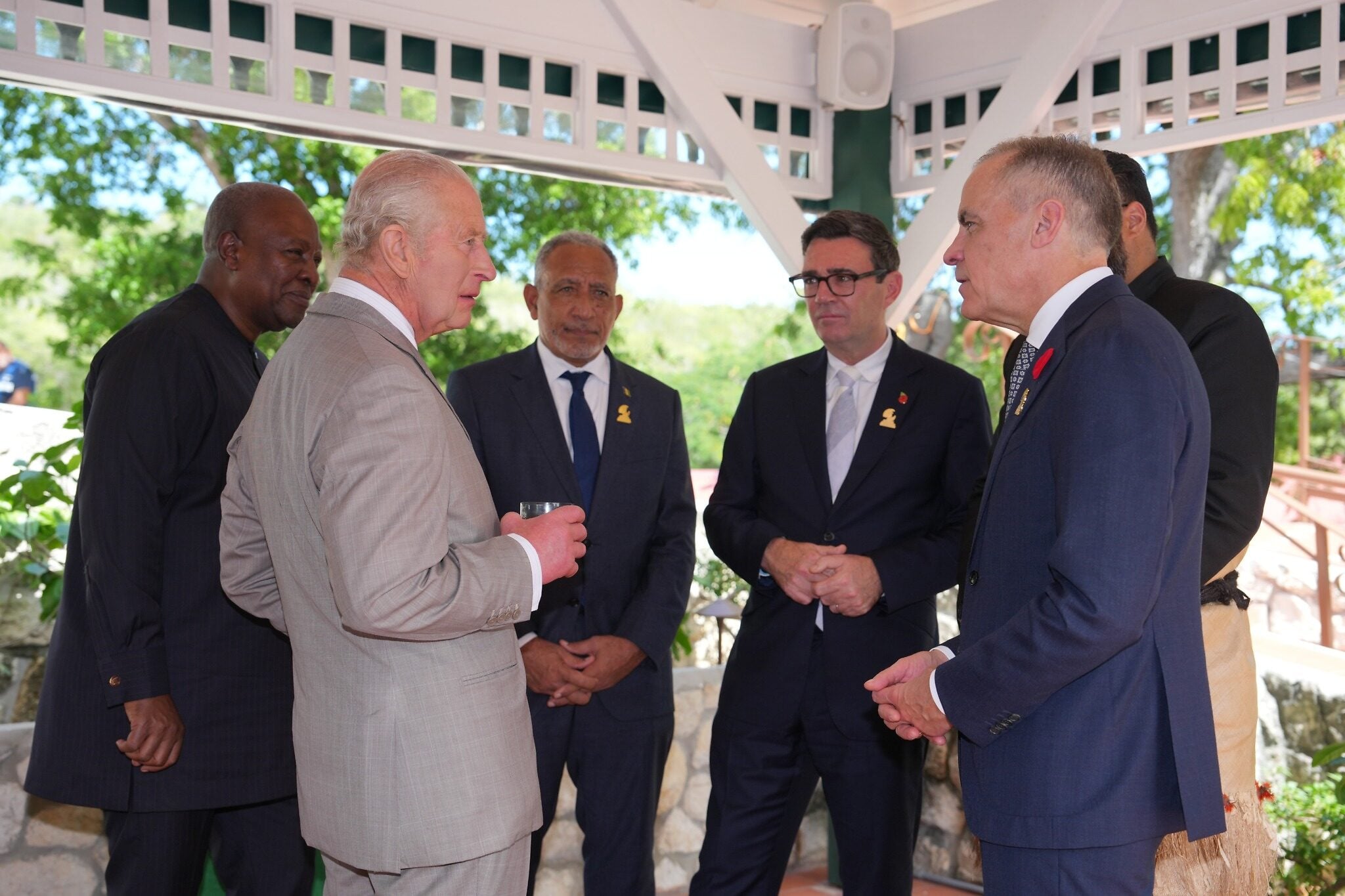
On Tuesday, world leaders including Burnham, Australian Prime Minister Anthony Albanese and Canadian Prime Minister Mark Carney walked past the protesters and into a theater where the official opening ceremony was taking place.
The Commonwealth is made up of 56 nations, and several heads of government representing about a third of the world’s population have met in recent days ahead of the official ceremony. Antigua and Barbuda Prime Minister Gaston Browne noted Tuesday that a “significant amount of funding” has been pledged for several initiatives.
Officials announced Monday that the Commonwealth Nature Initiative had generated more than $200 million in pledges to protect at least 30% of the world’s land and oceans by 2030.
“Countries whose futures are shaped by international decisions must have a meaningful voice in making them,” Browne said. “No nation should be forced to mortgage its future simply to survive its present.”


The Times of Israel Community.