

El-Sayed, AIPAC, antisemitism and Israel: 5 US midterm races to watch
Tuesday’s votes will test Jews’ longstanding support for Democrats, weigh pro-Israel candidates from both parties, and measure the far left’s influence on support for moderates

 Add ToI as a Preferred Source on Google
Luke Tress is The Times of Israel's New York correspondent.
With Democrats hoping to exploit US President Donald Trump’s unpopularity to win control of Congress during national and state races around the US on Tuesday, the stakes are high for Jews as well, with many of their concerns on the ballot.
A central issue is how Jews will handle the Democratic Party’s increasing hostility to Israel.
Most American Jews have long been aligned with the Democratic Party, but far-left candidates have alarmed some Jewish voters in areas including New York and Michigan.
Some of the races will test whether anti-Zionism in the party and issues surrounding Israel and antisemitism will alter Jewish American voting patterns.
Polling indicates that American Jews are also largely opposed to Trump.
Other elections are pitting pro-Israel candidates from each party against one another, while yet others will test potential presidential candidates or measure the far left’s influence on support for more moderate Democrats.
El-Sayed in Michigan
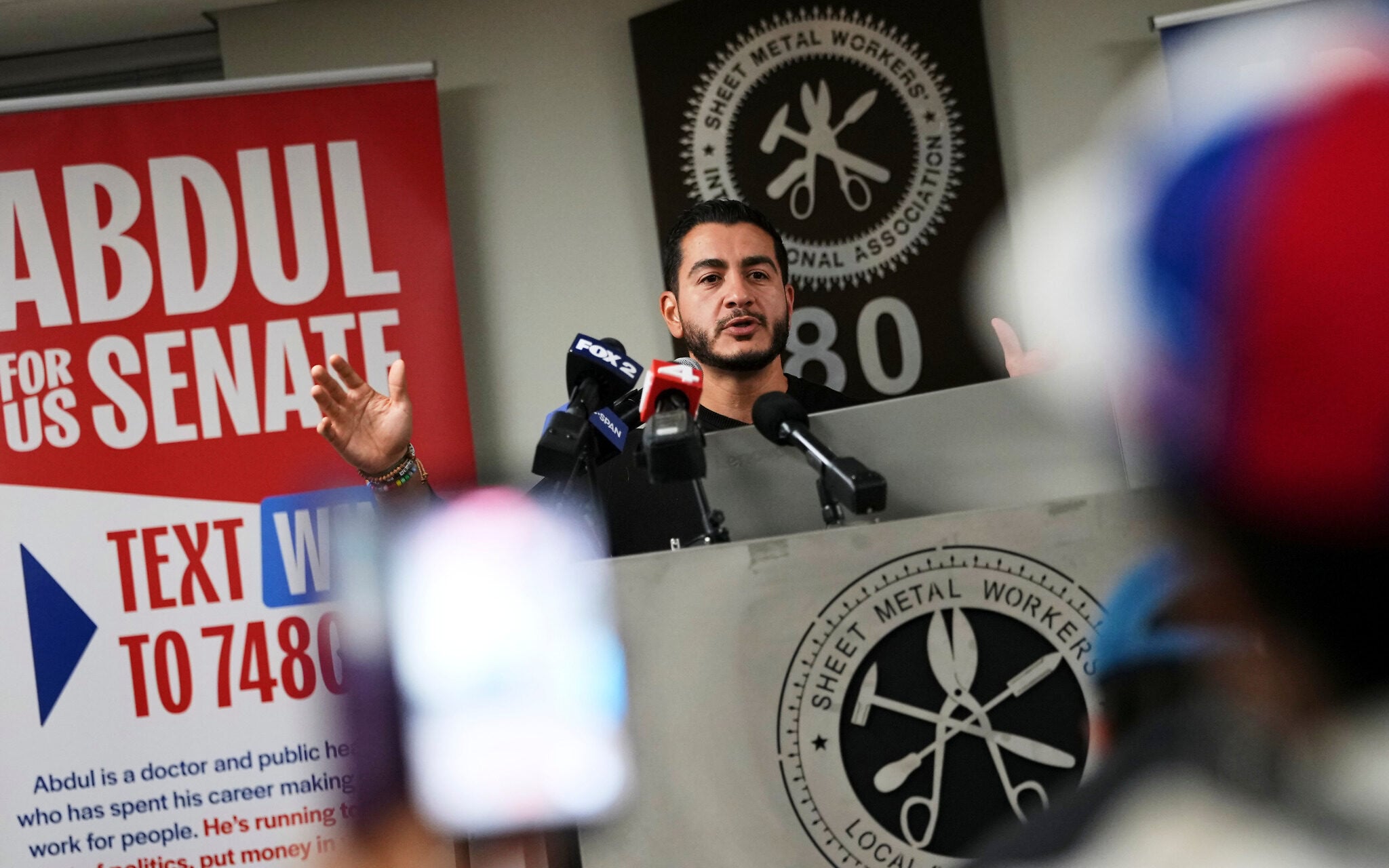
The Michigan Senate race, pitting Democrat Abdul El-Sayed against Republican Mike Rogers, is serving as a litmus test for Jews’ longstanding support for the Democratic Party.
El-Sayed has repeatedly alarmed Jews with his rhetoric about Israel and Jewish issues, particularly his response to an attempted terrorist mass killing at a Michigan synagogue and preschool: “Hurt people hurt people.” He later apologized for the comment.
Democrats will likely need to hold onto the Michigan Senate seat to gain control of the chamber. The Democratic incumbent, Gary Peters, is retiring.
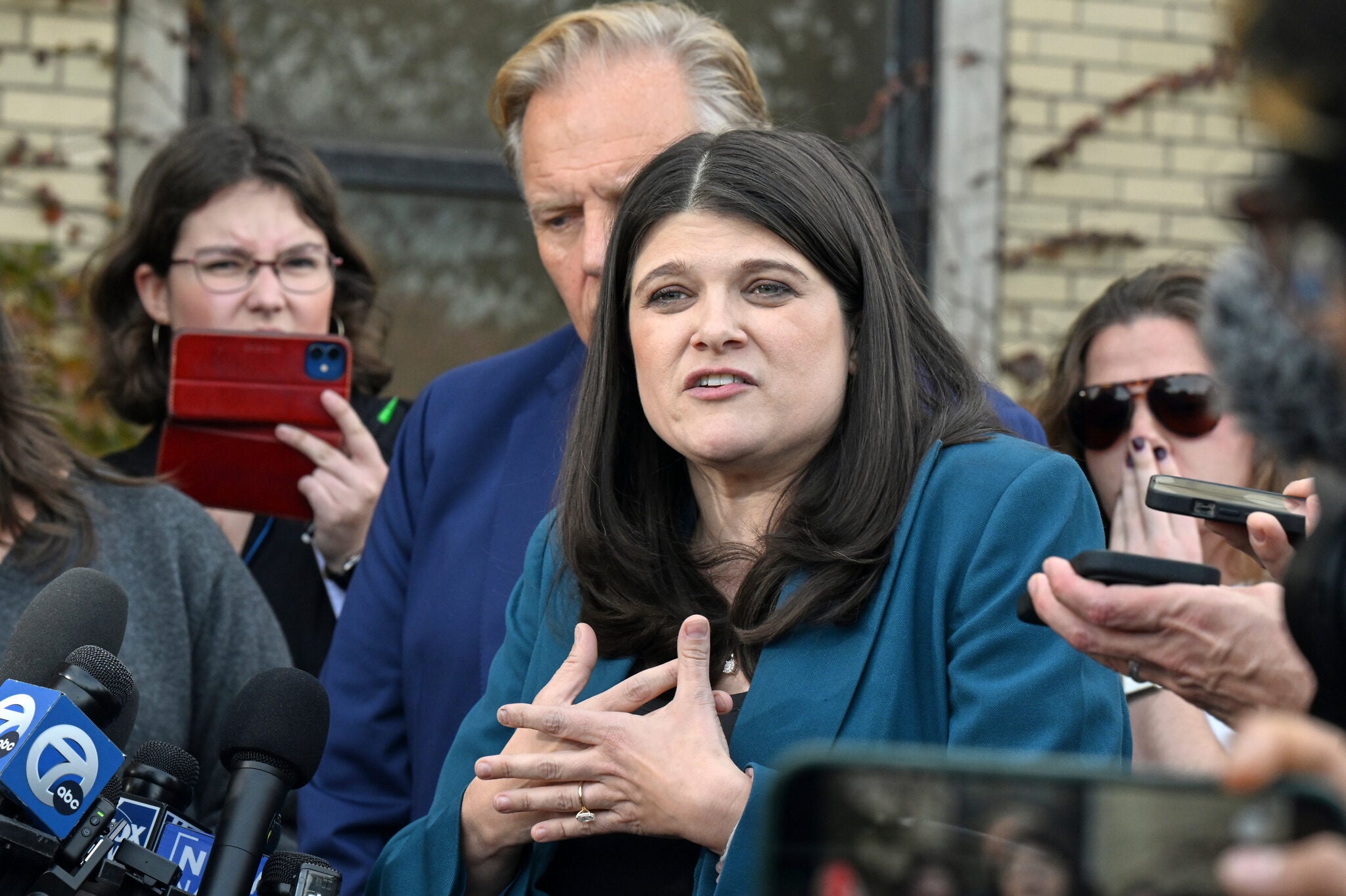
The race’s role as a crucible was clear over the weekend when El-Sayed’s opponent in the Democratic primary, Haley Stevens, issued a shock endorsement of Rogers.
Stevens and El-Sayed, while both Democrats, had been uncomfortable as teammates since the primary. Those tensions climbed further when El-Sayed supporter Cenk Uygur, a far-left commentator, posted an El-Sayed advertisement blaming Israel for expensive groceries in the US.
El-Sayed distanced himself from the ad, but the video sparked a back-and-forth with Stevens, who also criticized El-Sayed for his relationship with streamer Hasan Piker, Uygur’s nephew.
Leading Democrats fumed at Stevens after her endorsement, with Jewish Senate Minority Leader Chuck Schumer denounced her “despicable betrayal.”
In the Michigan maelstrom are many Jewish voters who are opposed to both El-Sayed and the Republican Party.
Nonnegotiable Michigan, a Jewish advocacy group, had pushed El-Sayed to make commitments to Jewish safety and self-determination for weeks.
On Sunday, the group said it was urging Jewish Democrats to write in Emma Lazarus, the 19th-century Jewish American poet, as a candidate if they could not support either El-Sayed or Rogers.
Other Jews in Michigan are supporting El-Sayed.
2 pro-Israel candidates in the Hudson Valley
New York’s 17th Congressional District, north of New York City, presents a different kind of test.
The race is between incumbent Republican Mike Lawler and Democratic challenger Cait Conley.
Unlike some other contentious House races, both Lawler and Conley are pro-Israel.
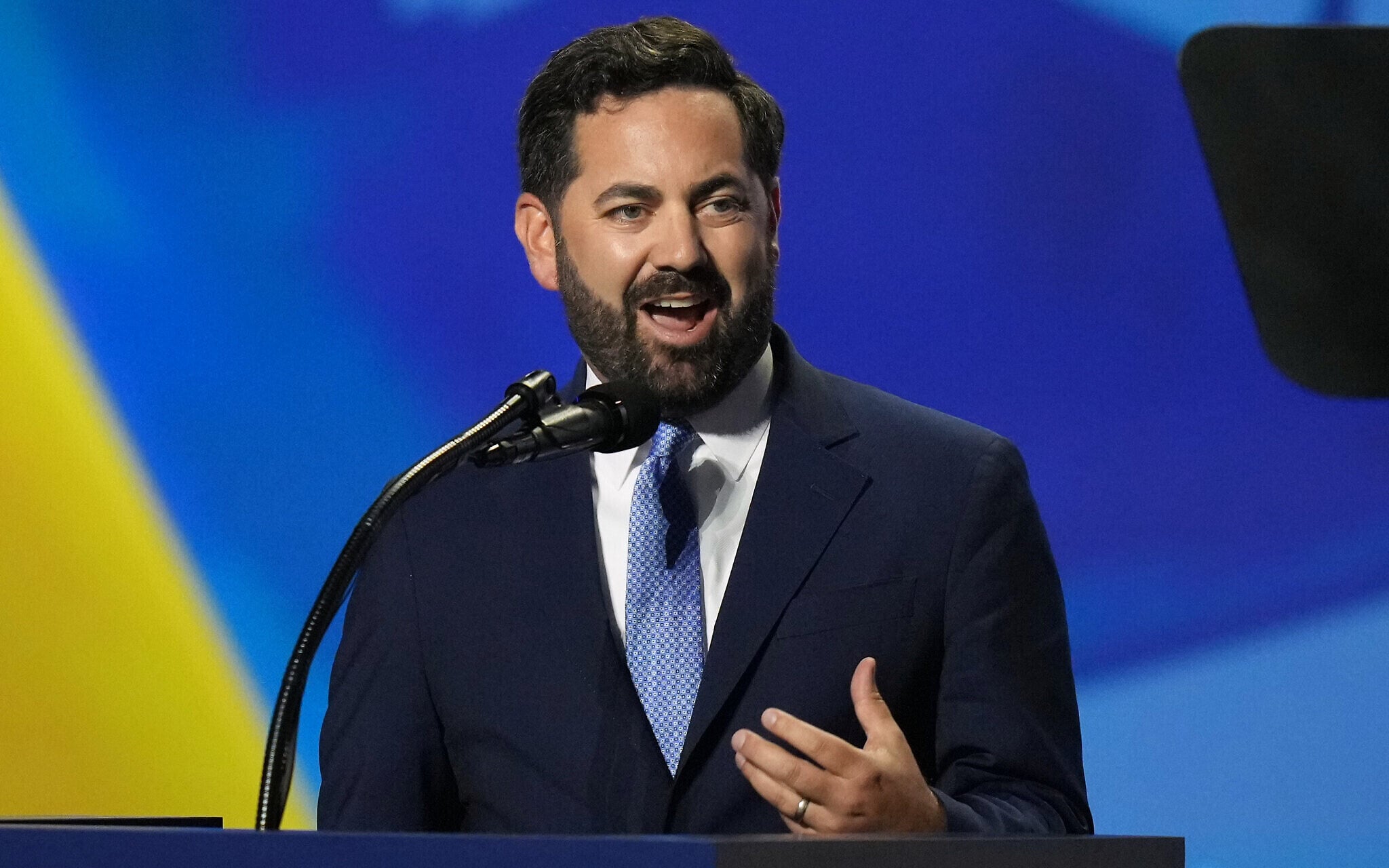
Conley is a decorated military veteran and former national security official who has backed Israel’s partnership with the US and distanced herself from New York City Mayor Zohran Mamdani’s anti-Zionism.
Lawler is an outspoken supporter of Israel who has built ties with Jewish communities, particularly Orthodox and Hasidic groups, in the Hudson Valley district since taking office in 2023.
An estimated 19 percent of the district’s residents are Jewish, according to a 2024 study commissioned by the Jewish Electorate Institute. Many Jewish voters in the district are Orthodox and lean conservative.
Conley will test the performance of a moderate, pro-Israel Democrat against a Republican with similar positions on Israel.
The two candidates are neck and neck in polls.
A potential presidential candidate in Georgia
In Georgia, incumbent Democratic Jewish senator Jon Ossoff is running against Republican Mike Collins.
Some of Collins’s family members and former employees have come under scrutiny for far-right politics, including antisemitic and white supremacist views.
Ossoff has angered some Jewish community members by voting to cut off some arms sales to Israel.
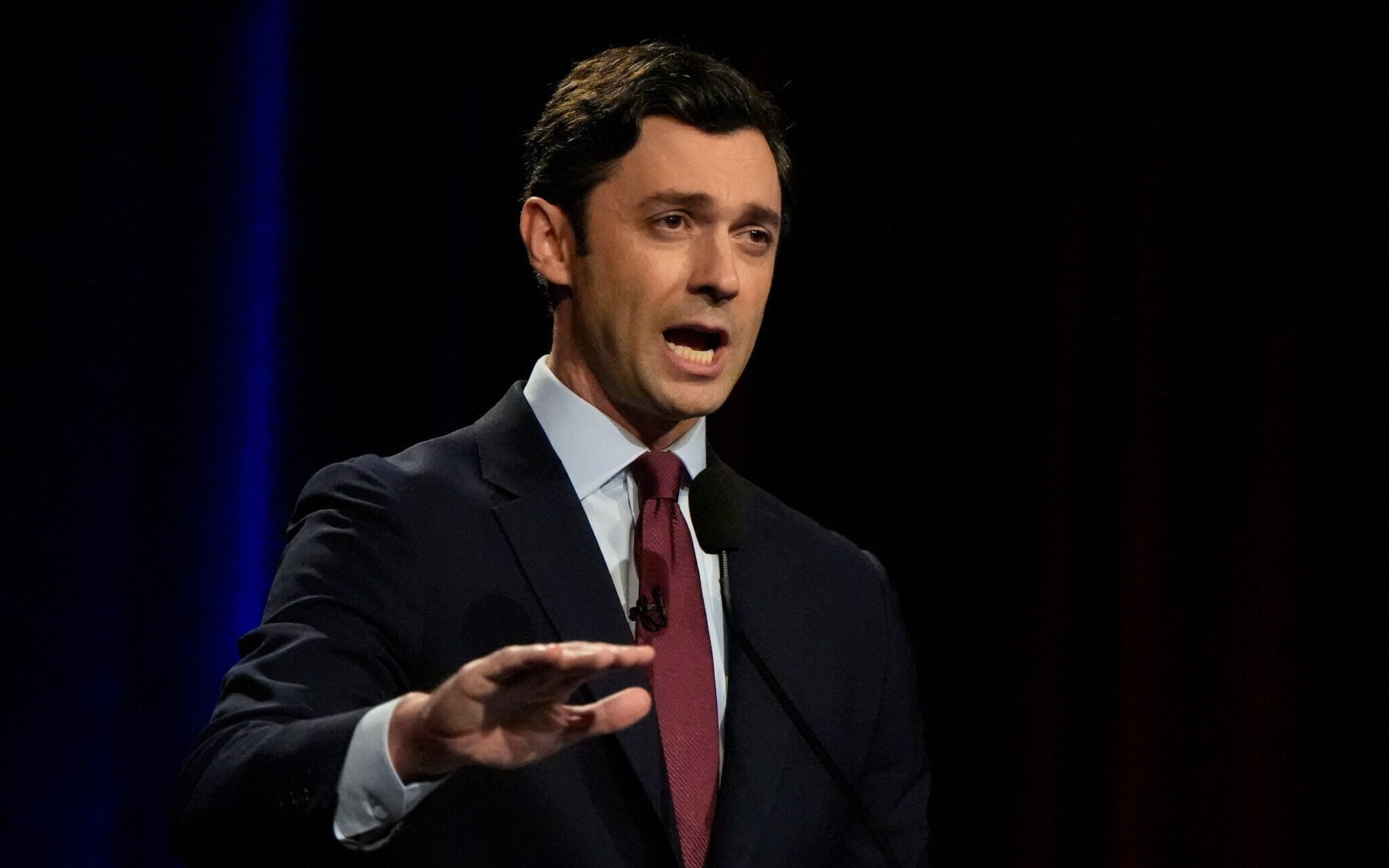
Ossoff has the backing of the Jewish Democratic Council of America.
The race is significant because Ossoff is seen as a potential 2028 presidential contender.
Polls put Ossoff ahead.
Mamdani an issue in NY governor race
The New York State governor’s race puts the moderate, incumbent Democrat Kathy Hochul against Republican challenger Bruce Blakeman, who is Jewish.
Hochul is supportive of Israel and New York’s Jewish communities and has attacked Blakeman’s ties to Trump during the campaign.
Blakeman has sought to tie Hochul to Mamdani, anti-Zionist protests and antisemitism.
Jews are targeted in hate crimes far more than any other group in New York City, the largest Jewish community in the US, according to NYPD data.
Hochul has drawn some fire from pro-Israel Jews for her collaboration on campaigns and legislative initiatives with Mamdani, although she has distanced herself from some of his anti-Israel positions.
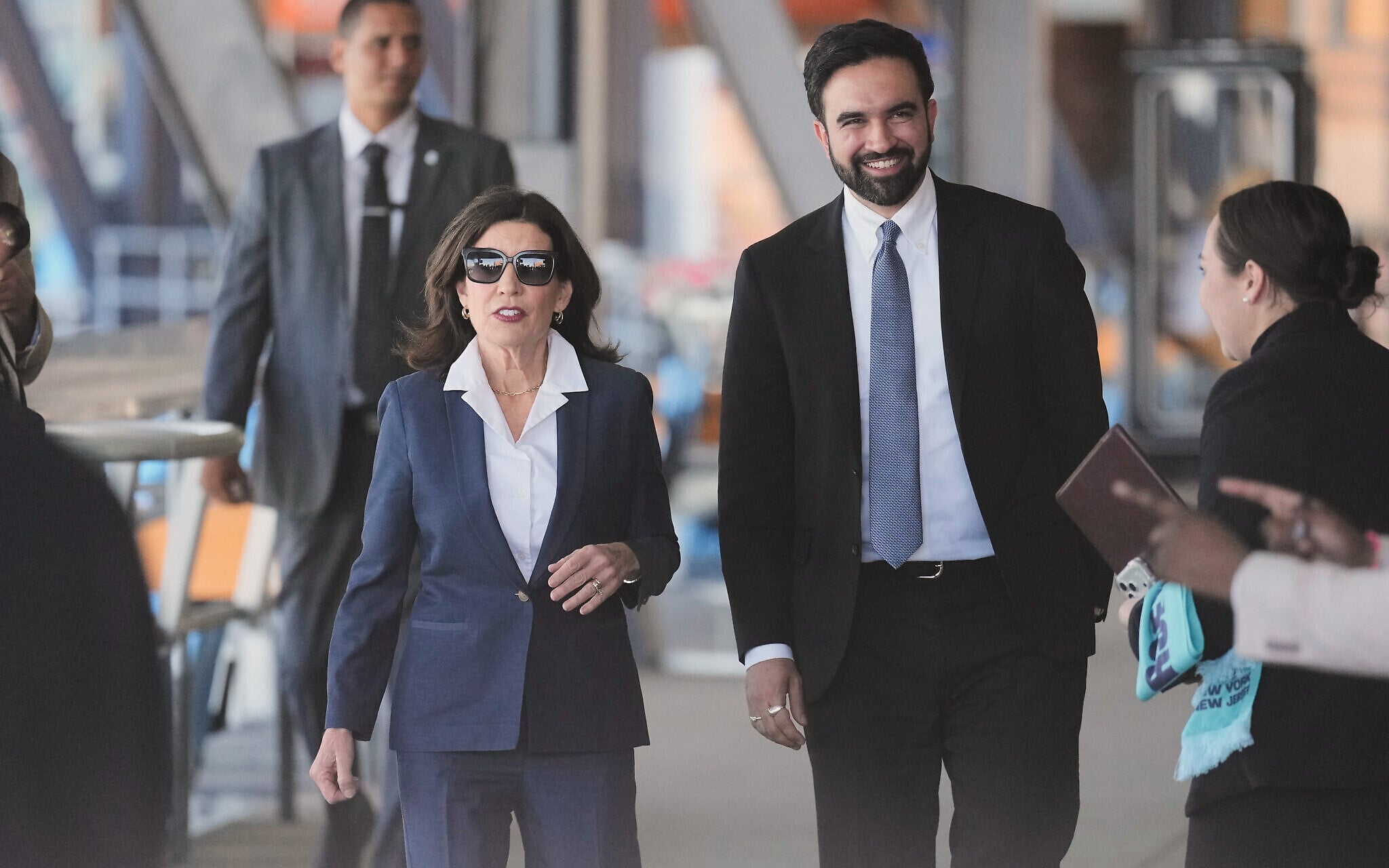
Hochul on Sunday, at the close of the campaign, went to a sports bar in Queens with Mamdani and US Rep. Alexandria Ocasio-Cortez, another prominent anti-Israel voice on the left.
Hochul holds a firm lead in the mostly Democratic state and has secured endorsements from Jewish groups, including Hasidic organizations in New York City.
Jewish votes for Blakeman could offer evidence of dissatisfaction with the Democratic establishment in New York State and show that an association with Mamdani and the far left can drag down more moderate Democrats with Jews.
Pro-Israel Jewish Democrat fights in Florida
US Rep. Jared Moskowitz, a Democrat, is running against Republican Scott Singer in Florida’s 25th Congressional District.
Both candidates are Jewish and are largely aligned on Israel, condemning accusations of genocide in Gaza and opposing efforts to cut off US military aid to Israel.
Moskowitz, an outspoken opponent of antisemitism on the left, has said he is “proud” to have the backing of the pro-Israel lobby AIPAC, a group that has been demonized on much of the left.
Singer, the former mayor of Boca Raton, has criticized Moskowitz for voting for the war powers resolution in 2026 that came in response to the Trump administration striking Iran without congressional approval.
Singer has also sought to tie Moskowitz to the Democratic Party’s left flank.
The two candidates are close in polls, although surveys have found varying results.
A loss for Moskowitz would remove one of the more prominent pro-Israel Jewish voices from the Democratic Party in the House.
JTA contributed to this report.






The Times of Israel Community.