

Iranian army: War could be longer than previous one, Trump won’t dictate its duration
Amid repeated threats by both Tehran and Washington, Iranian officials enter third day of Qatari-mediated talks in Doha; State Dept: ‘Hand of negotiation has been extended’
 Add ToI as a Preferred Source on Google
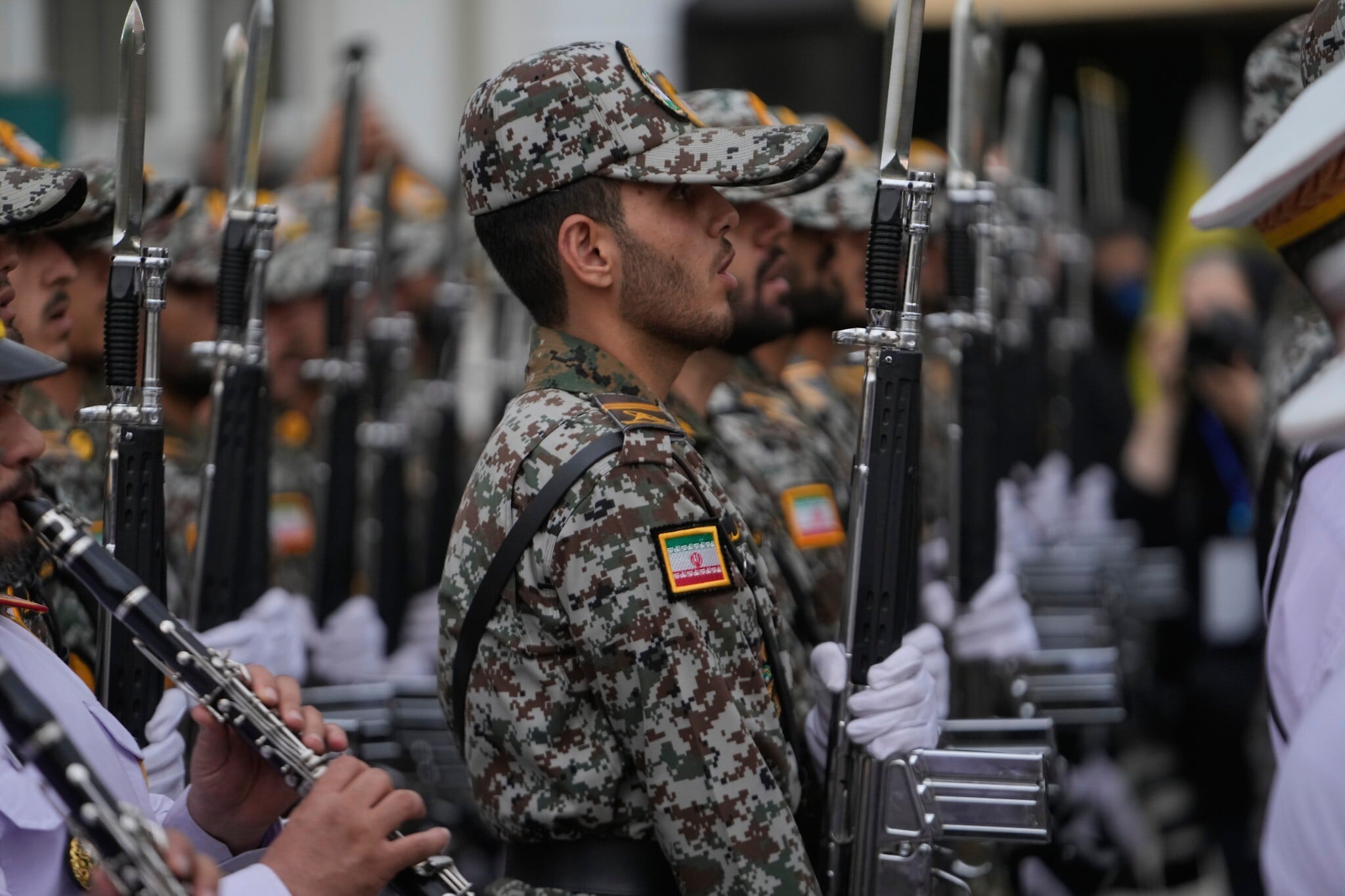
Iran on Sunday said that any renewed war with the United States or Israel could last longer than the previous round of fighting, warning that US President Donald Trump would not be able to dictate its end.
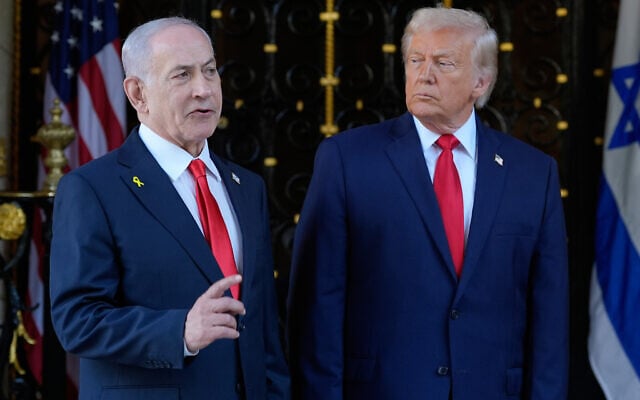
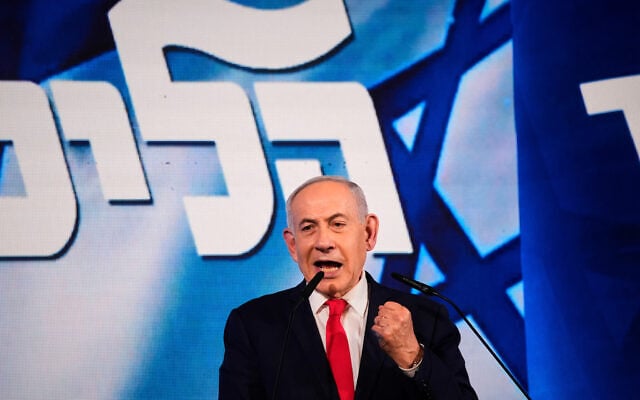
The statement came a day after Trump and Prime Minister Benjamin Netanyahu reportedly held a phone call to discuss plans to resume strikes on Iran, and amid reports that the US warned its Gulf allies to prepare for a possible new conflict to begin as early as November 4, a day after the US midterms.
“A potential future war could last longer than previous conflict, and the American president would not be in a position to dictate the timing or the conditions of its conclusion,” said Iranian army spokesman Mohammad Akraminia, according to Iranian state television.
In the most intense phase of the war, which began on February 28 with US-Israeli strikes on Iran and lasted several months, Tehran retaliated with thousands of missile and drone attacks across the region. Iran-aligned terror groups joined the fighting in Lebanon and Yemen, and the conflict spread across the region.
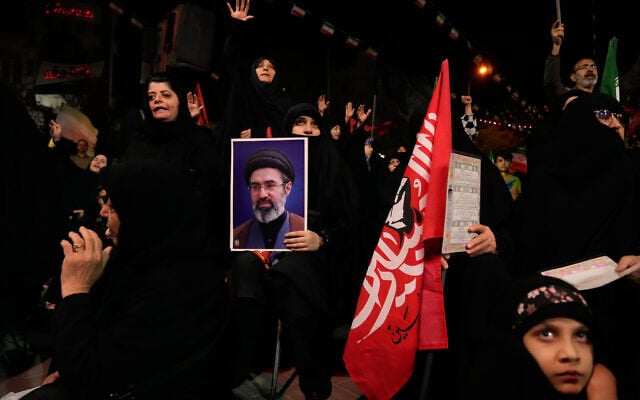
Akraminia’s remarks followed a written Saturday message attributed to Iran’s new supreme leader, Ayatollah Mojtaba Khamenei, which said that if the US and Israel attack, there would be no geographic limits to Iran’s retaliatory strikes.
That statement was echoed by Islamic Revolutionary Guard Corps spokesman Hossein Mohebbi, who said Sunday that “in a conflict with America, there are no geographical limitations; a vast theater has been defined for inflicting damage upon the enemy.”
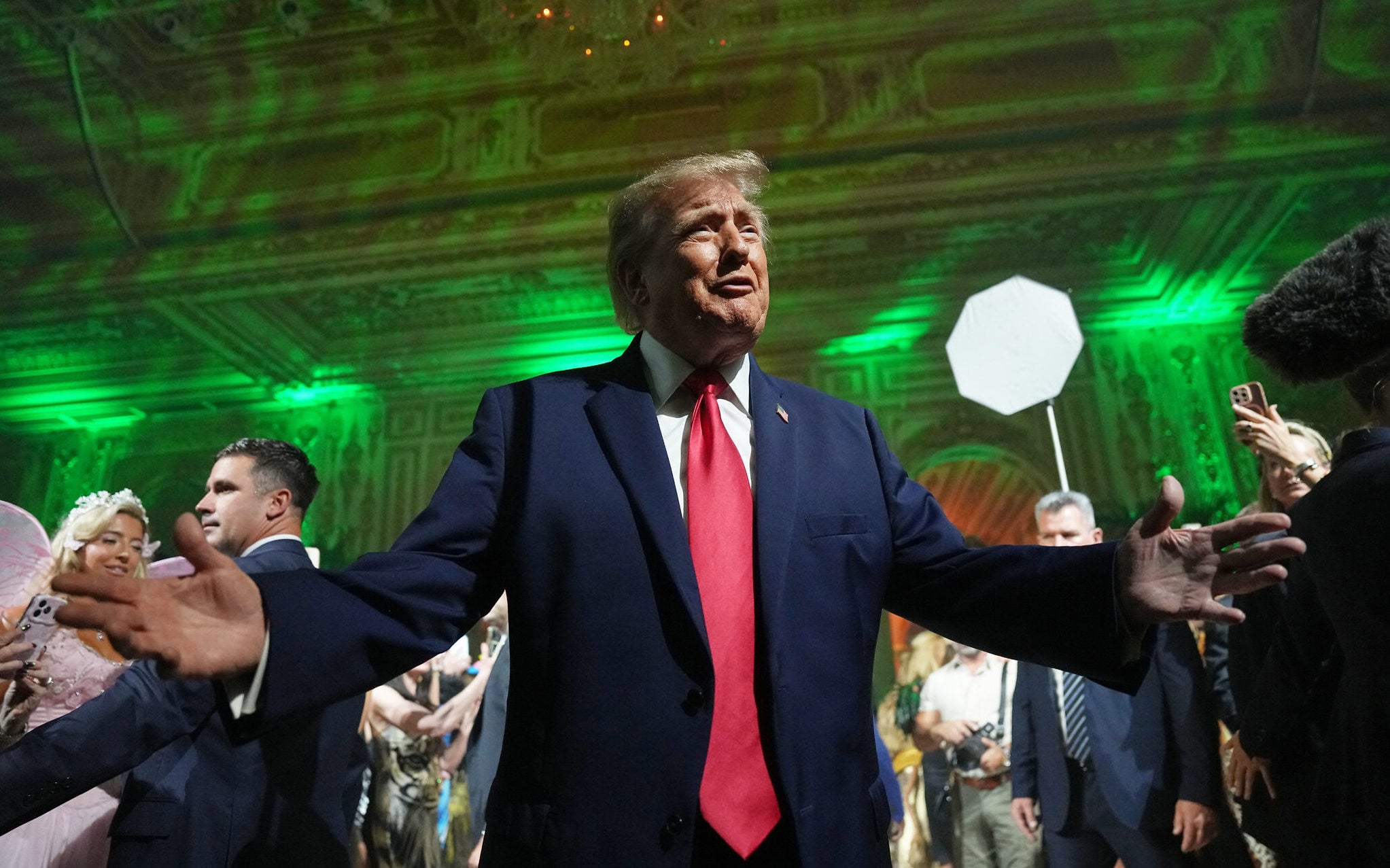
For his part, Trump said Saturday that the US wanted to destroy “one or two” more targets in Iran, including the Pickaxe Mountain complex, which has been flagged by Western intelligence as a site likely used to store nuclear material, and has not been struck yet by the US in the war.
Iranian delegation still in Doha for talks
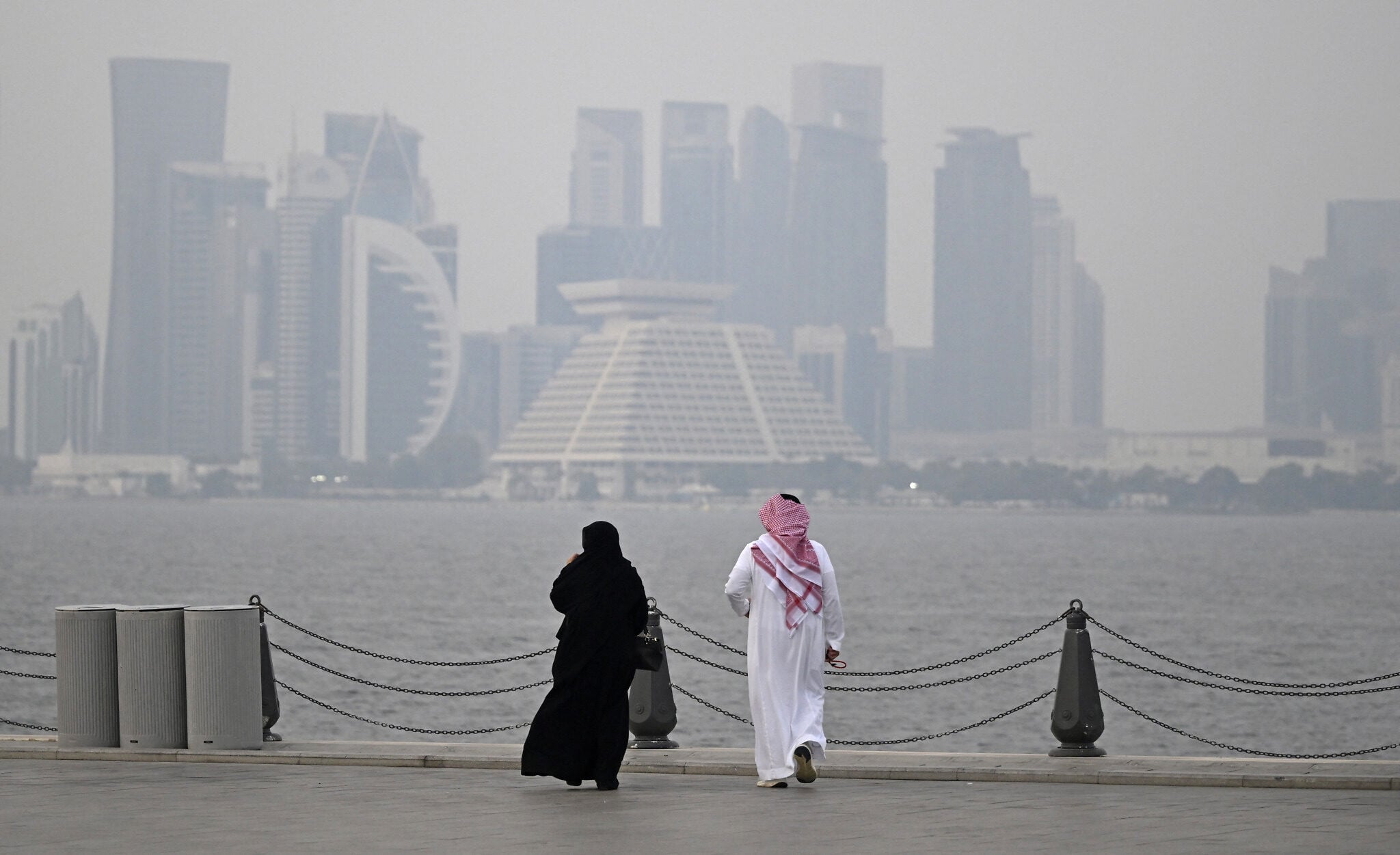
The warnings came as Iranian negotiators were in Doha on Sunday for a third consecutive day of talks with Qatari mediators aimed at pushing for a deal to end the war, an official briefed on the discussions told Reuters.
Iran’s Foreign Minister Abbas Araghchi said that the purpose of the “ongoing and progressing” talks was to continue consultations with the Qatari mediators, adding that Tehran was prepared for “both defense and diplomacy.”
Speaking to state media, Araghchi said discussions on a “two-day proposal” were continuing, but that no final conclusion had been reached.
Qatari broadcaster Al Jazeera quoted Araghchi as saying in an interview on Saturday that Iranian and Qatari negotiators had developed a proposal to reopen the Strait of Hormuz within two days of a potential agreement with Washington.
Iran has repeatedly said it would respond to any new attacks by striking US and Israeli targets, as the eight-month-old war continues to disrupt global oil supplies and spill over across the Middle East.
“We are doing our best in this process, and we hope that there is rationality on the other side so that they prioritize diplomacy over other paths,” Araghchi said of the talks with Qatari officials.
Iran’s security chief Mohsen Rezaei disclosed on Saturday that he had received a letter from US Vice President JD Vance, which he described as a positive change in “tone” from the US side, but said he had yet to respond.
He said Tehran had previously told Washington that unless its conditions were met, “neither would the Strait of Hormuz be reopened, nor would there be any negotiations.”
Those conditions include unfreezing Iranian assets abroad, ending the months-long US naval blockade of Iranian ports, lifting longstanding sanctions, and ending the war on all fronts.
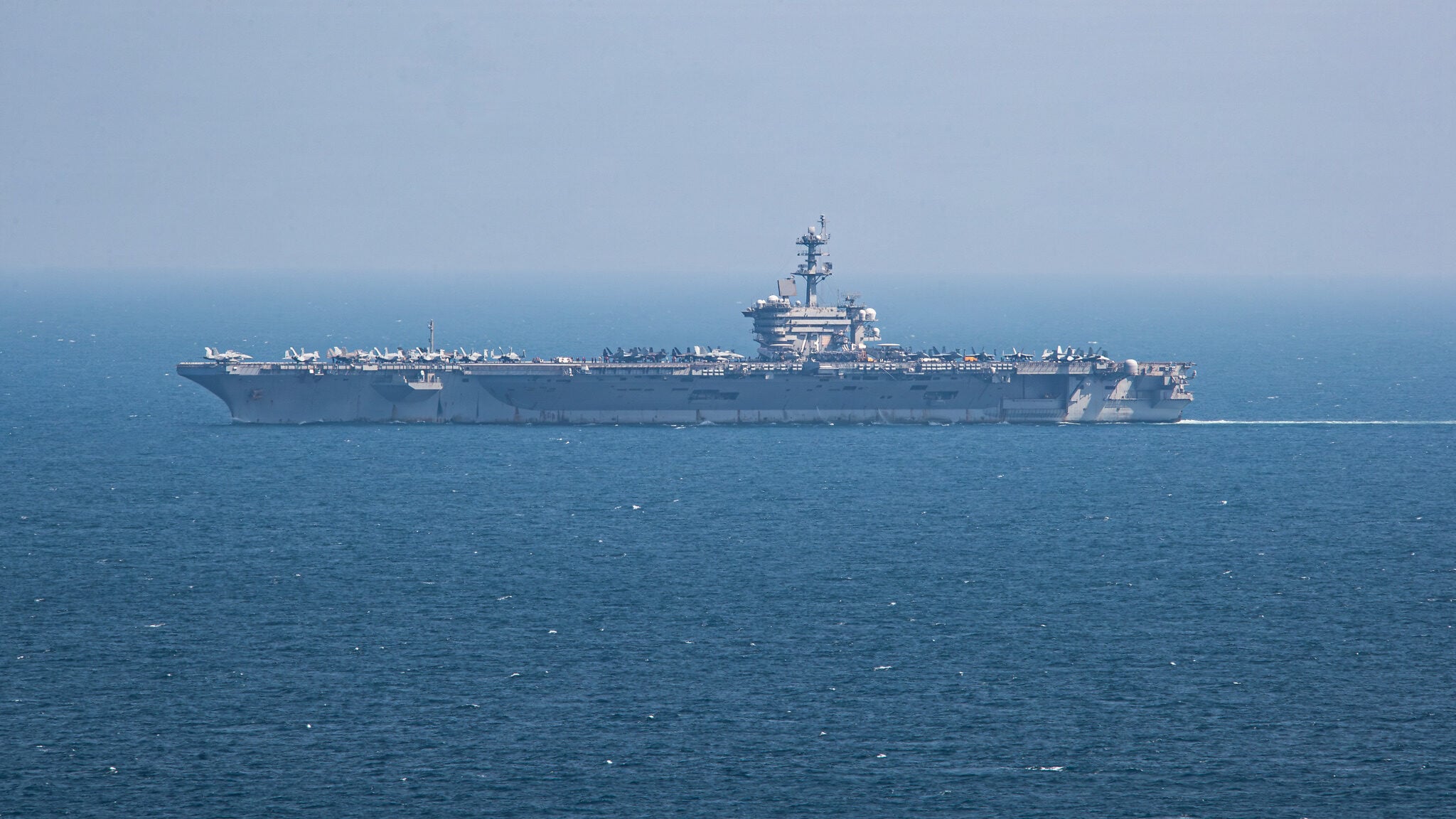
Since the war began, Iran has claimed control over Hormuz, a vital global energy conduit, and repeatedly targeted vessels attempting to cross without its authorization. The United States has imposed a naval counter-blockade on Iranian ports.
For its part, Washington signaled that it is prepared to seriously continue talks.
US State Department official Donald Blome, the US assistant secretary of state for Near Eastern affairs, said Sunday that “the hand of negotiation has been extended, and those channels have continued to be open and active.”
“At the same time, we’ve been also prepared to go in another direction,” he said, while speaking at the Manama Dialogue, a security forum held in Bahrain.
“We just can’t allow Iran to take this region and the global economy hostage,” Blome said.
US Secretary of State Marco Rubio said on Saturday that Trump had not decided whether to launch new strikes against Iran, but would prefer to resolve the conflict diplomatically.
Gulf states ‘braced for the worst’
Anwar Gargash, diplomatic adviser to the Emirati president, said on Sunday that the United Arab Emirates hoped the exchanges would yield a breakthrough but was preparing for the worst.
“We’re hoping that there is a diplomatic breakthrough,” he told the conference in Manama.
“It is not the interest of the region to go through another round… But I think we’re also, as we’ve shown before, braced for the worst.”
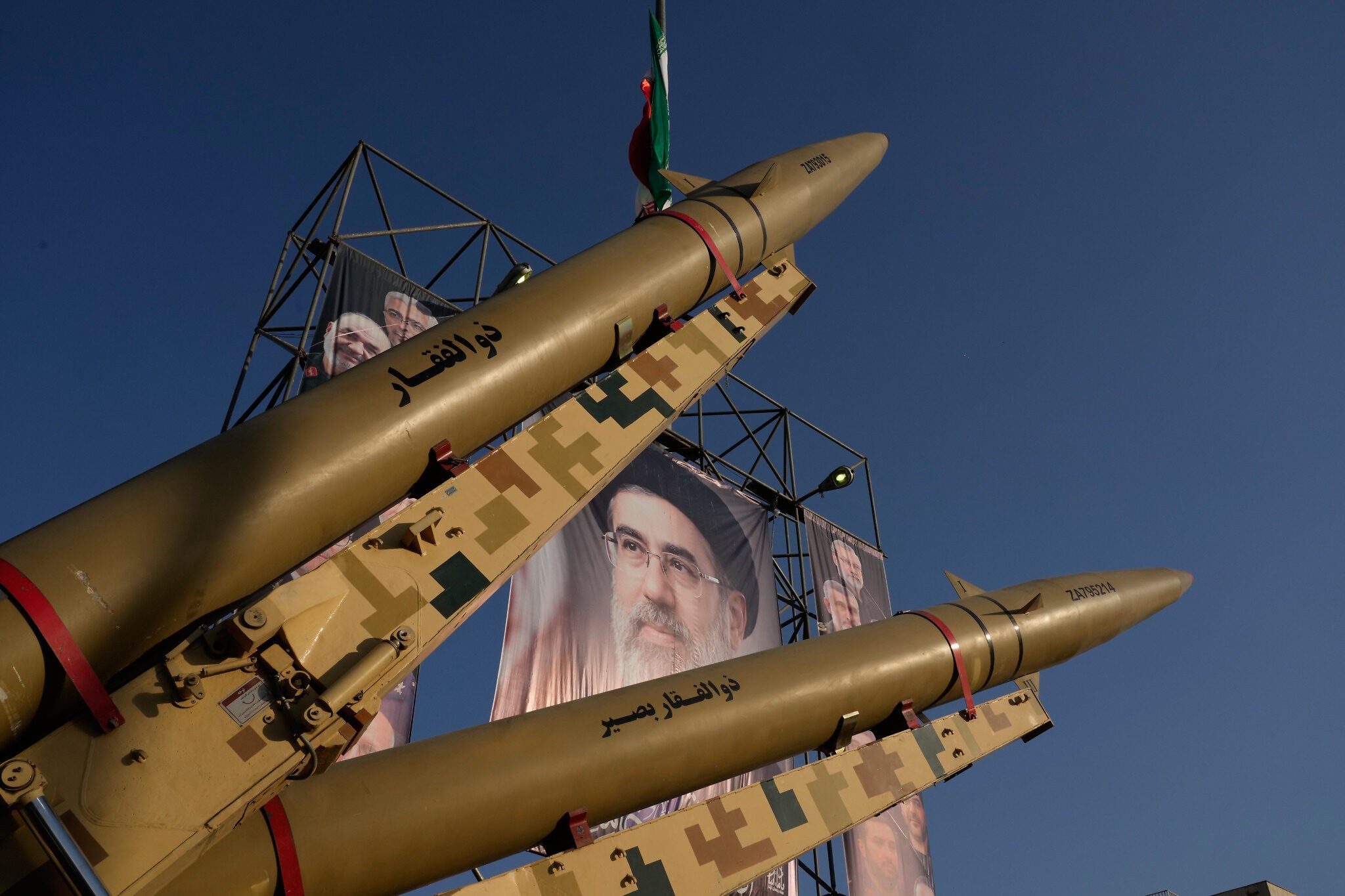
In Tehran, some residents described a sense of helplessness as threats of renewed fighting mount.
“The news coming in is truly worrying. However, no matter how much I, as an ordinary citizen, immerse myself in these reports, there is nothing I can actually do about it,” Mohadese, a 27-year-old health inspector, told AFP.
Others, including 48-year-old vendor Ebrahim, saw no reason to be concerned.
“We do not fear another war; we have been at war for 48 years now — we are always at war,” he said in downtown Tehran.


The Times of Israel Community.