

How France betrayed the little Jewish girls in white dresses immortalized by Renoir
New book ‘The Renoir Girls’ chronicles how the gilded existence of wealthy Belle Époque Parisian Jews ultimately ended in dark tragedy due to historical, ongoing antisemitism
 Add ToI as a Preferred Source on Google
Renee Ghert-Zand is the health reporter and a feature writer for The Times of Israel.
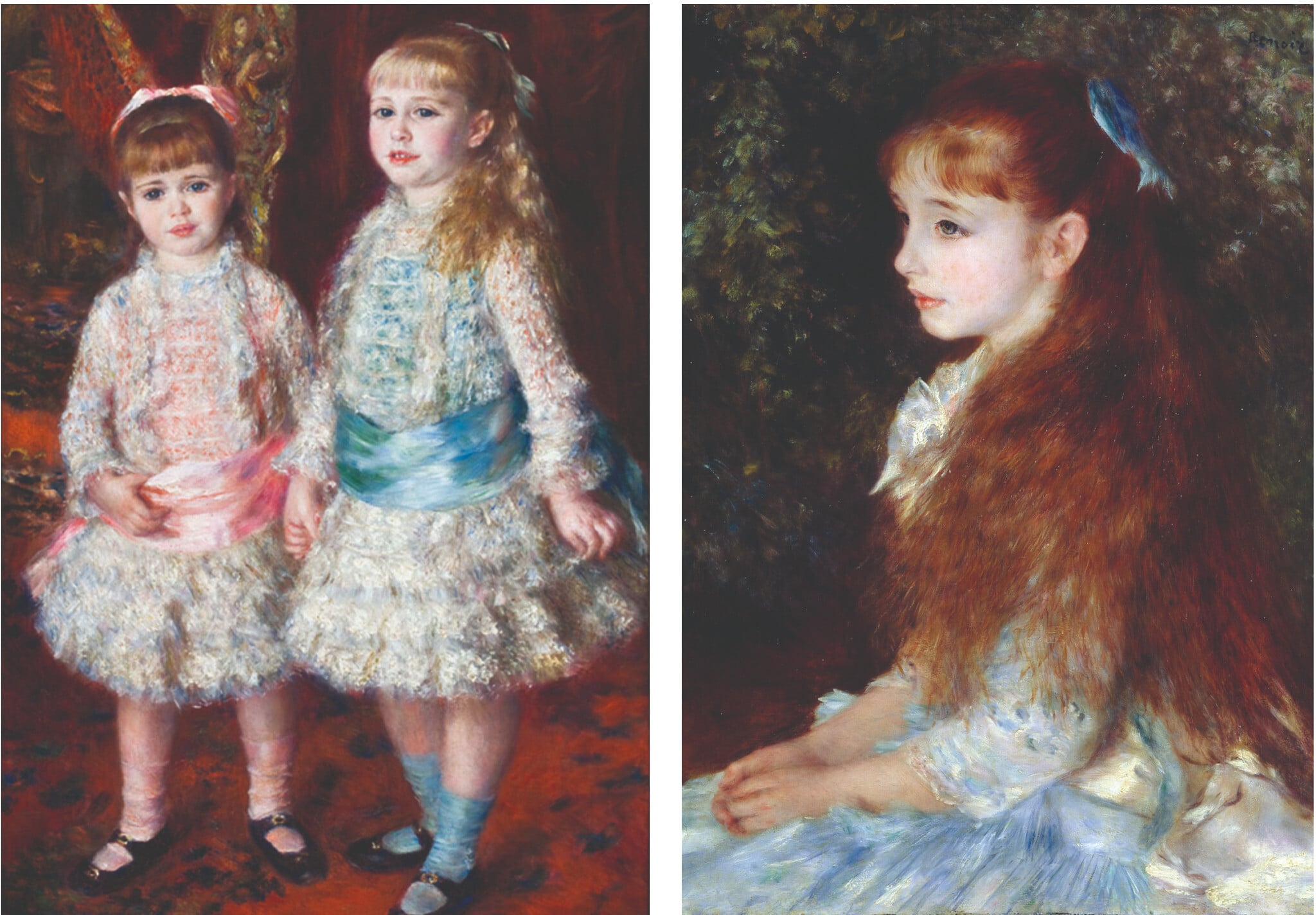
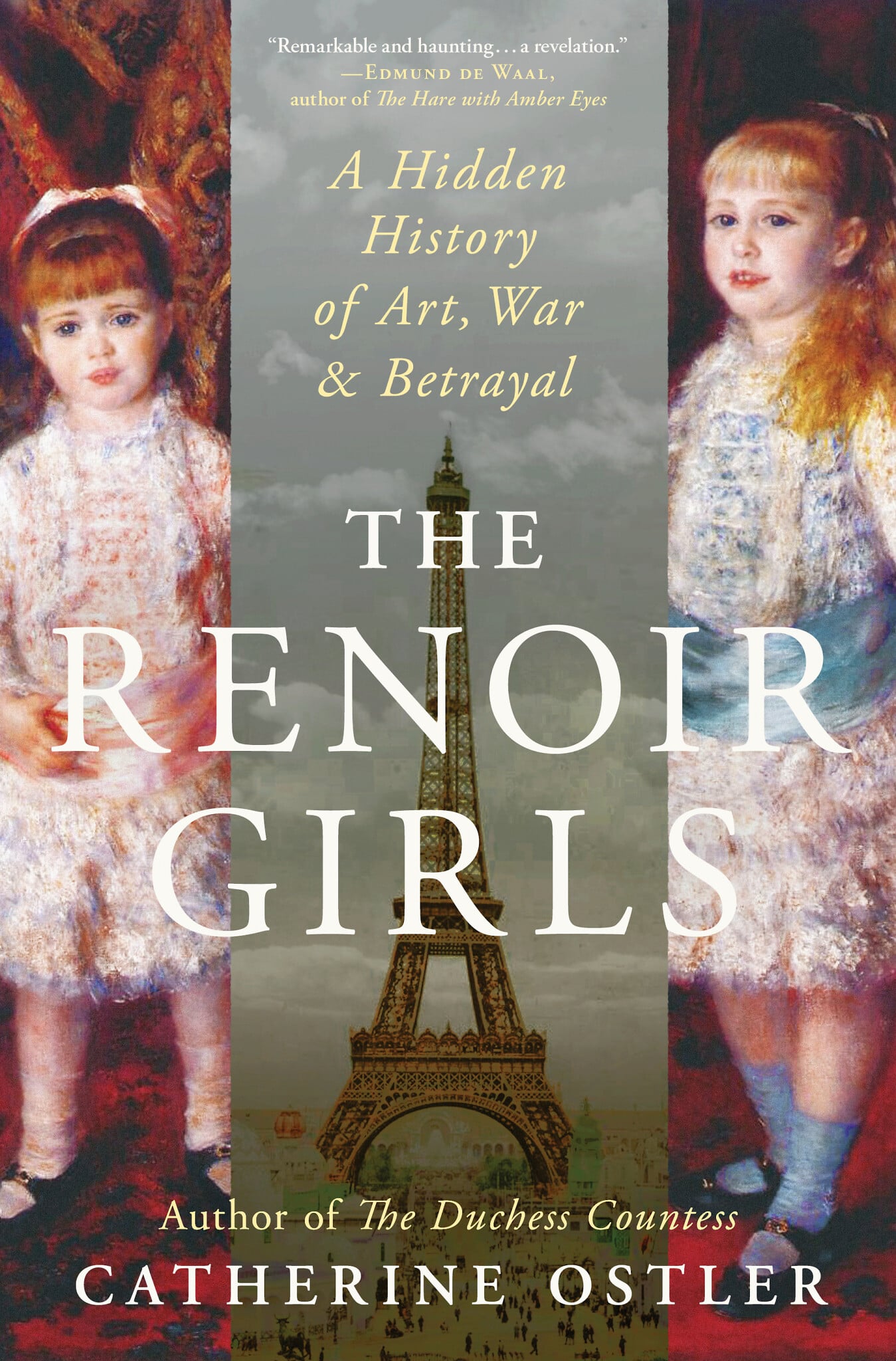
The paintings “Pink and Blue” and “Little Irène” by renowned Impressionist artist Pierre-Auguste Renoir are world-famous. The two portraits, created in the early 1880s, feature pretty little girls in white lace dresses and pastel-colored ribbons.
They capture an innocent childhood moment that would not last. The girls grew up, the cruelties of history played out, and life would never again be as it was depicted in oil paint.
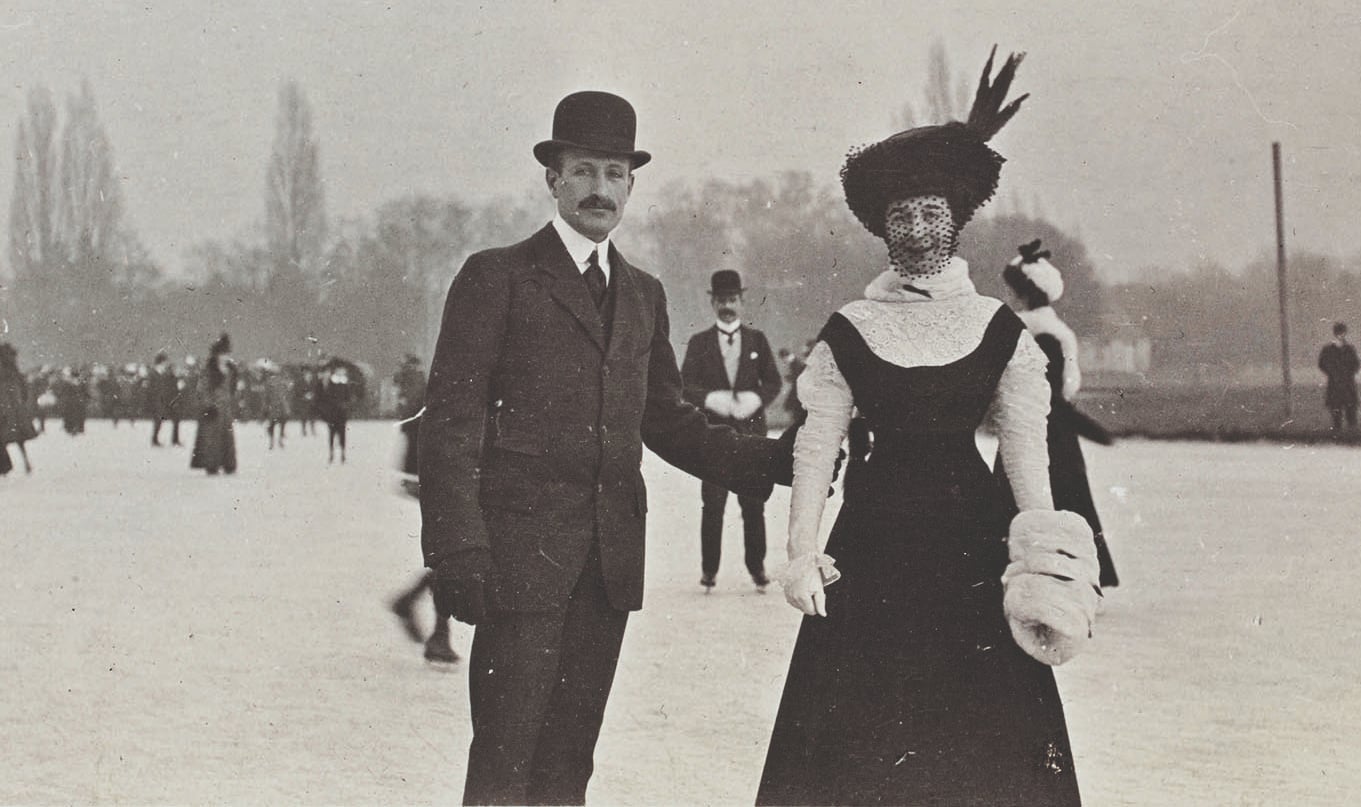
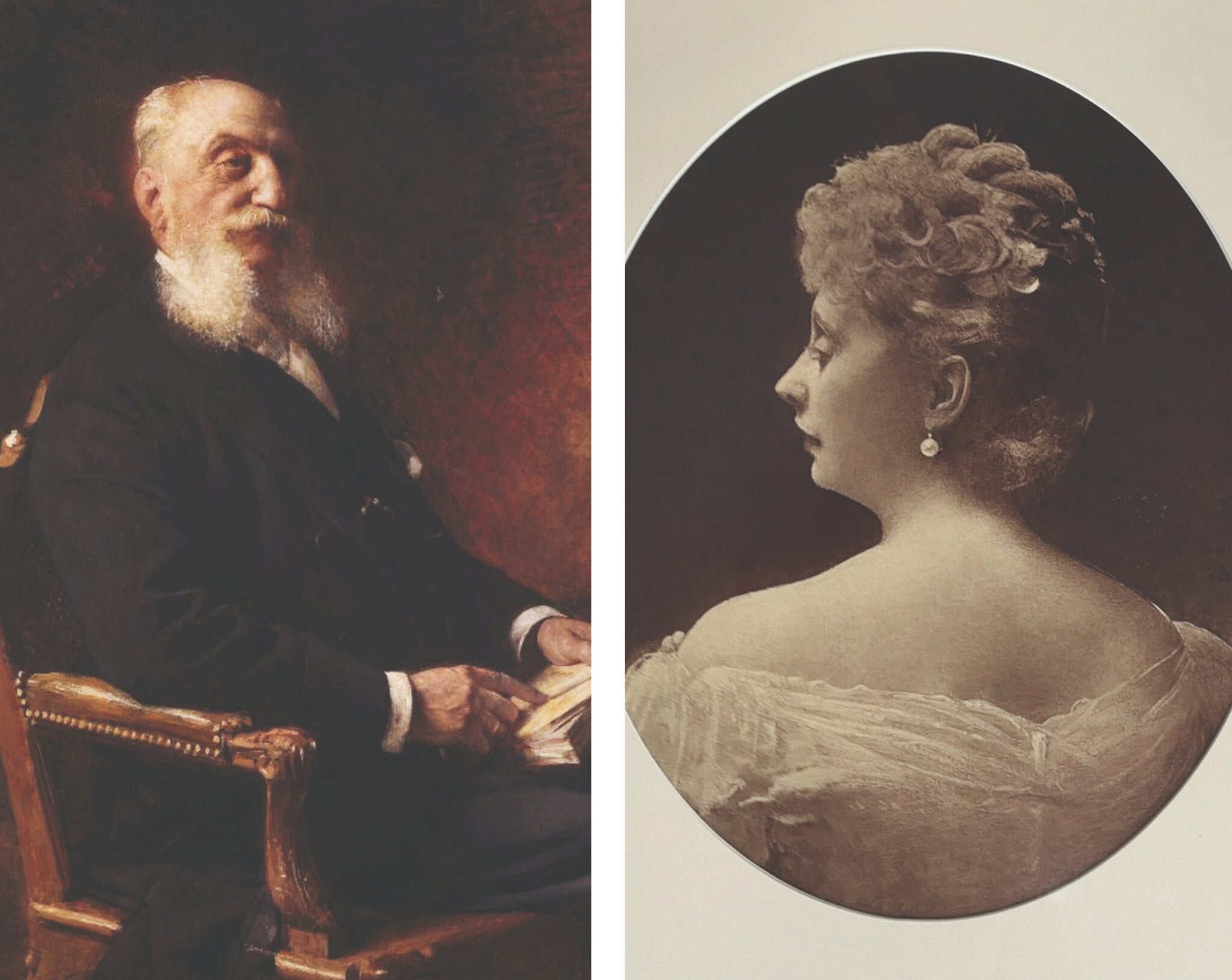
The girls were three French-Jewish sisters: Irène, Elisabeth and Alice Cahen d’Anvers, daughters of banker Count Louis Cahen d’Anvers and his salonnière wife Louise. The parents were among Paris’s business, social cultural, and Jewish leadership in the Belle-Époque, the period from the end of the Franco-Prussian War to the outbreak of World War I, when France experienced cultural flourishing, major technological and industrial advances, and relative peace.
In a new book, “The Renoir Girls: A Hidden History of Art, War & Betrayal,” author Catherine Ostler digs beneath Renoir’s brushstrokes to trace the Cahen d’Anvers’s fates amid France’s shifting social, economic and political realities. Ostler wanted to understand the specific, sparkling moment Renoir captured, but also to move forward in time to learn what happened to the sisters and their privileged Jewish family and friends as they weathered the darkness of the first half of the 20th century.
During this 75-year period, ever-present French antisemitism ebbed and flowed, ultimately leading to collaboration with the Nazis during the Holocaust. Despite the Cahen d’Anvers’s extreme riches and status, and their unwavering patriotism, they were not immune to the eventual horrors.
“Renoir takes us by the hand and leads us into that gilded life, when flourishing, flamboyant Paris was the heart of the civilized world…But in some ways, this gilded life, this civilized Paris — even, in fact, the Cahen d’Anvers family — was a lie,” Ostler wrote.
The following is an interview with Ostler from her London home, edited for length and clarity.
The Times of Israel: What drew you to these portraits by Renoir?
Catherine Ostler: I’ve always been fascinated by portraits because two things are going on: It’s a work of art, but it’s also a person, and I’m wondering who they are. Why were they being painted at that point? What was the person who commissioned the picture trying to project, and how did the artist feel about it?
In “Pink and Blue,” it is lovely how the little girls [Elisabeth and Alice] are standing. The little four-year-old [Alice] has her feet splayed, just as four-year-olds do, and her thumb is stuck in her sash. And the way the girls’ hands are holding. I just thought, this is such a sort of perfect kind of moment. It’s not a conventional portrait at all; it’s almost like a picture of childhood and sisterly relationships. I was just sort of very touched by it.

A bestselling book by artist and writer Edmund de Waal sparked you to write your book.
I was reading “The Hare with the Amber Eyes,” and in it he mentions this great love affair between his ancestor [art critic, historian, and collector] Charles Ephrussi and Louise [Cahen d’Anvers], and his encouraging her to have her husband commission Renoir to paint the children.
Two hundred pages later in de Waal’s book, he says that Elisabeth died in Auschwitz. It just seemed to say so much about the madness of humanity. How does this incredibly privileged, beautiful childhood, where the parents are commissioning these avant-garde portraits, end in Auschwitz? I wanted to try to understand how this could possibly happen. I had a beginning and an end, and I wanted to fill in the middle [of the story].
While you were initially unfamiliar with the era’s leading French-Jewish families, you did know about the notorious antisemitic Dreyfus Affair of 1894 and wrote in depth about how it damaged French society and politics, and affected families like the Cahen d’Anvers.
I’ve had a side interest in the Dreyfus Affair. My father-in-law wrote a book about it, and I’ve read it. The Dreyfus Affair is a clear example of society’s readiness to be taken in by prejudices, cling to strange ideas, and become polarized. The Dreyfus Affair has long obsessed — even haunted — me.
How did you approach your research for this detailed, epic book, which not only traces the sisters’ lives, but also covers political, military and social history, along with many peripheral and auxiliary characters?
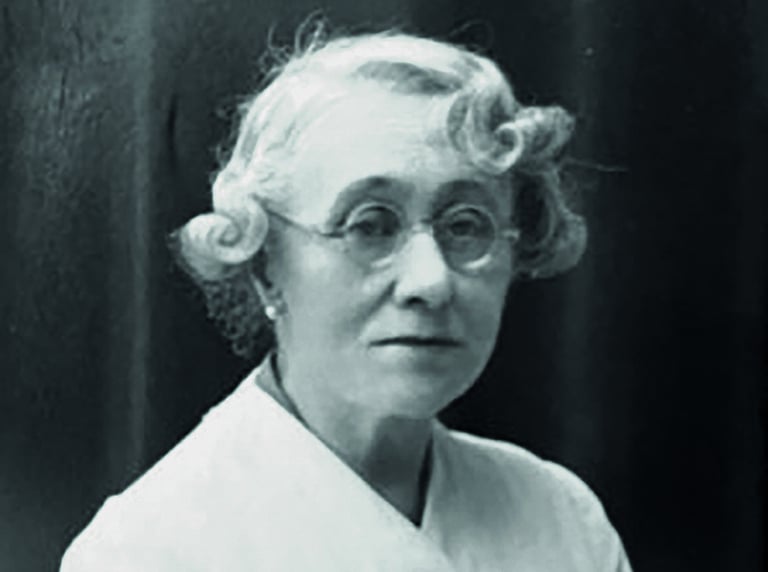
It’s sort of maximalist history, isn’t it? I suppose the first thing I did was look at these three sisters and start building a family tree. Who are these people and what happened to their descendants? To my amazement, I went through the generations and discovered that I vaguely knew Alice’s great-grandson, the well-known London restaurateur Gavin Rankin. I rang him up. He said he didn’t know much about the family history, but introduced me to his mother, Marina, who did. She’s now 94.
She had quite a painful and difficult childhood for many reasons. She said, “I’ve never wanted to talk about this, but you know, I feel like if I don’t talk about it now, I never will. So I will help you.”
She got her grandsons to carry an enormous First World War trunk up from her basement. It belonged to her grandfather, Major-General Sir Charles Vere Ferrers Townshend, Alice’s husband. His name was printed in gold letters on the side. It was a historian’s dream. I don’t really know if anyone had ever opened it before this. I forced the lock, blew off the dust, and found photo albums of tiny Alice in her couture and in her couture wedding dress at the family’s historic Château de Champs-sur-Marne. The albums also included photos of Alice and her husband in South Africa and India, when he was in the British Army. I also found private detective reports, letters to [Winston] Churchill, and Louise’s will in French, in which she apologizes to her children for being a difficult mother.
You met other Cahen d’Anvers descendants and visited international sites associated with the family. Did you also find any specific archives particularly useful?
The Camondo family archive had a lot of information about the divorce between Irène and Moïse de Camondo [her first husband]. I also visited the archive at Raynham Hall in Norfolk, England, the seat of the Townshend family, which Alice married into. Then there was The Rothschild Archive in London. That was an amazing thing because no one who’d written about the Cahen d’Anvers family had got access to that before.
Why would letters between members of the Cahen d’Anvers family have ended up with the Rothschilds?
Yvonne, a daughter of Robert Cahen d’Anvers, the eldest child of Louis and Louise, married a Rothschild. So, for some happy reason, lots of Robert’s letters to his wife and some of his siblings ended up in The Rothschild Archive. Many of the letters were about the girls, like Elisabeth’s terrible taste in men…and Irène behaving appallingly and collaborating with the enemy during World War II.
Irène survived the war and the Holocaust by laying low in Paris as a Christian [she and her sisters had all converted as young women], and falsifying information about her ancestors’ heritage. But was she an actual collaborator?
They all thought Iréne was a collaborator, which isn’t something others have written about. It’s very difficult, 80 years on, to call someone a collaborator. Do we mean active collaboration? Do we mean turned a blind eye? Whatever the case, the family was clearly appalled by her.
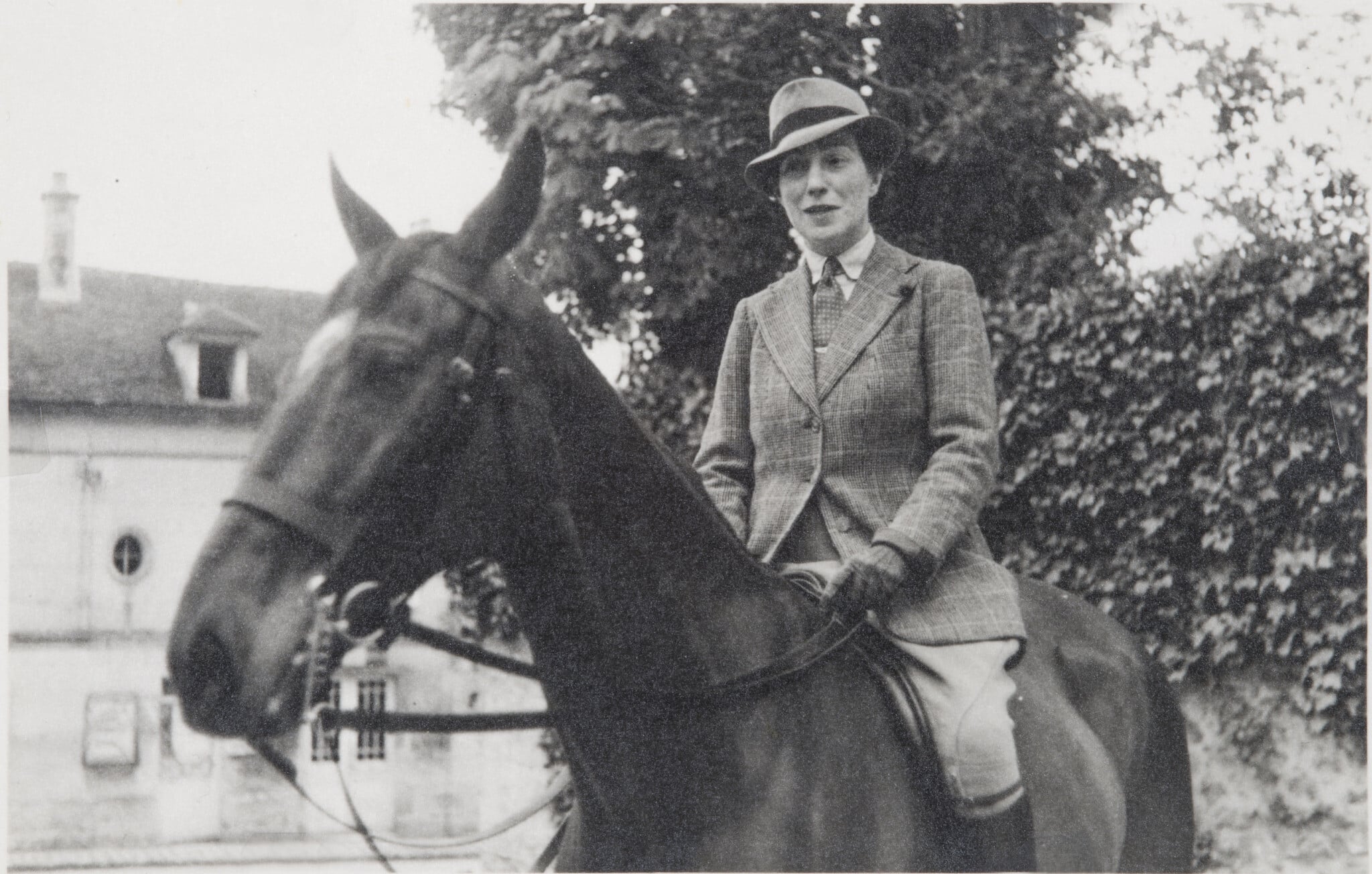
She didn’t seem to be particularly concerned about the fate of her eldest daughter Béatrice, her ex-husband Léon Reinach, and their young adult children Fanny and Bertrand, who were all murdered at Auschwitz.
She got all their money. There’s an awful bit in the book where one of her sisters-in-law is appalled by the seeming glee with which Irène inherits the money, and talks about how she’s going to spend it. We begin the story with this beautiful Renoir picture of Irène as a little girl, and by the end of my research and the book, it’s clear she was probably a terrible person.
Irène’s possible collaboration with the enemy aside, the rest of the family appears to have been extremely patriotic and willing to sacrifice their lives for France.
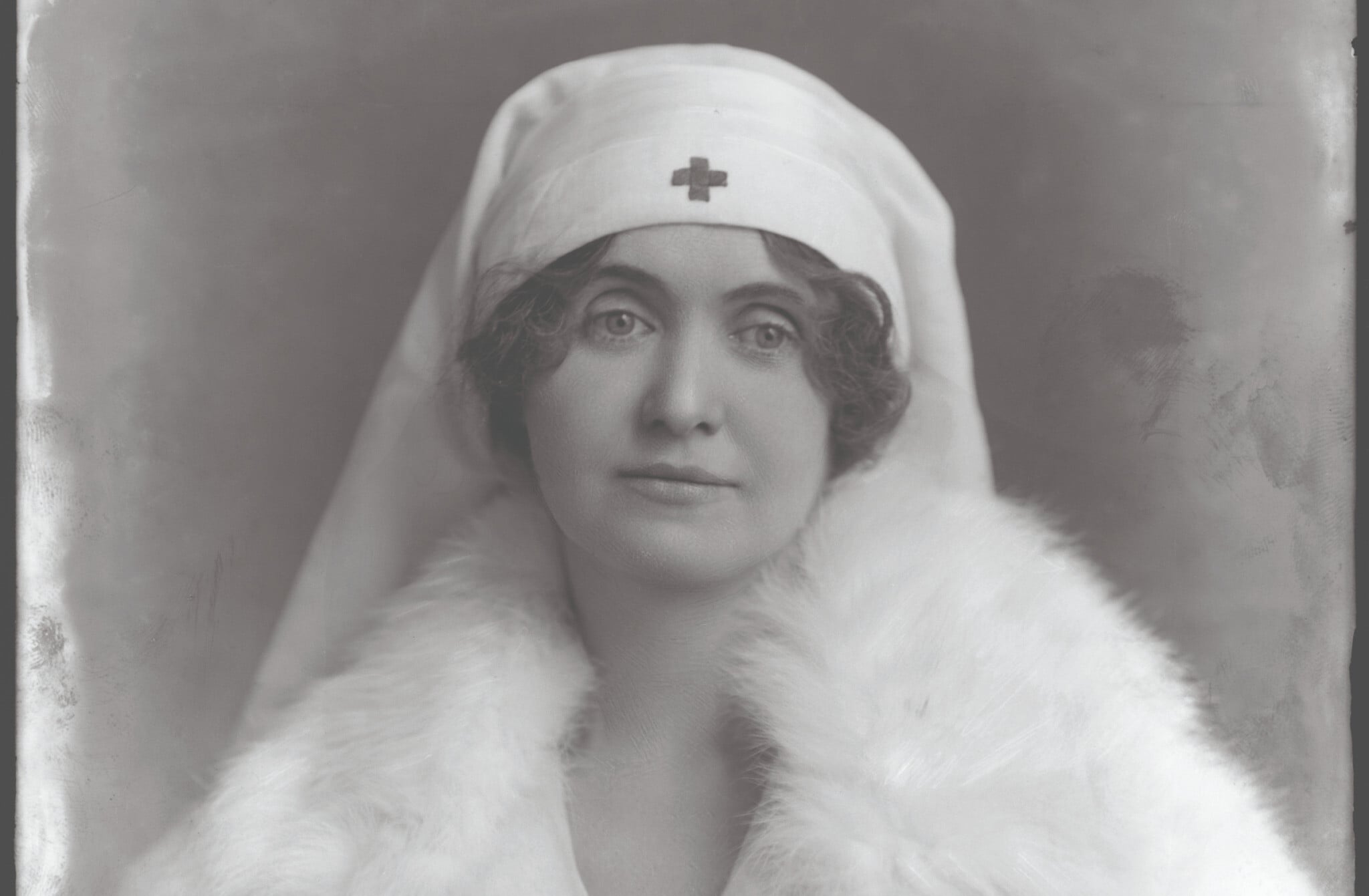
They loved France, felt French, and were deeply loyal. Every single man in the family who could fought in the First World War. Every woman in the family was a nurse. And in the Second World War, every male family member who could fight served. Irène, controversial though she is, had the defining tragedy of her life when her beloved son Nissim de Camondo was shot down by the Germans [in World War I].
You traced the remarkable journeys of “Pink and Blue” and “Little Irène,” and recounted how they survived against all odds. But you were left with a niggling question: Why did Louis and Louise Cahen d’Anvers give Irène’s portrait pride of place, but relegate the painting of Elisabeth and Alice to the servants’ quarters? You solved the mystery by using genetic genealogy.
I had several theories. Maybe Louis and Louise just didn’t like “Pink and Blue” as a painting. Or maybe Louis didn’t want a work whose commission his wife’s reputed lover, Charles Ephrussi, had pushed on him, hanging in his face. There was also the possibility that Alice (and possibly the family’s youngest child, Charles) was biologically fathered by Ephrussi. I came across several pieces of information that hinted at this.
I learned about genetic genealogy and was amazed that it’s possible to figure out who someone’s father was, even for someone born in 1876. I turned to an expert named Mia Bennett for help, and I asked Marina, Alice’s granddaughter, to give a DNA sample, and she agreed. It was a long shot, but people started popping up on DNA databases, including two people I knew were descended from Ephrussis.
This map started to form, and then I showed Mia, and she went further into the DNA. The only possible solution was that Alice was Charles Ephrussi’s daughter. Nobody on the Cahen d’Anvers side came up. This science is extraordinary. Never in my wildest dreams, when I decided to try it, did I think it would actually lead to an answer — but it did!








The Times of Israel Community.