

Israelis delivered an inconclusive election result. Cue the wishful thinking
A government can only form if the same politicians who have been in power for years decide to mend fences, break decades-long patterns and make sense of an incoherent Knesset

 Add ToI as a Preferred Source on Google
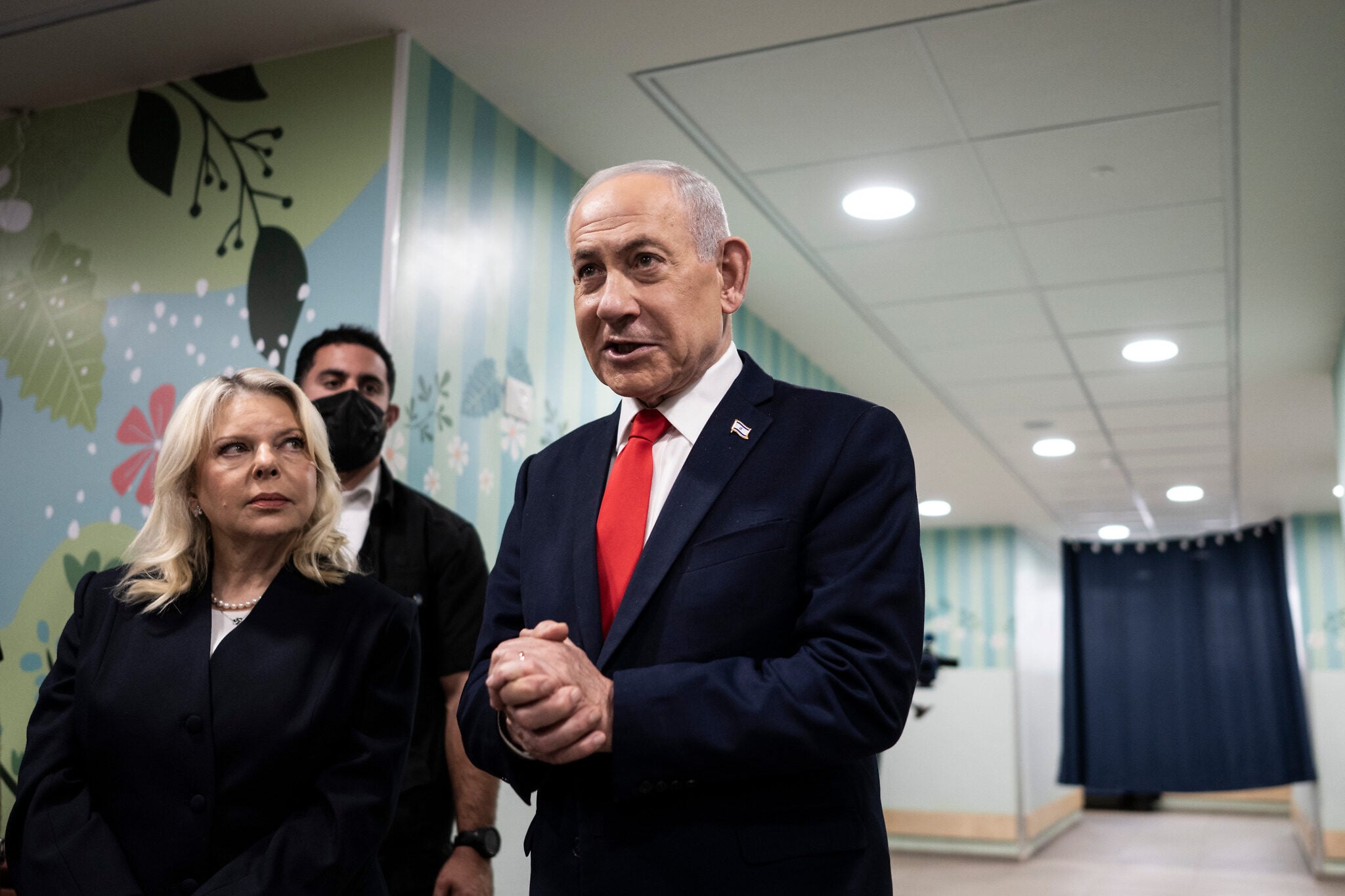
Maybe this time will be different.
Those six words — with their glint of optimism — represent the only chance anyone has to form an Israeli government after Tuesday’s inconclusive election result: The hope, however far-fetched, that the same politicians who have been in power for years will suddenly decide to mend fences, form new alliances, break decades-long patterns and, somehow, cobble together a majority out of an incoherent Knesset.
Israelis voted en masse on Tuesday, with the highest turnout in a quarter-century, so the election results painted a reasonably accurate picture of the country. It’s a messy one. The pro- and anti-Netanyahu blocs are more-or-less evenly split, but neither has a majority because neither will work with Arab parties whose voters — flexing their electoral muscle — will now hold 15 percent of the Knesset.
We’ve been here before. From 2019 to 2021, voters in four successive elections delivered majorities opposing Prime Minister Benjamin Netanyahu. But that never led to Netanyahu’s defeat because the Jewish-led anti-Netanyahu parties refused to work with the Arab-led ones. When they finally tried, the government fell apart after a year.
Will this time be different? Some opposition politicians are already insisting it will. Former prime minister Naftali Bennett boasted that “the October 7 Government is going home.” Yair Lapid, the sitting leader of the opposition, said Netanyahu suffered “total defeat.” Golan, chair of the left-wing Democrats, declared that voters “fired” the prime minister.
Except Netanyahu is not fired. He did not suffer total defeat; he may not have suffered any defeat, and he and his government aren’t going anywhere, at least not right now. In fact, through the power of incumbency and control of the military, Netanyahu may be the one with the upper hand — even though most of the new Knesset’s 120 members want him gone.
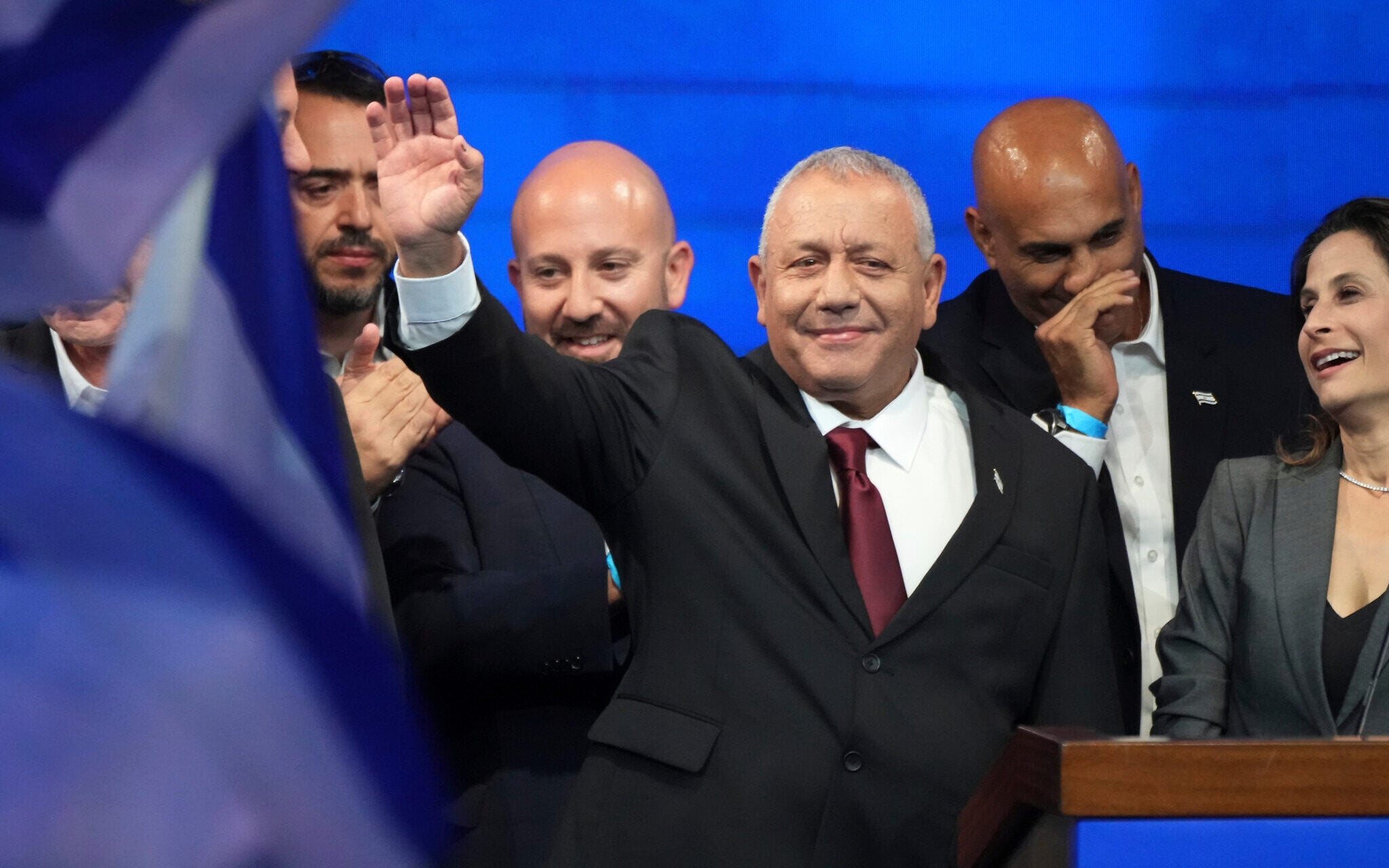
For the opposition to believe otherwise — to look at the election results and believe the Bibi era is over — relies on a heavy dose of wishful thinking. It would mean thinking that Bennett and his hawkish partner, Avigdor Liberman, would break their repeated, public promises not to join a coalition with Arab parties. It would mean assuming that such a coalition could agree on a set of policies that would keep it from dissolving, as its predecessor did. And it would mean counting on Netanyahu and his partners to allow a transfer of power.
None of those are sure things, to put it lightly. The good news for the opposition is that Netanyahu’s camp is relying on wishful thinking as well.
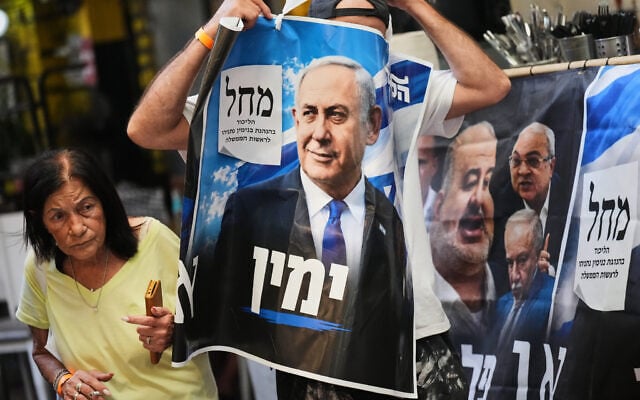
Netanyahu is presenting this as a victory — his Likud party did, after all, get the most votes — and he will almost certainly press President Isaac Herzog to give him the first crack at forming a government. But no matter how he spins it, the 51-odd seats he controls are not even close to a 61-seat majority.
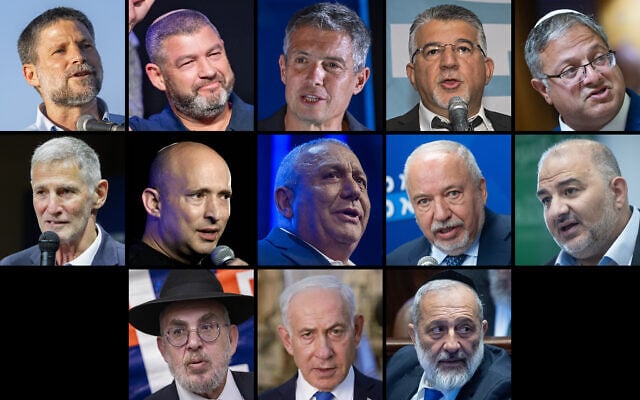
Getting there would mean convincing a party that passionately hates him to crown him as prime minister for yet another term. The options are meager: Bennett and Liberman have both accused Netanyahu of treason. Golan is on the opposite end of the political spectrum. Arab parties are out of the question.
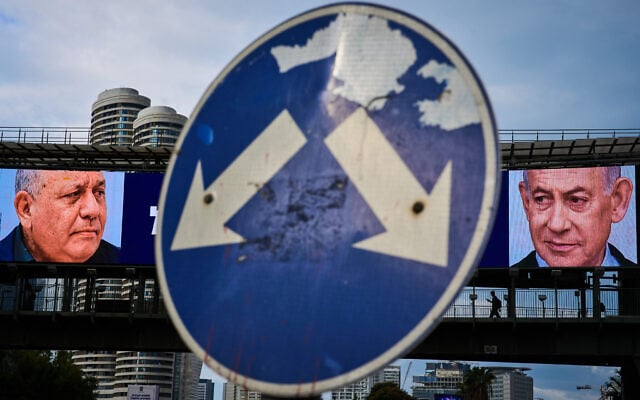
That leaves the leading opposition party, Gadi Eisenkot’s Yashar. Analysts have predicted for weeks that Herzog will try to push Netanyahu and Eisenkot into a unity government, but no one has explained exactly how that will work.

Will Eisenkot, who ran on a platform of unseating Netanyahu, agree to let him go first as prime minister — especially when the last guy to make exactly that agreement, Benny Gantz, never actually got the top job? Will Netanyahu — who has suggested that Israel is in danger of destruction if anyone else becomes premier — relinquish the role he’s held for almost all of the past 17 years? Both seem unlikely.
There’s also the inconvenient reality that even if they decide to join together, the two parties will add up to around 45 or 46 seats — and would still need a third or fourth party to achieve a majority. Who would that be?
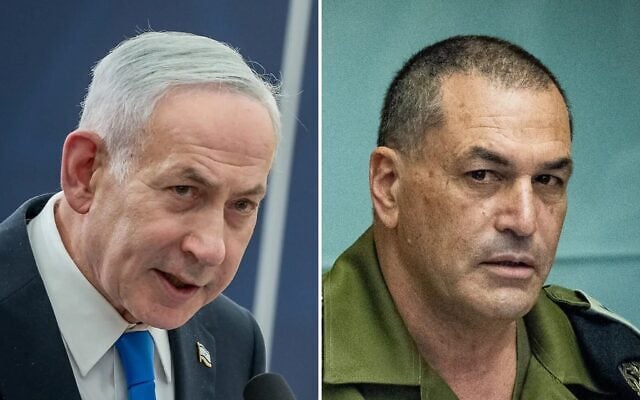
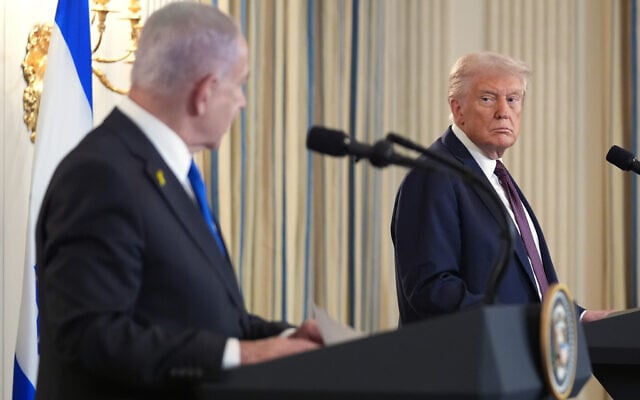
One tool that could help Netanyahu stay in power is a drastic one: Numerous reports in recent weeks have said he’s pushed for renewed war with Iran, only to be stymied by IDF Chief Eyal Zamir and US President Donald Trump. Netanyahu could overcome those objections, launch a war, and then demand a unity government under his leadership to prosecute it.
That comes with obvious risks — missiles raining down on Israeli cities, for starters — and it won’t last forever. It also risks blatantly politicizing the one thing that was supposed to be above the fray: wars against Israel’s adversaries.
The deadlock may be broken. It’s possible that the opposition will agree to some form of collaboration with the newly emboldened Arab parties. It’s possible Netanyahu will start another war with Iran and convince his sworn rivals that his intentions are pure.
But either of those outcomes would mean politicians weaning themselves off grievances they’ve spent a long time nursing. If they don’t, the quagmire remains, and Netanyahu stays prime minister.
So will this time be different? Maybe. But don’t hold your breath.



The Times of Israel Community.