

After months of threats by Trump, resumption of Iran war now seems inevitable
US president had no intention of hitting Iran again, despite his bluster. But as Tehran refuses to budge in negotiations, signs are pointing toward renewed fighting after the midterms

 Add ToI as a Preferred Source on Google
Lazar Berman is The Times of Israel's diplomatic reporter
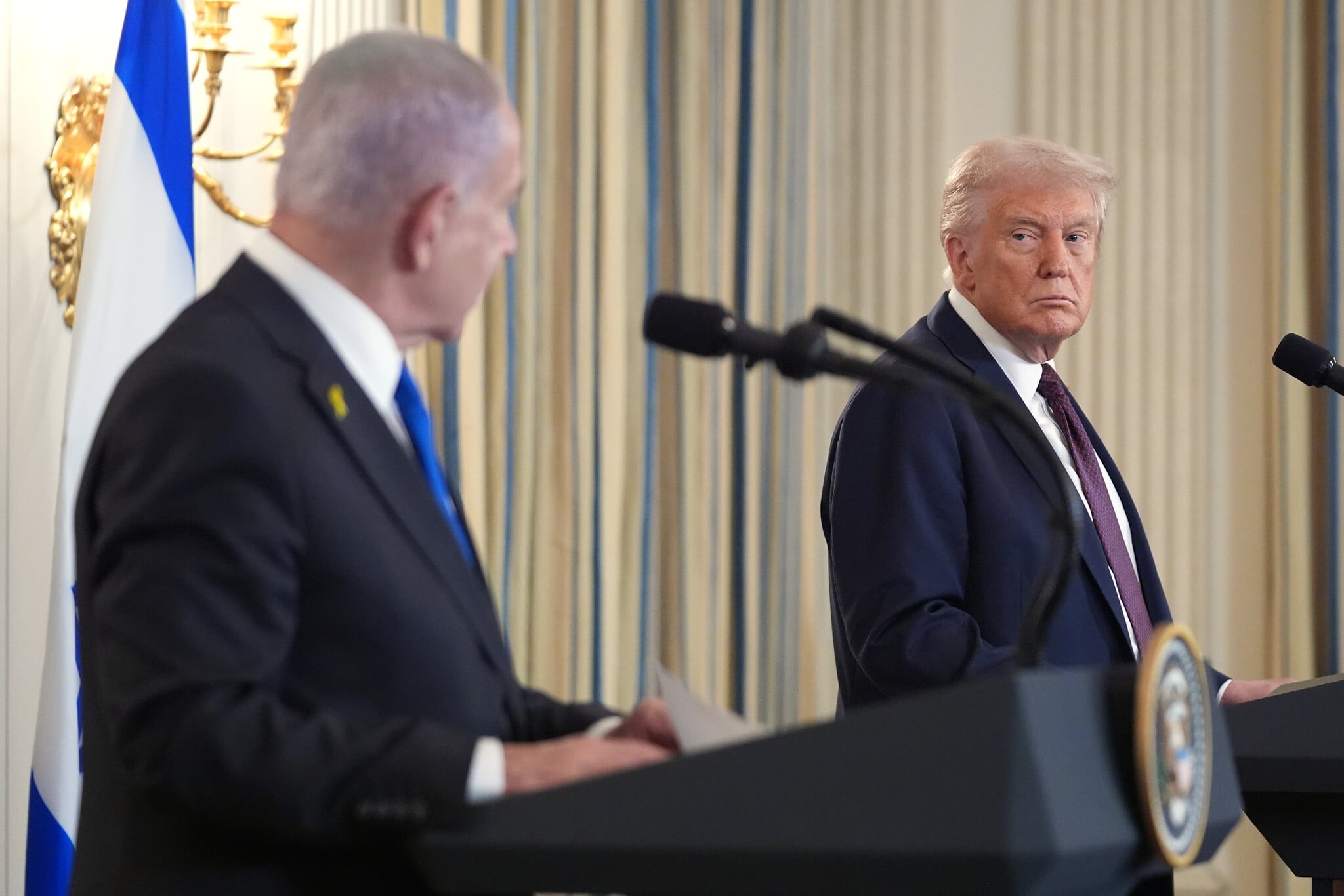
Ever since US President Donald Trump’s Memorandum of Understanding with Iran predictably fell apart, there have been regular warnings about a potential US or even Israeli attack on the Islamic Republic.
Those predictions often follow the latest bombastic threat from Trump, which have proven to be a reliable indicator not of an impending strike, but rather that he has no intention of restarting intensive combat operations against Iran.
Now, however, a return to war in the coming weeks seems likely.
There are good reasons to believe that the chances of an American attack — or another joint operation with Israel — are rising, and the Iranians know it.
But that doesn’t mean they’re about to give in.
‘Finish the job’
Israel seems to be champing at the bit to resume the fight against Iran.
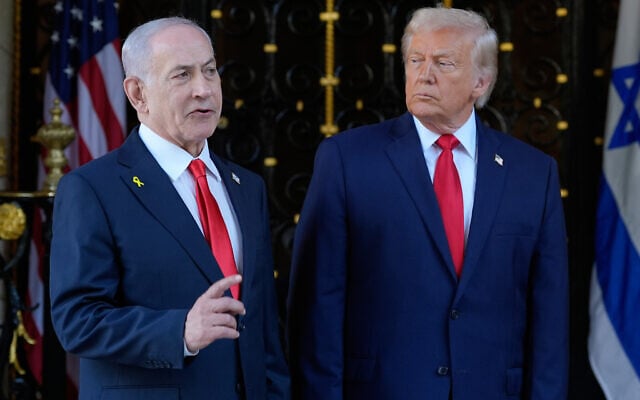
According to multiple reports, Prime Minister Benjamin Netanyahu has been trying to convince Trump to launch a joint strike, or at least give his blessing for an Israeli operation.
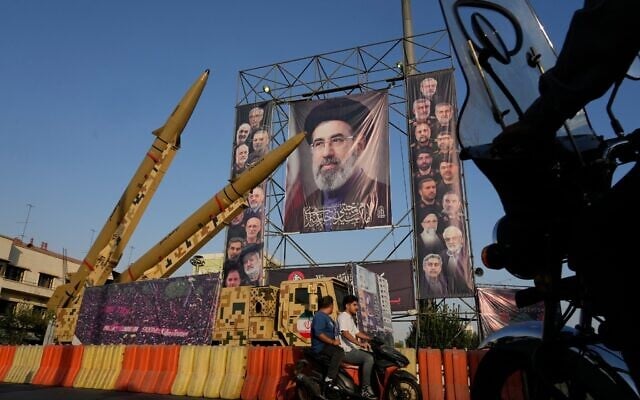
Two weeks ago, US officials told Channel 12 news that they believe that Netanyahu wanted to launch an attack before the elections.
An American source said that Netanyahu “has discussed the issue” of a resumption of attacks “several times,” and that Trump told the premier he can “go ahead and prepare,” but made no official commitment to approving an attack.
Last week, sources told the Financial Times that Israel was ready to carry out strikes on the weekend of October 10 on Iranian nuclear facilities and energy plants, but was stopped by Trump.
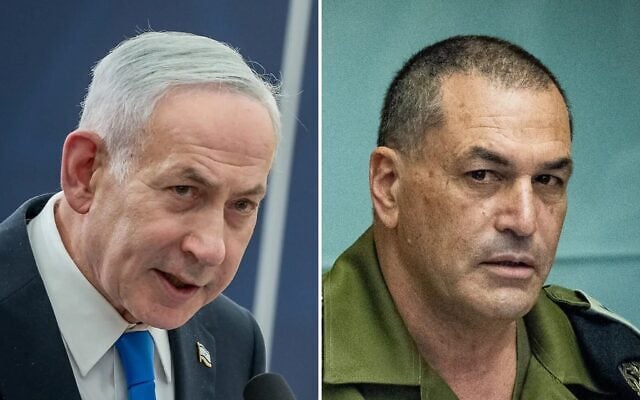
And on Sunday, reports emerged of “unprecedented confrontation” in recent days between Netanyahu and IDF Chief of Staff Eyal Zamir over an unspecified military action that the prime minister has been pushing. Defense officials believe the operation could lead to a swift confrontation with Iran shortly before the election.
“This relates to an action that could lead to a flare-up with Iran, at a sensitive and dramatic moment, creating this [potential] miscalculation,” a security source told Channel 12.
Since Trump called a sudden halt to the US-Israeli campaign against in Iran in April, it was evident that he had no inclination to go back to war before the November midterms.
That timeline hasn’t changed. CNN reported on Monday that Israel has been lobbying the US over the last week to support and potentially join Israeli strikes on Iran, but Trump asked Israel to wait, signaling that he would agree to conduct joint operations soon.
“There will not be a strike today,” Trump told reporters on Sunday.
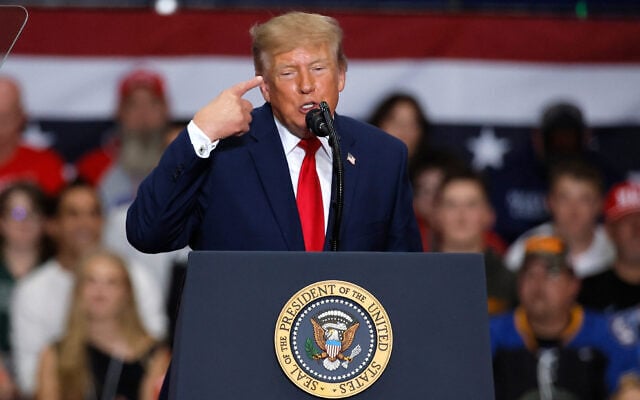
Yet the midterms are almost here, and Trump has sharpened his rhetoric in recent days.
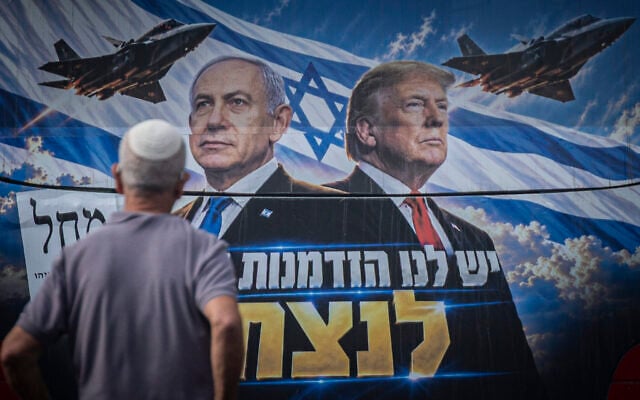
“Unless they change their ways, rapidly, we will soon finish the job,” Trump said in his initial endorsement of Netanyahu, in which he boasted of the damage the US and Israel had inflicted on Iran.
“We have to finish the job that we started!” wrote Trump Sunday in a second endorsement, which featured a further rehashing of their ties.
Trump statements on their own don’t necessarily mean much, but come at the same time he is making tangible moves for another major attack.

Earlier this month, Trump ordered the USS Theodore Roosevelt and its carrier strike group to the Middle East, along with around 10,000 Marines in the USS Makin Island Amphibious Ready Group. They are slated to arrive by the end of November, bringing the number of US aircraft carriers near Iran’s shores to three.
‘Matter of time’
The Iranians have long expected a return to war.
“The Iranians estimate with a high probability in any case that Trump probably intends to renew the attacks after midterms,” said Raz Zimmt, Iran expert at the Institute for National Security Studies.
“They see the preparations, they see the readiness and they see the statements, and they mainly know that the gap right now, at least between the United States and Iran, is a gap that is very, very difficult to bridge, and therefore the working assumption in Iran is that it is a matter of time until the war is renewed.”

Though various US officials have expressed slightly different versions, Trump’s main demands are straightforward: Iran will have to give up enrichment on its soil, ship out its enriched uranium, cease any threats to the freedom of shipping through the Strait of Hormuz, and only then can it begin to receive significant economic relief.
That is miles away from Iran’s position. In exchange for only an initial seven-day ceasefire followed by negotiations, Iran has demanded the US end its blockade of Iranian shipping, lift oil sanctions, release frozen assets and end the war “on all fronts,” a euphemism for forcing Israel to pull out of southern Lebanon.
Or, as US Ambassador to the UN Mike Waltz put it, Iran is demanding everything up front: “The release of the blockade, the sanctions, international sanctions and access to billions in assets, just to talk.”

And even if those talks were to come about, the situation in the Strait of Hormuz will not return to what it was before the war. Iranian leaders see control over the key waterway as one of the country’s primary achievements in the war and insist they will not compromise on it.
Nor does it appear that Iran is in the mood to budge on its other conditions. Even in the face of a highly effective US blockade, with inflation spiraling and the economy contracting, Iran has not moved on any of its demands.
The US blockade and threat of war might be dangerous, but the Islamic Republic still sees giving in to American demands as far riskier to the regime.
Iran knows that its nuclear program is the best bargaining chip it has left and it needs to wring all the concessions out of the US it can before agreeing to even moderate limits.
A more focused campaign
With no real prospect for a negotiated settlement, all sides are gearing up for a return to war.
Netanyahu has been warning about a possible Iranian attack on Israel before Tuesday’s elections.
The idea doesn’t make much sense. Though Iran expects another round of fighting, it doesn’t have much reason to force one.
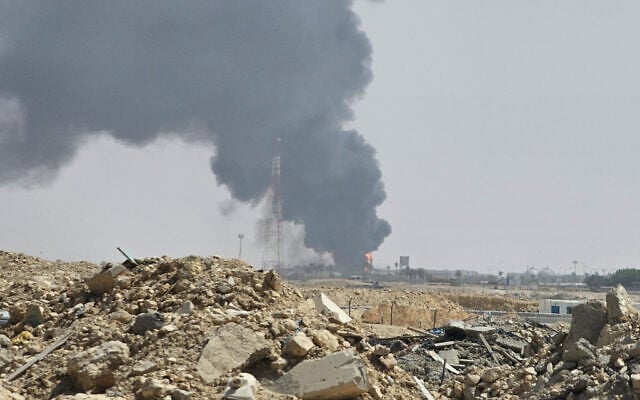
And while it is ramping up pressure on America’s Arab allies, especially Saudi Arabia, it is conspicuously avoiding anything that could trigger another attack from the country it currently fears the most.
“Iran hasn’t directly attacked Israel since early June because they fear, correctly, that Israel will retaliate hard,” said Michael Makovsky, president and CEO of the Jewish Institute for National Security of America, “hitting internal energy facilities such as refineries and natural gas facilities that feed electricity, more leadership, missiles and perhaps nukes.”
It now appears to be only a matter of time until that operation takes place.
Once the US midterms are behind him in early November, Trump will be entering his final two years to cement his legacy.
As long as the conflict with Iran remains unresolved, US citizens will continue to face high gas prices and inflation. Trump has made the state of the US economy a central focus of both his terms, and he doesn’t want to be remembered as a president who left it in shambles.
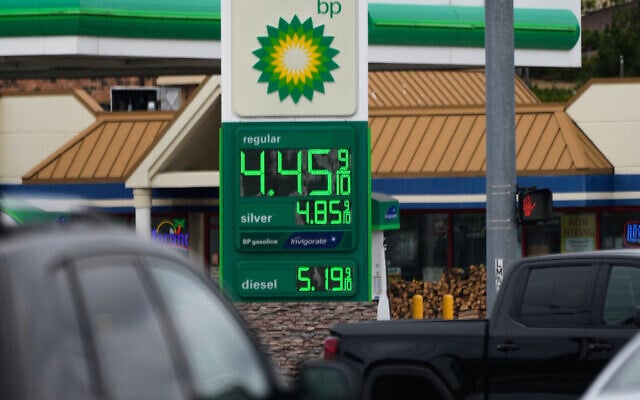
He also doesn’t want to be a president who couldn’t bring the Iran nuclear issues — and the Iranian threat to the Strait of Hormuz — to some sort of conclusion.
Of course, another US-Israeli campaign isn’t guaranteed to achieve its objectives if they are too ambitious.
The allies might want to see the Islamic Republic finally fall, but regime change is not something a bombing campaign can likely achieve, as was made clear in the war earlier this year.
A more reasonable focus would be on influencing Iran’s calculus around a deal with the US.

Striking Iran’s energy facilities could intensify domestic pressure on the regime to soften its stance, while degrading Iran’s drone and missile capabilities would make it harder for Tehran to threaten Hormuz shipping.
A campaign would also likely target remaining elements of Iran’s nuclear program, especially Pickaxe Mountain. The site, buried deep under a mountain on the south side of Iran’s Natanz nuclear enrichment site, was not hit in the two US-Israeli campaigns, and the United Nations’ nuclear watchdog has never gained access to the site.
The US and Israel believe Iran has moved centrifuges and some of its highly enriched uranium to the site.
Netanyahu would naturally prefer to carry out such an attack with a firm mandate from the country to continue leading its fight against the Iranian axis alongside Trump.
It’s far from certain he’ll get that mandate and if he doesn’t, he will still have the authority to order a new campaign against Iran. It might even be the way he prefers to step away from power.



The Times of Israel Community.