

Netanyahu pushed for Iran strike before election but Trump refused, CNN says
Network says US president instead signaled there will be joint military action soon; PM’s office denies ‘fake news’; reps from Saudi Arabia, Pakistan, Turkey in Tehran for talks
 Add ToI as a Preferred Source on Google
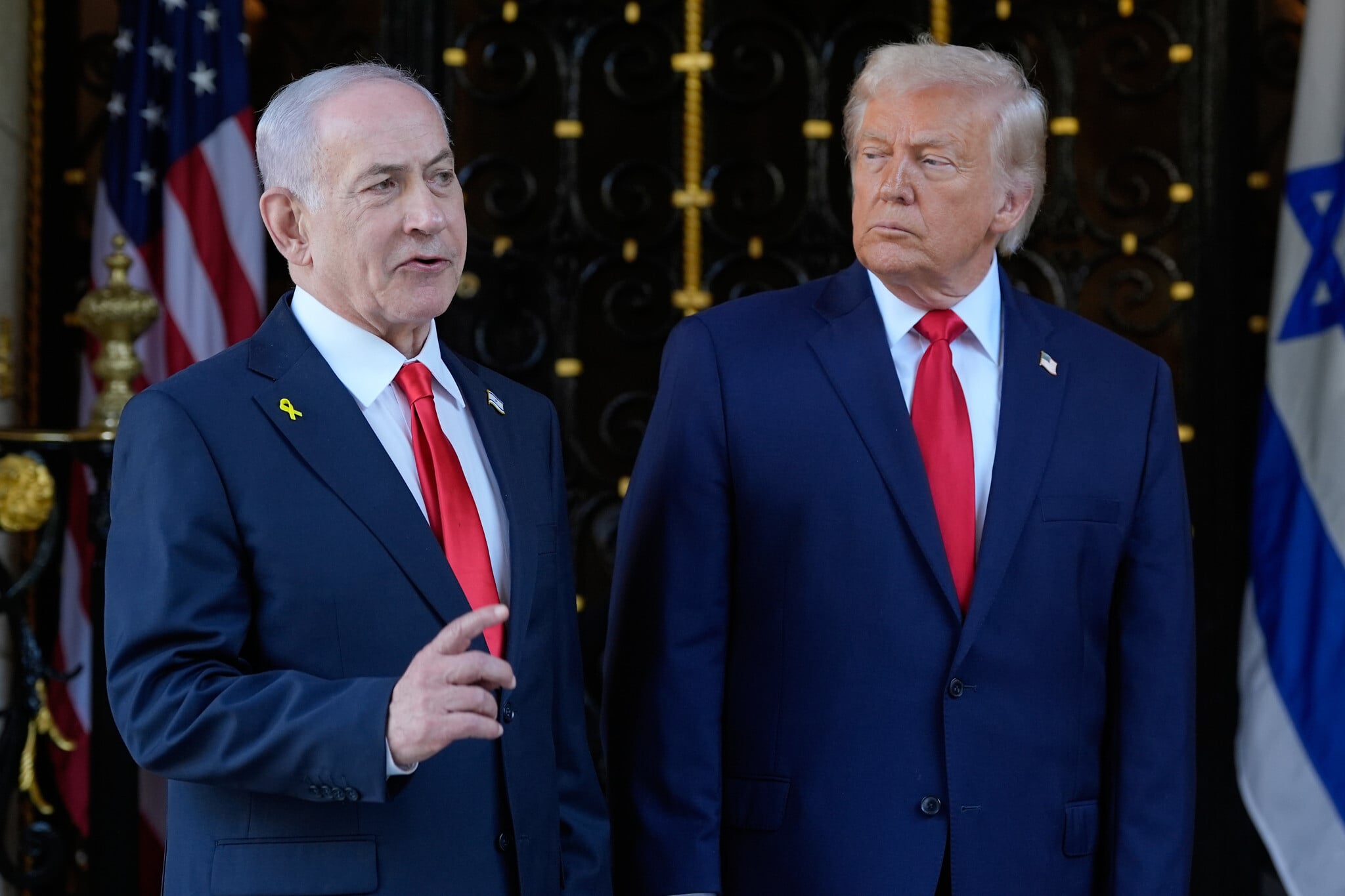
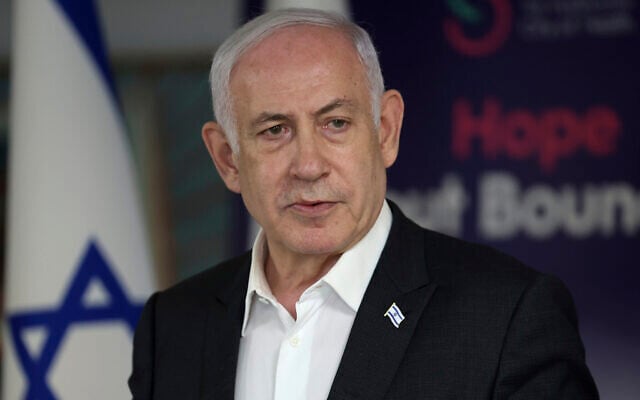
Prime Minister Benjamin Netanyahu has been pushing for a joint US-Israel strike on Iran, but US President Donald Trump’s administration has asked that any potential action be delayed until Washington is ready, CNN reported Monday, citing two US officials and an Israeli security source.
“Netanyahu really wanted and tried to convince Trump for a joint attack in Iran before the elections, and Trump did not give a green light,” the Israeli source told the US news outlet.
The network also said that the US military has prepared significant strike options for Trump should he choose to use them, which it would be ready to carry out within days if given the order.
Another source briefed on the matter told CNN that Israel has been lobbying the US over the last week to support and potentially join Israeli strikes on Iran. Trump and other senior US officials asked Israel to wait, according to the source, and indicated that they would agree to conduct joint operations soon.
The report said Israel agreed due to, among other reasons, concerns about missile defense and the need for US support if Iran and potentially the Houthis in Yemen fire missiles at Israel.
The Prime Minister’s Office denied the report, calling it “fake news,” without elaborating.
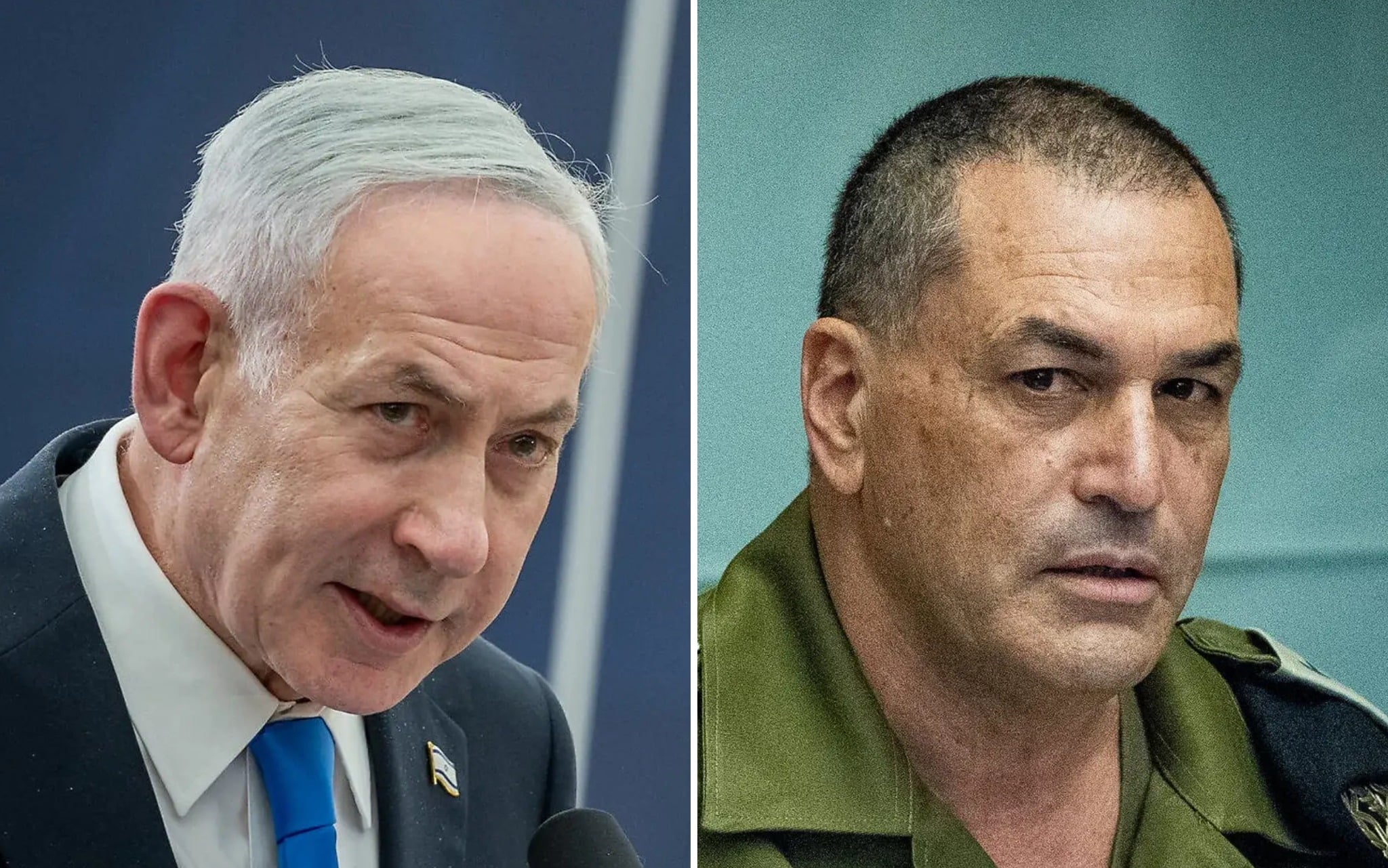
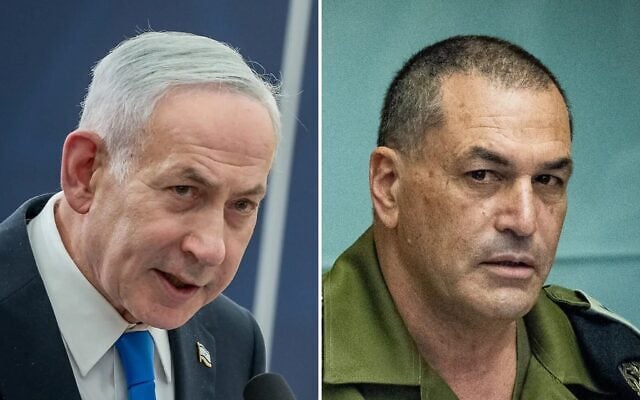
Late Sunday night, Channel 12 reported that Netanyahu and IDF Chief of Staff Lt. Gen. Eyal Zamir had clashed in recent days over an instruction by the prime minister for unspecified military action that defense officials believe could lead to a swift confrontation with Iran shortly before the election. Netanyahu also denied that account, though Army Radio published similar reports Monday morning, citing two senior security officials.
According to the Israeli source cited by CNN, one reason for Trump not agreeing to an immediate strike was a warning from Zamir that an attack could postpone the Knesset election.
If the US does move to strike, sources told CNN that American forces are prepared to launch a major operation against Iran “within 96 hours of receiving” the order from Trump, and that the planned attacks would be “a big effort,” meaning a major campaign.
According to the report, the strikes would go beyond “mowing the lawn,” and would target military sites, nuclear facilities and crucial infrastructure.
Defense Minister Israel Katz on Monday insisted that Israel had no plans to strike Iran before the election.
“The reports of disagreements between the political leadership and the IDF on Iran are completely baseless and false,” Katz said in a statement.
“I state unequivocally that Israel had no intention of initiating an attack on Iran before the election in Israel, while making clear that if Iran attacks Israel, we will respond with great force,” Katz said, adding that “all reports on this matter are completely false.”
As the reports emerged, Yisrael Beytenu party leader and opposition challenger Avigdor Liberman said Monday that he had written a letter to Attorney General Gali Baharav-Miara, asking her to open a criminal investigation into the prime minister for alleged “treason.”
In the past month, he asserted, Netanyahu “has been pressuring security chiefs to take steps that might cause a miscalculation vis-a-vis Iran. The attempt to drag Israel to war on the eve of the election, coupled with the willingness to sacrifice IDF soldiers just because he’s afraid of an election loss, is a betrayal of the state, its security and IDF soldiers.”
Mecca Pact countries in Iran for talks
Meanwhile, high-level delegations from Saudi Arabia, Pakistan and Turkey, the signatories of the Mecca Defense Pact, were in Tehran on Monday for meetings to try to avert renewed fighting, Iran’s Foreign Ministry said.

Saudi Defense Minister Khalid bin Salman, Pakistani army chief Field Marshal Asim Munir and Ibrahim Kalin, the head of Turkey’s intelligence service, were to meet with Iran’s top security officials and negotiators to push for a deal between Tehran and Washington.
The war in Yemen and strikes by Iranian-backed Houthi rebels against Saudi Arabia were also topics of the talks, according to two regional officials who spoke on condition of anonymity because they were not authorized to speak to reporters.
Iran’s Foreign Ministry spokesperson Esmail Baghaei told reporters in the Iranian capital that the agenda for the meeting was not set, but the talks would “undoubtedly address the most pressing threats to regional security.”
He said that such issues include “the expansionism of the Zionist regime, developments in occupied Palestine and the surrounding region, Lebanon.”
One of the most important topics at the meeting, said Baghaei, will be “the US military aggression and the Zionist regime’s aggression and its consequences for the security of the entire region.”
Baghaei added that “the very fact that the countries of the region are seeking to establish or at least seek mechanisms for rational security based on their own interests and concerns is a positive thing.”
Saudi Arabia said in a statement that the delegations hoped to find “ways to de-escalate tensions, enhance regional security and promote its stability.”
Qatari mediators also traveled to Tehran on Sunday, working in coordination with the US, as part of efforts to de-escalate regional tensions, according to a regional official speaking on condition of anonymity due to the sensitivity of the talks.
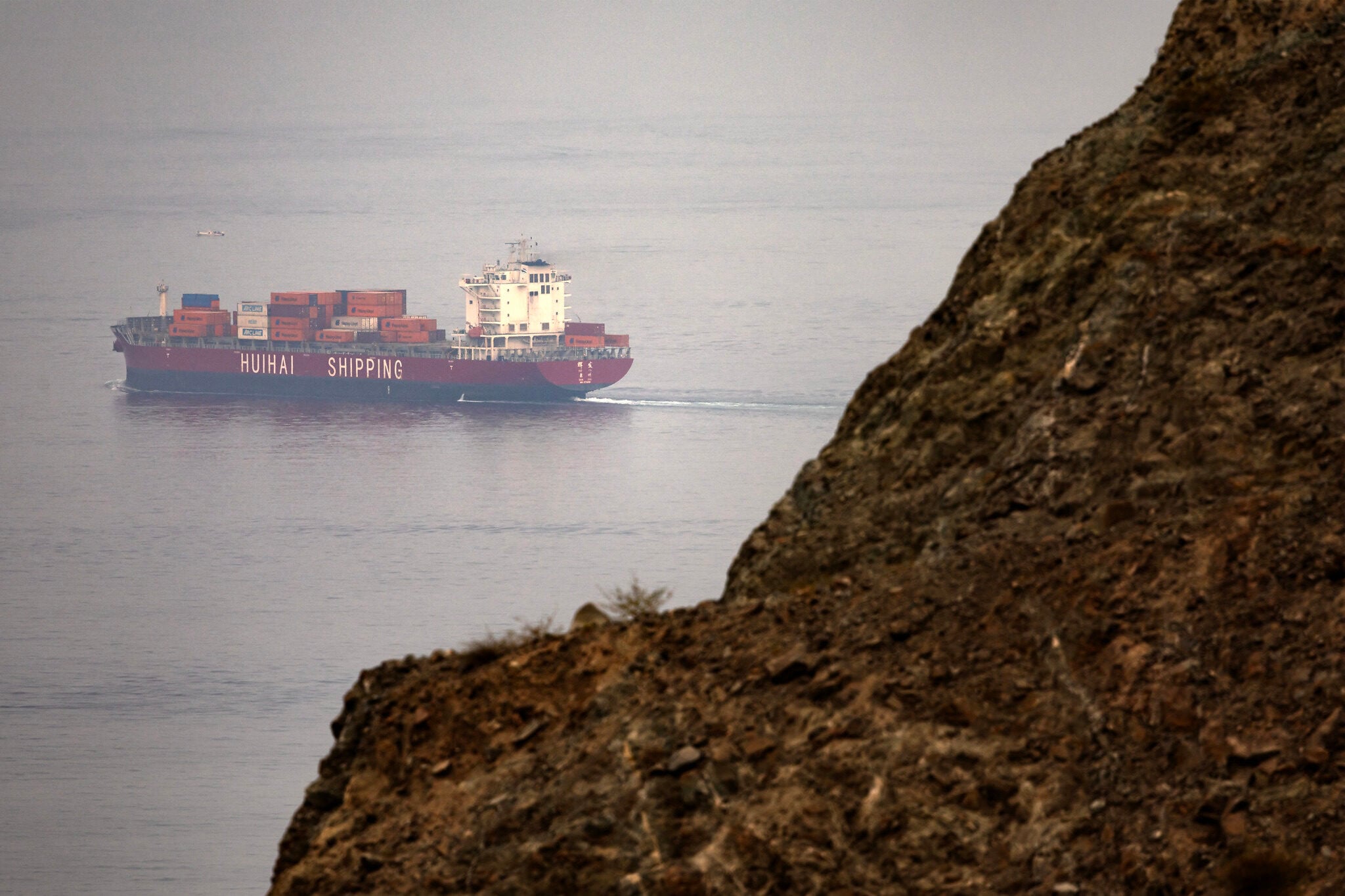
Pakistan and Qatar helped broker an agreement in June aimed at having Iran fully reopen the Strait of Hormuz to shipping, ending a US blockade of Iranian ports and opening negotiations on a broader settlement addressing Iran’s nuclear program. The deal unraveled quickly, however, as both sides renewed attacks.
In Tehran, when asked whether Iran was planning attacks, Baghaei on Monday only said that “the Israeli regime is highly skilled at carrying out false-flag operations.
“The Islamic Republic of Iran will not hesitate to exercise its inherent right to self-defense to protect Iran’s sovereignty, territorial integrity, and independence,” he said.
Yemen front widens
Yemen has become a widening front in the Iran war that began in February, with the Houthis increasingly launching attacks on Saudi Arabia because it supports Yemen’s internationally recognized government battling the rebels.
The conflict has intensified since forces from the internationally recognized government and Saudi-led coalition launched airstrikes on Houthi-held Sanaa International Airport in July, shattering a 2022 ceasefire deal that largely stopped the fighting in the country’s civil war.
Early Monday, Houthi military spokesperson Yahya Saree said the rebel group had fired ballistic missiles at military gatherings and weapons depots belonging to Saudi-backed government forces in Aden and Lahj provinces. He claimed the attacks destroyed military equipment and caused casualties but did not provide evidence. The Associated Press couldn’t independently verify the claims.
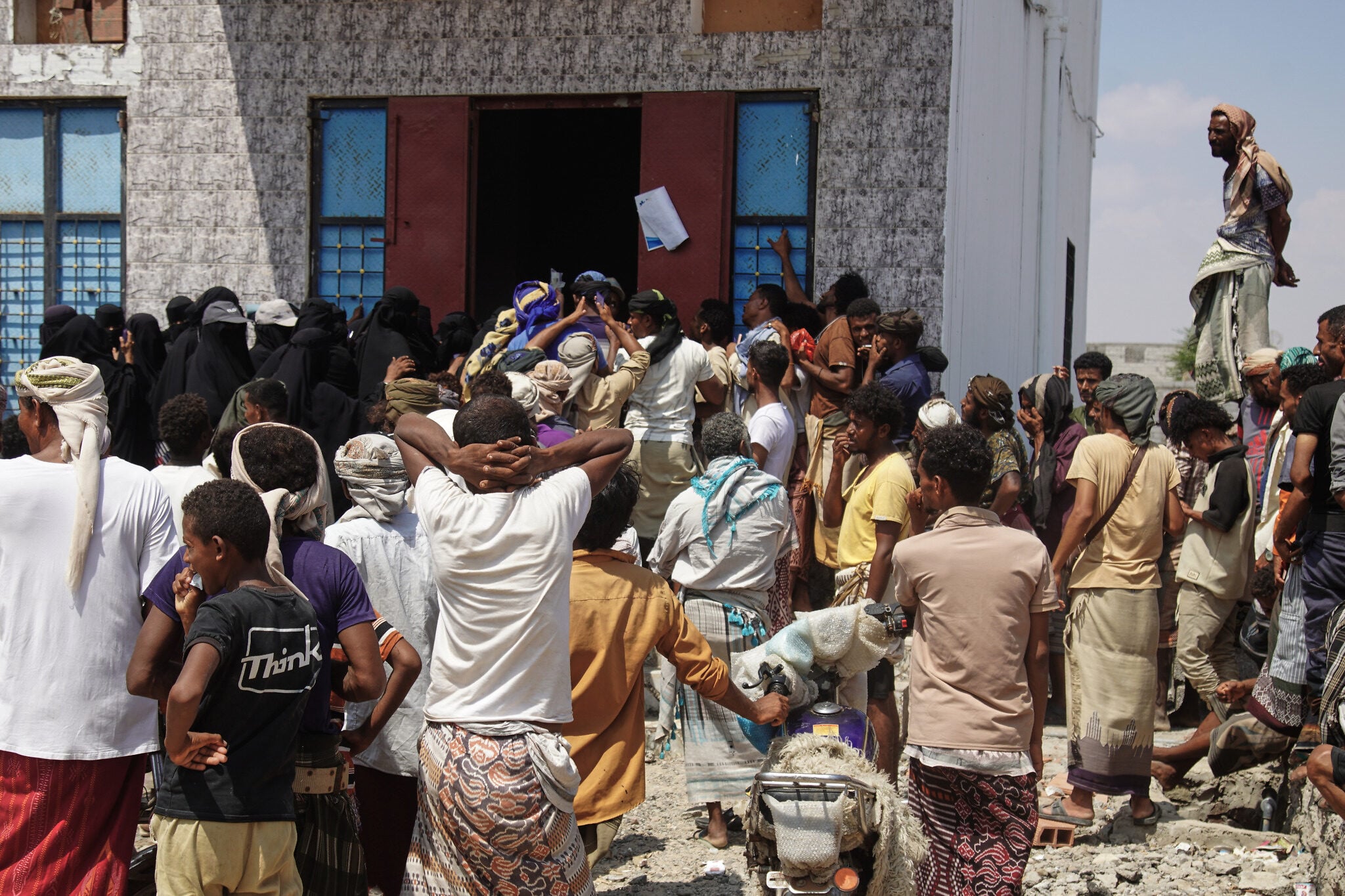
Meanwhile, residents in Houthi-held Sanaa and on the Red Sea coast reported a series of explosions.
Houthi media said airstrikes targeted a solar power system and a water well in Sanaa, but offered no proof. In the port city of Mokha, recently seized by the Houthis, residents said rockets hit several buildings, including a hospital.
Houthi-run al-Masirah channel also reported strikes in Saada, in northern Yemen, and in southwestern Taiz province, where the rebels and Saudi-backed government forces have been fighting for weeks.
The spokesperson for the Saudi-led coalition said an operation in Houthi-controlled territory destroyed five tunnels used for storing ballistic missiles, four ballistic missile launchers, and another missile storage site.




The Times of Israel Community.