

In a kibbutz near Gaza, Oct. 7 scars tear at leftist heritage
Nahal Oz resident Danny Rahamim laments that he’s ‘the most left-wing person here,’ with family members and others moving rightward after the Hamas onslaught that killed 16 residents
 Add ToI as a Preferred Source on Google
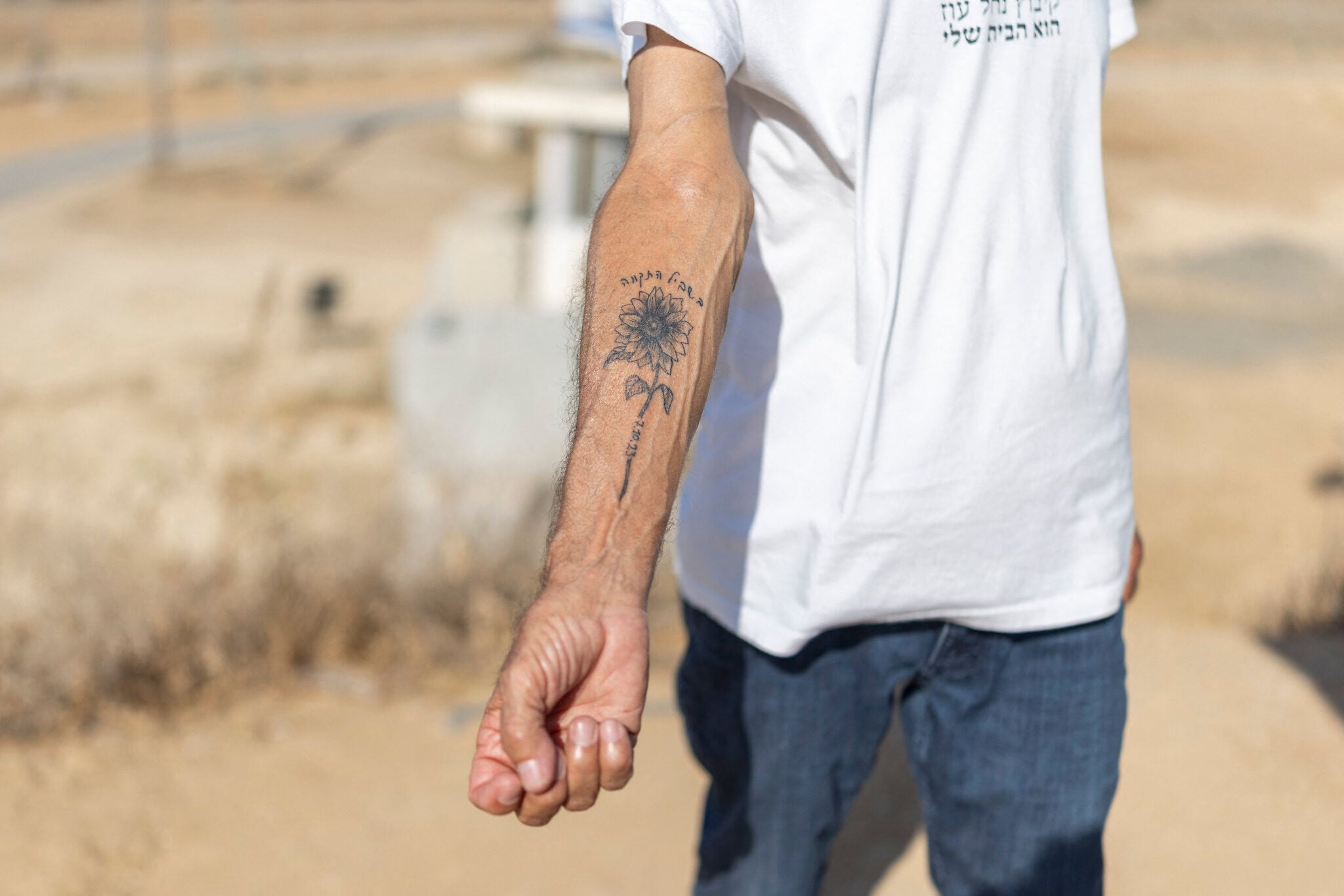
NAHAL OZ (AFP) — Danny Rahamim pauses for a few moments as he thinks about his neighbors here on an Israeli kibbutz just a few hundred meters from Gaza.
“I’m probably the most left-wing person here,” he said.
If that was true before October 7, 2023, when Hamas-led terrorists stormed the border and carried out their unprecedented onslaught, it is even more true today, as the country readies to vote in its first election since its deadliest day ever.
With a sun-tanned bald head and sporting small glasses, Rahamim has spent 50 of his 72 years here at Nahal Oz, which, like many of Israel’s kibbutzim — small communities in the countryside where all work is shared — has historically reflected the socialist ethos of the country’s founders.
The kibbutzim were once bastions of the left, voting for peace with the Palestinians, but three years ago they found themselves on the front lines of the Hamas attacks.
Sixteen of Nahal Oz’s 400 residents were killed. Thanks to the proximity of a military base, Rahamim explained, the death toll was significantly lower than at the neighboring kibbutzim of Kfar Aza, where 64 people died, or Beeri, where 102 died.
“People changed their minds” after the attack, he said.
“Most of them didn’t turn right-wing. But they say they don’t believe anymore that things can get better with our neighbors,” said Rahamim, who serves as the kibbutz’s spokesman.
“I’m not giving up,” he said repeatedly under the flower-covered gazebo of his house.
The peace camp has nearly vanished from Israeli politics.
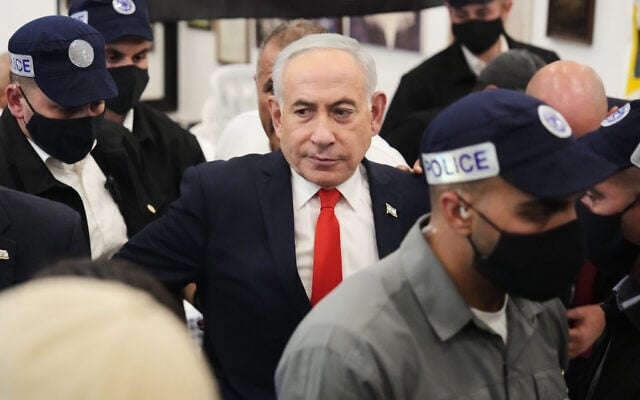
Prime Minister Benjamin Netanyahu, the veteran right-winger whose long career is on the line in Tuesday’s election, has run his campaign on promises of preventing a Palestinian state. His chief opponent, centrist former military chief Gadi Eisenkot, has cast himself as being even more firmly opposed to it.
‘Killing the idea of a better future’
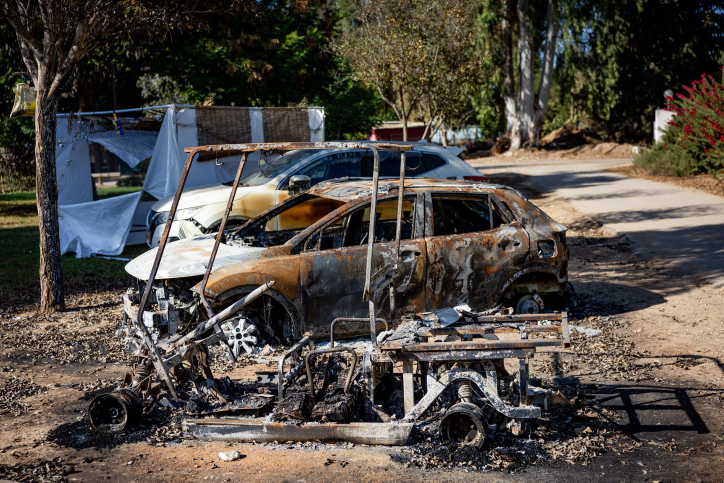
On the walls in Nahal Oz, the bullet holes have disappeared under a fresh coat of paint. But the memories remain ever-present. Rahamim said his own children tell him he is naive.
His grandson, who is almost four, rides his bicycle to the sound of birds chirping.
Above his yard, strewn with oranges that fell from trees, can be heard the constant buzzing of surveillance drones as Israel keeps an eye on the Gaza border.
“It looks quiet. But there were bodies everywhere,” said his stepdaughter, Naama Zadok-Rahamim.
The 37-year-old community employee wears a black T-shirt paying tribute to one of her slain neighbors and a Star of David around her neck. In her eyes, there is anger.
“What I expect from leaders is real security — someone who’s going to make sure that something like this doesn’t happen again,” she said.
During previous cycles of violence, when she heard the bombs falling on the other side of the border, she thought of the suffering of her “neighbors.”
“Now it’s hard for me to make the separation between Hamas and the other population. I don’t know if there’s much difference,” she said.
Nadav Perez, a 44-year-old hospital worker, has always voted for the left or the far left.
Before the attack, he was involved in a project to build a clinic for patients from Gaza. The regional council official behind the initiative was killed defending his kibbutz in Kfar Aza.
“I wondered if the terrorists who killed him knew that their bullets were killing the idea of a better future,” Perez said.
Since then, “my compassion is more blurred,” he admitted, his one-year-old son in his arms.
“I’m sorry to say it,” he said, “but I don’t really care what’s happening on the other side.”
He said he had not decided how to vote in Tuesday’s election. But he will not vote for Netanyahu, angry he has not taken responsibility for the failure to prevent the October 7 attack.
Ruins nearby
Danny Rahamim, for his part, will vote for the left-wing candidate Yair Golan, noting that he is the only major party leader who has made clear he would govern with lawmakers from Israel’s Arab minority.
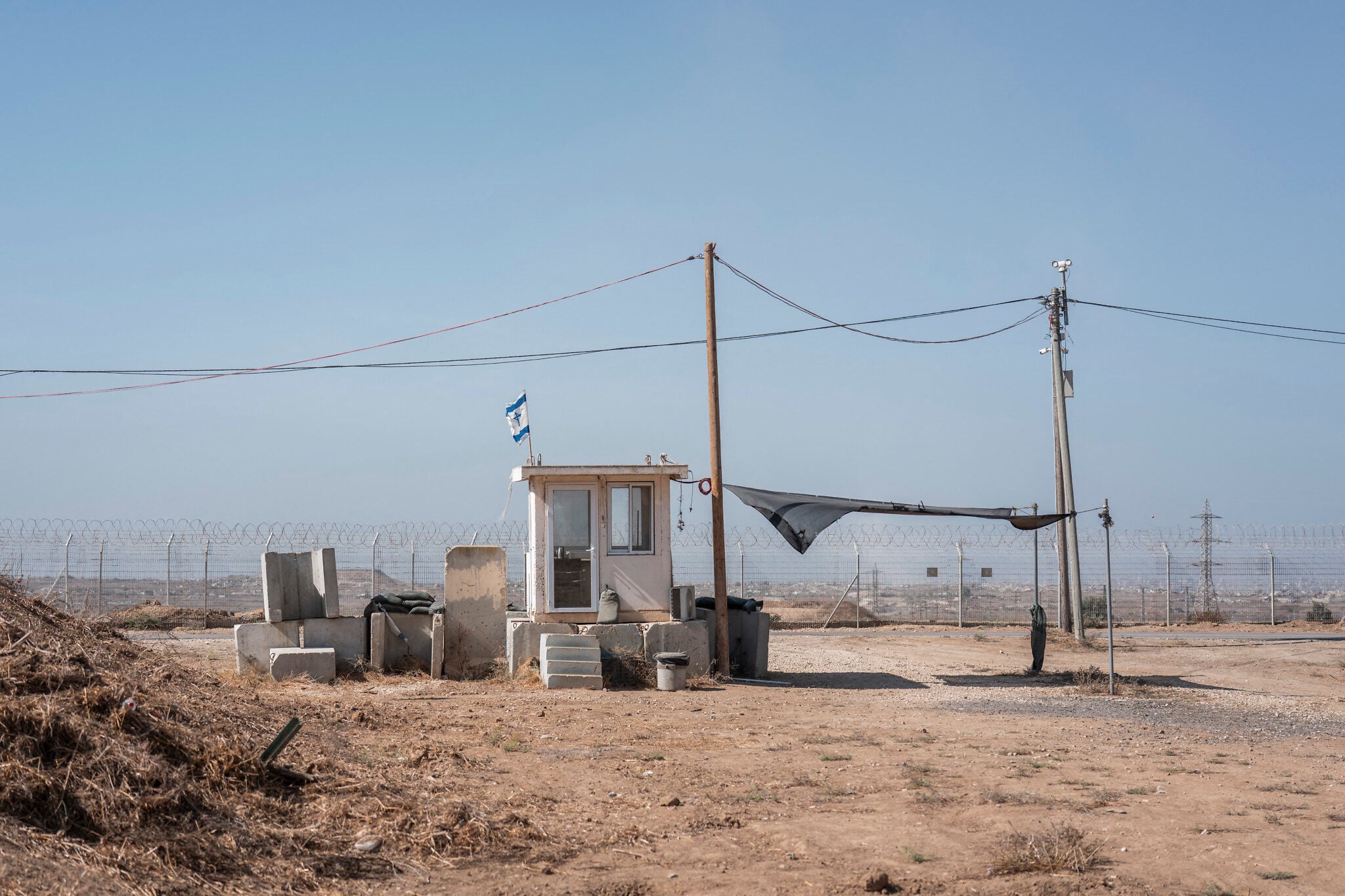
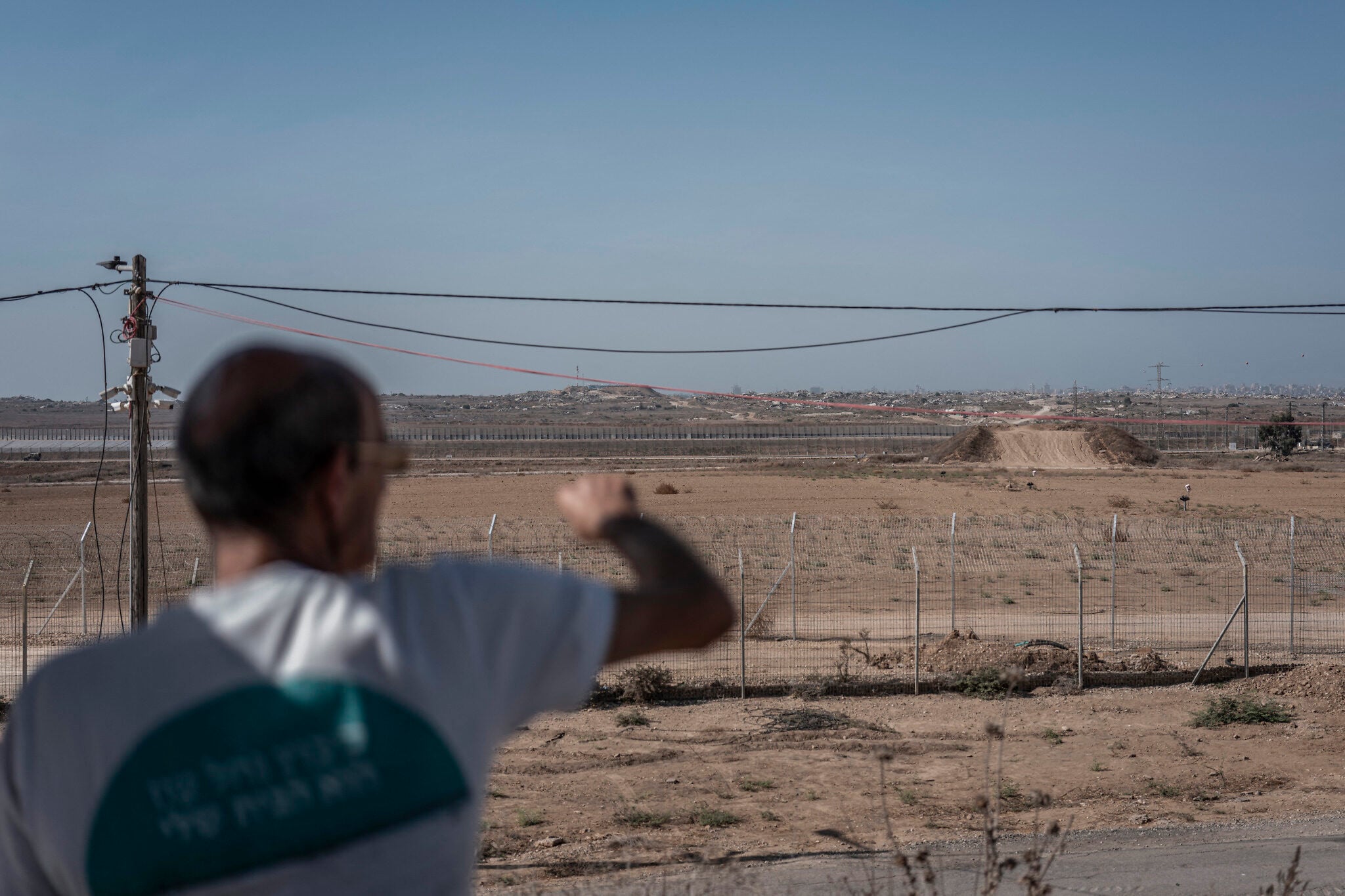
Looking out on Gaza from an observation post, he pointed to the fences that were so easily breached on October 7.
What once were the first houses on the Gaza side, just 750 meters (820 yards) away, are now nothing but rubble. In the distance, Gaza City also lies in ruins and a burst of gunfire rings out.
More than 10 years ago, his youngest daughter, then a teenager, had a panic attack during a bombing.
“‘If we can hear these bombs so strongly here, how can the children of Gaza stand it?'” he recalled her saying.
“I thought to myself that maybe I had done something right,” he said.
But she, too, has changed. She no longer speaks of the children on the other side, even as many thousands of them have been killed.
According to her father, she is now convinced that Palestinians in Gaza are “all the same — all they wait for is to kill us.”
But even with the proximity to Gaza, she eventually decided to return to the kibbutz. “For children, it’s heaven,” Rahamim said.
Times of Israel staff contributed to this report.


The Times of Israel Community.