

US intel warns Iran has ‘substantially increased’ efforts to kill American officials
US State Department reduces staffing at four Middle East embassies due to threats from Tehran and Houthis; US agencies reportedly assess danger at highest level since war began
 Add ToI as a Preferred Source on Google
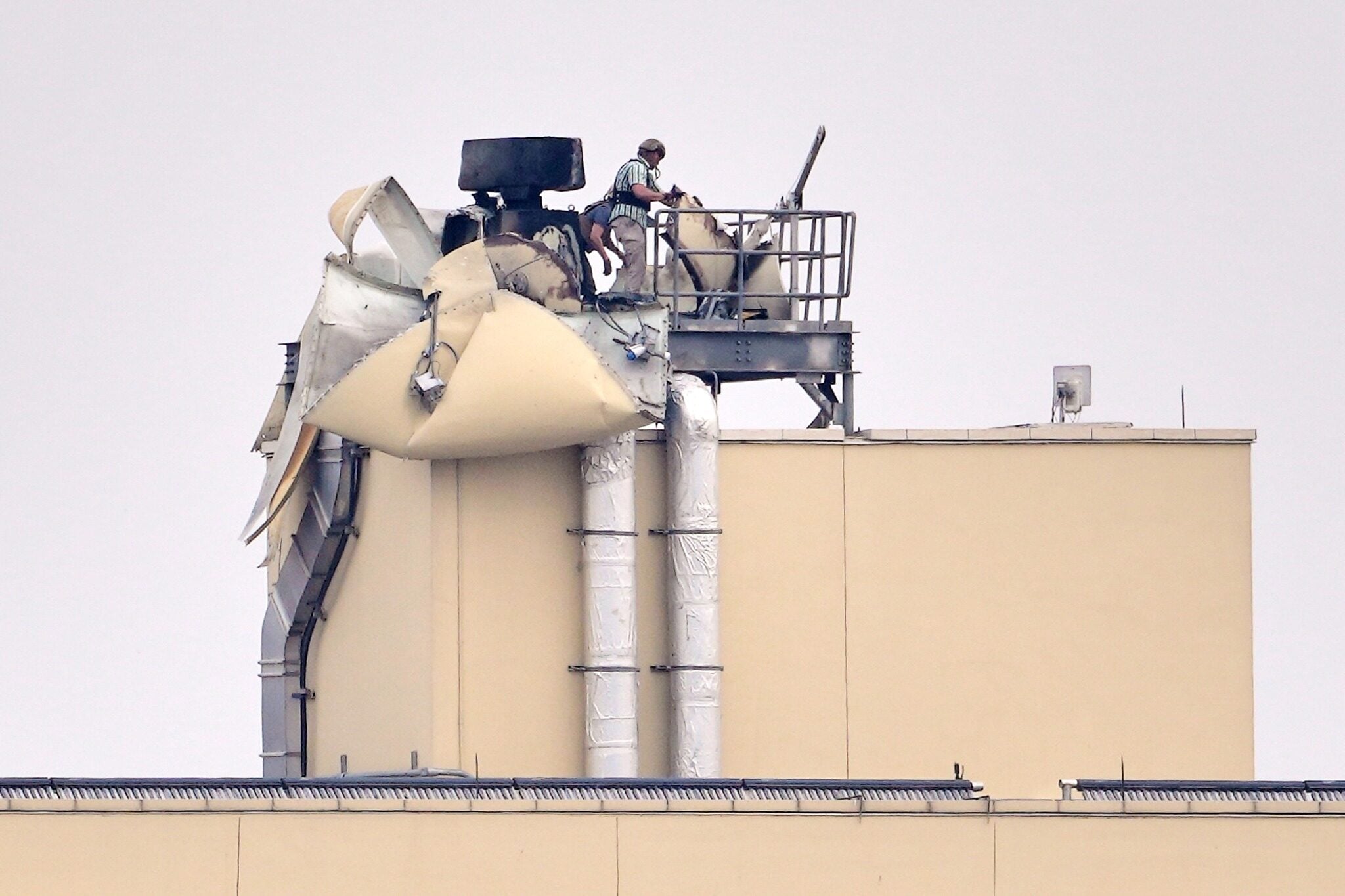
Iran has “substantially increased” its efforts to target Americans in the Middle East and beyond, US national intelligence chief Jay Clayton warned on Friday.
“We have received intelligence that Iran has substantially increased efforts to target US personnel,” Clayton said in a memo sent to Secretary of State Marco Rubio.
“The lethal plotting efforts by the Iranians against US citizens have reached advanced stages in both the Middle East and certain other countries,” said the memo, which was first reported by Axios.
The memo emerged shortly after the State Department announced it is reducing staff at the US embassies in Jordan, Lebanon, Qatar and the United Arab Emirates. Three US officials who spoke anonymously to the AP due to the sensitivity of the matter said the threats from Iran and Yemen’s Iranian-backed Houthi rebels were related to the staffing changes.
Earlier in the week, Washington ordered non-essential US embassy staff and their families to leave Saudi Arabia, following increasing Houthi attacks.
The kingdom has come under near-daily attacks this month from the Iran-backed group, including a strike on Riyadh’s international airport that was the kingdom’s deadliest in years.
????Scoop: U.S. intelligence finds Iran has "substantially increased" its efforts to target American diplomats & officials in the Middle East and beyond, with lethal plots reaching "advanced stages," per memo to Secretary of State Rubio. My story on @axios https://t.co/JpDxTvWdpT pic.twitter.com/OHJRSIOnJd
— Barak Ravid (@BarakRavid) October 24, 2026
Clayton offered in the memo to downgrade as much of the intelligence as possible so Rubio could share it more widely with personnel at the State Department.
The New York Times reported that the threat against Americans in the Middle East and several other countries has been assessed by US agencies as being at the highest level since the war started in February, according to US officials.
US President Donald Trump and top aides have received regular briefings. In the last three weeks, analysts have been examining the intelligence on threats to US officials, including ambassadors, a US official told The New York Times.
The Times also reported that intelligence suggests Iran may have operatives in the United States, according to US officials, and that potential targets include locations in Europe. Another official said, however, that Tehran has limited capabilities to carry out attacks overseas and that Iran’s ambitions exceeded its capabilities.
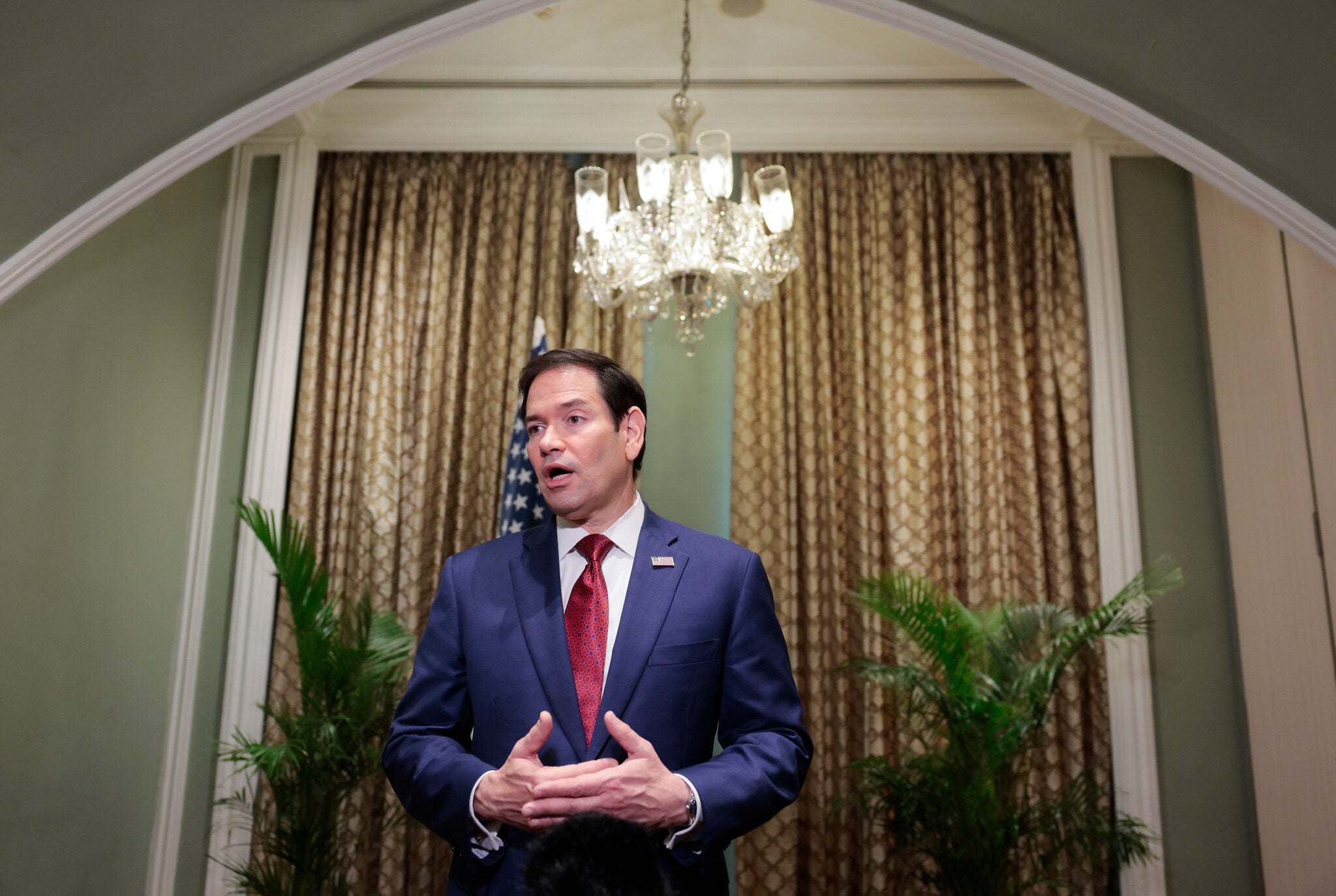
Earlier this month, the US Air Force withdrew its bombers stationed at the British RAF Fairford base used by US air forces, after information was received about Iranian plans to attack the installation.
The embassies involved are all under what is known as “restricted operations” status that has already reduced the size of their personnel footprints. The embassies will remain open.
However, unlike in Saudi Arabia, where nonessential US personnel and their families were ordered Wednesday to leave the country, staff in the other four countries are not compelled to depart.
The order included the US Embassy in Riyadh and consulates in Jeddah and Dhahran, Axios reported.
“We decided that due to the threat of Houthi attacks and Iranian terror plots we need to reduce our footprint and keep only essential staff,” an official said, according to Axios.
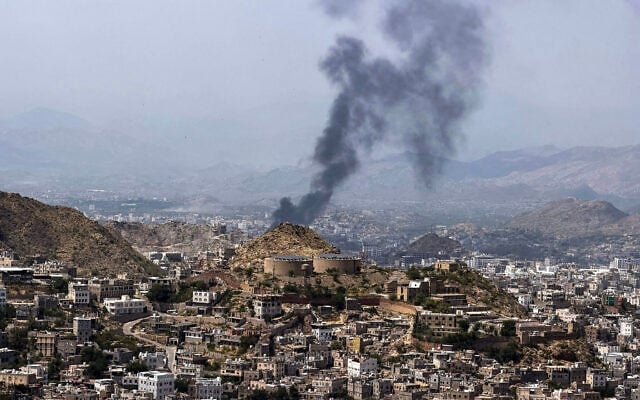
In announcing the staffing drawdowns this week, the State Department pointed specifically to increased threats from Yemen’s Houthi rebels and did not mention threats to US personnel directly from Iran. There has been a resurgence of fighting between a Saudi-led coalition and the Houthis, with the group launching missile and drone strikes against Saudi Arabia, including a strike on October 10 on Riyadh’s international airport that killed at least 12 people and wounded hundreds.
US officials have adamantly denied the drawdowns are tied to any potential new American and Israeli strikes on Iran. The unpopular war has spiked energy costs for Americans and posed political problems for Trump and his fellow Republicans, who are trying to keep control of the US Congress in the November 3 midterm elections.
The United States and Israel have drawn up plans for renewed military strikes on Iran after the US elections, though Trump has not finalized a decision to carry them out, according to The New York Times.
Trump, speaking at a rally Friday in Florida, touted the US military operations in Iran, which were dubbed “Operation Epic Fury,” and said that “we may do another little Epic Fury, or they’ll agree. If they’re smart, they’ll just say, ‘Let’s get down to business.’”
Mediators have been trying to bring Washington and Tehran back to formal talks as the war has reached a stalemate.
According to Iranian state television, the Revolutionary Guard navy this week again threatened to strike US military bases in the region if the United States keeps helping guide commercial ships through the Strait of Hormuz, a critical waterway for the global energy trade.
“Any further escalation around the Strait of Hormuz or elsewhere in the region will put civilian lives and the well-being of all regional states and the global economy at great risk,” Iranian Foreign Minister Abbas Araghchi wrote in an opinion column in the Financial Times this week.





The Times of Israel Community.