

Study: After 3 years of war, reservists face financial strain and stalled careers
Survey finds 70% of reservists have put off or abandoned career moves due to prolonged service, and only about a quarter say state assistance met their needs
 Add ToI as a Preferred Source on Google
Sharon Wrobel is a tech reporter for The Times of Israel
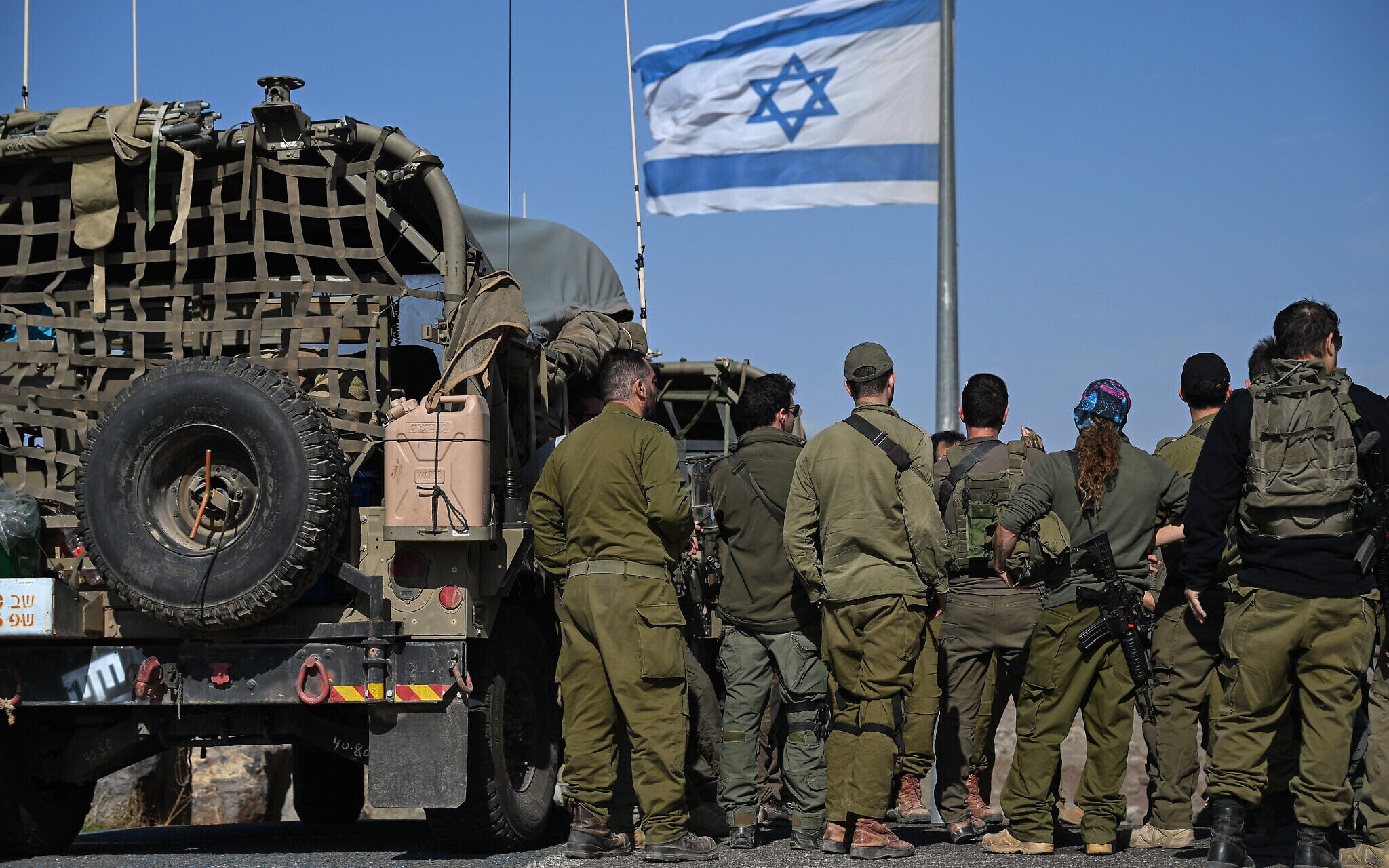
One in three Israeli reserve soldiers say their financial situation has worsened since the October 7, 2023, Hamas war, and most have seen their careers hurt, according to a new study by the aid organization Latet.
The report, based on a survey by Latet’s Research and Policy Department, found that 32.5 percent of reservists describe their finances as worse than before the war.
The survey, carried out between October 12 and 18, is based on a sample of responses from 400 reserve soldiers, called up since the start of the war.
Over the past three years, reservists have been called up for frequent and prolonged periods of military service during Israel’s multi-front hostilities with the Hamas terror group, Iran and its proxies, which began with the devastating Hamas-led attack on October 7, 2023.
Repeated and prolonged reserve duty has also stalled career advancement, with 70.2% of reservists delaying or forfeiting key opportunities for professional development, according to the study by the nonprofit, which works to combat poverty and nutritional insecurity. Specifically, 40.2% deferred further studies or vocational training, 36.5% passed up promotions, 30.5% missed opportunities to move into new roles, and 17.2% put business expansion on hold.
Overall, 35.2% stated that their reserve duty service had caused them severe professional setbacks.
During the first year of the war, combat soldiers served an average of 136 days, and commanders served 168 days. Before the war, reservists would carry out up to 25 days of operational activity every three years.
At the peak of the war, the IDF activated around 300,000 reservists, and it had been expected to call up some 60,000 during 2026 for routine activities.

The survey found that the widespread financial strain on reservists increased with longer service. Among reservists who have served more than 240 days since the start of the war, 39.4% reported a significant impact on their income, compared to 28.9% among those with fewer days in uniform.
Among those who served more than 180 days in the past year, half reported significant harm to their income, compared with 26.9% among those who served 61 to 120 days.
Among parents, 54.6% said their service has harmed their household, compared to 40.5% among those without children.
To cope with financial hardship, 58% said they have taken at least one financial measure, such as postponing major expenses, drawing on savings or taking out a loan.
“Reservists continue to pay a financial and emotional price,” said Latet founder and president Gilles Darmon. “Six in 10 have had to postpone expenses, dip into their savings, or take out a loan, and more than four in 10 report a decline in their mental health.”
Despite government aid programs, only about a quarter of those surveyed stated that the assistance and compensation they received had meaningfully addressed their difficulties.
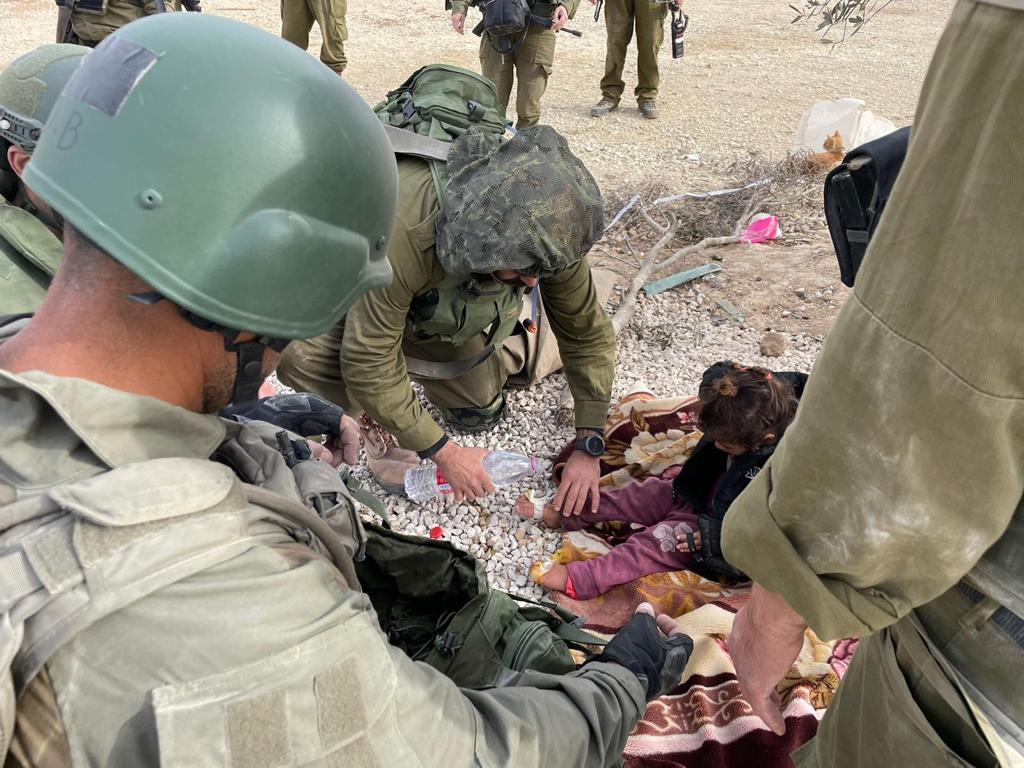
Asked about the most urgent needs, 66% cited direct financial support, followed by support for family and children, the purchase of food and essentials, and employment assistance.
“The many days of reserve duty, an unavoidable reality given the security situation and the IDF’s severe manpower shortage, place a heavy burden on those who serve,” said Darmon. “At the very least, they call for a broader state support system to address the financial and emotional needs resulting from prolonged service, needs that reservists will continue to face in the years ahead.”
Times of Israel staff contributed to this report.







The Times of Israel Community.