

Charedi Public party makes unorthodox pitch to voters in secular Tel Aviv
Defying pressure to withdraw from next week’s election, fledgling Haredi list insists it can beat the polls and offer ultra-Orthodox voters an alternative to Shas and UTJ
 Add ToI as a Preferred Source on Google
Stav Levaton is a military reporter for The Times of Israel
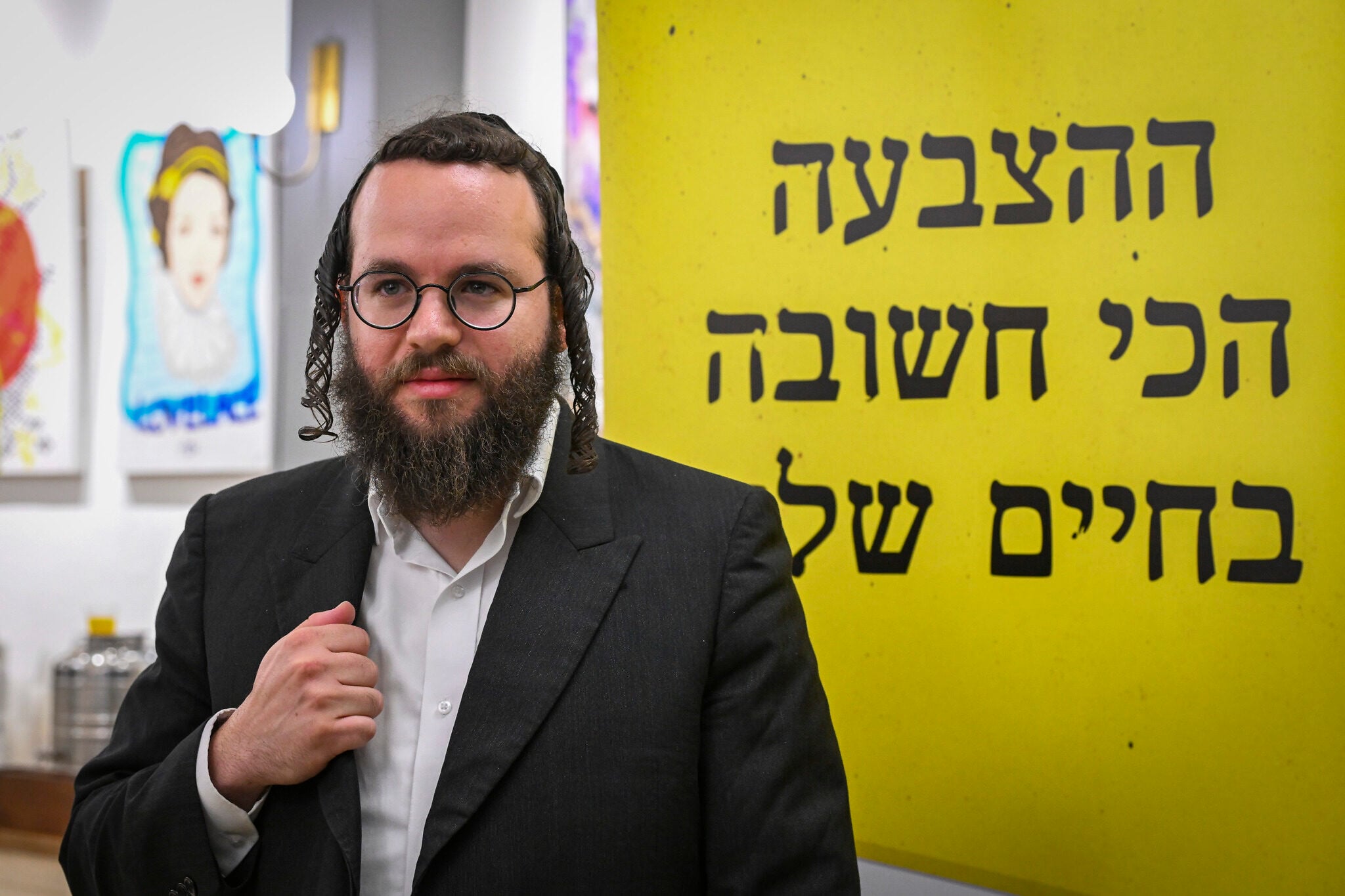
On Wednesday evening, Charedi Public chairman Moti Leitner announced at a press conference that his party would remain in the race despite mounting pressure to withdraw from next week’s election. Shortly later at a campaign event in Tel Aviv, he explained why he believed Charedi Public is needed.
“Haredi society can no longer live parallel to the rest of Israel. We must be part of it, and we must take an active role in it,” he told the audience.
Leitner’s arty emerged on the political scene in July, offering ultra-Orthodox voters an alternative to established Haredi factions Shas and United Torah Judaism. The party aims to combat poverty within the Haredi community and, unlike Shas and UTJ, supports secular education, greater workforce participation and IDF conscription for those not studying full-time in yeshiva.
The English-language event, hosted by the Tel Aviv International Salon, drew a modest crowd, but one that looked little like a traditional Haredi political gathering. Apart from Leitner himself, there were no men in black suits and hats, although some attendees wore kippot and tzitzit.
The setting was itself unusual: Tel Aviv, with its predominantly secular population, is hardly a traditional campaign stop for an ultra-Orthodox party.
Many attendees came to learn about the fledgling party’s platform, with some even considering voting for Charedi Public despite not belonging to its target demographic.
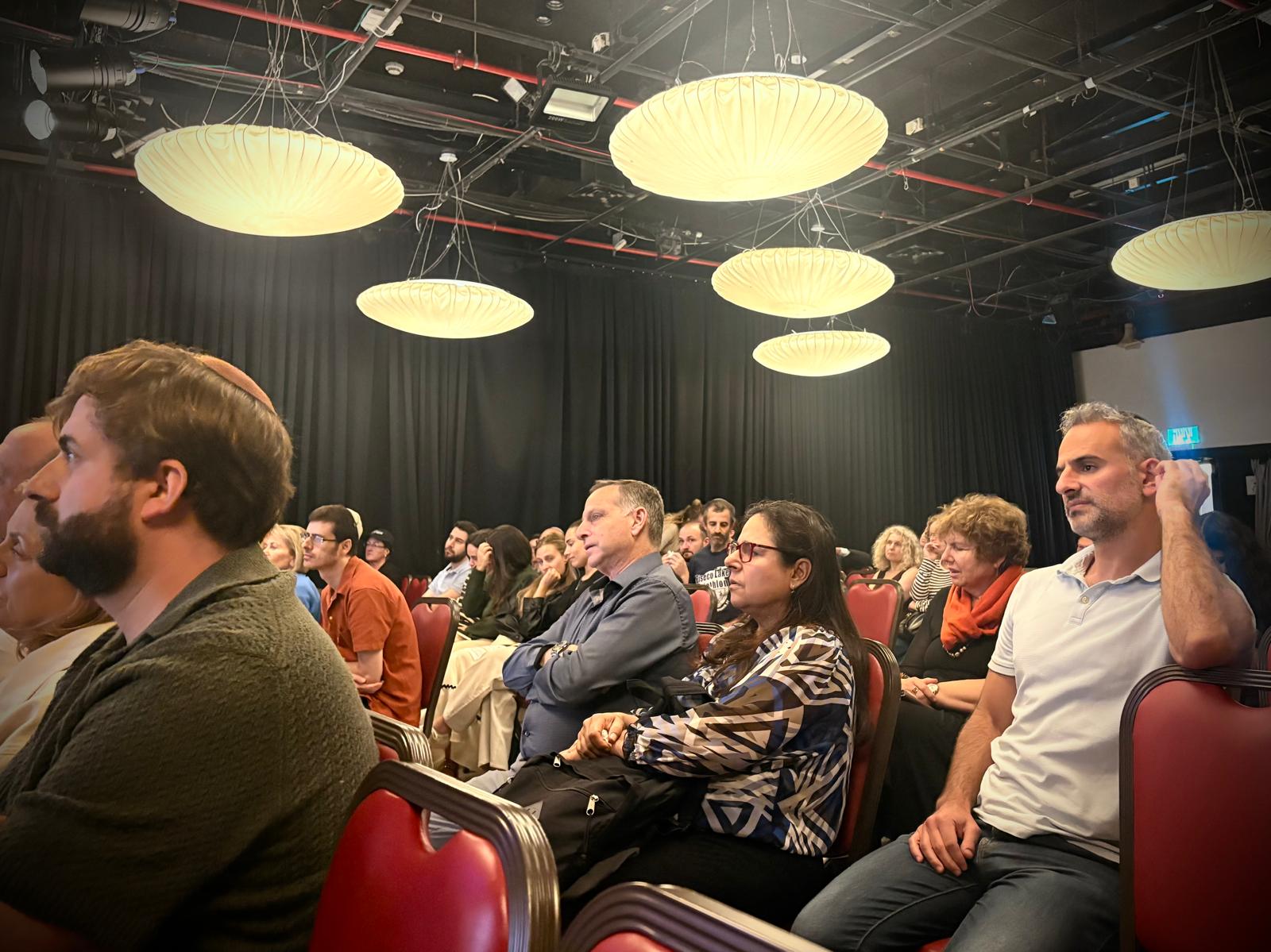
Peta, an immigrant from South Africa who is not ultra-Orthodox, said it was important for her to attend the event “to hear different views.”
Another non-Haredi attendee, Michael, who immigrated to Israel from the United States 12 years ago, told The Times of Israel that he remained undecided about whom to support on October 27.
“This party is new, and I wanted to understand what their platform is,” he said. “I’ve voted in four different elections, and I’ve voted for four different parties. I’m trying to find a home.”
Still, Michael expressed reservations about voting for Charedi Public, pointing to polls that consistently place the party below the electoral threshold.
“If all the people who said they’re scared to vote for us voted for us, we would pass the threshold,” Leitner told the crowd.
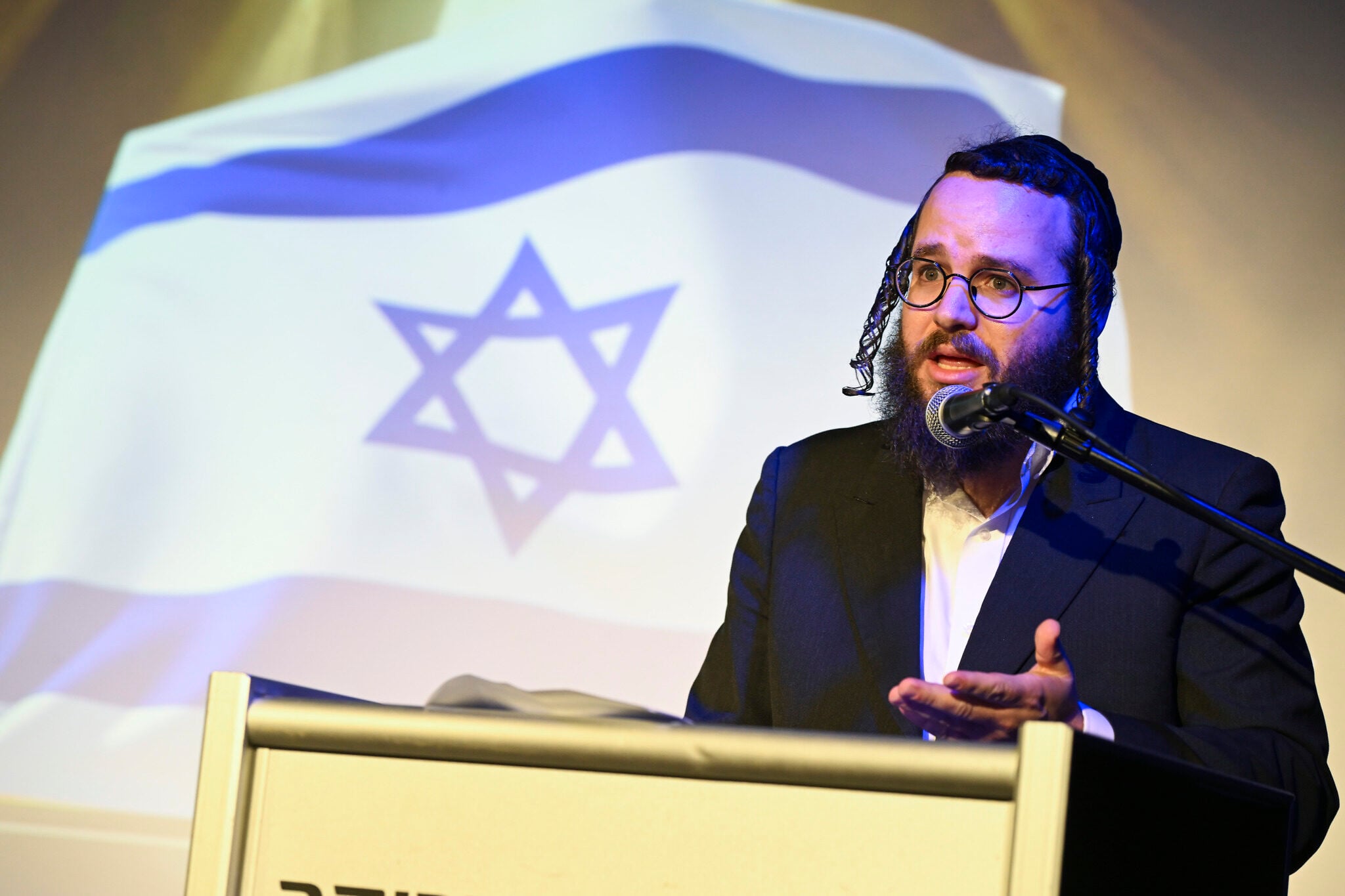
Despite Charedi Public’s poor polling figures, Zivva Glantz, the party’s No. 4, expressed optimism that its support would prove stronger at the ballot box on October 27.
“I think that we are the ‘Trump vote’ of this Israeli election,” Glantz said, referring to the theory that some American voters concealed their support for US President Donald Trump ahead of the 2016 US presidential election but ultimately voted for him, pushing him to victory despite polls suggesting he would lose.
“We see tremendous momentum within the Haredi space based on our internal polling,” added Rabbi Yehoshua Pfeffer, a British-born rabbinical judge and chair of Charedi Public’s rabbinic committee.
Pfeffer noted that Israel’s ultra-Orthodox population has grown rapidly, with a January report by the Israel Democracy Institute putting its annual growth rate at around 4.2%, the highest among populations in developed countries. Yet, he argued, that demographic expansion has not translated into a corresponding increase in the number of Knesset seats held by Haredi parties.
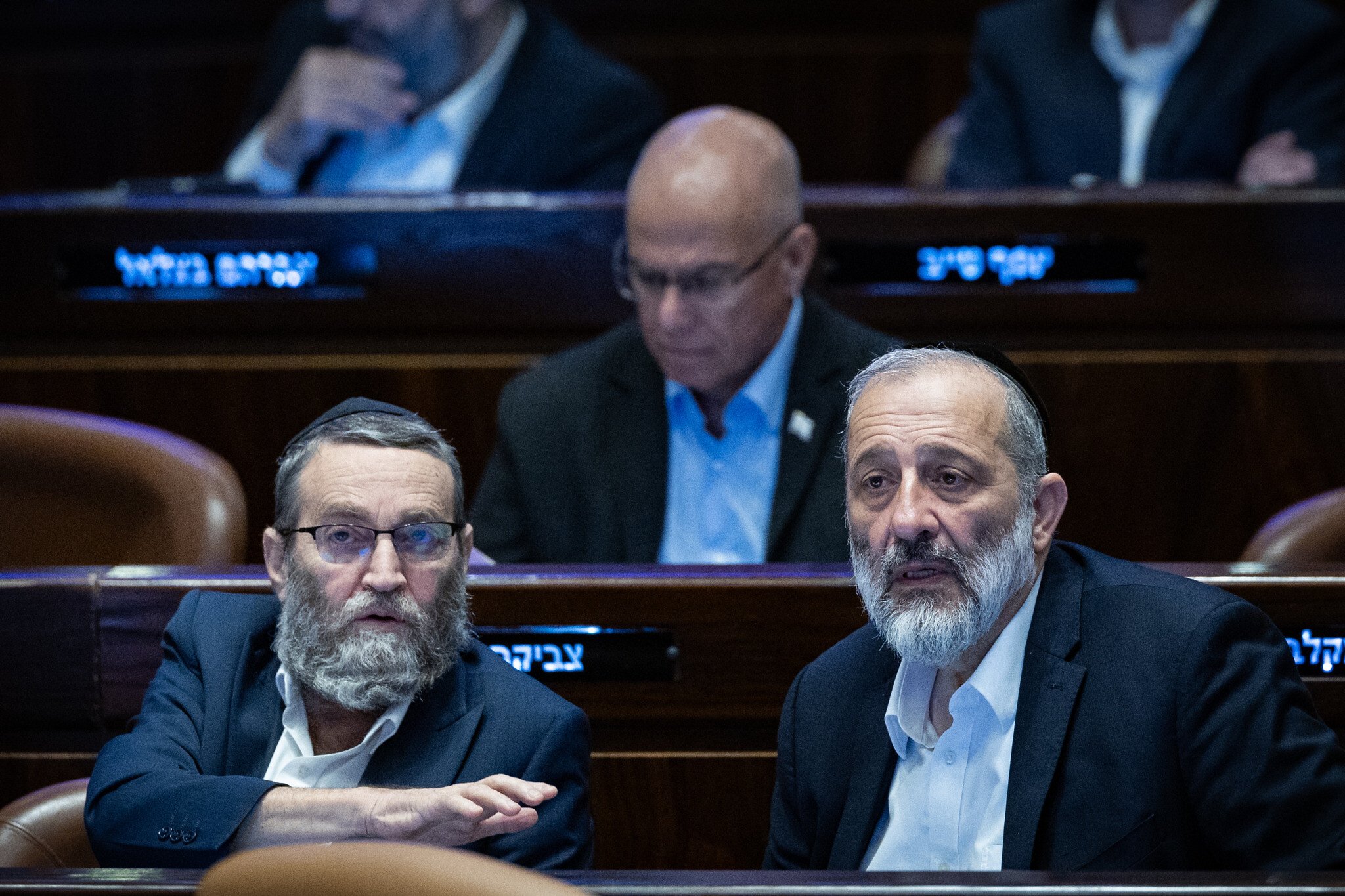
Since 2003, Shas and UTJ have generally won a combined 16 to 18 seats, with the exception of the 2015 election, when they secured just 13.
“There is such a desire for this party,” Glantz said. “We know that this is just the beginning, and we are here for the long term.”
‘A shared space’
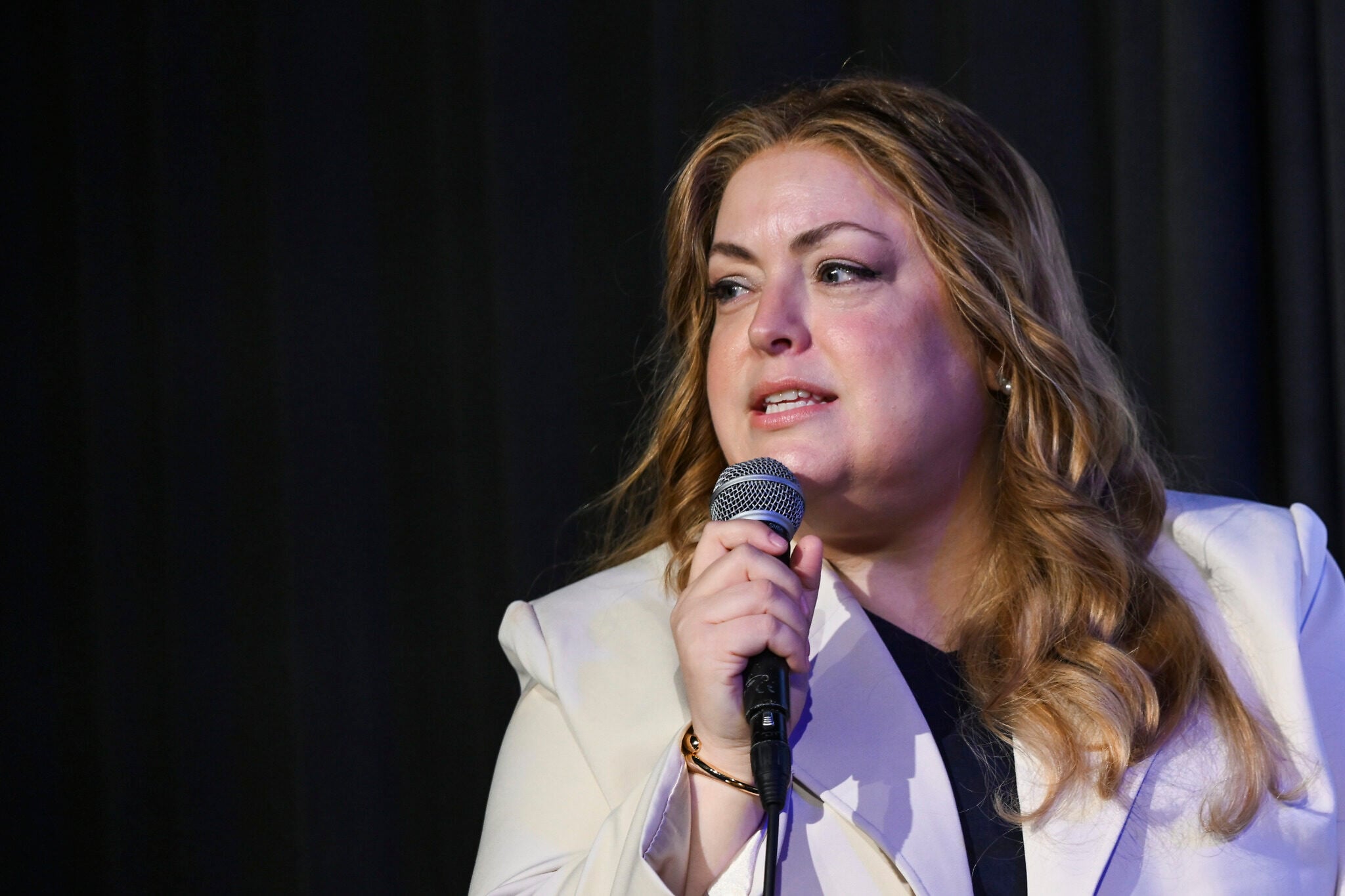
Charedi Public has assembled a candidate list that breaks with several longstanding conventions of ultra-Orthodox politics. It includes several native English speakers and two women: Glantz and Dr. Nechumi Yaffe, who is placed third on the party’s slate. They are the first women to appear on an ultra-Orthodox party’s electoral list.
“In Israeli society they expect a certain cookie cutter person from the Haredi community,” Glantz said.
Charedi Public’s candidates challenge that image. Glantz described how her son serves in a Haredi unit in the IDF, while Leitner recounted reporting for military duty following Hamas’s October 7, 2023, terror onslaught.
“After October 7, like many of you, I left my house and went straight to the army to defend our country,” Leitner said. “As I have already been in the IDF, it’s hard to see just how much our nation was being torn apart by the Haredi leadership, who are more concerned with the old ways of being a macher (big shot) than being a mensch (good person).”
Throughout the evening, Charedi Public representatives outlined their proposals, including military enlistment for ultra-Orthodox men who are not engaged in full-time Torah study and expanding access to core subjects such as mathematics and science for Haredi families who want their children to receive that education.
Glantz also described Charedi Public as “the only Haredi party that is decidedly a right-wing party,” saying it would prefer to see Prime Minister Benjamin Netanyahu reelected. Pfeffer, however, said the party’s “ideal” outcome would be a unity government that also includes Netanyahu’s main rival, centrist Yashar chairman Gadi Eisenkot.
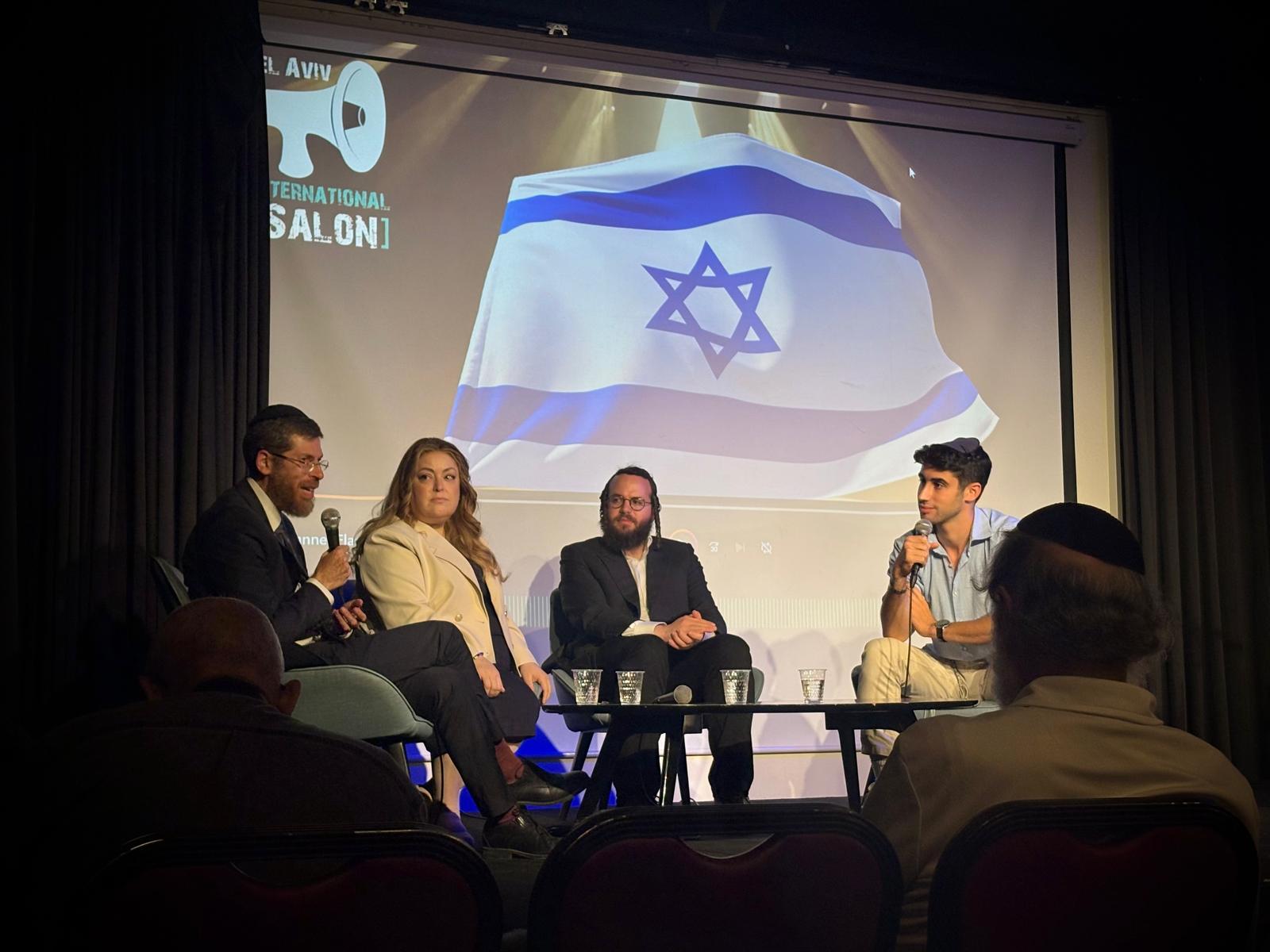
Charedi Public’s representatives were also keen to stress that greater integration into Israeli society need not come at the expense of ultra-Orthodox religious identity. Rather, they argued, Haredi values could enrich the broader society if the community were given a greater role in shaping it.
“Haredi society is a society that has deep commitment to religion, to Torah study, to family values,” Pfeffer said. “This is a society that can give a lot if we just translate the values [from Yiddish] into Hebrew — if we’re able to play a part in that broader society and to create a shared space.”






The Times of Israel Community.