

US treasury sanctions Greek-Panamanian law firm over aid to Iranian shipping
State Department says Karnakis & Karnakis ‘set up shell companies’ to hide origin of Iranian ships, allowing Tehran to sell millions of barrels of oil; firm does not comment
 Add ToI as a Preferred Source on Google
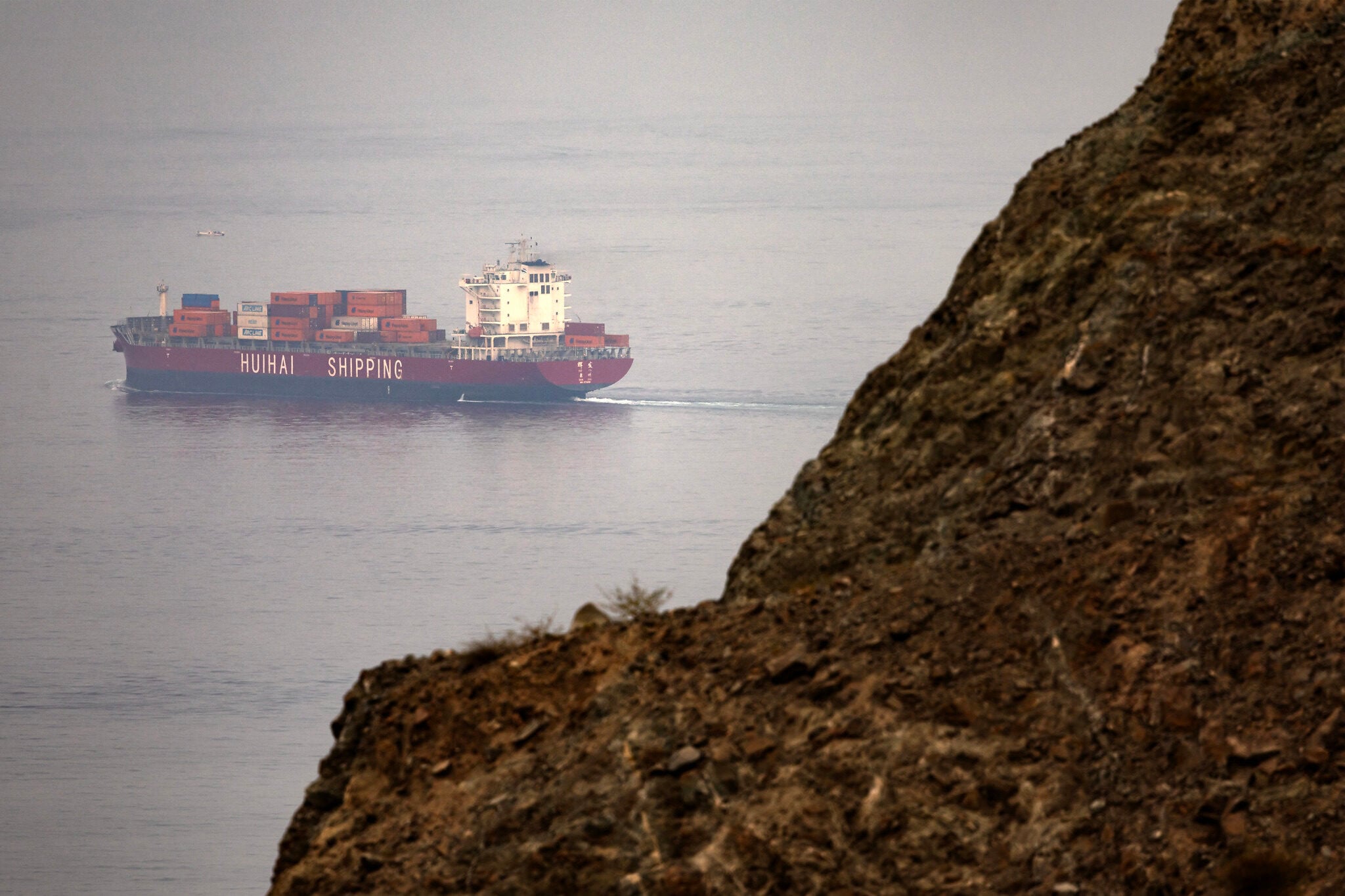
WASHINGTON — The US Treasury Department imposed sanctions on Wednesday on Karnakis & Karnakis, a law firm based in Greece and Panama, saying it had for years provided legal assistance to Iranian shipping networks.
The US Financial Crimes Enforcement Network also issued an administrative subpoena to advance an investigation into a Greek bank over potential ties to Iran, according to a Treasury statement, which did not name the bank.
FINCEN also issued requests for information to six other European banks that it did not name over relationships with Iranian financial institutions under US sanctions.
“Whether you are conducting illegal oil transfers at sea or sitting in the corner office of a law firm, if you are supporting the Iranian regime, we will find you and sanction you,” Treasury Secretary Scott Bessent said in a release.
Washington has held off striking Iran this month in the war that the US and Israel launched on February 28, and instead has continued the blockade of Iranian ports and issued waves of sanctions on Iranian shipping networks and those who the US says aid them.
State Department spokesman Tommy Pigott said Karnakis & Karnakis for years “set up shell companies to hide the true owners of vessels carrying Iranian oil, petrochemicals, and steel.”
Today, as part of Operation Economic Outcast, Treasury sanctioned Panama- and Greece-based law firm Karnakis and Karnakis, shipping agents, and vessels which have supported illicit Iranian shipping activity, indirectly aiding Tehran’s ability to generate revenue to fund its…
— Treasury Department (@USTreasury) October 21, 2026
He said the firm created companies that served as fronts for networks selling millions of barrels of Iranian oil to benefit the Islamic Revolutionary Guard Corps Quds Force and the Houthi rebels in Yemen.
Karnakis & Karnakis did not immediately respond to a request for comment.
The treasury also imposed sanctions on Singapore- and UAE-based shipping agents that it said directly aid Iranian shadow fleet operations.
Negotiations between the US and Iran have largely stalled in recent months. At their heart is a dispute over the future of Iran’s nuclear program. Iran maintains that the program is peaceful but has enriched uranium far beyond any civilian use, blocked inspectors and built a ballistic missile program.
The US seeks the nuclear program’s dismantlement, but Iran has rebuffed those demands, saying Washington could not regain Tehran’s trust until it fulfilled seven conditions Iran set last month for reopening the Strait of Hormuz, the key pathway for oil and gas that the Islamic Republic has blocked since the beginning of the war.
Iran’s demands include ending a US blockade on its ports that was launched in response to the strait’s obstruction. They also include the lifting of sanctions on its oil exports and ending hostilities on all regional fronts, a term referring to conflict between Israel and the Iran-backed terror group Hezbollah in Lebanon.






The Times of Israel Community.