

Final polls before election show both blocs short of majority, small parties out of Knesset
Eisenkot’s Yashar is forecast to be largest faction in surveys aired by Israeli TV, followed by Netanyahu’s Likud; Hendel’s Reservists makes it into Knesset in one of the three polls; Winter falls short
 Add ToI as a Preferred Source on Google
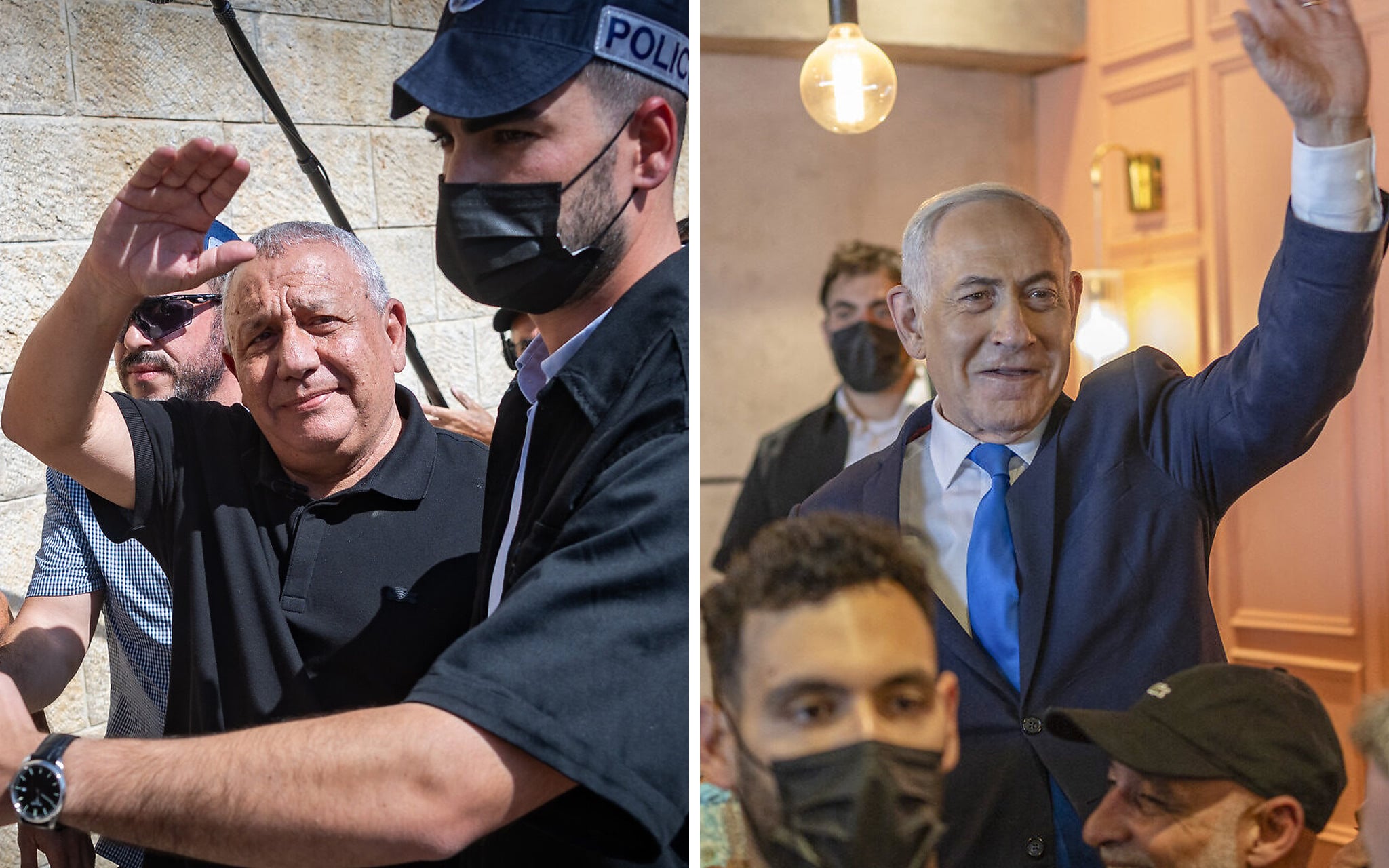
The final polls published Friday before Israel’s national election next week showed continued gridlock, with neither the current coalition nor the so-called change bloc predicted to be able to form a government following the vote, and a number of small parties mostly falling below the electoral threshold.
Polls are not allowed to be published beginning Saturday, until the exit polls are published the moment that voting stations close on Tuesday at 10 p.m.
A poll from Channel 13 predicted the “change bloc” of parties opposed to Prime Minister Benjamin Netanyahu will receive 54 seats, and the parties loyal to the premier 50 seats, both falling short of the 61 necessary for a Knesset majority. The predominantly Arab parties will receive 16 seats, according to the poll.
Channel 13 said Gadi Eisenkot’s Yashar will get 22 seats, Netanyahu’s Likud will get 19, Naftali Bennett’s B’Yachad will get 14 and the left-wing Democrats will receive 10.
They were followed by the Joint List of predominantly at nine seats, while four parties had eight seats apiece: the hawkish opposition Yisrael Beytenu party, far-right Otzma Yehudit, Haredi United Torah Judaism and ultranationalist Religious Zionism. At seven seats each were ultra-Orthodox Shas and Islamist Ra’am.
The poll showed Ofer Winter’s People of Israel party, Yoaz Hendel’s Reservists party and Moti Leitner’s Charedi Public party all failing to cross the electoral threshold.
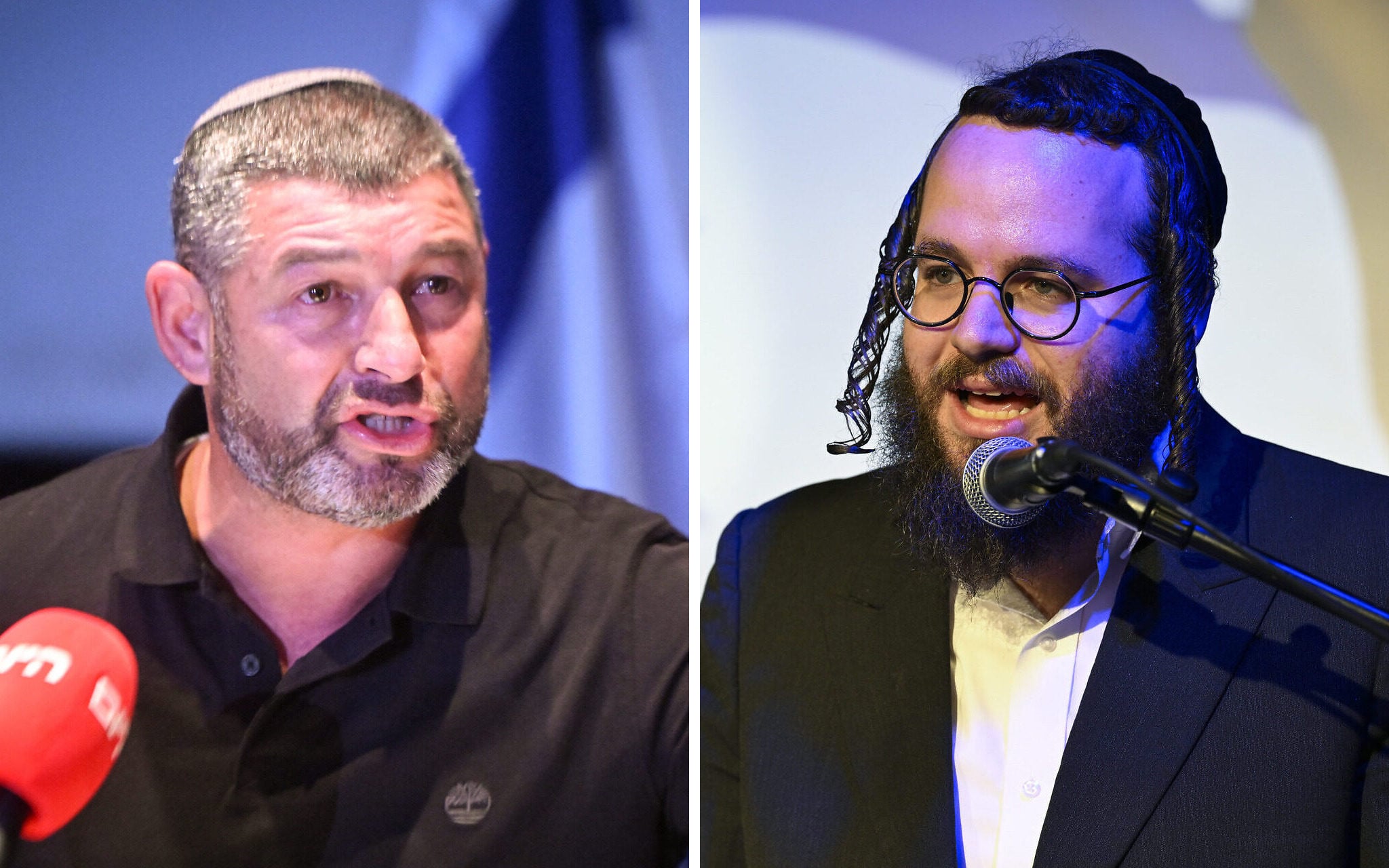
A poll from Channel 12, meanwhile, forecast the change bloc will receive 56 seats, while the coalition will get 50 seats and the Joint List and Ra’am Arab-majority parties will together get 14 seats. The survey gave Yashar 23 seats, Likud 21, B’Yachad 15, the Democrats 10, Joint List nine, Yisrael Beytenu eight, Shas eight, Otzma Yehudit eight, United Torah Judaism seven, Religious Zionism six and Ra’am five.
While Ra’am chief Mansour Abbas has said he is open to joining the change bloc coalition, several of the parties in it have ruled out sitting with the party in a government.
The Channel 12 poll also showed Winter, Hendel and Leitner’s parties all falling short of entering the Knesset.
Finally, a poll published by the Kan public broadcaster showed a similar outcome; however, it predicted that Hendel’s party will succeed in entering the Knesset with four seats. Hendel has not publicly committed to either bloc.
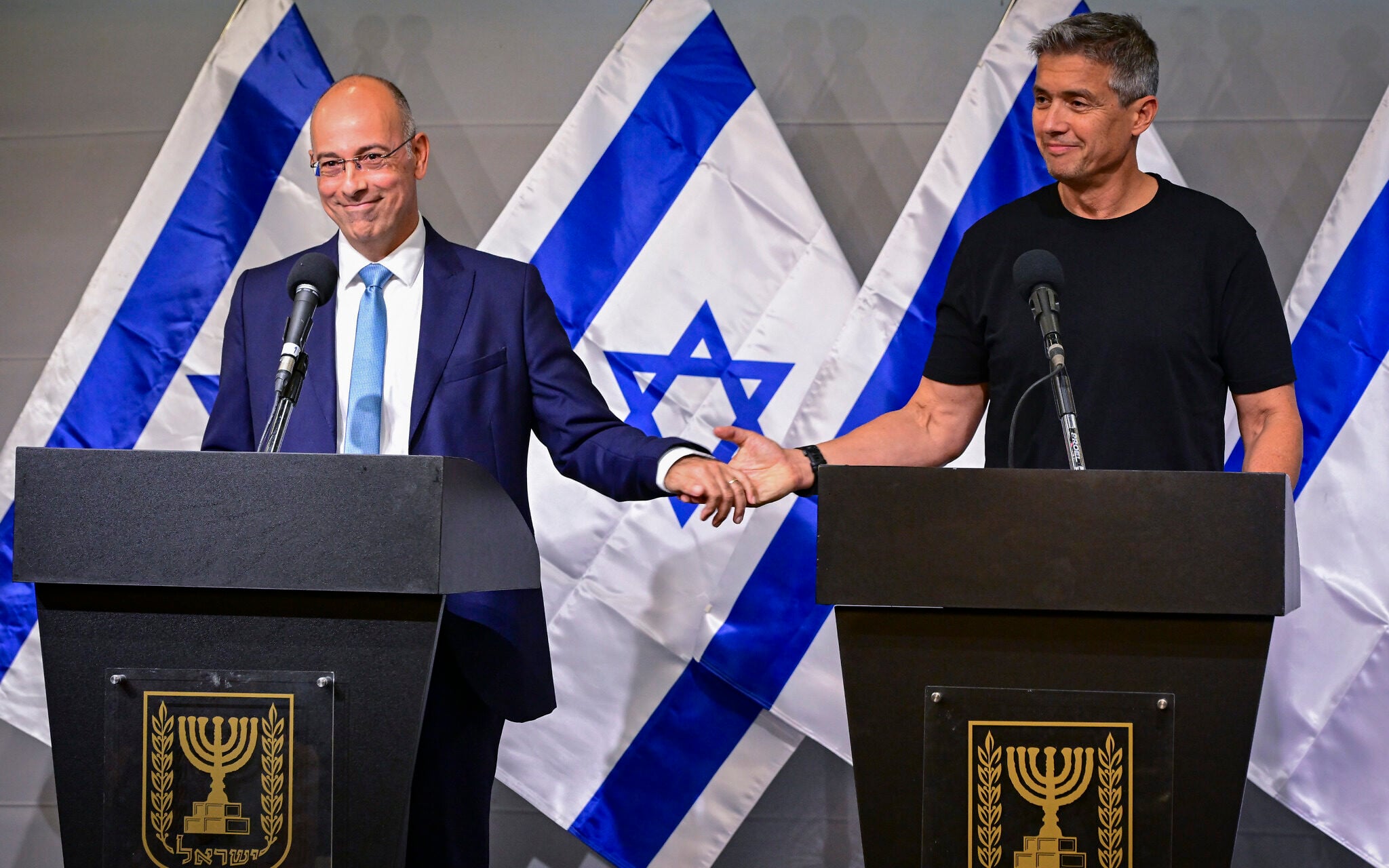
Therefore, the Kan poll gave just 52 seats for the change bloc, 50 seats for the current coalition, 14 for the Arab parties and four for the Reservists faction.
Kan’s survey awarded Yashar 22 seats, Likud 20, B’Yachad 14, the Joint List nine, the Democrats eight, Otzma Yehudit eight, Yisrael Beytenu eight, United Torah Judaism eight, Shas seven, Religious Zionism seven, Ra’am five and the Reservists four.
Like the other surveys, the poll showed Winter and Leitner falling below the threshold. Both parties have vowed to run until the end, rejecting pressure from Netanyahu and his allies to drop out.
The Channel 13 poll was conducted by Madad pollsters Shmuel Rosner and Noah Slepkov, included 1,875 respondents and had a 2.3% margin of error; the Channel 12 survey by Midgam’s Manu Geva had 1,018 respondents and a 4.4% margin of error; while the Kan poll was done by Dudu Hasid of the Kantar Institute, with 1,106 respondents and a 3.0% margin of error.
The surveys were released a day after Zman Yisrael, The Times of Israel’s sister site, published its final pre-election poll, which showed each of the two Jewish-led blocs receiving 51 seats, the Arab-led parties 14 seats in total and the Reservists four seats.
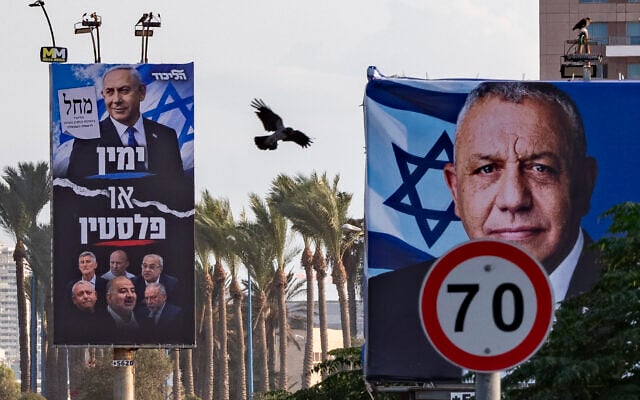
With all the polls predicting deadlock after Tuesday’s vote, the only way one of the two largest camps could achieve a majority is by reversing campaign pledges not to govern with certain other factions. If neither is able to form a governing coalition, repeat elections will be called, to be held in early 2027, with Netanyahu remaining in charge as a caretaker premier.




The Times of Israel Community.