

Iran’s judiciary chief said to meet Khamenei, who has still yet to appear in public
Judiciary says the two discussed ‘compensation’ to public for damage caused by war; Pezeshkian says Iranians struggling to buy food amid conflict, urges end to stalemate
 Add ToI as a Preferred Source on Google
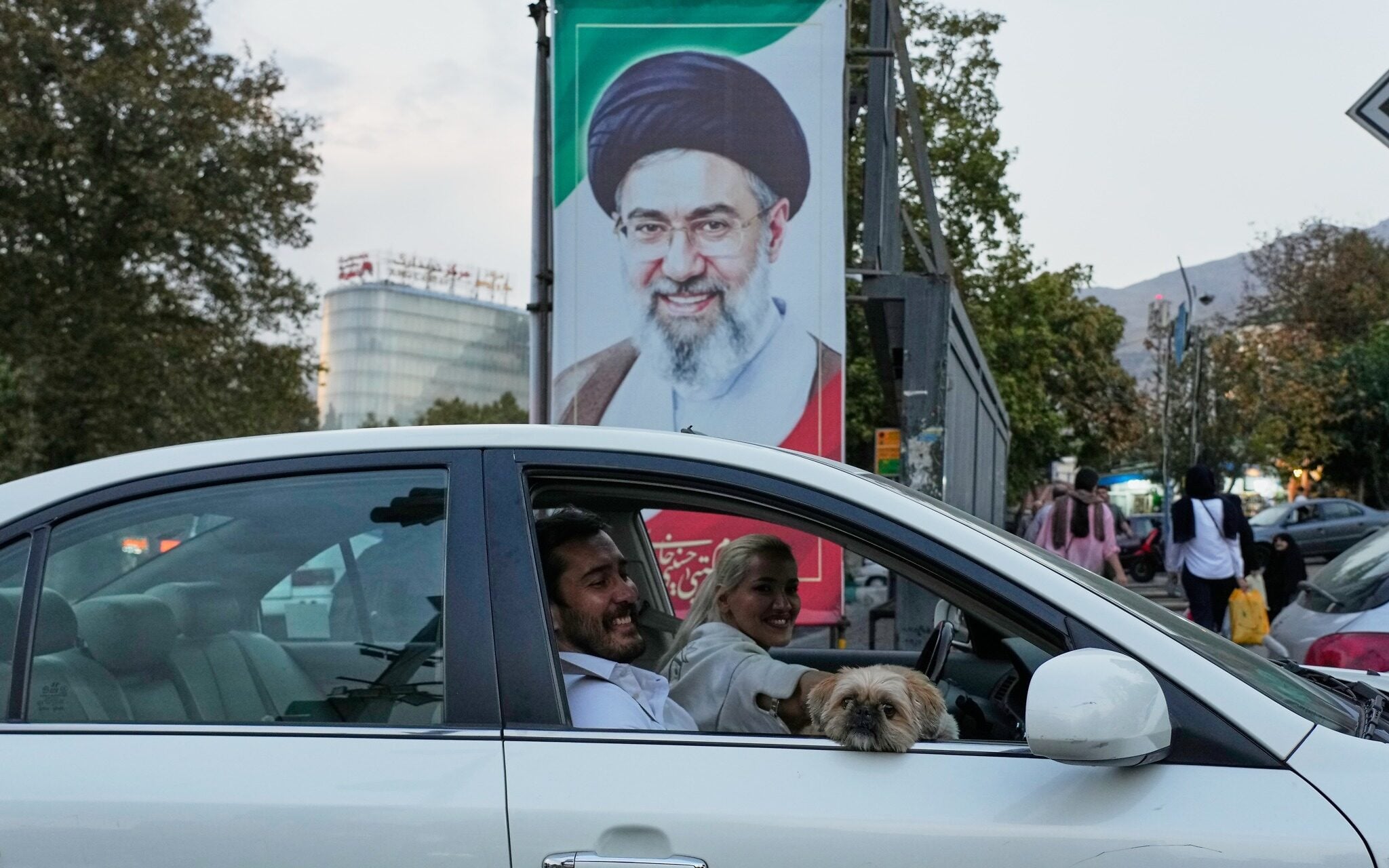
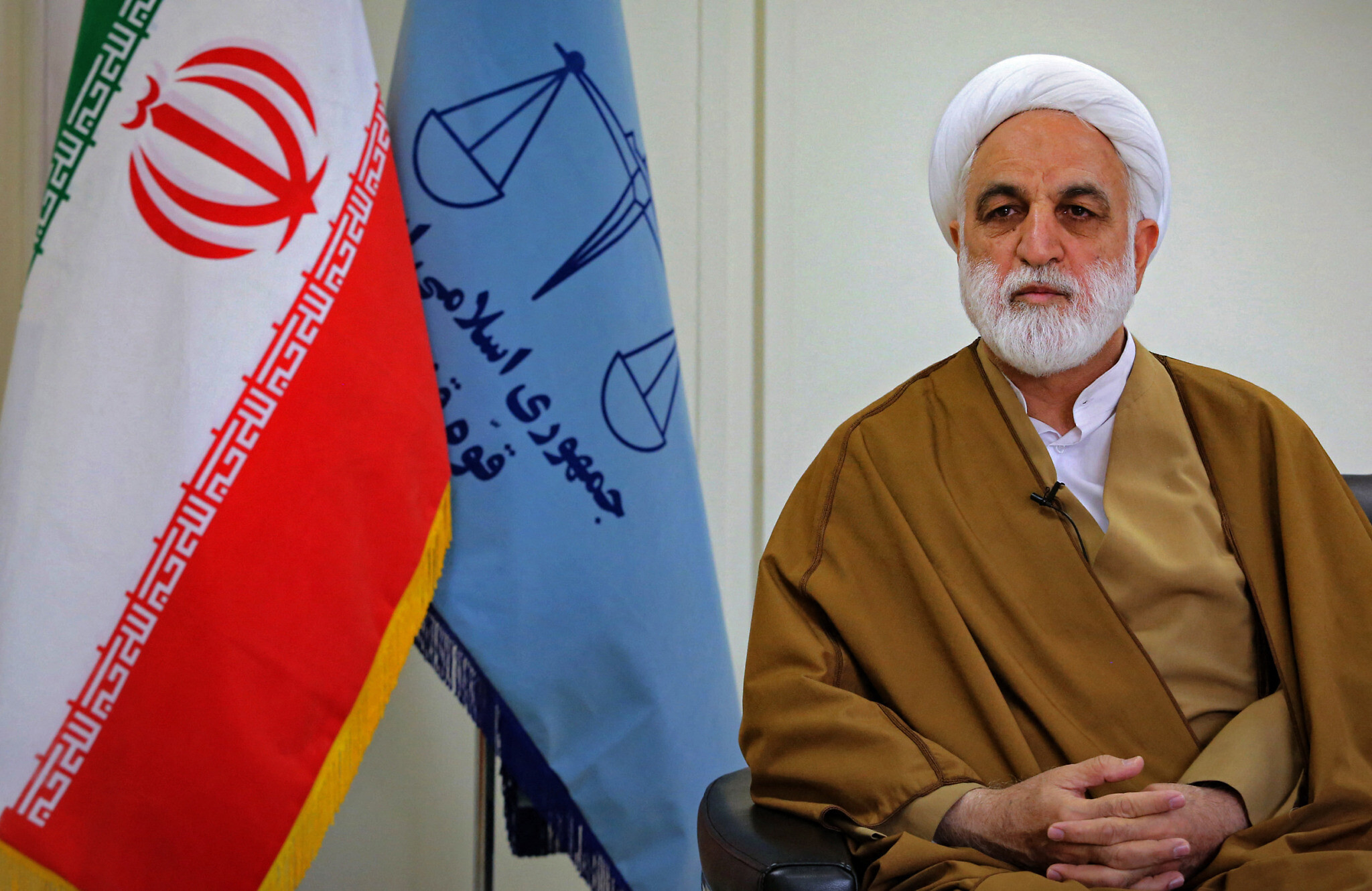
TEHRAN, Iran — Iran’s judiciary said on Saturday that its chief held a rare meeting with the country’s Supreme Leader Mojtaba Khamenei, who has yet to appear in public since being appointed.
Mojtaba Khamenei was chosen in March to succeed his father and longtime ruler Ayatollah Ali Khamenei, who was killed in US-Israeli strikes in central Tehran alongside senior military commanders at the start of the war in late February, and was said to have been injured and deformed in the same attack.
Judiciary chief Gholamhossein Mohseni Ejei and the supreme leader discussed issues including “securing public rights, and effectively combating corruption and its bottlenecks,” the judiciary’s Mizan Online website reported.
They held talks on “pursuing the recovery of rights and compensation for material and moral damages arising from the crimes of American-Zionist criminals,” it said.
The younger Khamenei has only communicated through written messages since his appointment, some of them published in handwriting attributed to him.
No video message from him has been released, and the time and location of his meeting with Ejei were not disclosed, as has been the case with previously reported meetings.
Earlier in the week, Iran’s chief negotiator Mohammad Bagher Ghalibaf also reportedly met with the supreme leader to discuss “the latest developments” in the war.
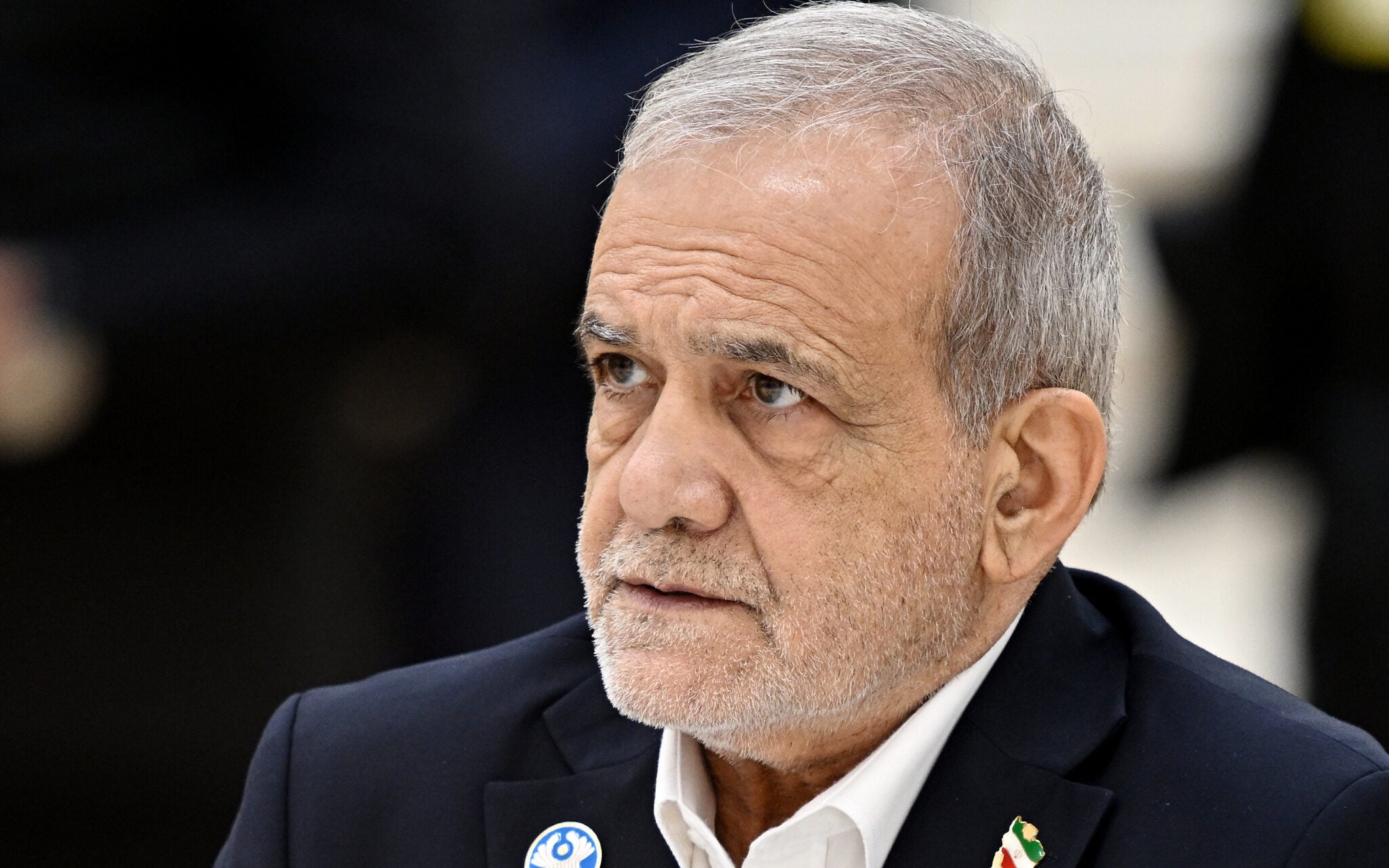
Iran’s President Masoud Pezeshkian was reported to have met Mojtaba Khamenei in May, in what was among the first publicly reported meetings with the new leader.
Ali Abdollahi, then head of the Khatam al-Anbiya command center overseeing Iran’s military operations, also met him later.
Abdollahi was subsequently appointed chief of the staff of the Iranian armed forces while retaining his previous position.
Pezeshkian: Iranians ‘struggling to put food on the table because of the war’
Pezeshkian said Saturday that many Iranians were struggling to put food on the table, as the economic pressure from the Middle East war with the US mounts.
Washington has in recent weeks dialled back military operations in favor of economic pressure, while Iran’s leaders have said peace negotiations will only succeed without pressure and threats from Washington as the conflict remains locked in a stalemate.
“There are many people in this society who are struggling to put food on the table because of the war we have found ourselves in, because of the wartime conditions we are living under,” Pezeshkian said in a speech shared on his website.
Israel and the US launched the war to degrade the Iranian regime’s military capabilities, distance threats posed by Iran — including its nuclear and ballistic missile programs — and “create the conditions” for the Iranian people to topple the regime, the military and other Israeli leaders have said.
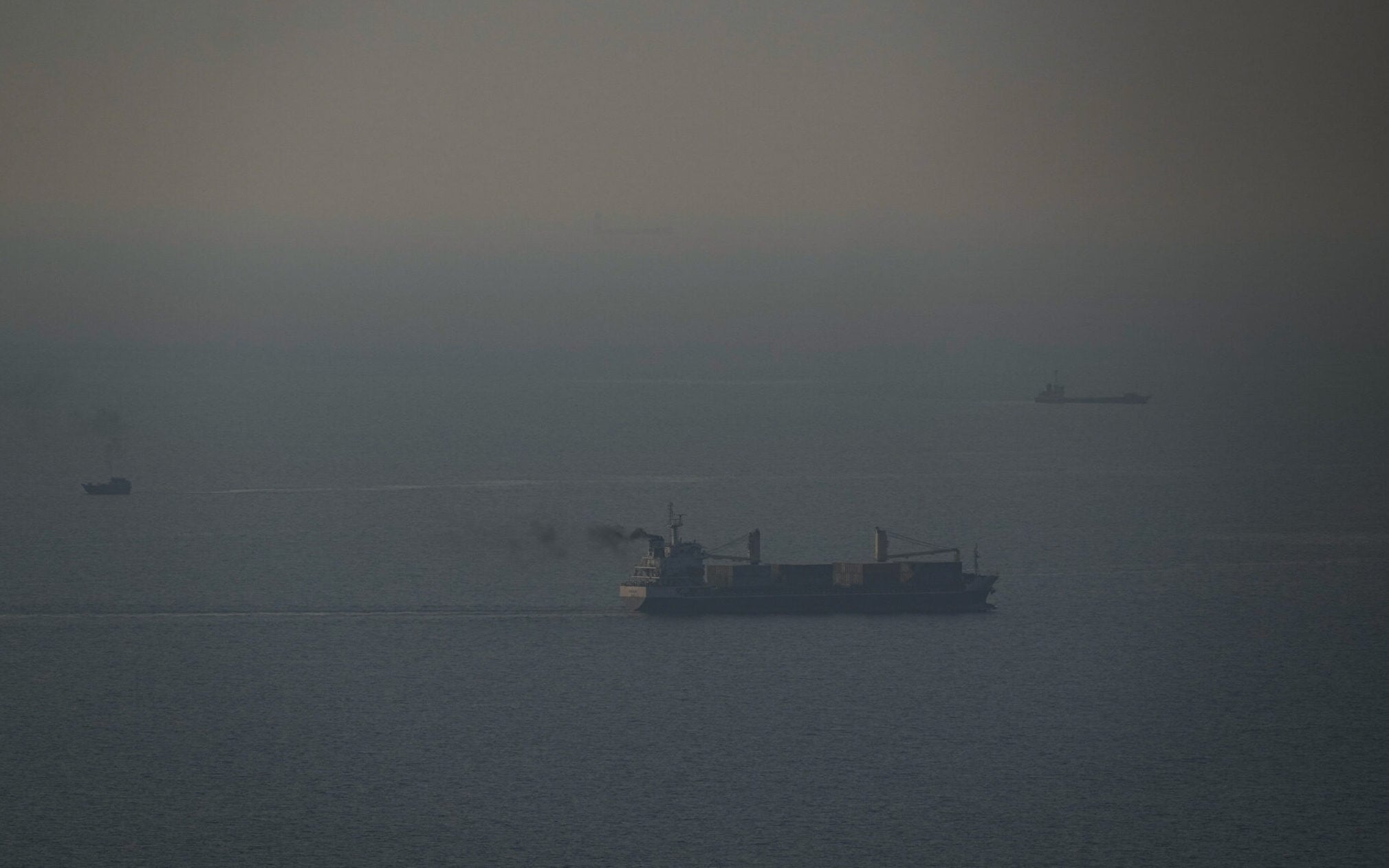
Iran retaliated to US-Israeli strikes with attacks on US assets in the region and on Israel, while restricting passage through the strategic Strait of Hormuz, a key route for global energy supplies.
Washington responded by imposing a blockade on Iranian ports, restricting the country’s oil exports and trade.
A ceasefire deal mediated mainly by Pakistan in mid-June was intended to end the war and pave the way for broader negotiations, but it collapsed soon afterward, with both sides accusing each other of violating its terms.
Since then, the US has carried out sporadic attacks on Iranian targets, while Iran has targeted vessels attempting to cross the strait, accusing them of violating conditions set by Tehran for safe passage.
Pezeshkian called for an end to what he described as a “state of neither war nor peace,” saying Tehran “must also get out of this situation,” without specifying how.
His remarks came as fears of renewed fighting grew. On Friday, US ambassador to Turkey Tom Barrack said US strikes on Iran could resume as soon as this weekend.
“Could there be a strike this weekend? Absolutely,” Barrack told podcast host Mario Nawfal. Barrack, who also serves as Washington’s envoy on Syria, does not have a direct role in Iran.
The spokesman for Iran’s Islamic Revolutionary Guard Corps told the Fars news agency on Saturday that the armed forces were ready to respond to any new attack.
“Even if the enemy takes limited action, Iran’s response will be several times greater,” he said.
Times of Israel staff contributed to this report.


The Times of Israel Community.