

Civil rights groups increasing efforts to ensure election integrity ahead of vote
Rights organization petitions High Court to ban polling station officials from bearing arms, due to right-wing parties’ intent to deploy 2,000 activists at Arab sites
 Add ToI as a Preferred Source on Google
Jeremy Sharon is The Times of Israel’s legal affairs and settlements reporter
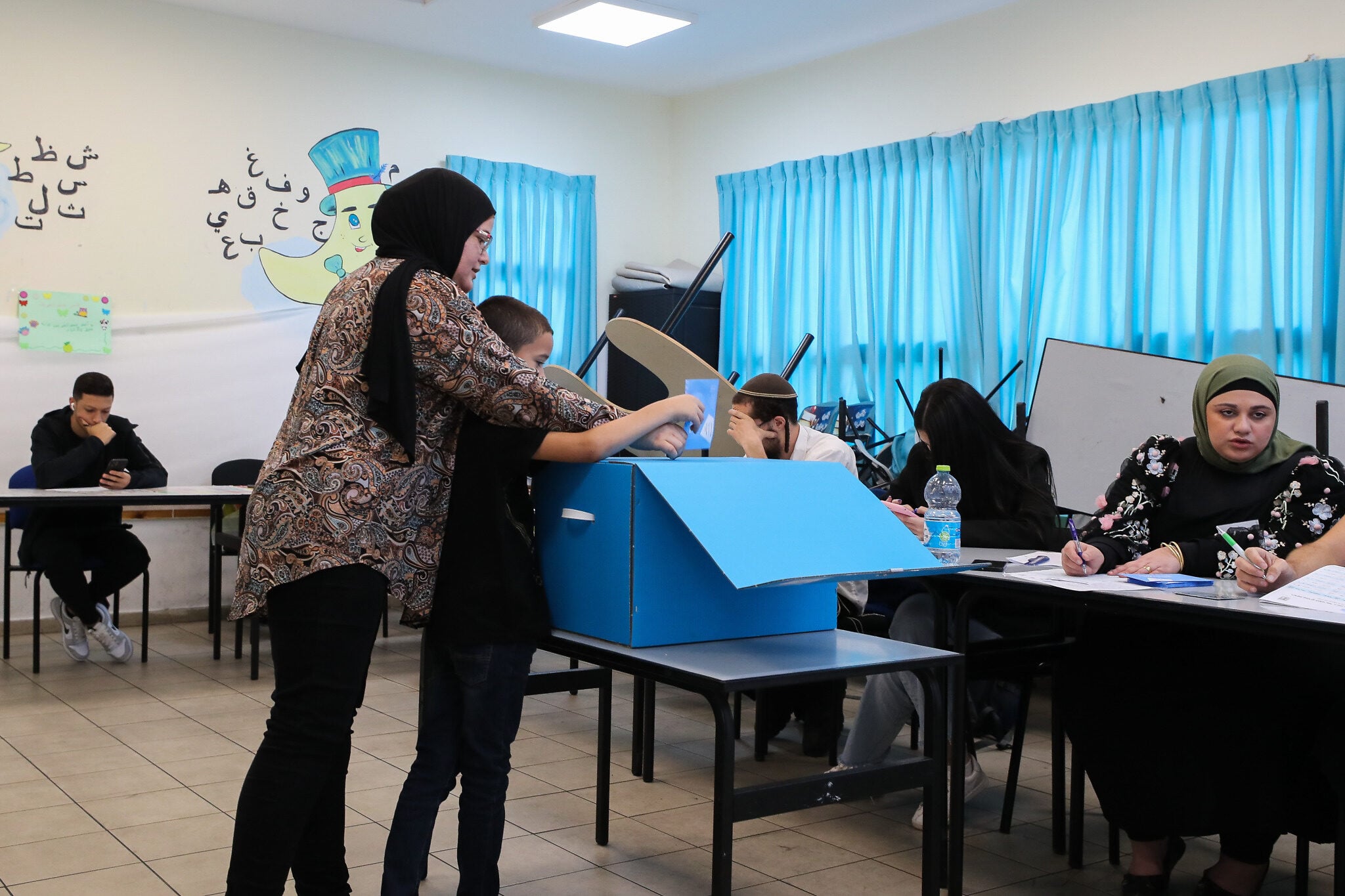
With election day nearly upon the country, several civil and legal rights organizations have filed legal motions to protect the integrity of the ballot and ensure that the poll is free and fair.
Their moves come against the backdrop of an announcement by Likud and the ultra-nationalist Religious Zionist party that they will be sending some 2,000 activists to polling stations in Arab towns and cities, supposedly to prevent “fraudulent votes.”
The Adalah legal rights organization filed a petition on Thursday asking the High Court of Justice to ban polling station officials from bearing firearms on site, citing the right-wing activists in particular, and concerns of voter harassment and intimidation by such activists.
The organization argued that in such circumstances, armed polling station officials “will not only deter voters from the Arab community but could also create a serious risk of a potentially violent and lethal flare-up.”
The Israel Education Watch organization also petitioned the Central Election Committee against Religious Zionism, pointing out that students at publicly funded yeshivas whose leadership is supportive of the party may be among the activists used by the party on election day, which it said would be illegal.
The Movement for Quality Government in Israel, a liberal watchdog group, announced that it would be operating an election integrity hotline to report any violations of the elections law to authorities as they happen.
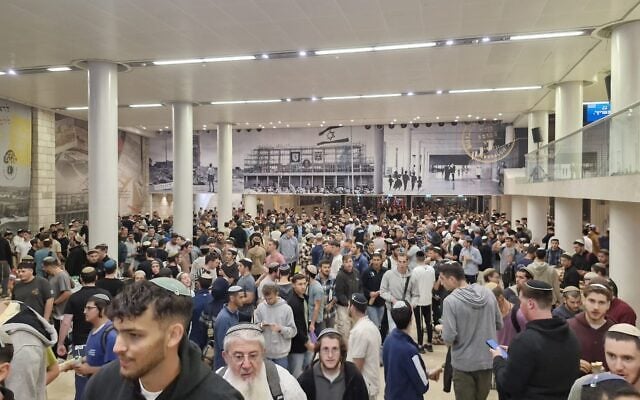
Concerns over Likud and Religious Zionism activists in particular have been raised, since such activists will have no formal role and no authority at all to provide oversight of voting at any polling station.
Given that the activists will have no official function, questions have been raised about what such people will do on election day.
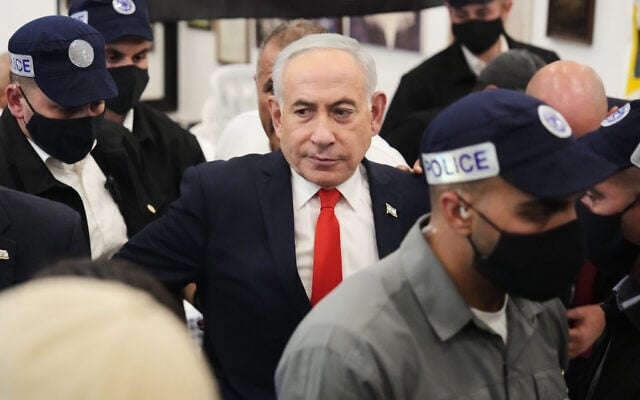
Central Elections Committee Director-General Dean Livne has said there is no evidence of widespread fraud in Israeli elections and that existing safeguards were sufficient, while Likud and Religious Zionism have not explained how they determined that Arab polling stations were at risk of fraud.
There are tight legal regulations on who can be present in polling stations and what they can do there, regulations that police are required to enforce.
Israel’s Election Law prohibits anyone from engaging in any election campaigning whatsoever inside the grounds of a polling station building, and from five to 10 meters from the boundaries of the polling station — depending on whether it has a fence or not.
This includes wearing any clothes or symbols that identify with a political party.
In theory, a party activist could enter a polling station without any identifying party symbols, and without explicitly engaging in election campaigning.
The Election Law also strictly and explicitly prohibits interfering with someone trying to vote.
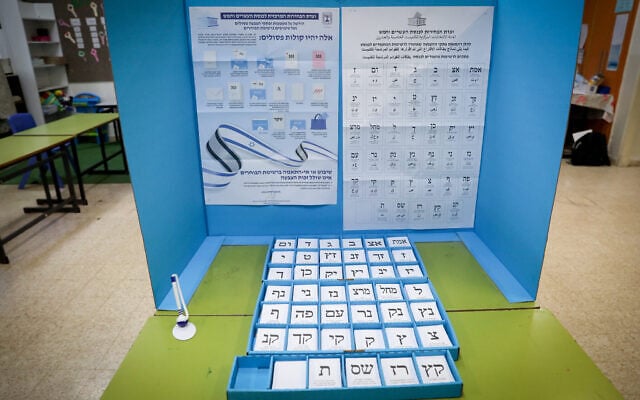
Specifically, the law bans “interfering with the proper conduct of the elections” and “interfering with a voter when voting, or stopping them from voting.” These actions are prohibited at all times and in all places, including inside or outside a polling station.
The polling station committee and its secretary are responsible for preventing election campaigning inside polling stations, while regional election committees must keep in constant contact with the police to ensure all election laws are upheld.
Guy Lurie, a research fellow at the Israel Democracy Institute, said that the notion of having political activists roaming around inside polling stations was problematic.
He said, however, that such activists merely being present outside polling stations was not illegal in and of itself.
“If they are standing at polling stations to campaign for a party, then that is legitimate, but if they interfere with people going to the polling station or intimidate them, that’s a criminal offense,” said Lurie.
If such tactics are employed, it will be the police’s responsibility to enforce the law and prevent such election interference.
“Police readiness is what is important here to ensure that anyone who wants to vote can do so without intimidation and interference,” said Lurie.
He pointed out that the regulations for the Elections Law require regional election committees responsible for the polling stations in their jurisdiction to be in ongoing contact with police in order to preserve public order at polling stations and to provide security for election materials.
Although Lurie noted that it was impossible to say ahead of election day what the real intent of the Likud and Religious Zionism activists was, he said the move could create “a dangerous situation where people think they can take the law into their hands,” in reference to the stated goal of the activists to prevent election fraud — a matter they have no role in overseeing.
“There are specific people designated by law to uphold the integrity of elections, which are the polling station committee and the police,” he said.



The Times of Israel Community.