

Police chief vows to deploy ‘full strength’ to protect integrity of election
In statement ahead of vote, Daniel Levy doesn’t mention controversial sit-down with Netanyahu and Ben Gvir; 7.3 million Israelis eligible to vote at 18,000 ballot boxes, says CEC
 Add ToI as a Preferred Source on Google
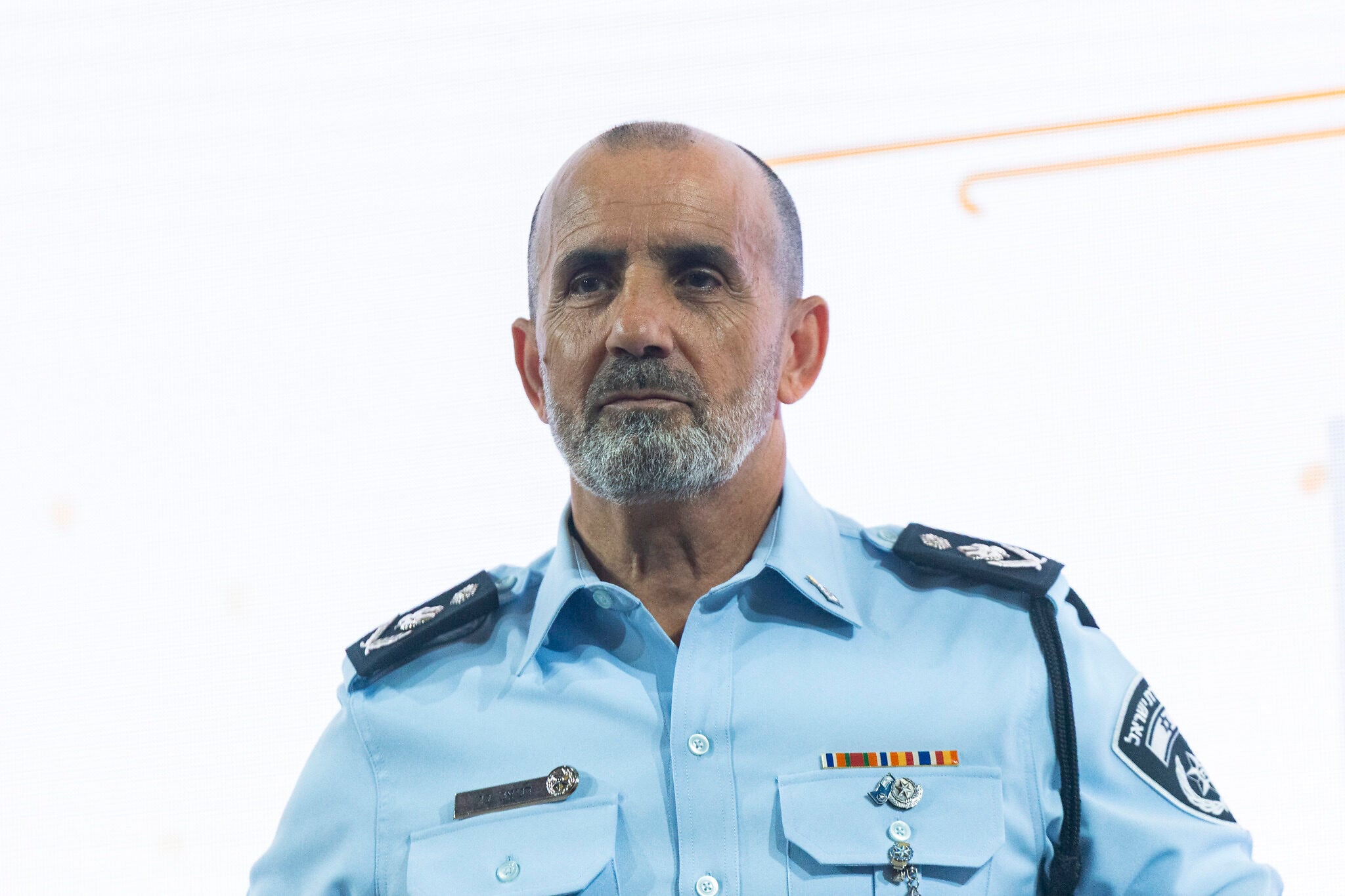
Less than 48 hours before polling stations open nationwide, the commissioner of the Israel Police vowed Sunday to protect the integrity of Tuesday’s election, following a controversial meeting with Prime Minister Benjamin Netanyahu and National Security Minister Itamar Ben Gvir.
“We’ve prepared for months for this national mission, and we’ll employ our full strength to ensure a free, fair, and safe election,” Police Chief Daniel Levy said in a statement, which did not mention his meeting with Netanyahu and Ben Gvir. “Anyone who tries to harm the integrity of the election, intimidate voters, or thwart the democratic process before, during, or after the election will find themselves confronted by a strong, determined, nonpartisan, and unyielding police.”
The preparations also include coordinating with the Shin Bet on responding to possible terrorist attacks, and preserving public order as the election results come in, according to the statement.
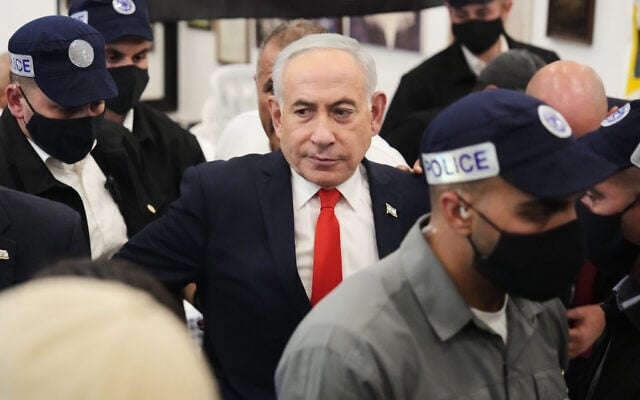
The statement was released shortly after Levy met with Netanyahu and Ben Gvir to discuss the security of the election, a meeting that was decried by members of the opposition, who called it inappropriate election interference and sought to prevent it from happening. Levy was summoned by Netanyahu to the meeting after the police chief on Thursday rejected a summons from Ben Gvir to discuss the vote. Senior police officials found the summons unusual and possibly inappropriate, according to Hebrew media.
No representatives of the opposition or the Central Elections Committee were invited to Sunday’s meeting.
The three-way meeting was approved by Central Elections Committee Chairman Justice Noam Sohlberg over the objection of Attorney General Gali Baharav-Miara. Sohlberg warned, however, that the meeting could not discuss the election process nor any related matters that are under the committee’s jurisdiction.
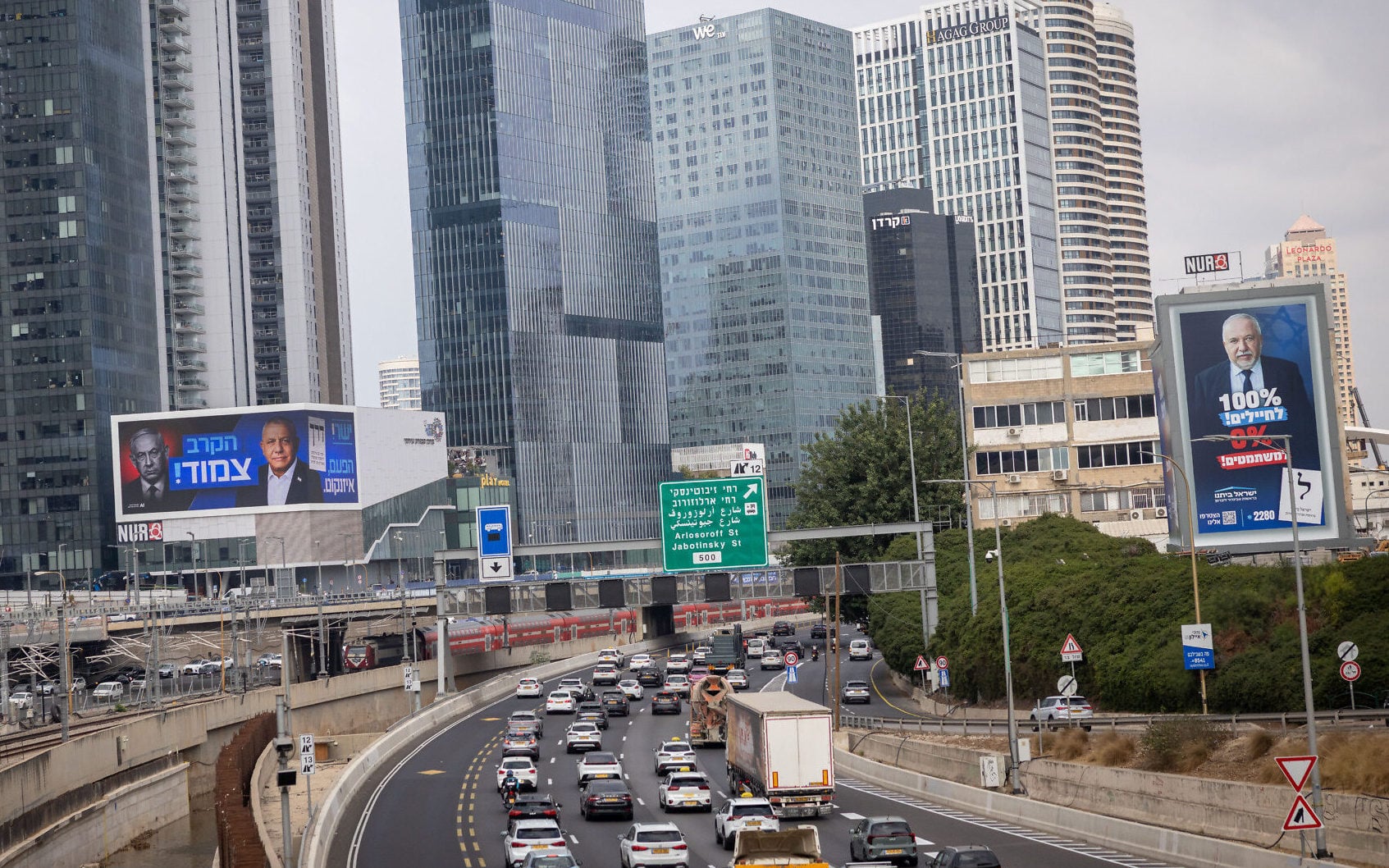
Israel is gearing up for a consequential national election on Tuesday — the country’s first since Hamas’s October 7 invasion and massacre in 2023, and the subsequent wars in Gaza, Lebanon, and Iran.
The CEC said Sunday that approximately 7.3 million Israelis are eligible to cast their votes in the election. The committee’s budget for the election is NIS 690 million (about $222 million).
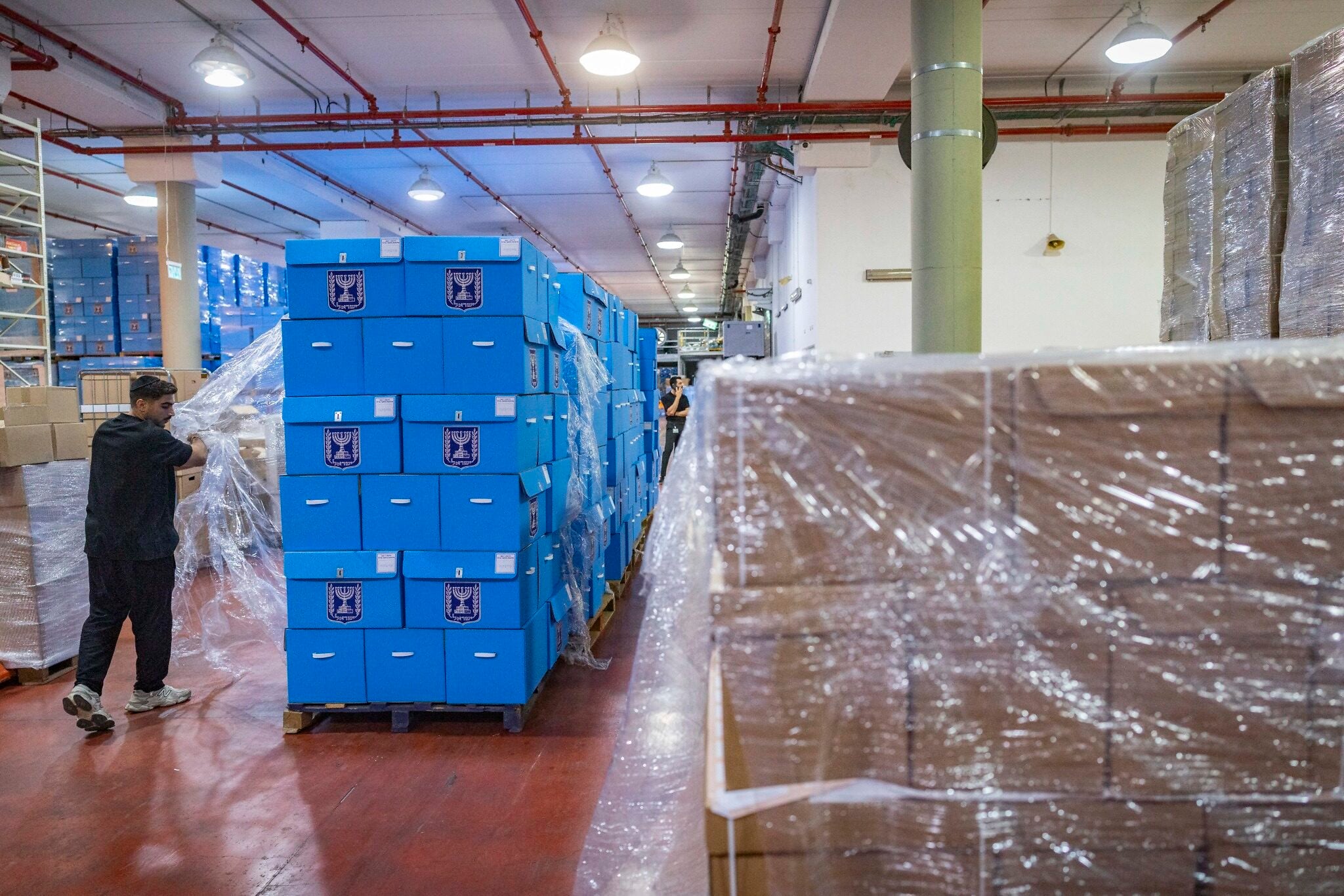
There will be 12,018 polling stations and 18,000 ballot boxes across the country. The committee has printed 450 million ballots — about 11.5 million for each party list. The CEC said Sunday that ballot slips for the fringe ultra-Orthodox Achi (My Brother) party would not appear in polling stations after the party dropped out on Friday after reaching a deal with Netanyahu’s Likud party.
The committee also said Sunday that election officials have been instructed to remove Achi’s ballot slips from voting booths and mark them with an X on posters displaying the competing parties. Any votes cast for Achi will be declared invalid, including ballots already submitted by IDF soldiers and Israeli diplomats stationed abroad. The same measures were taken last week, after Benny Gantz’s Blue and White party withdrew from the race.
Approximately 100,000 workers will be on duty on election day, and around 15,000 cameras will be used by election integrity inspectors at polling stations to document the vote and report irregularities.
“All of this is part of the preparations to ensure a proper, accessible, and supervised election process that enables the public to exercise its right to vote,” the committee said.
The Ynet news site reported Sunday that the CEC had received a record number of complaints regarding the election campaign, with more than 276 petitions submitted so far – nearly five times as many as in the 2022 election.
By comparison, the previous five CEC chairs handled a total of 288 petitions combined, according to the report. Last week alone, committee chairman Justice Noam Sohlberg ruled on 31 petitions.
The unprecedented volume has reportedly placed a heavy burden on the committee, forcing it to prioritize urgent cases and potentially delay rulings on less pressing matters.
The report highlighted the limitations of election campaign laws enacted decades ago, which have struggled to keep pace with the rise of social media, where campaigns have posted a stream of videos and ads, many of which use AI. Even when the committee orders content removed, it cannot prevent others from redistributing it.
Jeremy Sharon and Times of Israel staff contributed to this report.





The Times of Israel Community.