

Election panel chair allows meeting of police chief, Netanyahu, Ben Gvir, over AG objection
Yashar party urges Central Elections Committee, AG to nix it over worries that pols were preparing to challenge vote results; CEC okays, but says elections must be off agenda
 Add ToI as a Preferred Source on Google
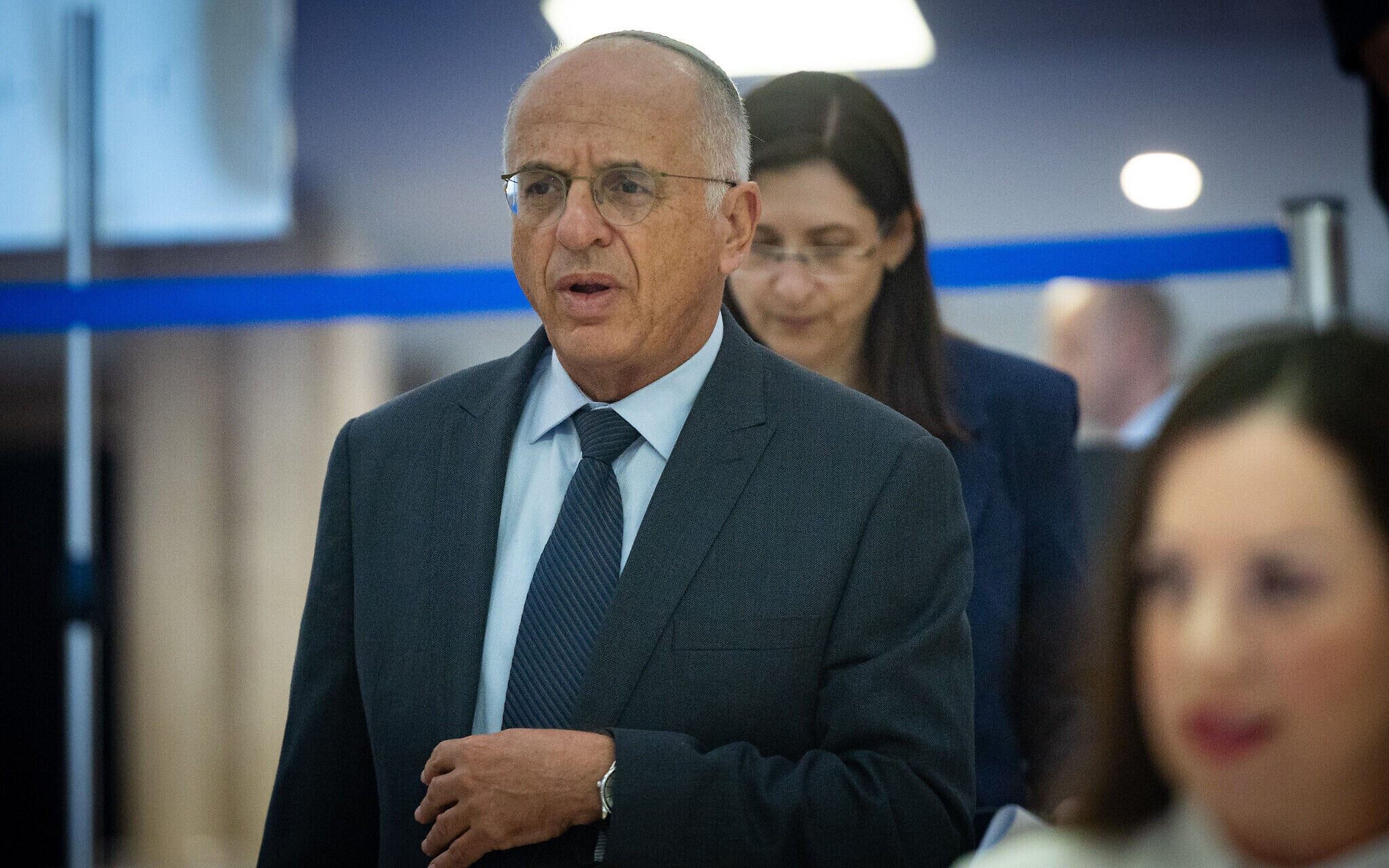
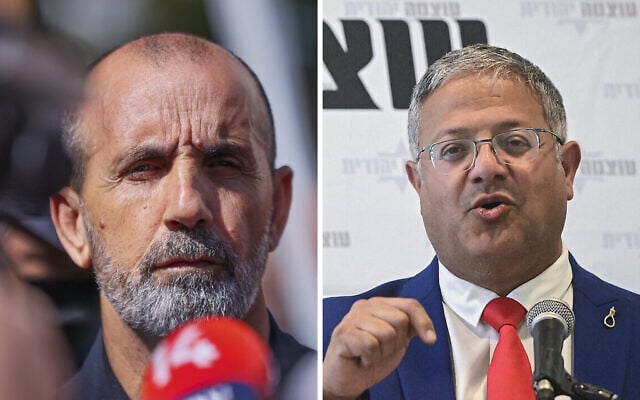
The Central Elections Committee on Sunday permitted a meeting between Israel Police Commissioner Daniel Levy, Prime Minister Benjamin Netanyahu and National Security Minister Itamar Ben Gvir, despite the attorney general saying it should not be allowed to go ahead so close to Tuesday’s national vote.
CEC Chairman Justice Noam Sohlberg allowed the meeting but ruled that the topic of the election process must not be broached, nor any related matters that are under the committee’s jurisdiction.
Sohlberg was called on to intervene after reports said that the purpose of the meeting was to discuss the integrity of the election.
No representatives from the opposition or the CEC were invited, according to the reports.
Sohlberg ordered Netanyahu and Baharav-Miara to respond by 10:30 a.m. to the petition.
In her response, Baharav-Meira said there was no justification for a meeting on election integrity in the days before the vote, while noting that the proper conduct of the election is under the authority of the CEC and not politicians.
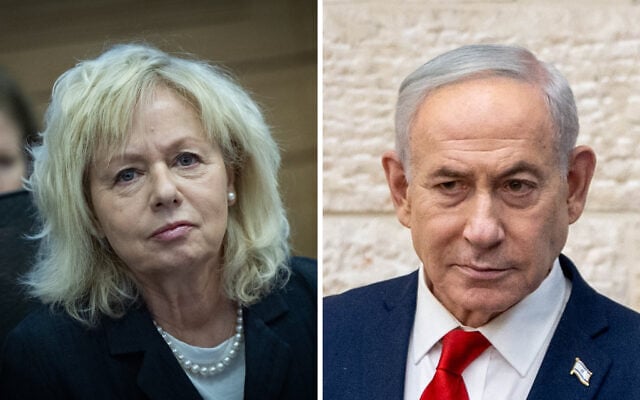
“There is no place whatsoever for involvement by the political leadership or any of the election candidates” in matters related to “the management of the election, preserving public order on election day, and ensuring the integrity of the election,” the attorney general wrote.
She added that she was unaware of any meeting between a prime minister and a police chief on election integrity in the days before past elections.
Netanyahu’s legal team told the CEC: “There are dramatic and serious security alerts that have been received from defense entities concerning clear threats by terror entities who intend to thwart the Israeli elections from being held or to influence their process.”
Sohlberg ruled that the meeting can go ahead, but said that authority over election integrity remains with the committee.
In recent weeks, Netanyahu and coalition figures have repeatedly claimed that Israel’s enemies are preparing to disrupt the election with attacks, while critics accused them of trying to postpone the vote.
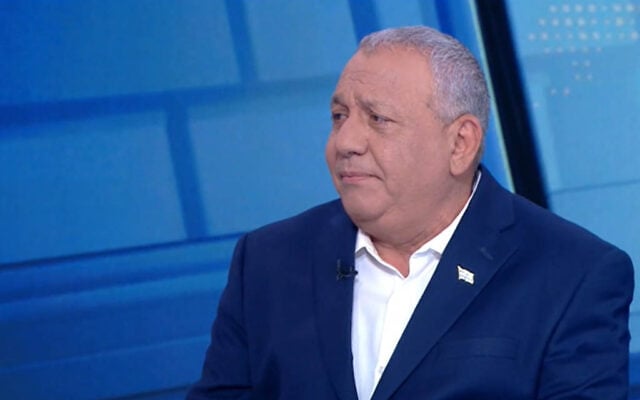
Responding to initial reports about the meeting and its alleged agenda, Gadi Eisenkot’s opposition Yashar party — projected to win the largest number of seats in the elections — swiftly called on the CEC and Baharav-Meira to prevent it.
“The prime minister heads one of the party lists [in the elections], is not responsible for election integrity, and the police commissioner is not subordinate to him on the issue,” an attorney for the Yashar party wrote to the attorney general, adding that, based on a check he had conducted, no such meeting had occurred before previous elections.
“We have reasonable grounds to believe that the purpose of this meeting is to create a false public perception of flaws in the integrity of the elections, without any basis,” Yashar alleged in its letter, and added in a statement to the press that this could be designed to undermine public trust in the results in the event that Netanyahu and his coalition lose.
“Netanyahu knows that he is going to lose, and there is now a concern that he is trying to exert pressure on public servants to advance his political interests,” the party alleged.
Eisenkot, in a statement, slammed Netanyahu, writing that the prime minister “is seeking to sabotage the election.”
The alleged purpose of the meeting, he said, is “a dangerous intervention that must not be allowed.”

Likud insisted that the meeting was security-related and invited the CEC to send a representative.
“The meeting with the police commissioner is a follow-up to a security discussion held with all the heads of the security establishment in light of security threats, and is not about election integrity,” the party said in a statement.
“Justice Sohlberg is welcome to send a representative of the Central Elections Committee to participate in the discussion,” it added.
The Prime Minister’s Office claimed that the meeting was not irregular and that a similar summit has been held before each election.
Ben Gvir, whose ministry oversees the police, said in a statement that summoning the police chief for a review of the preparations ahead of an election “is a routine and accepted measure, as was done by previous ministers.”
He insisted there was “nothing invalid” about the meeting and rather, it was “part of the responsibility placed on the political leadership.”
Levy had reportedly refused a similar meeting with just Ben Gvir on Thursday.
Sources cited by Haaretz at the time said the meeting was unusual because Ben Gvir has largely neglected his ministerial work in favor of campaigning.
The sources expressed concern that Ben Gvir would make political use of what he would learn at the meeting, according to the report.
On Friday, Channel 12 reported that Likud was already preparing to challenge results from polling stations in Arab cities and towns before voting has even begun.
According to the network, Likud already drew up a number of complaints and allegations of fraud for voting stations in Arab communities.
In June, when Likud lawmakers proposed installing cameras at polling stations to combat fraud, Central Elections Committee director general Dean Livne said existing safeguards were sufficient.
“There is no fraud in Israel. If it exists, it’s on the margins,” Livne said at the time.



The Times of Israel Community.