

Haredi women activists hope for new era of influence with landmark Knesset run
Earning two spots on maverick Charedi Public party’s slate wasn’t easy, but for these crusaders pushing for a brighter future, political representation is just a means to an end
 Add ToI as a Preferred Source on Google

When Israeli political parties submitted their candidate slates for the upcoming October 27 parliamentary election, the Charedi Public, a new party headed by Beit Shemesh Deputy Mayor Moti Leitner, placed two ultra-Orthodox women on its list.
But the small victory for Haredi women didn’t come easily.
Unlike establishment Haredi parties Shas and United Torah Judaism, which are generally part of the governing Likud coalition, the Charedi Public seeks to represent segments of the ultra-Orthodox community disillusioned with their political leadership, particularly its opposition to Haredi military enlistment and secular education for ultra-Orthodox boys.
Yet, despite moderate stances on these controversial issues, party leaders hesitated to break with the other Haredi parties’ position when it came to proscribing female political representation. They relented only under external pressure, driven in no small part by a group of Haredi women activists seeking to promote more moderate positions within ultra-Orthodox society. (In 2015, a very small party, U’Bizchutan, concentrated on the status of ultra-Orthodox women and failed to gain any traction with the electorate.)
Ultimately, Dr. Nechumi Yaffe, an academic who researches trends in Haredi society, and Ziva Glanz, CEO of the Sha’ar group, which works in regional infrastructure, landed positions three and four on the Charedi Public’s slate.
“We reached out to the media and asked them to question the party leaders on the issue in interviews,” activist Fainy Sukenik told The Times of Israel. “We spoke to party donors asking them to stress the importance of female participation.”
WATCH this interview with Prof. Nechumi Yaffe:
The activists also worked to raise awareness among potential Charedi Public voters. They set up information stands in Haredi town centers with signs asking why ultra-Orthodox women were not represented in the Knesset and organized an online “primary” featuring a list of 80 well-known Haredi women. Over 3,000 members of the community voted for the women they’d choose to represent them in the Knesset, with media personality and lecturer Sivan Rahav-Meir topping the list.

Though polling suggests the Charedi Public is unlikely to meet the minimum threshold to enter the Knesset, Sukenik said the party’s inclusion of women is still significant.
“It shows that a party that supports the integration of the ultra-Orthodox into wider Israeli society, that encourages the adoption of ‘Israeli values,’ can no longer overlook female political representation. Similar movements that follow in its footsteps will have no choice now but to include women,” she said.
Sukenik believes that if the party doesn’t make it into the Knesset this time around, it will remain active and may well make it in the next election.
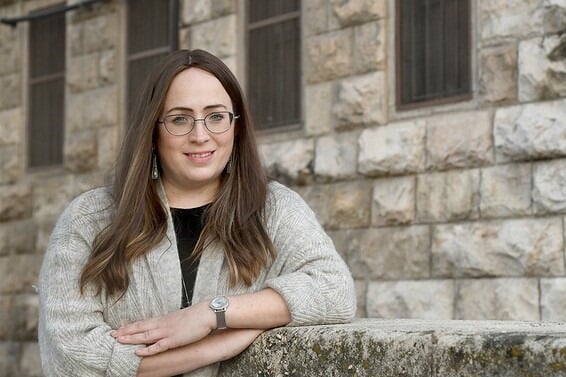
“There are many Haredim with moderate values,” she said. “But people take time to warm up to something new.”
Why Haredi women are doing it for themselves
Sukenik is the founder of the organization Baasher Telchi, which supports Haredi women going through divorce and raising children in single-parent homes. It is this work that impressed on her the importance of having Haredi women lawmakers.
“Whenever we’ve reached out to Haredi lawmakers to provide funds for our work, we’ve always had a negative response,” she said. “I realized that we need Haredi women in the Knesset who understand the struggles that single mothers in the community face.”

Fellow activist Avigayil Heilbronn, who runs an organization called Lo Tishtok that supports Haredi victims of sexual abuse, is motivated by similar concerns. Heilbronn believes Haredi society has undergone a reckoning in recent years.
“When I started the organization 11 years ago, many in the Haredi public didn’t believe sexual abuse existed in their communities. Now they understand that it happens just as much as in the secular world, if not more. They understand that it needs to be confronted.”
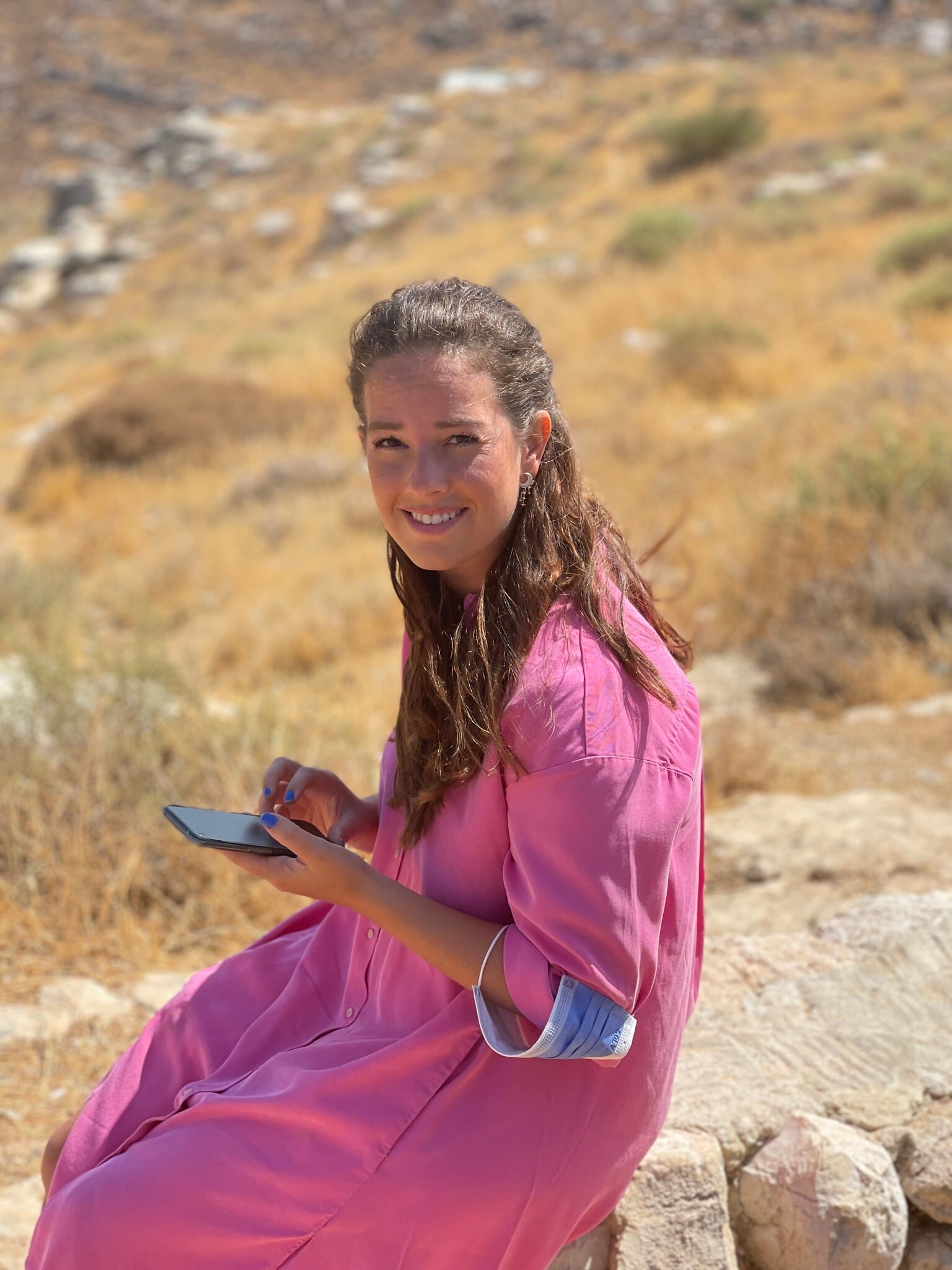
And yet, like Sukenik, Heilbronn has received little support from the Haredi political leadership.
“I’ve asked for their help with funding treatment centers and community education, but there is no interest,” Heilbronn said. “Their concern is ensuring that the ultra-Orthodox community remains separate from the rest of society, but they don’t care about tackling internal problems.”
Activist Pnina Pfeuffer is a member of the Faithful Left, a religious left-wing grassroots movement, and is the CEO of New Haredim, a consortium of organizations working to advance change in the Haredi community. Pfeuffer has made expanding access to secular education within her community one of her top priorities.
Recently, Pfeuffer was among the signatories to a High Court petition challenging new legislation that allows higher education institutions to offer gender-segregated tracks at the graduate and doctoral levels. It expands on a 2021 law that legalized gender-segregated programs at the undergraduate level.
“Gender segregation for Haredi undergraduates makes sense,” Pfeuffer said. “It allows young Haredim, many of whom come from highly insular backgrounds, to pursue higher education in an environment that feels comfortable and, ultimately, to enter the workforce.”
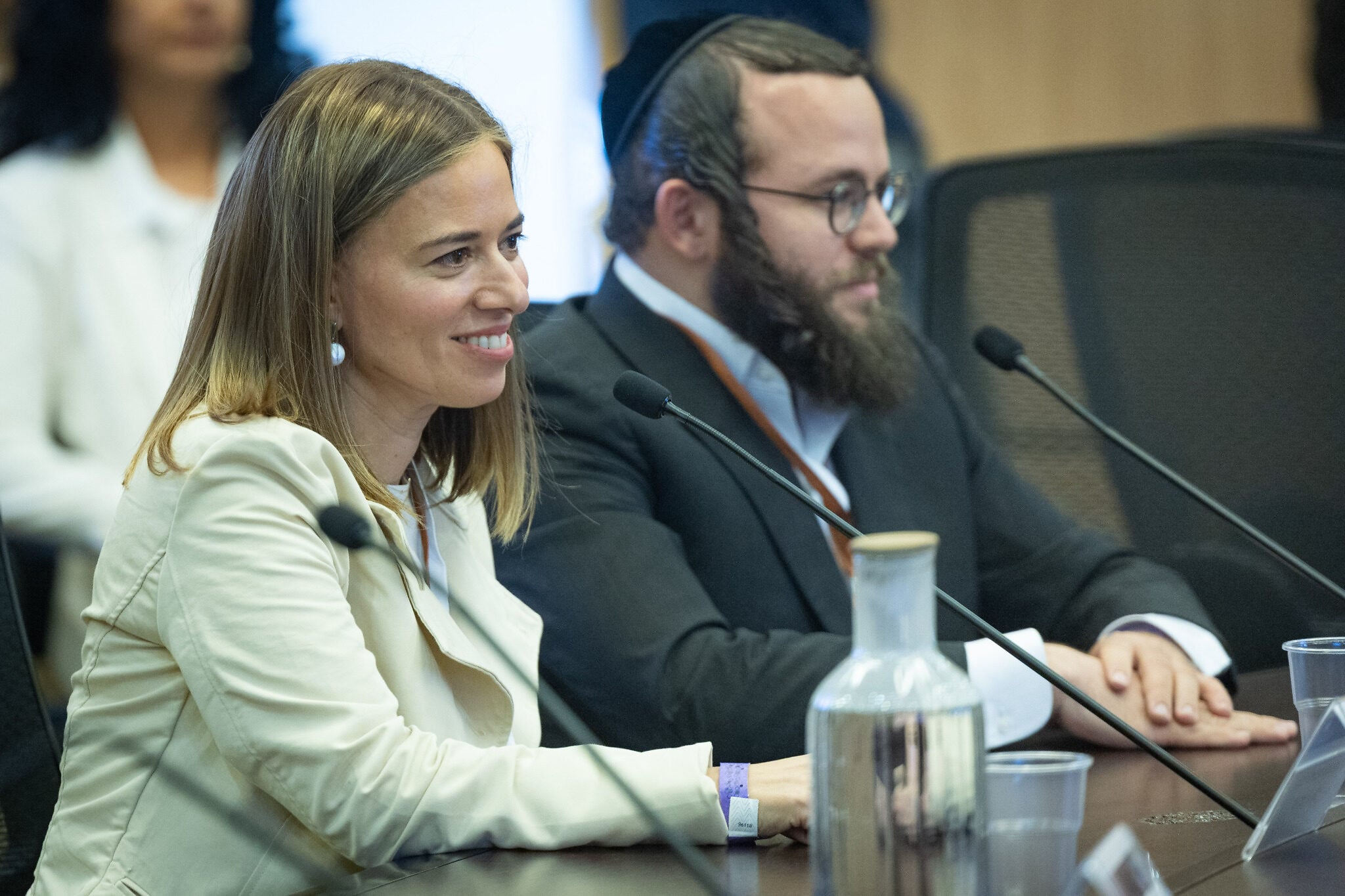
At the graduate level, however, she said gender segregation risks narrowing, rather than expanding, opportunities for education and integration.
“Students considering master’s or doctoral programs are mature enough to make the decision to enroll in a mixed-gender program,” she said. “But offering segregated tracks means there will be pressure on Haredi students to enroll in them, and it will effectively limit their choices. Only a small number of institutions will offer these programs, in limited fields, and the student bodies will be exclusively Haredi.”
Better education leads to informed choices
Pfeuffer is also active in efforts to improve secular education for Haredi boys. While girls in the system often receive secular education on a par with the wider Israeli population, many boys receive little to no secular education, with their main focus on Jewish studies. Pfeuffer and fellow activists are currently lobbying municipalities in Haredi cities to establish state Haredi schools that teach the core state curriculum alongside religious studies.
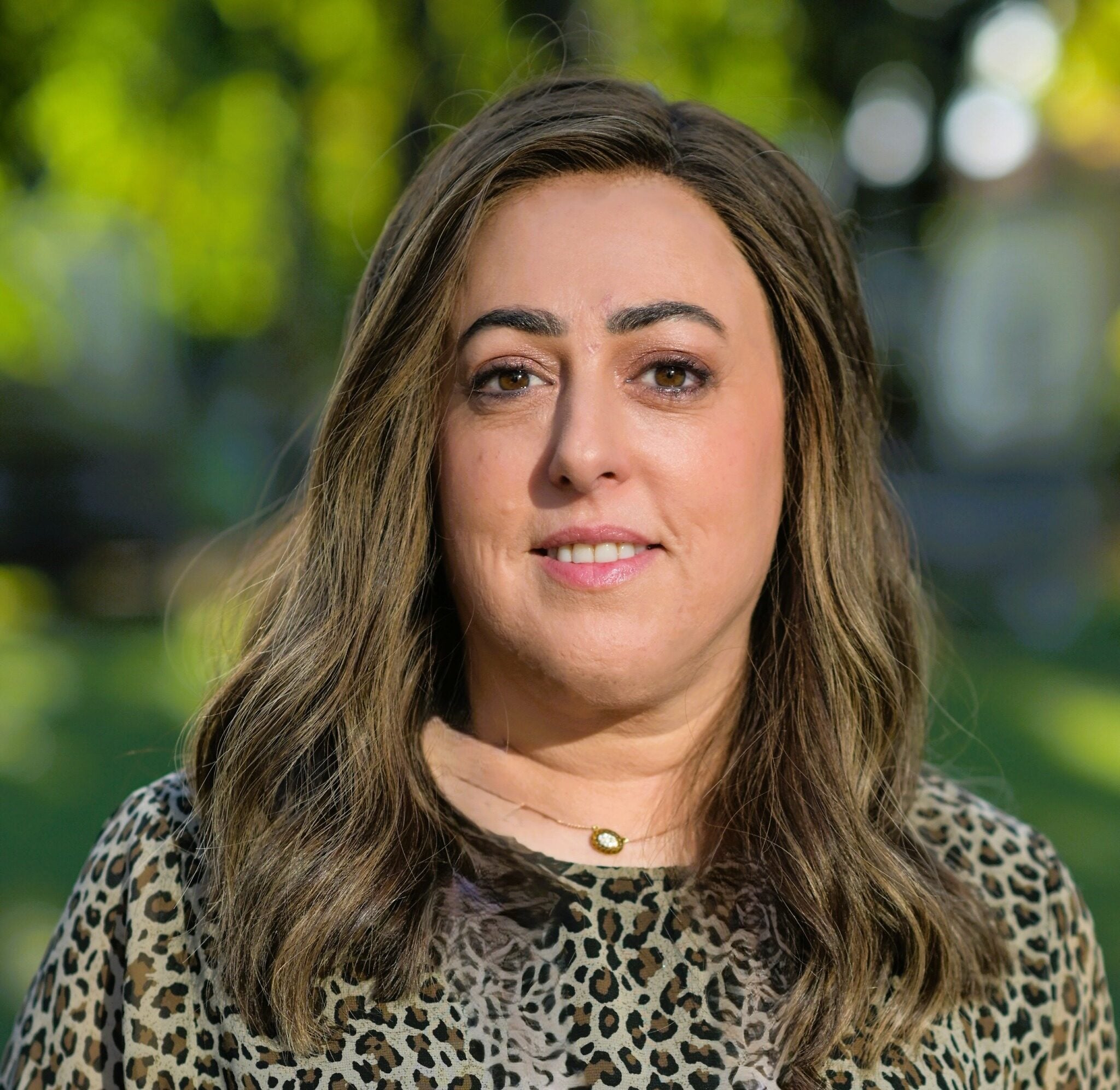
Pfeuffer believes that expanding access to secular education will also encourage more Haredi boys to enlist in the military over the long term.
“Most Haredi boys currently learn in closed religious institutions where they learn that serving in the army is a sin. If more went to schools with state oversight where they receive a proper secular education, they would gain a sense of being part of a wider society and would want to serve,” she said.
Pfeuffer also believes that the current Haredi military enlistment crisis is at least partly responsible for what she sees as a disturbing trend. Studies show that ultra-Orthodox youth are increasingly identifying with the extreme right, with many planning to vote for the far-right Otzma Yehudi party over the Haredi parties. Many Haredim, she says, are frustrated that their political parties have been unable to secure a new military exemption law after the last one expired. As a result, some Haredi men are now legally considered draft dodgers.
“It has given them a sense of living outside the law, so it is not a stretch for them to identify with movements which don’t necessarily respect the laws of the state, especially because they believe that the courts and the attorney general are responsible for their predicament and there is little love for them on the far right,” Pfeuffer said.
For Pfeuffer, the trend only underscores the importance of her work and that of her fellow activists.
“Haredim must embrace moderate values so that they can be part of the mainstream and live as responsible, contributing members of society who respect the laws of their country,” she said.







The Times of Israel Community.