

In Israel’s closely fought elections, anti-defection laws could shape coalition talks
Liberman has floated recruiting Likud MKs to help form government without Netanyahu, but strict legislation threatens to complicate any attempt to cross political lines

 Add ToI as a Preferred Source on Google
Stav Levaton is a military reporter for The Times of Israel
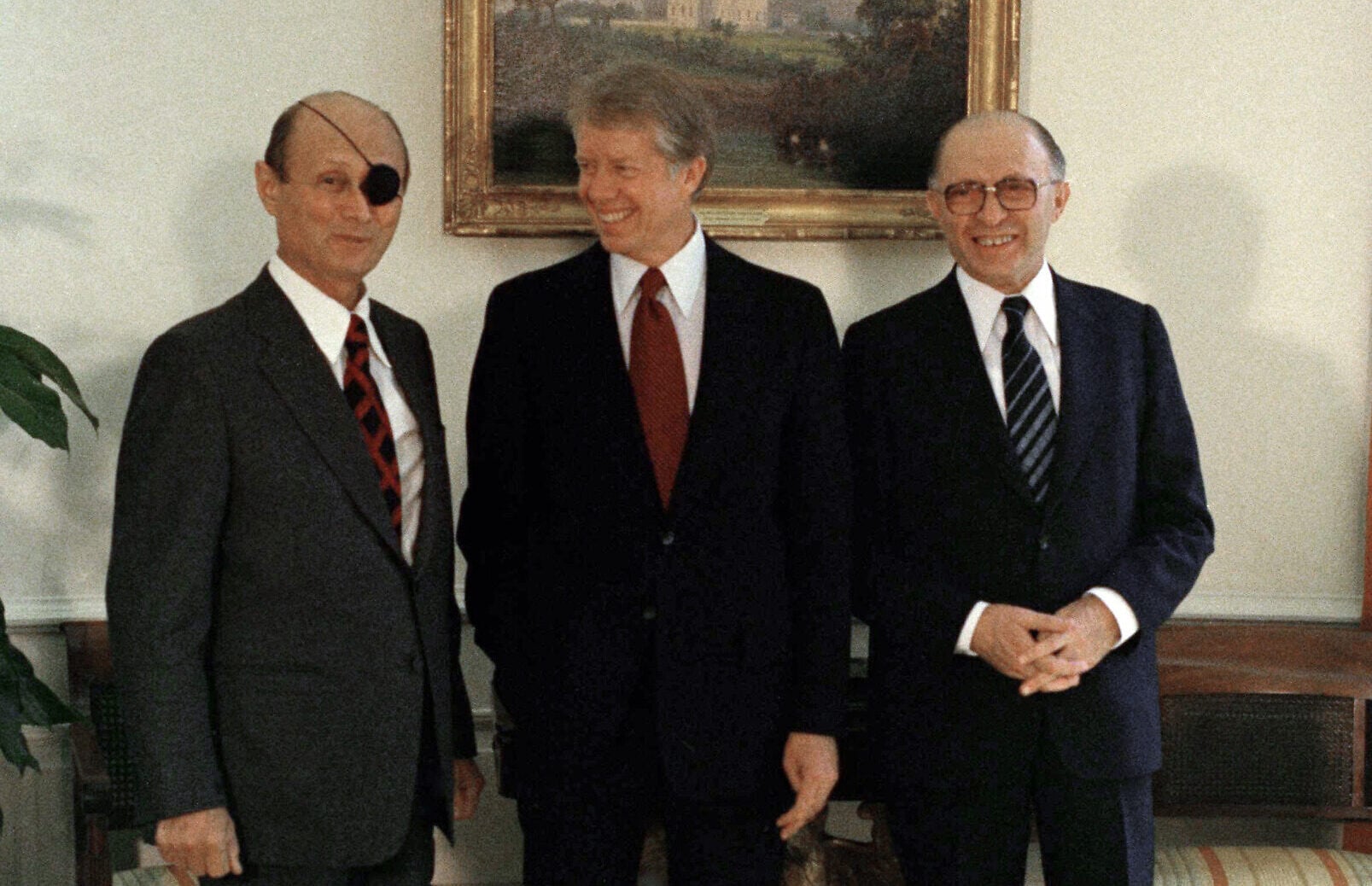
In 1977, Moshe Dayan was elected to the Knesset on the Labor-led Alignment’s list. Weeks later, the former defense minister abandoned his parliamentary faction to become foreign minister in a government led by Menachem Begin, whose Likud party ended nearly three decades of Labor-led rule.
Dayan’s decision caused an uproar within the Alignment, which expelled him from its ranks. But there was nothing illegal about it. Rather than formally joining Likud, Dayan remained an independent MK while serving in Begin’s cabinet, going on to play a key role in negotiating the Camp David Accords, which paved the way for Israel’s historic peace treaty with Egypt.
Nearly 50 years later, with Israel heading into a closely fought election, a similar political maneuver would face formidable legal hurdles.
Under legislation introduced in 1991, lawmakers who defect from their parties face restrictions designed to discourage political horse-trading, including a prohibition on serving as ministers or deputy ministers while remaining in the Knesset.
“Defection carries severe sanctions,” said Assaf Shapira, head of the Israel Democracy Institute’s Political Reform Program, rendering defectors’ “political future very, very uncertain.”
The rules could prove consequential after Tuesday’s vote, in which neither Prime Minister Benjamin Netanyahu’s bloc nor his rivals is projected to secure a clear parliamentary majority, according to widespread polling.
In a closely divided Knesset, even a handful of lawmakers willing to break ranks could decide who forms the next government. But doing so is far more complicated than it was in Dayan’s time.
The legal limits of switching sides
Under Israeli law established since, an MK cannot simply abandon their parliamentary faction and join another without potentially facing consequences.
Section 6A of Basic Law: The Knesset, together with provisions of the Knesset Law and Basic Law: The Government, establishes restrictions on lawmakers who leave their parties without meeting the conditions for a legally recognized split.
MKs formally declared defectors cannot join another existing parliamentary faction for the remainder of the Knesset’s term, though they can retain their seats as independent MKs.
They are also barred from serving as ministers or deputy ministers while remaining in the Knesset — effectively ruling out a repeat of Dayan’s 1977 maneuver — and face restrictions on running in the next election with parties represented in the outgoing Knesset unless they resign their seats shortly after defecting.
They do not, however, automatically lose their Knesset seats. Nor does the law prohibit them from voting in favor of a government led by another political party.
That distinction could be decisive in post-election coalition negotiations, allowing lawmakers to support a rival bloc without formally joining it. Such an arrangement could help facilitate a minority government, an option floated by Gadi Eisenkot, chairman of the centrist Yashar party and Netanyahu’s main rival.

Legislation also makes an important distinction between individual defections and collective breakaways.
Under Section 59 of the Knesset Law, at least two MKs comprising one-third or more of a party can split off and establish a new faction without incurring defection penalties.
For example, in the case of Likud, which has been consistently polling at around 20 seats ahead of the election, seven lawmakers would need to split away as a group if they were to avoid incurring the sanctions associated with defection.
There are additional exceptions, including for parties that run together on a joint slate and subsequently seek to disassociate.
Liberman’s hopes for Likud defectors
The prospect of lawmakers crossing political lines has already become a talking point in the current election race.
Yisrael Beytenu chairman Avigdor Liberman, one of the leaders of the four-party anti-Netanyahu bloc, has raised the possibility of recruiting Likud lawmakers to help form a government after the election.
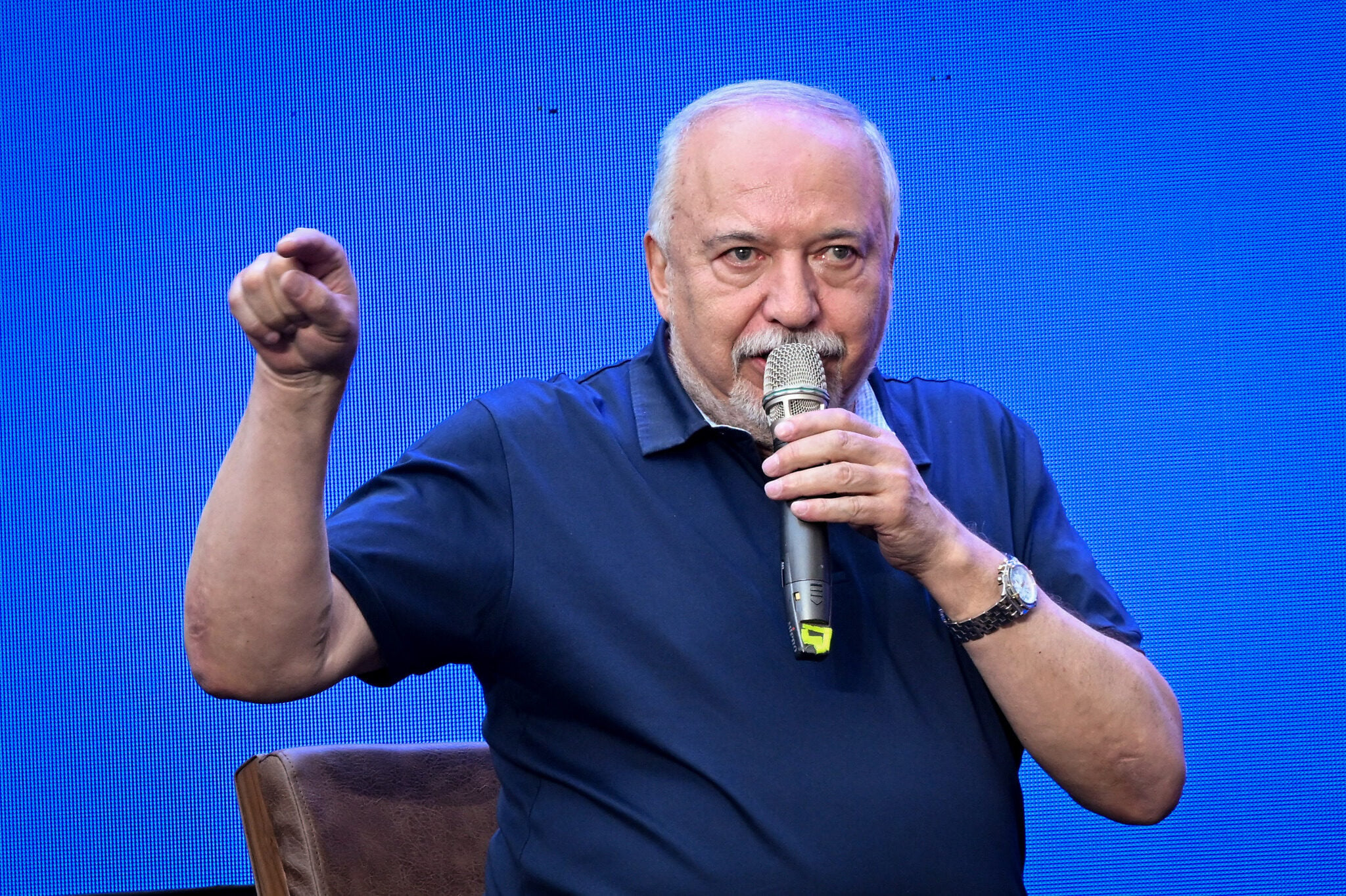
Earlier this month, Liberman wrote on X that he knew several Likud candidates who recognized that Netanyahu had reduced them to “subcontractors” for the ultra-Orthodox parties and would be willing to join the Zionist opposition bloc.
Despite Liberman’s apparent confidence in the prospect, the IDI’s Shapira was skeptical that such a scenario would materialize, pointing to the legal obstacles facing would-be defectors.
“I find it difficult to believe that we will see a defection from the Likud,” he said, noting that there was no such defection in the 2022 election.
The ‘Dirty Trick’ that changed history
The restrictions surrounding party defectors emerged from one of the most turbulent episodes in Israeli political history: the failed attempt to unseat former prime minister Yitzhak Shamir in 1990, commonly known as the “Dirty Trick.”
The affair began when Labor leader Shimon Peres, then serving as finance minister in Shamir’s national unity government, sought to topple the coalition and form a government of his own, setting off weeks of political maneuvering and attempts to assemble an alternative parliamentary majority.
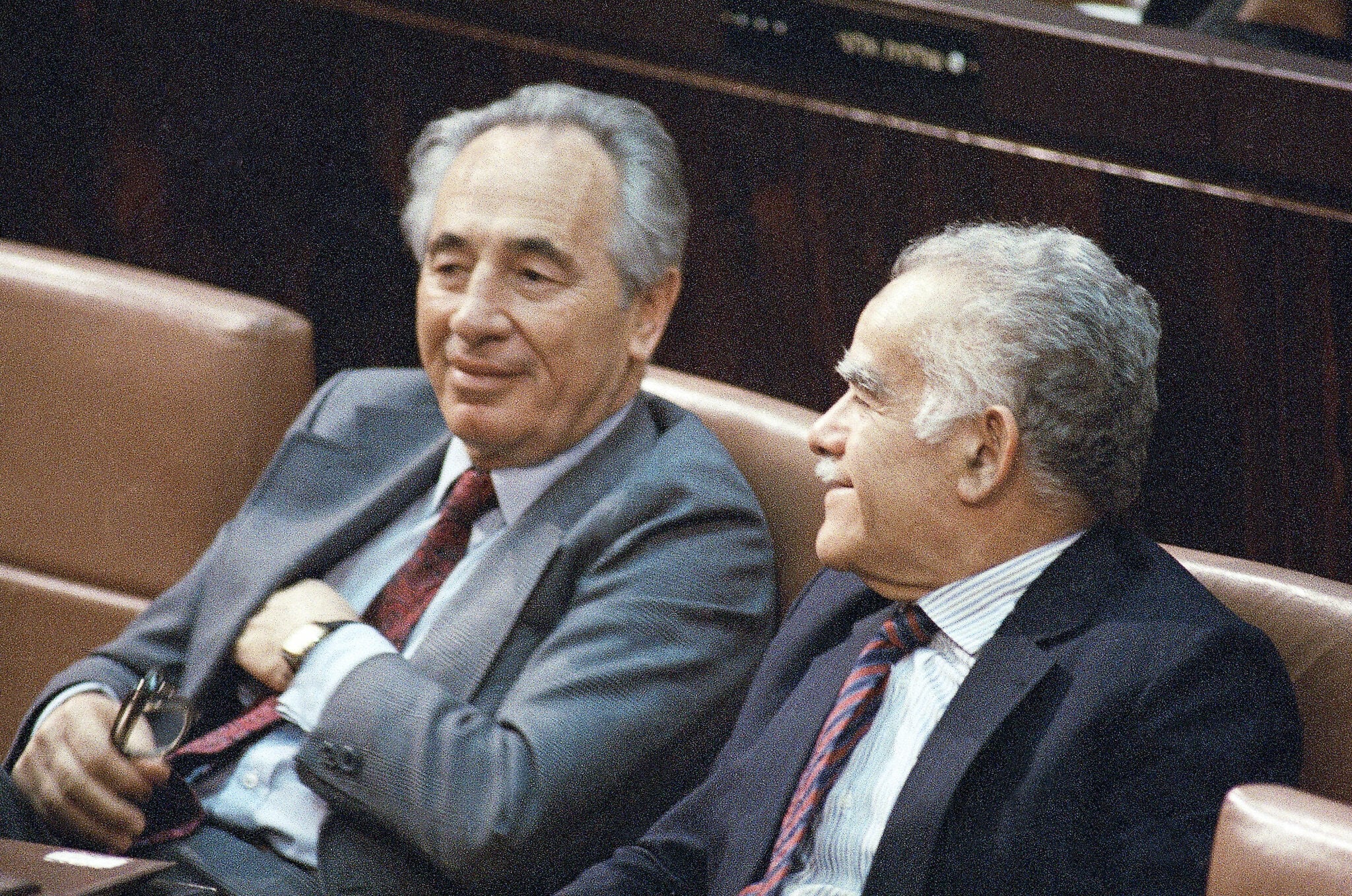
His efforts to build an alternative government depended on securing support from other factions, including ultra-Orthodox lawmakers, amid controversy over promised appointments and political incentives.
Although Peres ultimately failed to form a government, the episode exposed the extent to which individual lawmakers could influence the fate of governments by switching political allegiances.
The following year, the Knesset introduced anti-defection legislation intended to discourage lawmakers from abandoning the parties through which they had been elected in exchange for political rewards.
Defections that reshaped Israeli politics
A more recent illustration of the distinction between political disloyalty and formal defection emerged during the Bennett-Lapid government’s brief tenure.
In 2021, Yamina MK Amichai Chikli refused to support the coalition established by his own party leader, Naftali Bennett — who now heads the opposition B’Yachad party — and repeatedly voted against the government. He cited Bennett’s decision to partner with the Arab party Ra’am as the reason for his actions.
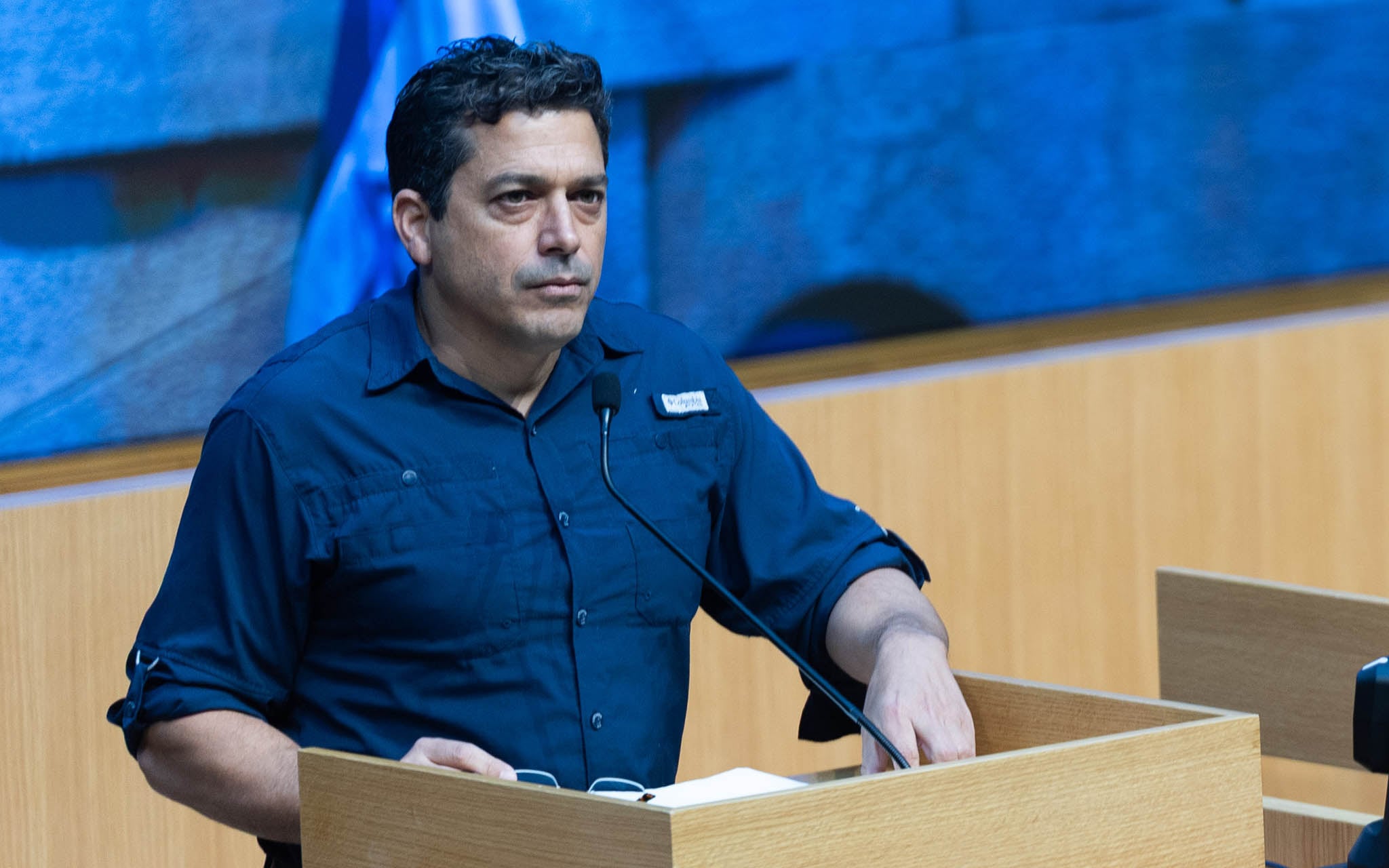
In April 2022, Chikli was formally designated a defector, triggering restrictions on his ability to join another party and run in the next election.
He subsequently resigned from the Knesset, effectively removing the sanctions placed upon him, and later joined Likud’s electoral list, serving in the outgoing Knesset as the government’s diaspora affairs minister.
Another Yamina lawmaker, Idit Silman, withdrew her support from Bennett’s government in April 2022, depriving the coalition of its razor-thin parliamentary majority.
Her move accelerated the coalition’s unraveling, culminating in the dissolution of the Knesset and another election that returned Netanyahu to power.
Their cases illustrated how lawmakers can profoundly alter Israel’s political landscape — whether through a formal defection or simply by withdrawing support from a governing coalition.









The Times of Israel Community.