

‘Offers no proof’: New York Times rejects ‘mediacide’ allegations from UN’s Albanese
Newspaper says UN rapporteur made baseless, misleading and biased claims about its coverage in report to General Assembly on ‘media in the time of genocide’
 Add ToI as a Preferred Source on Google
Luke Tress is The Times of Israel's New York correspondent.
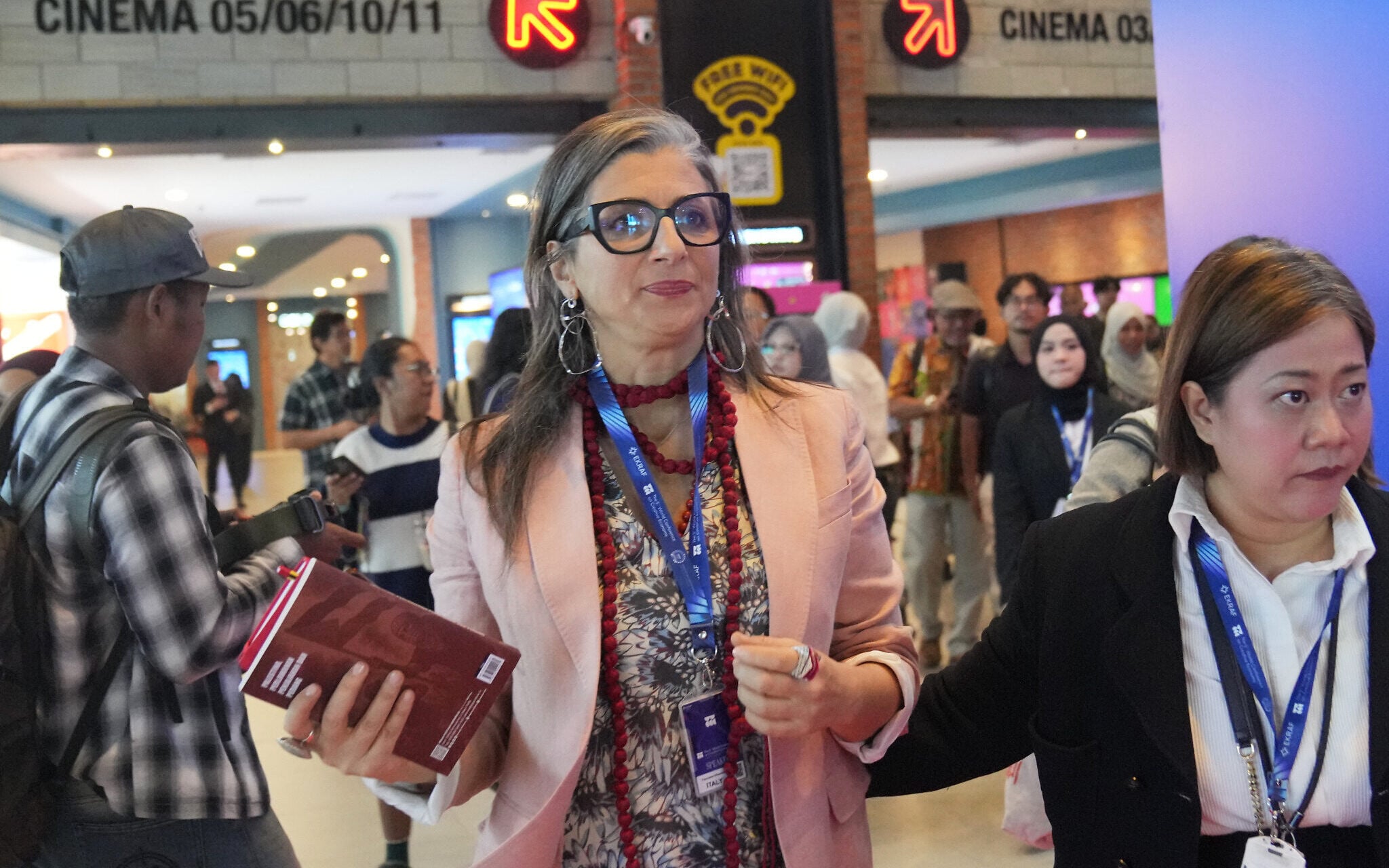
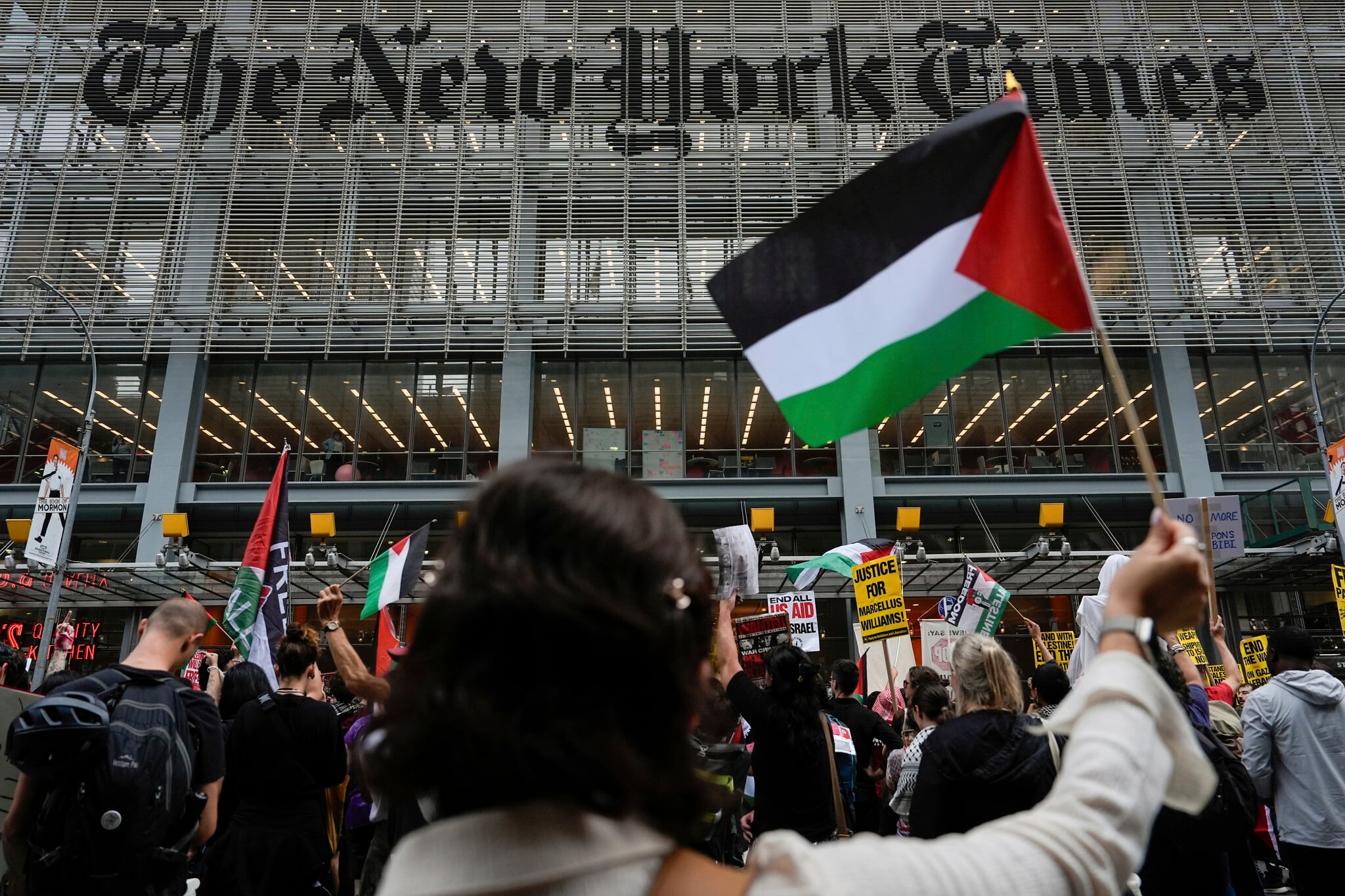
The New York Times on Monday rejected a report criticizing its coverage from the UN special rapporteur for the Palestinians, Francesca Albanese, calling Albanese’s allegations baseless, misleading and biased.
Albanese has a history of antisemitism and extremist rhetoric against Israel, according to her critics, while she says she is a champion for Palestinian rights and an opponent of discrimination. The New York Times has previously described her as an expert on Palestinian and legal issues.
Albanese’s report, “Truth under the rubble: media in the time of genocide,” alleged killings of Palestinian journalists, media restrictions by Israel, and collusion by “influential international media” to “legitimize atrocities.”
Albanese dubbed the “assault on truth” a “mediacide.” Albanese has previously accused Israel of “genocide,” “cultural genocide,” “domicide,” “urbicide,” “scholasticide,” “medicide” and “ecocide.”
Albanese publicized the media report online on Monday before presenting the findings to the United Nations General Assembly later in the day.
The report accused the New York Times of advising editorial caution when using terms such as “genocide”; of providing “humanitarian camouflage” to Israel via coverage of “safe zones” in Gaza; and of mentioning sexual violence against Israelis too often.
Albanese also criticized the newspaper for referring to Hamas’s use of human shields and alleged that the newspaper “downplayed Israeli responsibility” in 65 percent of “relevant headlines,” citing an analysis by an activist group.
A spokesperson for the New York Times said Albanese’s report “is not impartial, nor are the sources she relies on.”
“Fact-based journalism by the New York Times and other independent news organizations has shed critical light on the issues that Ms. Albanese is reviewing, and no pressure campaigns or biased criticism will deter us from that work,” the spokesperson told The Times of Israel.
The paper said Albanese “offers no proof” for her assertion that Israeli officials and pressure groups influenced editorial guidance.
Albanese’s criticism of the newspaper’s “safe zones” coverage is “wrong and misleading,” the spokesperson said.
“If Ms. Albanese read our coverage of ‘safe zones’ in context, rather than relying on studies with flawed methodologies, she would see that in the majority of cases, our coverage refers pointedly to ‘so-called’ safe zones,” the spokesperson said, adding that the coverage often questioned whether the areas were actually safe.
“Ms. Albanese does not present any legitimate evidence to show ‘a pattern… of attribution of civilian deaths to Hamas’s tactics rather than to Israeli military actions’ or ‘downplaying Israeli responsibility’ as her report claims,” the New York Times said.
Albanese’s claims about the newspaper’s coverage of sexual assault “ignores our repeated investigations on sexual violence against Palestinians,” the spokesperson said.
The New York Times has previously described Albanese as an “expert on the occupied Palestinian territories,” a legal scholar, an expert on human rights issues and an “outspoken critic of Israel,” and cited her previous reports to the General Assembly.
Last year, the newspaper gave Albanese a lengthy profile in its opinion section.
Albanese’s Monday report also attacked media outlets including the BBC, which did not respond to a request for comment.


The Times of Israel Community.