

Qatar, Iran discuss war and Hormuz in Moscow meeting as another ship struck in Strait
Qatari FM says onus on Tehran to now ‘demonstrate good faith’, reopen Strait, stop threatening neighbors
 Add ToI as a Preferred Source on Google
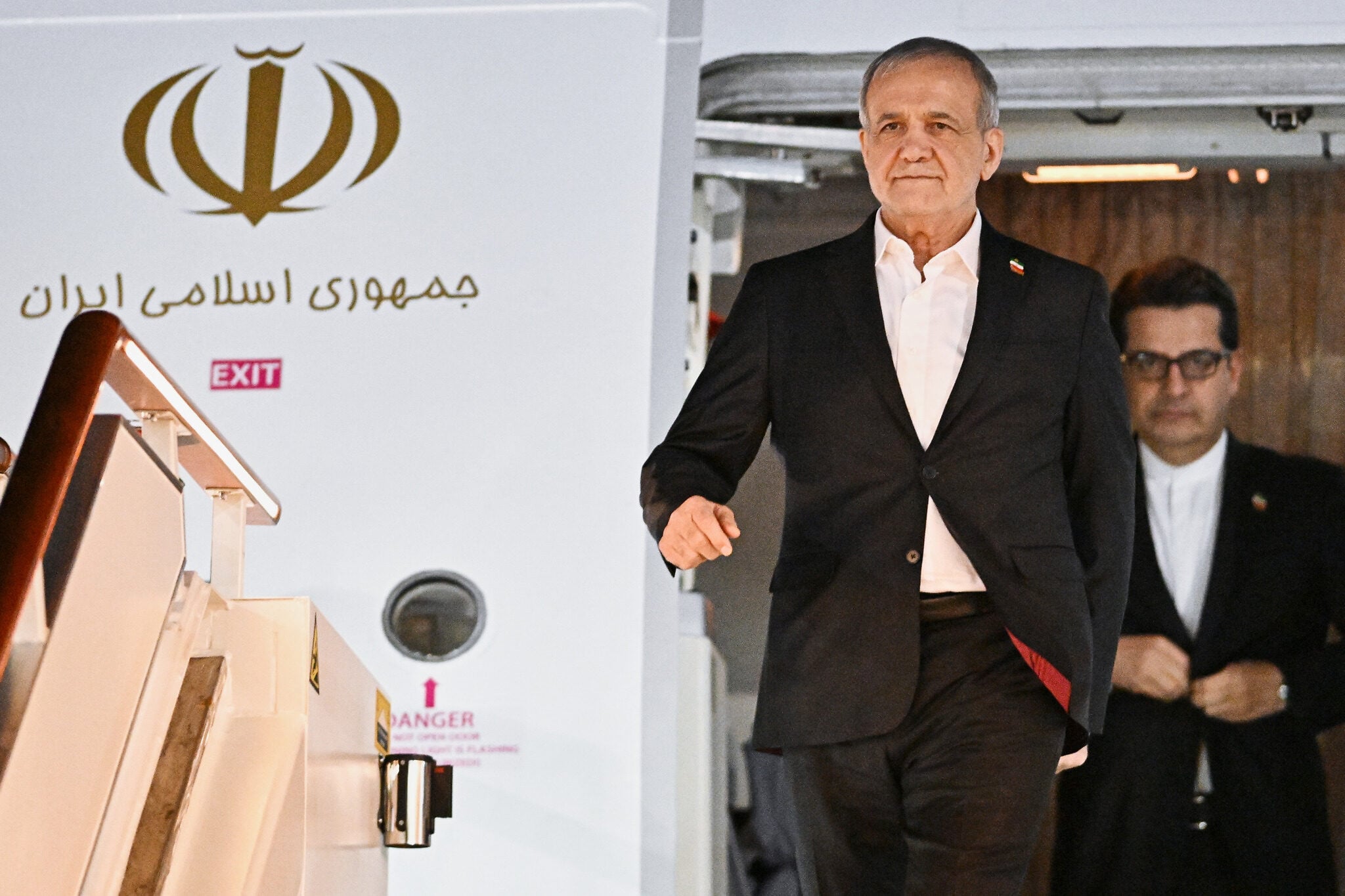
DOHA, Qatar — Qatar’s ruler and the Iranian president discussed the Middle East war and the blockaded Strait of Hormuz during a meeting in Moscow, the emir’s office said Tuesday.
The high-level meeting came a day after senior officials from Saudi Arabia, Turkey and Pakistan held talks with Iran in Tehran in an attempt to stop the Middle East war from reigniting.
Qatari Emir Sheikh Tamim bin Hamad Al Thani and Iranian President Masoud Pezeshkian met on Tuesday on the sidelines of a summit of the Gas Exporting Countries Forum in Moscow.
Pezeshkian was also due to meet with Russian President Vladimir Putin later in the day.
The Qatari and Iranian leaders “reviewed the current state of relations between Tehran and Doha and emphasized the importance of deepening political and economic ties and making use of existing potential to strengthen bilateral cooperation,” Iranian state television said.
Qatar and Pakistan have been at the forefront of efforts to secure a lasting deal between the United States and Iran.
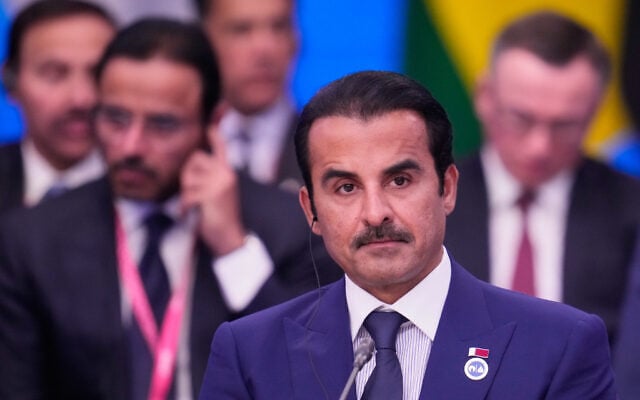
On Sunday, a Qatari delegation visited Tehran and “reviewed developments in the regional situation, foremost among them the latest on the negotiations, the Strait of Hormuz, and energy supplies,” Iran’s foreign ministry spokesman Esmaeil Baqaei said earlier.
Qatari foreign ministry official Ibrahim Al-Hashmi said the region needed a new security framework to prevent further violence.
“The ball is now in Iran’s court to commit to these principles and demonstrate good faith,” he said.
“We have heard positive statements from the Iranian side… but they still need to demonstrate good faith, stop threatening countries of the region, and reopen the Strait of Hormuz so that all those efforts can go towards having a safe and prosperous region,” he added.
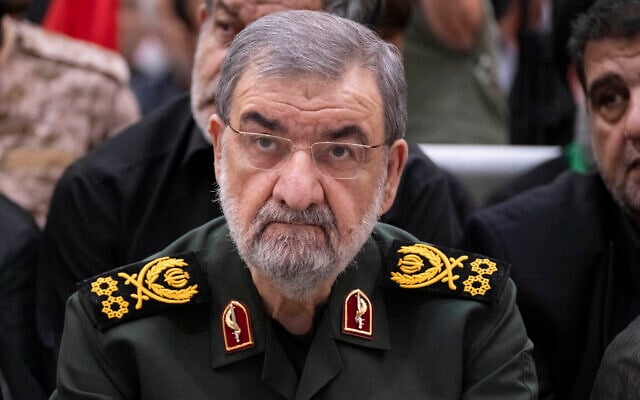
Meanwhile, Iranian Security Council chief Mohsen Rezaei met Supreme Leader Ayatollah Mojtaba Khamenei, not seen in public since succeeding his slain father in March, a day after holding talks with the representatives of Saudi Arabia, Turkey and Pakistan.
State media said Khamenei had stressed the importance of pursuing Iran’s interests and maintaining its conditions for ending the war.
“Safeguarding national and regional security by maintaining control over the Strait of Hormuz and strengthening bilateral relations with neighboring countries” were among the topics Khamenei and Rezaei had discussed, it said.
And in Riyadh, Saudi Crown Prince Mohammed bin Salman chaired a meeting where he and his council of ministers reviewed the talks held in Tehran with the so-called Mecca alliance a day earlier, state media reported.
“The council reviewed the substance of the talks held between the countries party to the Mecca Common Defence Agreement and senior officials of the Islamic Republic of Iran, reaffirming Saudi Arabia’s commitment to establishing security and stability,” read a statement released by state media.
Oil tanker set ablaze
The Iranian army said an oil tanker hit mines and caught fire while attempting to cross the Strait of Hormuz via a route not authorized by Tehran.
“A few hours ago, an oil tanker in breach of regulations, having switched off its tracking systems and attempted to cross a prohibited and dangerous area east of the Strait of Hormuz, struck naval mines, causing damage and a fire,” the army said in a statement carried by the official IRNA news agency.
Iran claims control over the Strait of Hormuz, a vital global energy conduit, and has targeted vessels that attempt to cross without its authorization since the outbreak of the Middle East war on February 28.
The Iranian military has reported on multiple occasions that tankers struck naval mines while attempting to transit areas Tehran considers off-limits.
‘Very good’ talks
Monday’s talks in Tehran included Saudi Defense Minister Khalid bin Salman, Pakistan’s army chief General Asim Munir and Turkey’s intelligence chief Ibrahim Kalin. Iran described them as “very good.”
They followed warnings by the United States, Iran and Israel that hostilities could restart in the eight-month war, which saw Tehran strike US allies in the region including Qatar.
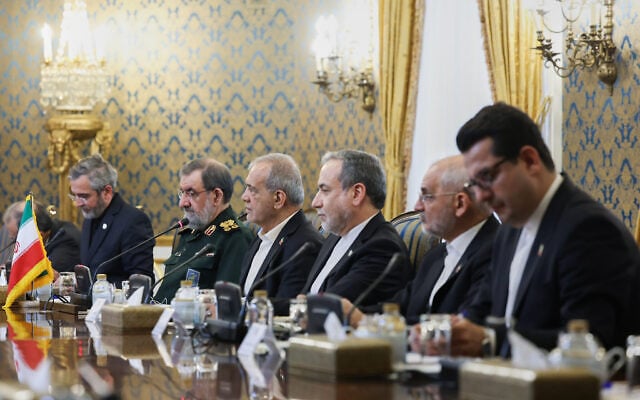
An Iranian official told Reuters on Monday that there would be no discussion of Iran’s nuclear program at Monday’s meeting with the Mecca pact countries, and the issue would not be addressed until Tehran’s demands for ending the war were met. Iran rejects Western concerns that the program is military in nature.
Iran’s conditions include an end to a US blockade of Iranian ports and US sanctions on Iranian oil exports. US Vice President JD Vance said three weeks ago that Iran must reduce nuclear enrichment to end the war.
In early October, Putin said Russia was prepared to take part in mediation to bring an end to the war.


The Times of Israel Community.