

Undecided voters could sway race for Eisenkot or Netanyahu
Many Israelis fed up with PM are also not big on his rivals, with pollster predicting around 25% of those voting are late deciders who ‘will definitely have an effect’ on the outcome
 Add ToI as a Preferred Source on Google
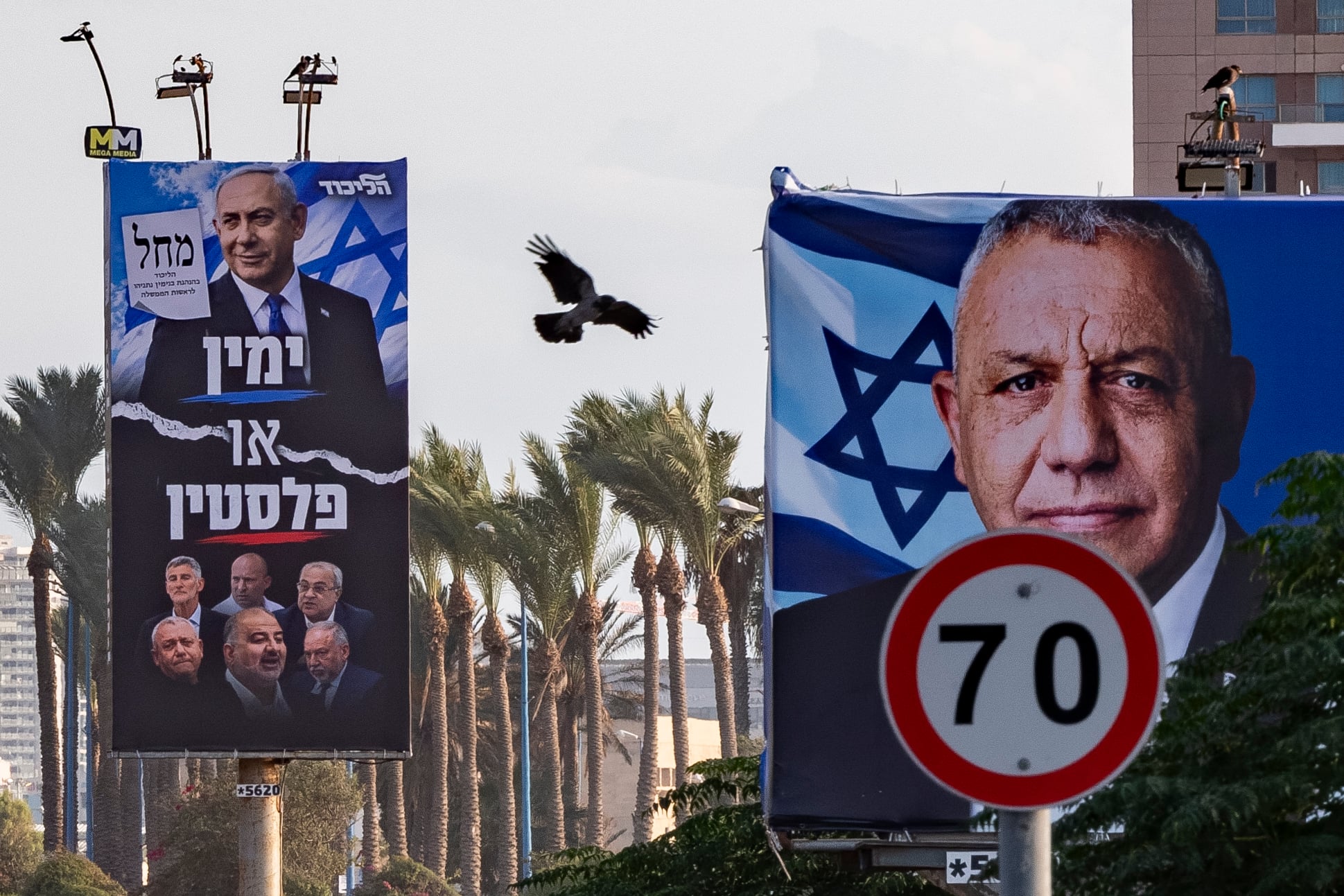
JTA — On the day before Israel’s October 27 election, Nat Zitomer, a retired licensed tour guide, still hadn’t decided which party to vote for.
“I lean center-right, and during the last two elections I voted for Likud and before that, HaBayit HaYehudi,” said Zitomer, referring to the right-wing religious Zionist party founded in 2008.
Although he would prefer to vote for a center-right party this time around, he is in a quandary.
“I can’t see myself voting for the Haredi parties” because they promote draft evasion, Zitomer, who lives in the northern city of Karmiel, told the Jewish Telegraphic Agency, adding that other parties also failed to fit the bill.
Among the ones he dismissed were Prime Minister Benjamin Netanyahu’s coalition partners Otzma Yehudit, led by National Security Minister Itamar Ben Gvir, and the Religious Zionist Party headed by Finance Minister Bezalel Smotrich.
“I can’t see myself voting for Ben Gvir and Smotrich because they’re too extreme to the right,” Zitomer said.
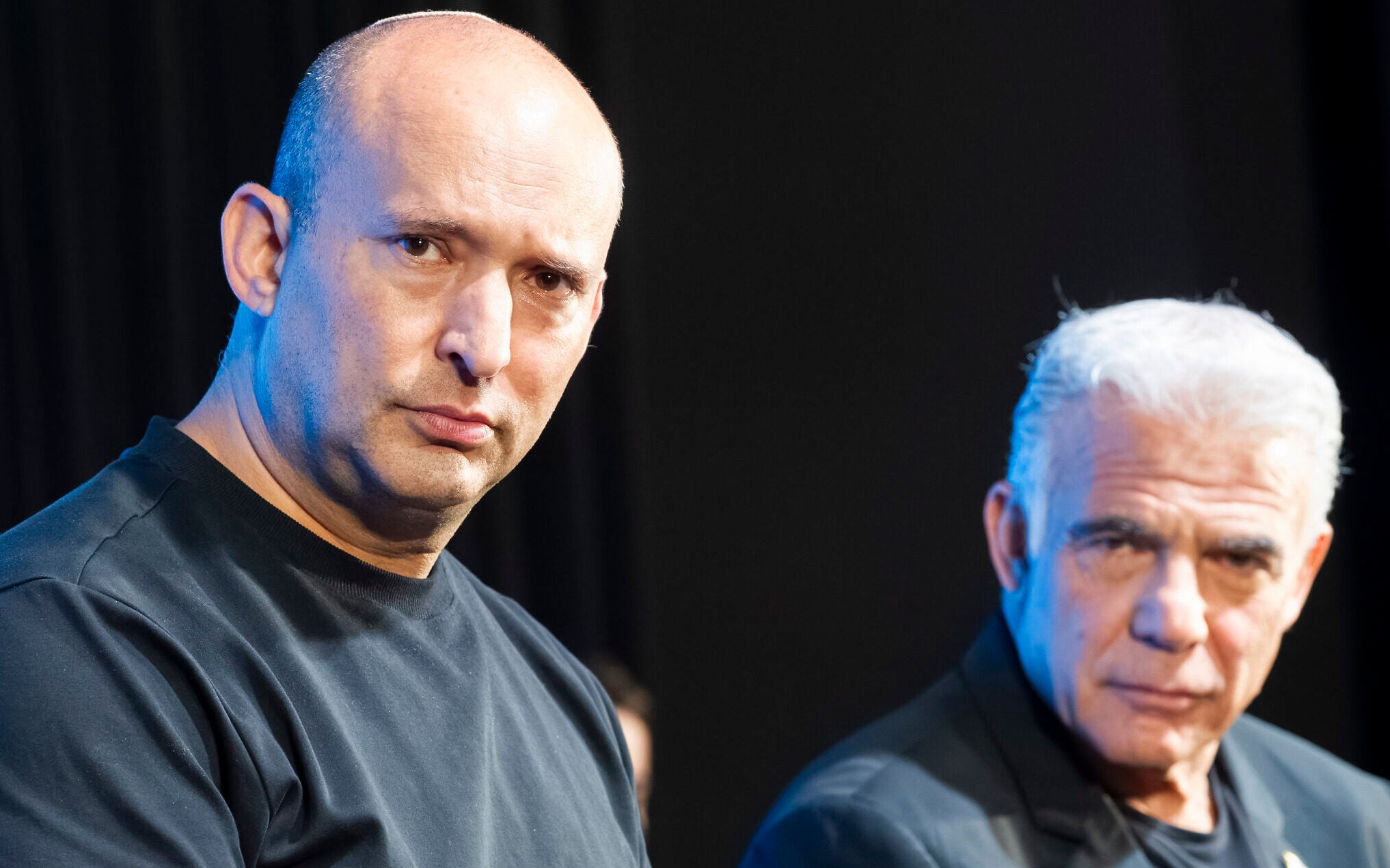
Nor has he been happy with the parties opposing Netanyahu, such as the centrist party B’Yachad, led by former prime ministers Naftali Bennett and Yair Lapid. Bennett, Zitomer said, “is often described as a chameleon. He says one thing and does something else.”
Voting for Netanyahu is out of the question, said Zitomer, who blames him for not preventing the Hamas-led invasion of southern Israel on October 7, 2023.
“When he was good, he was very good. But October 7 happened on his watch and whatever comes out of his mouth has pissed off pretty much all of the world against us. I’ve heard it said of him and I tend to agree: He’s outlived his shelf life.”
In short, “I can’t recall an election where I have been more ambivalent,” Zitomer said.
Opinion polls from Maariv, Channel 12 and Channel 13 estimate that between 5% and 10% of eligible voters are undecided, though Mitchell Barak, a pollster who heads Keevon Global Research, believes the percentage is higher.
With almost every poll predicting that neither the right-wing bloc headed by Benjamin Netanyahu nor the center-left bloc led by Gadi Eisenkot will obtain the 61 Knesset seats needed to form a majority coalition government, those undecided votes could decide the election, Barak told JTA.
Barak, who placed the number of undecided voters at around 25% in early October, believes that the late deciders “will definitely have an effect.”
“Historically, undecided voters in Israel choose a party the weekend before election day, often after discussing the options at the Shabbat table,” he added.
If even one of the new smaller parties passes the 3.25% threshold to qualify for seats in the Knesset, “it will change the dynamics. Keep in mind that the margin of error in opinion polls is larger than the threshold to get into the Knesset,” Barak said.
Ofer Kenig, a research fellow at the Israel Democracy Institute, is less impressed with the undecided voters’ potential impact because the overwhelming majority have already chosen which bloc to support, opinion polls show.
He pointed to one Channel 12 poll from this month, which showed that 8% of voters were undecided. “But if you look closer, of this 8% of undecided, the majority are undecided between parties within the same bloc.”
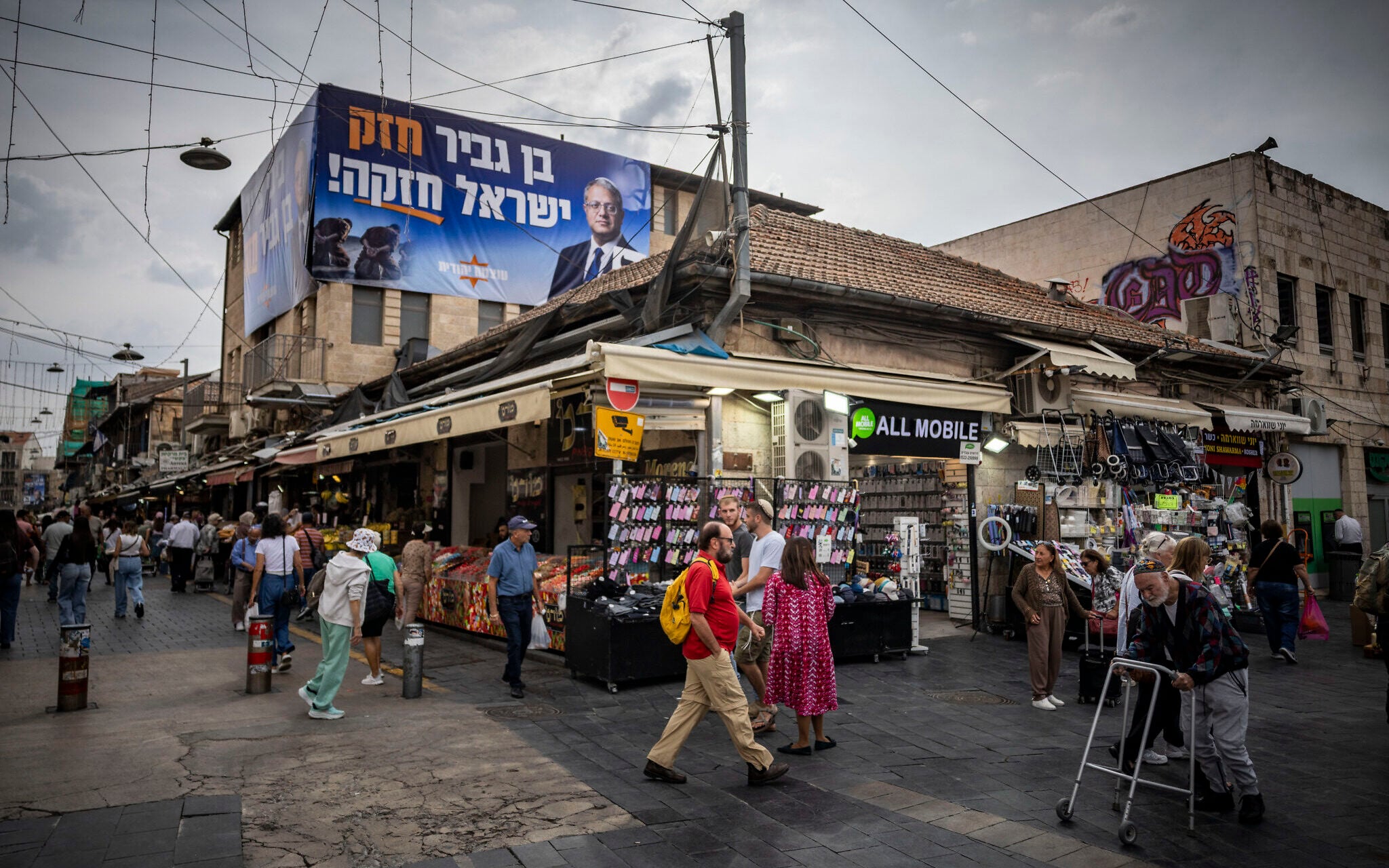
If, for example, a voter is trying to decide between supporting Netanyahu’s Likud party or the far-right party of Itamar Ben Gvir, “it doesn’t really matter,” Kenig said. Both parties have agreed to form a right-wing coalition government. The same would be true of a voter in the center-left camp, he added.
“In the US, which has a two-party system, undecided votes can be very meaningful,” Kenig said. But in Israel’s multi-party system, where 37 parties will be vying for Knesset seats, “the difference between voting for Netanyahu versus Ben Gvir isn’t very meaningful.”
Kenig estimated that less than 1% of undecided voters will cross the political divide, from left to right or vice versa.
Alon Yakter, a senior lecturer and political scientist at Tel Aviv University, said some of the undecided voters are on the “soft or center-right.”
“If you believe in settlement expansion, you have a home. If you’re left or center, you can vote for the Democrats party” created from the merger of the leftist Meretz and center-left Labor parties, Yakter said.
In contrast, Israelis who are hawkish on the Palestinian issue but deeply dissatisfied with the current government’s handling of October 7 and its aftermath, its refusal to draft Haredim and its attempts to weaken the court system among other issues feel “politically homeless,” Yakter said.
Daniel Meyer, a self-described right-wing voter who lives in the West Bank, is a prime example.
“I haven’t found a right-wing party to vote for, since a vote for such a party will be a vote for Bibi, but until Bibi takes responsibility for his role in October 7, and the 15 years preceding it, by initiating a state inquiry, I can’t support him,” Meyer said. Nor will he vote for Bennett, because he believes the party is too far to the left.
Although he is not himself Haredi, Meyer said he is considering the new Charedi Public party, which advocates for greater Haredi integration into the IDF and Israel at large, “because they’re offering real changes desperately needed by Israeli society.”

Adele Raemer, who personally survived the October 7 Hamas attack in a bomb shelter in her home in Kibbutz Nirim, said she is still weighing her options. But one thing is clear: She wants Netanyahu and his coalition partners out of office.
“This government has been a disaster for us, and I can’t understand how it’s still popular among many voters,” Raemer said. “I feel that so many politicians totally abandoned us,” not only following October 7 but during the two decades of Hamas rocket attacks on the Gaza border that preceded it.
Raemer is looking for a party that will not only secure Israel’s borders but also provide much-needed assistance to the victims of the Hamas attack, including the surviving hostages and soldiers who are now struggling with physical and emotional wounds.
“People have suffered great losses and feel abandoned. The hostages are supported by private initiatives, but not the government.”
Now, Raemer said, her priority is to vote in a centrist government “powerful enough to change things, to put the country first.”
Like Raemer, Eva Weiss, a writer who lives in Netanya, said she is “deeply dissatisfied” with Netanyahu and his current coalition partners, and will vote for the party she believes has the best chance of forming a coalition without far-right politicians and the major Haredi (ultra-Orthodox) parties.
With so many parties competing for 120 Knesset seats, voting in Israel is “a kind of Russian roulette,” Weiss said. Given the post-election horse-trading that exemplifies the formation of any government coalition, “I’m considering what’s the best horse to bet on,” Weiss said.




The Times of Israel Community.