

‘Majority voted for change’: Rallies to be held Saturday calling for Jewish-Arab government
Protests to be held in Tel Aviv, Jerusalem, Beersheba, Haifa, Tayibe; organizers: ‘Arab votes are worth the same as Jewish votes, Arab citizens must be full partners in shaping the country’s future’
 Add ToI as a Preferred Source on Google
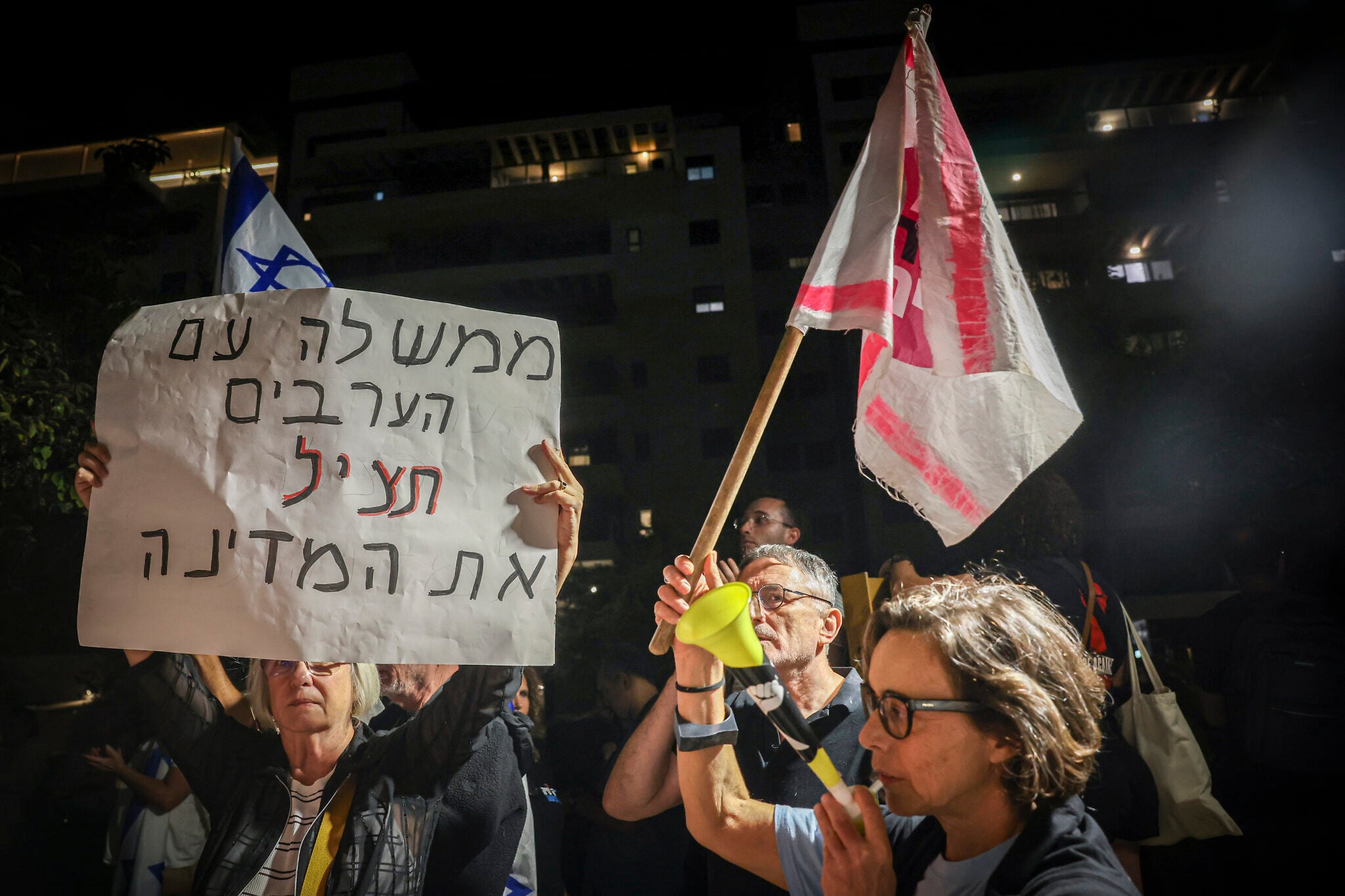
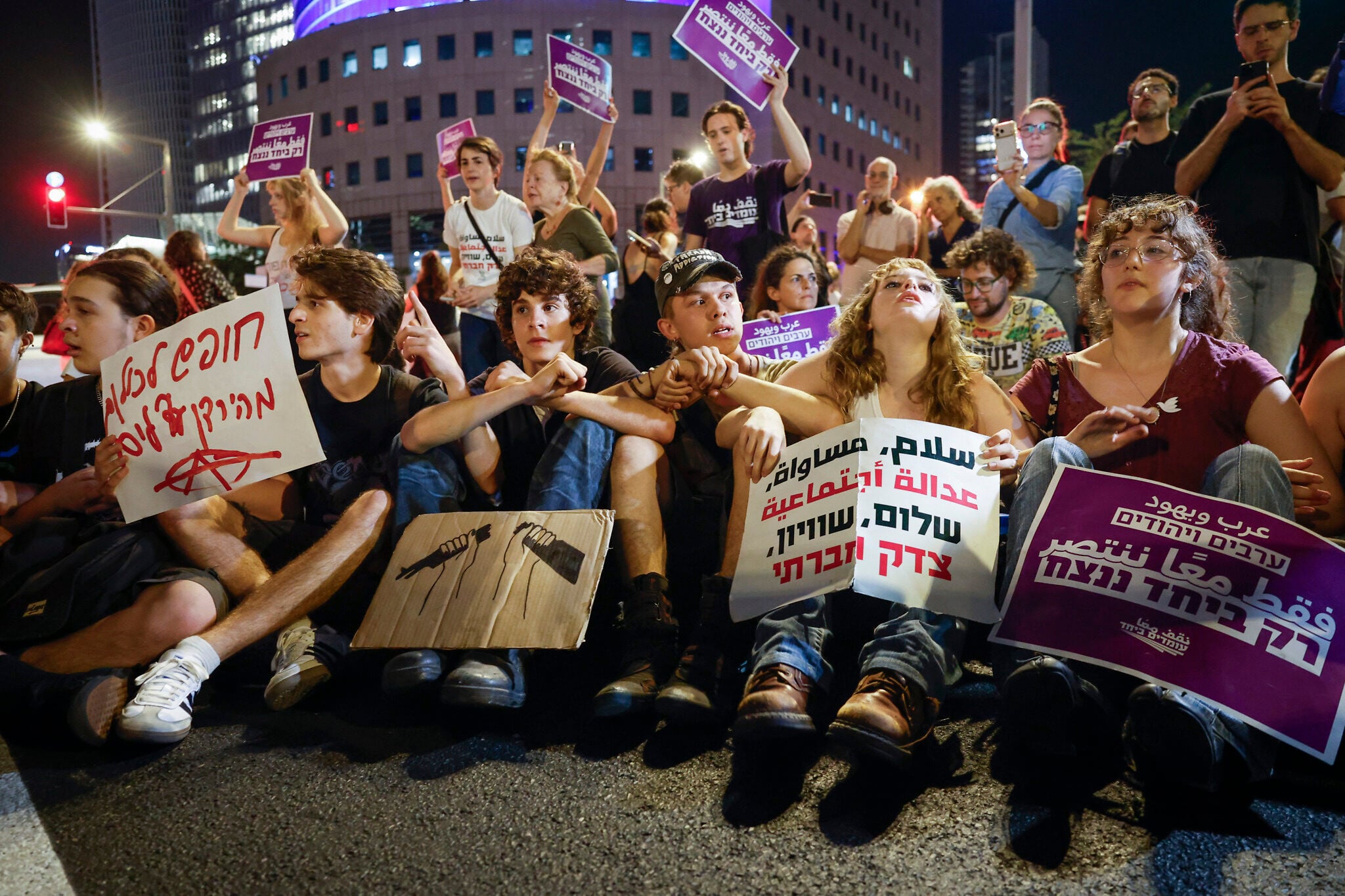
Several demonstrations are expected across the country on Saturday night in support of the formation of a Jewish-Arab government by the so-called change bloc.
Organizers from the Standing Together group said rallies will be held at 7:30 p.m. at Tel Aviv’s Habima Square, Jerusalem’s Paris Square, as well as in Beersheba, Haifa and Tayibe, calling for the formation of such a government following Tuesday’s election.
The election saw the opposition win 67 seats to the coalition’s 53.
However, those 67 are made up of 48 seats for Zionist parties and 19 seats for Arab non-Zionist parties, with whom most leaders of the Jewish opposition parties have previously said they would not cooperate.
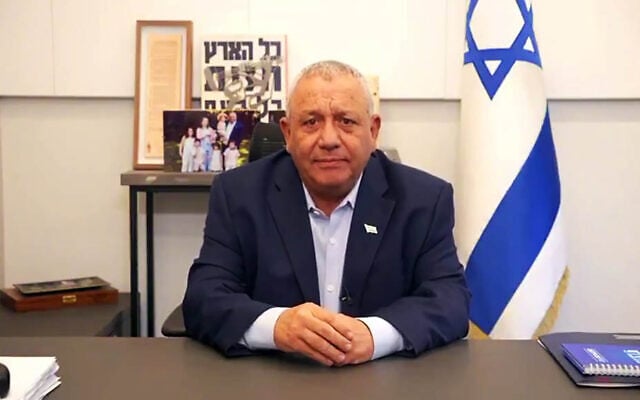
The four Zionist parties are Gadi Eisenkot’s Yashar, Nafatali Bennett’s B’Yachad, Yair Golan’s The Democrats and Avigdor Liberman’s Yisrael Beytenu, while the two Arab-led parties are Yousef Jabareen’s Joint List and Mansour Abbas’s Ra’am.
“Protesters are demanding that the bloc’s leaders recognize their victory and form a government based on Jewish-Arab partnership,” the rally organizers said.
“The Jewish-Arab majority that voted for change must also be reflected in the next government. Now is not the time to abandon our partnership, but to turn it into a political force that changes reality,” they said.
“Arab votes are worth exactly as much as Jewish votes, and Arab citizens must be full partners in shaping the country’s future,” said organizers.
On Friday night, Golan expressed optimism that the change bloc could form the next government with the support of the Arab-led parties, despite Liberman’s public refusal to entertain the notion.
Golan strongly rejected the idea of any unity government that included Prime Minister Benjamin Netanyahu’s Likud party, and argued that the opposition parties “can establish a government and we must establish a government,” despite receiving only 48 seats out of the 120-member Knesset. With Ra’am, the bloc would have 56 seats, while the Joint List controls another 11 seats.
Golan said he met with Yashar leader Gadi Eisenkot, B’Yachad No. 2 Yair Lapid and Ra’am chief Mansour Abbas on Thursday, “and I found all three deeply determined to form a government.”

However, Liberman reiterated on Friday his party’s refusal to join any coalition that includes the two Arab-led parties in the next Knesset. “We will not sit with supporters of terrorism!” he wrote on Facebook, citing a number of statements and actions from Ra’am and Joint List MKs.
In addition to saying he will not join a government with the Arab-led parties, Liberman has also said he will not join a government with Netanyahu.
A historic surge in Arab voter turnout in Tuesday’s election has placed Israel’s Arab-majority parties in a position to determine the next government, putting the Zionist opposition’s longstanding refusal to rely on their support to a potentially decisive test.
Despite leading the largest party, Netanyahu has no obvious path to expanding his bloc beyond his existing far-right and ultra-Orthodox allies to get the 61-seat majority he needs to form a government.
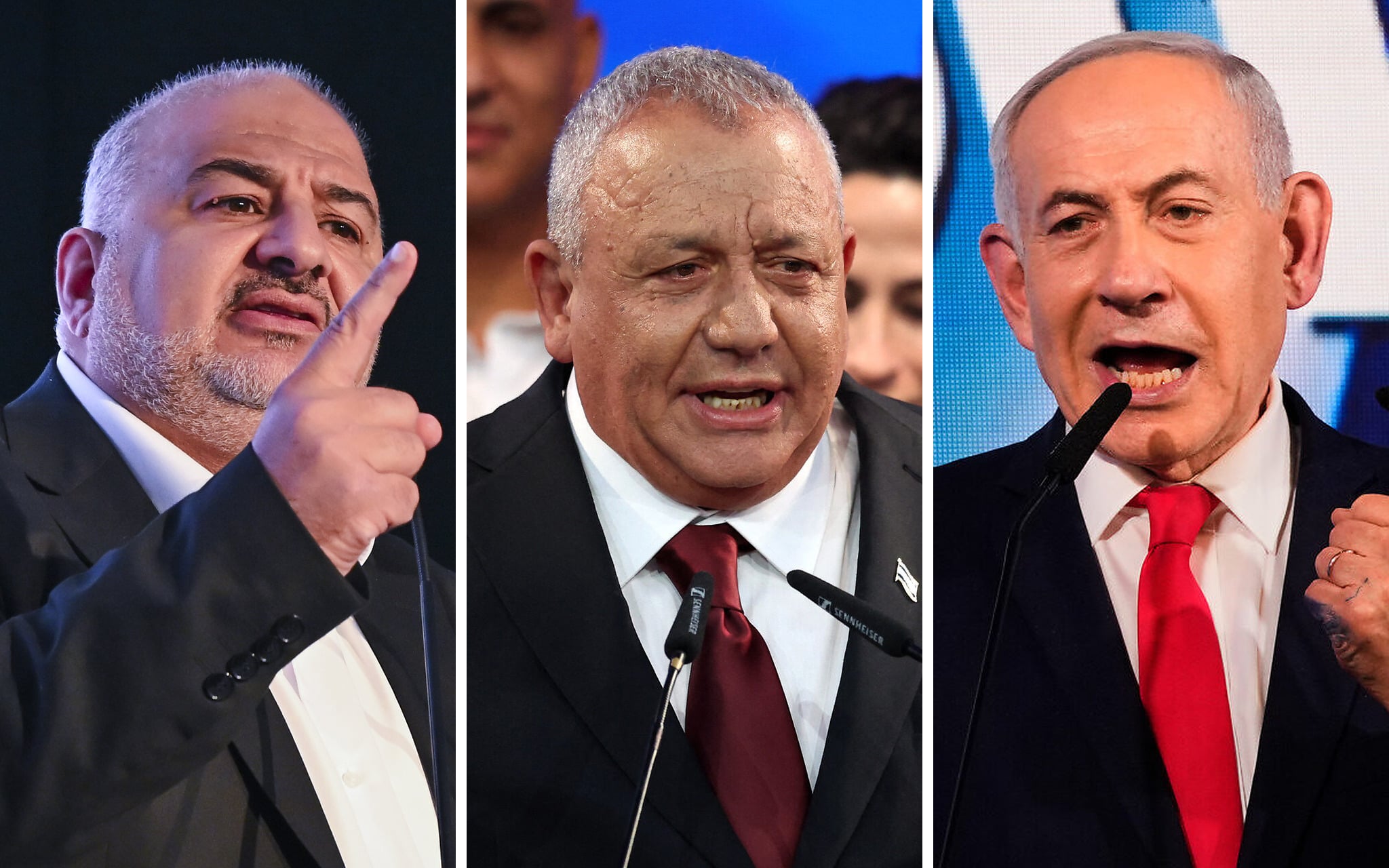
For years, Netanyahu has campaigned to portray Arab lawmakers as illegitimate political partners — effectively excluding representatives of roughly one-fifth of Israel’s population from governing.
Despite that, there have been multiple accounts in recent years that Netanyahu has sought alliances with the Islamist Ra’am party.
Abbas said Wednesday, as he said after the last election in 2022, that his party was in contact with members of Netanyahu’s coalition.
“Everyone is speaking with us, not just from the change bloc,” Abbas told Channel 12, suggesting that figures from the pro-Netanyahu bloc have also approached him.
Since his Islamist party became the first Arab-majority faction to join an Israeli government in 2021, Abbas has sought to make his party more palatable to Jewish voters and potential coalition partners, most notably by recruiting former Yesh Atid lawmaker and deputy public security minister Yoav Segalovitz, a Jewish Zionist, as his party’s No. 2 candidate.
On Wednesday, the Joint List offered to support an alternative government from outside the coalition, with chair Jabareen vowing to use his faction’s newfound parliamentary strength to oust Netanyahu.

Moshe Ya’alon, a former hawkish defense minister turned vocal Netanyahu critic, also called on the Jewish-led opposition parties on Friday to form a government with Ra’am and offer a ministerial post to its chair Abbas.
He contrasted Abbas’s actions with those of far-right ministers Itamar Ben Gvir and Bezalel Smotrich.
“I know Itamar Ben Gvir from his time as a subject of Shin Bet surveillance, when he incited hatred, agitation, and violence in the Hebron area,” Ya’alon wrote. “He was convicted on eight separate indictments for his actions, including support for a (Jewish) terror organization.
“I know Bezalel Smotrich from the period leading up to the Disengagement, when he was arrested on suspicion of planning to detonate 700 liters of fuel on Route 1,” the former defense minister and IDF chief continued.
“Mansour Abbas is not Jewish, but I would hope that most Israeli citizens align more with his values than the values of the messianists, racists, and fascists,” he said.



The Times of Israel Community.