

Lebanon’s Aoun says key issues with Israel remain unresolved after US-mediated talks
Lebanese leader cites truce, IDF pullout, border demarcation, prisoner releases as outstanding issues; German minister urges support for Lebanese army, warns of UNIFIL withdrawal
 Add ToI as a Preferred Source on Google
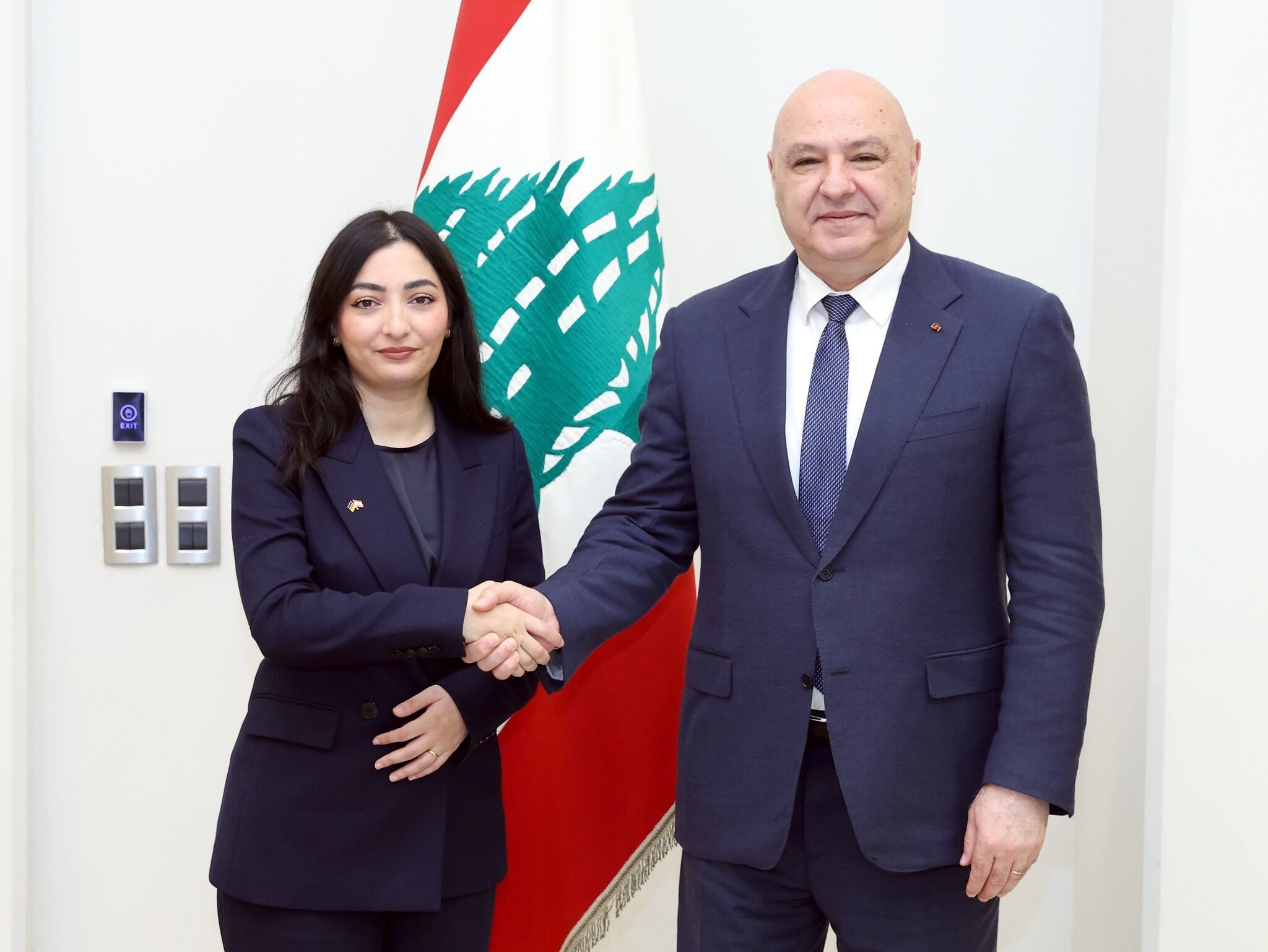
Lebanese President Joseph Aoun said on Thursday that progress on key issues in talks with Israel — namely a ceasefire, IDF withdrawal and border demarcation in southern Lebanon, as well as prisoner releases — had yet to materialize, a week after the latest round of US-mediated talks.
Speaking during a meeting with Germany’s minister for economic cooperation and development, Reem Alabali-Radovan, Aoun called for an end to Israeli strikes in Lebanon, warning that they undermined stability, according to an Arabic-language post from the presidency.
The remarks came after a Lebanese military delegation presented Beirut’s demands for an end to Israeli military operations in Lebanon at a working-level trilateral meeting with Israeli and US representatives in Tampa, Florida, the previous week.
Israel and Lebanon signed a US-backed framework agreement on June 26 that tied a gradual Israeli withdrawal from southern Lebanon to the verified disarmament of Hezbollah and the dismantling of its military infrastructure, alongside expanded deployment of the Lebanese Armed Forces.
The Tampa talks on October 20-21 were aimed at advancing that framework. Ahead of the meeting, Prime Minister Benjamin Netanyahu said Israel wanted the Lebanese army to demonstrate that it could clear Hezbollah threats from two designated pilot areas it now holds, warning that Israel would act itself if the Lebanese military failed to do so.
Israel says its strikes in Lebanon target operatives for Hezbollah and other terror groups, or come in response to Hezbollah fire on IDF troops. The IDF holds a buffer zone in southern Lebanon.
Aoun said the Lebanese state and army were prepared to address security concerns through “official mechanisms and established coordination channels” rather than military action, while urging greater European support for the Lebanese Armed Forces.
Lebanese officials have said continued Israeli strikes are hampering Beirut’s efforts to disarm Hezbollah, while Israel has argued that the Lebanese army has not proved capable of assuming the security role envisioned under the US-backed ceasefire agreement.
وزيرة التعاون الاقتصادي والتنمية الاتحادية في ألمانيا Reem Alabali Radovan بعد لقائها رئيس الجمهورية:
– نلمس تقدّمًا في الإصلاحات التي تعمل عليها الحكومة اللبنانية، وسندعم هذا النهج الآن وفي المستقبل.
– المباحثات كانت جيدة، وألمانيا تدعم بناء مؤسسات دولة فعّالة، وتعزيز الشفافية… pic.twitter.com/dduSuEc2of
— Lebanese Presidency (@LBpresidency) October 29, 2026
Alabali-Radovan said Berlin was monitoring developments in southern Lebanon and was in contact with the Israeli government on the matter. She said lasting peace in Lebanon required respect for its sovereignty and territorial integrity.
Aoun has also been voicing concerns about a security vacuum forming in southern Lebanon following the expected expiration of the mandate held by the UN’s peacekeeping force, the UN Interim Force in Lebanon, later this year, and has said he would welcome international efforts to keep the force in place.
Alabali-Radovan described the Lebanese army as a key pillar of the country’s stability and said it should receive greater support, also stressing that a security vacuum must be avoided as discussions continue over the future of UNIFIL.
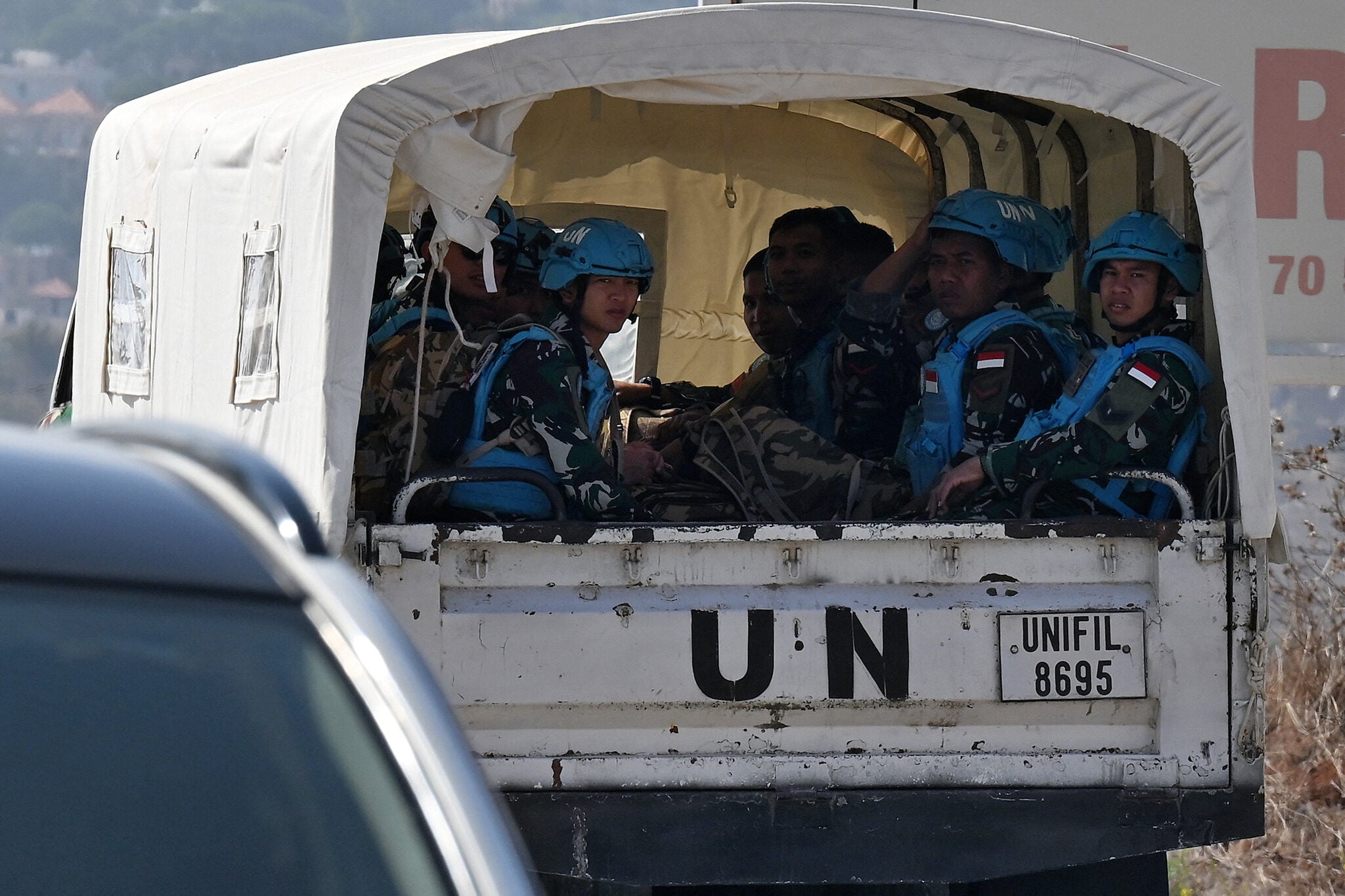
UNIFIL’s mandate is set to expire at the end of December 2026 after nearly five decades in Lebanon. The force has roughly 7,500 personnel from nearly 50 countries, and Lebanese officials have warned that its departure could leave a security vacuum in the south.

The Times of Israel Community.