

Vance reportedly contacted top Iran security official in bid to restart peace talks
VP sends letter to head of Iran’s Supreme National Security Council laying out framework for potential negotiations; WSJ says Trump ordered initiative, but US president denies being behind it
 Add ToI as a Preferred Source on Google
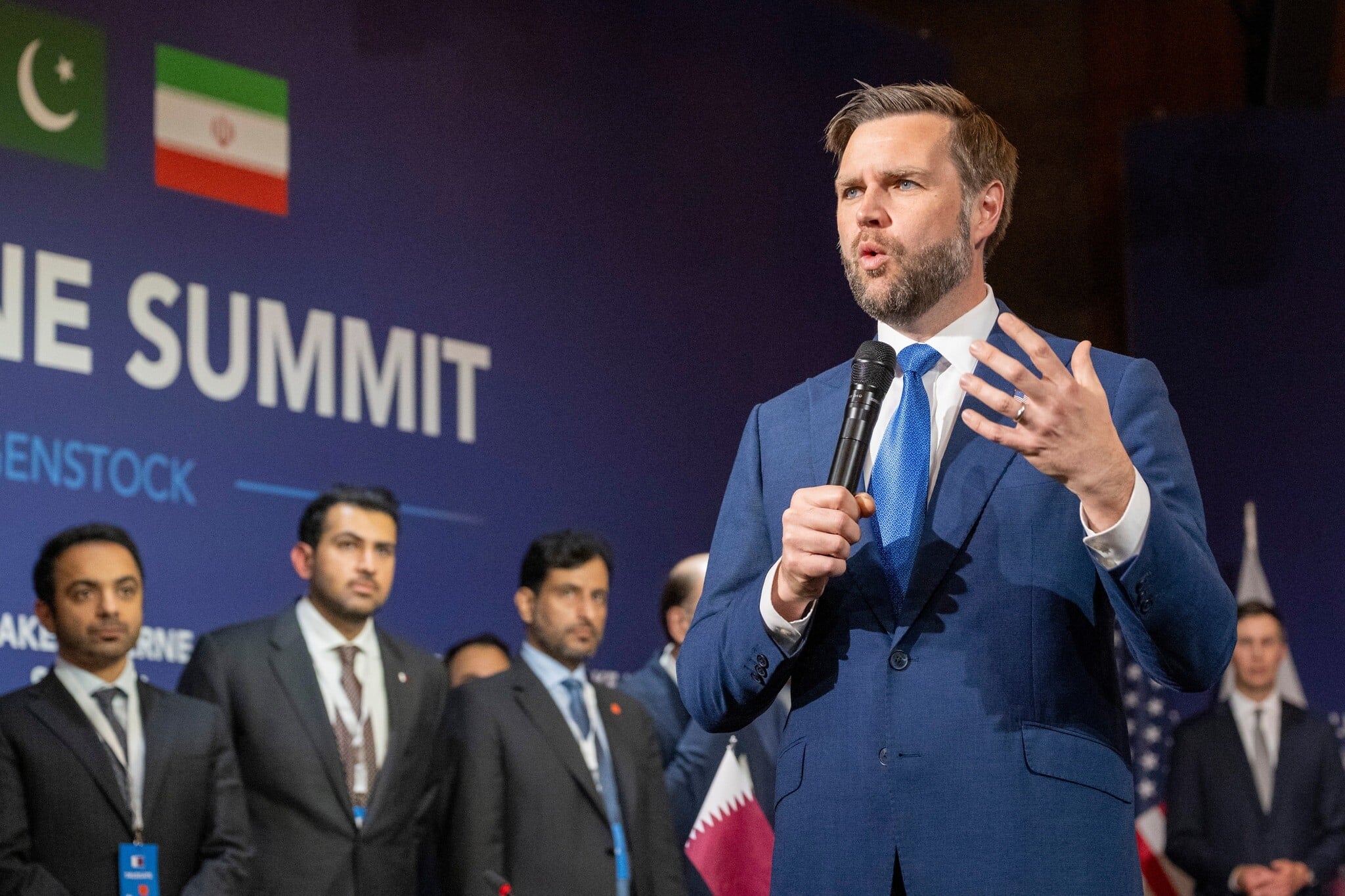
US Vice President JD Vance has contacted Iran’s security chief in a bid to revive peace talks that could head off a renewed American assault on the Islamic Republic, the Wall Street Journal reported on Wednesday.
Vance sent a letter to Mohsen Rezaei, head of Iran’s Supreme National Security Council, the Journal reported, in a move that one of the newspaper’s sources said was directed by US President Donald Trump.
Asked about the report on Wednesday evening, Trump claimed Vance came to him with the idea and that he told his vice president to proceed as he saw fit.
The letter — as well as subsequent talks between US and Iranian officials — focused on a possible framework for negotiations rather than specifics of a peace proposal, the Journal said.
Meanwhile on Wednesday, Iranian Foreign Minister Abbas Araghchi said that Tehran was discussing with mediators ways to implement a seven-day plan to end the Middle East war and reopen the Strait of Hormuz.
“While our Brave Armed Forces are fully prepared to defend the Homeland, Iran continues to give diplomacy a chance to succeed,” Araghchi said in a post on X. “We remain in close and ongoing contact with intermediaries to review ideas that can ensure implementation of our 7-Day Plan in even less than a week.”
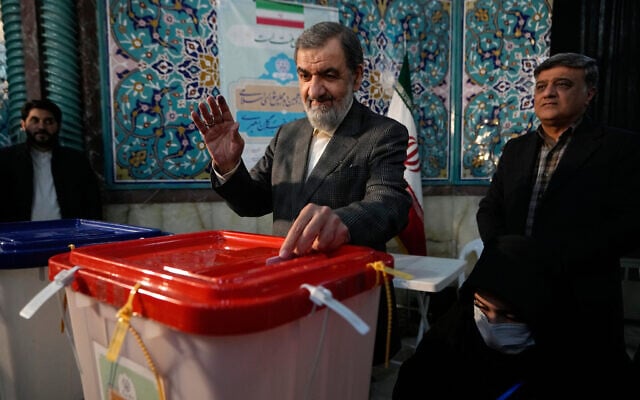
In September, Iran proposed a seven-day plan that it conveyed to the United States through Qatar.
Araghchi said at the time that under the plan, Hormuz would reopen within seven days if “necessary conditions,” including a ceasefire across the Middle East, were met.
Iran has also demanded the unfreezing of its assets abroad, the lifting of sanctions on its oil sector and an end to the US naval blockade.
The Axios news site reported that regional mediators led by Qatar were pushing for “a diplomatic deal” to restart US-Iran talks and prevent the resumption of war after the US midterm elections on November 3.
The report, citing US, Israeli and other regional sources, said the Qataris were trying “to convince Iran to allow UN inspectors to visit its bombed nuclear sites in return for some sanctions relief from the US.”
Saudi officials have urged the White House to give negotiations more time, telling US officials that Iran is deeply concerned about the prospect of a US-Israeli strike following the midterm elections.
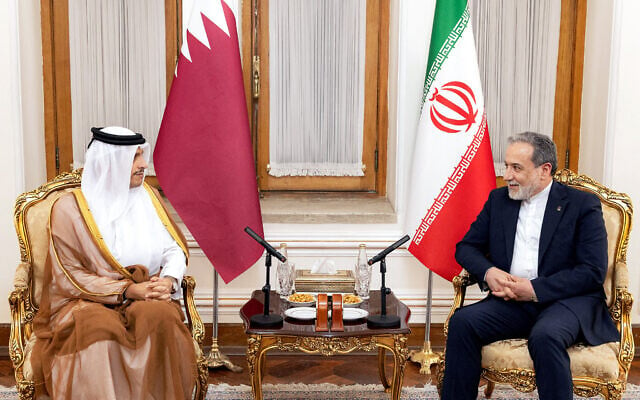
“There is some movement. We are waiting for the Iranian response,” one regional source tells Channel 12.
Repeated diplomatic efforts to resolve the crisis have failed to bear fruit, especially since the collapse of a June deal that laid out a pathway to a permanent settlement.
WSJ reported on Tuesday that Washington had told several Gulf Arab countries to prepare for a possible “short, intense military campaign” against Iran after the US midterm elections.
But the newspaper, citing people briefed on the conversations, said Trump had not made a final decision.
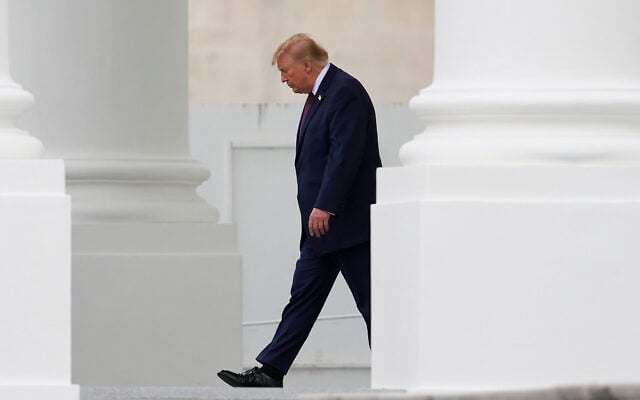
Iran’s military has meanwhile warned it would retaliate more widely against any new attack, with Rezaei saying it could strike US-related infrastructure including data centers and other artificial intelligence targets.
The current conflict began on February 28, when Trump announced the start of US “major combat operations” against Iran alongside Israeli strikes. He said one of Washington’s objectives was to ensure Iran would “never have a nuclear weapon.” The fighting followed the 12-day Israel-Iran war in June 2025, during which the United States struck Iran’s Fordo, Natanz and Isfahan nuclear facilities.
The war has severely disrupted energy shipments from Gulf countries, causing global economic fallout.
Iran began blockading the key Strait of Hormuz waterway, through which around a fifth of the world’s oil and liquefied natural gas used to travel, after the conflict began and regularly attacks vessels that attempt to cross without its authorization.
The United States has meanwhile maintained a naval blockade of Iranian ports, seeking to squeeze the country’s economy.


The Times of Israel Community.