

From Gaza to the West Bank, Palestinians expect no major change after Israeli election
Some Palestinians predict ‘more destruction and devastation,’ while others think that ‘whatever happens, it will surely be better than what we’ve lived through in recent years’
 Add ToI as a Preferred Source on Google
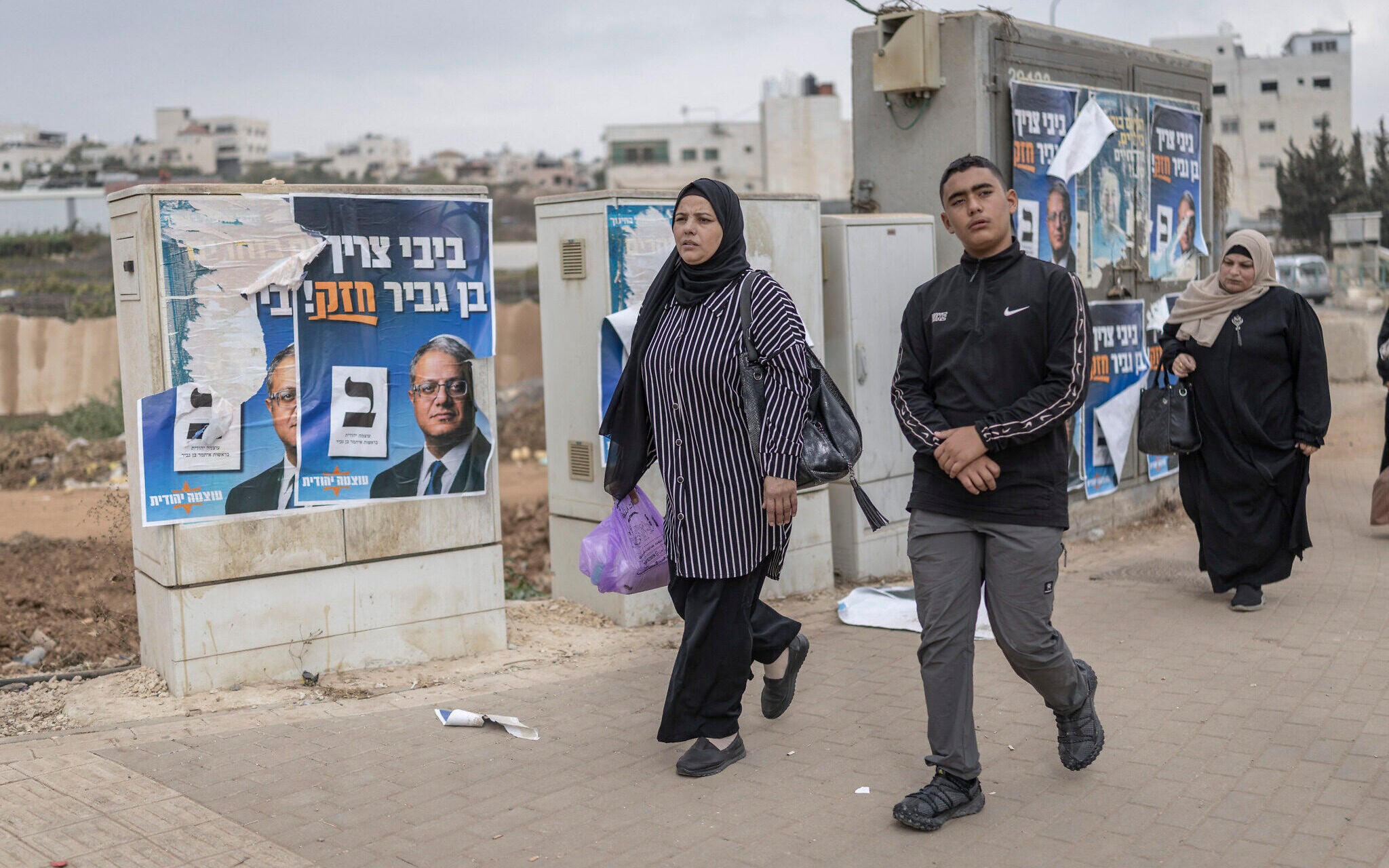
In war-ravaged Gaza and the West Bank, many Palestinians were less focused on who would win Israel’s election than on whether anything would really change.
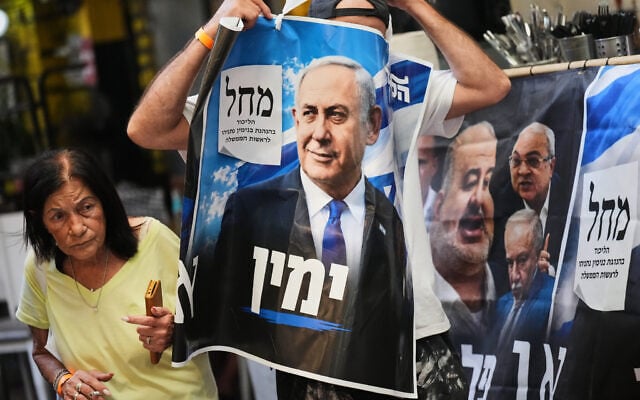
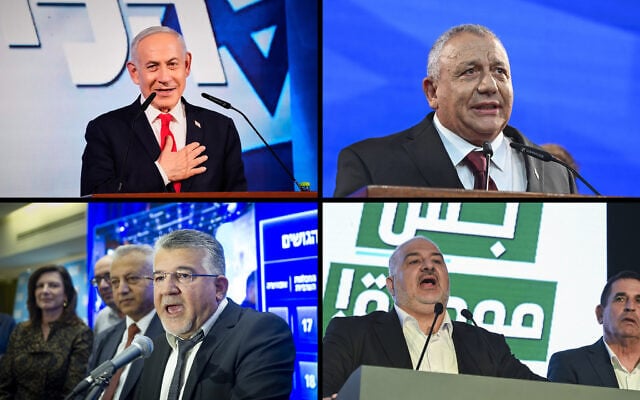
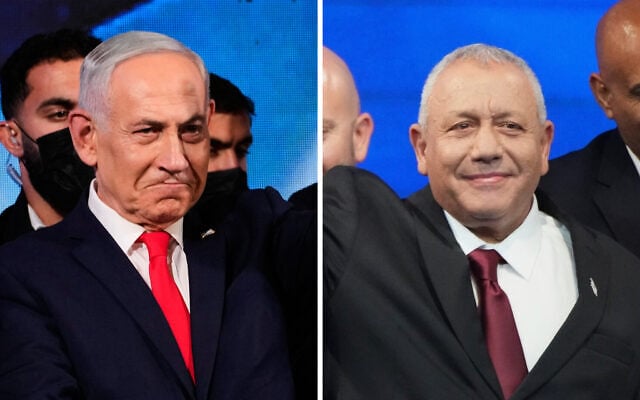
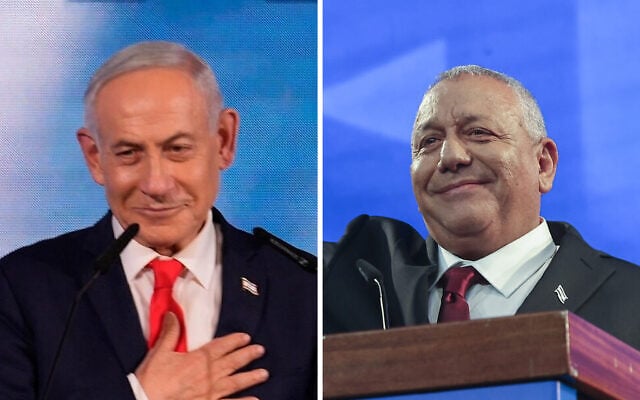
Whether Benjamin Netanyahu clings to power with his far-right and religious allies or centrist rival Gadi Eisenkot comes out on top, few see much reason for hope from the Tuesday vote.
“We fear these elections could bring an even worse leader,” said Huda al-Houli, a displaced resident of Khan Younis in southern Gaza.
Such an outcome, she said, would only bring “more destruction and devastation” to the coastal territory.
Still, Houli said she hoped a more “human voice” would emerge in Israeli society and demand an end to the conflict, regardless of who forms the next government.
In Ramallah, in the West Bank, Ahmed Awad, 67, was equally skeptical.
“Whatever the result, and even if the politicians change, I don’t think there will be any radical or dramatic shift in policies toward the Palestinian-Israeli conflict,” he told AFP.
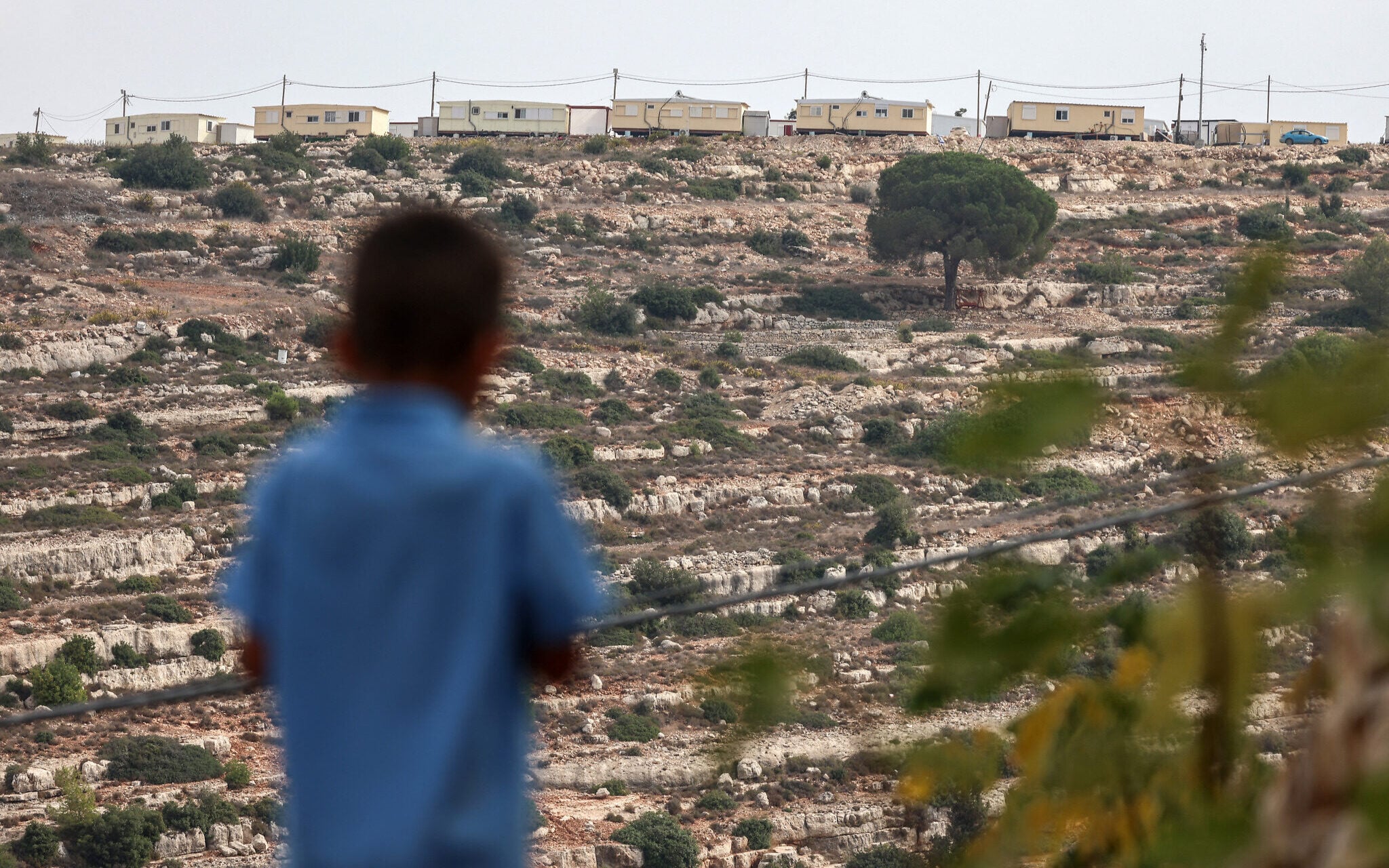
With 90 percent of ballots counted on Wednesday, Netanyahu’s camp remained ahead but without a clear majority, leaving uncertainty over Israel’s next government.
The first election since Hamas’s October 7, 2023, terror attack comes after years of right-wing rule marked by the war in Gaza and rising settler violence in the West Bank.
For Netanyahu, fighting for his political survival, several paths remain open: renewing his alliance with the far right, building a broader coalition or facing yet another political deadlock.
Far-right minister Itamar Ben Gvir has already signaled that, if the current coalition survives, he would seek the defense portfolio and push for the expulsion of Gaza’s population.
More of the same
Not everyone has given up hope.
“Whatever happens, it will surely be better than what we’ve lived through in recent years,” said Abdallah Abu Rahma, 54, from Ramallah.
But if Netanyahu remains in office, he added, “any coalition he forms will continue down the same path.”
A government led by Eisenkot, a former army chief, could rein in the influence of the pro-settlement far right, said researcher Beth Oppenheim of the European Council on Foreign Relations.
It could also ease pressure on the Ramallah-based Palestinian Authority and take a more flexible approach on aid and a ceasefire in Gaza.
But she warned against expecting too much.
There would be “nothing transformative,” she said, and certainly no major shift on Palestinian statehood or the peace process — issues that have largely disappeared from Israeli political debate since October 7.
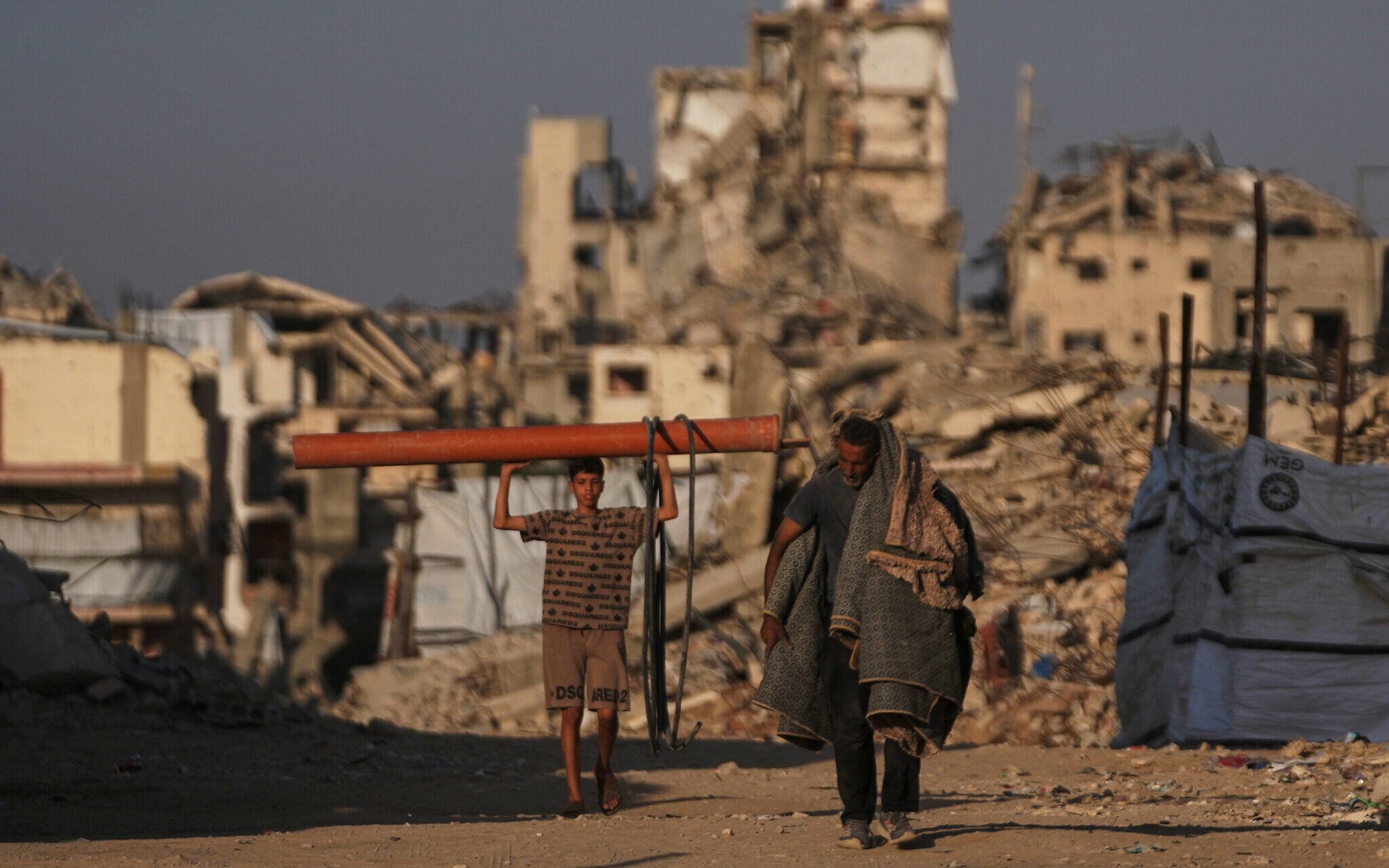
A renewed Netanyahu coalition with far-right partners would likely mean more of the same, including settlement expansion and impunity for settler violence, Oppenheim added.
“I think we need to have quite low expectations when it comes to seeing any major changes in policy from a different government,” she said.
Fears of escalation
Even a Netanyahu defeat could leave Palestinians worse off in the short term, argued Yousef Munayyer, head of the Palestine-Israel program at the Arab Center Washington.
“There is every reason for Palestinians to be concerned,” he said.
Eisenkot himself served in Israel’s wartime cabinet during the Gaza offensive, Munayyer noted.
A fragile alternative coalition under constant attack from Netanyahu and the right could try to prove it is tough enough by taking a harder line on Palestinian issues.
In the West Bank, violence could rise if the right loses power, with settler extremists potentially acting out against a new government, he explained.
“It’s important to understand that most settler violence in the West Bank is structural. It’s not about the government in charge,” Munayyer claimed.
“Settlers live in places that surround the Palestinian population. The Palestinian population is vulnerable to the settlers, who are armed, whereas the Palestinians overwhelmingly are not.”
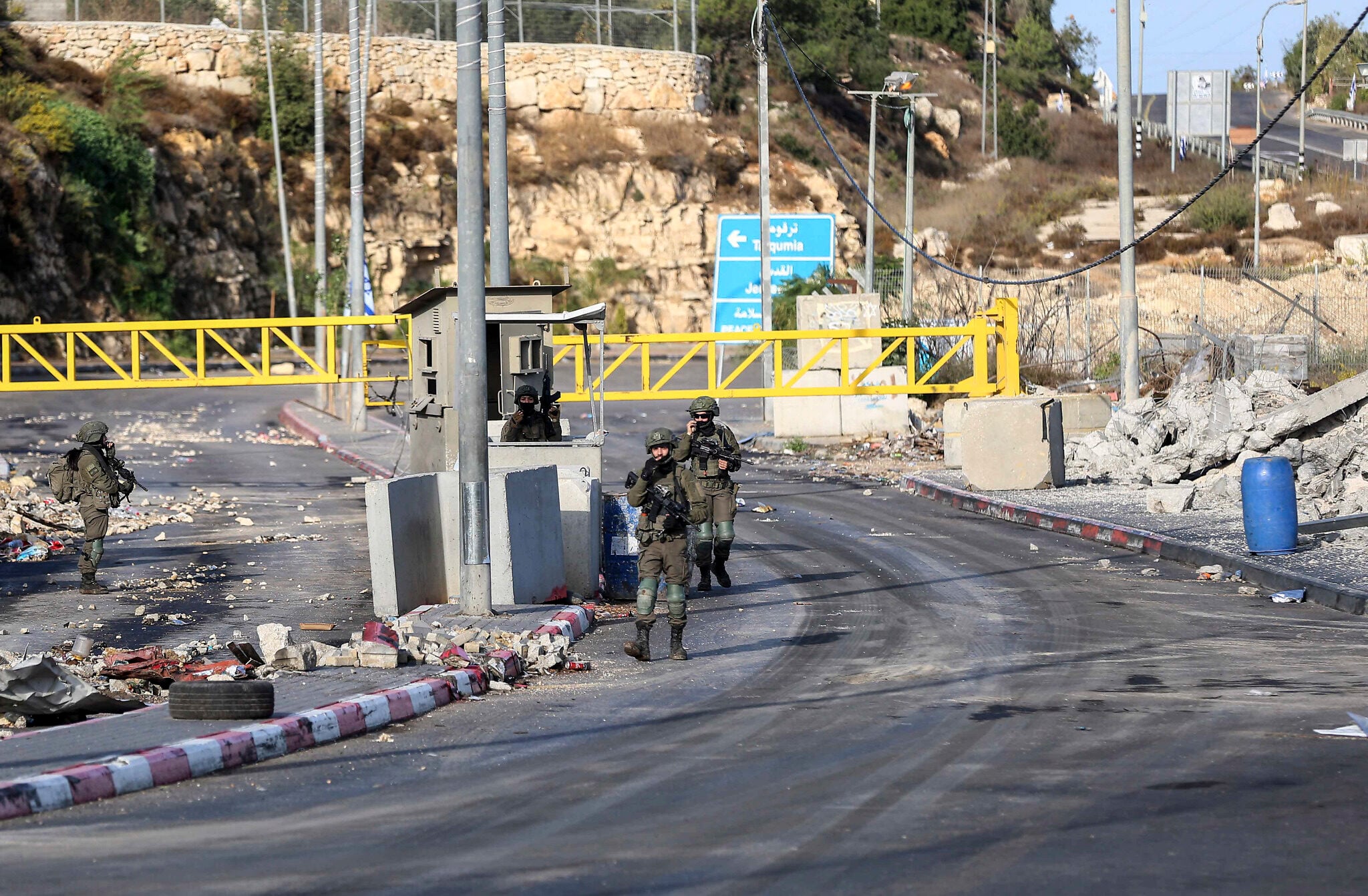
In Gaza, Adnan Al-Assar said he harbored few illusions.
“Netanyahu may win,” he said. “But whatever happens, they all follow the same overarching policy, directed against the Palestinian people.”
‘Resistance will continue’
Meanwhile, in Lebanon, the chief of the Iran-backed Hezbollah terror movement said he was not concerned with the results of Israel’s election, vowing to continue its “resistance” against the Jewish state no matter who wins.
“We do not concern ourselves with who governs Israel, but let it be perfectly clear that it cannot continue its occupation and must leave our land,” Naim Qassem said in a written statement.
“The resistance will continue… and will stand up to the aggression directed against it and against Lebanon, and there is no room to discuss the disarmament” of Hezbollah “as long as the occupation persists and its aggression continues,” he added.
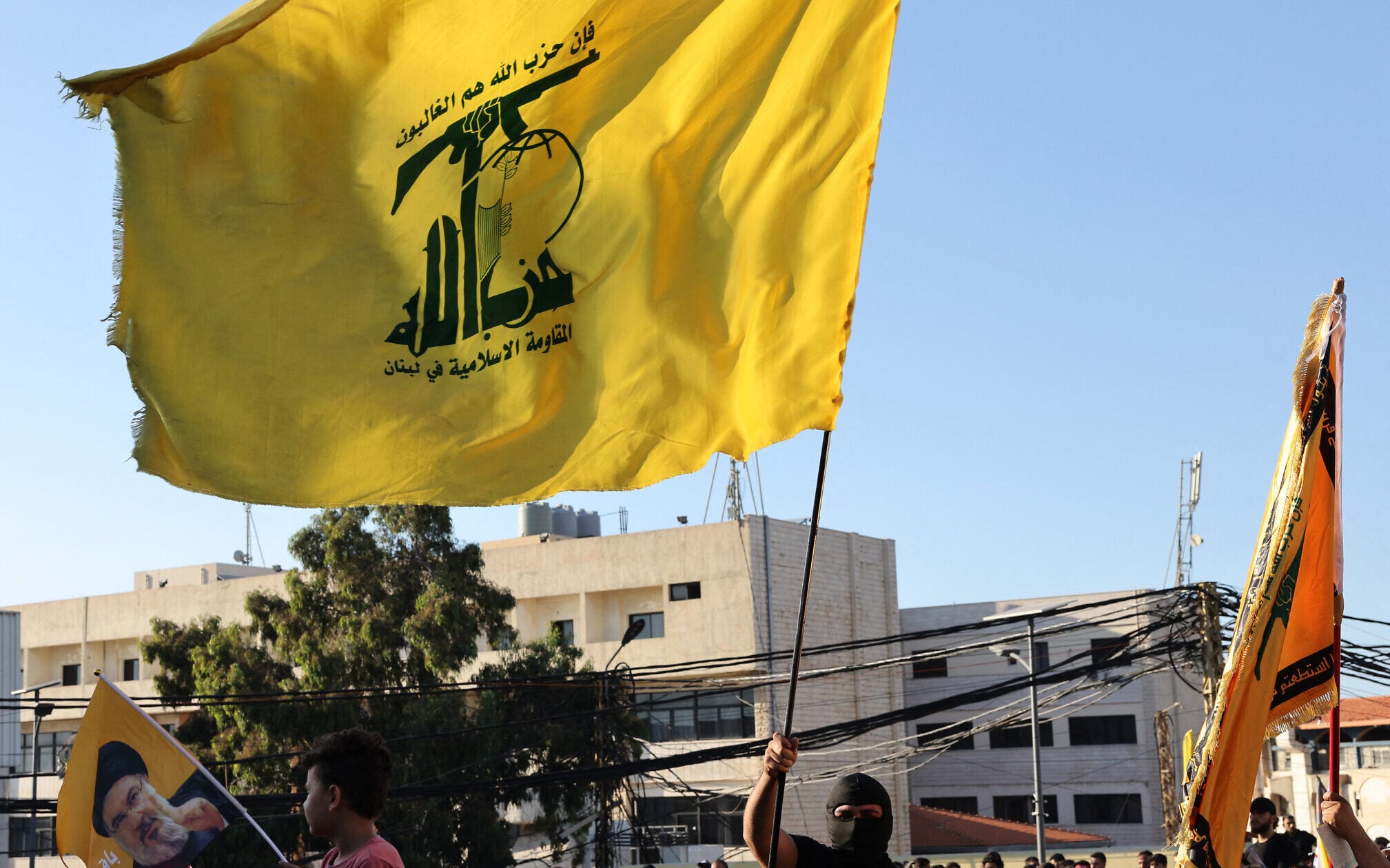
The terror group, which once dominated political life in Lebanon, has been weakened by two wars it waged against Israel since 2023, when it began launching attacks in solidarity with the Hamas-led October 7 onslaught.
In June, Lebanese and Israeli authorities signed a framework agreement that involves the disarmament of Hezbollah, Israel’s gradual withdrawal from territory its military occupied in southern Lebanon and the deployment of the Lebanese army to the area.
Israel has continued to carry out sporadic strikes and demolitions in and around the territory it controls, while Hezbollah refuses to submit to government plans to disarm it.
Times of Israel staff contributed to this report.


The Times of Israel Community.