

‘We fought a machine’: Upstart parties fail to pass threshold, but vow to stick around
Reservists’ Yoaz Hendel insists party’s fate unclear until all ballots, including troops’, are counted; Ofer Winter says PM ran campaign against his party rather than against Hamas
 Add ToI as a Preferred Source on Google
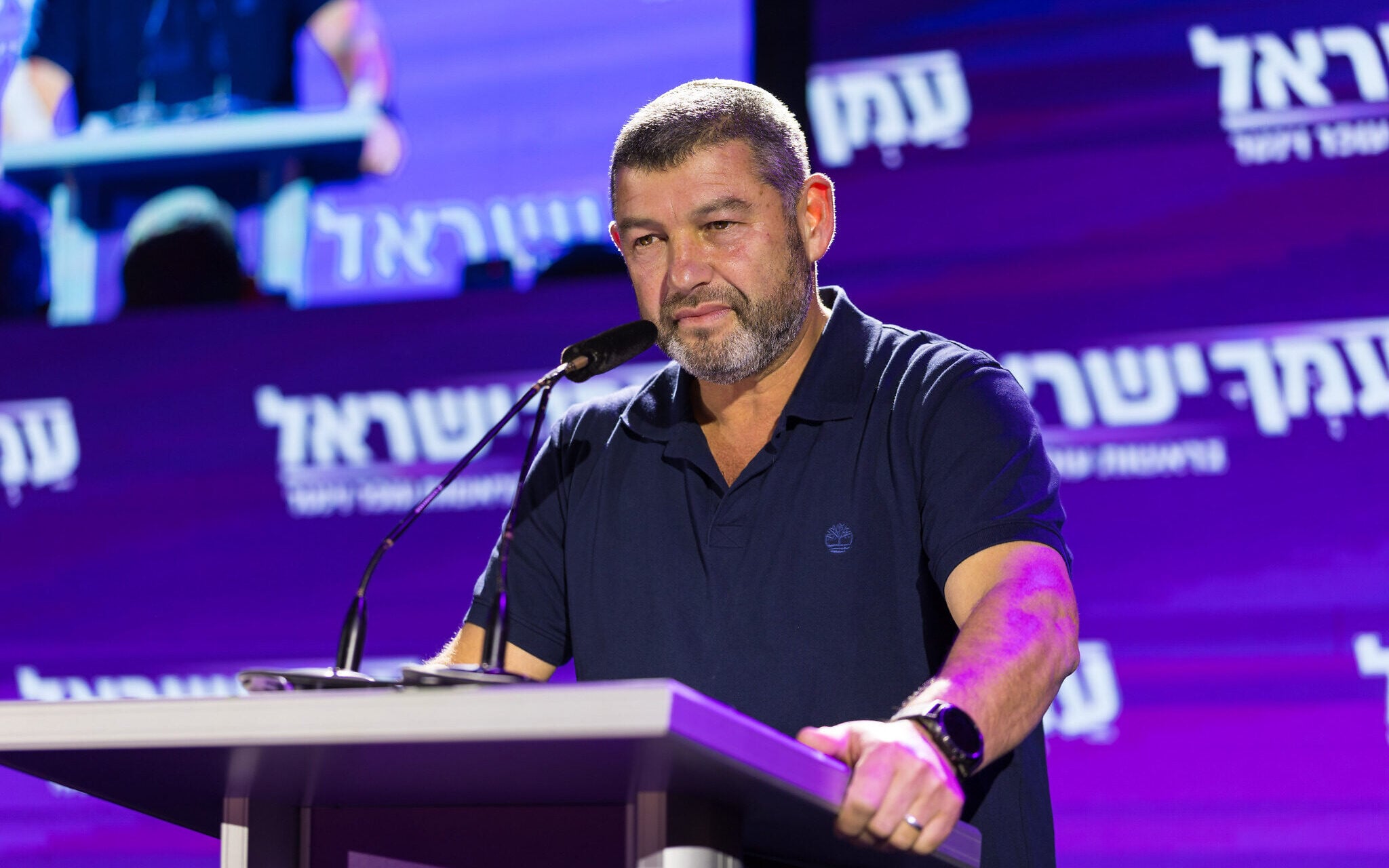
Despite high hopes for several upstart new parties on Tuesday, none of them passed the electoral threshold, with exit polls and incomplete results showing no seats in the next Knesset for the Reservists, People of Israel, or the Charedi Public.
The Reservists appeared to get closest to the 3.25 percent minimum, winning some 2.7% of the vote, while People of Israel took some 1.7%, and the Charedi Public a mere 0.2%.
The new factions aimed to disrupt the existing blocs, with the Charedi Public challenging Prime Minister Benjamin Netanyahu’s ultra-Orthodox partners on their resistance to social integration, People of Israel aiming to stake out a new right-wing turf, and the Reservists advocating a “broad Zionist government” that wouldn’t depend on Haredi or Arab parties.
With 72.4% of ballot boxes counted as of 11:02 a.m., partial results published by the Central Elections Committee gave the pro-Netanyahu bloc 54 seats and the Eisenkot-led bloc 47. The Arab parties were at an unprecedented 19 seats.
The results were partial, however, and were expected to change as counting continued. Exit polls had showed both main blocs winning around 51 seats, with a slight edge for the premier and his allies, but no clear path to a government.
Among the ballots yet to be counted were those cast by Israel Defense Forces soldiers on army bases, who – like the rest of the population – turned out at a record rate, with 79.9% of troops voting in this election, an increase of 6.2% compared to the last election in 2022.
Yoaz Hendel, of the Reservists, said his party’s fate would not be known until those votes were counted, telling supporters at his party’s headquarters on Tuesday night: “We won’t know the final results tonight and probably not until the weekend.”
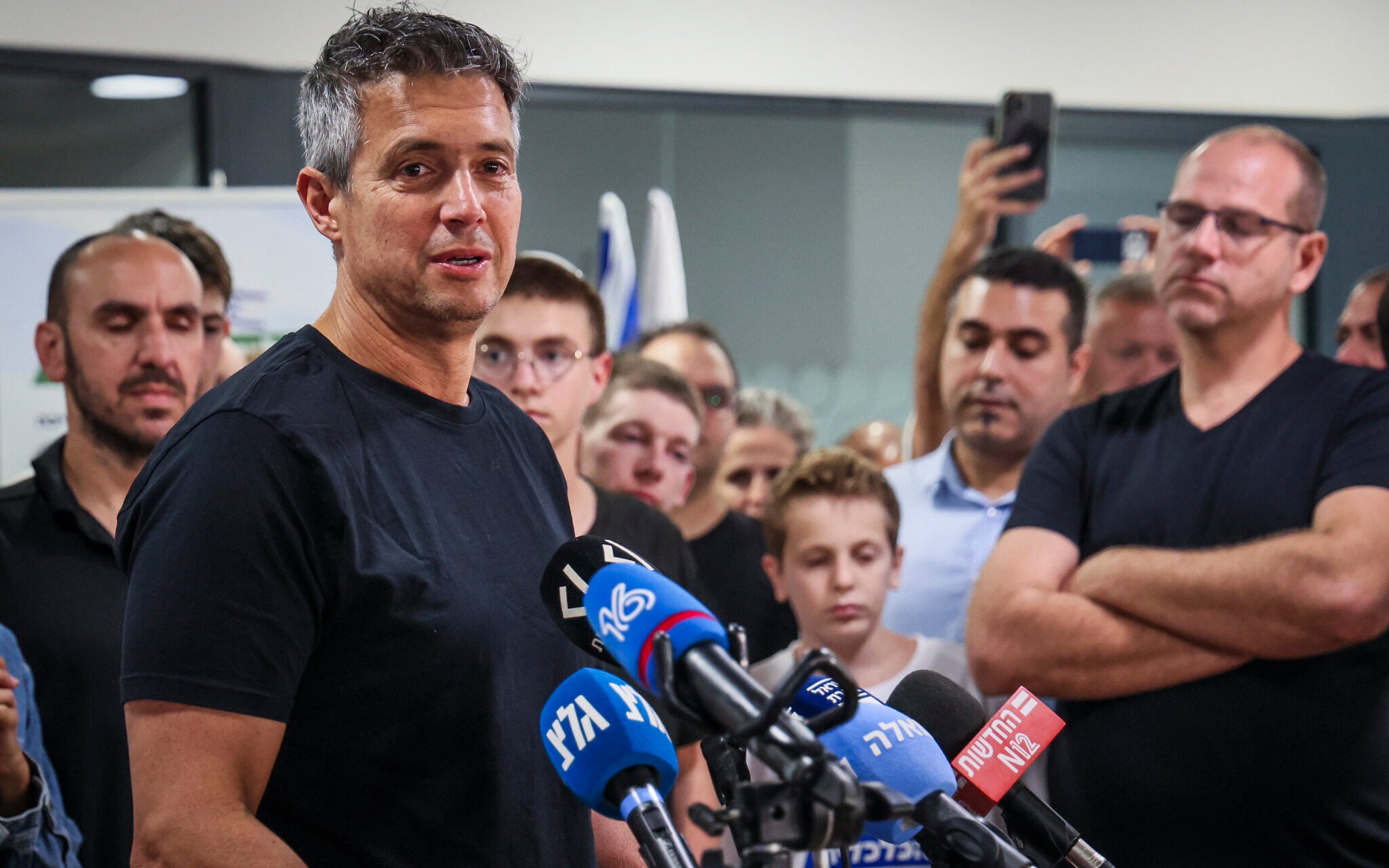
“We will not give up,” he pledged, asserting that “the results of these elections will determine whether we are able to succeed now, or only able to make it happen in the next election with better organization and preparedness.”
It is very rare for new parties, unless they are led by established politicians, to cross the threshold on their first go; it’s more common for them to be elected in subsequent runs.
The Reservists ran on conscripting ultra-Orthodox men, who currently enjoy broad exemptions from mandatory military service; those exemptions have been struck down by the Supreme Court, but the existing Haredi parties, working with Netanyahu’s government, have sought to codify them through new legislation.
Charedi Public, at 0.2%: We shattered ‘barrier of fear’
The Charedi Public sought to challenge the existing ultra-Orthodox parties’ dominance, coming out in support of military conscription and including women on its slate.
Party leader Moti Leitner struck an optimistic tone on election night, telling supporters that the party has shattered “the barrier of fear,” despite failing to come close to the electoral threshold.
He said that despite falling short, “tonight marks the beginning of a long road” for his vision, adding: “The eternal people does not fear a long road.”
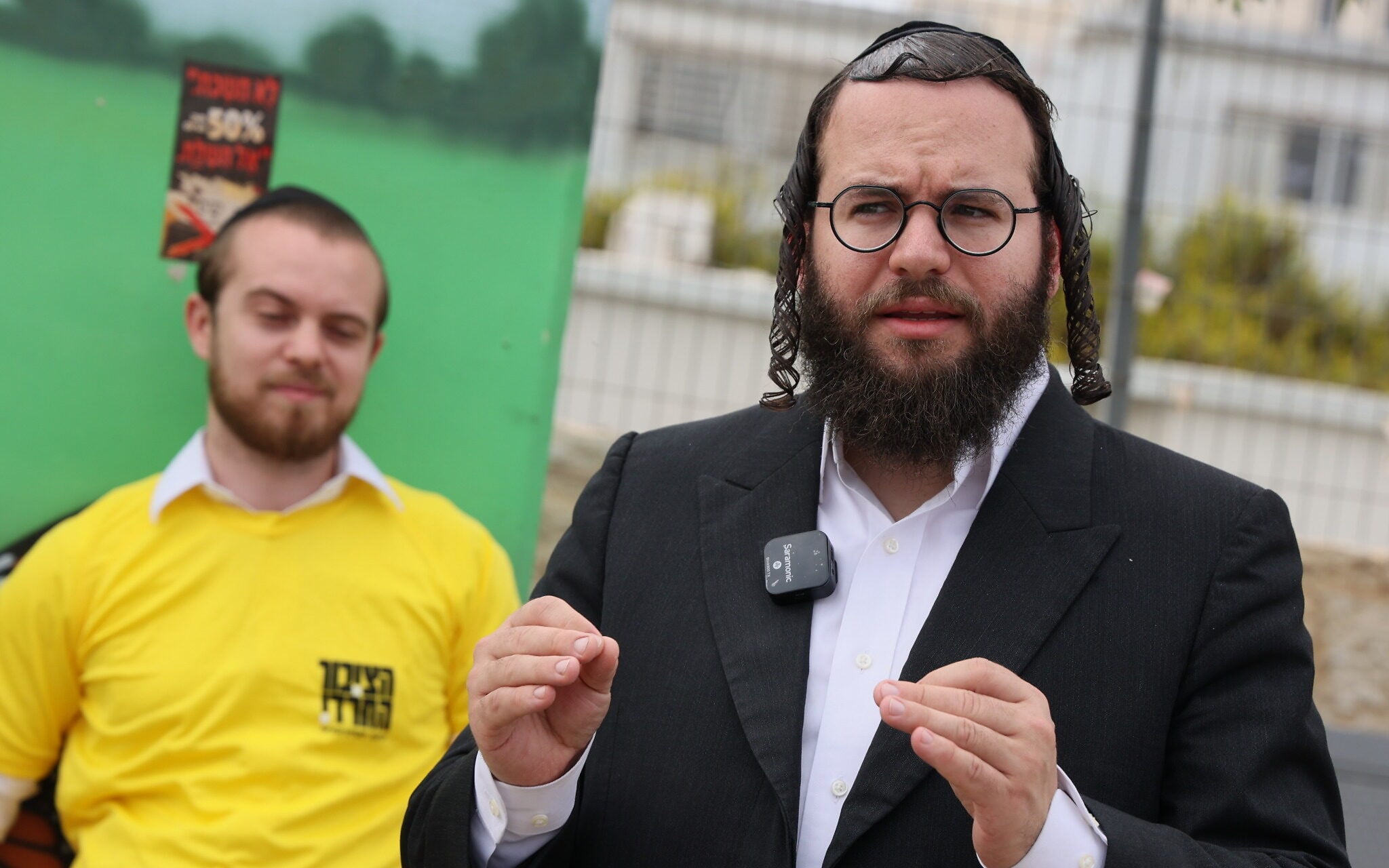
During the voting on Tuesday, Leitner said he’d received hundreds of reports of intimidation and harassment at polling stations, and videos showed ultra-Orthodox youths vandalizing a booth manned by party activists in the West Bank settlement of Modiin Illit and setting campaign materials on fire.
He claimed voters had been warned that if the party’s ballot slips were found in ballot boxes, their votes would be identified and they would face retaliation.
Voters also reported that Charedi Public voting slips were missing from polling stations in the Haredi enclave of Bnei Brak, with one person telling the Kan public broadcaster: “Only once my wife requested did they start moving slips around and suddenly ‘find’ them.”
Ofer Winter points to PM’s ‘machine’ as reason for loss
People of Israel chair Ofer Winter blamed Netanyahu for his party’s failure to pass the threshold, pointing to the premier’s campaign against the small party and election rhetoric by the prime minister’s camp that a party source told Hebrew media had unintentionally boosted Arab turnout.
“Two months ago, we set out with an intention to lead the right to new leadership, that knows how to take responsibility,” Winter said after exit poll results were announced.
“We fought against a machine – if only it had been used against Hamas,” said the ex-general, who retired from the army in December 2024, during the war sparked by the Gaza regime’s October 7, 2023, attack on Israel.

The upstart faction — which included Arab Israeli influencer Yoseph Haddad as its No. 2 — refused to drop out of the race despite the premier’s pressure, but also said it would support Netanyahu for prime minister, drawing criticism for straddling both sides of the political divide.
A party source quoted by the Ynet news site said People of Israel “could have won today, but Netanyahu and [far-right Finance Minister Bezalel] Smotrich’s disturbed campaign, which talked about Judaizing the Galilee and Bedouins in the Negev, brought the Arabs out to vote en masse, instead of bringing them down.”
Arab turnout indeed hit record highs on Tuesday, with some voters citing the current government’s policies, and particularly those of far-right ministers like Smotrich and Itamar Ben Gvir, as having driven the wave.



The Times of Israel Community.