

 From the Liveblog of
Wednesday, October 28, 2026
How double envelope votes work, and their potential impact on the political landscape
 Add ToI as a Preferred Source on Google
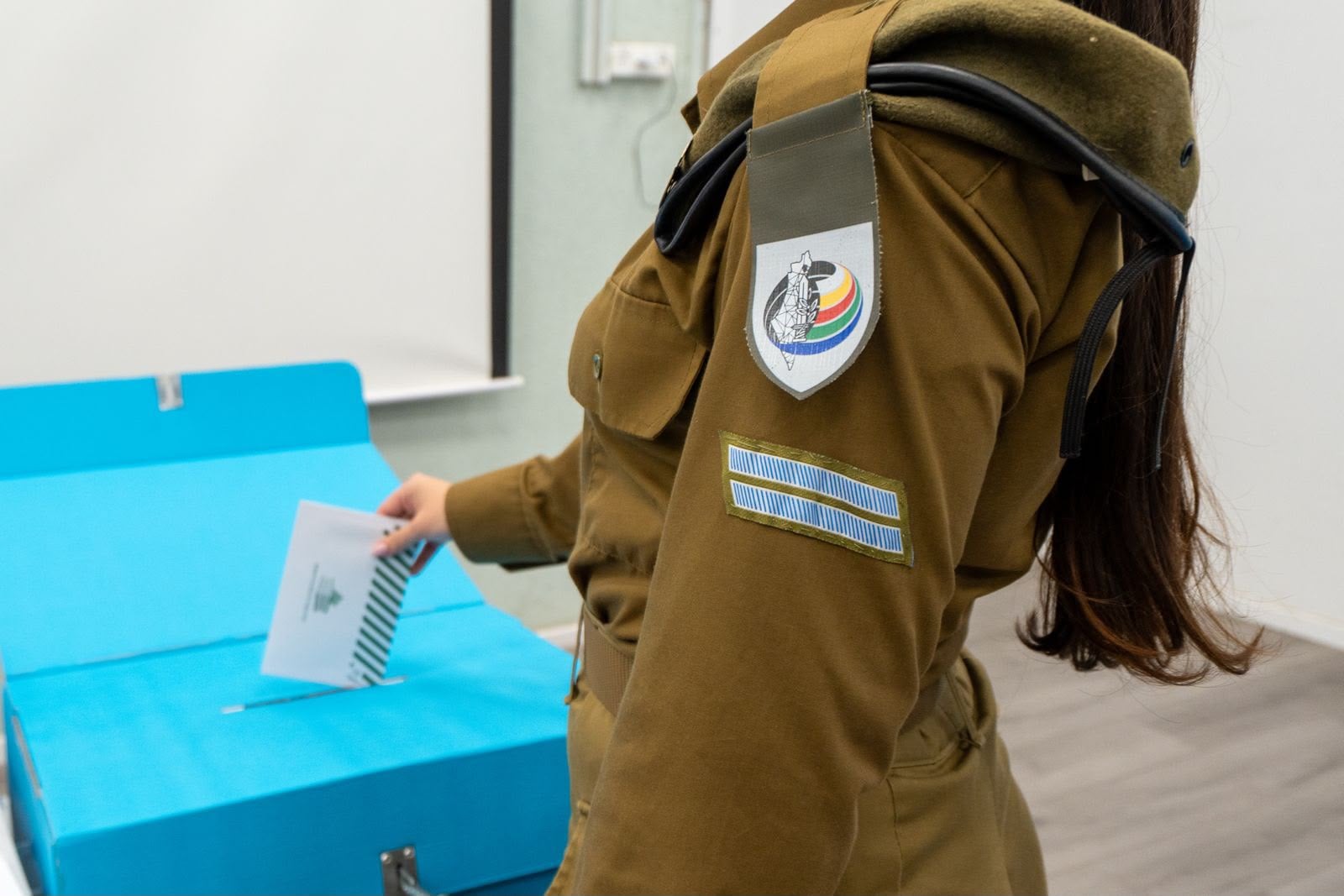
While the majority of ballots are expected to be counted today, the so-called double envelope votes may not be fully tallied until Friday.
According to reports, the Central Elections Committee estimates that there are around 600,000 double envelopes, a significant increase from the 2022 election.
With each Knesset seat thought to be worth around 40,000 votes, these absentee ballots could have a significant impact on the final political landscape.
The votes within those envelopes, the majority of which come from soldiers in the Israel Defense Forces, have traditionally skewed away from the Arab and Haredi parties.
Due to the large number of reservists serving, hailing from across the political spectrum, it is a little harder to predict the impact those votes could have this year.
The Globes financial daily notes that the Arab parties could see a fall in the number of seats they hold when the final double envelope tally comes in.
The so-called double envelopes also include votes from prisoners, medical personnel, those with medical conditions, and Israeli representatives in missions abroad.
Acting CEC director Dean Livne has said that because of the overall high turnout, there could be more absentee ballots that initially anticipated, leading to delays in completing the counting.
More from today’s Liveblog:









The Times of Israel Community.