

Eisenkot and Netanyahu each vow to form next coalition, even as exit polls predict stalemate
Parties across the political spectrum celebrate, even though neither bloc has majority to form coalition without violating campaign promises; most urge patience until final votes counted
 Add ToI as a Preferred Source on Google
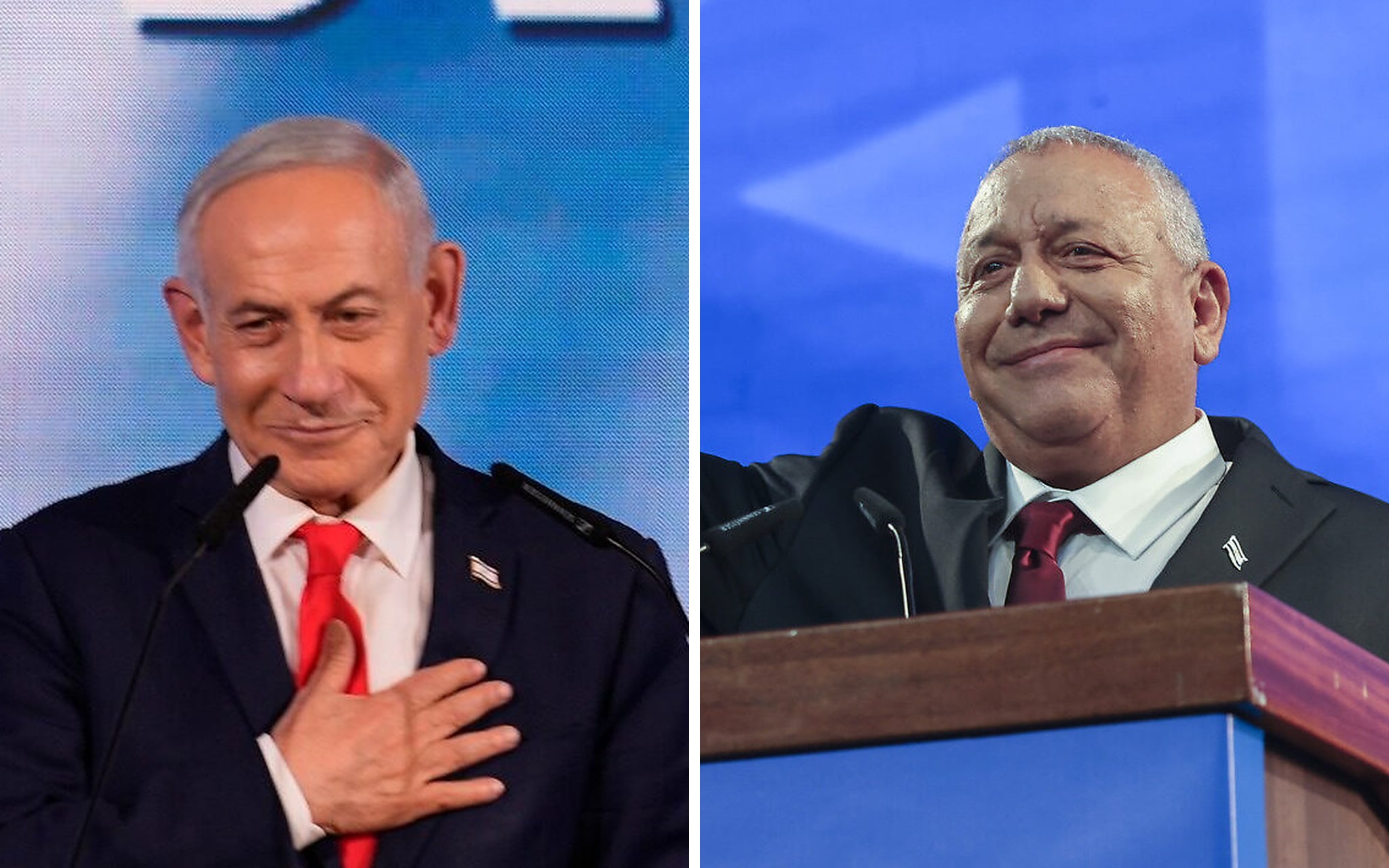
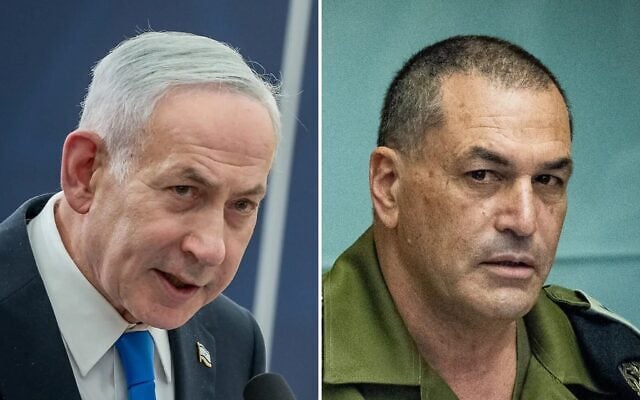
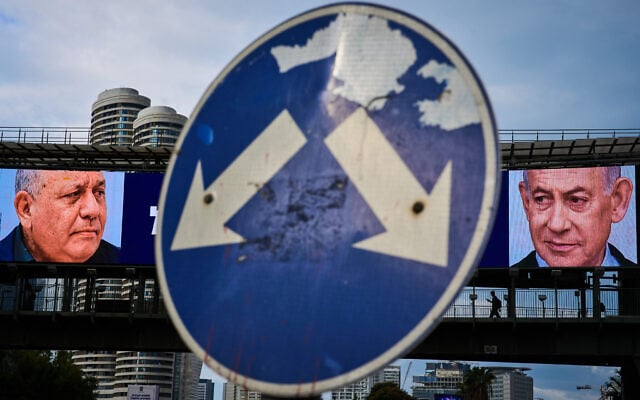
Both Prime Minister Benjamin Netanyahu and Yashar party chief Gadi Eisenkot gave celebratory remarks after exit poll results came in on Tuesday night, with each rival vowing to be the one to establish the next government, even as the surveys indicated that the day’s election ended in a deadlock.
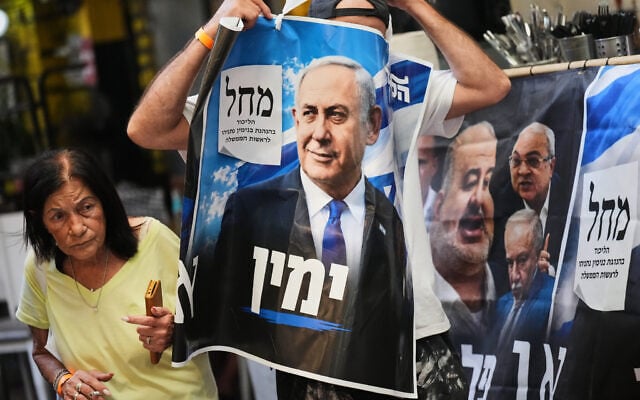
Netanyahu appeared to enjoy a slight advantage, as his Likud party was projected to win a leading 27 seats in all three exit polls, besting Yashar by five or six seats. While the anti-Netanyahu parties were projected to win a slim majority, they won’t be able to form a coalition together unless several party heads violate campaign promises not to partner with Arab-led parties.
The pro-Netanyahu bloc also fell short of the majority that it currently holds in the Knesset, receiving 51 or 52 seats, depending on the exit poll. Partial results of the vote count bumped that number up to 57.
Over one-third of the vote was counted by Wednesday morning, but it still may take several days until the results are finalized, with “double envelope” votes from IDF soldiers, diplomats and others not voting at their assigned polling station counted last.
Eisenkot addressed supporters earlier in the night, shortly after initial exit polls indicated that the Jewish-led opposition parties had received more seats than the pro-Netanyahu bloc.
He insisted that Israelis had voted for change and against Netanyahu’s continued rule.
“These are still exit poll results, and we must wait for the final count,” Eisenkot said at his party’s headquarters in Tel Aviv. “But it is already clear that tonight Netanyahu faces a larger and stronger Zionist, responsible majority.”
“The public voted for change. The coalition of failure has lost the people’s trust. The Israeli public voted against Netanyahu continuing as prime minister,” he added.
Shortly after he left the stage, Channel 12 updated its exit poll to show an advantage for Netanyahu’s bloc (52 seats) over the Jewish-led opposition parties (49 seats). The other two major network exit polls projected a 51-51 tie.
Eisenkot called on Netanyahu to “accept the people’s vote of no confidence” and leave political life, adding that “with turnout this high, holding another election would be a mistake.”
“I will do everything in my power to form a Zionist government that serves all,” he said, describing such a coalition as committed to “universal military service” and “dismantling Hamas,” and said it must “respect and see all segments of society.”
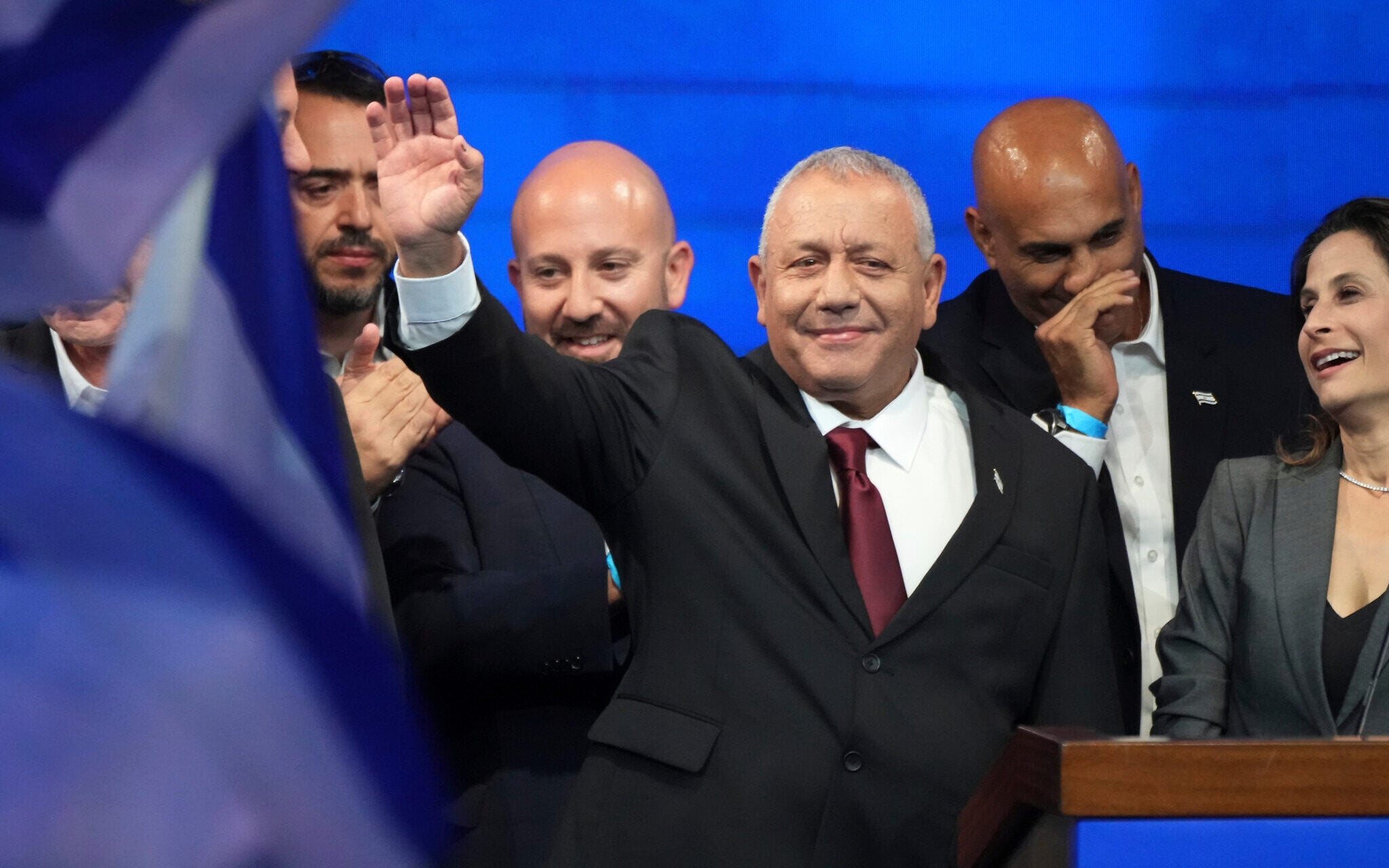
Addressing officials in the security establishment and public service, Eisenkot urged them to “serve the country and the interests of Israeli citizens alone.”
“The era of evasion, failure and lies is over,” Eisenkot added. “We have shown that this is not one side’s victory over another, but a victory for the entire people of Israel.”
Netanyahu: ‘A decisive majority… among the Zionist public’
While Eisenkot spoke roughly 30 minutes after polls closed at 10 p.m., Netanyahu waited five hours before delivering his remarks.
Taking the stage after 3 a.m. local time, Netanyahu asserted that the right-wing bloc had won a clear majority among Jewish voters and said he would work to form the next government.
“We are still waiting for the true results,” he said, but proclaimed that “the Likud is the biggest party in Israel.”
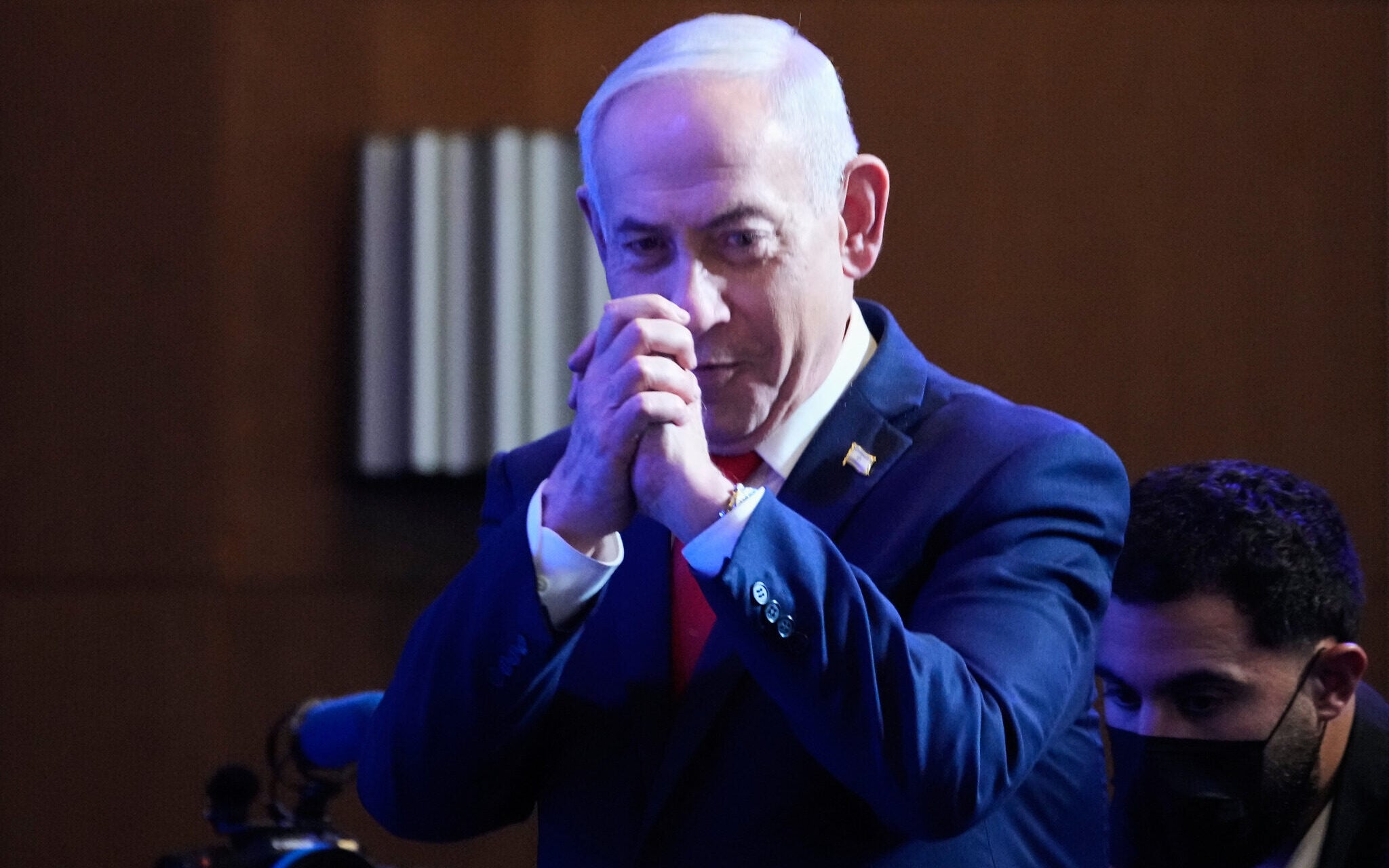
“The right-wing bloc has a clear, decisive majority among the Zionist public… among the Jewish public and all those who support the state,” he said, appearing to dismiss Israel’s Arab minority.
For this reason, “we need a right-wing, nationalist, strong government. That’s what has to be done,” he added, without explicitly declaring victory in the election.
It is unthinkable “to endanger Israel and set up a government that relies upon anti-Zionist Arab parties,” he said, “parties that oppose our very existence, that regard Hamas as a charitable organization, that call our soldiers war criminals.”
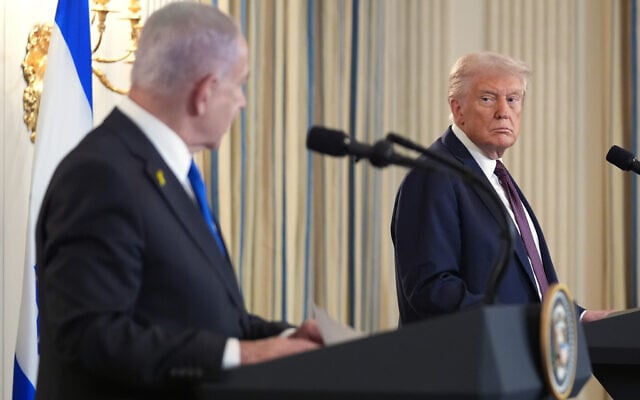
Netanyahu also stated that “Israel is facing a historic, one-time opportunity along with our friend President Trump… to remove the Iranian threat once and for all.”
“We have been able to overcome our enemies, and we will be able to in the future,” he concluded.
A Zionist opposition declares victory — without a majority
The leaders of smaller parties similarly issued definitive declarations, despite the seemingly inconclusive result
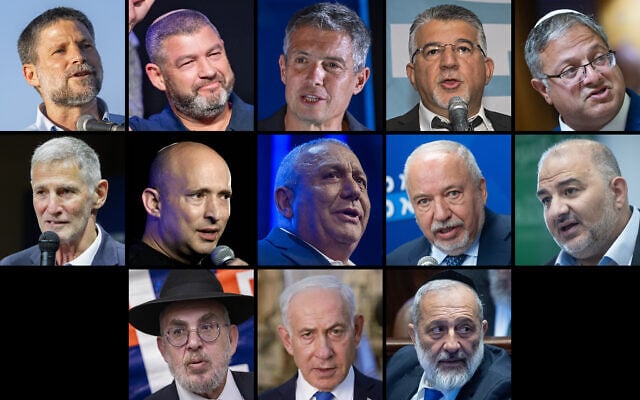
Former prime minister Naftali Bennett — whose B’Yachad party won 12 or 13 seats, according to exit polls — declared that Netanyahu had lost the election.
“The people of Israel have stood up and spoken: Netanyahu has lost, and the October 7 government is going home!” the B’Yachad leader said at his party headquarters in Tel Aviv.
Bennett acknowledged that the final results could change the picture, but said opposition leaders were already working on efforts to form a government.
“We will do everything, without ego, to form a Zionist government of the alliance of those who serve,” he said. “Let’s get to work. We have a country to mend.”
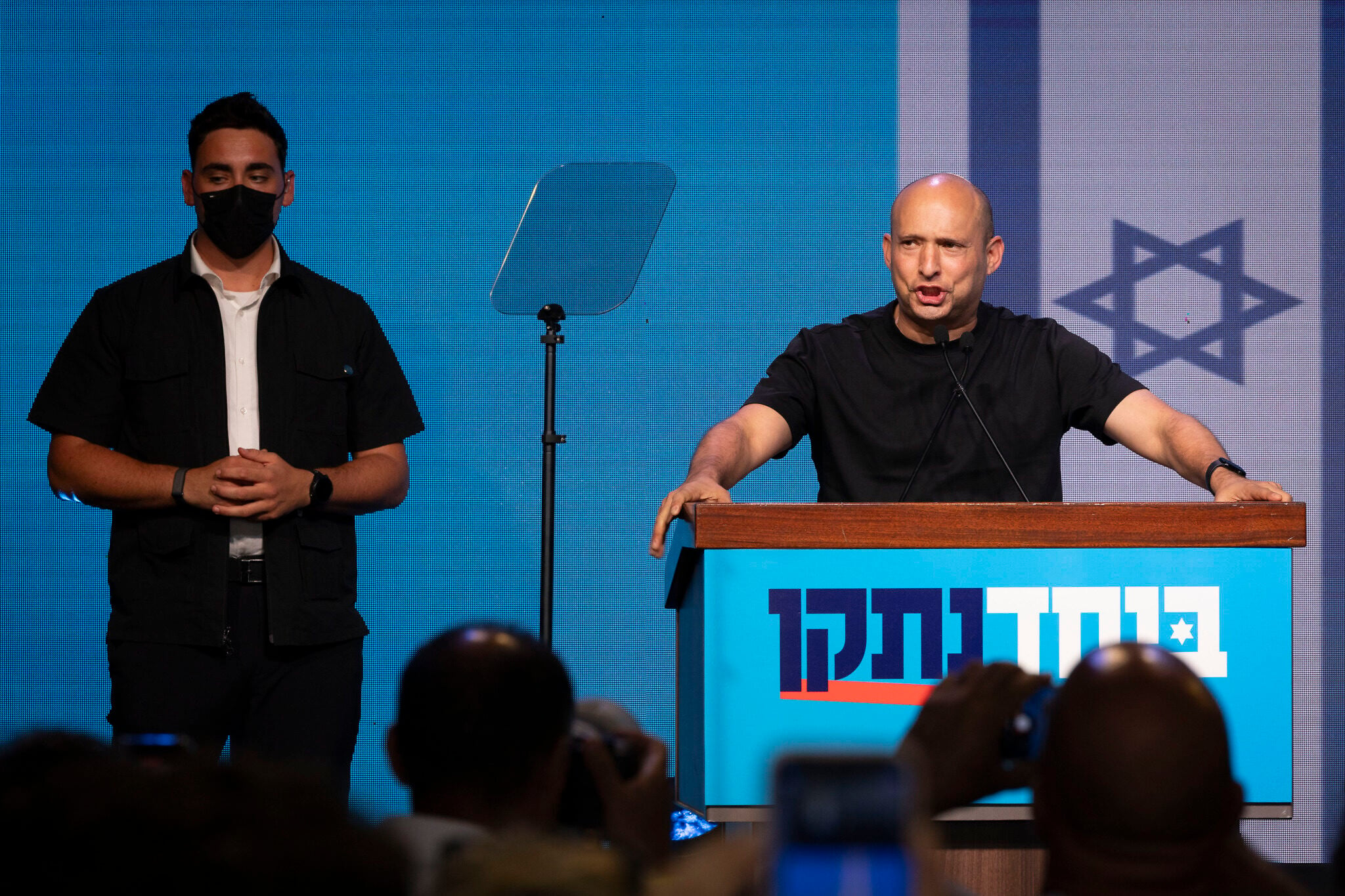
Speaking after Bennett, the party’s No. 2, former prime minister Yair Lapid, said Israel had been “saved” from Netanyahu’s rule, insisting that the opposition had a mandate to form the next government, despite exit polls showing no clear majority.
“The mission is clear: to form a Zionist government. It may not be perfect on day one, but we will strengthen it going forward. It may not be a broad coalition on day one, but we will expand it going forward.”
Bennett and Lapid have ruled out a government with either Arab-led party, including the more moderate Ra’am, which has heeded calls to recognize Israel as a Jewish state.
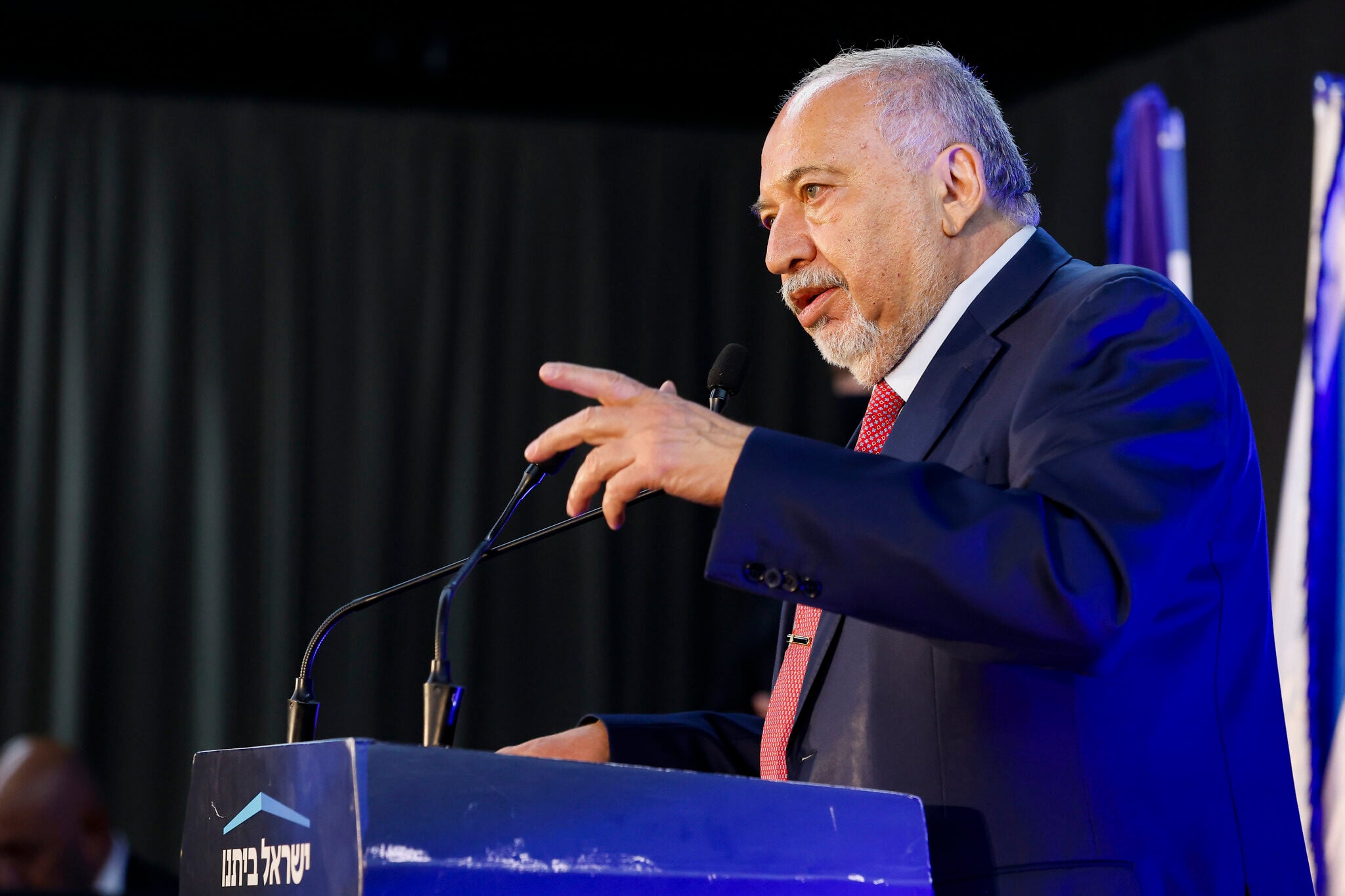
Yisrael Beytenu chair Avigdor Liberman, who has issued similar campaign pledges, urged patience for the final results, predicting a surge in his party from the “double envelope” votes of IDF soldiers.
Addressing his supporters at Yisrael Beytenu’s election headquarters in Tel Aviv late Tuesday night, Liberman joked that he was late to the event due to a doctor’s appointment to treat his “short fuse.”
“We have to hold on until we see the actual, final results,” he said: “By Friday we will have a much clearer picture, and a much more optimistic one than what we see today.”
Turning to Likud members, Liberman urged them to launch a “rebellion” and defect from Netanyahu’s camp to allow for the establishment of a “true” right-wing government, saying the current coalition was made up of “self-serving opportunists clinging to their seats.”
Yair Golan, head of the left-wing Democrats party, said his faction was “ready to work with all our partners” to form a government.
Golan has differentiated himself from other leaders of Jewish-majority parties by welcoming the idea of collaborating with the Arab-led Ra’am party.
“The people gave us the duty to translate the confidence they gave us into actions — to save Israel,” Golan said in an address to his supporters Tuesday night. “The mandate we received from the public is an operational order to rehabilitate the country.”

Arab-led parties celebrate historic projections
At the Joint List headquarters in Nazareth, party chair Yousef Jabareen told supporters that his party “hopes to send Bibi [Netanyahu], [Bezalel] Smotrich, and the bloodstained government home.”
Jabareen said the exit poll results — pointing to a record-high result for Arab-led parties — “have proven that we are a political force that cannot be ignored.”
This election shows “that you can’t build a future here without our voice in any political scenario,” he added.
He vowed that the Joint List will “represent our community with pride, and know how to make responsible and authoritative decisions to protect our community,” pointing to several chief concerns, including violent crime, the demolition of Arab homes by the state and “racism in every area of life.”

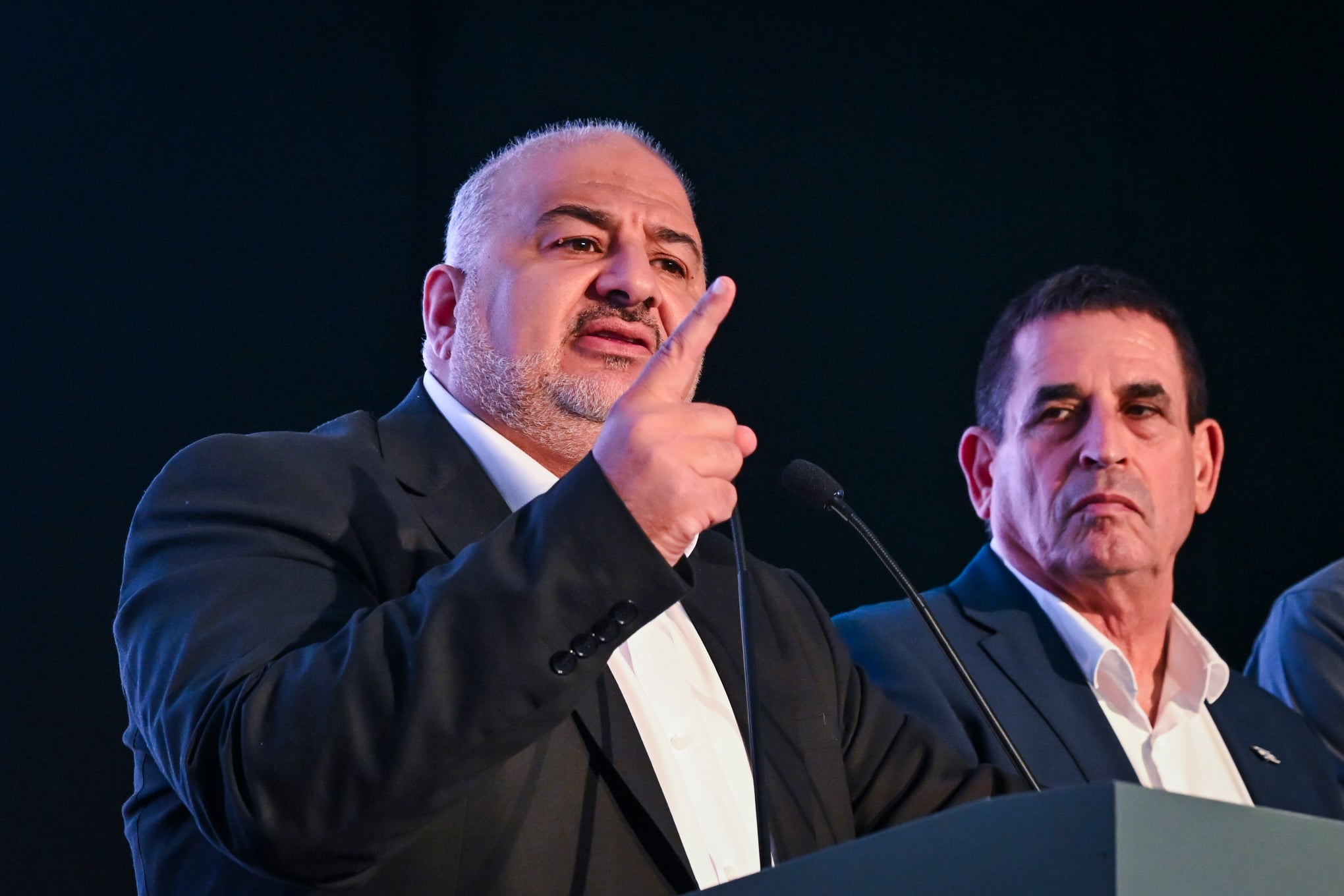
Ra’am chief Mansour Abbas also celebrated his party’s results, telling supporters: “We’ll translate this electoral power into an influential political force.”
“We’re here — not on the sidelines,” he added.
Turning to Yoav Segalovitz — the Zionist former lawmaker and senior police officer who mounted an unprecedented run as No. 2 on the party’s list — Abbas added, in Hebrew: “Brave friend, you made history.”
Settlements and Torah ‘won’
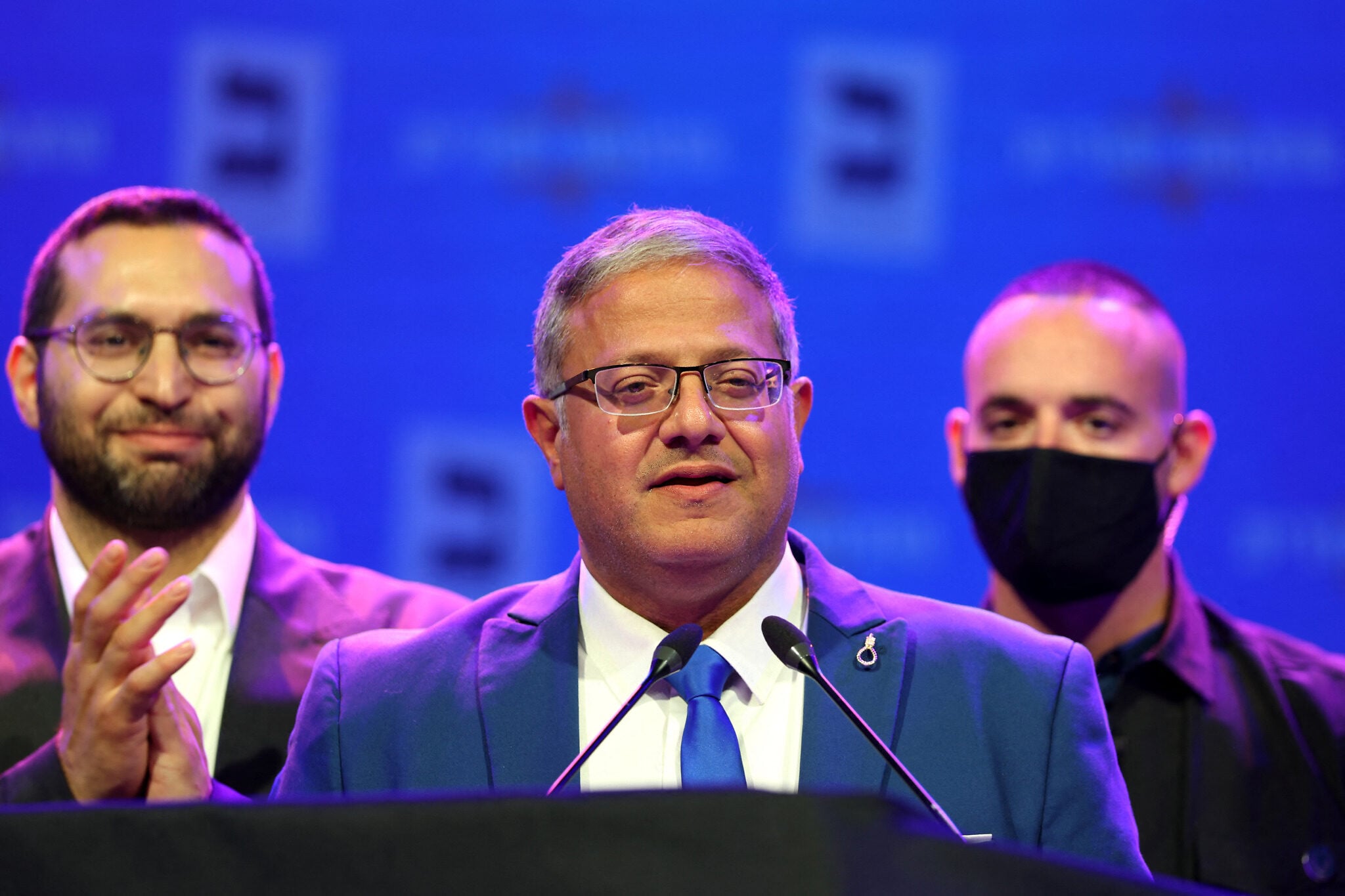
In a fiery speech from Otzma Yehudit headquarters in Modiin, party chair Itamar Ben Gvir warned Netanyahu against forming a unity government with Eisenkot.
He told supporters, “I’m proud of our path and of the reforms we promised and delivered to the public,” citing death penalty legislation, the demolition of illegally constructed Bedouin homes in the Negev, and the imposition of harsh prison conditions for security prisoners as key policies his party delivered on in the last government.
He said he has heard rumors “about a unity government with Eisenkot” — which would presumably leave Otzma Yehudit out in the cold in favor of more moderate parties — and warned that this would be “a terrible mistake.”
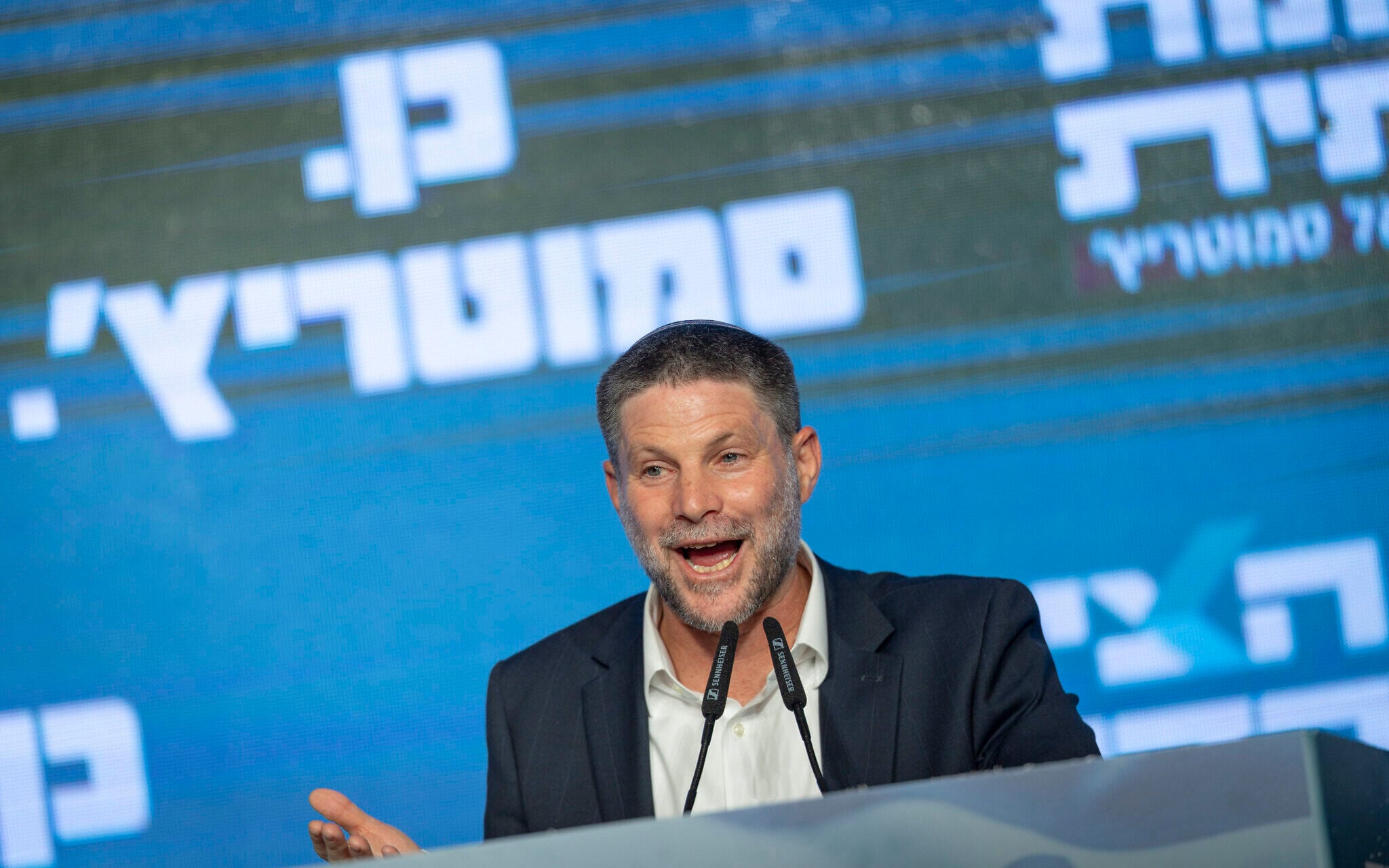
Addressing supporters at his Religious Zionism party’s election HQ, Finance Minister Bezalel Smotrich dismissed the declarations from opposition leaders that the results from initial exit polls marked a defeat for the pro-Netanyahu bloc.
“We won’t let you celebrate. They are celebrating because they think they’ll succeed in reversing our settlement revolution in Judea and Samaria,” he said, using the biblical name for the West Bank. “They won’t succeed. Jewish settlements will rise in Gaza.
At the United Torah Judaism party headquarters in Bnei Brak, faction chief MK Yaakov Asher declared that “Torah won.”
“What didn’t they do to us? They threatened us,” he claimed, “but the spiritual leaders of Israel won. The Haredi public heeded the call of our rabbis and sages, despite attempts to undermine the bond and connection to the generation’s leading Torah authorities. The public has placed its trust in us — and we will not let them down.”
Asher said that, with results still coming, it was too early “to speak about any political negotiations.”

Shas party chief Aryeh Deri decided not to speak on Tuesday evening, saying that he was waiting for “the actual results” following disappointing exit polls.
“The exit poll results show significant discrepancies, so we will have to wait for the actual results,” he said in a statement, after exit polls predicted the party would receive six or seven seats, down from its current 11.
“Based on the data I have, Shas will achieve a very good result that will reflect the tremendous work that was carried out on the ground,” Deri added.
Times of Israel staff contributed to this report.




The Times of Israel Community.