

Smotrich calls to ‘Judaize’ Negev, Galilee as part of his settlement ‘revolution’
Far-right minister’s pre-election plan would establish dozens of towns for one million new Jewish residents while curbing Arab building
 Add ToI as a Preferred Source on Google
Sam Sokol is a former political correspondent at The Times of Israel. He was previously a reporter for the Jerusalem Post, Jewish Telegraphic Agency and Haaretz. He is the author of "Putin’s Hybrid War and the Jews"

Finance Minister Bezalel Smotrich on Thursday called for expanding his settlement “revolution” from the West Bank to the Negev and Galilee, releasing a plan to “Judaize” the periphery at the expense of Arab residents in a pre-election pitch.
Despite his Religious Zionism party’s ongoing failure to crack the electoral threshold in the latest polls, the far-right faction declared that in the next government Smotrich will “demand” control over the Planning Administration and Israel Lands Authority in order to streamline building and reach his goal of “an additional million Jews in the Negev and Galilee through the establishment of 40 new settlements and dozens of farms” and the “significant expansion of existing settlements.”
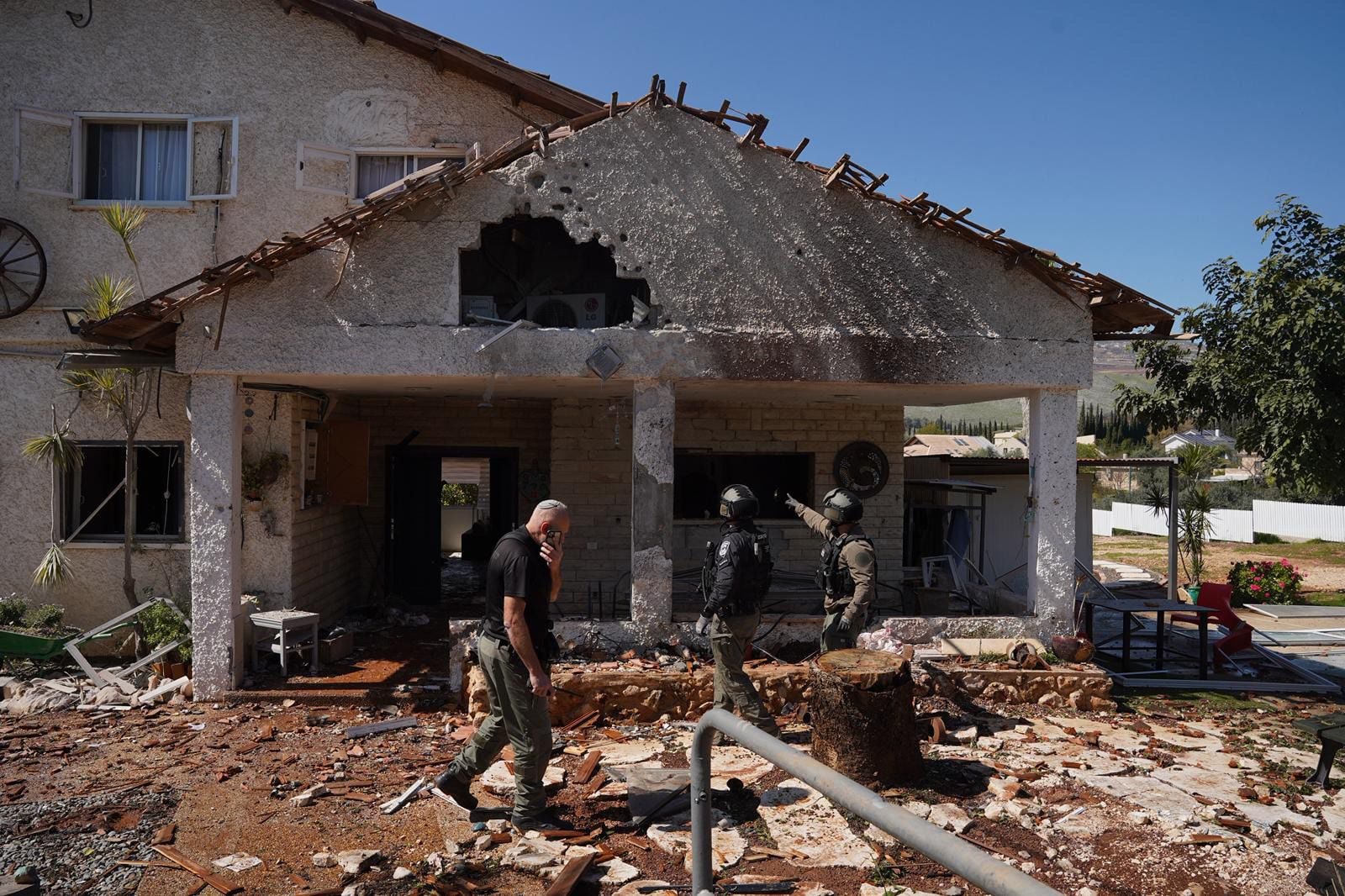
Around 200,000 residents of the periphery were displaced following Hamas’s brutal massacre in the south on October 7, 2023, and subsequent missile attacks on the north by the Lebanon-based Hezbollah. While the majority of southern residents have returned home, many northern residents are reluctant to do the same.
Both regions suffered significant economic damage during the war.
In order to secure his proposed new communities, Smotrich on Thursday called for a broad initiative to “confiscate illegal weapons and target criminal organizations” — a reference to mounting crime in the Arab sector, which many critics blame on the current government.
At the same time, Smotrich’s plan calls for the cancellation of “the reckless plans approved in recent years in Arab localities, which have taken over vast land reserves and threaten the potential for Jewish development and settlement in the region” and intensifying “enforcement against illegal construction and the takeover of state land” while “prioritizing the development of Jewish settlement.”
Smotrich said that aside from shortening planning processes and investing money in infrastructure such as large industrial zones, he also intends to provide economic incentives for Jews to move, with an emphasis on soldiers, reservists, doctors, educators, new immigrants and technology professionals.
This “national program for the Judaization of the Negev and the Galilee” is intended to “bring the revolution [Smotrich] led in recent years in Judea and Samaria to these regions,” Smotrich’s Religious Zionism said in a statement, using the Biblical names for the regions now comprising the West Bank.
Given national-religious voters’ growing disillusionment with Smotrich due to his support for the ultra-Orthodox factions’ campaign to enshrine in legislation mass Haredi exemption from military service, Thursday’s announcement is likely an effort to appeal to his base and present himself as the best candidate for those living in the West Bank.
Smotrich, who holds sweeping powers in the West Bank as a deputy minister in the Defense Ministry, has worked to significantly boost settlement expansion — including via the controversial E1 settlement project — and legalize outposts, as well as reestablishing West Bank settlements evacuated during the 2006 Disengagement from Gaza.
Between the current government taking power in 2022 and April 2026, 103 new settlements have been established or retroactively legalized. Only six new settlements were formally approved by Israel in the 30 years following the signing of the Oslo Accords in 1993.
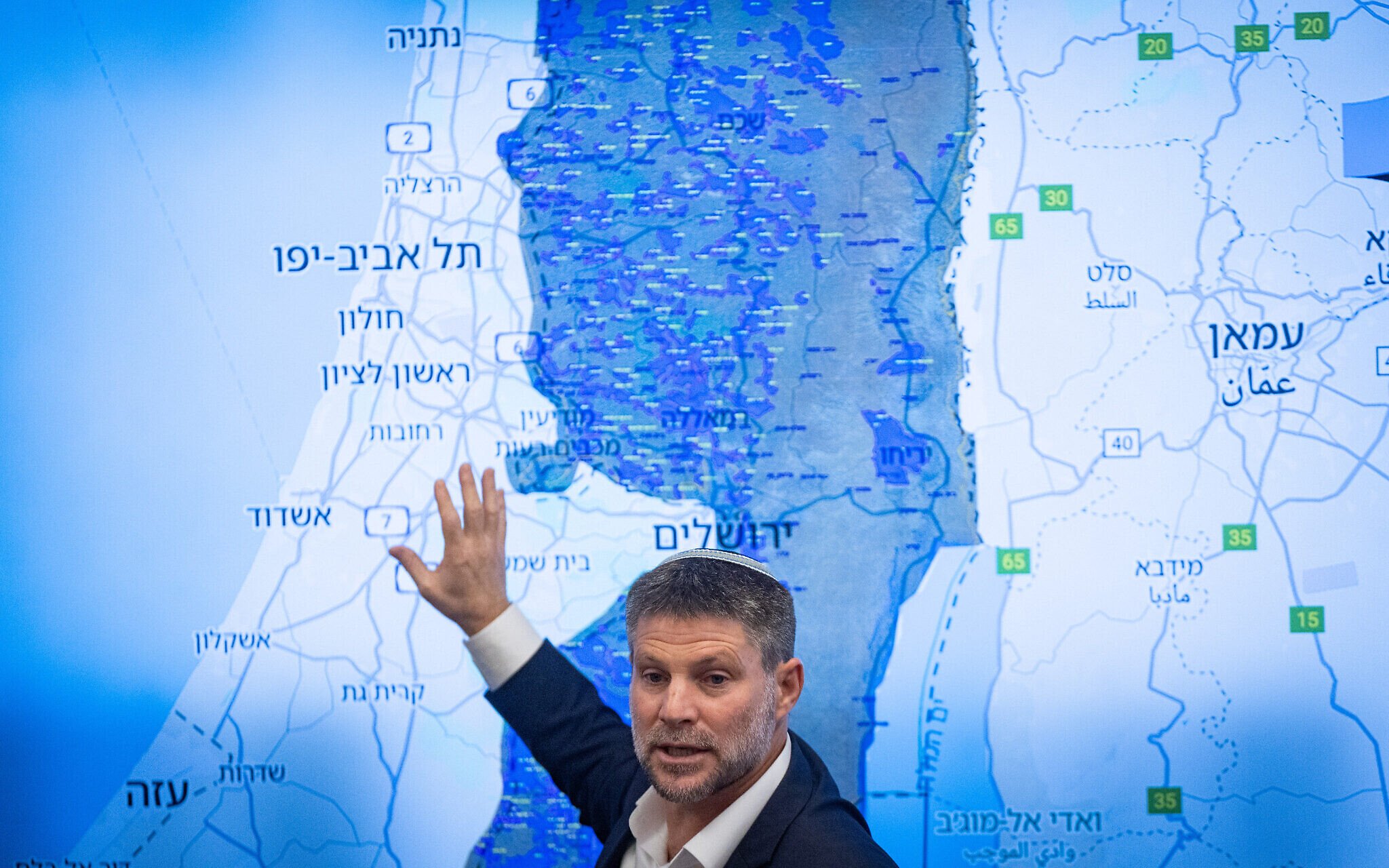
An advocate of West Bank annexation, Smotrich has recently taken steps to entrench the powerful Settlements Administration agency he established in 2023 within the Defense Ministry to make it more difficult for any potential new government to dismantle.









The Times of Israel Community.