

Room for one more? Campaign bridges divides by breaking bread
Grassroots initiative urges Jews to invite someone outside their usual circles this Sukkot, building on successful trial run over Tisha B’Av
 Add ToI as a Preferred Source on Google
Zev Stub is the Times of Israel's Diaspora Affairs correspondent.
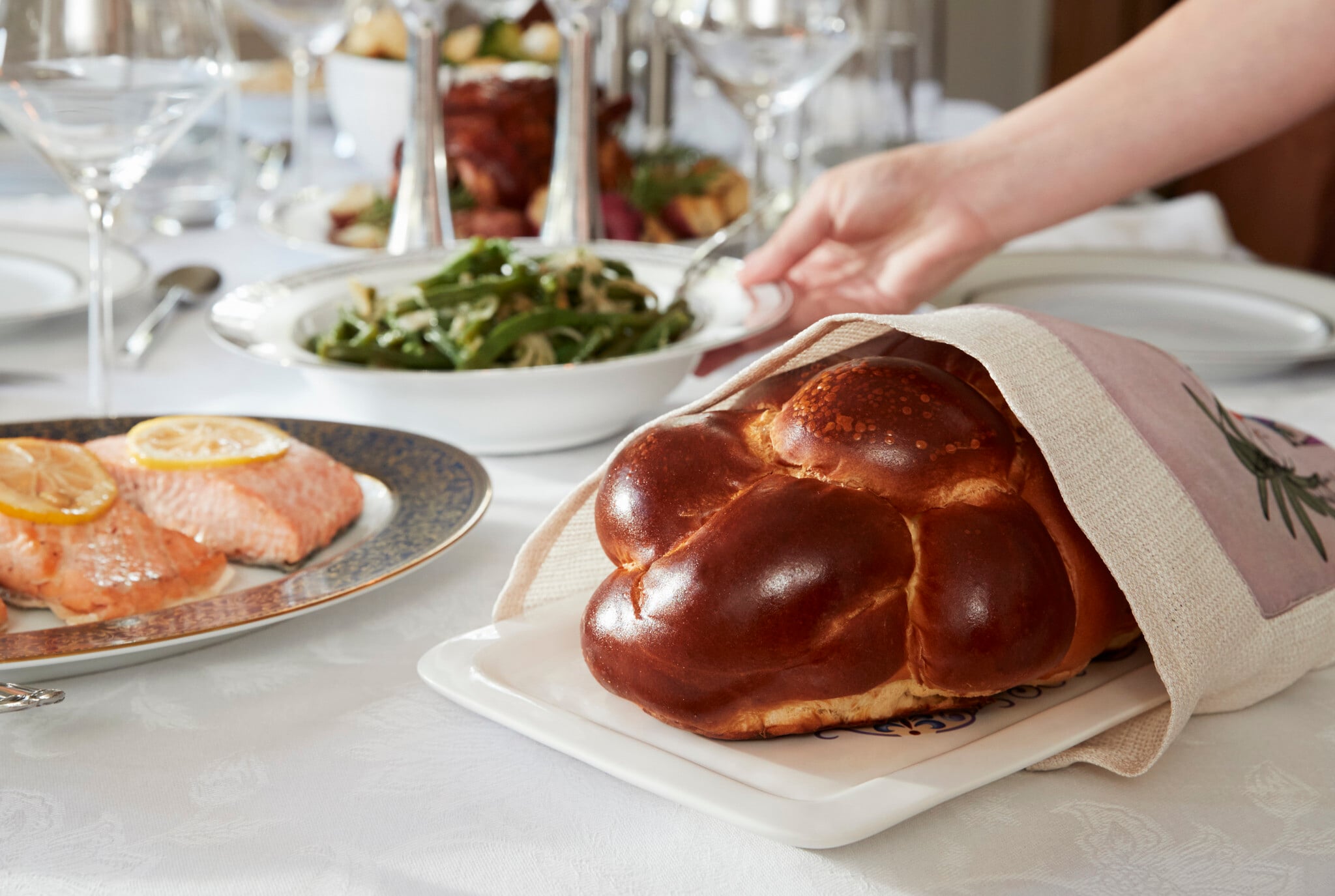
What if you set out an extra chair at the table for someone who isn’t like you? That’s the proposition of Set One More Place, a grassroots initiative looking to help bridge divides within the Jewish world.
The campaign, launched as a one-time project in July for the Shabbat after the Tisha B’Av fast, is now looking to expand this Sukkot to a monthly format to help promote a sense of shared peoplehood.
“The goal of this project is just to broach differences,” said Rabbi Avi Schwartz, who is spearheading the campaign in Israel. “No right-wing, no left-wing, no labels. Just Jews.”
The project began during the summer when Florida resident Mendy Fensterszaub contacted Schwartz, a rabbi and film director, asking for help developing a concept. The campaign would ask Jews to “set one more place” at their Shabbat table for someone they don’t usually host – a neighbor, a Jew of a different affiliation, or someone they don’t know at all, Schwartz said.
“We only had about two weeks before Shabbat Nachamu (the Shabbat following the Tisha B’Av fast, falling on July 24-25), so we had to work very quickly,” Schwartz said. The team launched a website and approached public figures, asking them to film short videos endorsing the project.
Jewish-American actress Roseanne Barr, from the 1990s sitcom “Roseanne,” supported the project, along with Israeli entrepreneur Dov Moran, historian Gil Troy, and Israeli intellectual Dr. Racheli Baratz-Rix.
“We spoke with Roseanne’s son, Jake, and he was really helpful getting everything rolling with the video,” Schwartz recalled. “And Dov Moran, who isn’t a religious man, fell in love with the idea.”
Schwartz also credited a series of posts in The Times of Israel’s blog section for helping spread the word.
The website calls on people to film themselves inviting guests to come for Shabbat, and includes sample scripts people can use. Ahead of Shabbat Nachamu, hundreds of invitations were submitted and shared, Schwartz said.

Now, based on the campaign’s success, Fensterszaub and Schwartz are looking to keep the project going, with the goal of organizing similar get-togethers every month. The first one will be on the Shabbat of the first day of the Sukkot holiday, which falls on September 25-26.
“Sukkot is such a beautiful time for people to come visit each other,” Schwartz said. “We want people to take advantage of the moment to invite someone to their sukkah and just talk — or better yet, just listen.”
The idea has struck a nerve in Israeli society, and many are interested in further opportunities to create meaningful relationships with people across the political spectrum, Schwartz says.
“We were completely overwhelmed by the initial response,” he said. “People are really hungry for unity.”






The Times of Israel Community.