

Pew poll finds majority of Israelis and Palestinian say two-state coexistence impossible
New survey shows just 17% of Israelis and 21% of Palestinians in West Bank and East Jerusalem see path to peaceful two-state outcome; respondents cite land, security and deep distrust
 Add ToI as a Preferred Source on Google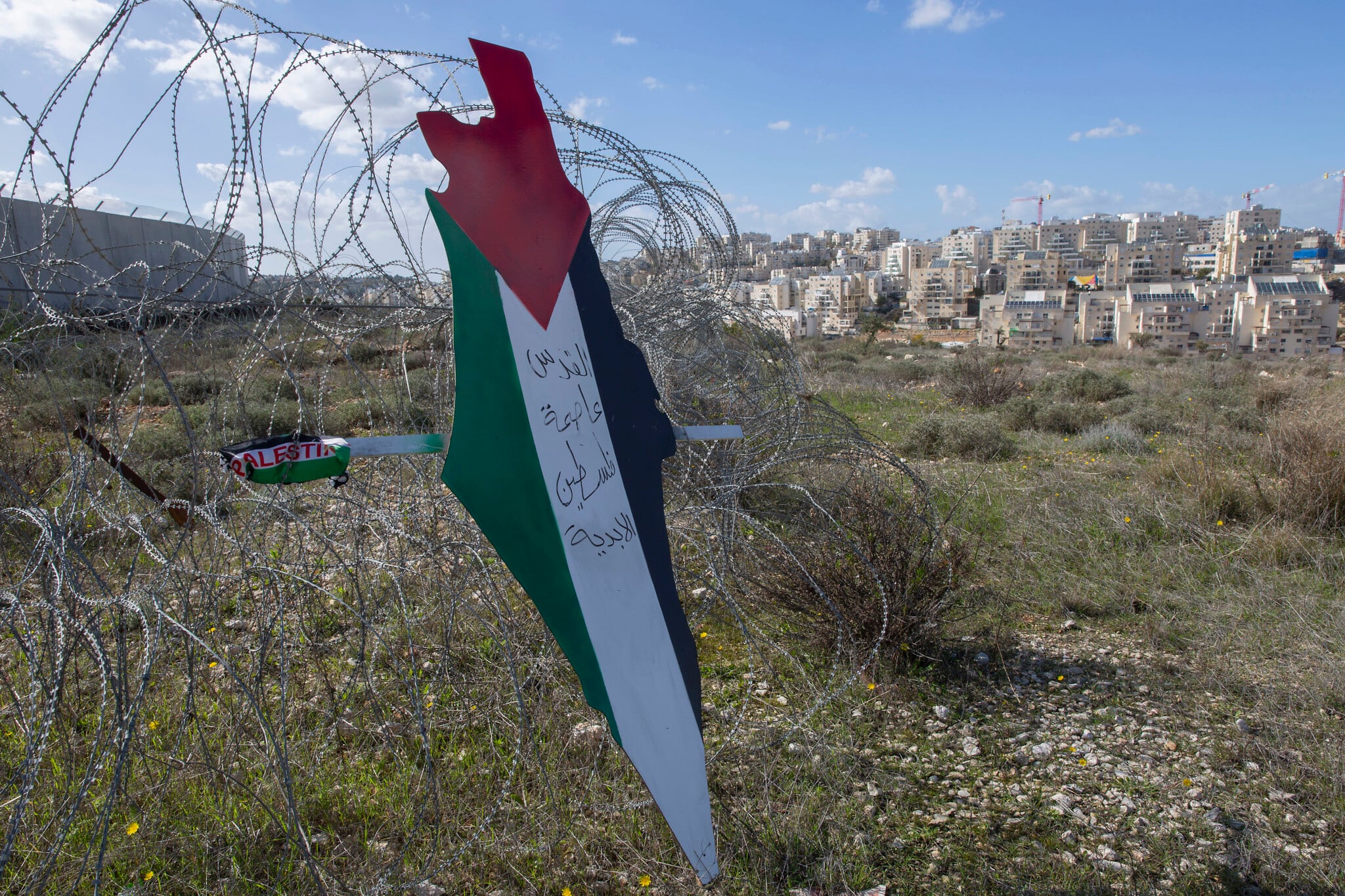
A large majority of Palestinians in the West Bank and East Jerusalem and a majority of Israelis say they do not believe Israel and an independent Palestinian state can coexist peacefully, according to a new Pew survey.
Just 17% of Israelis said they believed a path to peaceful coexistence could be found, compared with 56% who said it could not. Among Palestinians surveyed in the West Bank and East Jerusalem, 21% said coexistence was possible, while 68% said it was not.
The Israeli result is a low point in more than a decade of Pew polling on the issue. The share saying coexistence was possible had already fallen to its lowest level in 2025 and remained roughly unchanged in 2026.
The year 2026 was the first time that more than half of Israeli respondents explicitly said it was impossible.
Among Jewish Israelis, 16% said a two-state solution was possible, while 64% said it was not. Among Arab Israelis, 46% either said they did not know or declined to answer, while 23% said peaceful coexistence was possible and 26% said it was not.
Pew surveyed 1,001 people in Israel and 1,038 Palestinians in the West Bank and East Jerusalem. Israeli interviews were conducted from April 5 to May 6, while Palestinian interviews took place from March 30 to April 28, in Hebrew and Arabic.
The fieldwork coincided with the Iran war, beginning while fighting was still underway and continuing after an initial ceasefire was declared on April 7. Gaza was not included because Pew said it was unable to conduct fieldwork there.
Those who still see a path to peace
Among the relatively small shares on both sides who believed coexistence remained possible, Pew found that respondents often cited a desire for peace, a belief that an eventual agreement was unavoidable, and the need for compromise and greater trust.
Some respondents argued that Israelis and Palestinians would ultimately have to find a way to live alongside one another. “Neither side is going from here. It is necessary to learn to live together,” a 57-year-old Jewish Israeli man told Pew.
A 29-year-old Jewish Israeli man said, “We need to find the path to peace for the sake of our children and their children,” while a 43-year-old Palestinian man from the West Bank or East Jerusalem said, “We have no choice but to coexist and find another solution.”
Palestinian respondents who remained optimistic often pointed to the practical advantages of an agreement, including improved economic conditions, while some recalled earlier periods when relations were better. One 18-year-old Palestinian woman said, “We complement each other in work, trade and security, so that we may live together.”
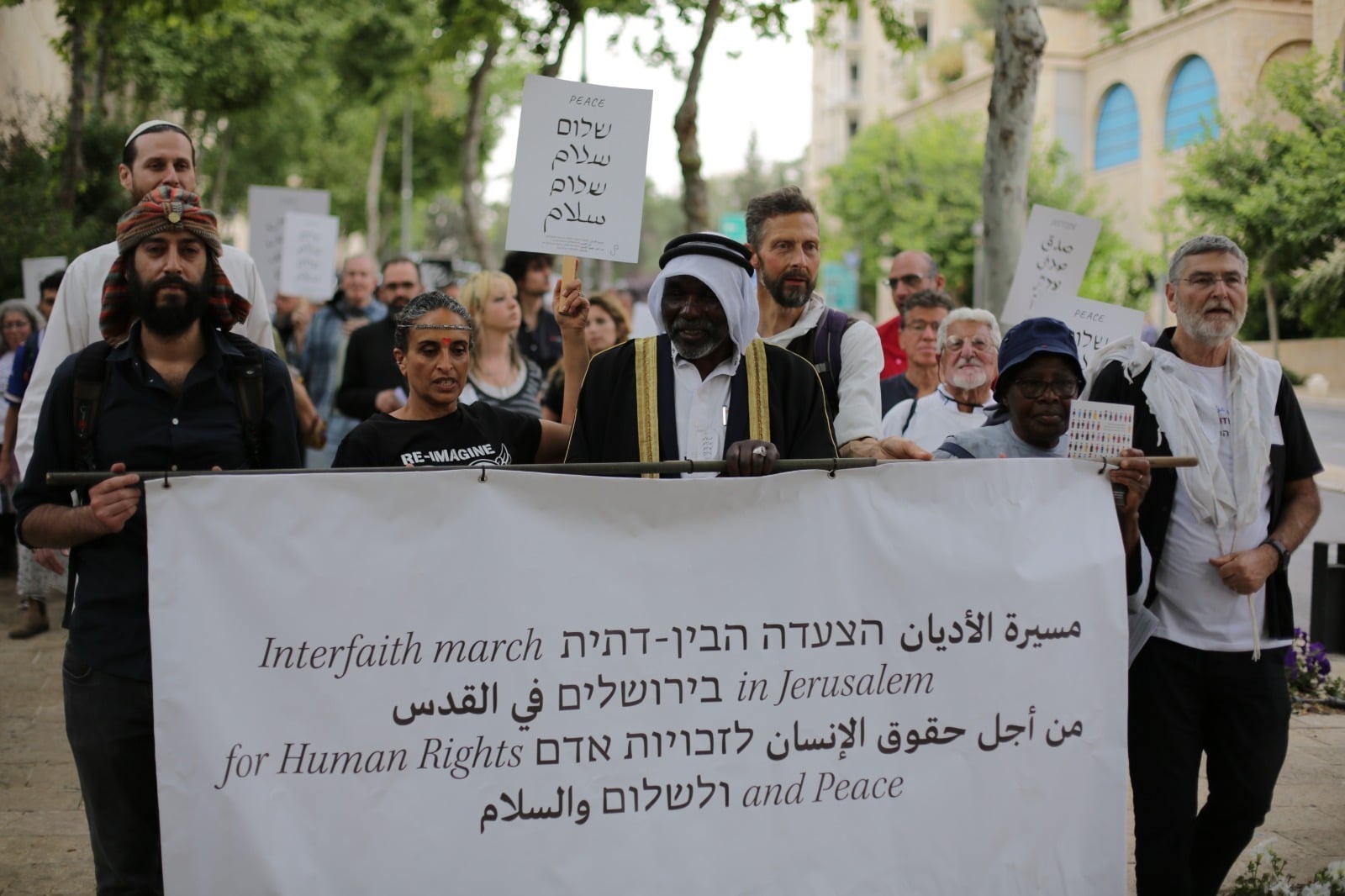
Others said an agreement would require both sides to alter their positions, restore confidence in one another or undergo political change. Some Israeli respondents called for greater moderation on both sides, while some Palestinians and Arab Israelis said progress would require Israeli withdrawal from territory, reductions in settlement activity or fewer restrictions on movement.
Land, security and distrust drive pessimism
Among those who rejected the possibility of coexistence, disagreement over land was one of the most common explanations on both sides. Some argued that partitioning the territory was no longer realistic, while others said sovereignty over the territory should belong exclusively to their own side.
Israeli respondents who opposed a Palestinian state frequently focused on security. One 43-year-old Jewish Israeli man said he was unwilling to risk Palestinians gaining a state, becoming stronger and arming themselves with a border close to his home. Another, a 57-year-old Jewish Israeli man, said: “They don’t want to live next to us, but in our place.”
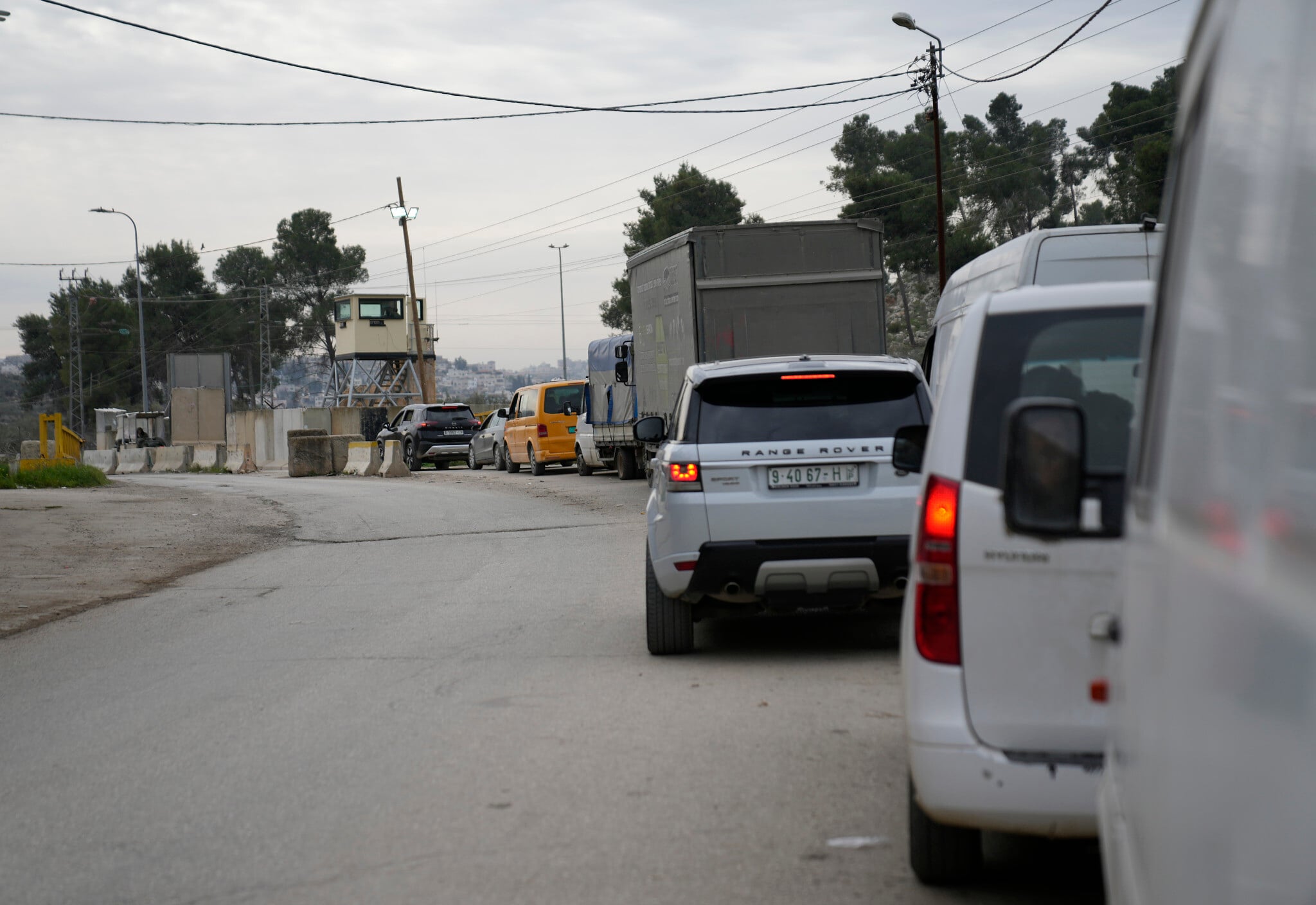
Pew found that many Palestinians, by contrast, pointed to Israeli control of the West Bank and East Jerusalem, settlements and checkpoints as central obstacles. A 19-year-old Palestinian woman said: “It is an occupied country, there is no security, movement between cities is difficult, and there are checkpoints.”
Past and recent bloodshed also figured prominently in explanations from both sides. Some Jewish Israelis explicitly cited the Hamas-led October 7 attack as the point at which they lost faith in a two-state solution. “Since what happened on Oct. 7, I have lost all faith in the Palestinian people and in the two-state solution for both peoples,” said a 36-year-old Jewish Israeli man.
Palestinian respondents similarly invoked deaths, destruction and violence during the ensuing war. “They took our land and killed the people, and that’s enough. My brother was killed,” said a 31-year-old Palestinian woman.
Beyond specific events, many responses also reflected a profound lack of confidence in the other side, with some respondents portraying the two peoples’ religious or national outlooks as irreconcilable. Respondents accused the other population of rejecting peace, denying their national rights or harboring violent intentions.
Fewer respondents focused primarily on failures by political leaders. Others said the answer depended on whether attitudes, governments or conditions changed.








The Times of Israel Community.