

First they take Manhattan? Looking to mimic Mamdani, far left’s Elif Eralp eyes Berlin City Hall
Jewish community wary as Die Linke party’s mayoral candidate vows to fight antisemitism ahead of September 20 election; critics claim she can’t even control it within her own party
 Add ToI as a Preferred Source on Google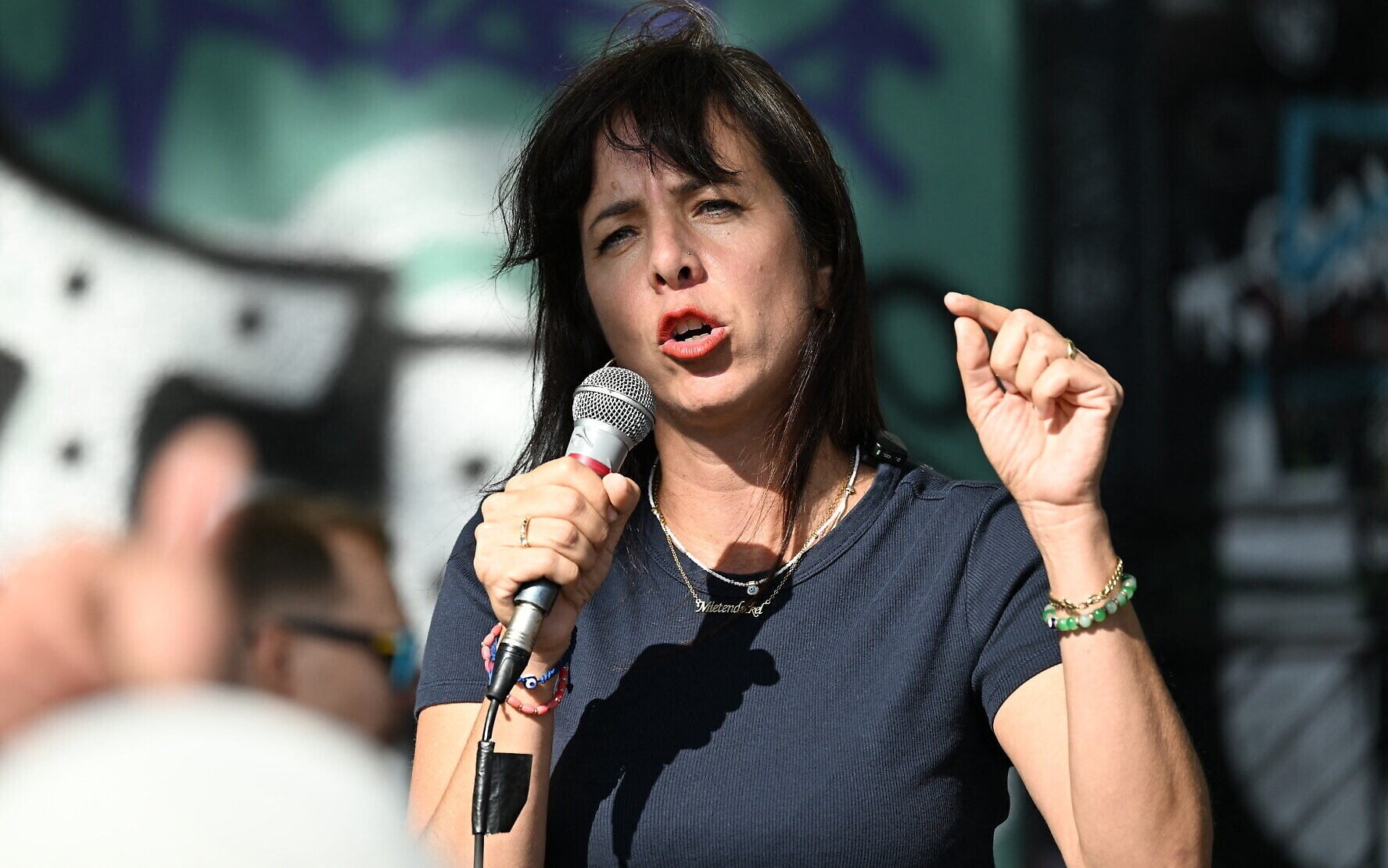
BERLIN — Last November, Germany’s far-left Die Linke party sent a delegation to New York City to study Zohran Mamdani’s successful mayoral campaign. Inspired by his approach, Die Linke launched a Berlin street campaign focused heavily on housing and affordability.
Berliners will elect a new state parliament and mayor on September 20. Polls show Die Linke neck and neck with the ruling conservative Christian Democrats (CDU). To govern, either party will likely need a coalition with the center-left Social Democrats (SPD) and the Greens.
With charismatic 45-year-old Elif Eralp as its lead candidate, Die Linke has a strong chance of winning Berlin City Hall. But that would not be the only parallel to Mamdani: Just as in New York, the relationship between the political left and Berlin’s Jewish population — the largest in Germany, with an estimated 30,000 to 50,000 Jews — is deeply strained.
Tensions worsened sharply in late August following a controversial performance by rapper Dahabflex at a Die Linke rally in the Berlin district of Neukölln. His song “Stop the Genocide” included lyrics such as “Yalla, yalla intifada,” “Death to the IDF,” and “Intifada like the PFLP,” a reference to the Popular Front for the Liberation of Palestine, a designated terrorist organization.
In the ensuing debate over antisemitism within Die Linke, Eralp sought to contain the fallout. She condemned the rapper’s performance, saying she stood “clearly for the protection of Jewish life and against any form of antisemitism.” She also placed responsibility on the party’s Neukölln district branch, which had invited the musician.
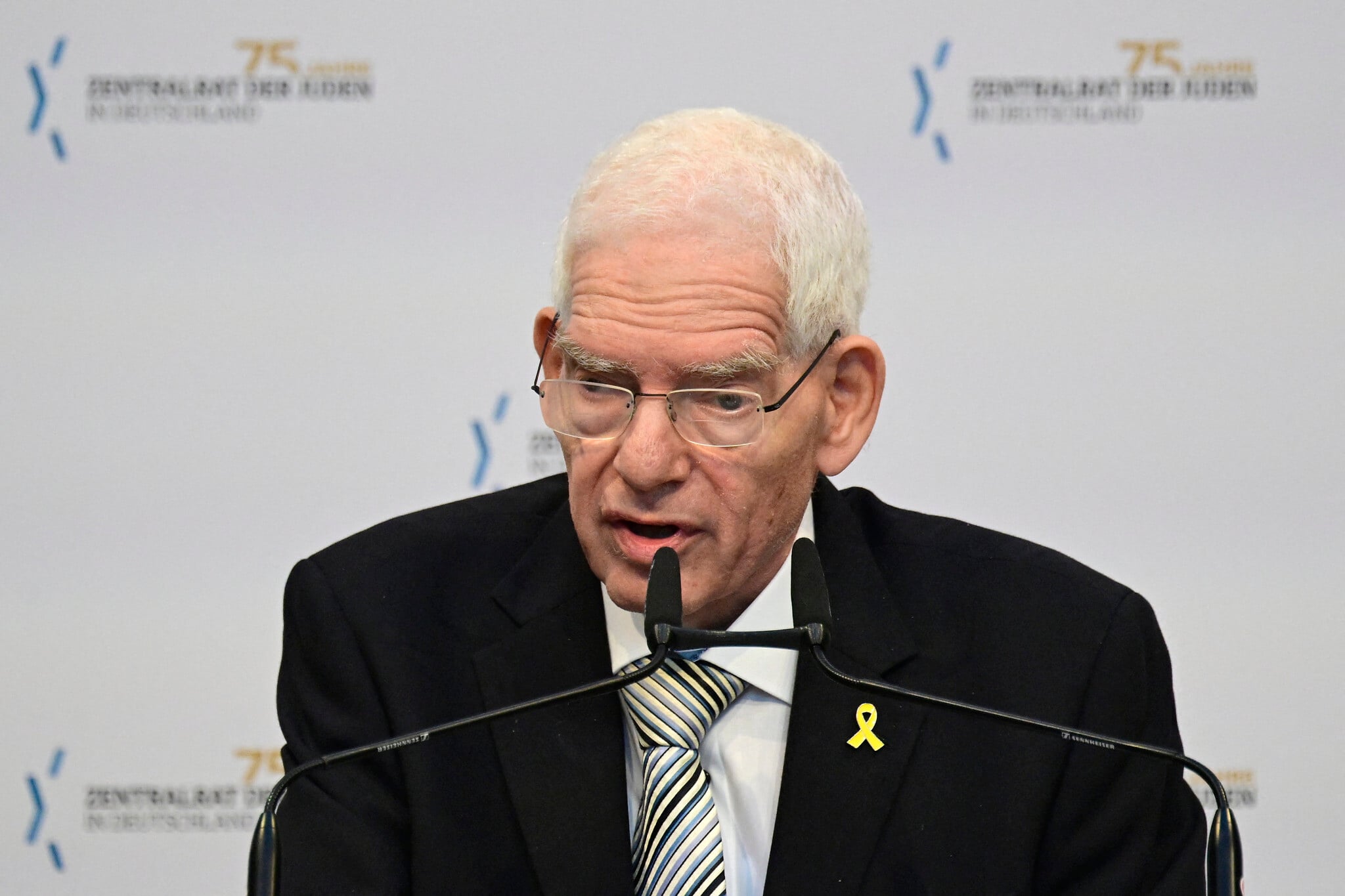
Josef Schuster, president of the Central Council of Jews in Germany, dismissed Eralp’s words as “lip service.” Her attempt to distance herself would lack credibility if “no actions follow,” he said. The Berlin-based Central Council represents roughly 90,000 Jewish community members nationwide and is the main umbrella organization for Germany’s Jewish institutions.
Schuster said that Die Linke’s Berlin branch “cannot be entrusted with government responsibility,” adding that the Neukölln incident, while “shocking,” was “unfortunately not surprising given the party’s trajectory.”
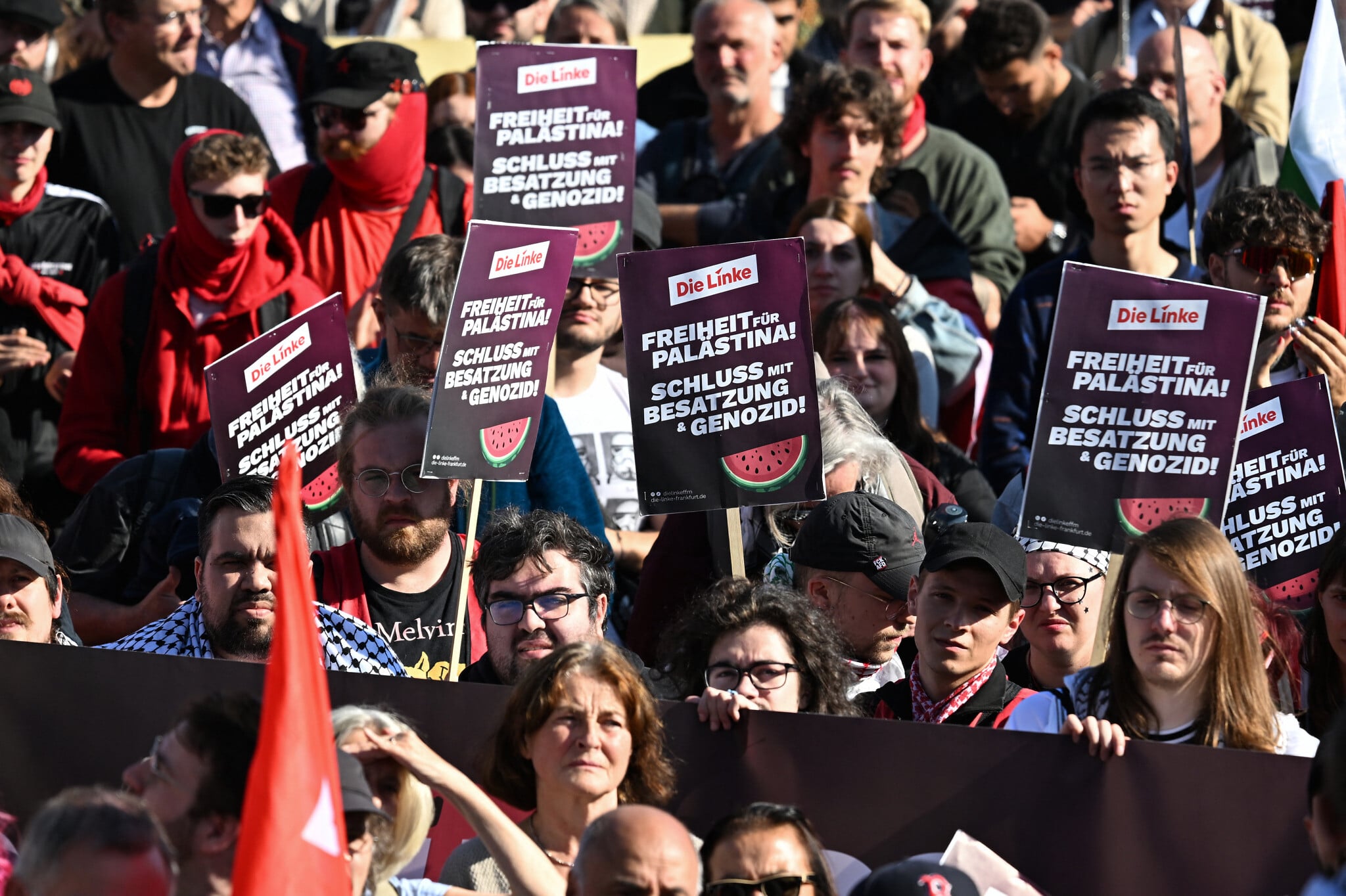
Meanwhile, Eralp has sought to present herself as a strong opponent of antisemitism. She recently presented a detailed five-point plan to protect and promote Jewish life, saying she was the only mayoral candidate in the Berlin elections to have done so.
The Jewish Community of Berlin has about 12,000 registered members. Its chairman, Gideon Joffe, dismissed the document as “useless” and “cowardly,” criticizing it for not mentioning antisemitism among Muslims, which he said poses the greatest threat to Jewish life in Berlin. The Jewish community “does not buy” Eralp’s expressions of solidarity, Joffe said.
Schuster and Joffe’s concerns come amid a broader shift within the party that some Jewish leaders and former party members have criticized. Die Linke was founded in 2007 as an alliance of two left-wing parties, including the successor to the SED, the ruling party of East Germany until 1989. Die Linke long included a pragmatic wing in which pro-Israel positions were common.
Neukölln: A district gone rogue?
Since 2024, however, an influx of younger activists, many galvanized by the war in Gaza, has altered the party’s internal dynamics, according to current and former members. Several prominent members resigned over what they described as a growing antisemitism problem, while critics within the party say its more radical grassroots have become increasingly difficult for the national leadership to control.
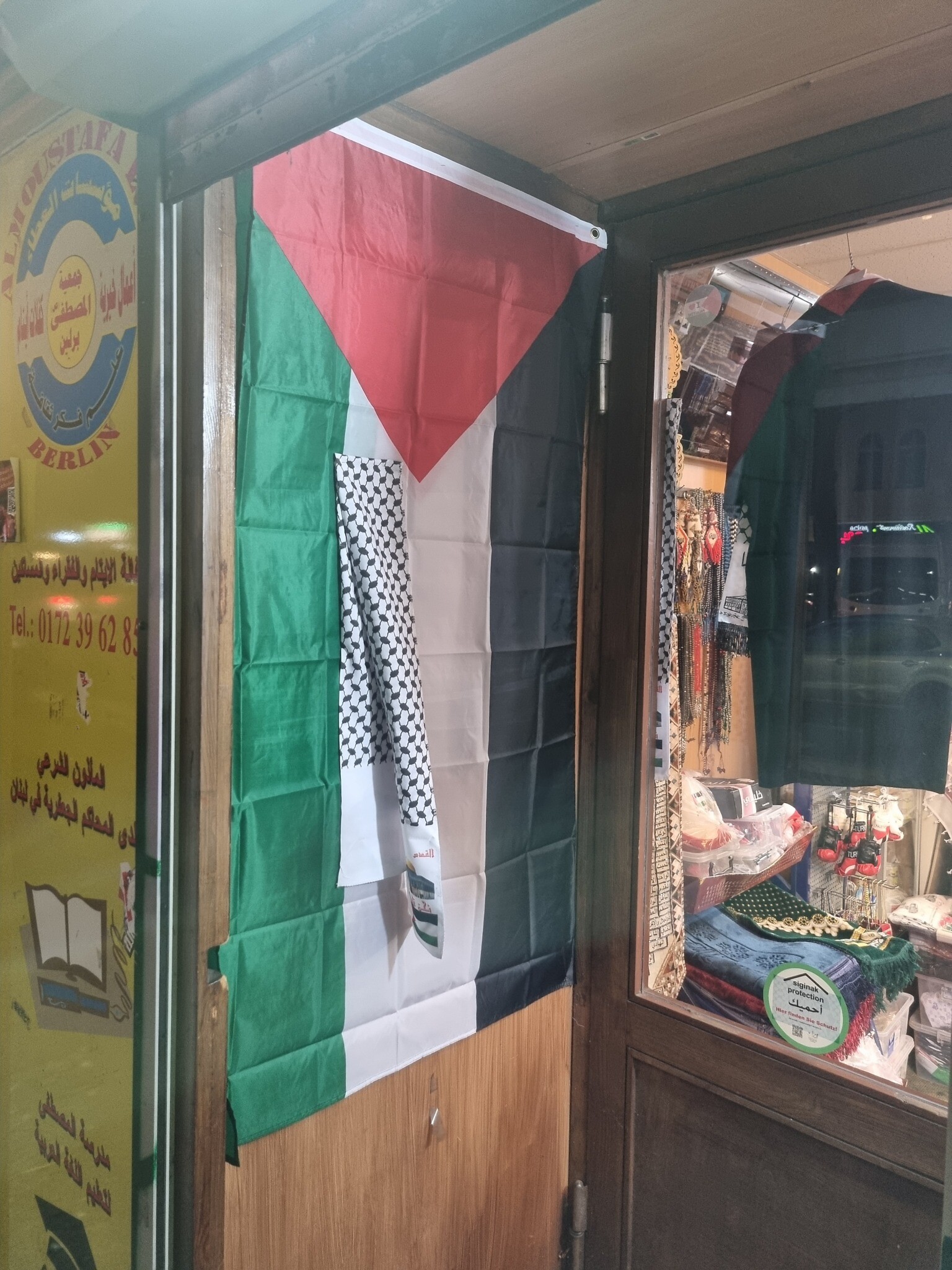
Several Die Linke members who spoke to The Times of Israel described a similar situation within the Berlin state branch. They identified Neukölln, a district with a large migrant population that includes many people of Palestinian origin, as the center of the party’s most stridently anti-Israel faction.
The district branch has been involved in a series of incidents that have drawn accusations of antisemitism. These include cooperating with “Vereinigtes Palästinensisches Nationalkommitee,” an organization that Berlin’s domestic intelligence agency says includes supporters of Hamas, and the PFLP terror groups, as well as expressing public solidarity with a Neukölln activist expelled from the party for statements endorsing the bloody October 7, 2023, Hamas attack on Israel.
Party members who spoke to The Times of Israel said they viewed the decision to invite Dahabflex to perform at the rally as a provocation aimed at the state branch and at Eralp personally. They also said she has limited influence over the powerful and largely autonomous Neukölln branch. Eralp did not respond to a request for comment from The Times of Israel.
Jews speak out against claims of ‘antisemitism’
In addition to the established German Jewish community, Berlin is also home to numerous unaffiliated Jews, many from the United States and Israel, including some who are strongly anti-Zionist. A small but highly active group of those Jews sees the accusations of antisemitism against Die Linke quite differently.
American-born Jewish author Deborah Feldman, known for her memoir “Unorthodox,” attended the Neukölln rally that sparked the latest controversy. In her speech, she argued that Die Linke must no longer “cave in” to accusations of antisemitism but should instead “stay calm and refute them.” Video footage obtained by The Times of Israel appears to show Feldman standing at the edge of the stage during Dahabflex’s performance.
Musical artist Dahabflex performs at a Die Linke rally in the Berlin district of Neukölln, August 2026. (Silvia Stieneke)
Emmi Stiegler, who was nominated by Die Linke’s Neukölln branch as a candidate for the Berlin state parliament, was also at the event. She recently published a widely shared Instagram post about “being Jewish in Germany,” arguing that efforts to combat antisemitism are being weaponized to “persecute and silence political opposition” and “resistance to Germany’s participation in the genocide in Palestine.”
“The accusation that Die Linke Neukölln is antisemitic does not correspond to my own experience in the district branch,” Stiegler told The Times of Israel. She said that such allegations stem from what she called a “false equivalence of criticism of Israel and antisemitism.”
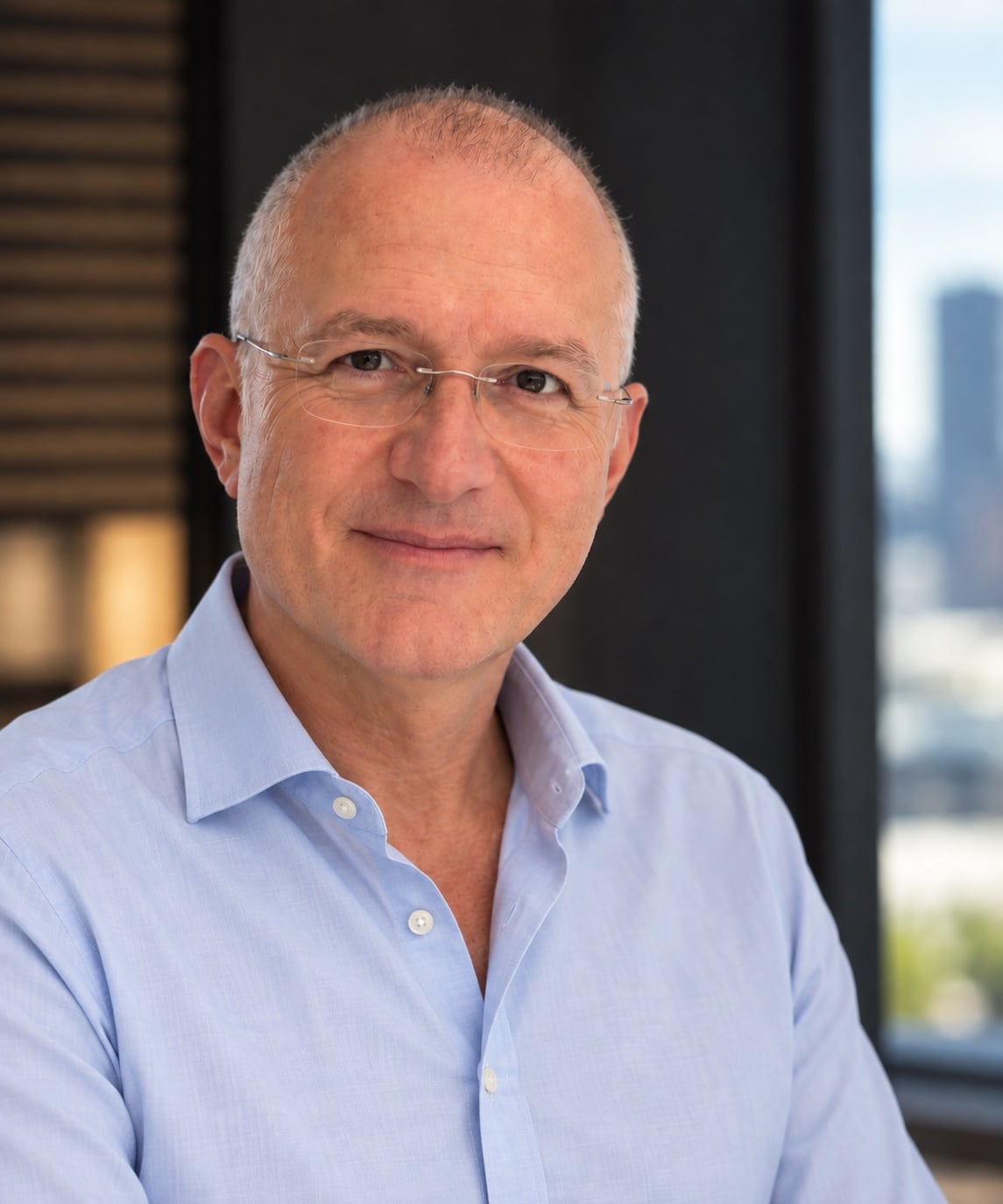
Stiegler added that the party’s stance on the Middle East conflict is “precisely the reason why I and many other Jews are active in Die Linke Neukölln.”
Elio Adler dismissed such views as “negligible minority opinions within the Jewish community.” He is the founder and chairman of WerteInitiative, or Values Initiative, a civil society group advocating for Jewish interests. Ahead of the election, the Berlin-based association published a position paper labeling both the far-right AfD — which is polling at just under 20 percent but lacks viable coalition partners — and Die Linke as “a danger to a Jewish future” in the capital.
Speaking to The Times of Israel, Adler said he feared that a left-wing government would weaken efforts to combat antisemitism and subordinate them to broader ideological priorities.
“Jewish life would no longer be seen with its specific needs, but only as an arbitrary part of a pluralistic society,” the 55-year-old dentist said.
Adler argued that Israel-related antisemitism plays a key role in political mobilization for Die Linke, particularly in Neukölln. “Therefore, the state branch accepts this,” he said, urging other parties to rule out a coalition with Die Linke for as long as, in his view, the party tolerates extremists.
So far, only the CDU has done so. The conservative party has been slipping in the polls for months and replaced its lead candidate in July after Berlin Mayor Kai Wegner decided not to seek reelection following intense criticism over reports that he played tennis during a citywide blackout in January. The new lead candidate, Stefan Evers, recently called on the SPD and the Greens to rule out a coalition with Die Linke, arguing that the party has a systemic problem with antisemitism.
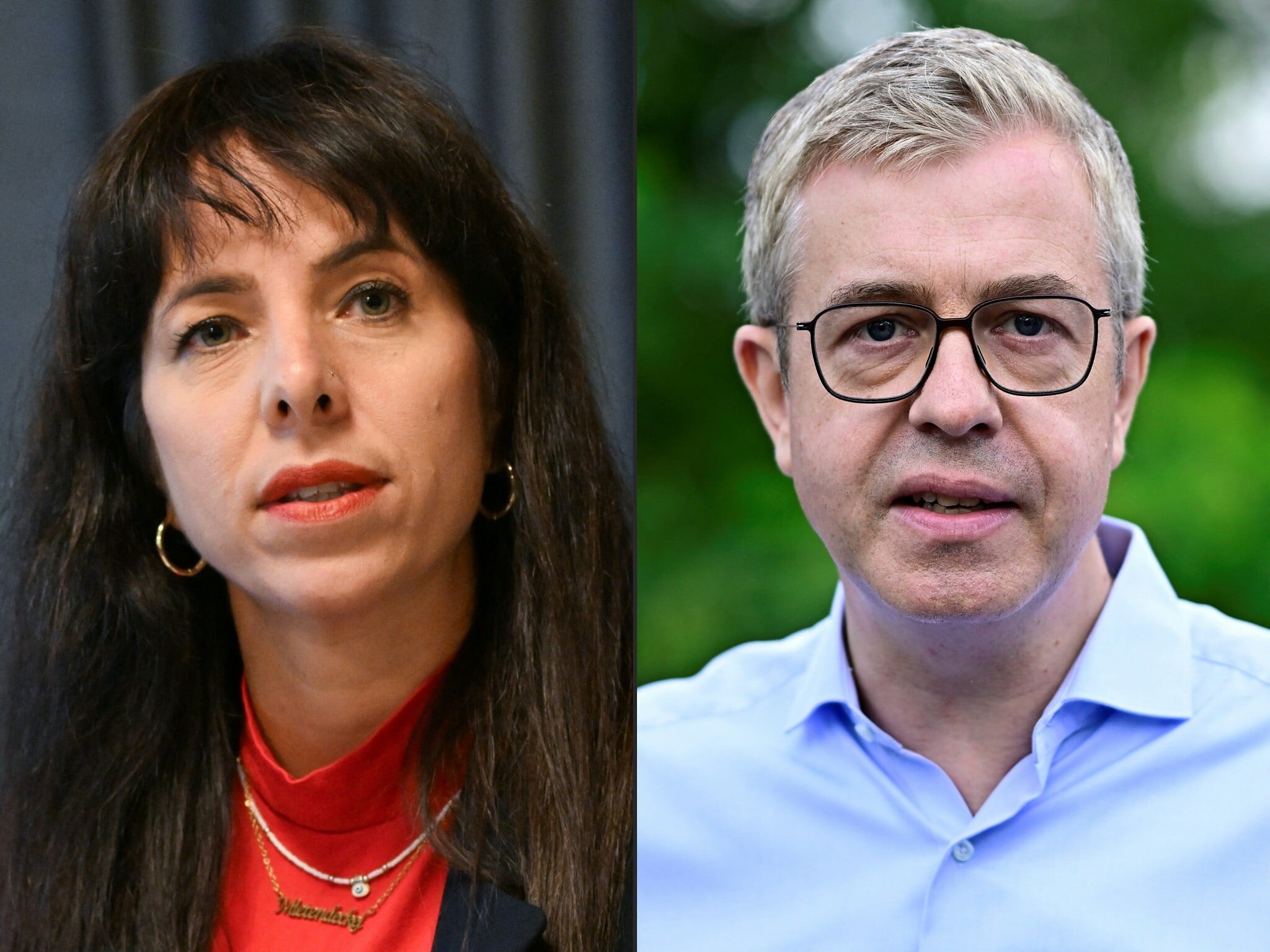
Neither the SPD nor the Greens has explicitly rejected a coalition with Die Linke. Their lead candidates, however, have demanded that Eralp intervene within her own party following the Neukölln controversy and have raised doubts about whether Die Linke is fit to govern Berlin.
If Eralp is to lead Berlin’s next government, she will first have to reassure potential coalition partners that she is prepared to confront antisemitism within her own party. Whether she can do so remains an open question. For now, some of Berlin’s most prominent Jewish representatives remain unconvinced.





The Times of Israel Community.