

Petah Tikva or Petah Tiqwa? Israel to spend NIS 250,000 settling the debate
Government working with Academy of the Hebrew Language to try end the linguistic muddle on Israel’s roads once and for all
 Add ToI as a Preferred Source on Google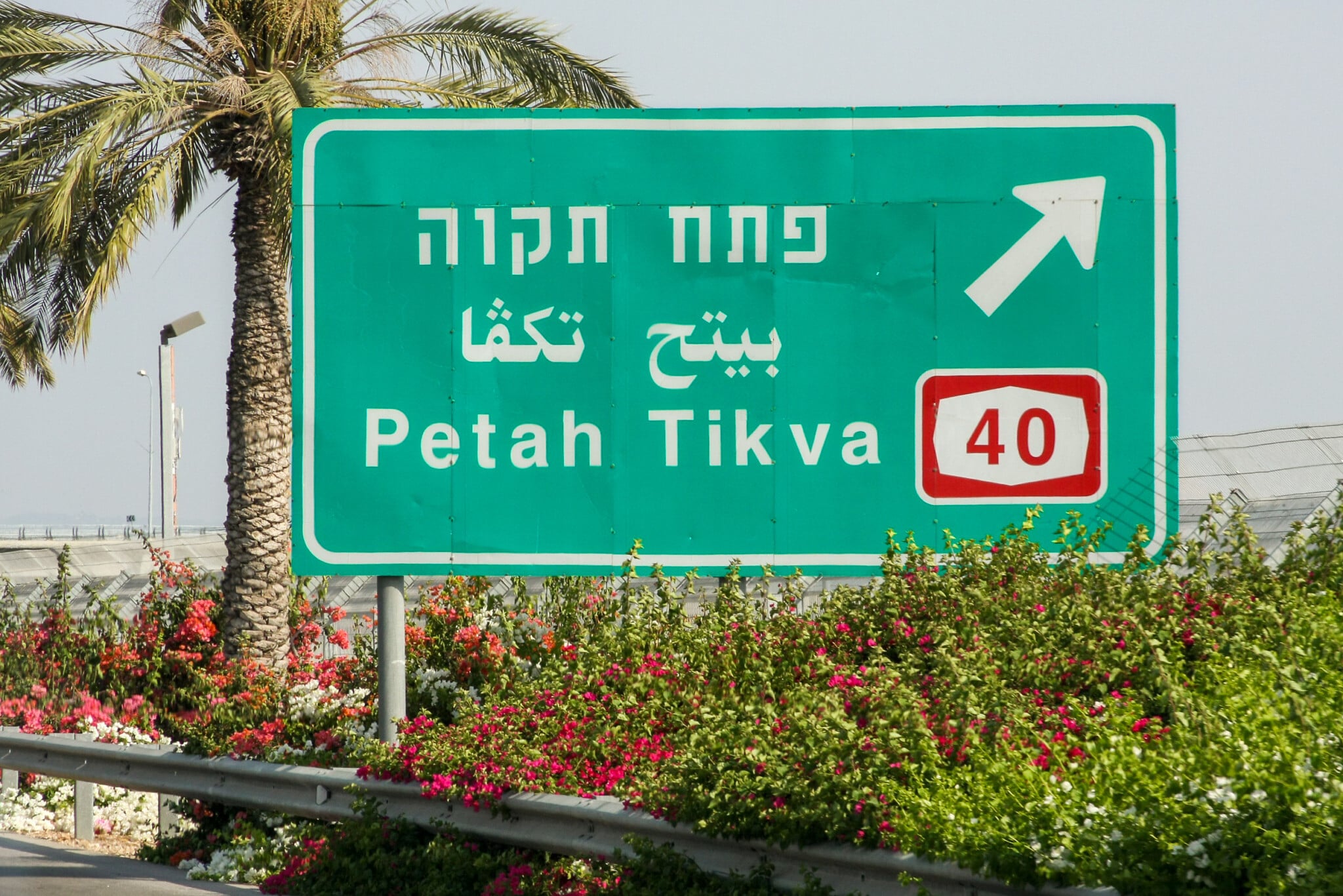
The road to Petah Tikva may be straightforward. Spelling it apparently is not.
Now, the government is preparing to spend some NIS 250,000 ($85,000) on standardizing the English and Arabic spellings of Israeli place names.
The Prime Minister’s Office on Sunday published its intention work with the Academy of the Hebrew Language on a new system aimed at establishing uniform transliteration rules for government ministries and local authorities. The plan was first reported by Haaretz.
In fact, the effort to standardize Hebrew transliteration has been going on for decades. The Academy of the Hebrew Language first approved rules for rendering modern Hebrew in Latin characters in 1957, including a simplified system intended for everyday uses such as advertisements and street signs.
The Academy says it has revised the rules several times in response to public demand, seeking to bring them closer to contemporary Hebrew pronunciation in Latin characters rather than mechanically reproduce Hebrew spelling.
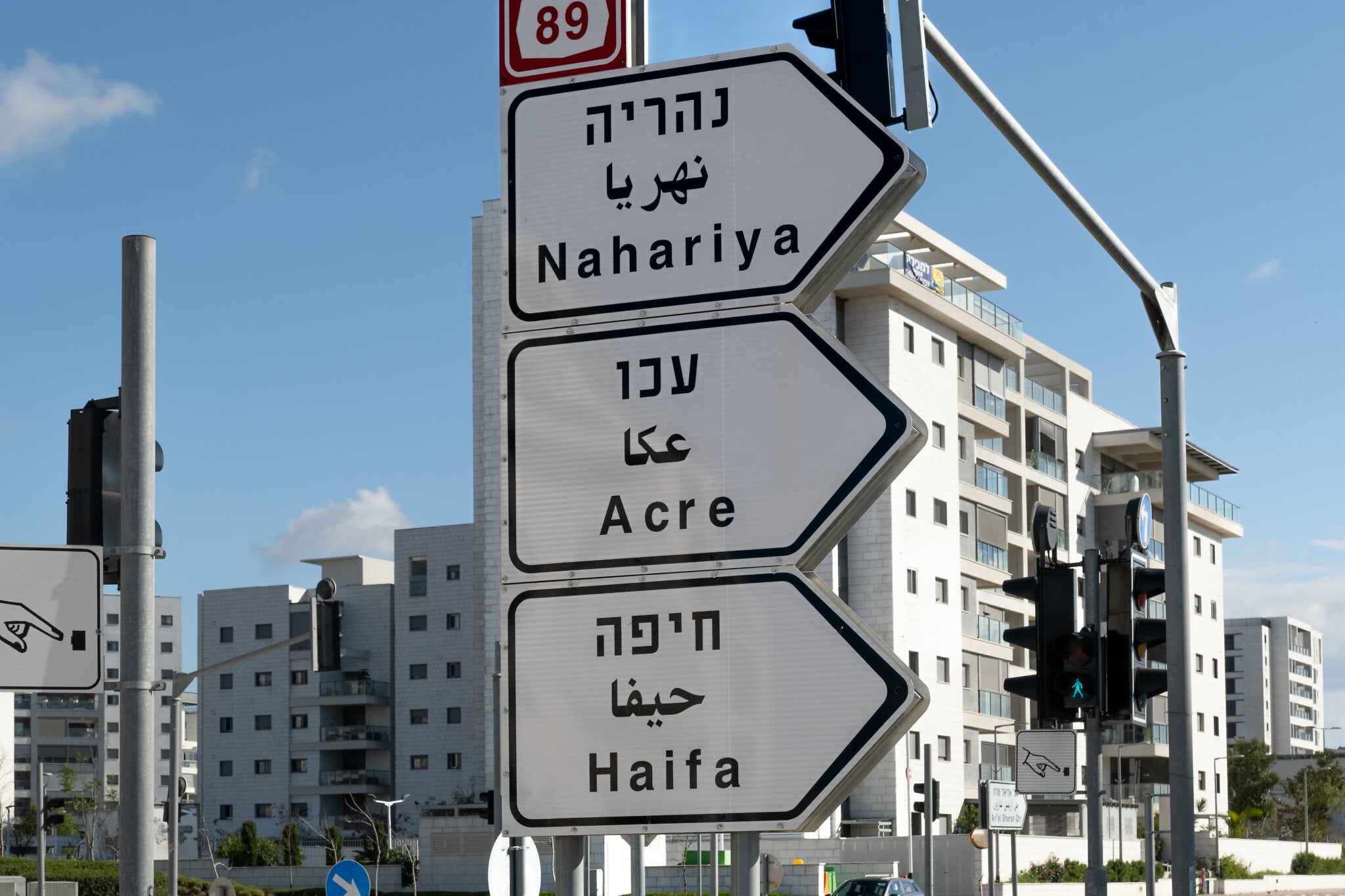
But spelling chaos still reigns. Driving along Israel’s roads, a motorist will encounter a plethora of different names and spellings — many for the same place.
Signs for Petah Tikva often give way to Petah Tiqwa. Nearby Bnei Brak is often sign-posted as Bene Beraq, Benei Brak or even Bne Brak.
Among the decisions to be made are how to standardize the replication of certain Hebrew letters in English. Will the letter “Kuf” be replaced with a K, or perhaps the more traditional Q? Similarly, the Hebrew letter “Tzadi” could be rendered with a Z or a TS.
Both will be pertinent when going to visit a kibbutz, or qibbuz as some would have it.
Similarly, there is a tension between traditional spellings of place names that don’t correspond with the modern Hebrew pronunciations, like Acre or Akko, and Safed or Tzfat.
The Prime Minister’s Office had already taken a smaller step toward addressing the issue earlier this year, budgeting NIS 26,000 to contract with the Academy for a transliteration consultant.
Haaretz, citing a report from the Government Names Committee, said the inter-ministerial team being set up would map existing transliterations at the national and local levels, collect examples from official documents and public information systems, and identify inconsistencies and errors.
The report said the team would focus largely on names and spellings already embedded in government databases, official documents and road signs, rather than on new place names, which are being handled separately by the new transliteration consultant.
It would then formulate a uniform procedure for government ministries and local authorities and draw up a final, updated list of official place names.
Haaretz noted that previous attempts at updating signs had not gone well, resurfacing an irate letter to the editor from 2002.
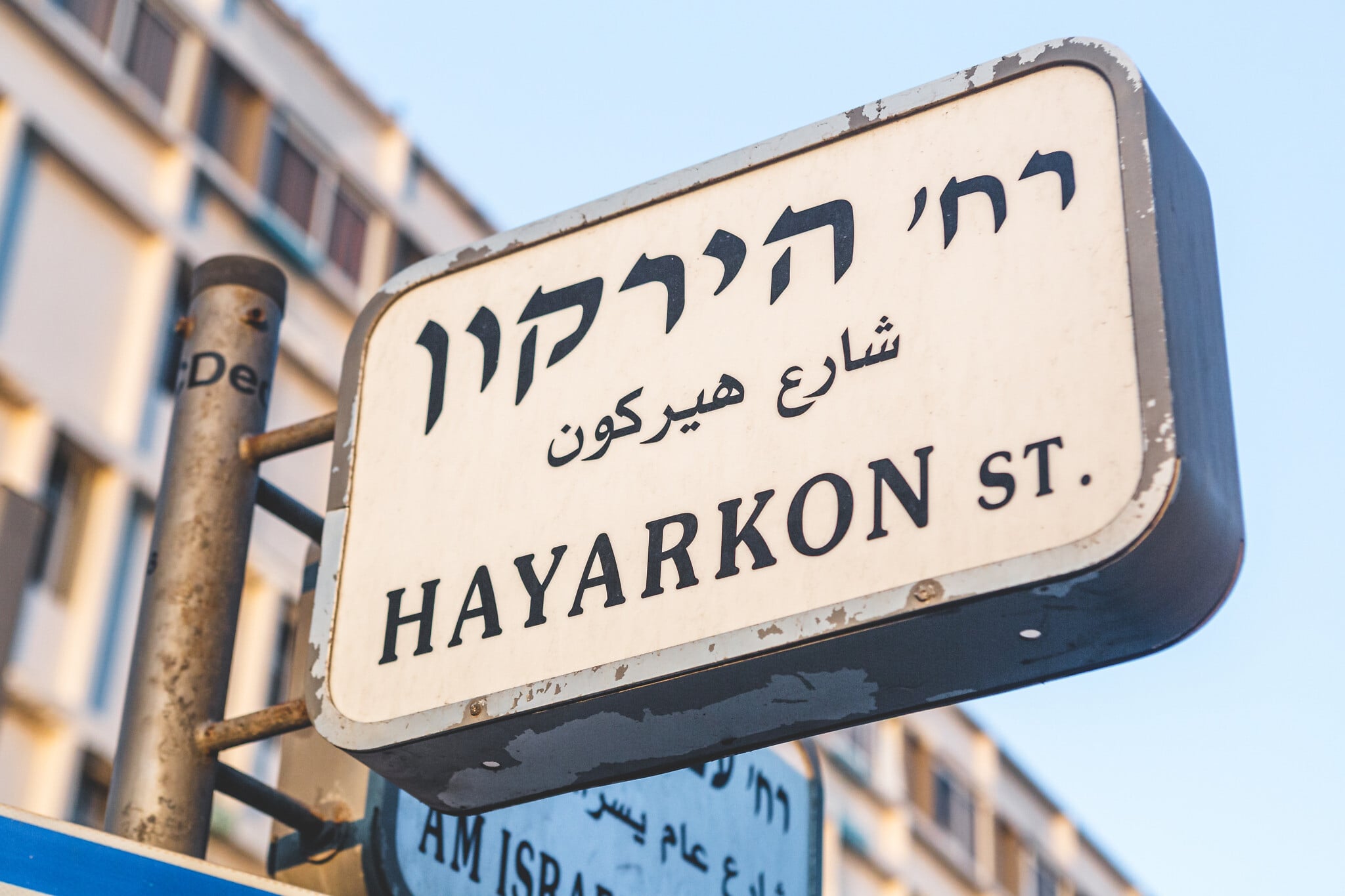
“Someone at the Public Works Department decided to reinvent the wheel, and that person is desperately in love with the letter Q. Someone else likes to repeat the same letter twice for absolutely no reason,” reader Eitan Arbel wrote, pointing to spellings that showcase the inconsistencies: Yarqon instead of Yarkon; Elyaqim instead of Elyakim; Mevaseret Ziyyon rather than Mevaseret Zion; and Kefar Uriyya instead of Kefar Uriya.






The Times of Israel Community.