 Add ToI as a Preferred Source on Google
BNEI BRAK — To illustrate the strange complexity of the housing market in Israel’s largest predominantly ultra-Orthodox city, real estate agent Menachem Eichler started off with a joke.
“A man walks into an apartment in Bnei Brak and sees a wall that seems unnecessary,” Eichler said with a smile. “He asks the owner, ‘What is this wall for?'”
The man answered: “Our son received so many religious books as gifts for his bar mitzvah, he needed his own bookcase. But we didn’t have any wall space in our home for another bookcase, so we built another wall for it to lean against.”
The point of the joke, Eichler said, is that things work differently in Bnei Brak. Things that don’t make sense elsewhere sometimes make perfect sense in the Haredi world. And with nearly 230,000 Haredim living in the city today, there is a lot to figure out.
Bnei Brak is Israel’s poorest and most crowded major city, yet its municipality boasts one of the nation’s most lucrative commercial tax bases. Despite its residents’ low average income, they consistently rank at the top of Israeli lists for optimism and overall life satisfaction.
Unlike in most cities, lower floors are more in demand than higher floors, regardless of the views. Parking is a constant problem, even though car ownership rates are among the lowest in the country. And while many of the city’s residents famously choose to study in yeshiva instead of serving in the IDF and participating in the workforce, Bnei Brak has recently attracted some of Israel’s largest companies, which seek to rent office space there.
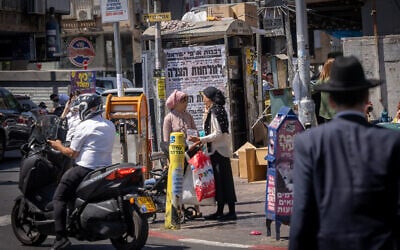
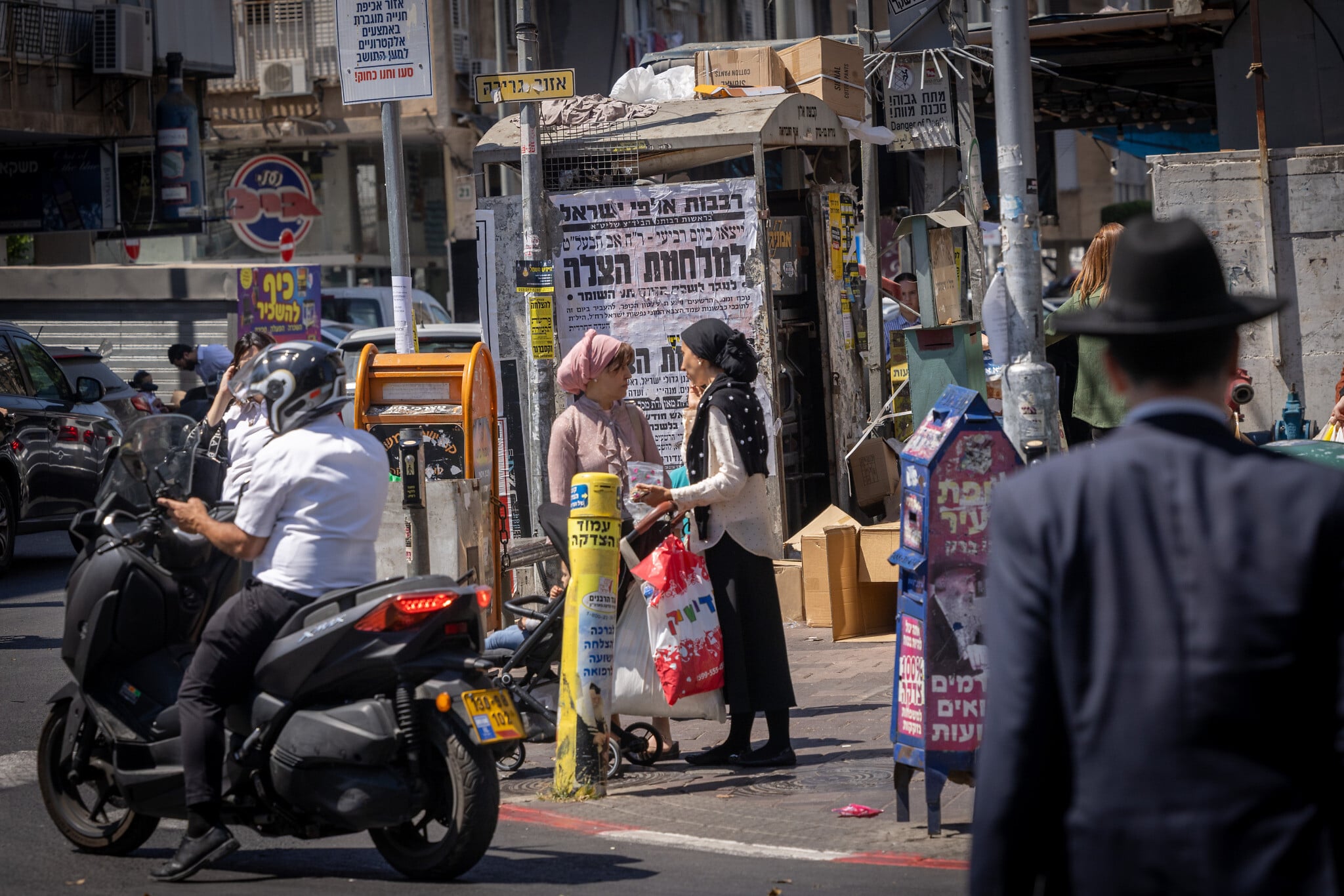
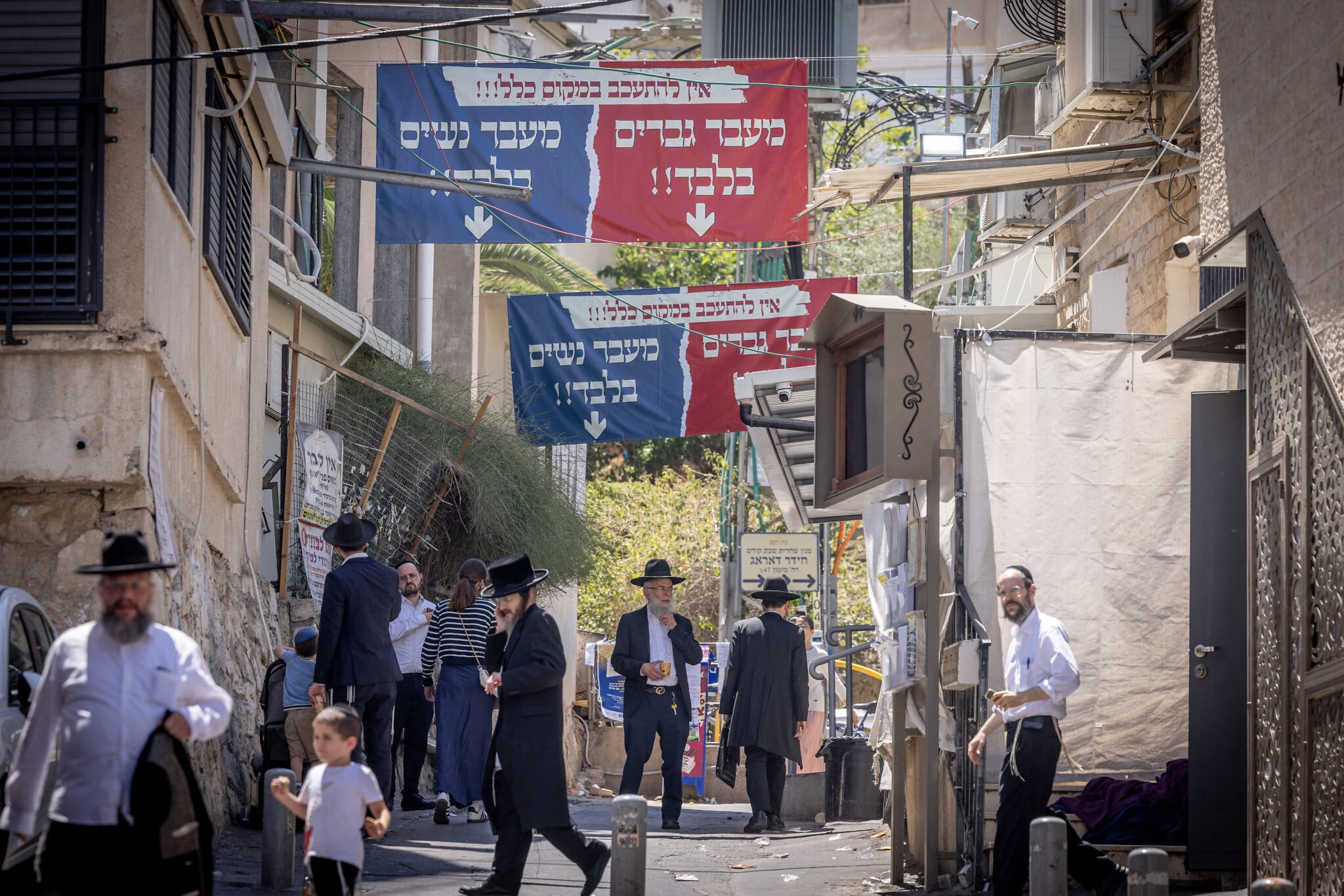
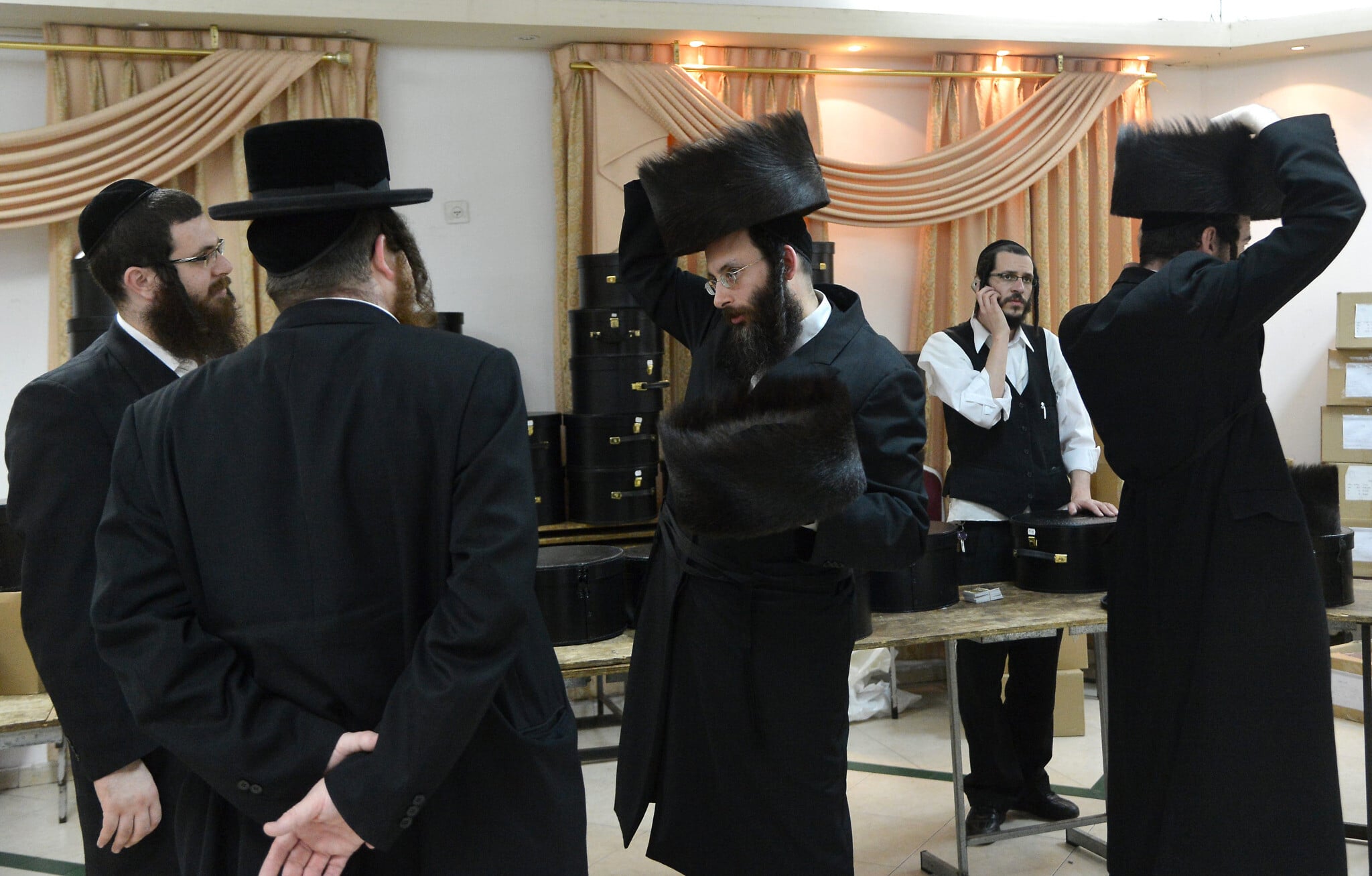
At the center of the city is Rabbi Akiva Street, the dense, bustling commercial artery sometimes referred to as the “Fifth Avenue of the Haredi world.” On a typical weekday, storefronts sell everything from Judaica, books and religious clothing to electronics and household goods, with men in black hats and suits and women with strollers weaving through traffic and pedestrian crowds.
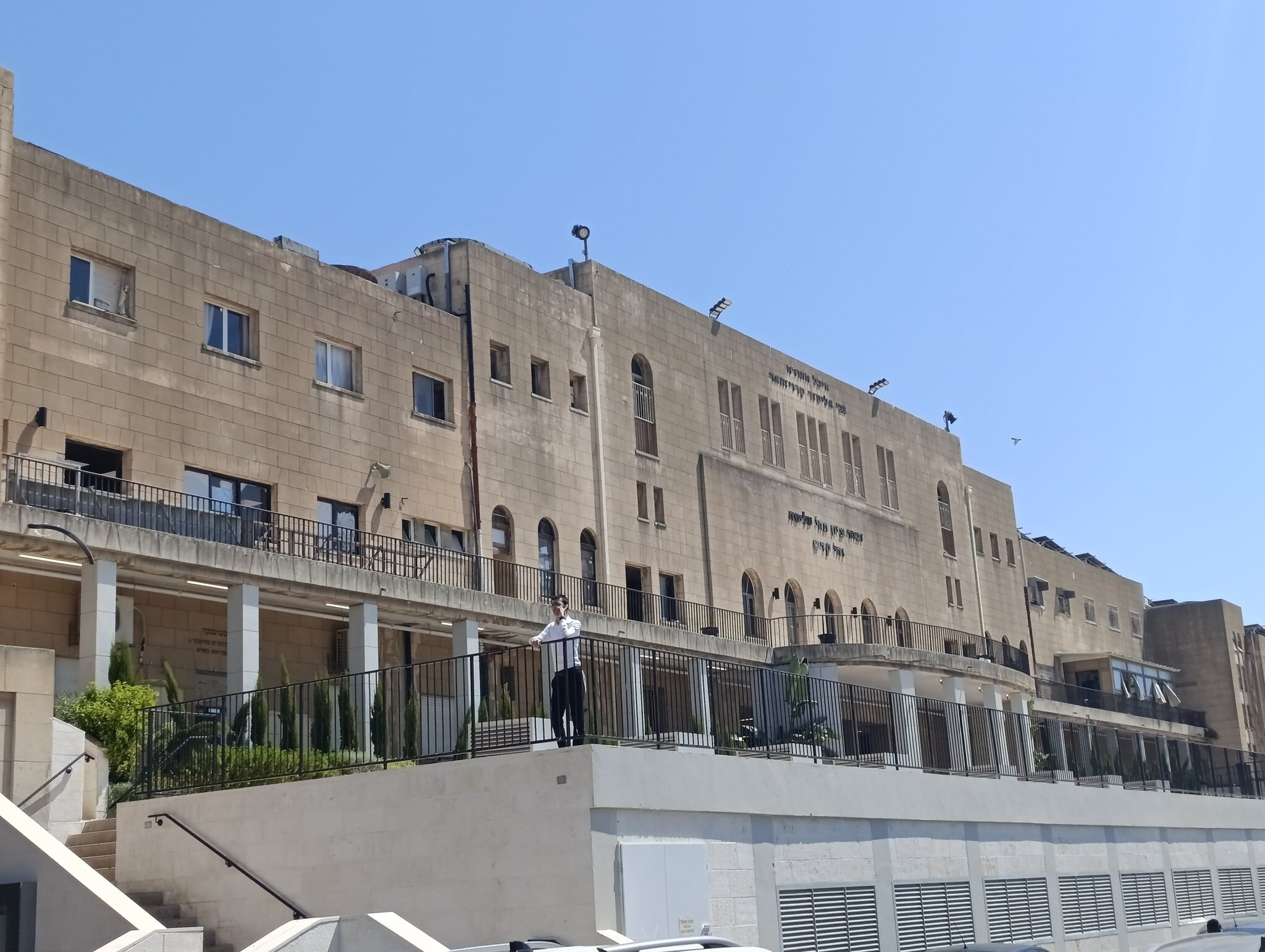
Meanwhile, in the northern part of the city, several blocks and hundreds of yeshivas away, the skyline is increasingly filled with modern office buildings rivaling those in the beating heart of Israel’s largely secular “startup nation,” just a short light rail ride away.
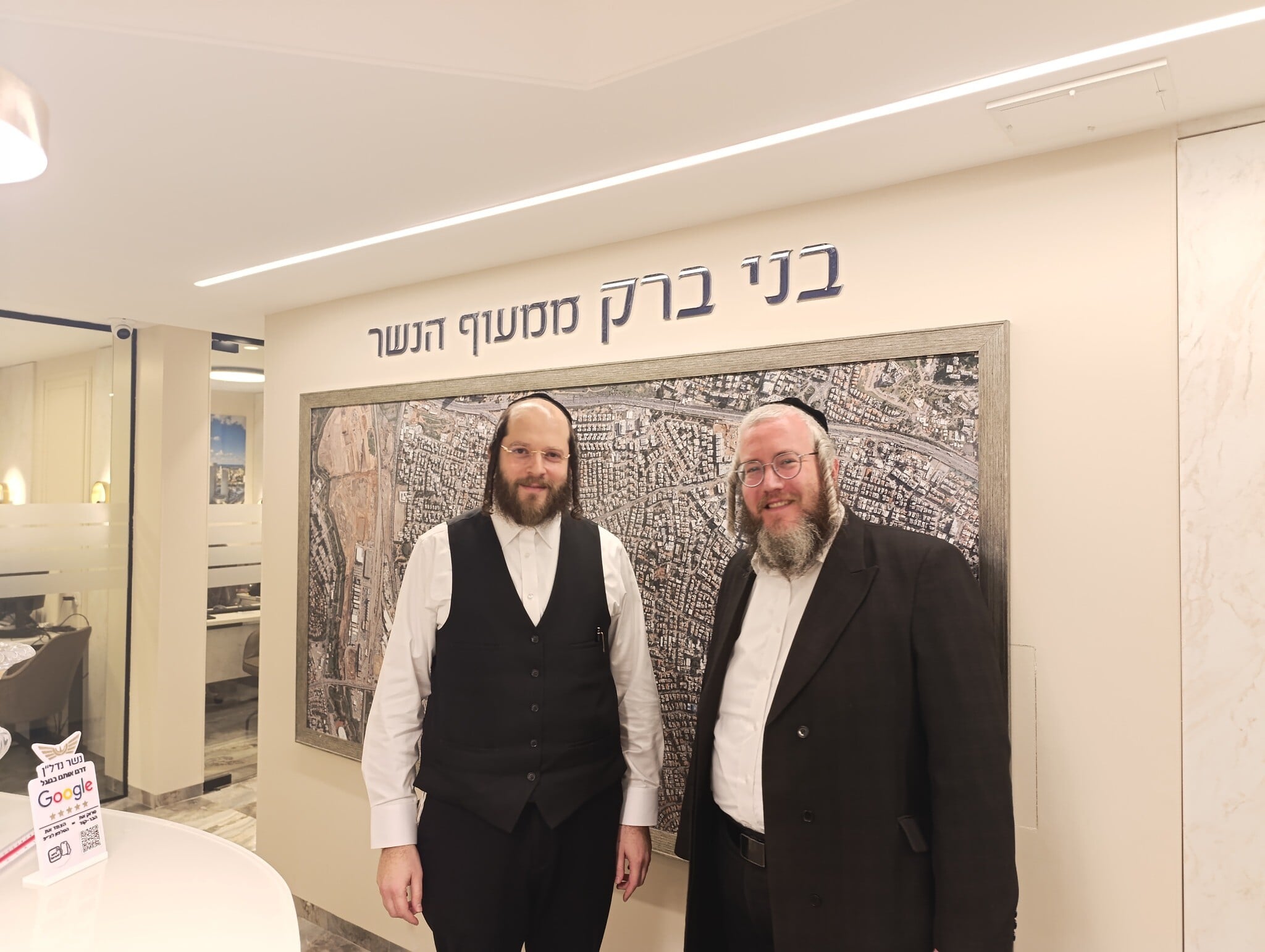
“There is a lot to understand about this city, in terms of the history and the families that live here,” noted Eichler, deputy CEO of Nesher Real Estate, which specializes in Bnei Brak properties. “It’s a challenging market, but there will always be strong demand from people who want to live here.”
To try to make sense of it all, let’s start at the beginning.
Crowding the center of Haredi life
Modern Bnei Brak initially served as an agricultural village when it was founded in 1924 by a group of Polish Hasidim. But prominent Hasidic dynasties and Torah institutions — including the famed Ponevezh Yeshiva — poured into the city after the Holocaust, and by the time it was recognized as a city in 1949, it had evolved from a mixed religious-Zionist town into a center of Haredi life.
As the only Haredi city in Israel until the 1980s, the city’s population grew quickly, driven by internal migration and the sector’s high birth rates. However, there was never any room for outward expansion, since it is locked in on all sides by other municipalities (Tel Aviv, Ramat Gan, Petah Tikva, and Givat Shmuel) and major highways. That put a strain on its infrastructure from its earliest days, Eichler said.
“Fifty years ago, the master plan for this city anticipated that it would reach a maximum population of about 30,000 people,” he said. “But a few decades after that, as the population grew, it was updated to reflect a maximum capacity of about 100,000 people. Now, we are nearly a quarter of a million people, and there’s not enough parking, not enough schools, and not enough infrastructure.”
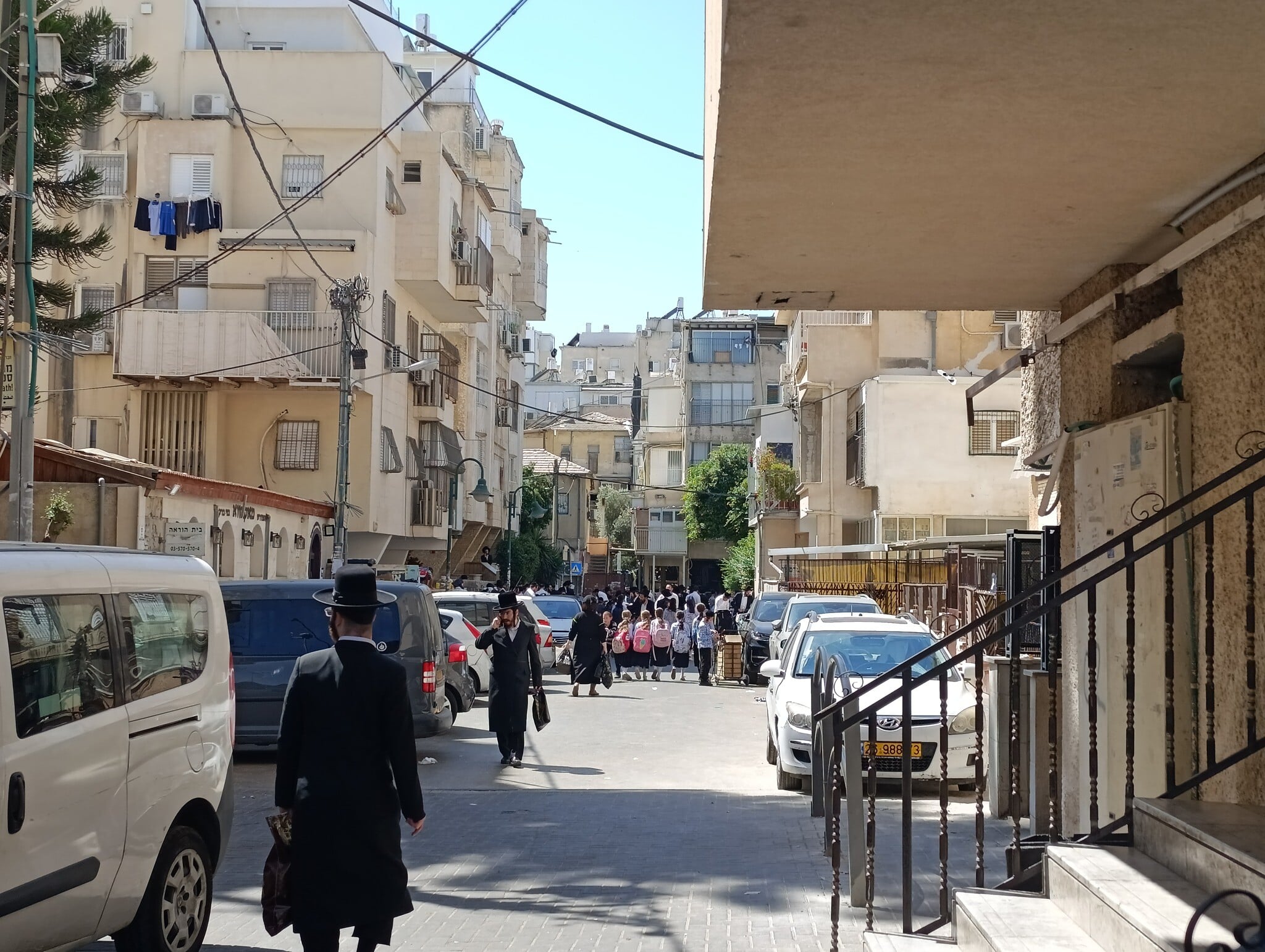
Today, with 230,000 residents packed into an administrative area of just 7.3 square kilometers (under 2.8 square miles), Bnei Brak has a population density of over 31,000 people per square kilometer (around 80,000+ per square mile), making it more than three times as dense as Tel Aviv and one of the most densely packed cities in the world, almost on par with Mumbai.
That means every new construction project in the city enables more families to move in, but effectively squeezes the infrastructure even tighter. It’s a factor that affects almost every major decision in the city.
Bnei Brak has the lowest rate of car ownership in Israel, with about a third of residents owning a vehicle compared to nearly 80% nationwide. Most Bnei Brak buildings have little or no parking, and public transportation is under constant strain, with buses struggling to crisscross the narrow streets. On the eve of major holidays, the crush can become so severe that the municipality closes some streets to private vehicles and gives priority to buses, Eichler said. But such creative solutions have done little to ease the pressure.
Changes rolling in
Meanwhile, a new public transportation system rolling through the city is starting to disrupt the status quo. The new Tel Aviv Light Rail that opened along Jabotinsky Road in 2023 now connects Bnei Brak easily with Ramat Gan, Tel Aviv and Petah Tikva. That means the Haredi capital of Israel is now an easy 15- to 20-minute ride from the country’s economic and cultural centers in Tel Aviv.
“Usage of the light rail here is only increasing,” said Doron Ben Arbon, a real estate agent in Bnei Brak. “It’s created a transportation artery that makes Bnei Brak an attractive option for companies, because office space here is cheaper than in Tel Aviv.”
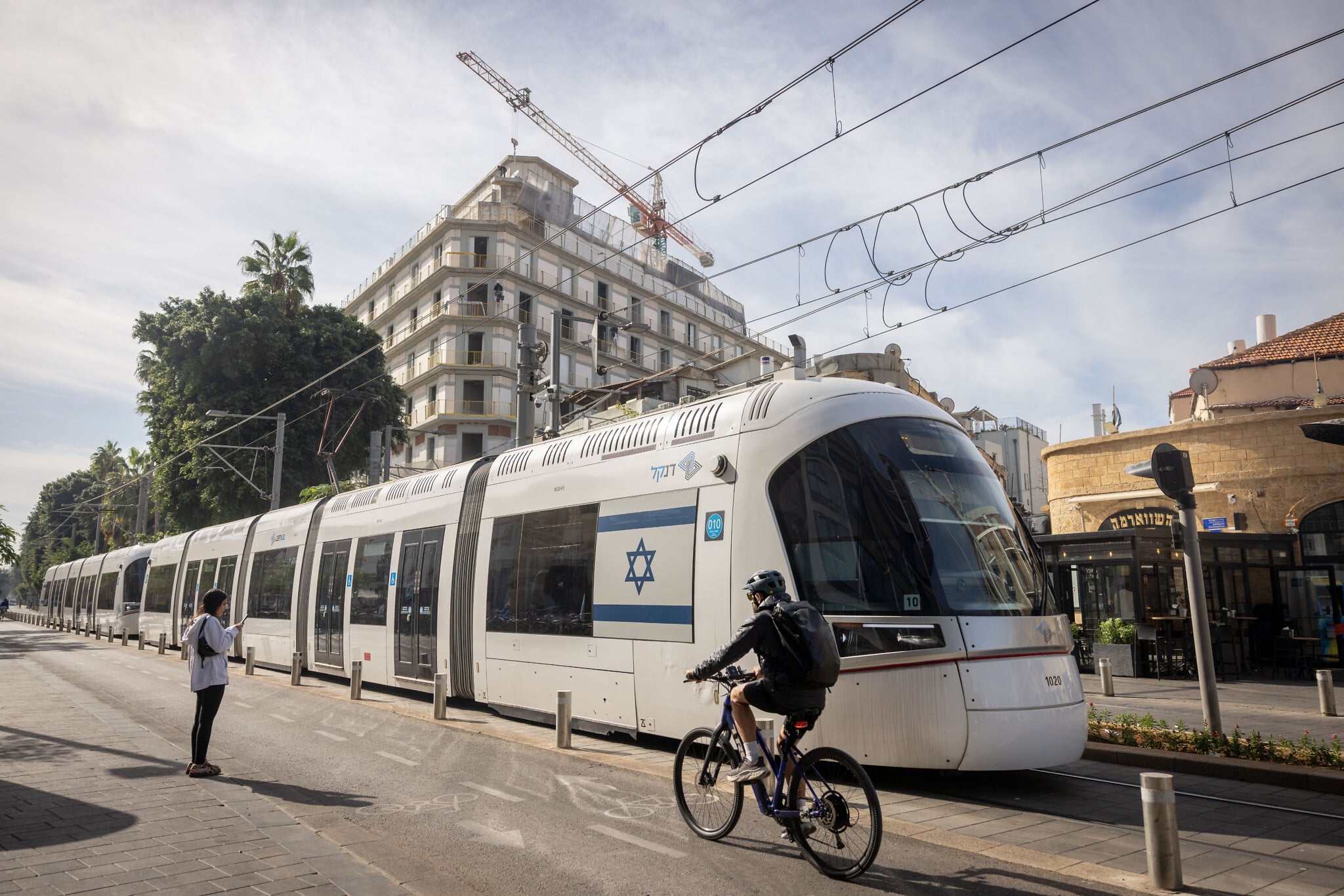
The city remains about 90% Haredi, according to local estimates. Downtown Bnei Brak, where most streets are closed on Shabbat, is essentially 100% ultra-Orthodox, while the northern neighborhood of Pardes Katz is about 60-70% Haredi, Ben Arbon said.
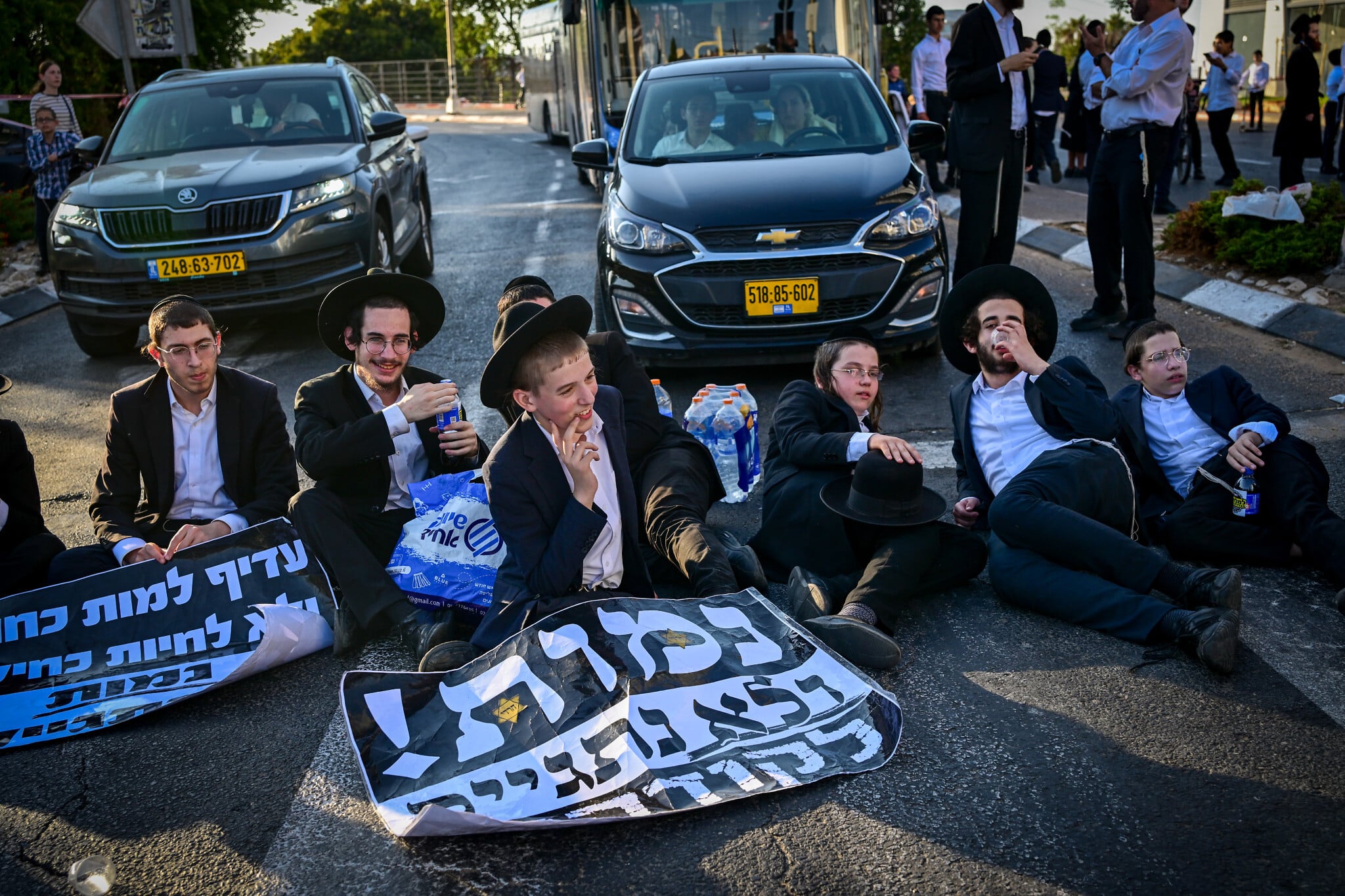
The new Writers’ Complex neighborhood, which opened within the past two years, has a tiny population of secular residents who got a good deal through the Mechir Lamishtaken program, a government-subsidized lottery for discounted apartments. That neighborhood, otherwise overwhelmingly Haredi, has been the site of bitter clashes over public Shabbat observance.
Nonetheless, with easy transportation on the light rail, a number of high-tech companies and law offices have moved or opened offices in Bnei Brak in the last few years, particularly in the Bnei Brak Business Center (BBC) hub in the northern part of the city, Ben Arbon said. With commercial rental prices that can be 40-50% less than in the heart of Tel Aviv, employment options are rapidly opening up in the city with one of the lowest employment rates in the country.
“This is creating a lot of opportunities here and enhancing the city’s position from a business perspective,” Ben Arbon said.
It’s also creating changes on the municipal level. The rapid expansion of the commercial office space market has created a lucrative property tax stream that subsidizes many of the city’s operations, thanks to a model first conceived by then-mayor Mordechai Karelitz in the 1990s to save the city from its chronic deficits. While residential property tax (Arnona) yields minimal income, largely due to widespread social exemptions for low-income households, the city’s commercial space is taxed at some of the highest rates in Israel, Ben Arbon explained.
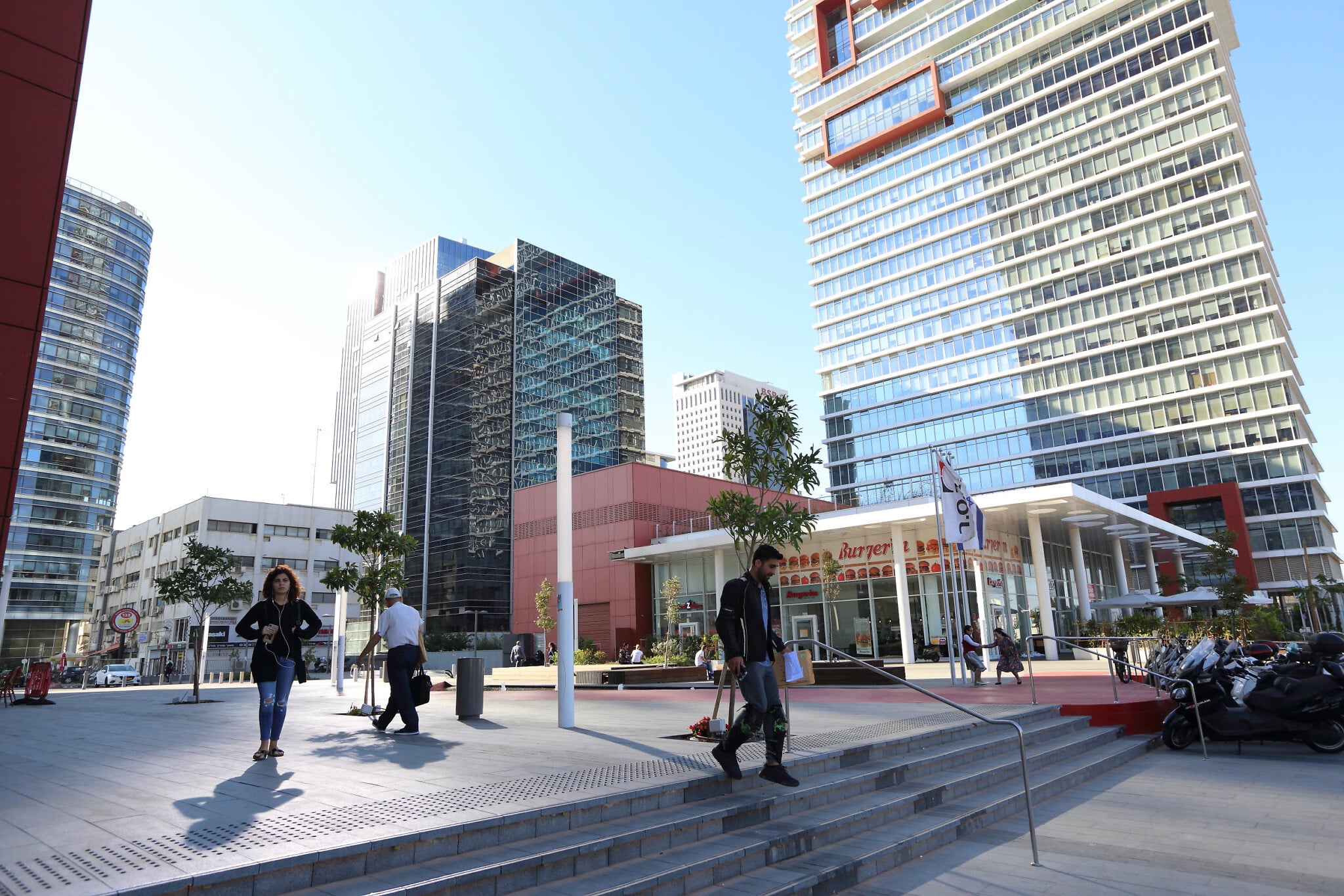
The success of the BBC and the launch of the light rail have revitalized city budgets, even if the municipality still struggles to cover its massive costs for social services, religious institutions, and maintenance, noted Natan Schwartz, CEO of Nesher Real Estate.
Buying into the community
For most Bnei Brak residents, however, employment and transportation aren’t the most pressing concerns when choosing an apartment. It’s who lives nearby.
“If someone belongs to a specific religious community and wants to send their children to its school in that community, he must buy an apartment here,” said Schwartz. “It doesn’t matter how much it costs him.”
A buyer who belongs to a particular Hasidic community, for example, may have only a handful of neighborhoods in which it is practical to live, Schwartz noted. Haredim in Lithuanian communities have a bit more flexibility, but strong family ties have to be taken into consideration as well.
Parents and in-laws frequently play an active role in helping young couples purchase homes, sometimes providing financing or serving as additional borrowers on mortgages.
“You’re not just buying an apartment,” Schwartz said. “You’re buying a family.”
Because its population tends to be less wealthy than other cities, homes in Bnei Brak are relatively inexpensive, agents said. A 100-square-meter, four-room new apartment in Bnei Brak typically costs around NIS 3 million ($1 million). That’s roughly NIS 30,000 per square meter — far below comparable new apartments in some parts of neighboring Tel Aviv.
But Haredi families tend to be large, so they have to make every square meter count. It’s not uncommon to see families with eight to 10 kids living in a three- or four-bedroom apartment, Schwartz noted.
“A four-story building in Bnei Brak might have as many people as a 10-story building in Herzliya, where families are much smaller,” he said. “Homes here are smaller, but there is a big premium on space.”
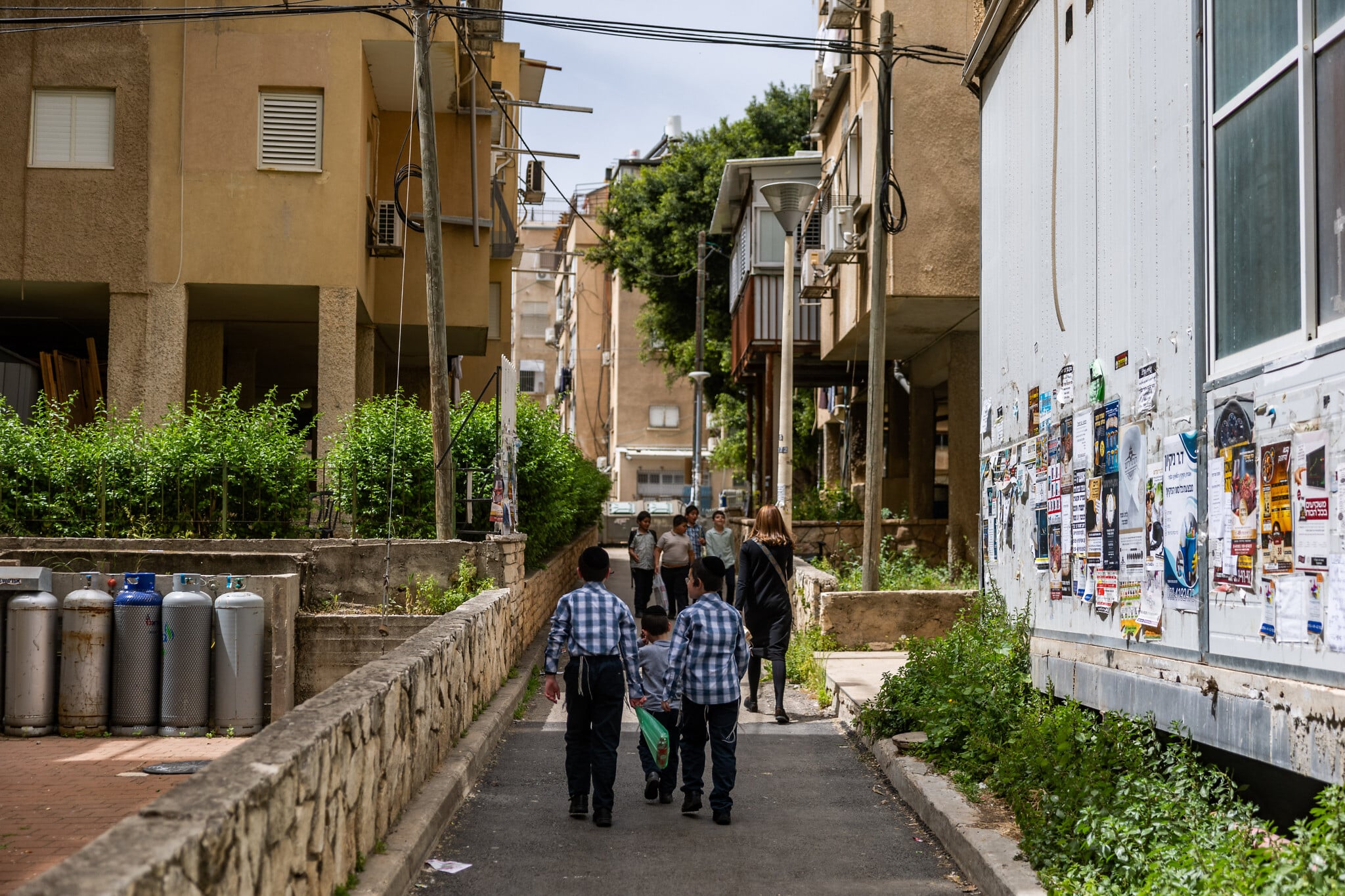
Other religious issues, including restrictions for Shabbat and festivals, complicate the housing market as well.
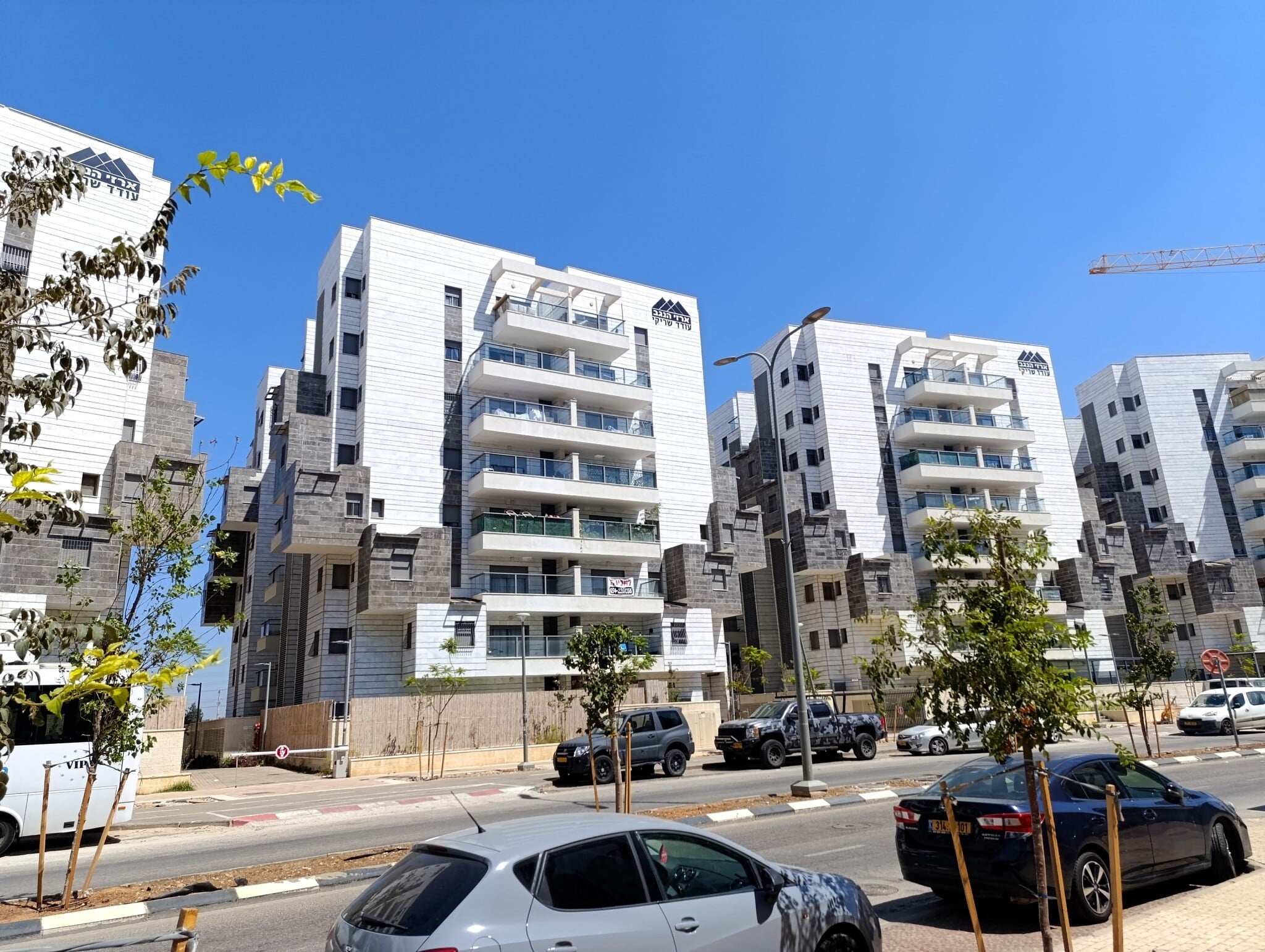
While the trend in most Israeli cities is for developers to build increasingly tall skyscrapers, in Bnei Brak, it’s the opposite. New residential buildings in most neighborhoods are typically capped at five or six floors, due to local building codes that take a strict view of Shabbat restrictions into account.
In many Orthodox communities around the world, Shabbat elevators — equipped with a special mode that allows passengers to ride without pressing any buttons — allow observant Jews to travel easily between floors in high-rise apartment buildings and hotels. However, this halachic innovation has been rejected by Bnei Brak’s leading Haredi rabbinical authorities.
In practice, this means buildings can only be as tall as residents would be willing to schlep up the stairs with their kids. It also means that, in contrast to most other places in the world, lower-level apartments are considered more desirable than higher-level ones, with the convenience of easy Shabbat access outweighing the value of panoramic window views.
“There is some pressure from developers on the rabbis to allow Shabbat elevators so they can build taller buildings with more units,” Schwartz said. “Will it ever change? I don’t know, but I personally hope it doesn’t. It would make the city even more crowded.”
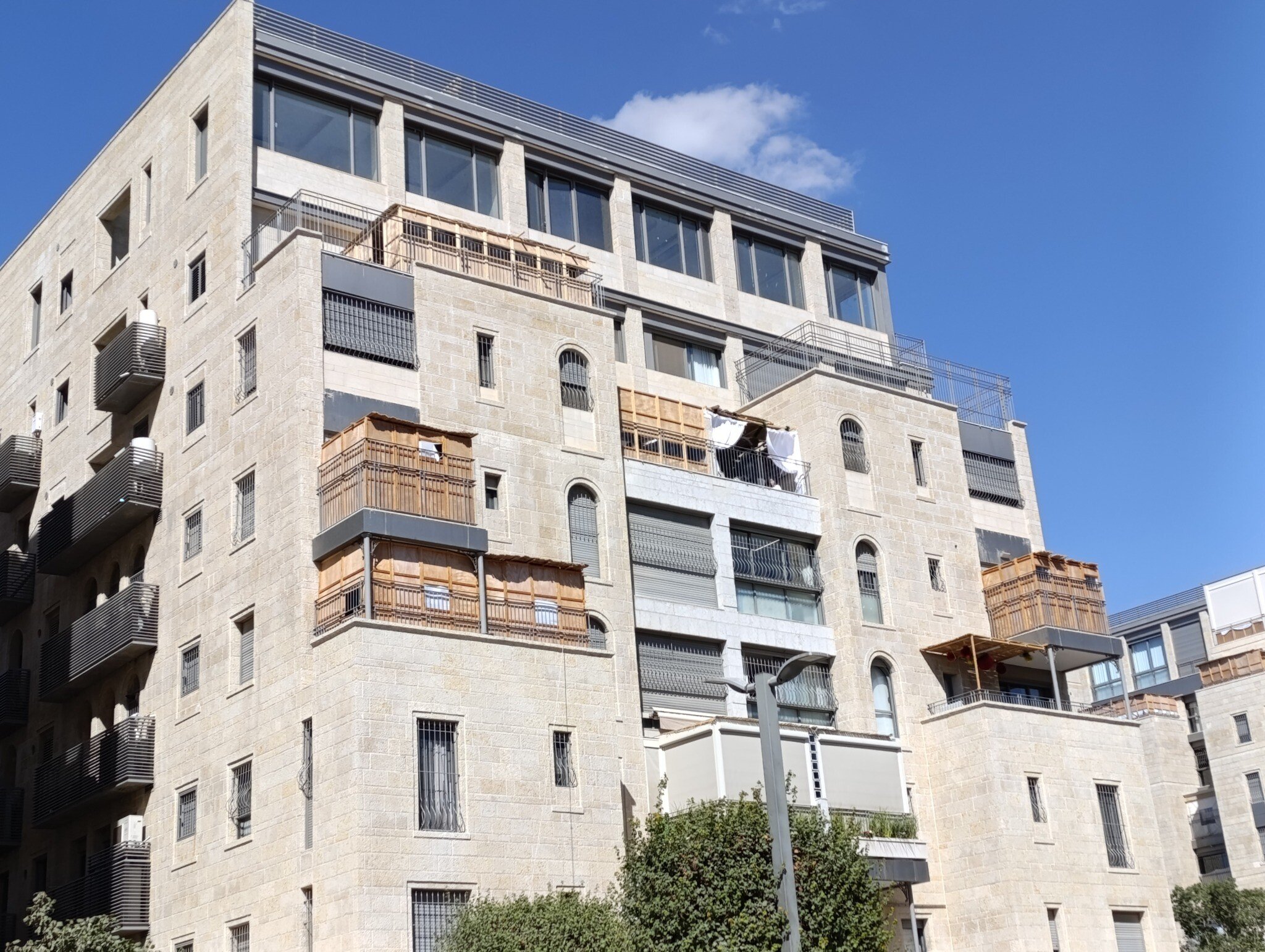
Also limiting building heights is a requirement that every apartment has a sukkah balcony.
The laws of the seven-day holiday of Sukkot require that Jews eat and sleep in a sukkah booth that is directly exposed to the sky, with no interference between its s’chach roof and the heavens. Attaching a balcony to every apartment adds a fascinating level of architectural creativity and complexity to every building.
“The location of the sukkah is the first thing a potential buyer checks when checking out a property,” Schwartz said. A sukkah balcony off the dining room is prized; one accessible only through a bedroom is less desirable.
All of these limitations and nuances can make the city a difficult place for outsiders to understand. But for those who make their homes here, such limitations are what make it a real estate market that can’t easily be replaced, even as more Haredi cities and neighborhoods pop up around the country.
“Bnei Brak is not for everyone,” Eichler said. “But for the people who want to live here, there is no alternative.”

The Times of Israel Community.