

In new Bnei Brak neighborhood, religious-secular tensions escalate over Shabbat driving
Residents say conflict over driving on day of rest becoming increasingly dangerous, weeks after 3-year-old girl hit and lightly injured by car during clashes
 Add ToI as a Preferred Source on Google
Zev Stub is the Times of Israel's Diaspora Affairs correspondent.
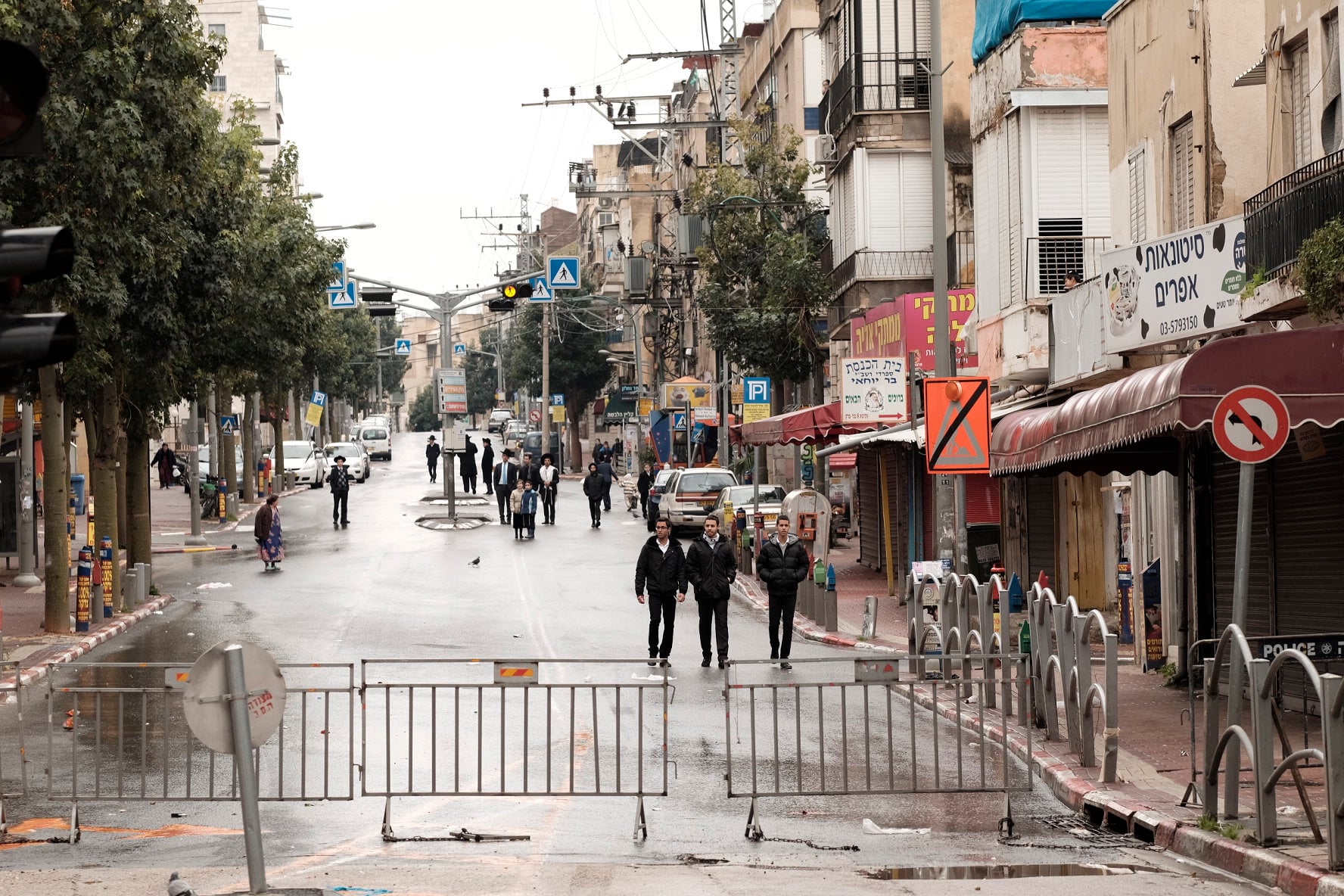
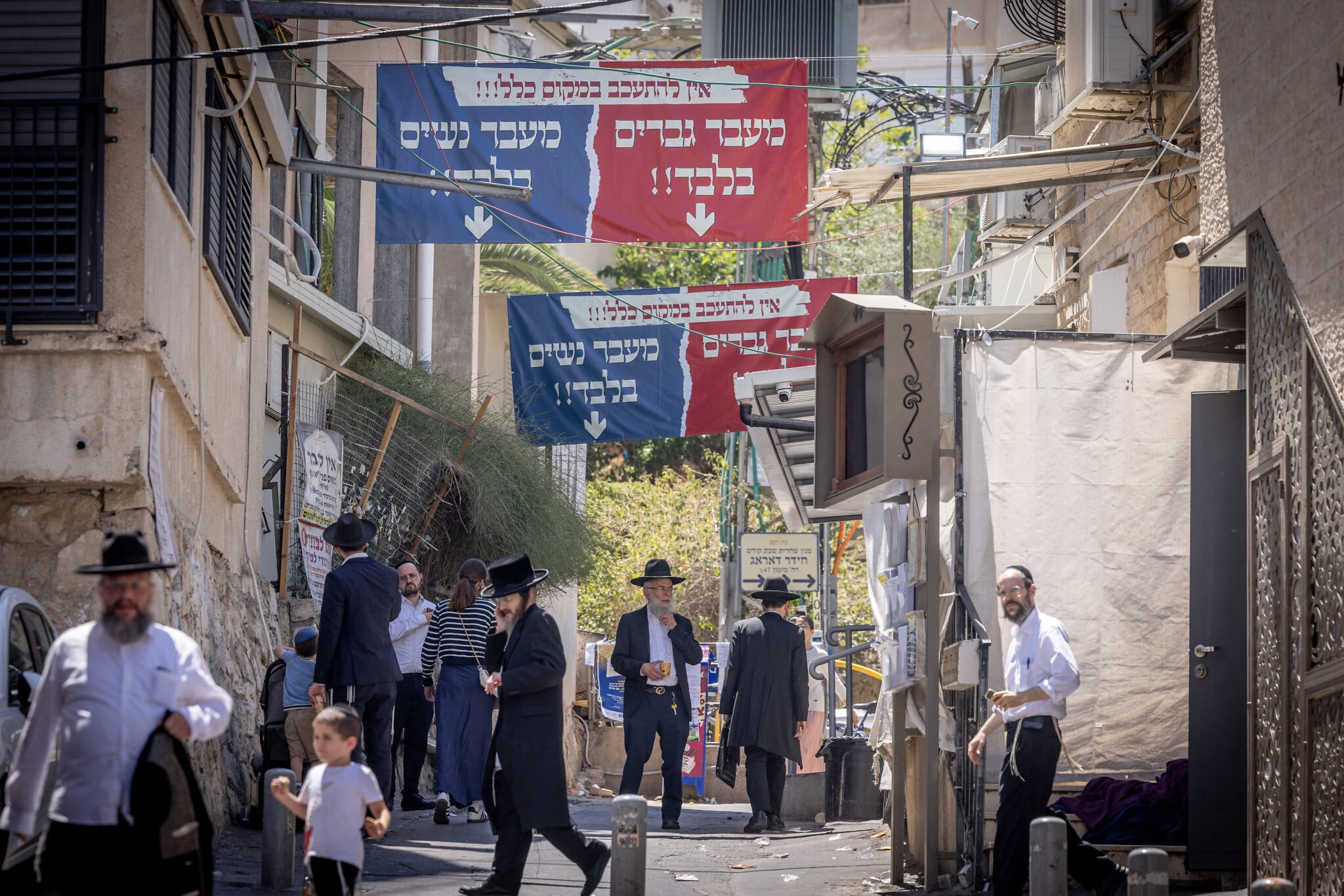
BNEI BRAK, central Israel — Even on a weekday, tensions are high in a Bnei Brak neighborhood over the Shabbat protests that have divided the city.
“The zealots here are complete vandals and barbarians,” a woman in the city’s Writers’ Complex neighborhood scowled during a Wednesday afternoon visit to the area. “They spit on my daughter — it’s terrible.”
Ongoing localized disputes over the character of the neighborhood became a national flashpoint in recent weeks when the municipality decided to block off a nearby bridge during Shabbat “to preserve the neighborhood’s character.”
Police declared the closure unlawful and removed the barricades, triggering pushback from local ultra-Orthodox activists and massive street demonstrations intended to physically block the path of passing vehicles.
Things came to a head during Friday night demonstrations two weeks ago, when a driver in a vehicle sped through a crowd of protesters and hit a 3-year-old girl on the street. The girl was slightly injured and has since recovered, but the incident left city officials and residents desperate for a quick and peaceful resolution.
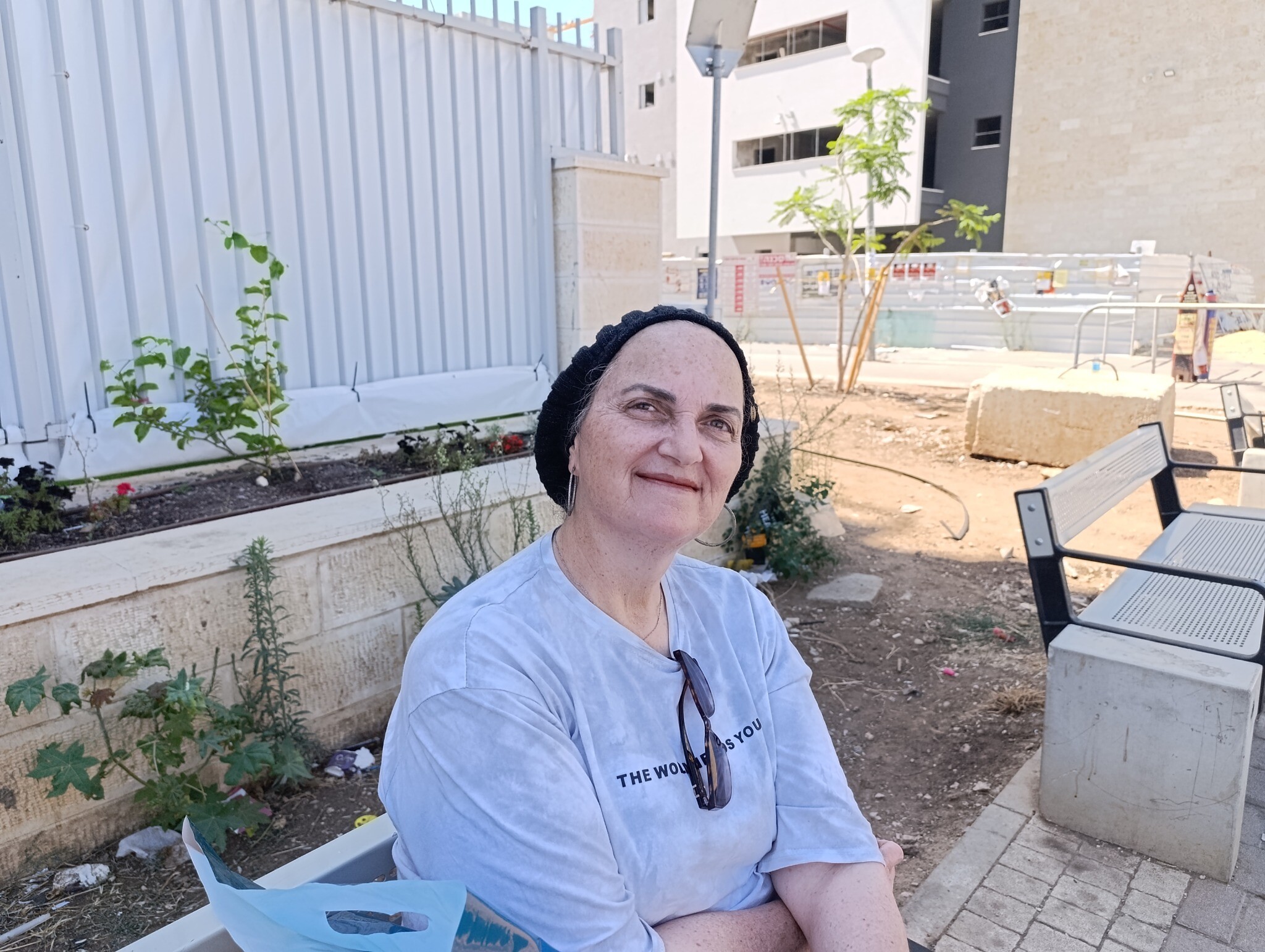
“It’s become total chaos,” said Bracha, a resident of the neighborhood sitting on a bench near the corner where the girl was hit. “And it’s getting scarier and scarier.”

A complicated deal
The first seeds of the clash between Haredi Orthodox and secular residents of the Writers’ Complex neighborhood were planted before any of them had even moved in two years ago.
The development was originally marketed as a new ultra-Orthodox community in northern Bnei Brak, a city east of Tel Aviv that is widely recognized as the unofficial capital of Haredi Jewry. However, land laws required some of the apartments to be sold to the general public through Mechir Lamishtaken, a government-subsidized lottery for discounted apartments. In the end, secular applicants won the rights to buy about 10% of the units.
For those who won, the opportunity was exceptional, said Natan Schwartz, CEO of Nesher Real Estate, which specializes in Bnei Brak properties.
“It’s in the center of the country, with employment opportunities, hospitals, universities, a light rail, and access to everything,” Schwartz said. “Apartments are NIS 1 million [about $330,000] less than in Tel Aviv across the road. No one would turn down a deal this great in such a strategic area.”
But as the buyers soon learned, there were strings attached.
Disrupting the neighborhood
The first residents of the new development started moving in about two years ago. Some months later, the first protests started, said Bracha.
“Most people in this neighborhood get along fine,” she said, pointing to a complex with several small synagogues lined up next to each other. “But the rabbi of one of the Hasidic sects has been promoting very extremist ideas, and his students would be out protesting every week. They want the secular people out of here.”
Residents insist that these extremists represent only a tiny portion of the Writers’ Complex’s Haredi population. Some described their protests as a relatively minor nuisance that doesn’t affect their lives. Others, including one woman who declined to give her name, charged that they are “ruining the neighborhood.”
Bracha, who called herself “Haredi but liberal,” said the protesters are creating chaos in the neighborhood and called for greater tolerance on all sides.
“There are signs around the neighborhood saying not to drive on Shabbat, but people do drive here,” she said. “There are secular people in my building, but I don’t mind. They are quiet and respectful, and they want to drive. We can all live in peace.”
Provocation and disrespect
Aviva, another woman living nearby, disagreed.
“At the end of the day, we are all brothers here, but the people who live here need to understand that this is a Haredi neighborhood,” she said. “This is a place that observes Shabbat. If you want to violate Shabbat within the walls of your home, that’s your decision, but doing so publicly is a provocation to the community.”
There have been other clashes in Bnei Brak, Aviva noted, and most of the city is now closed to traffic on Shabbat. But the incident several weeks ago, where a secular driver sped through a crowd of protesters and hit a young girl, “shocked me and hurt me deeply,” she said.
“They just drove back and forth on purpose through the crowd and then sped away,” she said. “It hurts to see this whole situation, because it’s possible to live in peace with both sides respecting each other, but with the way they’re behaving now, it’s very difficult.”
Following the incident, the driver was detained and removed from the scene, while the girl was brought to the hospital and has since recovered. The driver testified that he did not intend to hurt anyone, and that the large crowd surrounding his vehicle caused him to panic and hit the gas. Police are still investigating the matter.
Which way forward?
The stage was set when, shortly before Shabbat began, the Bnei Brak Municipality ordered dumpsters and other objects to block the entrance to the Moshe Yehuda Leib bridge at the entrance to the neighborhood to minimize through-traffic on Shabbat. An alternative entrance was left open, but residents were enraged by a move that some said left them feeling trapped in their own neighborhood.
“You can continue straight, and there’s another exit a bit further down,” Bracha said. “But still, the situation is a shame, and we should try to live in peace.”
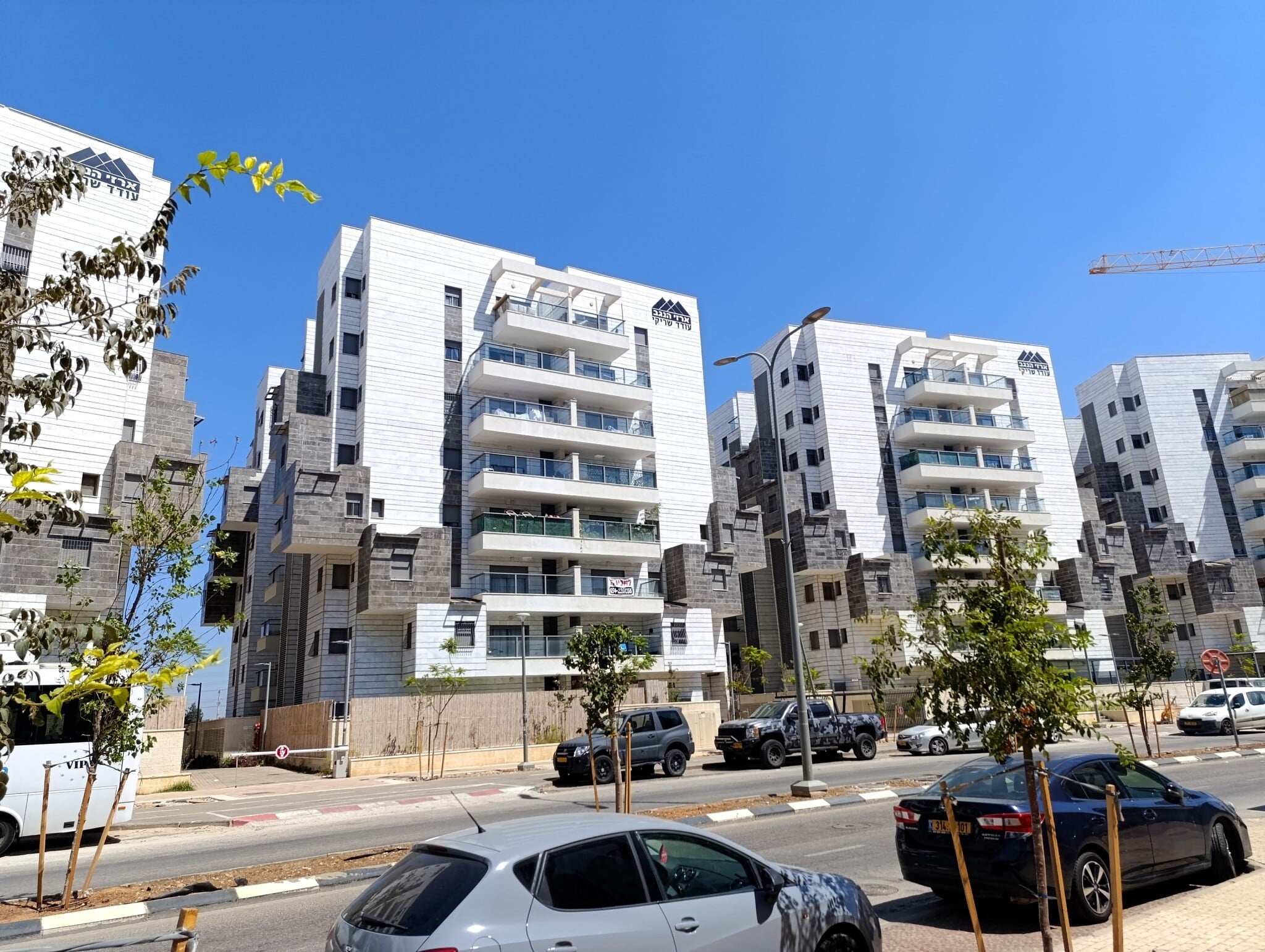
The Writers’ Complex is a community still under development, both physically and religiously. Construction cranes and building debris are everywhere, and little else exists besides apartment buildings and makeshift synagogues. Residents have to travel outside the neighborhood to buy groceries, and the most visible non-Haredim on the streets during the week are construction workers and electricians building additional housing units.
At this point, it is not clear how the conflict will be resolved. With police and city officials working to find a solution, the municipality will likely be barred from putting up blockades during Shabbat and the upcoming holidays — potentially paving the way for further confrontations.
Whatever the short-term solution, some in the community believe they already know how it will resolve over the long term.
“According to the rules of the Mechir Lamishtaken lottery, you can’t sell your apartment for the first three years after you move in,” said real estate agent Schwartz. “I think in a year or so, most of the [secular residents] will take a nice profit and sell.”





The Times of Israel Community.