

Netanyahu’s diplomatic and military miscalculations have helped make Israel an international pariah
The prime minister’s stealth trip to New York reveals the gulf between his self-image and reality, exposing a squandered legacy that underlines the urgent need for a state inquiry

 Add ToI as a Preferred Source on Google
Shalom Yerushalmi is the political analyst for Zman Israel, The Times of Israel’s Hebrew current affairs website
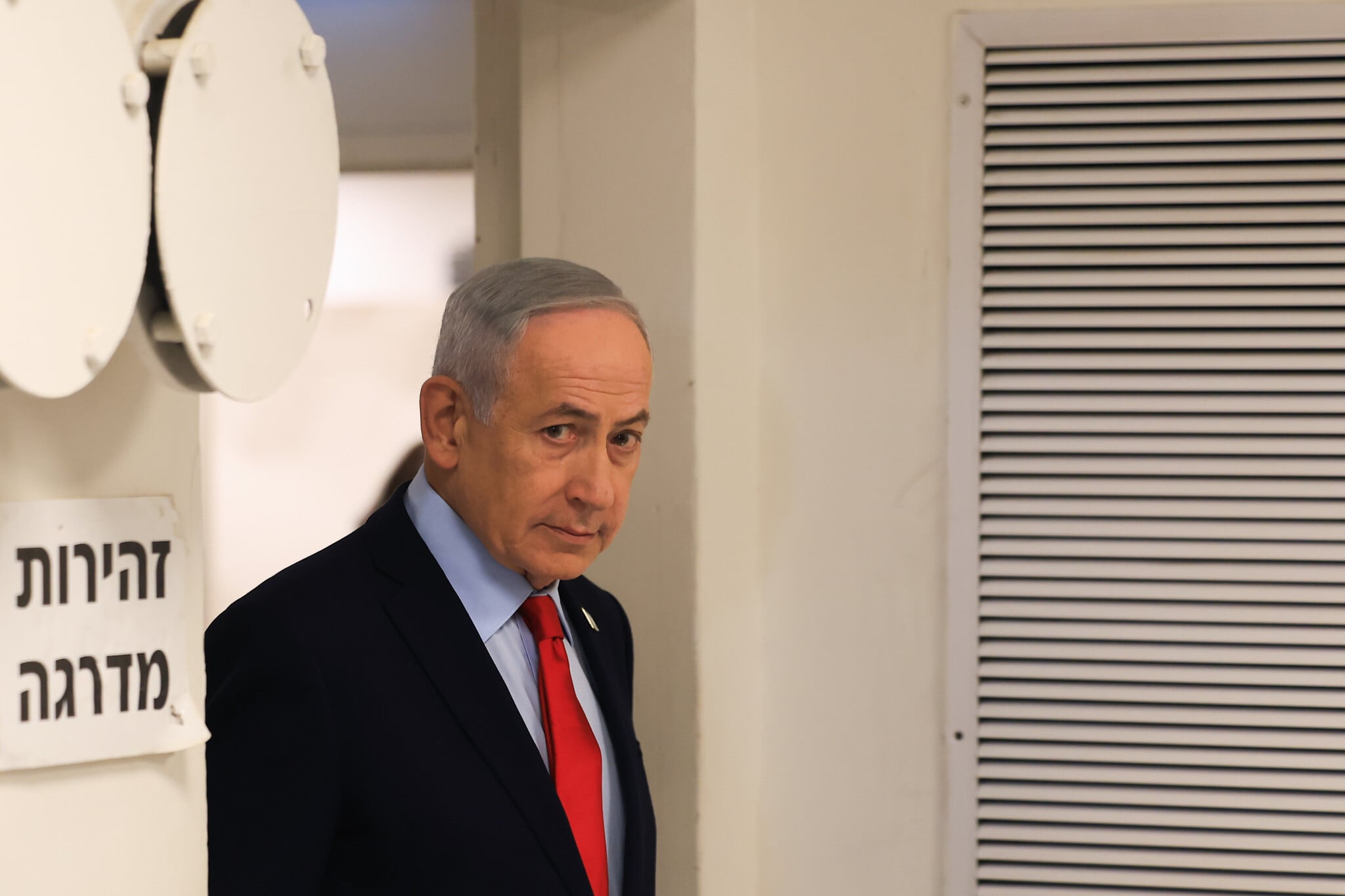
During his first term as prime minister in 1996, Benjamin Netanyahu embarked on a high-stakes tour of the United States. Then-US president Bill Clinton, angry with Netanyahu over his diplomatic intransigence, avoided meeting with him.
Undeterred, Netanyahu traveled around the country with his wife and young children, holding court with pro-Israel artists, various politicians, and senators and members of Congress from both parties. He also delivered an impressive speech at the AIPAC conference, which was held that year in Indianapolis. Eventually, he landed in New York, from where he was scheduled to return to Israel.
Then came a sudden plot twist. Clinton relented, called, and invited Netanyahu to the White House. Netanyahu was delighted. When the elevator doors opened at the hotel where we were both staying, he spotted me and called out cheerfully, “We’re going to Washington!”
And so we did: We reporters flew with him to Washington for a somewhat frosty meeting with the American president.
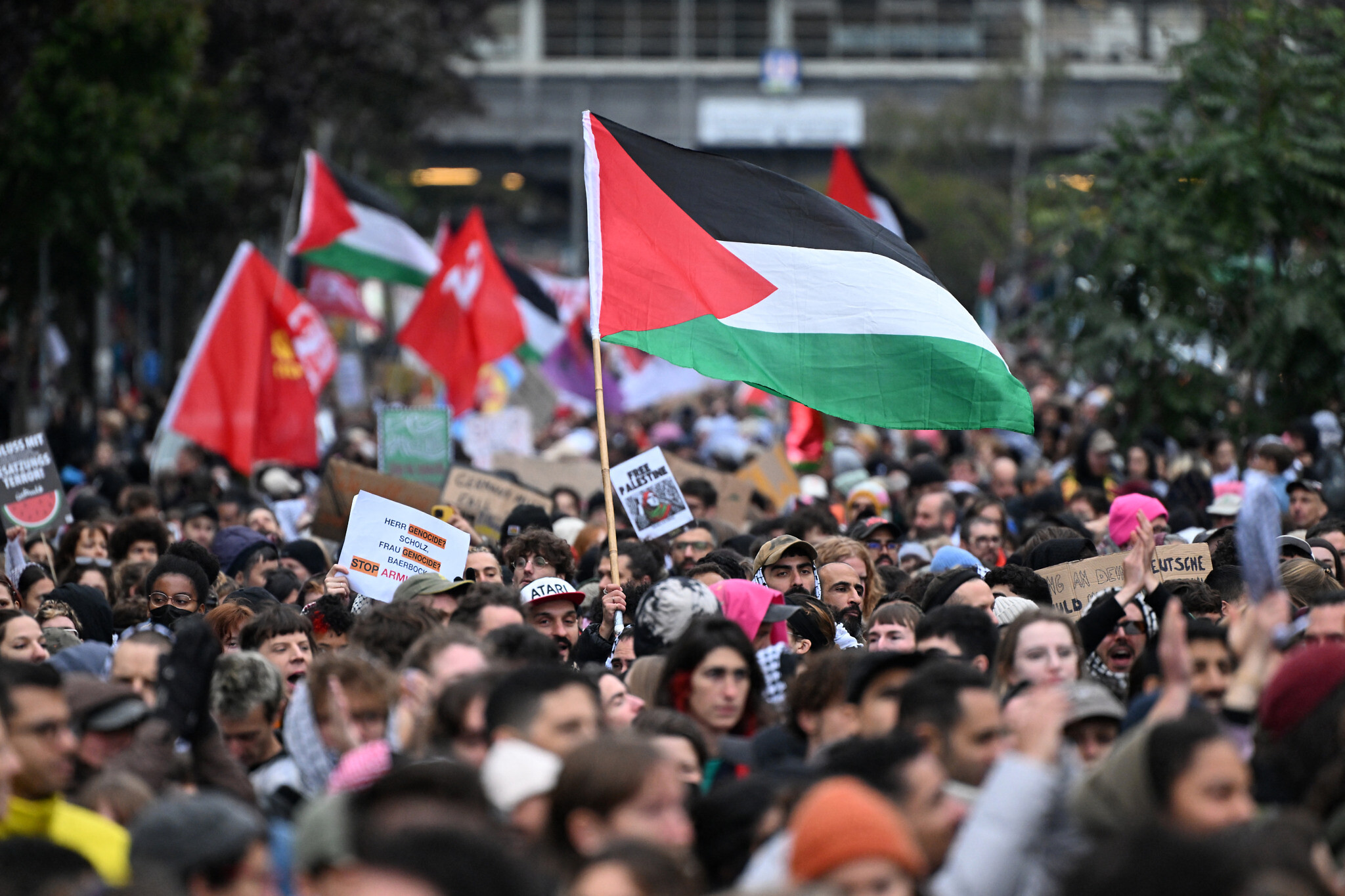
The stark difference between that triumphant trip and the extremely brief, stealthy visit Netanyahu is embarking upon on this week, is painfully obvious. Back then, Netanyahu had admittedly fallen out with Clinton, but in New York — his absolute favorite city in America — he was always treated like a king. Entire avenues were completely shut down when he passed through with his entourage, and crowds lined the roads, cheering the convoy flying Israeli flags.
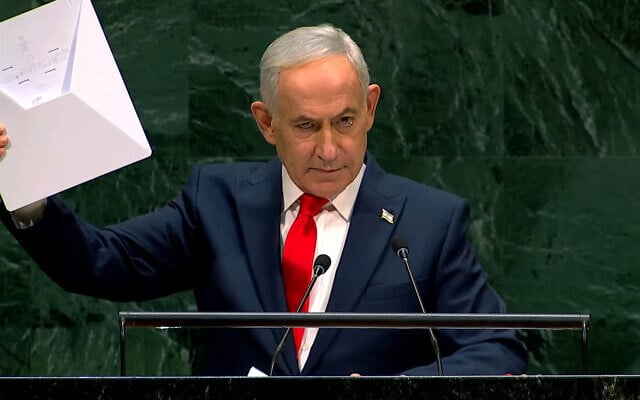
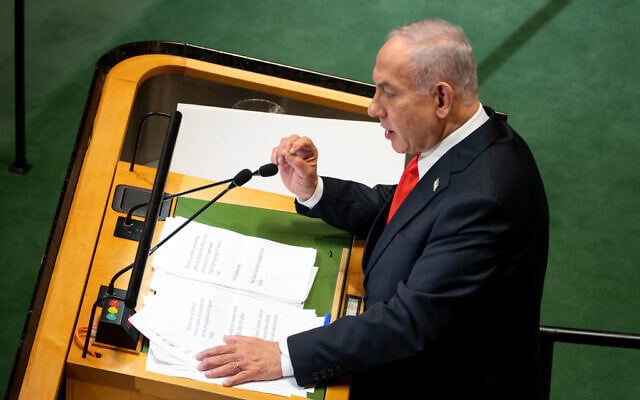
On Thursday, Netanyahu will arrive in New York almost furtively, aboard the official state aircraft “Wing of Zion,” which will not even dare land at JFK Airport to avoid security nightmares and massive pro-Palestinian demonstrations threatening to block the airport expressways. He will fly in without journalists accompanying him, for a visit of less than 24 hours to the city that matters to him more than any other in the world.
In normal times, Netanyahu would have happily stretched the visit until Sunday, going with his wife to a Broadway musical and dining at high-end restaurants with wealthy Jewish friends. Heads of state arriving for the UN General Assembly would line up down the hall to meet Netanyahu in his hotel suite. Among other things, they’d want to know how he had managed to remain in office for so many consecutive years, perhaps hoping for a political masterclass.

But nowadays Netanyahu does not dare spend a single night in New York for fear — unfounded as it may legally be — that he will be arrested.
Not a single word here is intended to justify the words and deeds of newly elected New York Mayor Zohran Mamdani, a democratic socialist and vocal pro-Palestinian, anti-Israel activist who previously introduced state legislation to strip tax-exempt status from charities operating in Israeli settlements. But the situation broadcasts something about Israel’s international standing, which has genuinely never been worse. And this time, that is not a mere figure of speech.
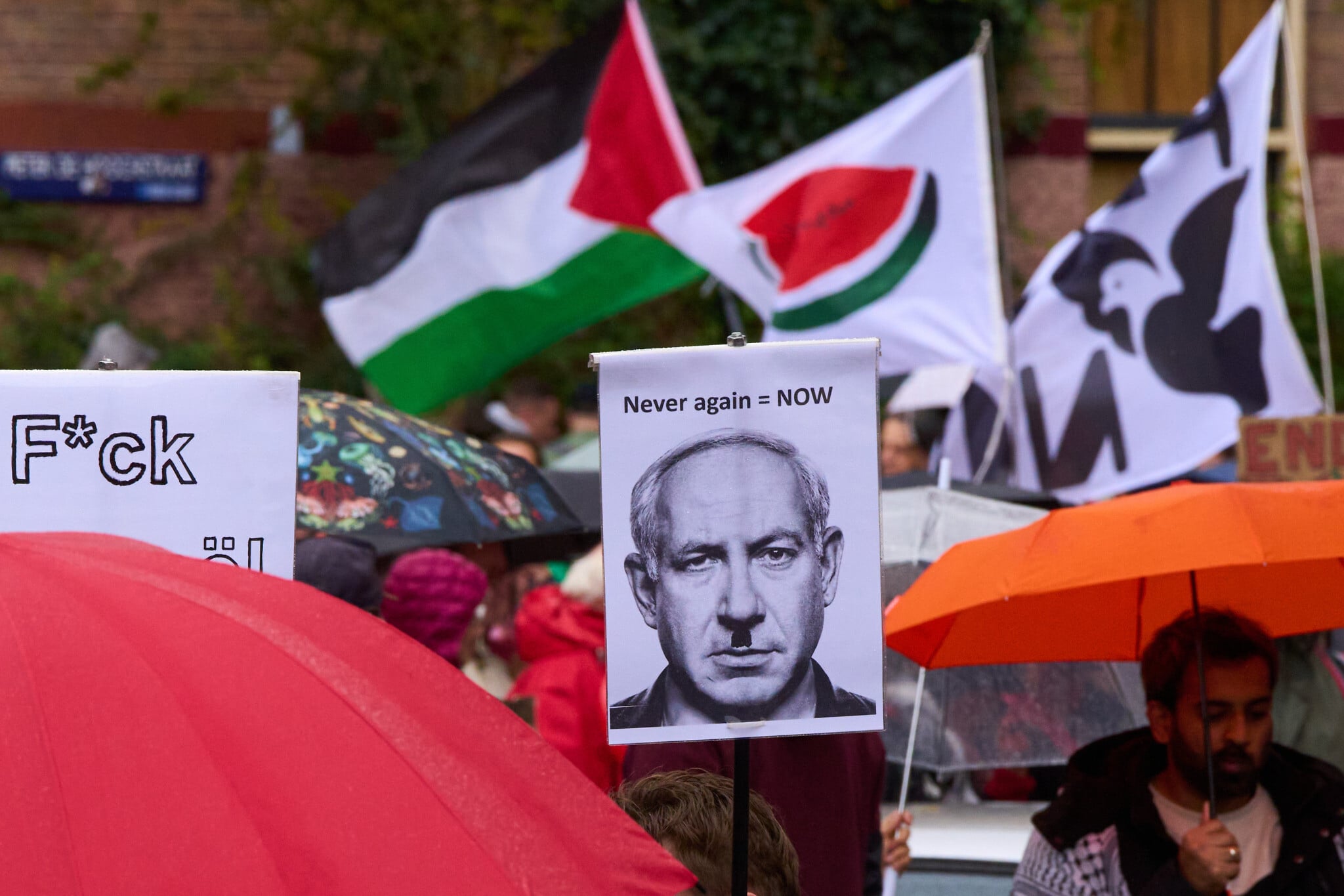
Around the world, Israel has become a toxic pariah, and the situation is not improving. Quite the opposite. The recent electoral surges of far-right parties like Alternative for Germany (AfD) and populist far-left factions in Germany are already being described by experts in Israel as “an immediate existential threat to the Jewish community and to Israelis in the country.”
The way Israel is currently treated is undeniably riddled with hypocrisy. In many global capitals, there is a distinct tendency to completely erase the events of Hamas’s October 7, 2023 massacre, framing the war and destruction in Gaza as the malicious, unprovoked work of the Israeli government and the IDF. Sadly, there are also fringe Israelis who actively help perpetuate this distorted picture.
And yet, a leader of true global stature — as Netanyahu sees himself, and as he is once again aggressively marketing himself as in this election campaign — should have taken the long-term international reaction into account.
After a generation in power, endless geopolitical study, and the vast diplomatic experience he has accumulated around the world, Netanyahu should have recognized the existential diplomatic battle being waged against Israel and planned the military and security campaign accordingly.
A leader explicitly asking voters to choose him because he is “in a different league” – a campaign slogan he has used for the past decade — should have capitalized on the overwhelming, unprecedented global support and enormous sympathy for Israel immediately after October 7, instead of rapidly squandering it.
With a forward-looking leader of broad vision, as Netanyahu claims to be, perhaps Israel would not have reached a disastrous situation in which diplomatic guns are being turned on it in every corner of the world, genuinely threatening the security of the state and of Diaspora Jews. There is no need to immediately leap to the defensive conclusion that the entire world is simply inherently antisemitic.
Israel’s military campaigns were historically always designed to be short, decisive, and fought on enemy territory. This core strategic doctrine — established by founding father David Ben-Gurion — was born out of a deep recognition that a small country reliant on a civilian reserve army is structurally incapable of fighting a permanent, endless war without collapsing its domestic economy and burning through its diplomatic credit.
Yet those who bravely called during 2024 for adhering to this doctrine by shortening the war and securing a hostage deal now find themselves publicly vilified. They have been forced onto the defensive, bullied into making apologies by Netanyahu’s aggressive “total victory” political machine — a slogan the prime minister weaponized to justify an endless conflict, appease his far-right partners, and brand any advocate for a diplomatic off-ramp as a defeatist.
But why, exactly? Israel would have spared hundreds of soldiers’ deaths and thousands of wounded, and perhaps would not have found itself facing an unprecedented, global antisemitic and anti-Israel campaign that places so much at absolute risk. Did anyone in the cabinet actually take that into account?
At the end of March 2024, hundreds of current and former air force pilots and aircrew signed a petition calling for the war to be stopped immediately. Those pilots accurately reflected the views of a large segment of the Israeli public at the time. But Netanyahu came down on them like a ton of bricks, and then-IDF chief of staff Herzi Halevi formally dismissed several dozens of them from active reserve service.
Netanyahu stubbornly insisted on continuing the war, in large part because he feared that far-right ministers Bezalel Smotrich and Itamar Ben Gvir would quit and collapse his government.
Those were the critical days when Israel reached a historic crossroads. Netanyahu believed its international situation would actually be worse if he stopped the war and secured the release of the hostages, only to be forced to resume the fighting later. Netanyahu was well aware of this critical pivot point.
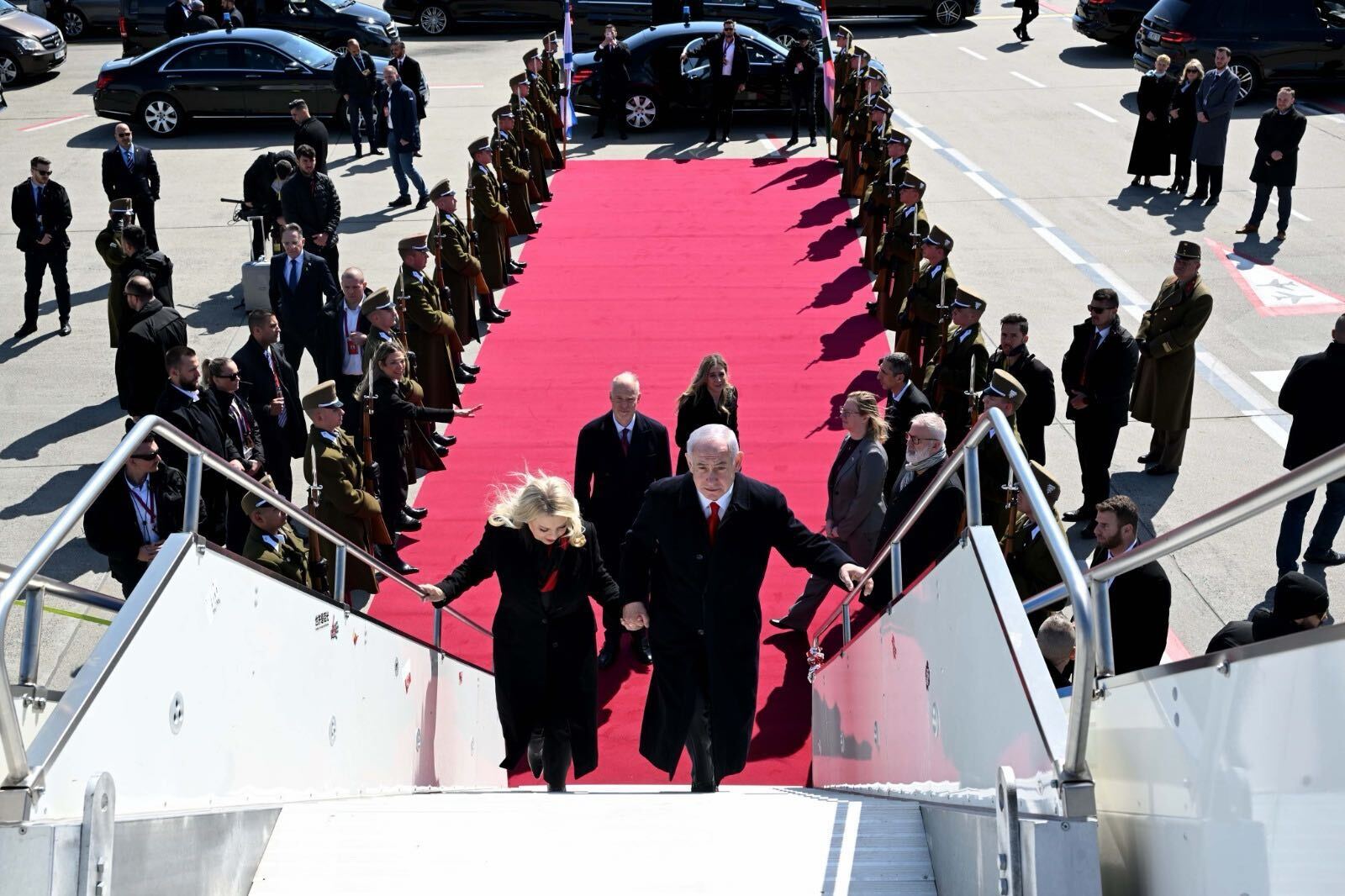
“We went in like a herd of elephants,” the prime minister told me candidly during a visit to Budapest in April 2025, from where he made a surprise trip to Washington. “The world was with us. Now the diplomatic wheel has turned against us because of the casualties in Gaza. The double pressure, diplomatic and military, is not working anymore.”
At the time, it was still possible to cut our losses. Today, that diplomatic wheel is running Israel over.
Netanyahu, a great diplomatic strategist in his own estimation, should have planned for a war that was as short and hyper-focused as possible. Instead, his war is still dragging on.
Defense Minister Israel Katz — known for his aggressive and bellicose rhetorical style — warned on Tuesday, after three full years of combat, about Hamas abducting soldiers and civilians. He simultaneously warned the entire region, “from Iran to Erdogan,” that Israel would destroy Gaza City and push its million residents southward, sounding exactly as though this were October 2023, rather than October 2026.
A state commission of inquiry is necessary to investigate the failings and miscalculations that led to the Hamas massacre on October 7. But an inquiry must also deeply investigate Netanyahu’s diplomatic miscalculation, its root causes, and its tragic evolution — from the early days when the whole world stood with us, to today’s diplomatic tsunami.
How on earth did we plummet from president Joe Biden flying to Israel immediately after the massacre and warning countries in the region not to open a new front, to Netanyahu slipping furtively through the corridors of the UN before fleeing quickly? He is practically being driven out by Democrats and Republicans alike, without even securing a meeting with President Donald Trump, who was right there in New York addressing the General Assembly on Tuesday.







The Times of Israel Community.