

Rebutting ‘NAZA,’ freed hostage says he knows what it’s like ‘to be collateral damage’
Writing in WSJ, Omer Shem Tov says he witnessed IDF attempts to minimize civilian casualties while he was held captive by Hamas, which ‘left hostages like me waiting longer’
 Add ToI as a Preferred Source on Google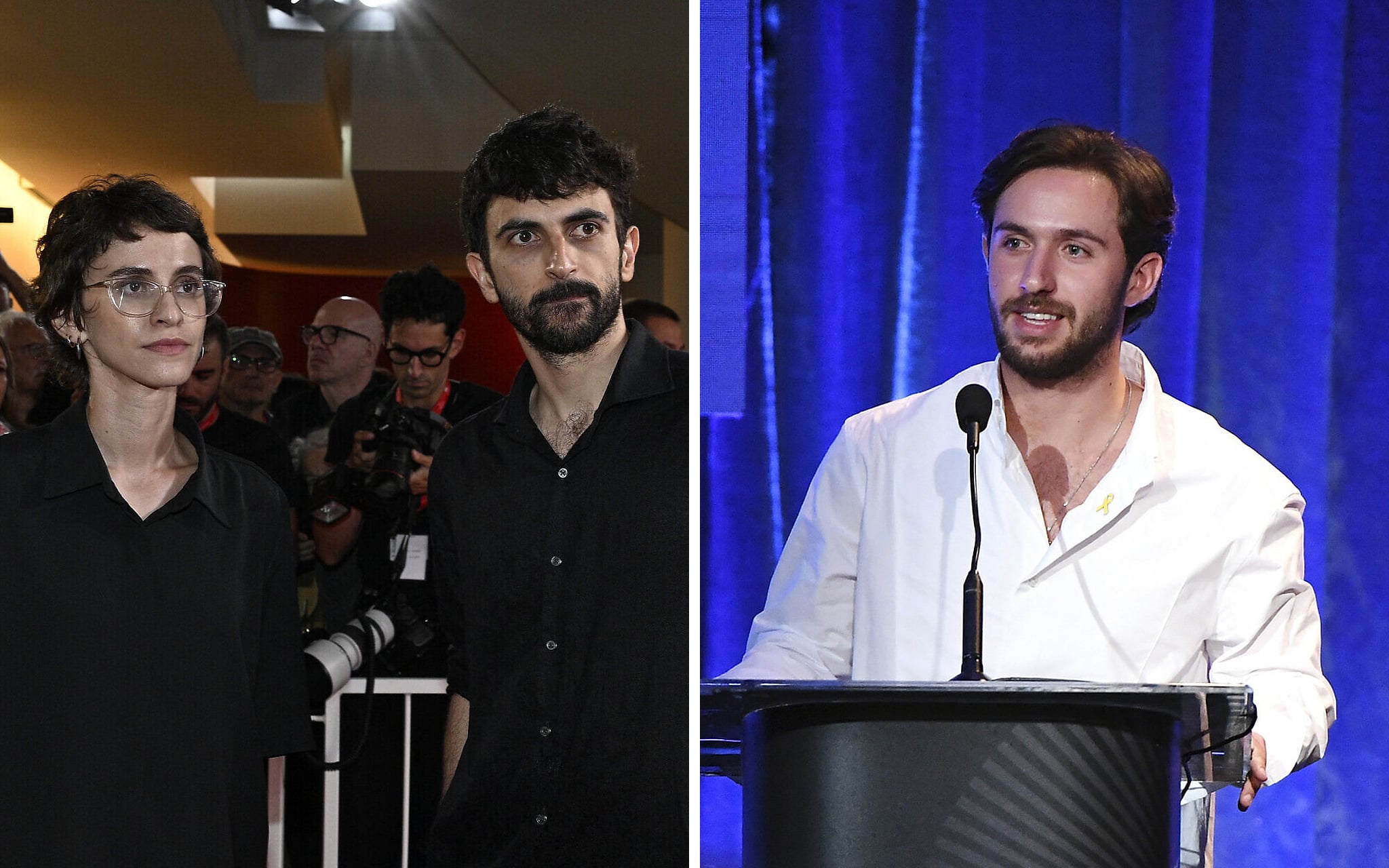
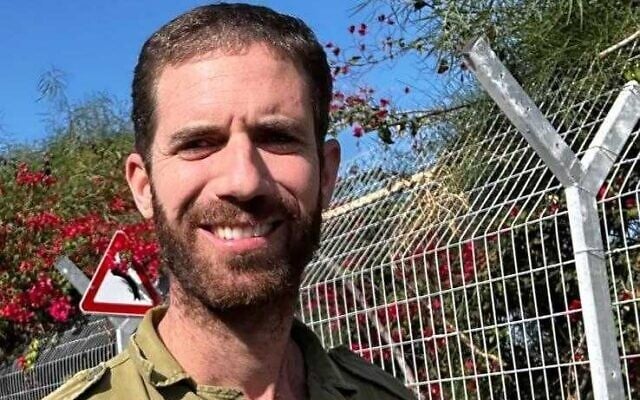
Freed Israeli hostage Omer Shem Tov pushed back against the controversial “NAZA” documentary about civilian deaths in Gaza, in an op-ed published Tuesday based on his own experience being held captive by terrorists in the Strip.
Writing in The Wall Street Journal, Shem Tov — who was freed from Hamas captivity in February 2025 after 505 days in Gaza — said that he knows “what it is like to be collateral damage.”
“NAZA” — a documentary made by two Israeli filmmakers that premiered two weeks ago at the Venice Film Festival and won a prize there — accuses the IDF of using AI to carry out strikes in Gaza that led to mass civilian deaths. NAZA is the Hebrew acronym used in the military for collateral damage.
The film has sparked fierce backlash from Israeli officials, most of whom have admitted to not having seen the documentary since it is not yet widely available. The IDF said it “categorically rejects” allegations made in the documentary and criticized the use of anonymous testimonies in the film, which was based on interviews with 24 purported anonymous Israeli military intelligence figures.
“There was much to fear in captivity. Hunger. My captors. Never seeing my family again. But I also feared the Israeli air force. The Israeli pilots overhead had no idea where I was,” Shem Tov wrote in the WSJ.
“Sometimes when my captors expected an Israeli attack was coming, they fled and left me behind. If an Israeli bomb killed me, Hamas would win twice: I would be dead, and Israel would be responsible,” he continued.
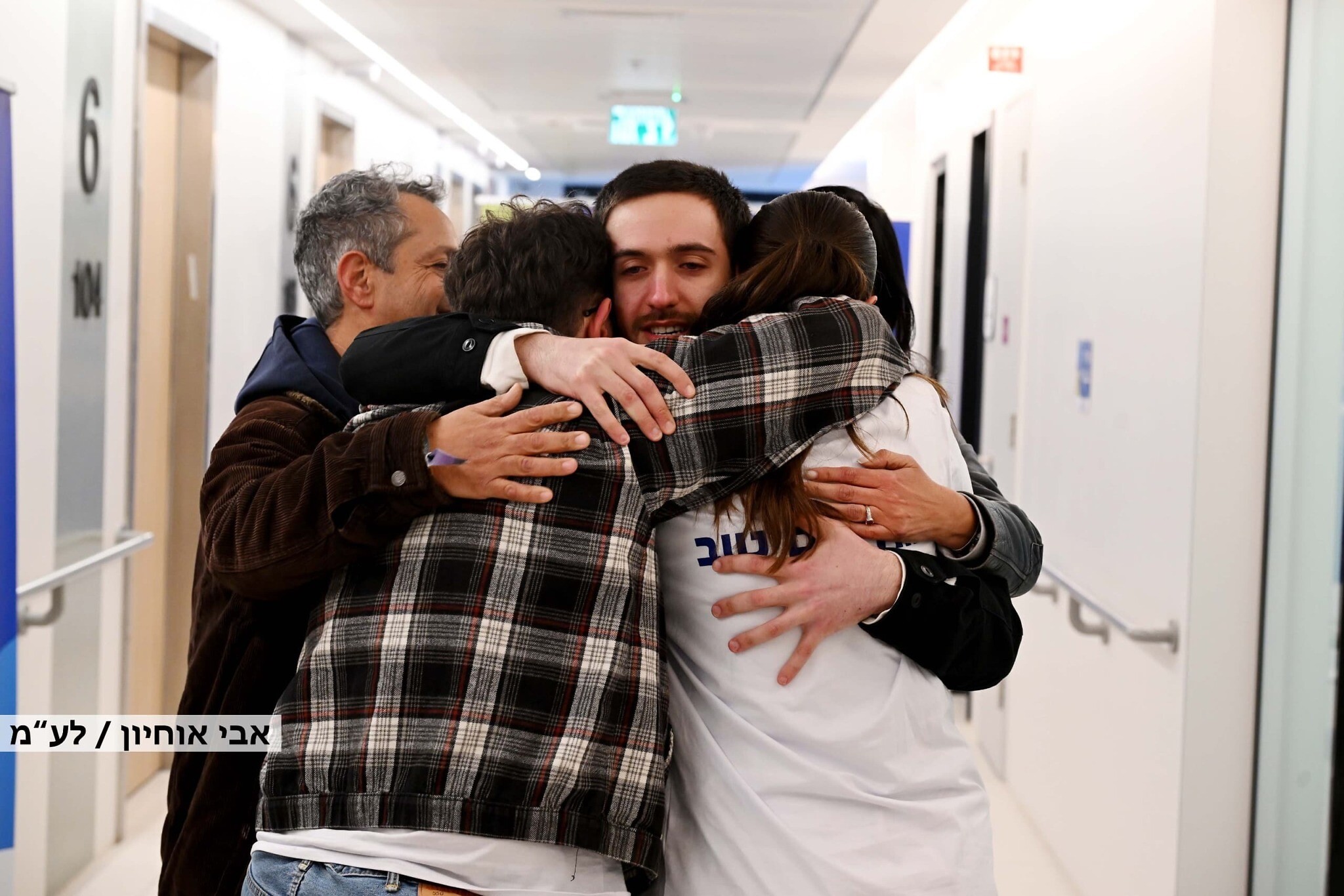
Shem Tov, who was kidnapped on October 7, 2023, from the Nova music festival near the Gaza border, recounted an instance when the mother of one of his captors received a phone call from the IDF warning her of an imminent airstrike.
“Hamas knew where I was and left me to die. Israel didn’t know my location, but it knew where my captor’s mother was and called to make sure she wasn’t killed accidentally,” he wrote. “There I was — kidnapped, starved and tortured by her son — while my army was trying to keep his mother alive.”
He said his captors in Gaza celebrated death and destruction on both sides: “For Hamas, destruction itself could be victory. As long as there was death on either side, Hamas could win.”
Shem Tov said that “Israel desperately wanted me home. But not at any price. There were Palestinian civilians between Israel and me. So Israel dropped leaflets, sent messages, made phone calls and ordered evacuations. It tried to minimize NAZA, or collateral damage.”
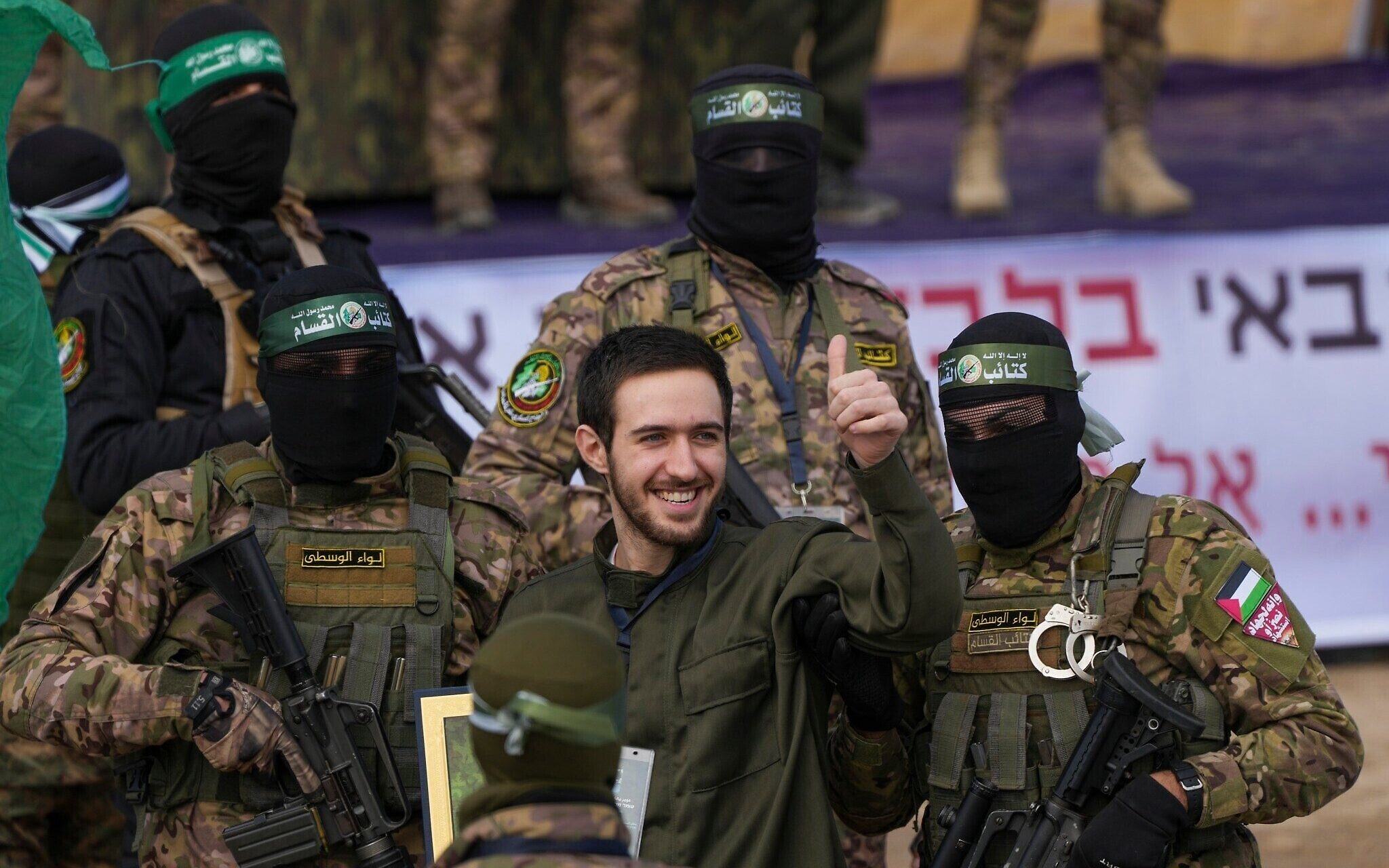
The freed hostage suggested that Israel “paid a price” for its efforts to reduce civilian casualties: “They gave Hamas time. They exposed Israeli soldiers to greater danger. And they left hostages like me waiting longer.”
“If Israel had cared less about NAZA, perhaps I would have come home sooner,” he added. “Fewer Israeli soldiers might have died. Fewer hostages might have died. But more Palestinians would have.”
Shem Tov wrote that he is troubled by reports about the documentary film, which he notes that he also hasn’t seen in full.
“In Venice, the film received a standing ovation that lasted more than 24 minutes,” he said. “As a former hostage, those minutes felt like a shower of knives. Not because the film shows Palestinian suffering, which is real and deserves to be seen. What hurts is that the film, as it has been reported, doesn’t seem to see me.”
The former captive said that to the filmmakers, “perhaps I am NAZA too. Collateral damage. A Jewish hostage who could have been left to rot in a Hamas tunnel, or murdered alongside my friends at Nova, because fighting to free me, and to protect Israelis from the people who did this, is itself treated as morally suspect.”
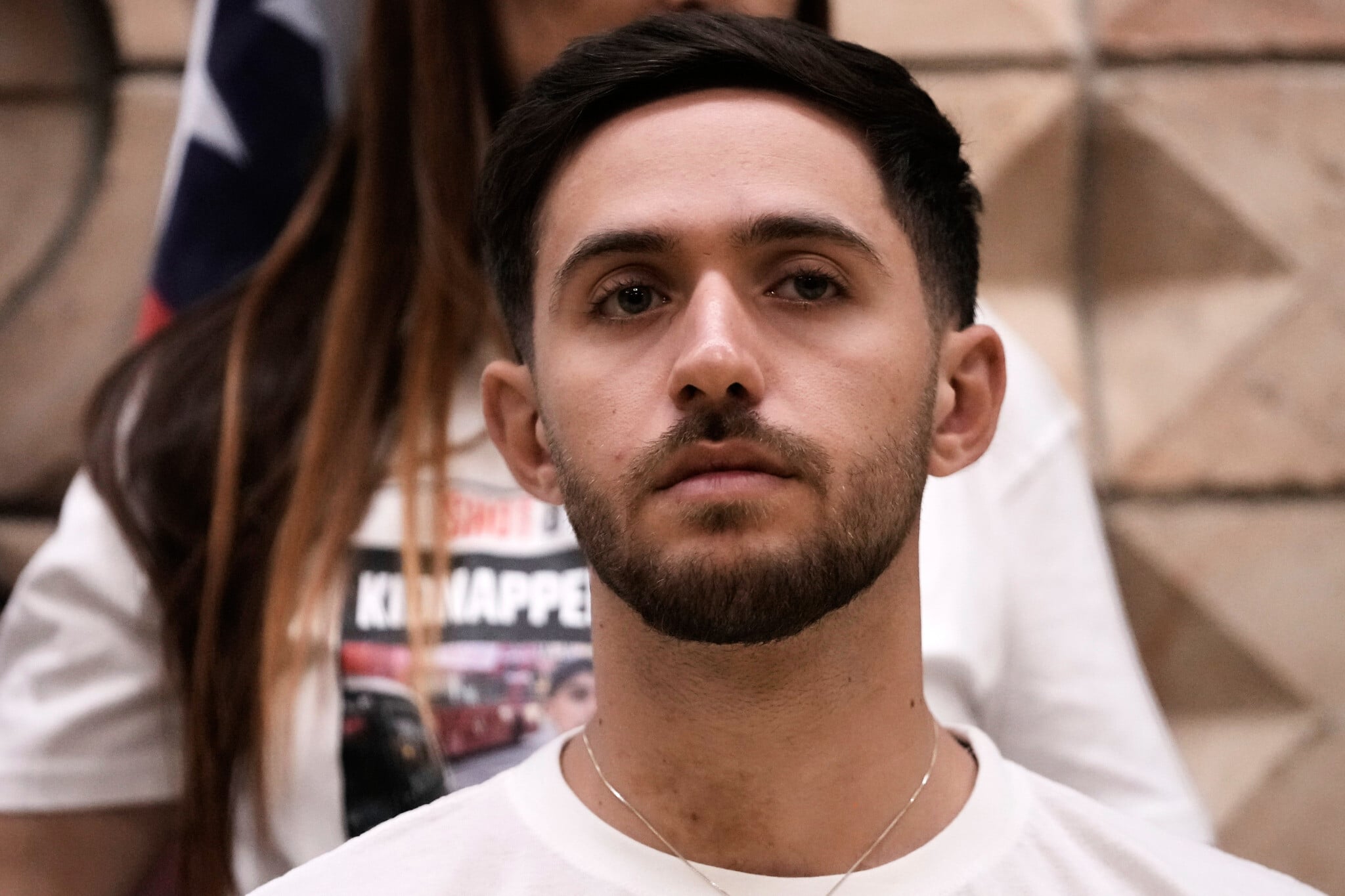
The film has created an uproar in Israel, with officials urging a criminal probe into the documentary and threatening to revoke the directors’ citizenship, and right-wing activists protesting outside the home of one of the filmmakers’ parents.
Among the film’s allegations is one, featured in a promotional video of the documentary, that the military planned a strike in Gaza in which 500 civilian deaths had been anticipated. The IDF has denied that claim as “completely false.”
The IDF said decisions regarding the selection and approval of strikes were made “by human personnel only… and not by artificial intelligence.” It also rejected claims cited in the film “regarding national and military strategy that are clearly beyond the knowledge of junior-level soldiers.”
Prime Minister Benjamin Netanyahu pledged last week to strip citizenship from those who slander IDF soldiers abroad, while IDF Chief of Staff Lt. Gen. Eyal Zamir instructed the military’s top legal official to examine legal action against the film and those involved in it, and the culture minister has called on the Shin Bet to investigate whether the filmmakers were assisted by Hamas.



The Times of Israel Community.