

In New Zealand, sets of Four Species cost over $1,200. That’s only the first obstacle
Strict biosecurity measures make Sukkot the trickiest holiday for Kiwis: Only 14 quartets of palm, myrtle, willow and citron are permitted into the country — and every leaf must be accounted for
 Add ToI as a Preferred Source on Google
Nomi Kaltmann reports for The Times of Israel from Melbourne.
MELBOURNE, Australia — In the weeks after Passover each year, Israeli-New Zealander Daniel Rosenbaum is already at work preparing for Sukkot, a Jewish festival six months away.
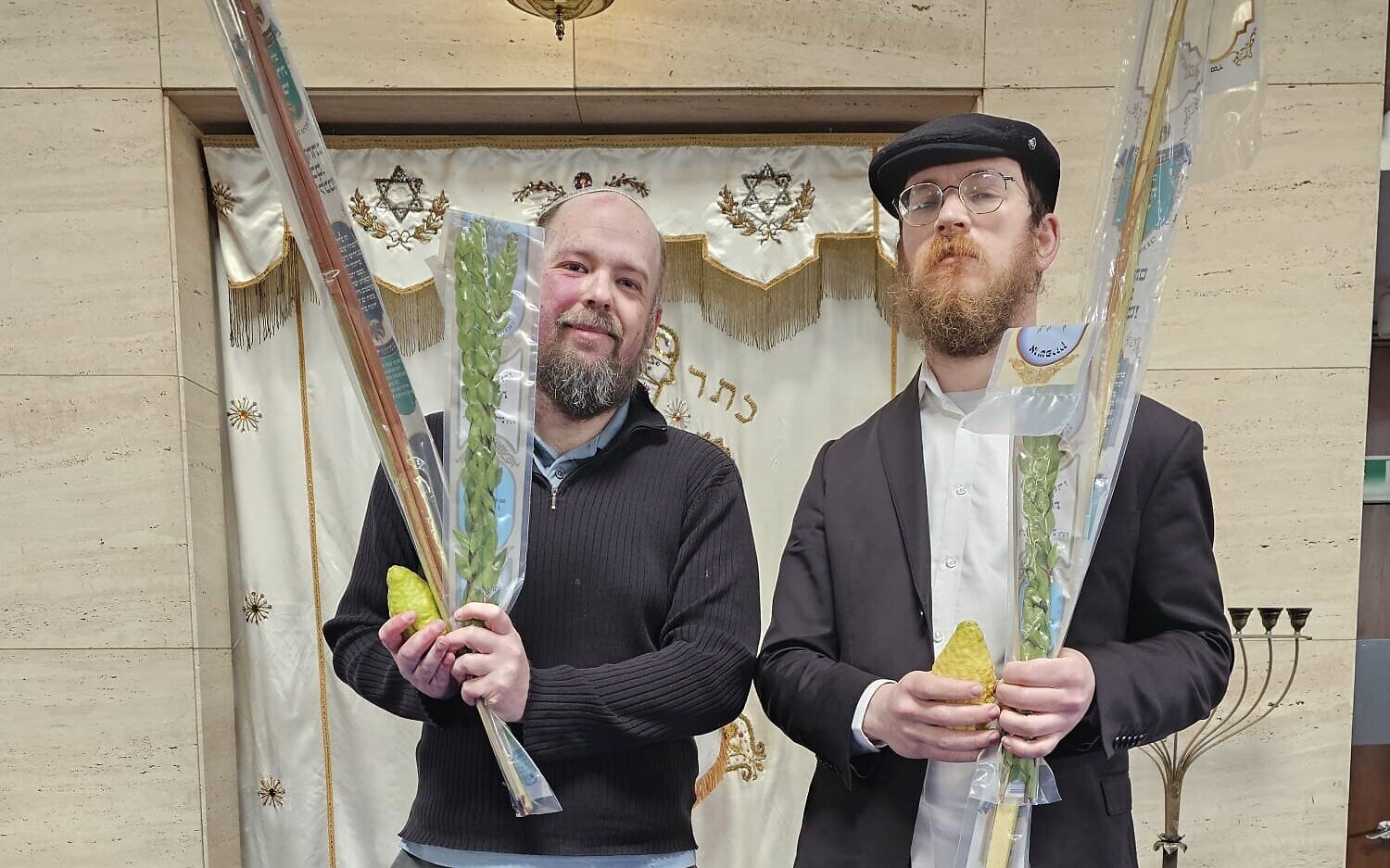
As the incoming chairperson of the Wellington Jewish Community Center, Rosenbaum spends months navigating the legal and administrative requirements to import sets of the Four Species — plants that Jews are biblically commanded to gather together and wave on the Sukkot holiday.
The country’s approximately 5,500 Jews, a pittance among a broader population of 5.3 million people, face an enormous challenge getting supplies for the festival of Sukkot each year because New Zealand has some of the world’s strictest biosecurity laws.
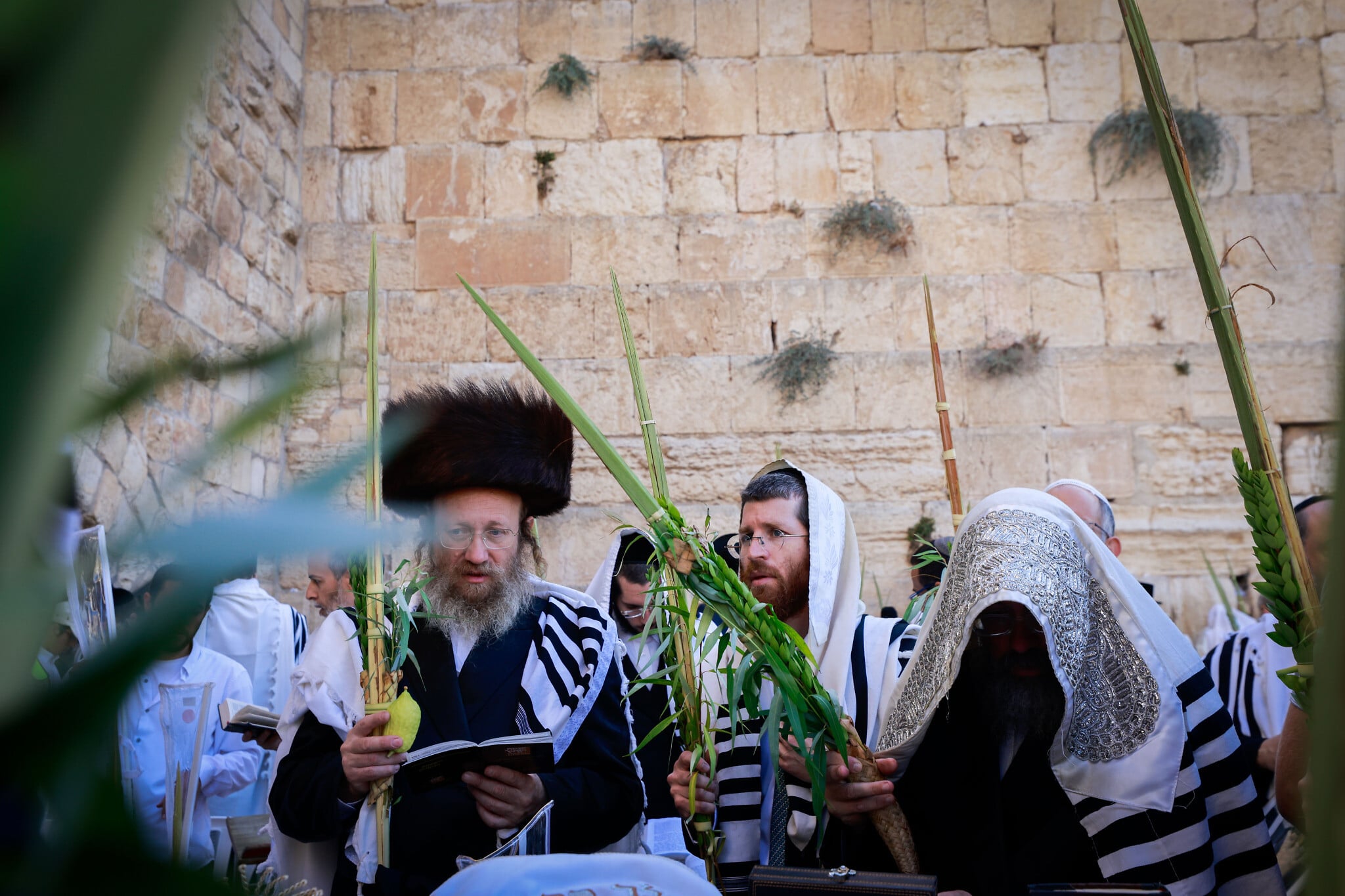
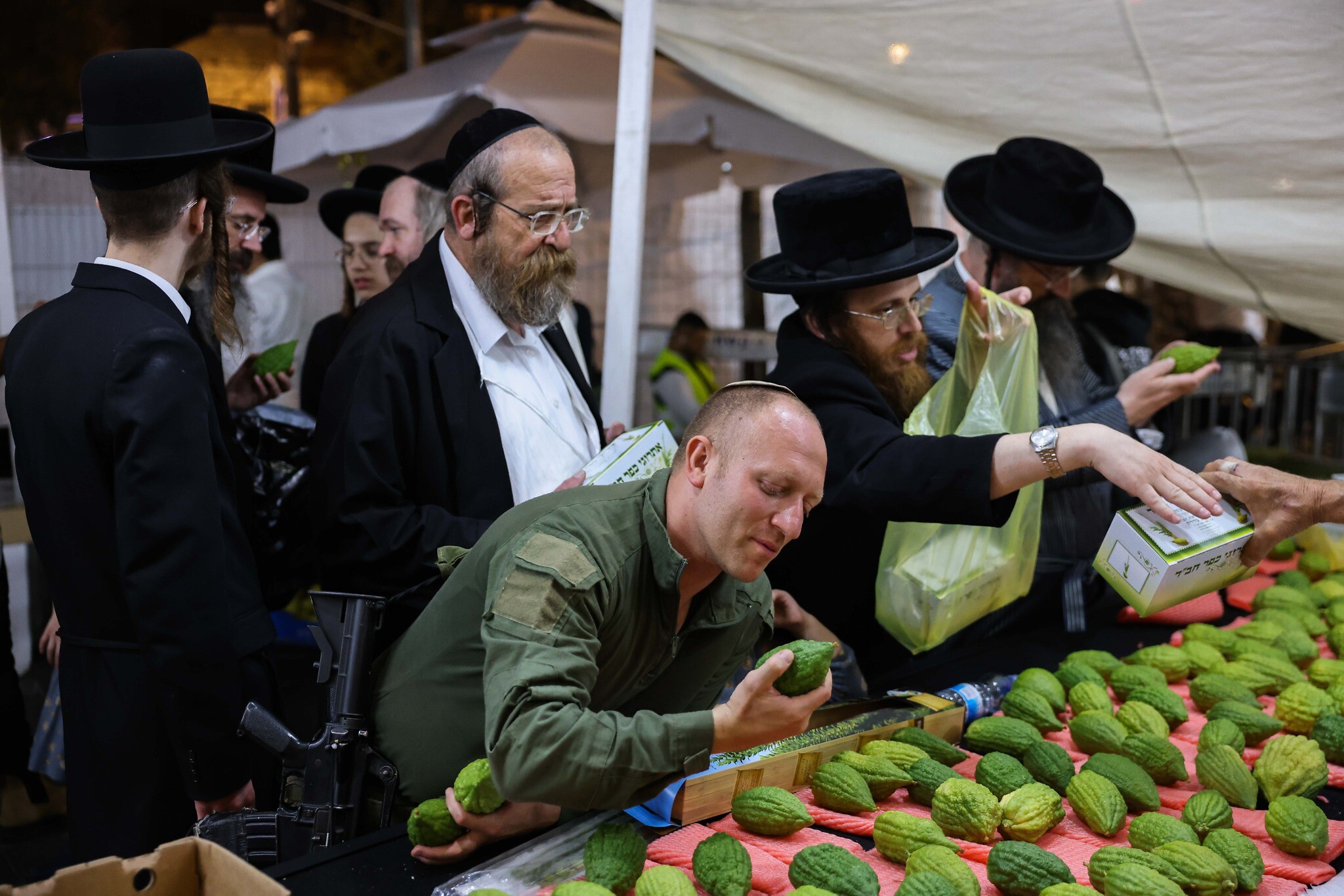
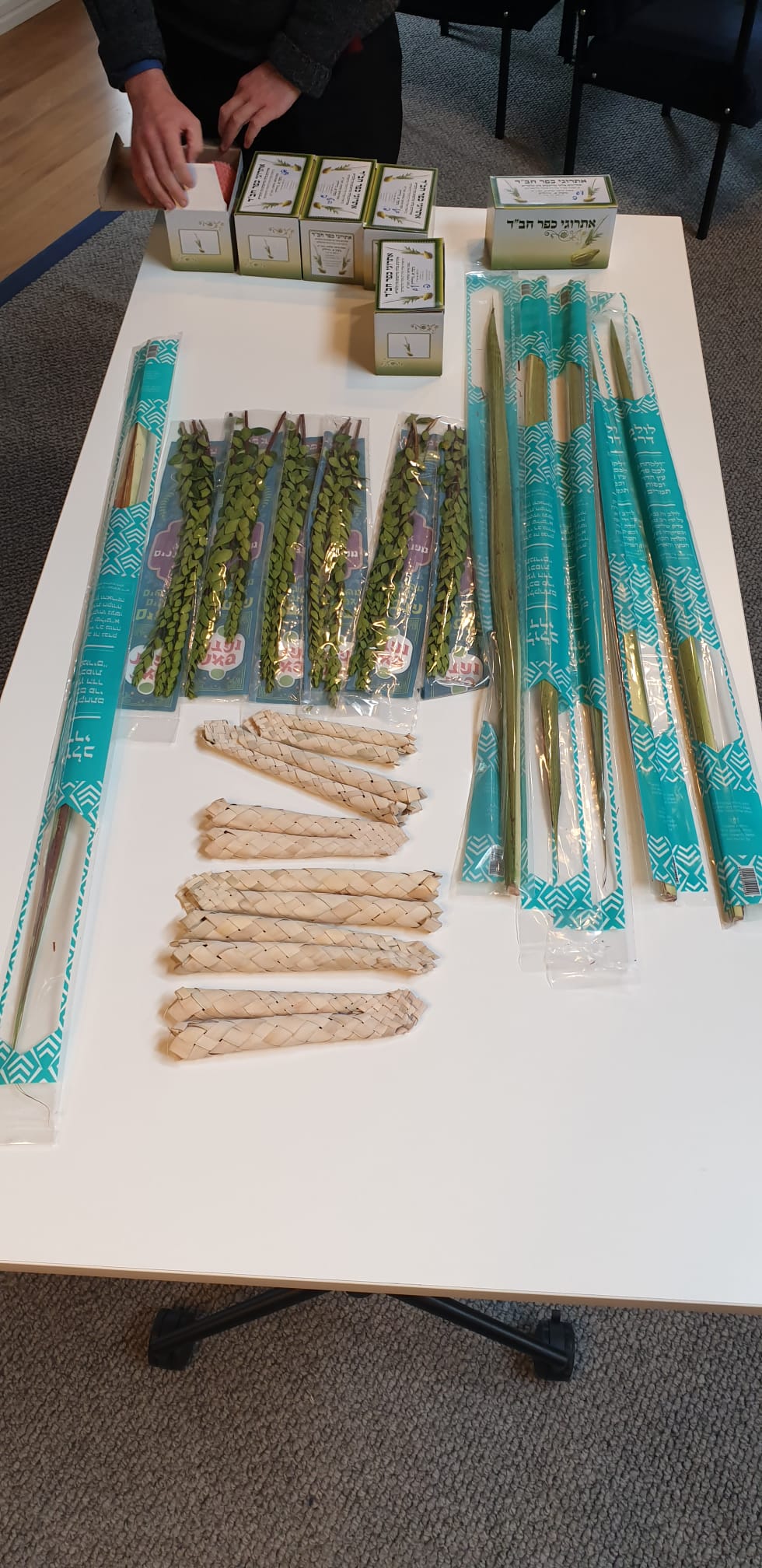
Any natural materials, leaves, plants or fruits are considered a biosecurity hazard to New Zealand’s fragile island ecosystem, and their import into the country is tightly controlled. The lulav and etrog, or palm frond and citron, along with the myrtle and willow branches used on the festival of Sukkot, are caught under these strict restrictions.
This year, Rosenbaum is overseeing the legal import of 14 sets of the Four Species for all of New Zealand, some of which will be sent to the Auckland Hebrew Congregation. Under him, there are two teams. One looks after compliance and legislation, and the other acts as the importer.
“We have to go through the same rigmarole as a massive company, like one that brings in 1,000 tons of tomatoes from Spain,” said Rosenbaum.
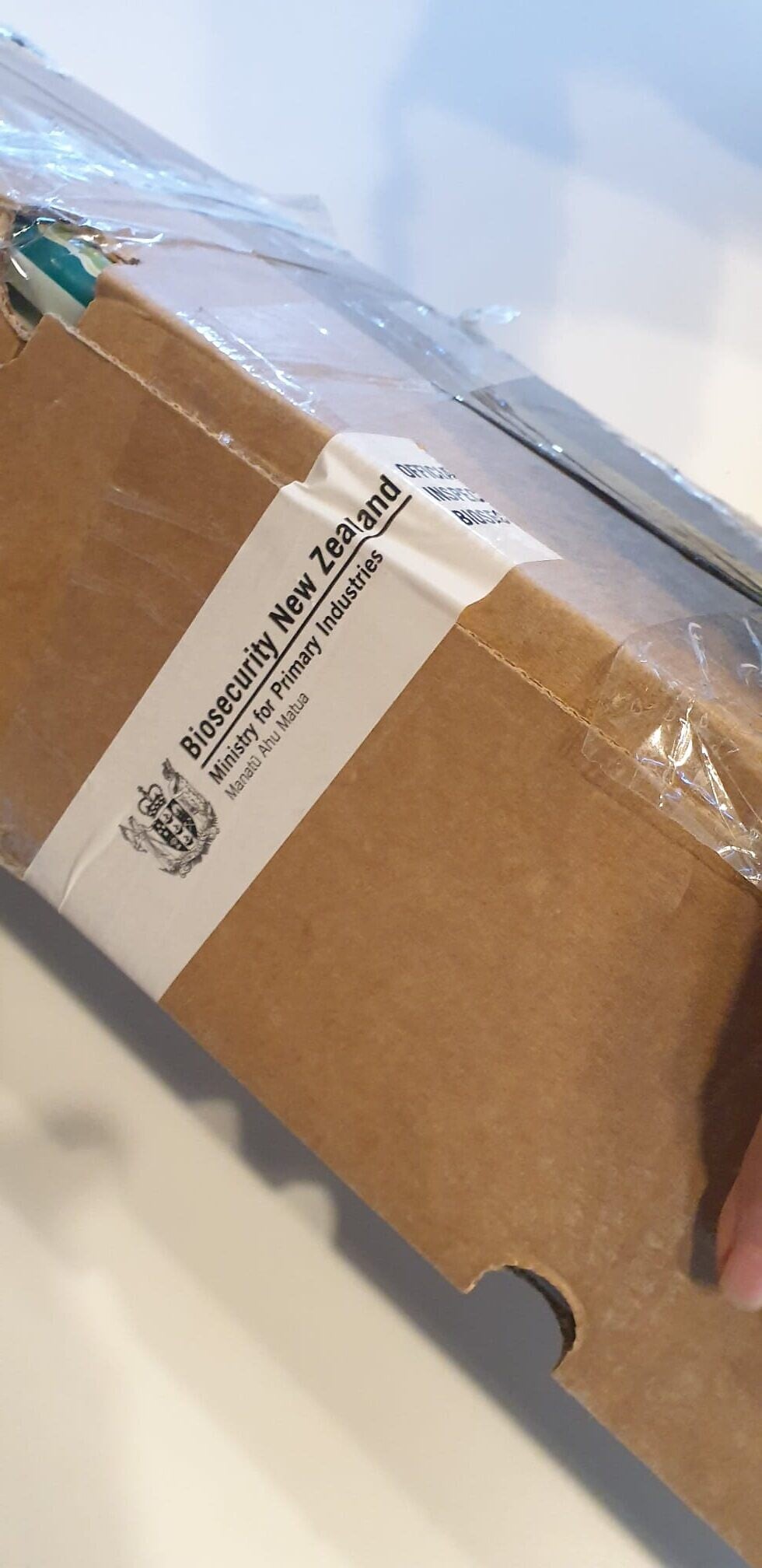
To get import approval, the Wellington Jewish Community Center and Auckland Hebrew Congregation separately review their biosecurity risk management plans, submit them to the Ministry for Primary Industries for review, and undergo individual biosecurity verification audits.
The government ministry checks the community building protocols and its plans for managing the sets. It then prepares a report indicating whether the synagogue’s proposed management of the biosecurity risk is acceptable or whether anything must be adjusted.
Every leaf is sacred, every leaf is great
Anyone handling the Four Species must undergo “staff training” on how to handle the restricted plant material, so in Wellington, the synagogue includes a reminder of the community’s biosecurity protocols at their annual meeting and in the weekly synagogue newsletters leading up to the festival.
The sets of the Four Species are grown in Israel, but are imported via the nearest large Jewish community, Australia. Before the plants reach New Zealand, each synagogue’s biosecurity team puts up posters at all synagogue entrances, reminding congregants that they are entering a secure facility authorized under the Biosecurity Act.
Posters at all exits also remind people not to take the sets outside the synagogue. A green and red line is drawn around the synagogue’s secure and non-secure zones, and the sets cannot cross the red line, including into the sukkah, where they are traditionally waved in other communities. Although in other parts of the world many Jews purchase their own sets, no one in Wellington or Auckland may have one in their own home; the synagogue stores all sets in its secure facilities.
The process is extremely expensive. After all is said and done, the cost of a set — usually the cheapest and simplest available for purchase — comes out to around $1,200 to $1,700. In other communities around the world, such sets can often be obtained for as little as $40.
Yael Armitage, another member of the Wellington Jewish Community Center, helps coordinate.
“The sets are collected from the airport and transferred to the Wellington Jewish Community Center,” Armitage said. “A team at [the synagogue] opens the box, counts everything, and conducts a biosecurity and religious inspection. The sets intended for the Auckland Hebrew Congregation are selected, securely packaged in pest-proof packaging, and taken back to the airport for transfer to Auckland. Then, if all goes to plan, the sets are approved… and we all breathe a massive sigh of relief.”
If a leaf gets wasted, the government gets quite irate
While the Four Species sets are in the synagogue’s possession, any fallen leaves or plant debris must be collected and held in a secure container to be returned to New Zealand’s Ministry of Primary Industries after the festival, where all 14 sets, including all fallen leaves and plant debris, will be destroyed.
“We can’t toss them into a bin; we have to get [the government] to come and pick them up,” said Rosenbaum. “We wrap them up in layers of rubbish bags when they collect them.”
Recent signs suggest the process for importing the Four Species into New Zealand’s tiny Jewish community may become easier.
“In 2023, the Ministry of Primary Industries let us know that they were starting work on revising the Import Health Standard for cut flowers and foliage, and they wanted to ensure that the palm and myrtle species were in scope for the review,” said Armitage.
In November 2025, the Import Health Standard was updated to include both species imported from Israel.
However, as the Four Species are imported in complete sets, and the citron and willow are not on the list of permitted flora, the update has not yet relieved the burden on New Zealand’s Jewish community in preparing for Sukkot.
“It doesn’t help us much until we can get an Import Health Standard for the etrogs, but because etrogs are citrus fruits, the risks are quite different,” said Armitage.
“The Ministry of Primary Industries needs data… on how etrogs are grown in Israel, what plant pests and diseases are present… how the etrogs are harvested, and how they are handled post-harvest — what phytosanitary treatments are applied to manage the risk of pests and diseases,” she said. “Without some basic information on this, the Ministry of Primary Industries cannot start work on an Import Health Standard.”
Despite the hardships, there is still beauty in the process.
“It resets what you think of as hidur mitzvah,” said Rosenbaum, using the Hebrew term for going above and beyond to beautify the performance of a heavenly commandment.
“A number of people involved in this mitzvah are not necessarily observant themselves, but this is a mitzvah they really work hard at. The sheer size of the effort that goes into it means we have to be more aware of things that others might take for granted,” he said.








The Times of Israel Community.